If you need a plant that can survive harsh dry conditions, start with these proven options: sagebrush (Artemisia tridentata) for cold dry steppe, desert willow (Chilopsis linearis) for hot desert washes, Apache plume (Fallugia paradoxa) for rocky slopes, and blue grama grass (Bouteloua gracilis) for dry prairies. If you also want plants that grow in dry areas are called, use these categories as a starting point for your own shortlist proven options.
A Plant That Can Grow in Harsh Dry Conditions: How to Choose

Dr. Marcus Weatherby
4 May 2026
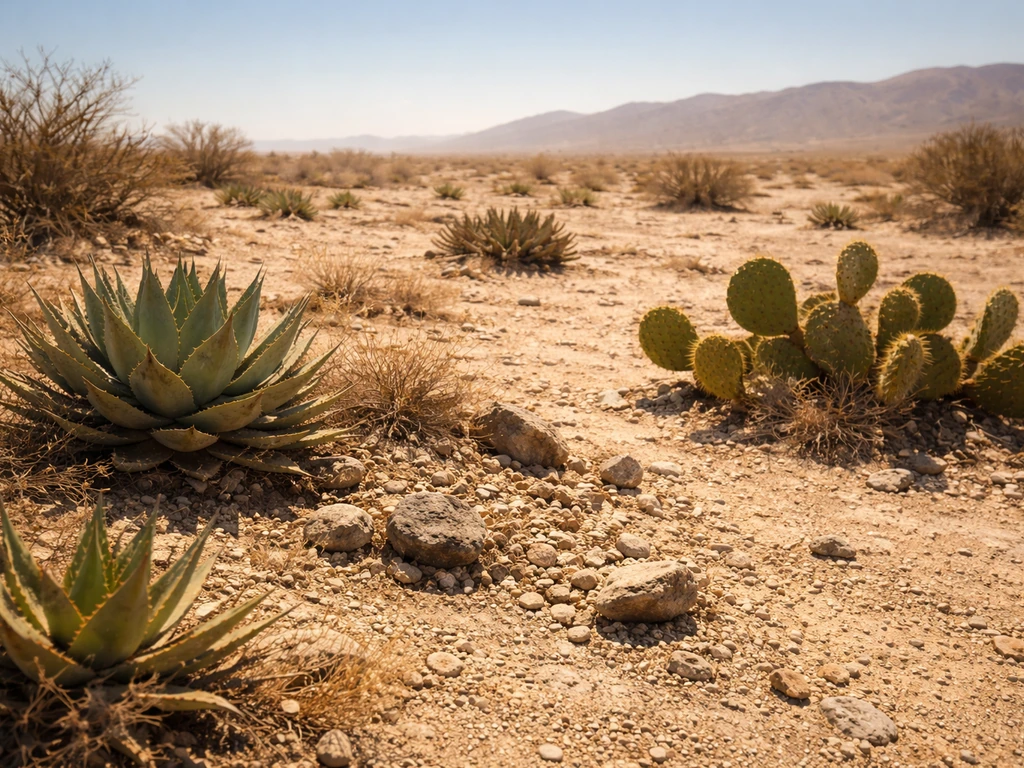
Each one is genuinely adapted to low rainfall, poor soil, and brutal sun, not just tolerant of occasional dry spells. Which one is right for you depends on your hardiness zone, soil drainage, and how hot versus cold your dry season gets. Keep reading and you'll have a clear match by the end.
What 'harsh dry conditions' actually means on the ground
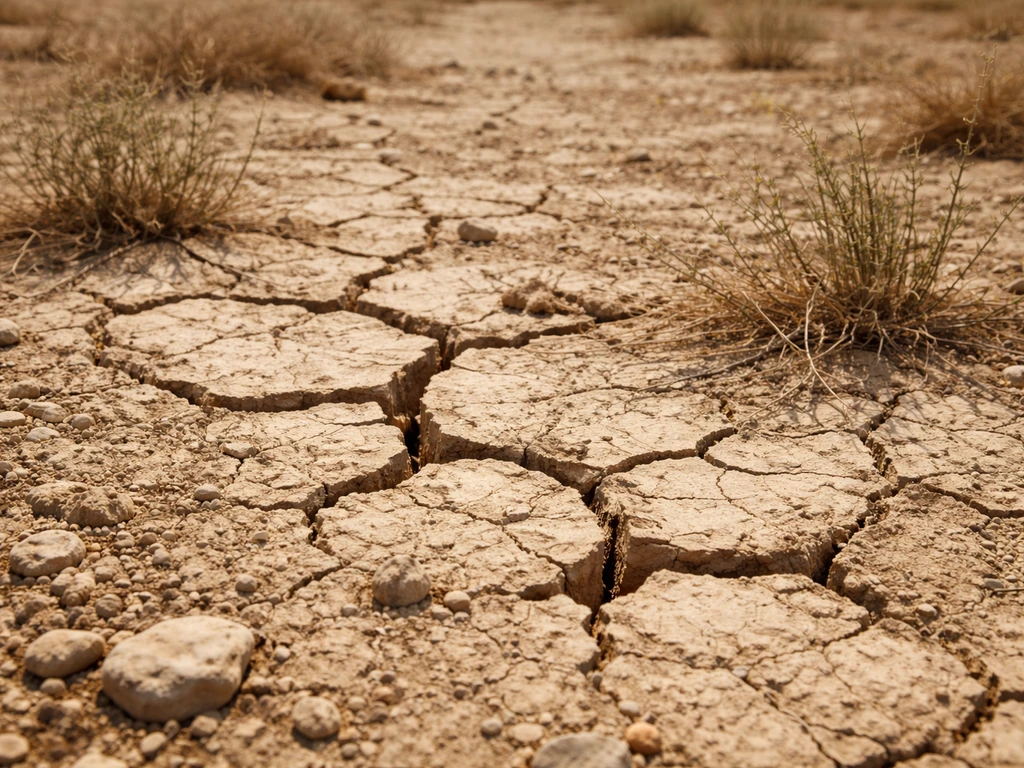
Harsh dry conditions aren't just low rainfall. Scientists like those at NOAA and USGS measure drought using indices that combine temperature, precipitation, soil moisture, and evapotranspiration together, because heat and wind pull water out of both soil and leaves as aggressively as lack of rain does. The U. S.
Geological Survey notes that drought reflects complex interactions that determine both its magnitude and its impacts on water availability and ecosystems drought reflects complex interactions that determine its magnitude and impacts on water availability and ecosystems. A site receiving 12 inches of annual rain in cool coastal fog is a very different challenge than one receiving the same 12 inches in hot, windy, alkaline desert.
Both are 'dry,' but they demand different plants.
In practical terms, harsh dry conditions for plants usually include at least several of these factors: annual rainfall below 12 to 15 inches, high reference evapotranspiration (ETo) driven by heat, wind, and low humidity, soils with low organic matter and fast drainage (sandy, gravelly, or rocky), shallow soil depth over hardpan or bedrock, seasonal rainfall concentrated in one short window, and sometimes elevated salinity or alkaline pH above 7.5. Cold dry climates add winter desiccation from freezing winds, which is a separate stress entirely. When you're searching for a plant that can handle your site, you need to know which of these factors dominate, because a Sonoran Desert cactus will not solve a Great Basin cold-dry problem.
The traits that actually make a plant drought-tolerant
Genuine drought tolerance isn't a vague attribute that plant tags slap on anything that survives a dry summer. It's a cluster of specific physical and metabolic strategies. When you're evaluating a species, look for evidence of these traits in how and where the plant grows naturally.
- Deep or wide-spreading roots: Many desert and steppe plants send taproots several meters down to access subsoil moisture, or spread lateral roots far beyond the canopy to catch every drop. Mesquite (Prosopis spp.) taproots have been documented past 50 feet in some sites.
- Reduced or modified leaves: Small leaves, needle-like leaves, or leaves replaced entirely by photosynthetic stems (like cacti) all reduce the surface area losing water to the air.
- Waxy or hairy cuticles: A thick waxy coating (as on agave leaves) or a dense layer of fine hairs (as on woolly mullein or brittlebush) reflects heat and slows water vapor escaping through the leaf surface.
- CAM photosynthesis: Crassulacean Acid Metabolism, used by cacti, agaves, and many succulents, allows the plant to open its pores only at night when temperatures are cool, dramatically cutting transpiration losses. Arizona Cooperative Extension specifically flags this as a key desert adaptation.
- C4 photosynthesis: Grasses like blue grama and buffalo grass use C4 pathways that are more water-efficient than standard C3 plants at high temperatures, which is why they dominate dry prairies rather than cool-season grasses.
- Drought deciduousness: Some shrubs (like ocotillo) drop their leaves entirely during dry periods and re-leaf within days of rain, effectively shutting down water loss when conditions are worst.
- Seed dormancy and timing: Annual plants in dry regions often produce seeds with hard coats or chemical inhibitors that prevent germination until both moisture and temperature signals confirm a real growing window, not a false start.
- Deep stem or root water storage: Succulents store water in swollen stems, leaves, or caudices, giving them a reservoir to draw on during extended dry periods.
The critical warning here, backed up by research from UA Cooperative Extension, is that even these well-adapted plants have limits. Prolonged or unusually severe drought, especially when combined with extreme heat, can push even established desert-native plants to irreversible damage or death. Adaptation means surviving the normal range of drought in a region, not unlimited conditions.
Best plants by dry habitat type
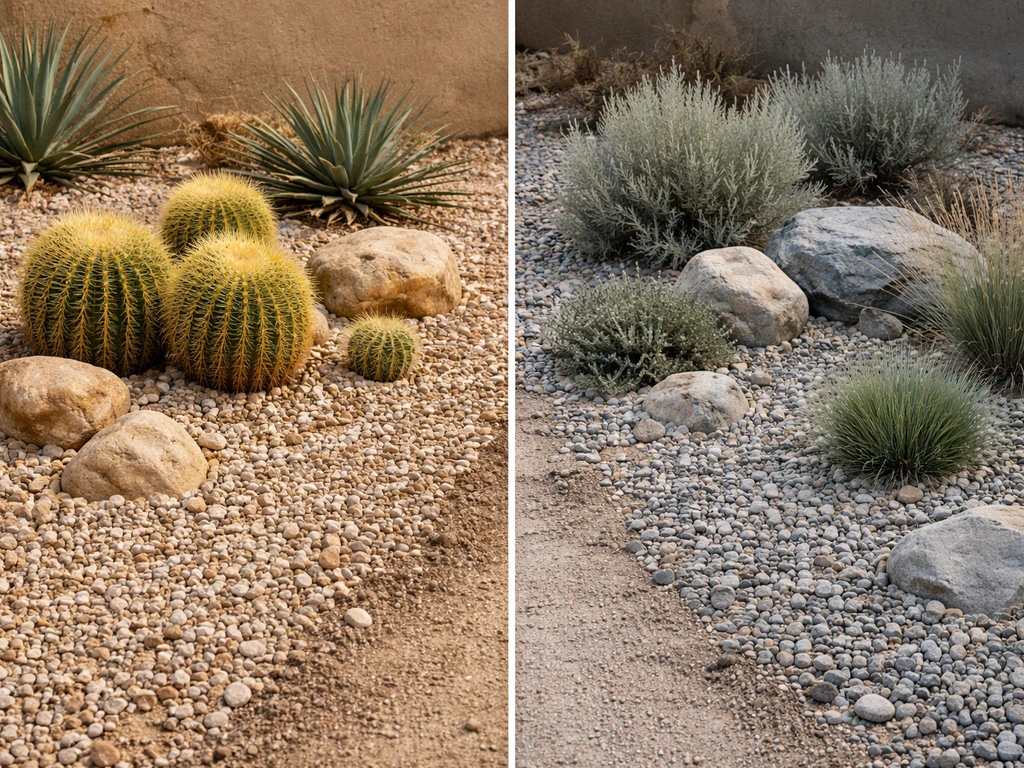
Grouping plants by the habitat they come from is the most reliable way to match them to your site. A plant from the Chihuahuan Desert and a plant from the Wyoming high desert have almost nothing in common ecologically, even though both grow in 'dry' conditions.
Hot desert (Sonoran, Chihuahuan, Mojave)
| Plant | Type | Key Traits | Rainfall Tolerance | USDA Zones |
|---|---|---|---|---|
| Saguaro (Carnegiea gigantea) | Columnar cactus | CAM photosynthesis, accordion stem stores water | 3–16 inches, summer rain pattern | 9–11 |
| Desert willow (Chilopsis linearis) | Shrub/small tree | Deep taproot, drought deciduous, loves wash edges | 8–20 inches | 7–11 |
| Brittlebush (Encelia farinosa) | Perennial shrub | Hairy silver leaves, drought dormant in dry season | 3–12 inches | 8–11 |
| Ocotillo (Fouquieria splendens) | Spiny shrub | Drought deciduous, leafs out after any rain event | 5–20 inches | 7–11 |
| Agave (Agave spp.) | Succulent rosette | CAM photosynthesis, thick waxy leaves, stores water | 6–20 inches | 5–11 (varies by species) |
Cold desert and high desert (Great Basin, Colorado Plateau)
| Plant | Type | Key Traits | Rainfall Tolerance | USDA Zones |
|---|---|---|---|---|
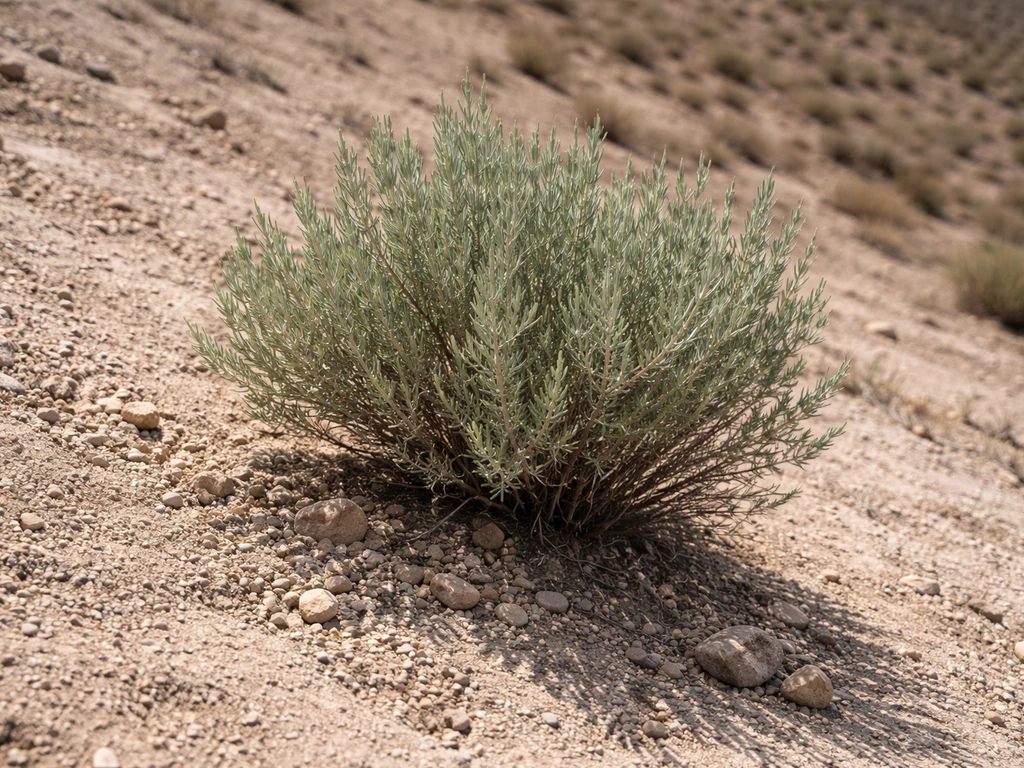
| Big sagebrush (Artemisia tridentata) | Evergreen shrub | Deep roots, aromatic resinous leaves reduce transpiration | 8–16 inches | 4–9 |
| Rabbitbrush (Ericameria nauseosa) | Deciduous shrub | Rubber-coated stems, nitrogen-fixing associates, sandy soils | 6–16 inches | 3–9 |
| Shadscale saltbush (Atriplex confertifolia) | Evergreen shrub | Highly salt-tolerant, alkaline and gypsic soils | 4–12 inches | 4–9 |
| Prickly pear (Opuntia spp.) | Pad cactus | CAM, cold-hardy species to Zone 3, stores water in pads | 6–20 inches | 3–11 (varies) |
| Indian ricegrass (Achnatherum hymenoides) | Bunchgrass | Sand-adapted, food source for wildlife, cold-hardy | 6–14 inches | 4–9 |
Dry rocky slopes and eroded soils
| Plant | Type | Key Traits | Notes |
|---|---|---|---|
| Apache plume (Fallugia paradoxa) | Shrub | Deep taproot, thrives in shallow rocky alkaline soils | Southwest and southern Rockies slopes |
| Cliffrose (Purshia stansburiana) | Evergreen shrub | Resinous leaves, nitrogen-fixing root associates, limestone outcrops | Desert Southwest rocky terrain |
| Juniper (Juniperus monosperma / osteosperma) | Conifer | Extreme drought tolerance, poor rocky soils, erosion control | Widespread on rocky mesas and slopes |
| Blackfoot daisy (Melampodium leucanthum) | Perennial forb | Gravelly calcareous soils, long bloom in heat, shallow roots | Texas Hill Country to Arizona |
| Sideoats grama (Bouteloua curtipendula) | Bunchgrass | Rocky slopes, dry prairie, erosion-resistant root system | Central and Southwest U.S. |
Dry scrub and steppe
| Plant | Type | Key Traits | Notes |
|---|---|---|---|
| Blue grama grass (Bouteloua gracilis) | Bunchgrass | C4 photosynthesis, drought and cold tolerant, short stature | Dominant grass of the shortgrass prairie |
| Four-wing saltbush (Atriplex canescens) | Shrub | Highly salt-tolerant, nitrogen-fixing, wind and drought resistant | Widespread across arid scrub from sea level to 7,000 ft |
| Purple sage (Salvia dorrii) | Shrub | Silver-gray leaves, low water needs, hot dry slopes | Great Basin and Mojave scrub |
| Desert marigold (Baileya multiradiata) | Annual/perennial | Woolly leaves reflect heat, reseeds freely in dry sandy soils | Chihuahuan and Sonoran Desert roadsides and flats |
| Winterfat (Krascheninnikovia lanata) | Subshrub | Whitish woolly stems, saline-alkaline tolerant, cold steppe | Great Plains to Great Basin |
How to choose the right species for your exact site
The fastest way to narrow your plant list is to work through four variables in order: hardiness zone, sun exposure, soil type and drainage, and salinity or pH if relevant. Don't skip any of them, because a plant that's drought-adapted but wrong for your zone or drainage will fail just as reliably as a plant that's not drought-adapted at all.
- Check your USDA Hardiness Zone first. This tells you how cold your winters get, which eliminates plants before anything else. A Sonoran Desert plant rated to Zone 9 won't survive a Zone 5 winter no matter how drought-tolerant it is. Cross-reference cold hardiness against your average annual low temperature.
- Assess sun exposure honestly. Most dry-condition plants evolved in full, intense sun for 8 or more hours daily. If your site has afternoon shade from a building or tree, the plant list shifts significantly. Some species (certain agaves, some desert willows) actually appreciate afternoon shade in the hottest zones.
- Identify your soil texture and drainage speed. Dig a hole 12 inches deep, fill it with water, and time how fast it drains. Fast drainage (over an inch per hour) confirms sandy or gravelly soil, appropriate for most desert species. Slow drainage (under half an inch per hour) means clay or compacted soil, which requires different species choices (four-wing saltbush and some willows handle poor drainage better than most cacti).
- Test or estimate your soil pH and salinity. Many dry-region soils run alkaline (pH 7.5 to 8.5) and some have elevated salts, especially in low-lying basin areas or irrigated regions. Species like shadscale saltbush, winterfat, and four-wing saltbush are specifically adapted to alkaline-saline conditions. Agaves and most cacti prefer neutral to slightly alkaline soils but aren't true halophytes.
- Match your rainfall pattern, not just total inches. Summer-dominant rain (Sonoran Desert) supports different plants than winter-dominant rain (Mojave, California chaparral, Mediterranean) or bimodal patterns. A plant from a winter-rain climate planted in a summer-rain climate can be forced into growth during its natural dormancy period, which can kill it.
Planting and establishment: getting the timing and prep right
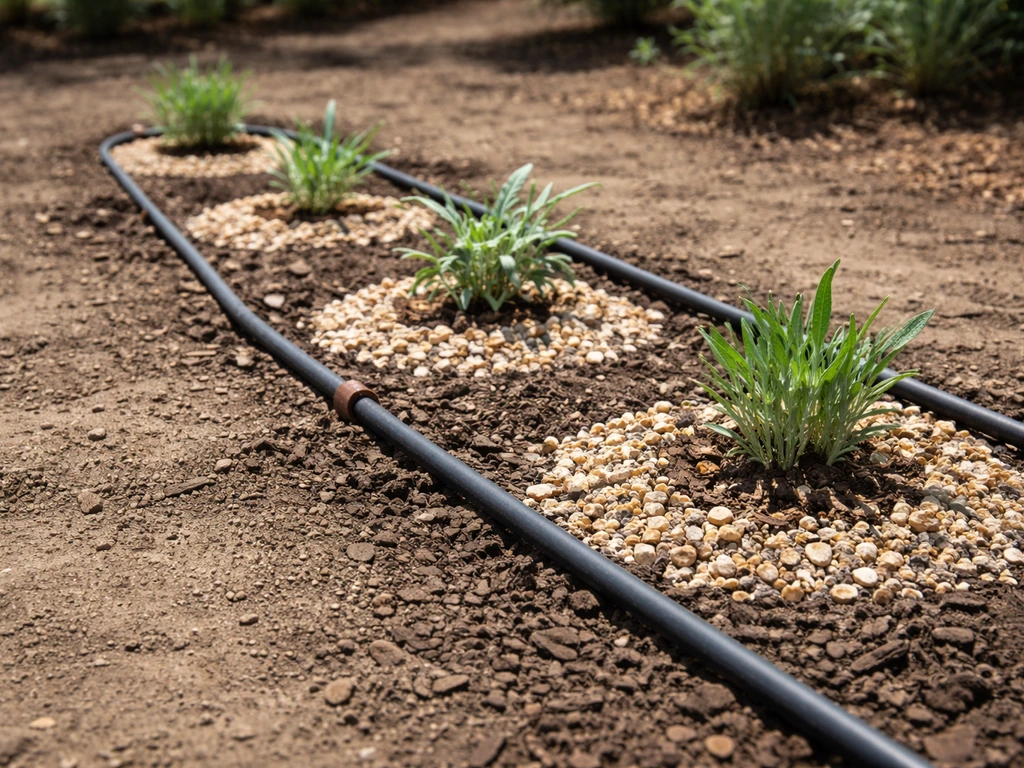
The single biggest mistake people make with drought-adapted plants is treating establishment like care of a regular garden plant. These species are tough once rooted, but they're vulnerable during the transition from container to ground. Give them the right start and most of them will outperform almost any other plant on a dry site.
Timing
Plant in fall if you're in a hot dry climate (Zones 7 and above). Soil is still warm enough for root growth but air temperatures are dropping, reducing transplant stress. Roots establish over winter and early spring before the first brutal summer hits. In cold dry climates (Zones 4 to 6), plant in early spring after frost risk passes so plants have a full growing season to establish before winter desiccation stress. Avoid planting drought-adapted species in midsummer if at all possible.
Soil preparation
Resist the urge to amend heavily. Adding lots of compost or peat to a naturally sandy or rocky soil creates a pocket of rich, water-retentive material surrounded by fast-draining native soil. Roots hit that interface and tend to stay in the amended pocket rather than expanding outward, which defeats the whole point of planting a deep-rooted drought adapter. Instead, backfill with native soil only, or mix in no more than 10 to 15 percent coarse grit if you're planting into hard compacted clay that genuinely needs breaking up. The goal is to match native drainage conditions as closely as possible.
Planting depth and spacing
Plant at the same depth the plant was growing in its container. Planting too deep, especially with cacti, agaves, and succulents, buries the crown in soil that retains moisture against stems not adapted to it, causing rot. Space plants for their mature size, not their current size. Drought-adapted shrubs often grow slower than ornamentals and it's tempting to crowd them, but most native desert shrubs need 4 to 8 feet of spacing at maturity for root competition reasons, not just aesthetics.
Mulching
Use gravel or decomposed granite mulch rather than wood chip mulch for most desert and arid-adapted species. A 2 to 3 inch layer of coarse gravel mulch reduces soil surface evaporation, keeps roots cooler, and prevents the crown-rot risk that organic mulch pressed against a succulent stem can cause. Keep any mulch material at least 2 inches away from the plant's crown or stem base. Wood chip mulch is appropriate for some steppe shrubs and grasses in cold dry climates where organic matter cycling is part of the natural system.
Irrigation strategy: how little water is actually enough
Drought-adapted plants still need watering during establishment, and getting this balance right is where most people either overwater and rot the roots or underwater before roots are deep enough to fend for themselves. The goal is to support establishment, then gradually train the plant toward independence.
First season watering schedule
Water deeply at planting (soak the root zone thoroughly) then wait. For most desert shrubs and perennials, water once every 7 to 10 days in hot weather for the first 6 to 8 weeks, then stretch intervals to every 14 to 21 days for the remainder of the first growing season.
The University of Arizona Cooperative Extension’s guidance on caring for desert-adapted plants also recommends a structured first-season schedule for establishing new plantings water once every 7 to 10 days in hot weather for the first 6 to 8 weeks. 'Deeply' means running water slowly enough that it penetrates 12 to 18 inches into the soil, not a quick surface wetting.
A simple way to check: dig down with a trowel an hour after watering and see how far moisture actually reached.
Transitioning to rainfall dependency
After the first full growing season, most correctly-matched drought-adapted species should be able to survive on natural rainfall with only occasional supplemental irrigation during extreme dry spells. Reduce supplemental watering by half in year two. In year three, established sagebrush, desert willow, rabbitbrush, and similar species typically need zero supplemental irrigation if planted in a region that matches their native rainfall range. Succulents and cacti may need an occasional deep soak in extended drought even when established, perhaps once a month in extreme cases.
Reference evapotranspiration (ETo) data from your local agricultural extension or weather station can help you calibrate. When ETo is high (hot, dry, windy days), soil moisture depletes faster and plants show stress sooner. Monitoring ETo rather than just looking at your calendar is a much more accurate way to know when to water.
Signs you're overwatering vs underwatering
| Symptom | Likely Cause | Response |
|---|---|---|
| Yellow or mushy lower stems/leaves | Overwatering or crown rot | Stop watering immediately, check drainage, reduce frequency |
| Wilting in morning (not just afternoon) | Underwatering or transplant shock | Deep water once, check if roots are established |
| Pale, stretched growth toward light | Too much shade or water encouraging soft growth | Reduce irrigation, increase sun exposure if possible |
| Leaves dropping rapidly (not in drought-deciduous species) | Transplant shock or overwatering | Ease off water, avoid fertilizer, give it time |
| Shriveled or wrinkled succulent pads or stems | Underwatering in established plant | One deep soak, then resume normal interval |
| Brown crispy leaf tips with healthy center | High heat combined with wind desiccation | Temporary shade cloth for two weeks, not more water |
Common failure points and how to troubleshoot them
After years of watching drought-adapted plantings fail, the same problems come up repeatedly. None of them are about the plant being 'wrong for dry conditions.' They're almost always about the setup or care.
- Overwatering is the top killer. A cactus or agave that looks sick is almost always drowning, not thirsty. Check soil moisture at 6 to 8 inches depth before every watering decision. If it's still damp, don't water.
- Wrong light placement: Planting a full-sun desert species in partial shade causes weak, stretched growth that is vulnerable to rot and pests. If your site has significant shade, re-evaluate your species choice rather than fighting the conditions.
- Poor drainage disguised as 'dry soil': Surface soil can look bone dry while a clay layer 8 inches down holds water around roots for days. Always confirm drainage speed with the fill-and-time test before planting.
- Organic mulch too deep or against the crown: Piling wood chips 4 to 6 inches deep against a cactus or agave creates a persistently moist, airless environment at the crown, which causes fungal rot. Keep organic mulch thin and away from stems.
- Fertilizing too aggressively: High-nitrogen fertilizers push fast, soft growth that is poorly adapted to heat and drought stress. Most desert natives evolved in nutrient-poor soils. Skip fertilizer entirely in year one, and apply only a light low-nitrogen application in year two if growth looks genuinely stunted.
- Transplanting at the wrong time: Planting in midsummer heat in a hot-arid climate puts the plant under maximum stress at its most vulnerable moment. Timing the planting window correctly (fall in hot zones, spring in cold zones) dramatically improves survival rates.
- Compacted soil preventing root expansion: If soil is so dense that roots can't push outward, the plant stays root-bound and shallow, which defeats the whole drought-survival strategy. Loosen the planting area in a wide radius (3 to 4 feet across, 12 to 18 inches deep) even if you don't amend the soil.
How to verify a plant is truly drought-adapted before you buy
The word 'drought-tolerant' on a nursery tag is nearly meaningless on its own. It could mean 'survives occasional dry spells' or 'thrives in 4 inches of annual rainfall.' Here's how to verify actual drought adaptation before spending money on a plant.
- Look up the plant's native range. If it naturally occurs in the Sonoran Desert, the Great Basin, or the shortgrass prairie, it's the real deal. If its native range is the humid Southeast or Pacific Northwest coast and it's just been noted to 'tolerate drought,' that's a very different situation.
- Check annual rainfall in the plant's native habitat. Most genuinely drought-adapted species come from areas receiving under 15 inches of annual precipitation. You can look this up in any climate reference for the species' native region.
- Look for mention of specific adaptations in species descriptions: CAM or C4 photosynthesis, tap roots, drought deciduousness, resinous or waxy leaves, or succulence. These are concrete traits, not marketing.
- Ask about provenance at native plant nurseries. A sagebrush grown from seed collected in a low-rainfall Great Basin site is more drought-adapted than one grown from seed collected in a relatively moist mountain canyon population of the same species. Provenance matters, especially at the edges of a species' climate range.
- Cross-check with regional native plant society lists or your state's cooperative extension plant lists for arid sites. These sources vet species for real-world performance in specific regional conditions, not just theoretical tolerance.
- For cultivated varieties (cultivars), dig into what the original species is. Many drought-tolerant ornamental cultivars are selected for flower color or compact form, not drought performance. The straight species is often more drought-hardy than a heavily bred cultivar.
It's also worth understanding the broader ecological category your plant falls into. Plants that grow in low-moisture climates have specific physiological features that set them apart from average garden plants, and plants that grow in dry areas carry different labels and classifications depending on the severity of the drought they handle. Understanding those distinctions helps you evaluate any species description with more confidence. Similarly, plants that grow in high desert areas must contend with cold as well as aridity, which is a combination that eliminates a lot of species that look drought-adapted on paper. Plants that grow in dry areas are called drought-tolerant species.
Where to find genuinely drought-adapted plants
Your best sources for truly drought-adapted plants, in order of reliability, are: regional native plant nurseries that specialize in your specific ecoregion, native plant society sales (usually held in spring and fall), and direct-from-grower mail-order nurseries that list provenance data. Big-box garden centers occasionally carry drought-adapted species, but their plants are often grown in high-irrigation nursery conditions, which can make establishment harder, and the species selection is usually generic rather than regionally matched.
When you contact a nursery, ask specifically: where was the seed or parent plant sourced, what rainfall conditions did it grow under, and has it been hardened off to outdoor conditions before sale? A plant that spent its whole life in a greenhouse irrigation system and then gets planted into raw desert soil has a steeper transition to make than one already acclimated to outdoor heat and dry air. Given two weeks of hardening off in a shaded outdoor area before planting in the ground makes a measurable difference in first-season survival.
FAQ
How can I tell if a “drought-tolerant” plant is truly adapted to harsh dry conditions, not just survived a dry summer in a nursery?
Look for origin details, not the tag wording. Ask the nursery for seed or parent-source provenance, and whether the plant was grown under outdoor rain conditions similar to your site (or at least hardened off there). Also check whether the species is common in the local ecoregion or habitat type, because true drought adapters usually come from areas where drought and heat are recurring, not occasional.
What should I do if my soil is both fast-draining and very compacted, like hardpan or dense clay over rock?
You generally need limited physical improvement, not heavy soil amendments. Backfill with native soil, but break up the planting pocket only if roots cannot penetrate at all (for example, shallow hardpan). If you mix anything in, keep it coarse and minimal (around 10 to 15 percent grit), and avoid compost or peat that can trap roots in a wetter pocket.
How do I know whether to use gravel mulch or keep mulch organic on a dry site?
Choose gravel or decomposed granite when your goal is minimizing surface evaporation and reducing crown-rot risk near stems. Use organic mulch only when it matches a habitat where organic matter cycling naturally occurs, typically some cold-dry steppe settings. In warm deserts and most arid shrub plantings, keep mulch a few inches away from the crown, because contact is where rot starts.
Can I plant drought-adapted species in midsummer if I water them a lot?
Often, it fails because the plant cannot build roots before the hottest, driest stress hits. Even with frequent watering, the leaves and crowns can over-stress, and wetting can lead to rot in overly cool or poorly drained spots. If you must plant late, plan for additional shade protection for the first couple of weeks and monitor soil depth moisture, but fall (hot climates) or early spring (cold dry climates) is still the safer window.
What does “deeply water” really mean in practice, and how can I check it without guessing?
Apply water slowly enough that it penetrates 12 to 18 inches, not just the top few inches. A practical check is to dig with a trowel about an hour after watering and measure how far down the soil looks dark and moist. If moisture only reaches shallow depth, the issue is application rate or soil interface, and you should reduce frequency but increase penetration per session.
How should I adjust the watering schedule if my dry season is windy and humid at the same time, or if I’m at high elevation?
Use reference evapotranspiration (ETo) as your trigger rather than the calendar. Wind and low humidity increase water loss from leaves and soil, so the same rainfall can still produce drought-like stress. High elevations can also shift timing and frost risk, so combine ETo with your local seasonal rainfall pattern to decide when to water and when to pause.
Do drought-adapted plants need pruning or staking to survive establishment?
Usually, minimal pruning helps avoid removing healthy tissue that supports recovery, especially during the establishment window. Stake only when needed for wind stability, and remove supports as soon as the root system establishes, because long-term staking can keep crowns shaded or trapped in moisture. If a plant is flopping, improve spacing and placement rather than cutting heavily.
What spacing should I use if my plants are growing slower than expected but I’m tempted to crowd them?
Space by mature size, not current size. Many arid-adapted shrubs and grasses need wide root competition space (often several feet), because crowded plants compete for limited moisture and nutrients, and that stress can look like “drought failure” even when irrigation is being applied.
If my plant survives the first summer, does that guarantee it will handle later multi-year drought?
Not necessarily. Survival in one season shows the plant matched your baseline conditions, but multi-year or unusually severe drought can exceed the adaptation range, especially when heat spikes coincide with low rainfall. A good next step is to plan for occasional supplemental deep watering during extreme events, even if the normal plan is “rain-only” after establishment.
What’s the best way to troubleshoot a plant that’s dying, but it looks drought-related?
First check for crown rot or planting-depth problems, because rot can kill plants that are supposedly drought-tolerant. Next verify drainage and whether mulch is contacting the crown. Finally, confirm watering behavior during establishment using the 12 to 18 inch moisture-depth check; many failures are overwatering early or inconsistent watering that never builds deep roots.