
Bryophytes grow in habitats that are consistently moist, humid, and sheltered from drying winds, with a stable substrate they can anchor to and enough shade to prevent desiccation between wet spells. That's the core of it. They're not fussy about being in spectacular locations, you'll find them on dripping cliff faces, shaded stream banks, rotting logs, tree bark, and waterlogged peat bogs, but they absolutely need that repeating cycle of wetness paired with shelter. plants in the phylum bryophyta grow in areas that are repeating cycle of wetness and shelter. Get those two things right, and bryophytes will colonize almost any surface on their own.
Bryophytes Grow in Habitats That Are Damp, Shaded, and Stable

Dr. Marcus Weatherby
28 Apr 2026
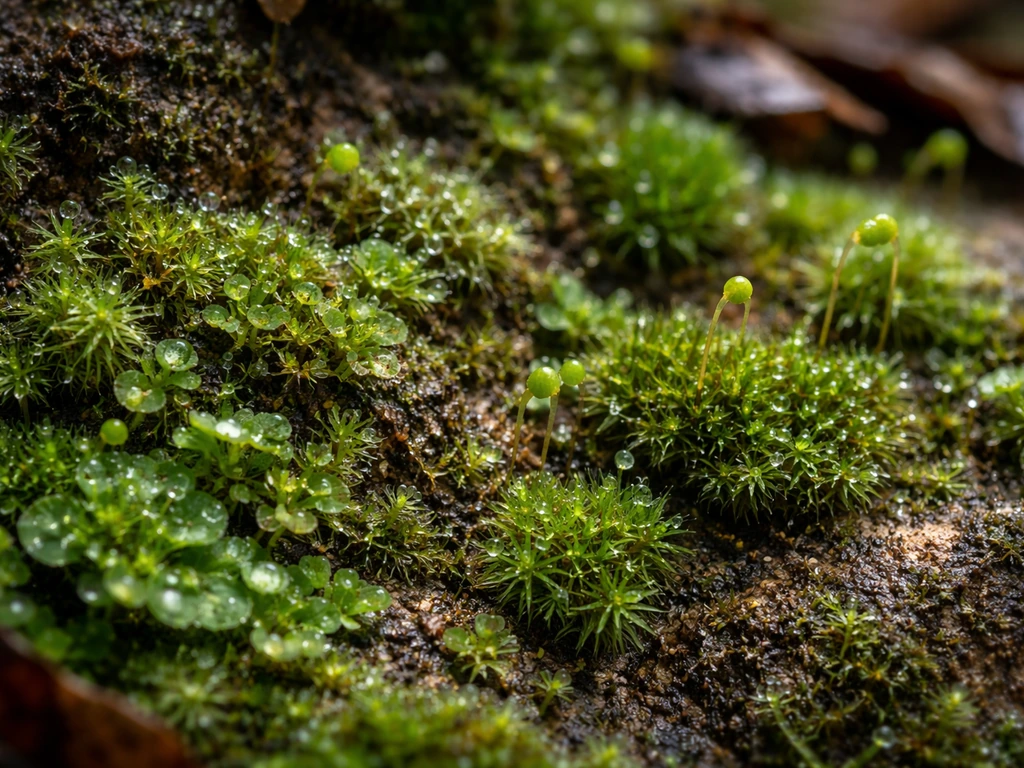
Core Habitat Requirements: Moisture and Humidity
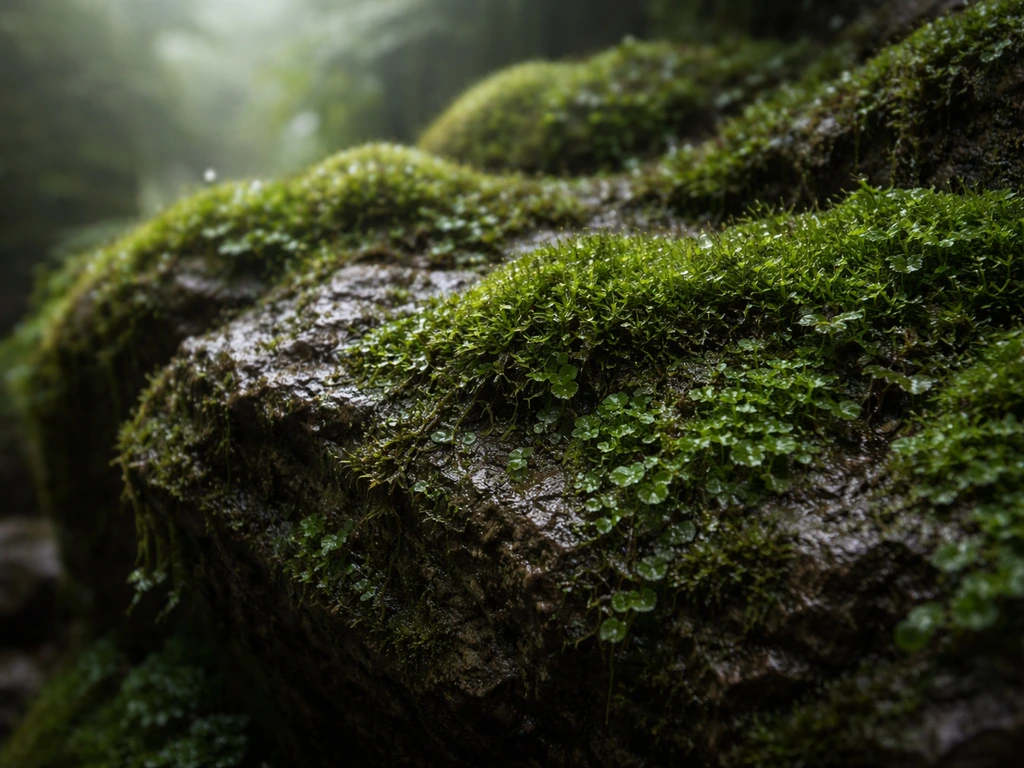
Bryophytes are what ecologists call poikilohydric, which just means their internal water content tracks whatever moisture is in the surrounding air and substrate almost instantly. Unlike vascular plants, they have no roots to draw water from depth and no thick waxy cuticle to hold water in. When the air dries out, they dry out. When it rains or humidity spikes, they rehydrate and switch back on. This is why habitat moisture isn't just a preference for bryophytes, it's the difference between surviving and dying. If you're wondering where do bryophytes grow, start by looking for consistently moist, humid microhabitats with shelter from drying winds.
The habitats where bryophytes dominate tend to share a few measurable traits: high relative humidity (often above 70–80% for extended periods), regular wetting events (rain, fog, stream splash, or seepage), and reduced evaporation because of shade or shelter. Temperate rainforests, north-facing rocky slopes, ravine walls, boggy ground, and the shaded undersides of tree branches all check these boxes. In practice, if you press your palm to a surface and it feels cool and slightly damp even on a dry afternoon, that's a good sign bryophytes can persist there.
Worth noting: some bryophytes, like the silver moss Bryum argenteum, can survive near-complete water loss and bounce back after rewetting. These desiccation-tolerant species turn up in drier, more exposed spots, pavement cracks, sunny wall tops, even desert soil. But even they grow fastest and reproduce most successfully where humidity is reliably higher. Desiccation tolerance is a survival trick, not a sign they prefer dry places.
Why Water Films Matter for Bryophyte Reproduction
This is the part most people miss. Bryophyte sperm are freely motile, they literally swim through a thin film of surface water from the male structure (antheridium) to the egg-containing female structure (archegonium). This water-film requirement for bryophyte fertilization is also summarized in general references on bryophytes Bryophyte sperm are freely motile, they literally swim through a thin film of surface water. No surface water film, no fertilization. Full stop. This is why bryophytes cluster so heavily around spots that stay wet for hours or days at a stretch after rain, not just spots that get wet briefly and dry off fast.
In the field, this means the most reproductively active bryophyte patches tend to be in microhabitats where water lingers: sheltered rock faces where rain water sheets down slowly, moss carpets near stream margins where splash and seepage keep surfaces wet, or humid forest understories where the canopy slows evaporation. If you're evaluating a site for bryophytes, ask yourself not just "does water reach here?" but "how long does surface wetness persist after a rain event?" That duration is what reproductive success depends on.
Once fertilization happens and the sporophyte (the spore-producing stage) develops, it stays physically attached to the gametophyte and depends on it for water and minerals. So even after reproduction, a continuously moist habitat matters for completing the full life cycle. A spot that floods briefly in winter and bakes dry in summer is unlikely to support a thriving, self-reproducing bryophyte community long-term.
Light and Shade: Where Bryophytes Actually Thrive
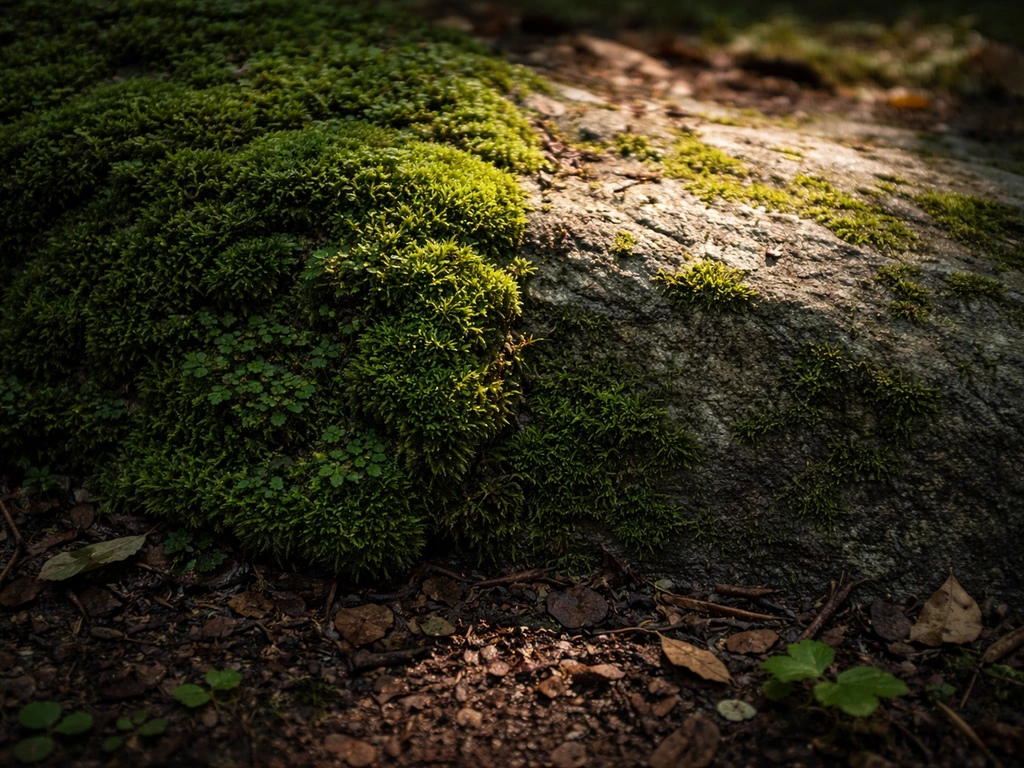
Most bryophytes are adapted to low-light conditions. They reach their photosynthetic maximum at relatively low light intensities compared to flowering plants, which is why shaded understories, north-facing walls, and the undersides of overhanging rocks are such reliably good bryophyte spots. Full midday sun is the enemy for most species: it simultaneously bleaches their photosynthetic pigments and accelerates water loss.
That said, shade preference isn't universal. There's real variation across bryophyte groups: mosses and liverworts respond differently to light, and even within mosses, sun-exposed species exist (you'll find Grimmia and Racomitrium on open, wind-swept boulders, for example). Research shows bryophytes acclimate to sun versus shade conditions, with UV exposure playing a role alongside visible light. In practical terms, dappled light under a canopy, or the indirect light on a shaded bank, tends to support the highest diversity of species. Direct afternoon sun in summer is where you start losing species fast.
There's an interesting desert exception worth mentioning: in the Mojave Desert, some mosses grow under translucent quartz rocks that act like natural frosted glass, cutting light intensity and keeping the soil beneath measurably cooler and moister. Nature essentially engineered a shade structure out of minerals. This illustrates that what bryophytes are really seeking is reduced radiation load combined with moisture retention, not darkness for its own sake.
| Light Condition | Typical Bryophyte Response | Example Habitats |
|---|---|---|
| Dense shade (under closed canopy) | High species diversity, lush growth, good moisture retention | Old-growth forest floors, ravine walls, cave entrances |
| Dappled/filtered light | Strong growth, good photosynthetic performance | Open woodland understory, shaded stream banks, north-facing hedgerows |
| Indirect/diffuse light | Moderate growth, still moisture-dependent | North-facing walls, shaded rock ledges, overhanging banks |
| Full sun (exposed) | Limited to desiccation-tolerant specialists | Open boulders, pavement cracks, south-facing walls (few species) |
Substrate Choices: Rock, Bark, Soil, and Decaying Wood
Bryophytes are not rooted into their substrate the way vascular plants are, they attach via tiny anchoring structures called rhizoids. This means substrate chemistry and surface texture matter more than deep soil fertility. What they need from a substrate is: a surface they can grip, appropriate pH, and ideally some capacity to hold moisture against the underside of the mat.
Rock
Siliceous (acidic) rocks like granite and sandstone tend to support acid-tolerant species, while limestone and other calcareous rocks host a different, often richer, set of calcicole species. Surface texture is important: fissured and pitted rock holds water longer and gives rhizoids something to grip. Research on moss-stone moisture interactions confirms that moss cover actually prolongs surface wetness on rock, creating a positive feedback, once mosses establish, the surface stays wetter longer, which helps the moss persist.
Tree Bark
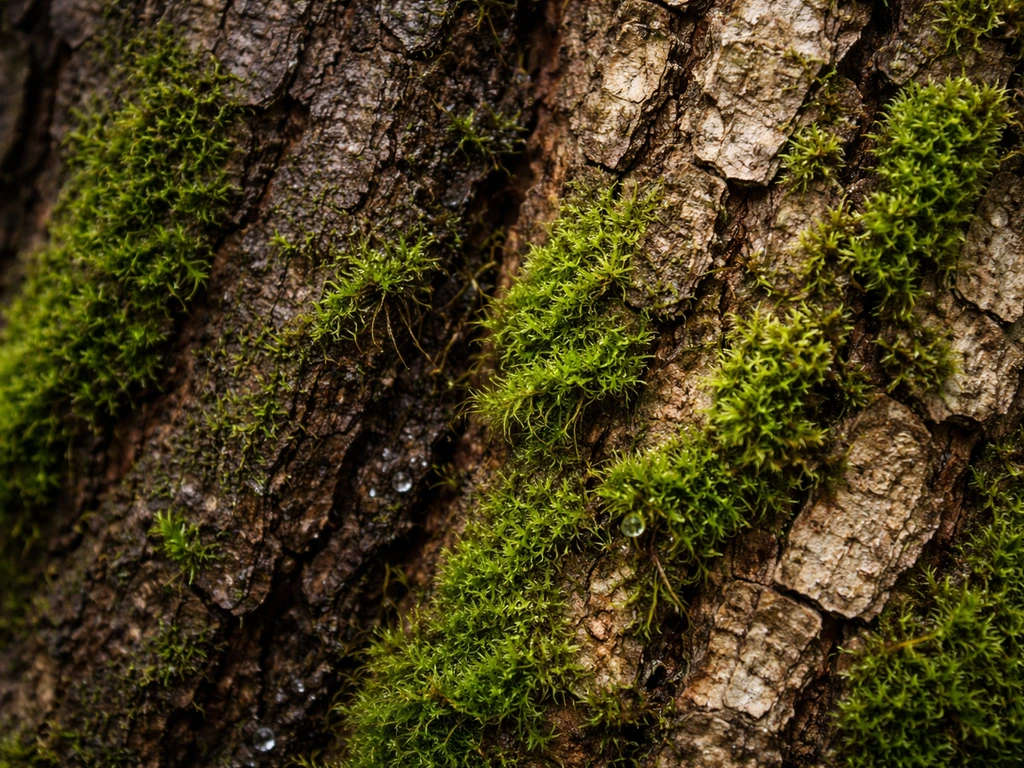
Bark pH is a critical variable for epiphytic (bark-growing) bryophytes. Smooth, acidic bark like beech supports different communities than rough, more base-rich bark like elm or ash. Bark fissure depth also matters: deeper fissures retain more moisture and offer shelter. Studies show that epiphytic bryophyte diversity tracks bark pH and elemental chemistry (potassium, phosphorus, sulphur, silicon all influence what establishes). In the field, older trees with deeply furrowed bark in humid woodland are consistently the richest spots for bark bryophytes.
Soil and Peat
Shaded, moist mineral soil on banks and slopes supports a wide range of ground mosses and leafy liverworts. Peat is a special case: Sphagnum mosses don't just grow in peat, they create it. Sphagnum holds water like a sponge, many times its own weight, and acidifies the surrounding environment as it grows, outcompeting most other plants. A Sphagnum-dominated bog is essentially a self-reinforcing wet-acid system. If you're looking to understand or recreate bog habitats, Sphagnum is the keystone species to focus on.
Decaying Wood
Rotting logs and stumps are excellent bryophyte substrates because decaying wood retains moisture well, has a soft surface rhizoids can penetrate, and tends to develop slightly acidic conditions as decomposition proceeds. In forest ecosystems, coarse woody debris is often the most species-rich bryophyte microhabitat per unit area. If you find a mossy log in the woods, flip over a corner gently, the underside is often hosting a whole different set of species than the top.
Microhabitats and Stability: Shelter, Wind, and Temperature Swings
Microtopography, meaning small-scale surface features like crevices, overhangs, hollows, and ridges, often matters more for bryophyte water retention than the broad canopy structure overhead. Research comparing mossy surfaces confirms that sheltering crevices and small-scale position on a substrate can reduce evaporation more than canopy shade alone. In practical terms, a moss mat tucked into a north-facing rock crevice may be doing better than one on a flat shaded ledge nearby, purely because the crevice slows air movement and reduces evaporative stress.
Wind is consistently underestimated as a bryophyte habitat factor. Moving air strips moisture from plant surfaces fast. Sheltered spots, the lee side of boulders, the inside of a woodland edge, the concave face of a bank, maintain higher humidity and smaller temperature swings. Studies of epiphytic bryophytes in Amazonian forest show that water content fluctuations in bryophyte mats don't simply mirror above-canopy weather patterns; small placement differences within the canopy create meaningfully different microclimates. The same principle applies at ground level anywhere.
Temperature stability is also a factor, particularly for reproduction. Habitats with extreme swings between day and night temperatures, or between seasons, create repeated desiccation-rewetting cycles that most bryophytes tolerate poorly over the long term. The best bryophyte habitats tend to have buffered temperatures: deep forest interiors, ravines, north-facing slopes, and wetland margins all moderate temperature extremes compared to open, exposed ground.
For peatland and wetland bryophytes specifically, water table stability is a key threshold. A water table held relatively steady just below the surface, not flooding the substrate and not dropping far enough to leave it periodically dry, is the sweet spot. Sphagnum also benefits from stable water conditions, taking up water from the environment and holding it with high water-holding capacity. Fluctuating water tables, as occur in disturbed or drained wetlands, are one of the primary reasons bryophyte communities collapse in those settings.
How to Identify Bryophyte-Friendly Spots Today
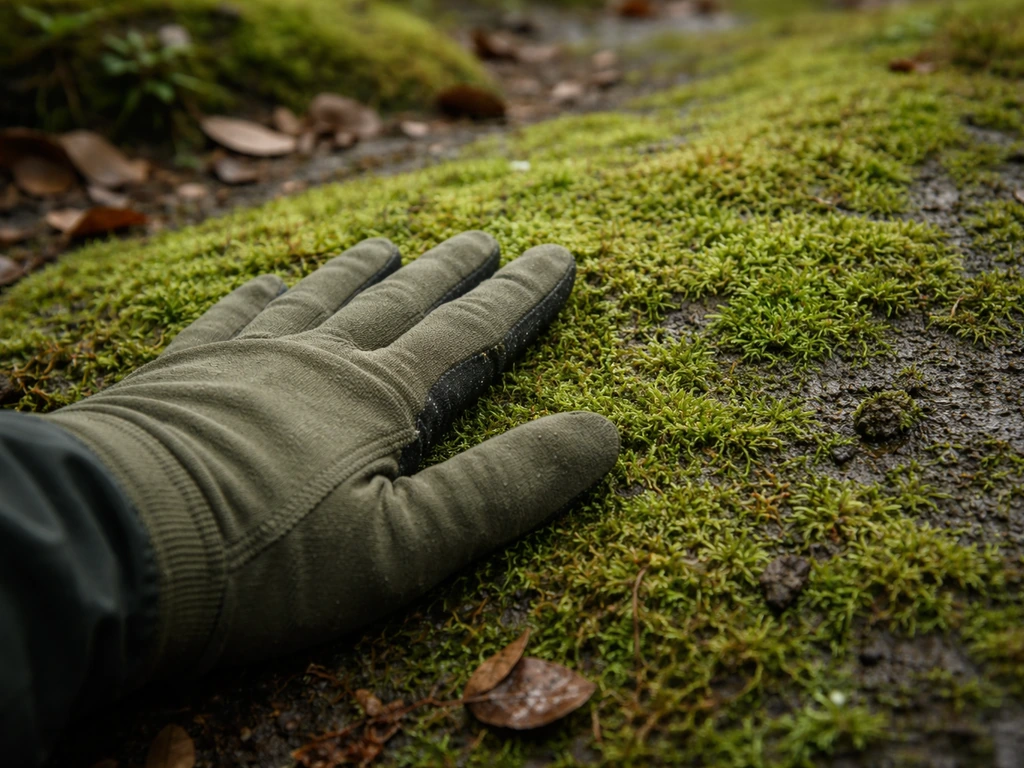
You don't need lab equipment to evaluate a site. Here's what to look for when you're standing on location.
- Feel the surface: press your hand flat against it. If it feels cool and damp in the afternoon on an ordinary day (not just right after rain), that's a good humidity and moisture signal.
- Check the aspect: north-facing slopes, walls, and rock faces in the northern hemisphere receive less direct sun and stay moister. South-facing surfaces are much harder for most bryophytes.
- Look for existing moss patches: presence of even one or two species is a strong indicator the microclimate suits bryophytes. Where one lives, others often follow.
- Assess canopy cover: dappled to dense shade above your site is a positive sign. Open sky directly overhead means higher evaporation and UV stress.
- Evaluate water persistence: watch how long a surface stays visibly wet after rainfall. Surfaces that dry within an hour are marginal; surfaces that stay damp for many hours or seep continuously are ideal.
- Examine the substrate surface: rough, fissured, or porous surfaces (old brick, crumbly sandstone, deeply furrowed bark, decaying wood) beat smooth, impermeable ones. If water beads and runs off instantly, bryophytes struggle to establish.
- Test bark pH if possible: the British Bryological Society's habitat survey methods include on-site bark pH testing as a standard step. A simple pH indicator strip wiped on moistened bark gives you a quick read. Acidic bark (pH 3.5–5) and moderately basic bark (pH 6–7) support different communities.
- Check for shelter from wind: hold a piece of tissue at arm's length. If it streams horizontally in breeze, the spot is too exposed for most species. Gentle or still air is what you want.
- Look at the water table in wetland sites: if you can push a stick into peaty or boggy ground and water seeps in within a centimeter or two of the surface, you're in the right moisture zone.
Practical Tips to Create or Maintain Suitable Conditions
If you're trying to establish bryophytes in a garden, on a wall, in a restored wetland, or just foster them in a spot where they're struggling, the following steps address the key variables directly.
- Prioritize moisture retention over frequent watering. It's better to choose a spot that naturally stays damp than to irrigate daily. Misting is useful, but only if the surface retains moisture for hours afterward rather than drying off within minutes.
- Create or use shade structures. Shade cloth, overhanging plants, or positioning near a wall's north face all reduce solar radiation and evaporative stress. Aim to mimic dappled woodland light rather than deep darkness.
- Roughen smooth substrates before introducing bryophytes. Scratch smooth concrete, timber, or stone to give rhizoids something to grip. This also increases surface area for moisture retention.
- Match substrate chemistry to your target species. Check bark pH before placing epiphytic species. For ground mosses on mineral soil, avoid strongly calcareous composts if you're targeting acid-preferring species, and vice versa.
- Eliminate competing vegetation carefully. Tall grasses and leafy plants shade out bryophytes in a different way — by dropping heavy litter that smothers them. Keep litter manageable without stripping all canopy cover.
- Stabilize the water table in wetland sites. If you're restoring a boggy area, blocking drainage ditches to raise and steady the water table close to the surface is the single most important step. Sphagnum and other peatland bryophytes cannot establish on repeatedly dried-out ground.
- Reduce wind exposure. Even a low windbreak of stones, logs, or vegetation on the prevailing-wind side of your site can make a meaningful difference to bryophyte humidity and moisture retention.
- Think in seasons. Bryophyte reproduction tends to peak in wetter, cooler seasons. If you're transplanting or introducing bryophytes, autumn and early spring are the best windows — the surface stays wet longer and temperatures are stable.
- Use indicator species as a guide. If Sphagnum is present naturally nearby, your site has the acidic, wet, low-nutrient conditions for bog bryophytes. If common feather moss (Kindbergia praelonga) is carpeting the ground in shaded woodland, you're in the right zone for many leafy mosses. Let what's already there tell you what conditions you have.
- For controlled or indoor setups, keep photosynthetic photon flux density (PPFD) low relative to typical plant grow lights — some mosses saturate at levels well below what most flowering plants need — and maintain humidity consistently above 70%.
Bryophytes reward patience and attention to microhabitat detail more than almost any other plant group. Understanding their habitat needs overlaps usefully with understanding other environmentally specialized plants: the moisture and shelter requirements that suit bryophytes are in some ways the opposite extreme from what xerophytes need, and bryophytes occupy a completely different niche from halophytes or phreatophytes, which draw on saline or deep groundwater sources respectively. xerophytes plants that grow in mountains are called xerophytes.
Halophytes are plants that grow in salty environments where most other plants cannot survive. Phreatophytes are the plants adapted to grow in places where they can access deep or persistent groundwater rather than relying on frequent surface wetting. Bryophytes are specialists of the surface and the shade, built for life where moisture is always close but never guaranteed, and once you can read those cues in a landscape, you start seeing potential bryophyte habitat everywhere.
In contrast, xerophytes grow in dry environments where they can survive long periods with little available water where do xerophytes grow.
FAQ
If a spot gets wet after rain, will bryophytes automatically thrive there?
Look for “wetness persistence” rather than just dampness. A practical check is to see whether surfaces stay cool and visibly darkened or film-wet for many hours after rain, not only minutes. Because fertilization needs a continuous surface water film, short-lived wetting usually supports fewer or non-reproducing patches.
What irrigation pattern helps if I’m trying to encourage bryophytes in a garden or restoration site?
In general, avoid full irrigation schedules that soak and then quickly dry the surface. Bryophytes prefer repeated wetting with shelter, so a cycle that creates long drying intervals can collapse colonies. For restoration, target areas that remain humid via shade, wind shelter, or seepage rather than relying solely on intermittent watering.
How do I choose trees or bark types if I want bark-dwelling bryophytes to establish?
Bark can support very different bryophyte assemblages depending on chemistry and texture. For epiphytes, prioritize older trees with rough, furrowed bark and stable humidity, and avoid freshly barked or tightly smooth surfaces where rhizoids have less gripping structure and water retention is lower.
Can desiccation-tolerant bryophytes handle drier conditions long term?
Yes, but it depends on species. Many mosses and liverworts can persist through drying, yet their growth and reproduction still peak when humidity is consistently higher. If your goal is a self-sustaining patch, desiccation-tolerant species are not enough if the habitat regularly dries past the point where growth and fertilization can occur.
Why do bryophyte communities collapse in drained or seasonally altered wetlands?
Try to keep water table levels from fluctuating widely, especially around the surface. Disturbed wetlands often oscillate between saturated and exposed conditions, which interrupts the life cycle. If you are restoring wetlands, hydrology stabilization is usually more important than adding bryophyte “seed” material.
Is canopy shade sufficient, or does microtopography matter more for bryophytes?
Bigger shade alone often is not the full solution. Microtopography like crevices, overhangs, hollows, and the lee side of rock can reduce airflow and evaporation more effectively than an overall shaded canopy. When selecting a site, check for small sheltered pockets where water lingers after wetting events.
How can wind ruin a place that otherwise seems damp and shady?
Yes, wind-driven drying can be the limiting factor even when a site seems humid. Favor sheltered faces of banks, the lee side of boulders, and inside forest edges where airflow is reduced. If you notice rapid dry-down of surface films after rain, wind exposure is a likely cause.
What are common mistakes when transplanting bryophytes to a new location?
Often. If you transplant, fragments that land on a smooth or highly exposed surface may not reattach well or may dry too quickly. The best success comes from moving material with its original substrate texture and ensuring the receiving spot has similar pH, moisture persistence, and shelter, then minimizing drying during establishment.
Do I just add any moss to create a bog habitat, or does it have to be Sphagnum?
Sphagnum is a special case because it modifies its own environment, but other bryophytes do not necessarily benefit from the same conditions. If you want a bog-like system, prioritize Sphagnum and suitable acidic, wet substrates with stable water availability. If you place non-Sphagnum bryophytes into highly acid, spongy conditions, many will underperform or disappear.
Why do bryophytes sometimes grow but produce few or no spores in a site?
For reproduction, the key bottleneck is sperm movement, which requires an unbroken thin film of surface water. That means you may still see growth without prolific spores if wetting events are too brief or if surfaces dry before fertilization. In monitoring, track how long surfaces remain wet after storms, not only how often it rains.
How much does substrate pH (acidic vs calcareous) affect which bryophytes grow?
Yes, especially if you’re trying to match communities. Acidic siliceous rocks tend to favor acid-tolerant species, while limestone and other calcareous substrates support different assemblages. Even on the same slope, swapping substrate chemistry or using a fill material with different pH can shift which species can actually establish.
Why might bryophytes disappear from a location that isn’t “too hot” on average?
Temperature stability matters most when conditions swing between hot drying periods and cool wetting. Places with extreme day-night or seasonal extremes can repeatedly push mats past their viable hydration range. If you are assessing a site, compare how quickly surfaces warm and dry under sun, even if average temperature looks moderate.