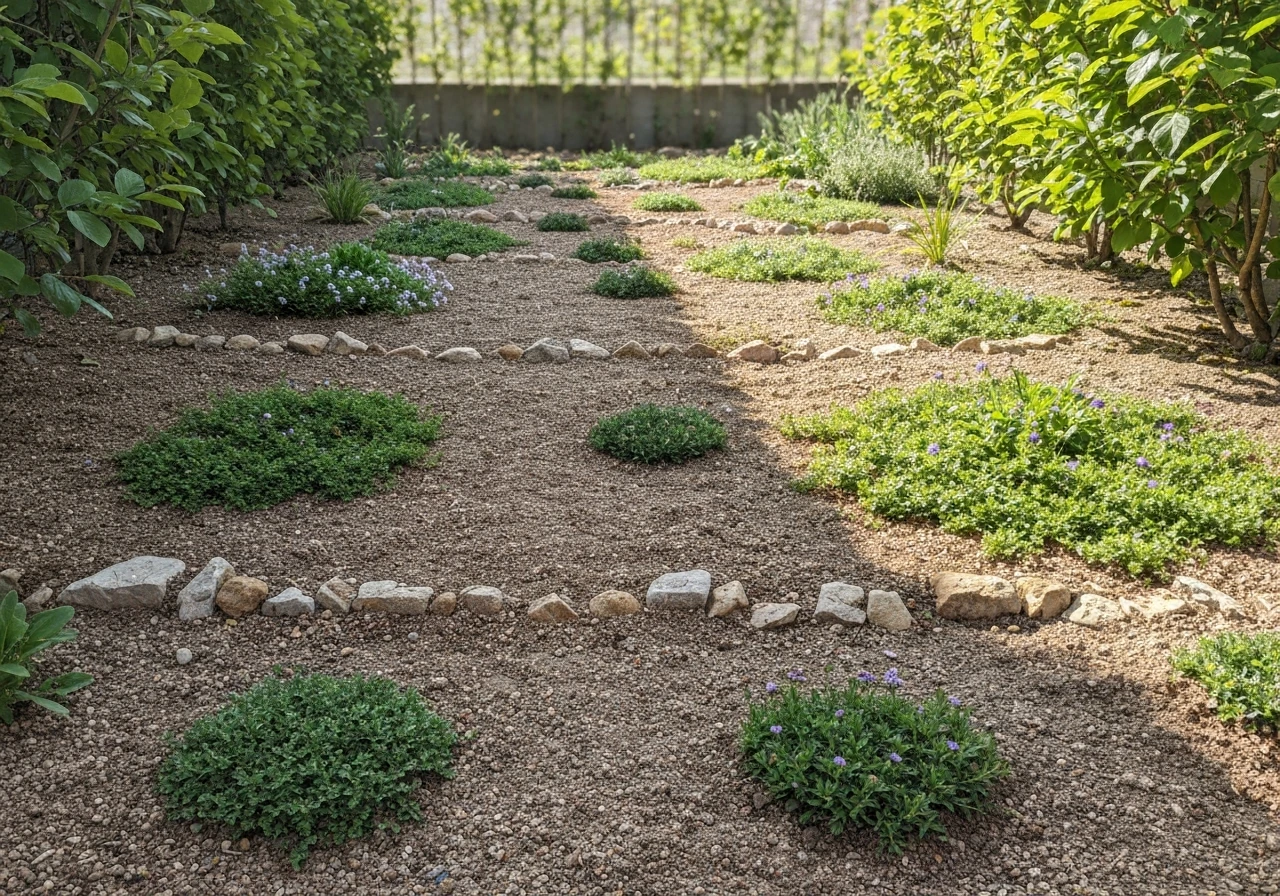
Plenty of plants grow in shallow soil, and some actually prefer it. Groundcovers like sedum and creeping thyme, ornamental grasses, spring bulbs, and hardy perennials such as yarrow and coneflower all manage fine with 6 to 12 inches of rooting depth. The trick is matching the right plant to your specific site conditions: how rocky or sandy the soil is, how fast it drains, how much sun it gets, and what the pH sits at. Get those variables right and shallow soil stops being a problem.
Plants That Can Grow in Shallow Soil: Quick Picks

Dr. Marcus Weatherby
24 Apr 2026
What 'shallow soil' actually means for plant roots
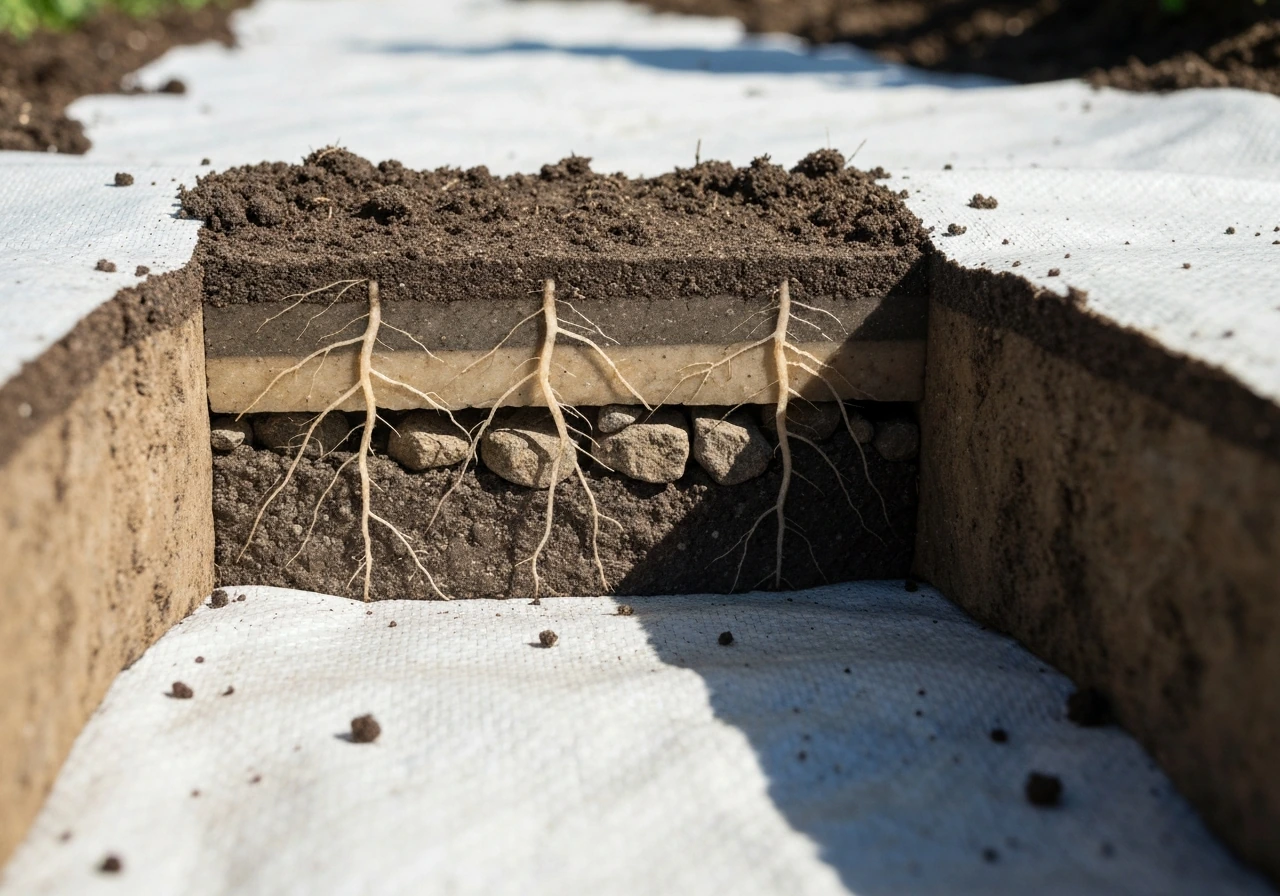
Shallow soil is generally defined as having less than 10 to 12 inches of usable depth before roots hit something that stops them: bedrock, hardpan, a compacted layer, a high water table, or shale. Purdue Extension categorizes rooting depths as shallow (6 to 12 inches), moderate (18 to 24 inches), and deep (over 36 inches). Virginia Tech's extension handbook puts the threshold for 'very shallow' soils at anything where a root-restricting layer is less than 10 inches from the surface.
What that limited depth actually does to a plant is this: it cuts off access to stored water, reduces the nutrient reservoir, and limits physical anchoring. During summer heat, thin soil loses moisture faster than deep loam. During heavy rain, it can saturate quickly if drainage is poor. The roots can't go deeper to chase water or buffer temperature swings, so the plants you choose have to be genuinely adapted to those constraints, not just tolerant in a marketing-copy sense.
It's also worth knowing that compaction creates artificial shallowness. A technically deep soil that has a compacted layer at 8 inches behaves exactly like shallow bedrock for a plant's roots. Oregon State University extension notes that functional rooting depth can be capped by compacted horizons just as much as by physical bedrock. If your plants are struggling but you don't see rock, check for compaction before assuming the soil is simply thin. Plants that can grow underwater, for example, need very different adaptations than plants used for shallow-soil planting.
Plant types that naturally handle shallow rooting conditions
The plants that do best in shallow soil are ones that evolved in similar conditions in the wild: cliff ledges, rocky outcrops, thin-soiled hillsides, coastal bluffs, and alpine meadows. These habitats select for compact root systems, drought tolerance, and efficient water use. The categories below cover the most reliable options.
Groundcovers
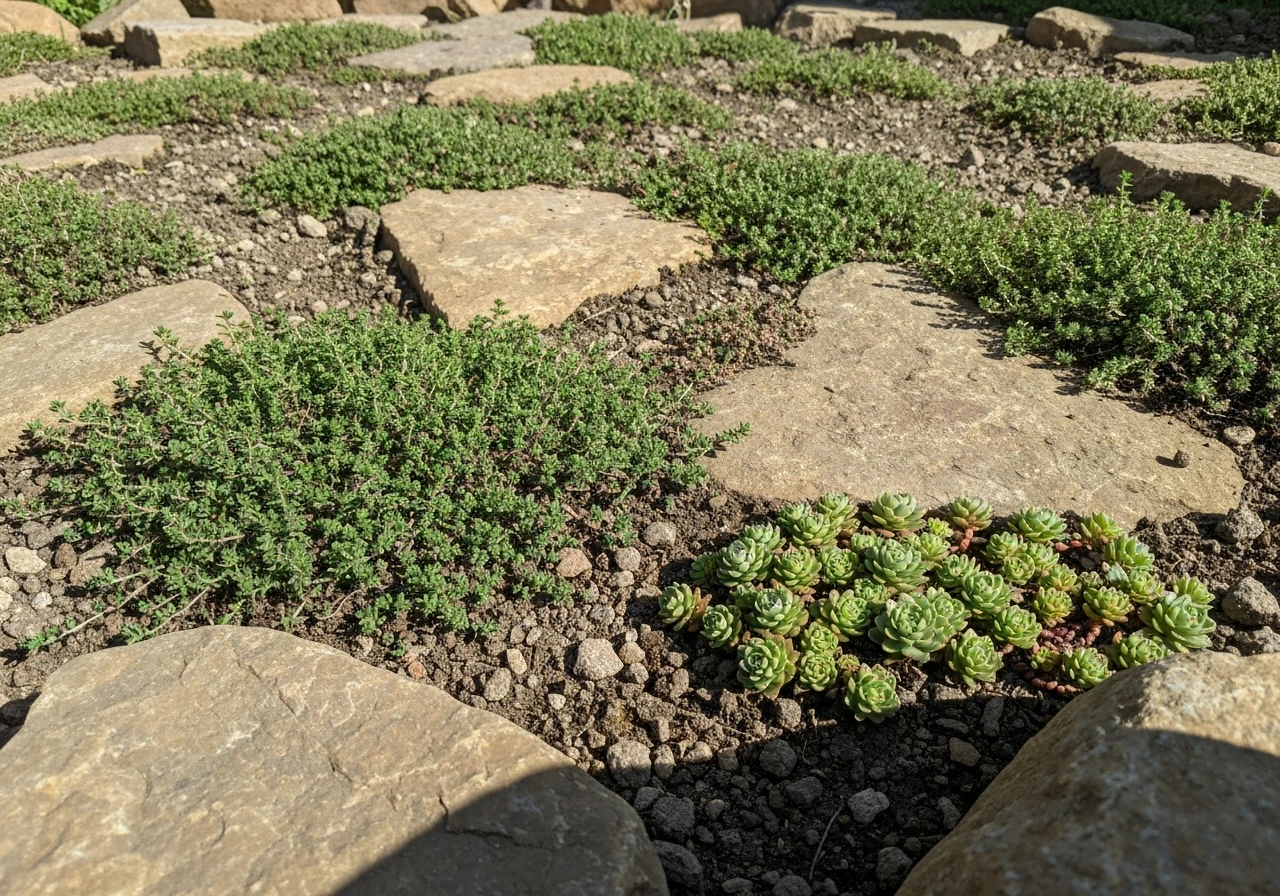
Low-growing groundcovers are probably the most practical choice for shallow soil. They root at or near the soil surface, spread laterally rather than diving deep, and cover ground efficiently. Sedum (stonecrop) is a standout: NC State Extension describes it as drought- and dry-soil tolerant, naturally suited to rock gardens and slopes, and it spreads by rooting stems along the ground. Sempervivum (hens-and-chicks) is similarly adapted, with rosette-forming succulents that Oregon State University extension specifically lists as drought-resistant groundcovers.
Creeping thyme and creeping phlox also work well, handling thin, fast-draining soil in full sun. University of Maryland Extension notes that groundcovers typically root near the surface, which is exactly the trait you want when there's not much soil depth to work with.
Ornamental grasses and sedges
Many grasses and sedges have fibrous root systems that stay in the upper soil layers and are remarkably tolerant of both drought and poor fertility. Blue fescue, prairie dropseed, and buffalo grass are field-tested performers on thin, rocky, or sandy soils. Sedges (Carex species) are especially useful in shallow soil with moisture or shade challenges because they've adapted to thin forest-floor soils and stream margins where rooting depth is often limited. The University of Idaho Master Gardener Handbook places groundcover and grass-type plants in the 6-inch effective rooting depth category, confirming they're built for shallow conditions.
Hardy perennials
A good number of perennials handle shallow rooting depth well, particularly those native to dry prairies, rocky hillsides, or exposed coastal environments. Yarrow (Achillea), purple coneflower (Echinacea), black-eyed Susan (Rudbeckia), and lavender all tolerate lean, thin soils and ask for very little once established. Alpine plants like aubrieta, rock cress, and dianthus naturally grow in mountain scree and cliff crevices where soil depth is measured in centimeters, not feet.
Spring and summer bulbs
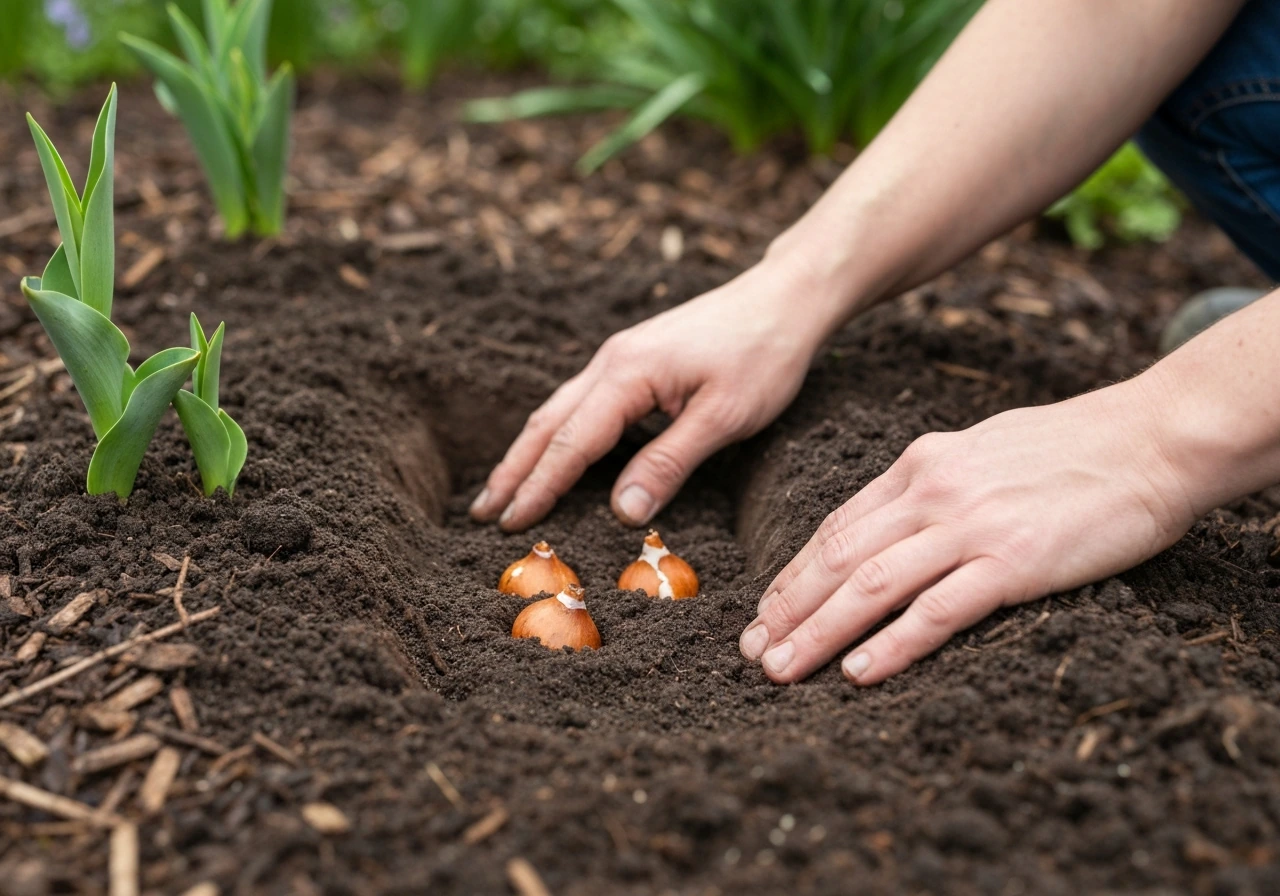
Bulbs are inherently suited to shallow planting. Most tulips, crocuses, and daffodils are planted at 4 to 6 inches and pull all their early-season energy from the bulb itself rather than from extensive root systems. Once they finish flowering and go dormant, there's minimal root demand on the soil. This makes bulbs one of the most practical options for thin topsoil over rock or compacted subsoil, as long as you can get them planted at the right depth and ensure reasonable drainage.
Plants matched to specific shallow-soil conditions
Shallow soil isn't one thing. Rocky soil in full sun drains differently than thin topsoil over clay, and a shaded slope behaves differently than a dry sandy bank. Here's how to match plant choices to your actual site type.
| Soil Condition | Key Challenges | Well-Matched Plants |
|---|---|---|
| Rocky / thin over bedrock | Fast drainage, low nutrients, heat stress | Sedum, Sempervivum, creeping thyme, yarrow, aubrieta, alpine dianthus |
| Sandy / fast-draining | Dries quickly, low fertility, low water retention | Blue fescue, lavender, buffalo grass, coneflower, creeping phlox, thyme |
| Thin topsoil over compacted subsoil | Water sits on top or runs off, poor aeration below | Prairie dropseed, black-eyed Susan, native sedges, yarrow, bulbs |
| Shallow with poor drainage / seasonal saturation | Root suffocation during wet periods, compaction | Carex sedges, native rushes, creeping Jenny (in part shade), moisture-tolerant groundcovers |
| Thin shaded soil (tree roots, woodland floor) | Moisture competition, low light, surface root competition | Pachysandra, wild ginger, native violets, Carex, ferns with shallow rhizomes |
The poorly drained shallow-soil scenario deserves a specific note. Cornell Small Farms extension describes shallow, poorly drained soils as highly restrictive to plant growth, and the FAO confirms that when water tables are near the surface, effective rooting is confined to a narrow zone above that level. If your site pools water after rain and also has thin soil, your plant palette shrinks considerably. Stick with moisture-tolerant species and don't attempt drought-adapted plants like lavender or sedum there.
Matching plants to your exact site: sun, moisture, and pH
Shallow soil is really just one variable. Before you pick plants, you need to know three more things about your site: how much direct sun it gets per day, how the moisture behaves (does it dry out fast or stay damp?), and what the soil pH is. Getting these three right is what separates plants that struggle from ones that thrive. To narrow down your options for red soil specifically, focus on plant types that tolerate the local pH and drainage in addition to shallow rooting depth.
Sun and shade
Full-sun plants (6 or more hours of direct sun daily) like sedum, lavender, and creeping thyme will tolerate thin, rocky, fast-draining soil partly because high sun exposure and shallow roots are a natural pairing in their native habitats. If you are dealing with high pH soil, the plant list may shift toward alkaline-tolerant varieties that still perform in shallow conditions high sun exposure and shallow roots. Shade-adapted groundcovers like pachysandra, wild ginger, and many sedges evolved under tree canopies where soil is thin and competitive. University of Maryland Extension specifically flags that groundcovers in shaded shallow-soil situations face moisture competition from nearby tree and shrub roots, so choosing species adapted to dry shade (rather than moist shade) is important if you're working near large trees.
Moisture and drainage
If water pools in your planting area for more than an hour after rain, Utah State University Extension considers that a drainage problem. In shallow soil, that pooling can saturate the entire root zone quickly and exclude air, which is just as damaging as drought. For fast-draining, rocky sites, choose drought-adapted plants and plan to water more frequently during establishment. For slow-draining shallow sites, choose plants native to wet meadows, streambanks, or seasonal floodplains.
Soil pH
pH is probably the most overlooked variable in shallow-soil planting decisions. Penn State Extension explains that pH runs on a 0 to 14 scale with 7 as neutral, and it controls nutrient availability more than almost anything else.
Most of the plants that do well in shallow soil (sedums, yarrow, grasses, thyme) are fairly pH-flexible and do fine in the 6. 0 to 7. 5 range. But if you're considering ericaceous plants like heathers or azaleas for your shallow acidic soil, Oregon State University extension recommends staying below pH 7.
5, and Missouri Extension sets the practical performance floor at about 4. 5. NC State Extension recommends soil testing to confirm pH before planting rather than guessing, and a basic soil test from your county extension lab will also return nutrient levels and fertilizer recommendations alongside the pH result.
If you're curious about how soil pH interacts with specific plant groups, the relationship between alkaline soil and plant choices or ericaceous soil requirements covers those scenarios in detail and is worth reading alongside this guide. Knowing what plants grow in soil that matches your conditions can help you avoid trial-and-error and pick varieties that will actually thrive. For example, knowing what plants grow in alkaline soil can help you choose varieties that match your pH instead of struggling to adapt.
Simple ways to improve your chances in shallow soil
You don't have to completely rebuild a shallow-soil site to make it productive. A few targeted improvements can meaningfully change what you're able to grow.
Mulch: the easiest win
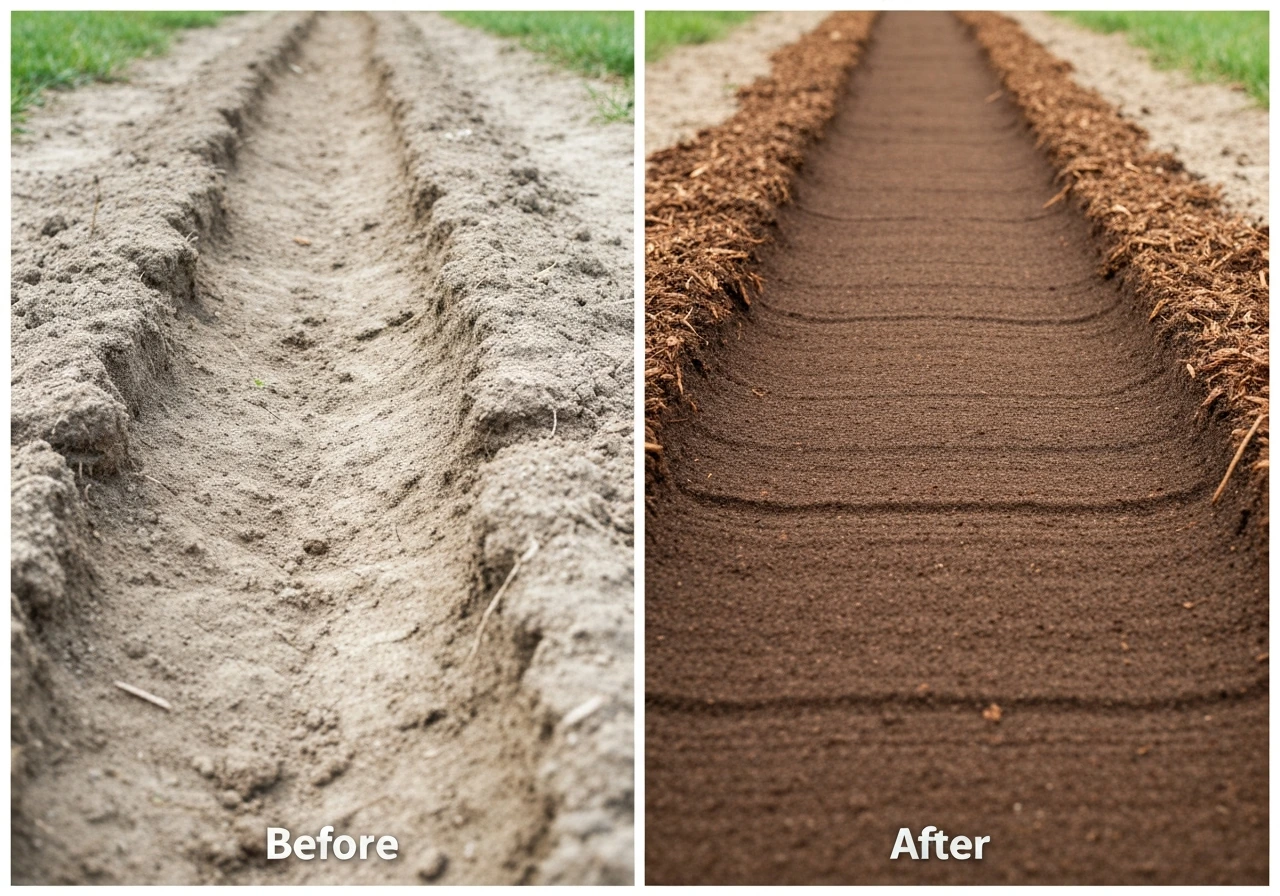
Mulch does more work in shallow-soil gardens than almost any other intervention. It moderates soil temperature, reduces moisture evaporation, and slowly improves soil structure as it breaks down. The practical consensus from multiple extension services: apply 2 to 4 inches of organic mulch (bark chips or shredded wood). Oregon State University extension caps bark mulch at 3 inches, Penn State Extension recommends 2 to 4 inches for most organic mulch, and Utah State University extension suggests 3 to 4 inches for water-wise plantings. Keep mulch a few inches away from plant stems to avoid rot, and never pile it against trunks in a volcano shape.
Shallow raised beds and soil-depth additions
Adding even 4 to 6 inches of quality soil on top of a rocky or compacted layer can unlock a significantly wider range of plants. A low raised bed frame (as little as 6 inches tall) filled with a loam-compost mix effectively gives roots a full 12-inch column to work in when combined with whatever usable soil exists underneath. Colorado State University Extension notes that soil amendments need to be incorporated deeply enough to actually extend the rooting zone, not just sit on top, so if you're loosening compacted soil rather than adding a raised frame, aim to break up that restrictive layer.
Containers and grow bags
Where you can't alter the soil at all (paved patios over shallow rock, rooftop spaces, thin soil near building foundations), containers and grow bags let you create exactly the soil depth and quality you need. Most of the plants well-suited to shallow soil in the ground (sedums, grasses, thyme, bulbs, dwarf perennials) also thrive in containers. Use a well-draining potting mix and size containers to match root expectations: 8 to 12 inches of depth covers most shallow-rooted groundcovers and perennials.
Sheet mulching to build soil over time
OSU Extension's sheet mulching guidance describes layering cardboard or newspaper as a base under compostable organic material to create new planting medium over time. On a thin-soil slope or rocky area where digging is impractical, sheet mulching (also called lasagna composting) can slowly deepen usable soil over one to three seasons without any excavation. It's a lower-effort long-term fix that pairs well with the groundcovers and grasses already adapted to work in the existing shallow conditions while the layers break down.
Planting and care in shallow-soil conditions
Establishing roots in thin soil
The first growing season is the critical window. Shallow-soil plants are more vulnerable to drying out before their roots have spread laterally enough to access moisture efficiently. Water new plantings more frequently than you think you need to during the first 8 to 12 weeks, even drought-tolerant species. Once established, most shallow-rooted plants are far more self-sufficient. UF/IFAS extension advice on planting in limited-soil-depth sites also recommends staying away from large maturing trees and shrubs where bedrock is near the surface, since their root systems will eventually be structurally compromised, regardless of how well they start.
Watering shallow-root zones
Because roots can't chase water deeper, shallow-soil plants need more frequent but targeted watering. University of Minnesota Extension notes that shallow-rooted crops have less access to stored soil water than deep-rooted ones, so irrigation scheduling needs to account for the smaller effective reservoir. OSU Extension recommends wetting the root zone to at least 6 inches deep per watering event and then letting the top inch or two dry before watering again. In very fast-draining rocky soil, that might mean watering two to three times per week in summer. In slow-draining shallow sites, watch for saturation and water only when the surface is actually dry to the touch.
Fertilizing lean soil without overdoing it
Many plants suited to shallow soil evolved in nutrient-poor conditions and are not heavy feeders. In particular, nitrogen-deficient soil often limits growth, so choose plants that tolerate low-nitrogen conditions and rely on light, targeted feeding which plants grow in nitrogen deficient soil. Over-fertilizing them (particularly with nitrogen) can actually push weak, lush growth that's more vulnerable to heat and drought stress. Start with a soil test result before adding any fertilizer. If the soil is genuinely deficient, use a slow-release granular fertilizer applied in spring at the label rate. In most cases, annual topdressing with a thin layer of compost is enough to maintain fertility for groundcovers and perennials without risking fertilizer burn or encouraging overly soft growth.
How to research locally suitable plants and your next steps
Plant lists are only as useful as they are relevant to where you actually live. A sedum that thrives in a dry Rocky Mountain summer may still struggle through a humid Gulf Coast winter, and a grass perfect for Pacific Northwest thin soils may not be hardy in a Minnesota winter. The USDA Plant Hardiness Zone Map is the starting point: it maps your location to a hardiness zone based on average minimum winter temperatures, which immediately narrows down what will survive your winters.
Beyond hardiness zones, the most useful tool you have is your local cooperative extension service. They can provide regionally specific plant lists matched to soil type, drainage class, and climate, and their soil testing labs will give you actual pH and nutrient data for your site rather than guesses. Most labs return fertilizer and amendment recommendations alongside the test results, which takes a lot of the uncertainty out of shallow-soil planting decisions.
This site organizes plant options by climate zone, season, soil type, and natural habitat, which makes it a useful next step for narrowing choices after you know your conditions. If your shallow soil is also unusually acidic, ericaceous soil requirements explains which specialist plants thrive in those conditions. If you're working with extremely limited depth (3 inches or less), there's a separate guide focused specifically on that scenario. And if soil chemistry beyond pH is a factor, the guides on alkaline soil and nitrogen-deficient soil cover those intersections directly.
Your next steps checklist
- Measure your actual usable soil depth: dig down until you hit a hard layer or standing water and note the depth in inches.
- Identify your drainage type: does water pool after rain (poor drainage) or disappear within minutes (fast drainage)?
- Note sun exposure: count hours of direct sun your site gets on a clear summer day.
- Get a soil test from your local cooperative extension lab to confirm pH and basic nutrient levels before buying plants.
- Use your USDA Hardiness Zone to filter plant lists to species that will survive your winters.
- Pick your plant category first (groundcover, grass, perennial, bulb) based on your site conditions, then narrow to specific species.
- Lay 2 to 4 inches of organic mulch after planting to retain moisture and moderate soil temperature.
- Water new plantings consistently through the first full growing season before scaling back to a drought-tolerance maintenance schedule.
- If your soil depth is truly limiting (under 6 inches), plan for a raised bed or container approach rather than trying to force in-ground plants.
FAQ
How do I tell if my “shallow soil” is really a compacted layer instead of thin soil?
Look for hard-to-push objects during planting, water “sitting” just after rain, and roots that stop abruptly at the same depth year after year. If you can, do a simple probe test with a garden spade or soil auger to find the exact depth where resistance jumps (it often indicates compaction, not low soil volume).
What spacing should I use for groundcovers in shallow soil so they spread successfully?
In shallow soil, under-spacing slows lateral spread, which means plants dry out before they knit the surface together. As a rule, start at the tighter end of the label’s spacing for the first year, then thin only if airflow becomes a problem. For creeping thyme or sedum, also ensure the area gets full sun during establishment because partial shading can slow coverage.
Can I grow shallow-rooted plants if my site is windy and dries out quickly?
Yes, but prioritize species known for drought and exposed conditions, and plan wind management. Use temporary windbreaks (like lightweight trellises) during the first growing season, and consider mulching slightly thicker within safe limits to reduce evaporation. Avoid “pretty but thirsty” perennials until the plants are fully established.
Should I amend shallow soil with compost, or will that make it too rich?
Usually, a thin compost topdressing is beneficial because it improves moisture retention and structure without creating a nutrient boom. Avoid heavy one-time additions that bury plant crowns, especially near rosette plants and bulbs. If you are seeing overly lush growth or winter issues, reduce compost thickness and verify pH with a soil test first.
How often should I water shallow-soil plants after planting, and how do I avoid overwatering them?
During the first 8 to 12 weeks, water more frequently, but use a soil-surface check plus a deeper wetting target. A practical approach is to water until the soil is moistened at least 6 inches down, then wait until the top inch or two dries. In shallow, poorly drained spots, don’t follow a fixed schedule, instead watch for pooling or persistently damp soil.
What happens if I put drought-tolerant plants like sedum in a spot that pools after rain?
They usually fail quickly from oxygen-starved roots, even if they survive a dry period. If water remains for more than about an hour after rain, switch to moisture-tolerant species (like certain sedges and native wet-meadow plants) or change the site conditions with drainage improvements before planting.
Are bulbs safe in shallow soil over rock, and what planting depth is correct?
Bulbs are often a good fit because they draw mainly from the bulb early on, but depth still matters. If the planting depth is limited by bedrock, place bulbs as deep as you can while keeping the bulb at the correct depth relative to the soil surface, then choose species that tolerate that situation. Good drainage is critical, because shallow soil over rock can turn waterlogging into winter rot risk.
Do shallow-root plants compete well with tree and shrub roots?
Some do, but many groundcovers and perennials struggle where nearby woody roots steal water and nutrients, especially in shade. If you must plant under or near trees, pick species adapted to dry shade and give the planting strip extra initial water until roots establish laterally.
What’s the easiest way to confirm soil pH before planting shallow-soil species?
Use a local soil test lab via your county cooperative extension or an equivalent service, and request the full pH result plus nutrient recommendations. Shallow soil decisions fail most often when pH is assumed rather than measured, particularly if you’re considering acid-loving plants in areas that run alkaline.
If my shallow-soil site is extremely limited (under 3 inches), what should I do differently than the usual plant list?
At that depth, many typical “shallow soil” plants won’t have enough root volume to buffer drought or winter temperature swings. Focus on very low-growing plants, use containers or raised micro-beds when possible, and strongly consider sheet mulching (layered compostable materials) to slowly build usable depth over 1 to 3 seasons.