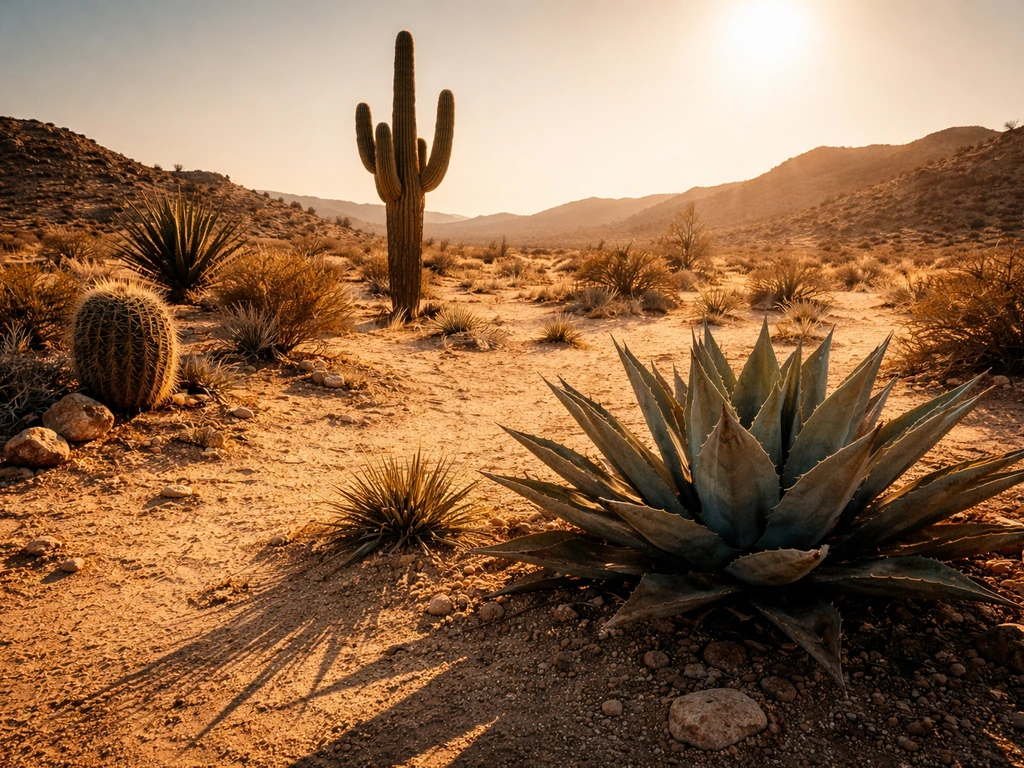
Plants that grow in dry areas are called xerophytes. That's the scientific term, and it covers everything from a saguaro cactus standing 40 feet tall in the Sonoran Desert to a low creosote bush sprawling across the Mojave to a spiky agave clinging to a rocky hillside. If you've also heard terms like 'drought-tolerant plants' or 'desert-adapted plants,' those are practical or descriptive labels that often describe the same group. Xerophyte is simply the ecological word that ties them all together.
Plants That Grow in Dry Areas Are Called Xerophytes

Dr. Marcus Weatherby
23 May 2026
What xerophyte actually means
The word comes from Greek: xero means dry, phyte means plant. Botanists and ecologists use it to describe any plant that has evolved physical or biochemical mechanisms to survive where water is scarce. The USDA defines xerophytes as 'plants that have adapted for life with a limited supply of water,' and Britannica expands that slightly to include 'physiologically dry' environments, meaning places where water exists but is hard for plants to absorb, such as saline soils or very acidic ground. So a salt flat and a sand dune can both produce xerophytes, even though one has water nearby.
You'll sometimes see the adjective form 'xeric' used instead, as in 'xeric habitat' or 'xeric garden.' Xeric just means dry-condition, and it's the same root. A xeric garden is a garden designed around xerophytes and low-water plants, and a xeric habitat is simply a dry one. These aren't different categories; they're the same concept in noun versus adjective clothing.
How ecologists sort out 'dry': arid, semi-arid, desert, and xeric
Not all dry places are the same, and ecologists use a tiered system to describe how dry a region actually is. The FAO breaks drylands into hyper-arid, arid, and semi-arid zones based largely on precipitation and growing-season length. Arid lands typically support fewer than 75 growing days per year. Semi-arid zones get somewhere between 100 and 250 mm of rain annually. True deserts and xeric shrublands are generally defined by receiving 250 mm or less of annual rainfall. Above that threshold, you're moving into grassland or shrubland territory, though drought stress can still occur depending on evaporation rates.
The key driver isn't just how much rain falls but whether evapotranspiration exceeds it. When the water lost through soil evaporation and plant transpiration is greater than the water coming in from rain, you have a dry environment by definition, even if it rains fairly regularly. That's why some regions in the southwestern United States feel relentlessly dry even during their rainy season. Xerophytes evolved in exactly these conditions, where water is either rare, unpredictable, or lost faster than it arrives.
| Classification | Annual Rainfall (approx.) | Growing Days | Typical Plants |
|---|---|---|---|
| Hyper-arid (extreme desert) | Under 25 mm | Near zero | Sparse ephemeral plants, some lichens |
| Arid (desert) | 25–250 mm | Under 75 | Cacti, succulents, drought-adapted shrubs |
| Semi-arid (dry shrubland) | 100–500 mm | 75 or more | Sagebrush, yucca, drought-tolerant grasses |
| Xeric (broadly dry site) | Varies by region | Varies | Full range of xerophytes |
Real examples of xerophytes you can actually find
Merriam-Webster's own definition of xerophyte lists agave, cactus, sagebrush, and yucca as primary examples, and those four alone cover a huge swath of North American dry landscapes. Here's a broader look at xerophytes you're likely to encounter across different dry environments:
- Cacti (saguaro, prickly pear, barrel cactus): the most recognized xerophytes in North American deserts, storing water in thick fleshy stems and protected by spines
- Agave: rosette-forming succulents that store water in thick, waxy leaves; found from Texas to the Pacific coast and into Mexico
- Yucca: upright, sword-leafed plants common in the Great Plains, Chihuahuan Desert, and semi-arid grasslands
- Creosote bush (Larrea tridentata): a dominant shrub of the Mojave, Sonoran, and Chihuahuan deserts, coated in a resinous wax that limits water loss
- Sagebrush (Artemisia tridentata): the defining plant of the Great Basin, adapted to cold-arid conditions with silvery, aromatic foliage
- Ocotillo (Fouquieria splendens): a spiny desert shrub that drops its leaves during drought and leafs out again within days of rain
- Aloe: succulent xerophytes native to African drylands, now widely used in landscaping worldwide
- Mesquite (Prosopis spp.): deep-rooted leguminous trees that tap groundwater far below the surface in desert washes
These plants span a wide range of forms and strategies, but they all qualify as xerophytes because they've developed specific tools for surviving dry conditions. Recognizing the category is easier once you understand what those tools actually look like in the field.
How to identify a xerophyte: adaptations to look for
You don't need a plant ID app to recognize a xerophyte. Their adaptations are visible, and once you know what to look for, they're hard to miss. The core challenge every xerophyte solves is the same: minimize water loss and maximize water storage. The solutions plants have evolved are remarkably diverse but follow recognizable patterns.
Physical features that signal drought adaptation
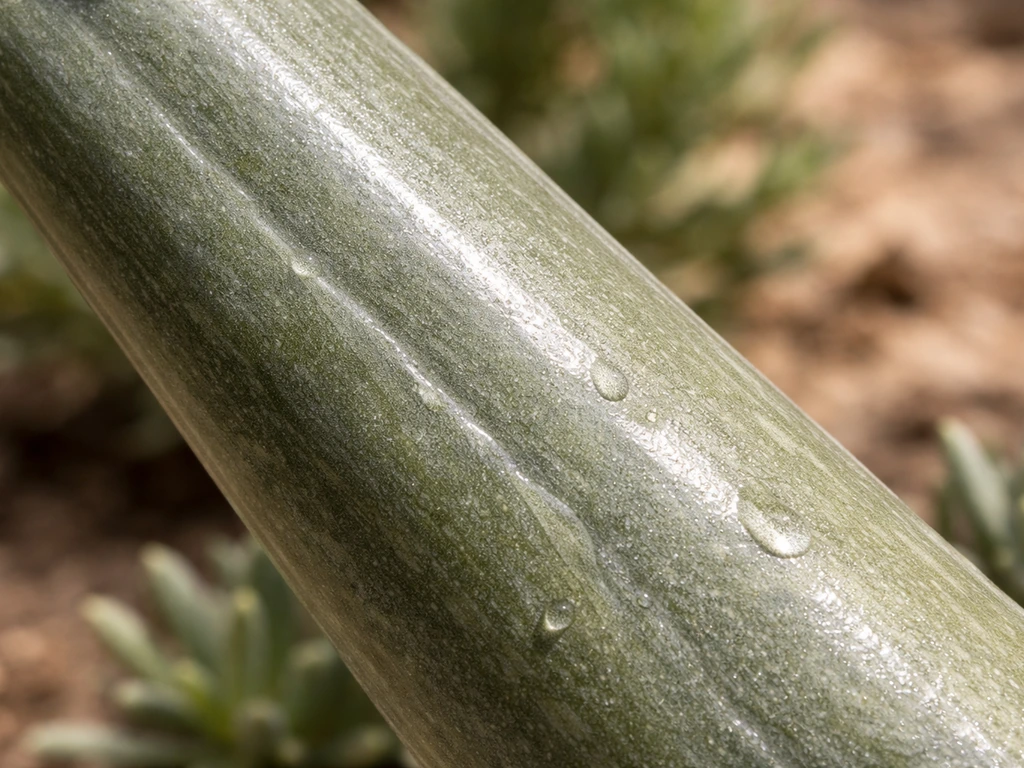
- Thick, waxy coating on leaves or stems: a visible shine or hard surface that seals moisture in and reflects heat; cacti have this layered over their outer skin
- Reduced or absent leaves: many cacti have no true leaves at all, replaced by spines, dramatically cutting the surface area through which water can evaporate
- Fleshy, water-storing stems or leaves: the plump, swollen look of succulents is literal water storage tissue; squeeze an aloe leaf and you'll see exactly what it holds
- Silver, gray, or blue-green coloration: these tones reflect intense solar radiation and often come from dense fine hairs (pubescence) or a powdery coating that reduces transpiration
- Spines and thorns: secondary adaptation that reduces airflow across the surface (cutting evaporation) and provides shade to the stem surface
- Deep or wide-spreading root systems: mesquite can send taproots down 50 feet to reach groundwater; creosote spreads shallow roots widely to capture any surface moisture quickly
The photosynthesis trick: CAM and C4 pathways
One of the most important xerophyte adaptations is invisible to the eye but explains a huge amount about how these plants survive. Most xerophytes with succulent features use a photosynthetic strategy called CAM, short for Crassulacean Acid Metabolism.
In CAM plants, the stomata (tiny pores on leaf surfaces) stay closed during the hot daytime hours when water loss would be highest, and open only at night when temperatures drop. The plant absorbs carbon dioxide overnight and stores it chemically, then uses it for photosynthesis during the day with the stomata sealed shut. This dramatically cuts transpirational water loss compared to standard daytime photosynthesis. Cacti, agaves, aloes, and most succulents use this strategy.
Some non-succulent desert plants use the C4 pathway instead, which also achieves higher water-use efficiency than standard C3 photosynthesis, particularly under high heat and bright light.
Choosing and growing xerophytes at home
Understanding the terminology is useful, but the practical payoff is being able to pick plants that will actually thrive in a dry yard, a rocky slope, or a neglected hot corner where nothing else survives. Here's how to match xerophytes to your specific conditions.
Start with your USDA Hardiness Zone
The USDA Plant Hardiness Zone Map is the standard reference for determining which perennial plants will survive winter in your location. It divides North America into zones based on average annual extreme minimum temperatures, with each full zone representing a 10°F range and half-zones (A and B subdivisions) narrowing that to 5°F. If you're growing xerophytes in a cold-winter climate like the Great Plains or the high desert of the Mountain West, winter hardiness matters as much as drought tolerance.
A Sonoran Desert cactus may be perfectly drought-adapted but will die at 10°F in a Colorado winter. Always cross-check zone hardiness alongside drought tolerance. That said, hardiness zones don't capture everything: snow cover, summer heat, humidity, and soil moisture all affect plant performance in ways the zone map doesn't reflect.
Soil drainage is non-negotiable
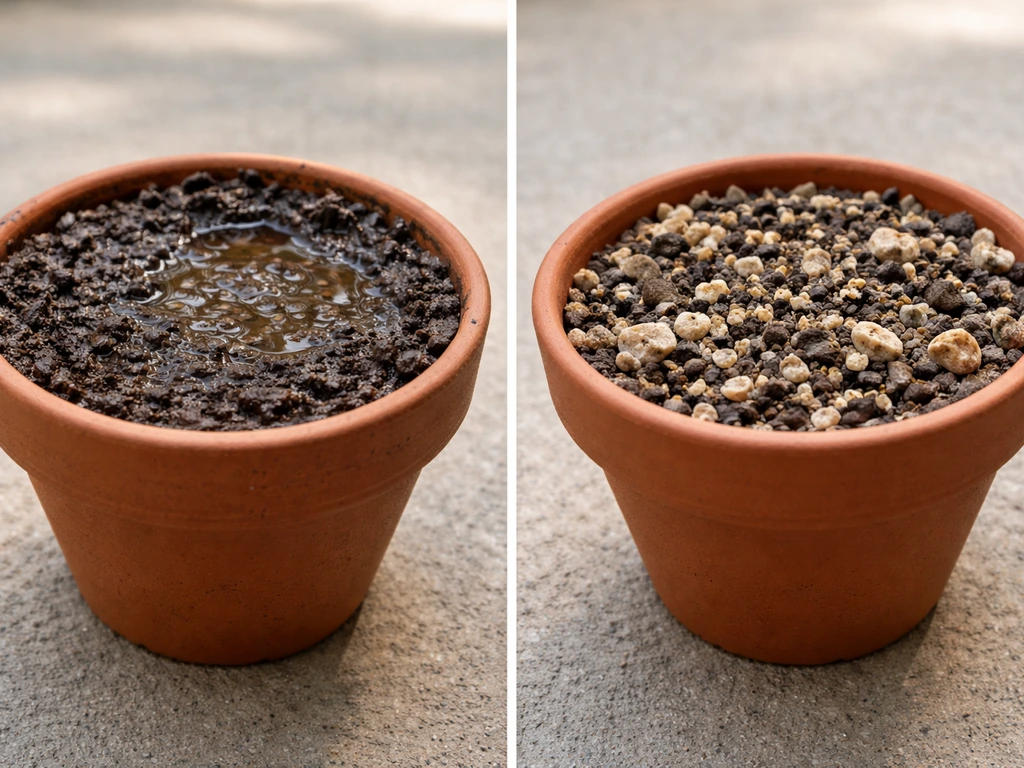
Xerophytes need fast-draining soil. Most of them are far more vulnerable to root rot from sitting in wet soil than they are to drought itself. A cactus that survives months without rain will die within weeks in a poorly drained pot or a clay-heavy garden bed. If your native soil is heavy clay, either amend it with coarse sand and grit or build a raised berm where water drains away from the root zone.
Colorado State University Extension specifically recommends planting xeric trees and shrubs on berms or mounds when drainage is a problem, and Utah State Extension points to perforated drain tile as a solution for persistent wet-soil areas. Sandy or gravelly soils, by contrast, are nearly ideal for most xerophytes without any amendment.
Watering: deep and infrequent is the rule
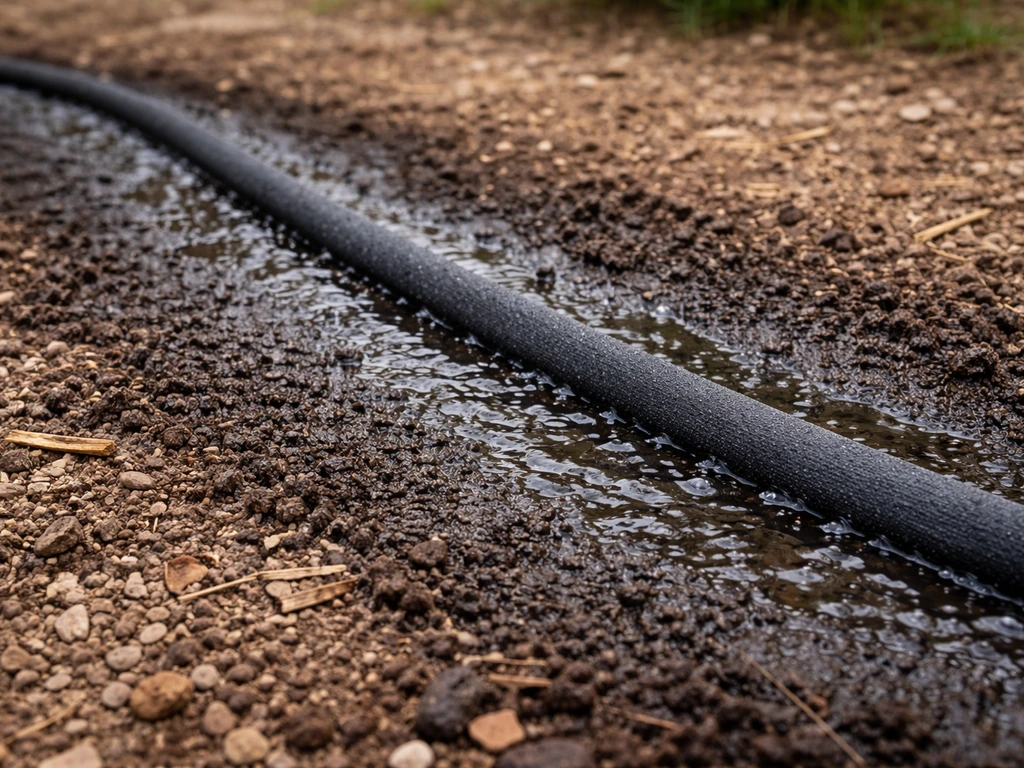
Once established, most xerophytes want infrequent but thorough watering rather than frequent shallow irrigation. OSU Extension notes that deep-rooted plants need water less frequently, and that [infrequent, deep watering is the goal](https://extension. oregonstate. edu/catalog/em-9027-growing-your-own?
reference=catalog). University of Nebraska-Lincoln Extension, Oregon State University Extension, and Northern Water all point to the same principle: deep, infrequent irrigation builds a larger reservoir of soil moisture that plants can draw on over time, while also encouraging deep root development. For established cacti and succulents in-ground, this might mean watering every two to four weeks in summer and almost nothing in winter.
During establishment (the first one to two growing seasons), water more frequently until roots spread, then back off sharply. The goal is to mimic the boom-and-bust rain patterns these plants evolved to handle.
Group plants by water need
Colorado State University Extension recommends organizing xeric plantings into 'hydrozones,' groups of plants with similar water requirements placed together so you can water them efficiently as a unit. This matters practically because some xerophytes (like agaves and cacti) need almost no supplemental water once established, while others classed as drought-tolerant (like many ornamental grasses or native shrubs) appreciate occasional deep watering even in dry climates. Mixing high-need and no-need plants in the same irrigation zone wastes water and often kills the low-need plants by overwatering.
Sun exposure
Most true xerophytes want full sun, meaning at least six to eight hours of direct sunlight daily. Their waxy coatings, silver foliage, and heat-handling photosynthetic pathways are built for intense light. Placing a desert cactus in a partly shaded spot doesn't just slow its growth; it can cause etiolation (stretching toward light) and weaken the plant's drought resistance. A south-facing or west-facing exposure with reflected heat from walls or pavement is often ideal for the most xeric species. If you're in a climate that's colder but still dry, that heat reflection from hardscape can extend the effective season and improve plant health significantly.
Where xerophytes actually live: matching climate and zone to plant choices
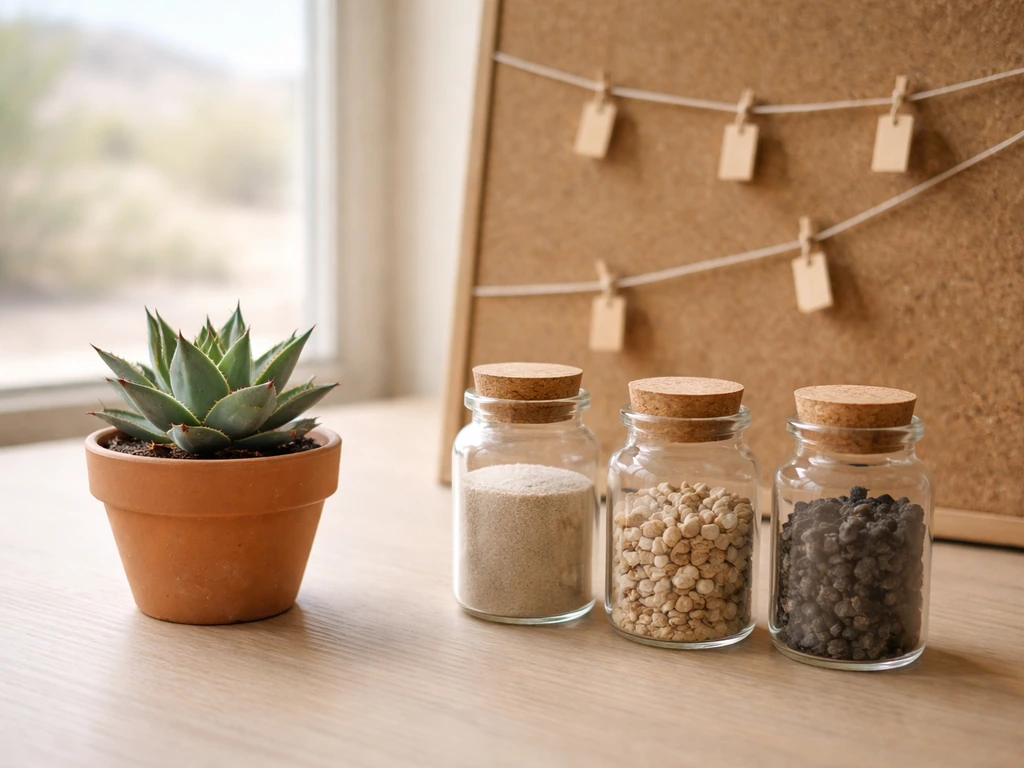
Geography matters enormously when selecting xerophytes. A plant native to the Chihuahuan Desert in New Mexico may handle summer monsoons well but fail in the dry Pacific Northwest summer without any summer rain at all. A Great Basin sagebrush tolerates cold-arid winters but wouldn't survive a humid southeastern summer. Here's a rough guide to xerophyte selection by region:
| Region / Climate | Typical Conditions | Good Xerophyte Choices |
|---|---|---|
| Sonoran Desert (AZ, CA) | Hot summers, mild winters, bimodal rainfall | Saguaro, palo verde, ocotillo, agave, prickly pear |
| Chihuahuan Desert (NM, TX) | Hot summers, cold winters, summer monsoon | Yucca, sotol, lechuguilla, desert willow, barrel cactus |
| Mojave Desert (NV, CA) | Extreme heat, minimal rainfall, cold winters | Joshua tree, creosote bush, Mojave yucca, desert marigold |
| Great Basin (UT, NV, ID) | Cold-arid, snowy winters, dry summers | Big sagebrush, rabbitbrush, penstemon, Utah juniper |
| Southern Great Plains (TX, OK) | Hot summers, variable rain, periodic drought | Buffalo grass, purple coneflower, plains yucca, native salvias |
| Mediterranean-climate regions (coastal CA) | Dry summers, wet winters | Toyon, manzanita, California fuchsia, matilija poppy |
| Mid-Atlantic / Southeast (dry sites) | Variable, drought spells in summer | Eastern red cedar, native bluestems, drought-tolerant sedums |
University extension services are your best starting point for region-specific xerophyte lists. The University of Arizona Cooperative Extension publishes drought-tolerant native plant guides for the Southwest. Oklahoma State University Extension maintains a xeriscape plant list for the Southern Plains. Penn State Extension covers heat and drought-tolerant plants for the mid-Atlantic. Denver Botanic Gardens publishes a drought-tolerant plant tour noting which species can survive without added water once established. These resources are built around local conditions, which matters far more than generic advice when you're actually planting.
If you want to go deeper into specific adaptations, high desert plants come with their own particular set of requirements, since elevation adds cold stress on top of drought stress. Plants that grow in high desert areas must handle both drought stress and big swings in temperature.
And the broader question of what structural features low-moisture climate plants share across all dry regions is worth exploring if you're trying to understand why these plants look the way they do. The examples of dry-area plants that show up across biomes are more diverse than most people expect, ranging from cold tundra-edge survivors to tropical dry forest species.
If you're looking for examples of plants that grow in dry areas, the next section breaks down common xerophytes you can spot across different landscapes examples of dry-area plants. But in every case, the word that connects them is the same: xerophyte. If you want more variety, check examples of plants that grow in dry areas beyond the basic xerophyte examples.
FAQ
Are xerophytes the same as drought-tolerant plants?
They overlap, but not always. Xerophytes specifically evolved to survive scarce water conditions, including situations where water exists but is hard to access (salty or acidic soils), or where evaporation is high. Some “drought-tolerant” ornamentals are bred mainly for short dry spells and may not handle persistently dry or saline conditions as reliably.
Do xerophytes only grow in deserts?
No. “Dry areas” include many drylands besides hot deserts, such as dry shrublands, semi-arid grasslands, and regions with low humidity where water loss is high. You can also find xerophyte-type adaptations near the edges of cold deserts or tundra zones where winter drought and low soil moisture can limit water availability.
If a plant is xeric, can it grow in normal yard conditions?
Often yes, but the soil moisture dynamics matter most. A plant labeled for xeric conditions can still struggle in high-humidity or poorly drained soil because root rot risk increases when water lingers. The easiest way to succeed is to match drainage and sun exposure, not just average rainfall.
How can I tell if my “dry yard” is truly dry enough for xerophytes?
Look beyond rain totals to how quickly soil dries. If your soil stays damp for days after watering or rain, it may be more “water-retentive” than you assume, which can overwhelm xerophyte roots. A practical test is to dig a small hole (about 8 to 12 inches deep), water it, and check moisture the next few days.
What’s the most common reason xerophytes fail?
Overwatering and poor drainage. Even drought-adapted plants can die quickly when roots sit in wet soil. The fix is usually changing the planting setup (raised berms, pumice or grit amendments, gravel top-dress) so excess water moves away from the root zone.
Can I grow xerophytes in containers or pots?
Yes, but container culture is more unforgiving. Use a fast-draining mix, a pot with drainage holes, and avoid saucers that hold water. In warm climates, check more frequently because pots can dry out quickly, but the key is still to prevent prolonged wetness at the roots.
How often should I water xerophytes in the first year?
During establishment, they usually need more frequent watering than once established, until roots expand into the soil. After that, you shift to infrequent deep watering. A good rule of thumb is to water based on soil dryness at root depth, not on a fixed calendar.
What is a “hydrozones” mistake to avoid?
Mixing plants with very different water needs in the same irrigation group. If you combine near-zero-need xeric cacti with plants that prefer occasional moisture, you will either under-water the thirstier ones or over-water the low-need ones, causing decline. Group by actual irrigation requirements, not by how “tough” plants look.
Do all xerophytes use CAM or C4 photosynthesis?
Not all, but many do. CAM and C4 are common water-saving pathways, especially in succulent or high-light deserts. Some xerophytes rely more on structural adaptations (thick cuticles, reduced leaf area, spines) and behavioral timing (growth periods) even if their photosynthetic pathway is not CAM.
Can xerophytes handle shade?
Some can tolerate partial shade, but many perform best with several hours of direct sun. Shade can reduce growth vigor and in some species increase stress because the plant is not getting the intense light conditions it evolved for. If you must shade them, transition gradually and ensure drainage is excellent.
Are there xerophytes that tolerate cold winters as well as heat?
Yes, but you must check winter hardiness in addition to drought tolerance. A plant can be well-adapted to dryness yet still be damaged by freezing temperatures and repeated freeze-thaw cycles. In cold climates, extra drainage and protection from winter wetness can be as important as temperature ratings.
Do saline or acidic soils change what “xerophyte” means for gardening?
They can. Some xerophytes tolerate physiological dryness, where the limiting factor is not rainfall but the plant’s ability to absorb water from the soil. If your soil is salty or very acidic, you may need salt-tolerant or pH-adapted xerophytes, and leaching and soil amendments (when appropriate) can change success rates.