
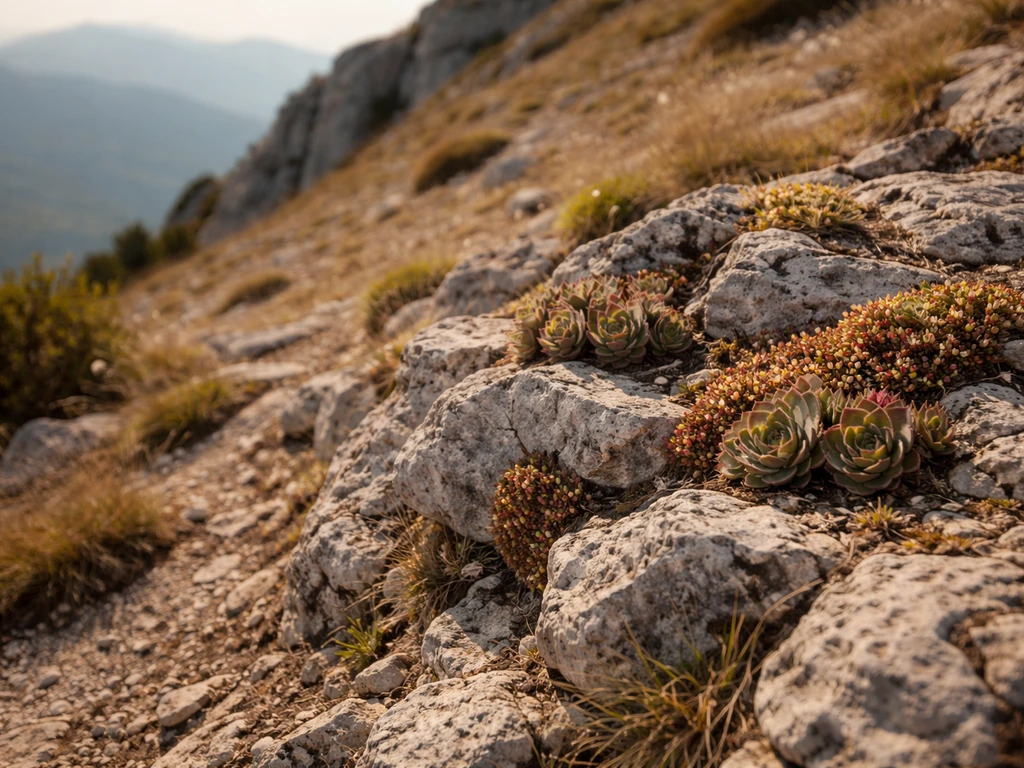
Not quite. Plants that grow in mountains are not automatically called xerophytes. Xerophytes are specifically plants adapted to survive in dry, low-water environments, and while some mountain habitats absolutely qualify, mountains also contain bogs, snowmelt streams, shaded north-facing slopes, and wet meadows where xerophytes would struggle. The more accurate statement is this: xerophytes are drought-adapted plants that can occur in mountains when conditions are dry, exposed, or seasonally arid, such as on rocky ridgelines, south-facing slopes, and windswept alpine fell-fields. If you landed here looking to understand what xerophytes are, where they show up in mountain environments, and how to grow them yourself, you're in the right place.
Plants That Grow in Mountains Are Called Xerophytes? Facts, Traits, Examples

What xerophytes actually are (and aren't)
A xerophyte is any plant adapted to life in a habitat with very small or irregular supplies of water. That definition comes from plant ecology, not geography, which is why xerophytes are not restricted to deserts. You can find xerophytic plants in salt marshes, acid bogs, coastal cliffs, and yes, mountain slopes. The common thread is physiological or physical water stress, not a postcard landscape. A plant growing on a dry, wind-blasted alpine ridge at 11,000 feet faces the same core challenge as a cactus in the Sonoran Desert: it needs mechanisms to prevent water loss and survive long periods without reliable moisture. When those mechanisms are present, the plant qualifies as a xerophyte regardless of the elevation.
This distinction matters because mountain environments are genuinely diverse in their moisture levels. Research at Niwot Ridge in Colorado's Front Range, one of the most studied alpine systems in North America, documents clear differences between dry alpine meadows, wet meadows, and snowbed communities sitting within a few hundred meters of each other. A PMC peer-reviewed study on [Niwot Ridge](https://pmc. ncbi.
nlm. nih. gov/articles/PMC6374730/) alpine communities explains how a dry-to-wet meadow moisture-temperature gradient is used to simulate stomatal conductance and assimilation responses with site-based data and models. Dryas octopetala, a classic xerophyte-adjacent cushion plant, prefers drier exposed microsites while other species prefer moister northern slopes in the same system.
Mountains are not uniformly dry, so not all mountain plants are xerophytes. Only the ones occupying the dry, exposed corners of those landscapes truly earn that label.
How xerophytes survive drought and cold mountain conditions
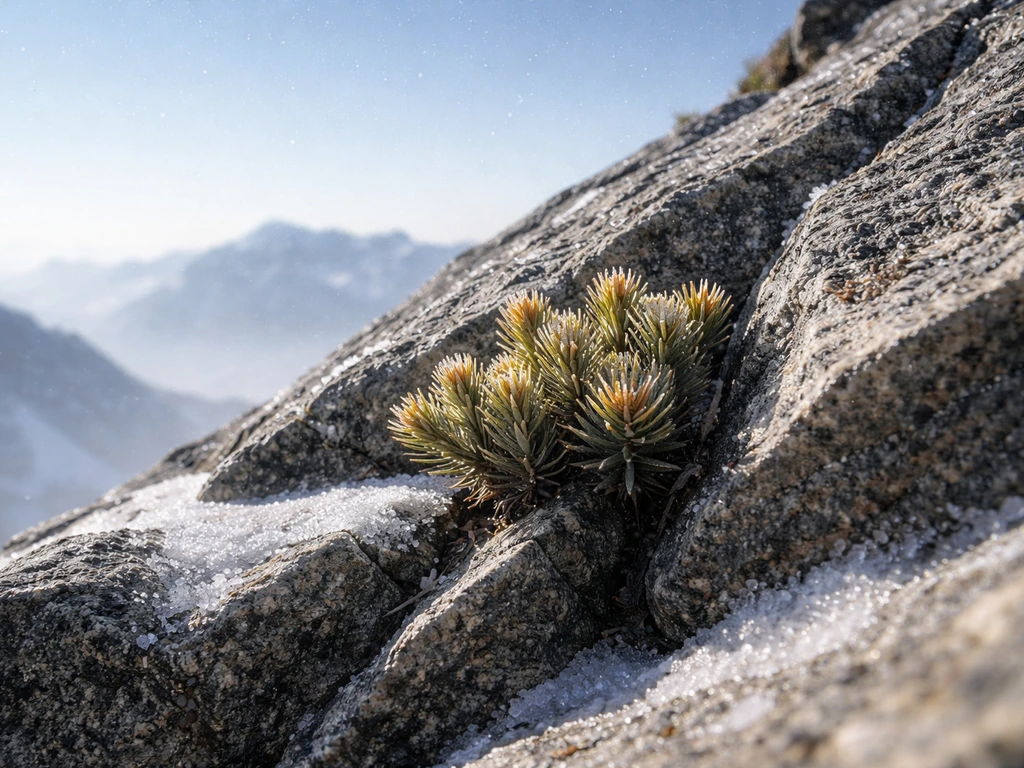
Mountain xerophytes face a double challenge that their desert counterparts sometimes don't: drought stress combined with cold temperatures, high winds, and intense UV radiation. The adaptations they've developed tackle all of those pressures at once, which is part of what makes them such resilient plants.
Water-use efficiency strategies
Many xerophytes control water loss by tightly regulating when their stomata open. Research on CAM plants describes how they open stomata at night and close them during the day to limit water loss under strong sunlight [tightly regulating when their stomata open](https://abstracts. societyforscience. org/Home/PrintPdf?
projectId=13543). CAM plants, including most succulents, open their stomata at night when temperatures are cooler and close them during hot, dry daytime hours. This reversal of the typical photosynthesis cycle dramatically reduces water loss while still allowing carbon dioxide uptake. Other mountain xerophytes use C4 photosynthesis, which operates more efficiently at high light levels and requires less water per unit of carbon fixed.
Both strategies allow the plant to photosynthesize productively without losing moisture to daytime heat and low humidity.
Structural adaptations
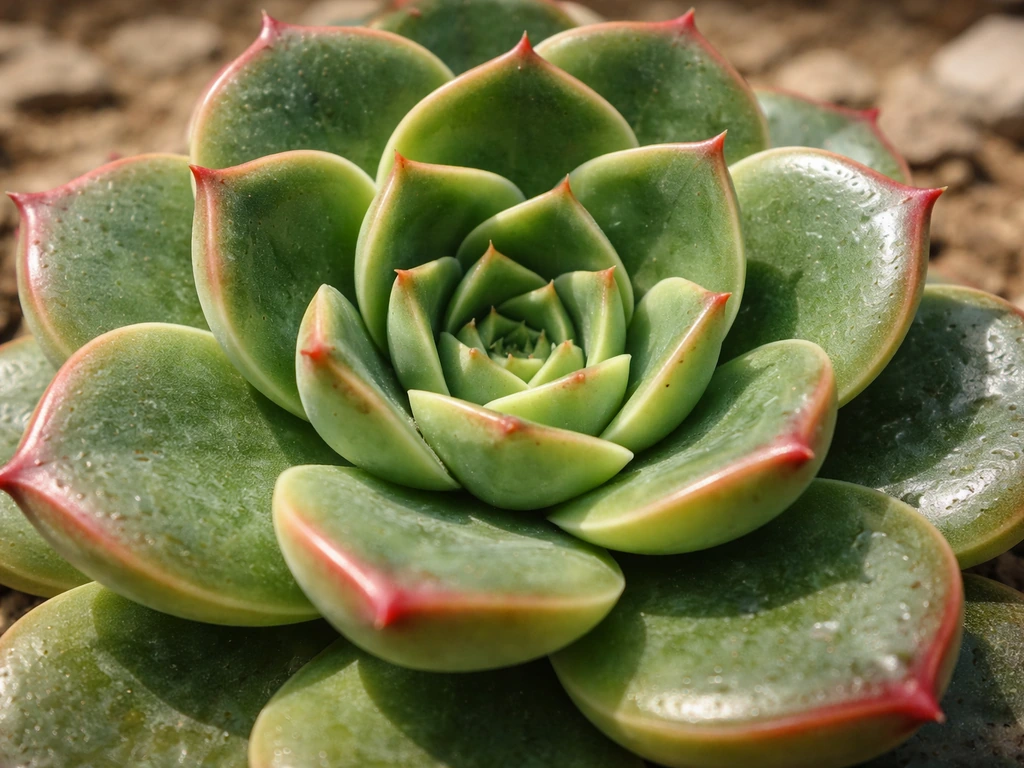
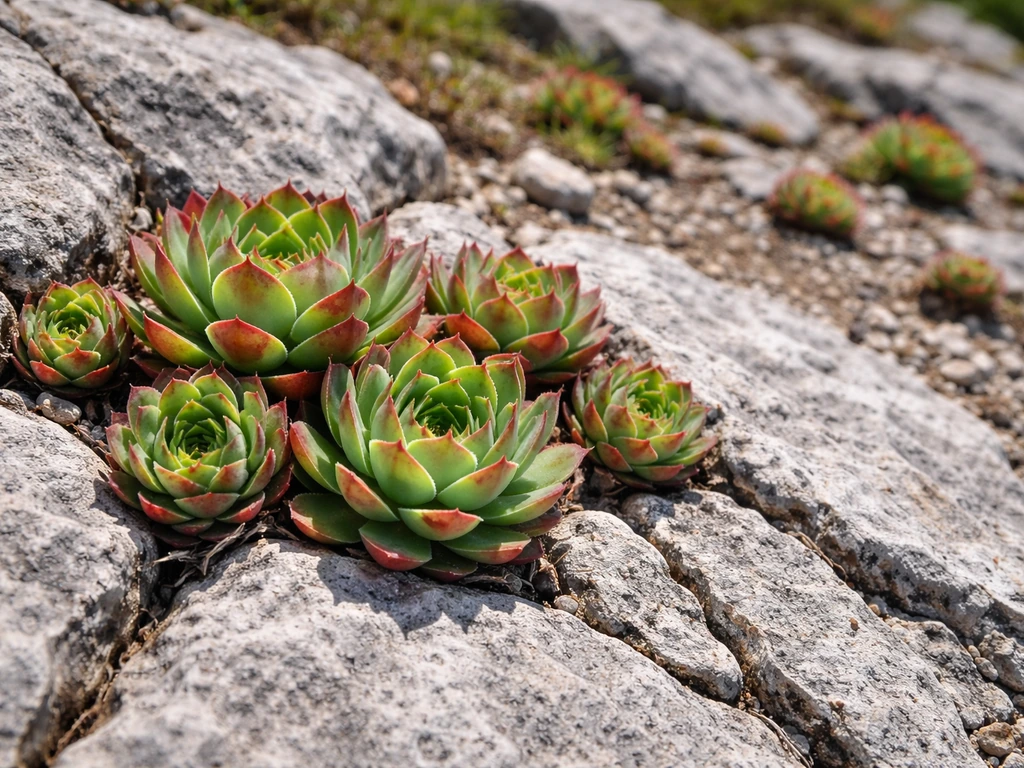
Structural changes are often the most visible sign of xeric adaptation. Xerophytes commonly have thick, waxy cuticles that form a physical barrier to water loss, sunken stomata sheltered from drying wind, and dense leaf hairs (trichomes) that trap a layer of humid air against the leaf surface. Thick, succulent leaves store water in specialized tissue called hydrenchyma, essentially acting as an internal reservoir. Spines replace full leaves in extreme cases, minimizing surface area while also deterring herbivores. On mountain slopes specifically, many xerophytes grow in tight cushion or rosette forms that reduce wind exposure and conserve heat at ground level.
Root systems and dormancy
Below ground, xerophytes tend to go deep or go wide. Phreatophytes are the plants adapted to grow in places where groundwater is available and can be reached by deep roots. Deep taproots chase moisture far below the surface, while wide lateral root systems capture precipitation and snowmelt before it drains away. Some mountain xerophytes, like stonecrops in the Sedum family, store water directly in their taproot tissue.
During severe drought or the dead of winter, many xerophytes enter a near-dormant state, reducing metabolic activity dramatically and surviving until conditions improve. The USGS describes this as maintaining themselves in a "nearly dormant condition" during prolonged dry periods, which is a critical survival strategy in mountain environments where drought can hit suddenly in midsummer.
Spotting xerophytes in the field
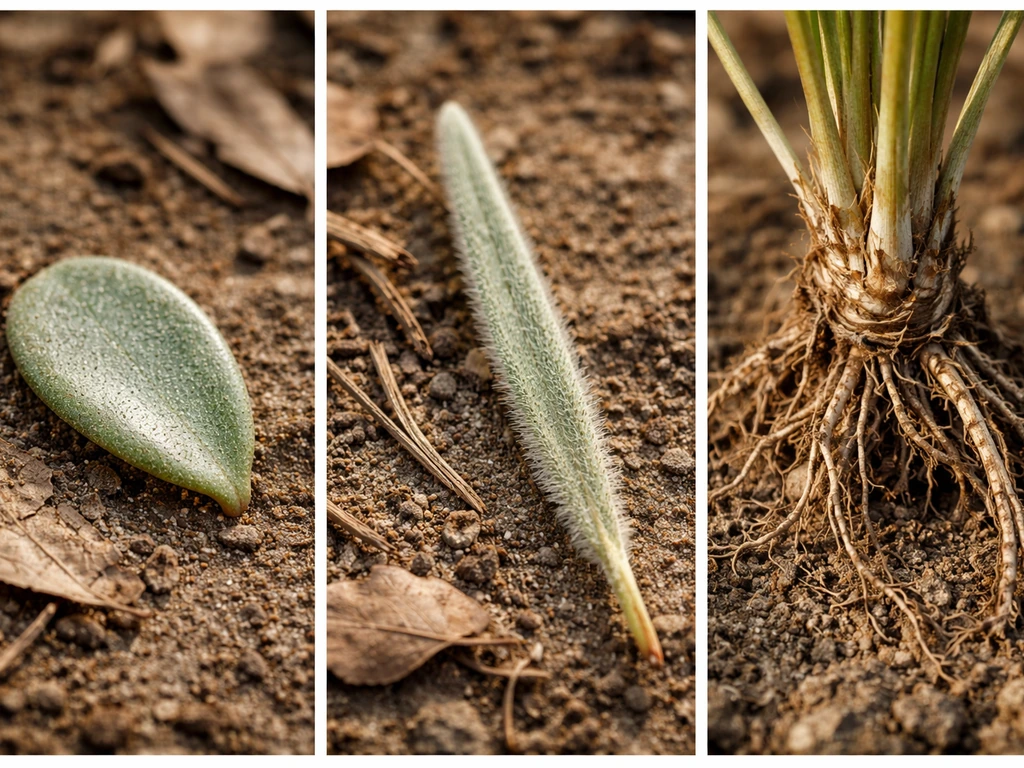
Once you know what to look for, xerophytes are fairly easy to identify by eye even without a plant ID app. The traits below are your best field clues.
| Plant Part | What You See | What It Means |
|---|---|---|
| Leaves | Small, thick, or fleshy; waxy or gray-green surface; dense hair covering | Reduced surface area limits water loss; wax and hairs block desiccating wind |
| Leaf surface | Visible waxy bloom (like a dusted coating); leathery texture | Cuticle barrier slows evaporation even under high UV and wind |
| Stomata | Sunken pits or furrows on underside of leaf (visible with hand lens) | Trapped humid air around stomata slows moisture loss |
| Stems | Swollen, succulent, or green and photosynthetic (in place of leaves) | Water storage tissue; photosynthesis moved to stem to allow leaf reduction |
| Growth form | Cushion, rosette, or ground-hugging mat | Reduces wind exposure; cushion interior can be significantly warmer than ambient air |
| Roots | Deep taproot or wide shallow network; often visible breaking rocky soil | Maximize water capture and storage in thin or dry substrates |
| Bark/stems | Resinous, aromatic, or with reflective surfaces on shrubby species | Reflects radiation; resins reduce water loss in dry Mediterranean-type mountain shrubs |
In the field, east-facing and south-facing mountain slopes are often your best bet for finding xerophytes in the northern hemisphere. Research at alpine sites like Niwot Ridge shows that drought stress during summer dry periods is most pronounced on east-facing slopes due to hot, dry conditions and topographic exposure. Ridgetops and upper windward slopes are typically the driest and most exposed sites. If you're hiking and you notice the soil getting shallower and rockier, the vegetation getting lower and more mat-like, and the plants starting to show waxy or hairy leaves, you're entering xeric mountain terrain.
Mountain habitats where xerophytes actually occur
Mountains are not one habitat. They're a stack of different environments layered by elevation, aspect, and wind exposure. Xerophytes occupy the dry pockets within that stack, not the whole mountain. If you are wondering where do bryophytes grow, note that they generally prefer consistently moist habitats rather than the dry pockets xerophytes need.
- Alpine fell-fields and rocky ridges: Exposed, shallow-soil environments above treeline where wind is constant, snow blows off instead of accumulating, and summer drought can be severe. Classic xerophyte territory in ranges like the Rockies, Alps, and Himalayas.
- South- and east-facing subalpine slopes: These slopes receive more direct sun, lose snowpack earlier, and dry out faster than shaded aspects. Summer drought stress here can rival conditions in semiarid lowlands.
- Talus fields and rock outcrops: Thin or absent soil over rock drains quickly and holds almost no moisture. Plants rooting into cracks must tolerate extreme dry spells between precipitation events.
- High-elevation Mediterranean mountain slopes: Mountain ranges bordering Mediterranean climates, such as the Sierra Nevada in California, Atlas Mountains in Morocco, or Pyrenees in Spain, experience hot, dry summers that push plants toward xeric strategies even at elevation.
- Windward ridgelines in temperate mountain ranges: Low-humidity air and wind-driven transpiration create physiological drought even when precipitation totals are moderate. Plants on exposed windward ridges often exhibit xerophyte traits regardless of elevation.
- Alpine dry meadows: Distinct from wet meadows and snowbed communities in the same range, dry meadows form on topographic positions with less snow accumulation and faster drainage. Measurable volumetric soil moisture differences separate these communities from wetter neighbors within meters.
The USDA Forest Service describes alpine environments as experiencing limited water availability under summer drought alongside intense wind, UV radiation, and short growing seasons. These combined stresses create exactly the conditions where xerophyte strategies pay off. But not every part of the alpine zone qualifies. Lee slopes, depressions, and north-facing bowls that hold deep snow remain moist well into summer and support entirely different plant communities.
Xerophytic mountain plants by region
Here are concrete examples of xerophytic plants tied to specific mountain systems. These aren't just drought-tolerant in a vague sense; each one has documented adaptations and habitat associations that put it firmly in the xerophyte category.
Rocky Mountains and North American Cordillera
- Sedum lanceolatum (lanceleaf stonecrop): Grows on stony outcrops and dry rocky slopes through the alpine and subalpine zones along the North American Cordillera. Thick succulent leaves store water; it thrives in the shallowest soils where most plants can't establish.
- Dryas octopetala (mountain avens): A low-growing cushion plant found above treeline in the Rockies and Cascades. Dense rosette of leathery, shallowly lobed leaves and growth form that hugs the ground reduce wind desiccation. Also occurs in the Alps, Himalayas, and Arctic mountains.
- Penstemon species (various): Many high-elevation penstemons on dry ridges and rocky slopes have leathery, waxy leaves and drought-tolerant root systems. Species like Penstemon caespitosus are mat-forming and adapted to thin, dry soils.
- Eriogonum species (wild buckwheats): Several species occupy dry alpine and subalpine rocky slopes in the Rockies and Great Basin ranges, often with woolly or silvery leaves that reflect intense solar radiation.
European Alps and Mediterranean mountains
- Sempervivum tectorum (common houseleek): Native to rocky mountain slopes in the Alps and Carpathians. Rosette succulents with water-storing leaves; tolerates extreme temperature swings and shallow soil over rock.
- Artemisia species (mountain wormwoods): Aromatic shrubs with silvery, highly divided leaves that reflect radiation and reduce transpiration. Common on dry slopes in the Alps, Pyrenees, and Atlas Mountains.
- Cistus species (rock roses): Found on dry rocky slopes in Mediterranean mountain ranges; these shrubs have thick, resinous leaves and high stomatal control to survive summer drought at elevation.
- Festuca ovina (sheep's fescue): A drought-adapted grass forming dense tufts on dry mountain slopes across Europe; its narrow, tightly rolled leaves reduce surface area exposed to drying wind.
Himalayas and Central Asian ranges
- Rhodiola species (roseroot, stonecrop relatives): Succulent-stemmed alpine plants found on dry, rocky high-altitude slopes in the Himalayas and Tibetan Plateau. Some species occur above 5,000 meters on exposed rock faces.
- Dryas octopetala: Also found across Himalayan and Central Asian alpine zones in exposed, wind-dried rocky terrain.
- Various cushion-forming Androsace and Arenaria species: These mat and cushion plants on dry Himalayan ridges have compact growth forms and thick cuticles that limit moisture loss under strong winds and low humidity.
Growing xerophytes at home: mimicking mountain dry conditions
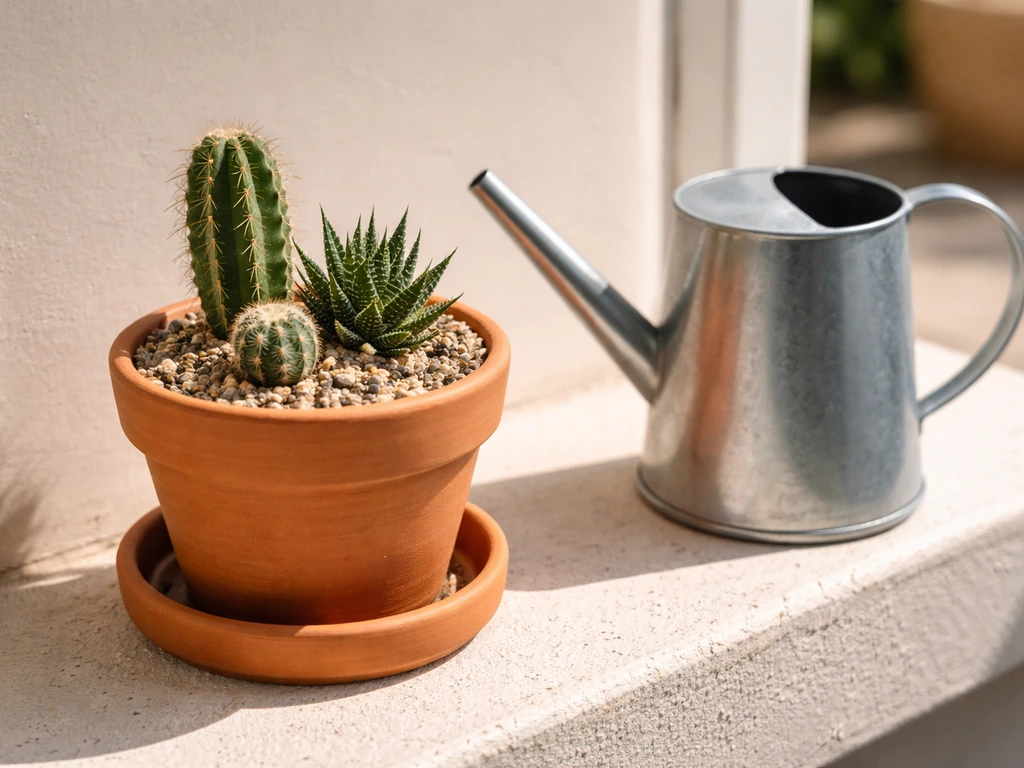
If you want to grow these plants successfully, you need to replicate the conditions that shaped them, specifically well-drained soil, strong sun, and restrained watering. Mountain xeric habitats are characterized by shallow, rocky, mineral-heavy soil that drains almost instantly. Replicating that in a garden or container is the single most important step.
Soil setup
For containers, a proven starting mix is one part standard potting soil to one part coarse sand or perlite. A mineral-heavy approach works even better: aim for roughly two-thirds mineral material (coarse sand, gravel, perlite, or crushed pumice) to one-third organic material. This mirrors the thin, rocky, fast-draining substrate these plants occupy on mountain slopes. For in-ground planting, most xerophytes actually perform better in leaner, less-amended soil. Adding excessive compost can hold too much moisture and cause root rot. If your native soil is heavy clay, raise the bed or amend with coarse grit to improve drainage rather than fertility.
Sun and exposure
Full sun, meaning at least six hours of direct sun per day, is non-negotiable for most mountain xerophytes. On a south- or west-facing aspect if you can manage it. These plants evolved on exposed ridges and slopes where there's no shade canopy. A shaded spot in a garden will cause them to stretch, weaken, and become susceptible to rot. Plants like Sedum lanceolatum and Sempervivum handle intense summer heat without complaint as long as drainage is good.
Watering schedule
Underwatering is almost never the problem with established xerophytes. Overwatering is. Once established, most mountain xeric plants need watering only when the soil has gone completely dry. A simple rule: allow the top inch of soil to dry out before watering, then water thoroughly so the entire root zone is wetted and let excess drain away completely. Deep, infrequent watering encourages deep root growth that makes plants more drought-resilient over time. During winter dormancy for outdoor plants, stop supplemental watering entirely. During establishment (the first growing season), water slightly more frequently to help roots settle in, then reduce gradually.
Good plants to try
- Sempervivum (houseleeks): Nearly indestructible in well-drained soil and full sun; excellent for rock gardens or containers.
- Sedum species (stonecrops): Prefer medium to dry, sandy or shallow-rocky soil with neutral to alkaline pH; great for dry walls, gravel beds, or sunny slopes.
- Dryas octopetala: Best in rock gardens with excellent drainage and full sun; slow-growing but extremely tough once established.
- Penstemon caespitosus and similar mat-forming penstemons: Ideal for dry, gravelly slopes or raised beds in full sun.
- Festuca glauca (blue fescue): Drought-tolerant ornamental grass that mimics the narrow-leaved alpine fescues; low maintenance in dry, sunny spots.
- Erodium and low-growing Artemisia species: Both handle rocky, poor soil and full sun well and provide interesting foliage texture in xeric garden plantings.
Misconceptions worth clearing up, and what to do when plants fail
The biggest misconception the original question reveals is treating "mountain" as a synonym for "xerophyte habitat." Mountains contain some of the wettest environments on earth. Cloud forests, alpine bogs, snowmelt-fed meadows, and glacier margins are all mountain habitats where drought-adapted plants would die quickly. Bryophytes grow in habitats that are consistently moist, so their needs differ from xerophytes. Xerophyte-appropriate conditions occur in specific mountain microsites, particularly on exposed ridges, rocky outcrops, and south-facing dry slopes. Assuming any plant from the mountains will thrive in bone-dry conditions is how you end up losing plants that actually prefer consistent moisture.
Another common misconception is that drought tolerance means the plant never needs water. Xerophytes are adapted to survive dry periods, not to thrive on zero water permanently. Even established Sempervivum will show stress in a multi-month drought without any irrigation. The goal is low and infrequent water, not zero water.
Quick troubleshooting guide
| Symptom | Most Likely Cause | Fix |
|---|---|---|
| Mushy or blackened stem base | Overwatering or poor drainage | Reduce watering frequency; improve soil drainage with added grit or coarse sand; repot if in container |
| Stretched, leggy growth | Insufficient light | Move to full sun position; at least 6 hours of direct sun daily |
| Yellowing lower leaves with wet soil | Root rot from waterlogged soil | Check drainage holes; amend soil with mineral material; let dry completely before next watering |
| Plant dies in winter despite protection | Soil stays too wet in cold months | Ensure outdoor beds drain freely; avoid mulching too heavily over crowns; stop watering before first frost |
| Slow growth with pale color | Soil too rich or too much organic matter | Switch to leaner, mineral-heavy mix; xerophytes often perform better in poor soil |
| Wilting despite regular watering | Root rot or compacted soil blocking drainage | Check roots for rot; repot in fast-draining mix; water deeply but less often |
It's also worth knowing that xerophytes are just one category of environmentally specialized plants. Other terms like halophytes (salt-adapted plants), phreatophytes (deep-water-seeking plants), and bryophytes (plants of persistently moist habitats) describe different adaptations to different conditions. Understanding which category applies to your mountain site, whether it's genuinely xeric or actually moist, is the starting point for choosing the right plants and giving them the right care.
FAQ
How can I tell in the field whether a mountain plant is truly xerophytic rather than just “tough”?
Look for habitat cues and multiple xeric traits at once. If the plants are on shallow, rocky, fast-draining spots (upper ridges, exposed windward slopes, south or east aspects in the northern hemisphere), and the leaves show waxiness, dense hairs, reduced leaf area, or plants form tight cushions/rosettes, that combination strongly suggests xerophyte adaptation rather than general hardiness.
Are xerophytes the same as drought-tolerant plants I can buy for landscaping?
Not always. Many nursery labels say “drought tolerant,” but xerophyte adaptation usually includes specific water-loss strategies (night stomatal opening in CAM plants, C4 photosynthesis, thick cuticles, sunken stomata, deep or wide roots). If the plant requires moist summers in its native habitat, it will not behave like a true xerophyte even if it survives short dry spells.
Do xerophytes require full sun even in colder mountain climates?
Most do, because intense light and exposure are part of the stress they are adapted to. If you grow them in low-sun conditions, they often lose vigor, become more prone to rot, and grow weaker tissue. A practical approach is to aim for at least six hours of direct sun during the season you want active growth, especially on containers.
What’s the safest watering schedule for newly planted xerophytes?
During establishment, water enough to help roots settle, but still avoid consistently wet soil. A good method is to water thoroughly, then wait until the top inch is dry before watering again, checking moisture more frequently in hot weather and less frequently in cool or rainy periods. After the first growing season, reduce to infrequent watering only when the soil fully dries.
Can I grow mountain xerophytes if my yard soil is heavy clay?
Yes, but you usually need drainage-first changes. Because clay holds water, it increases the risk of root rot. Use raised beds or a gritty amendment approach (coarse grit and mineral material) rather than adding lots of compost. In containers, prioritize a high-mineral mix with perlite, pumice, or coarse sand so water exits quickly.
Will xerophytes survive winter if I stop watering, or do they need protection from cold and wet?
Stopping supplemental watering in winter matches their usual dormancy strategy, but the bigger risk in wet winters is lingering moisture around the roots. Ensure rapid drainage, avoid mulching that traps water against the crown, and consider shelter or angling pots so they do not sit in rainwater. Cold plus soggy soil is often more damaging than cold alone.
Do xerophytes always have succulent leaves or spines?
No. Some store water in hydrenchyma within thicker tissues, but others rely more on leaf hairs, waxy cuticles, tight cushion growth, or root strategies (deep taproots or wide lateral roots). A plant can be xerophytic without being a cactus-like succulent, so identification should focus on the combination of traits plus a dry microsite.
Why do some drought-adapted-looking plants fail in a garden even when I water correctly?
The most common cause is soil that stays too moist due to poor drainage or overly rich amendments. Another frequent issue is low light and stagnant air (shade, crowded spacing, or overly thick mulch) which increases rot risk. If plants stretch, soften, or show blackened or mushy stems at the base, treat it as a drainage or light problem first.
How do xerophytes differ from phreatophytes, and why does that matter for watering?
Phreatophytes are adapted to access groundwater (often via deep roots) and may behave differently in gardens, sometimes needing less frequent but deeper access, or they may not suit shallow container setups at all. Xerophytes tolerate irregular low surface moisture, but most still need the soil to dry out between waterings. If your plant naturally occurs near reliable seepage or wet ground, it may not be a true xerophyte.
Are bryophytes ever found on mountains, and why doesn’t that mean the area is xeric?
Yes, but their presence usually indicates persistently moist conditions. Bryophytes often occupy shaded, snow-holding, and water-retentive microhabitats (like north-facing bowls or near streams) even within mountainous regions. So bryophytes are a clue to moisture availability, not a sign that xerophytes should thrive everywhere on the same mountain.
If “mountains aren’t uniformly dry,” how should I choose the right plants for my specific slope or aspect?
Match plants to the driest microsites you actually have. In many northern-hemisphere locations, exposed east and south slopes, ridgetops, and windward upper areas tend to be the best matches. North-facing bowls and depressions that keep snow or hold moisture longer are often better for plants adapted to wetter conditions. Start by observing how quickly your soil dries after rain or snowmelt in each spot.