Plants that grow where they are not wanted are most precisely called invasive plants (or invasive species when referring to non-native plants causing ecological harm). Plants that grow where you are not wanted are most precisely called invasive plants (or invasive species when referring to non-native plants causing ecological harm) the plants that grow on land are called. Informally, most people call them weeds, but those two terms aren't quite the same thing. A weed is any plant growing somewhere you don't want it, including native plants that spread aggressively. An invasive plant is specifically a non-native species introduced from another region or country that blank" rel="noopener noreferrer">causes damage to the local environment, economy, or human health. The U.S. Executive Order 13112 defines invasive species exactly this way: alien species whose introduction does or is likely to cause economic, environmental, or health harm. Knowing which category you're dealing with shapes everything about how you handle it.
Plants That Grow Where They Are Not Wanted Are Called Invasive

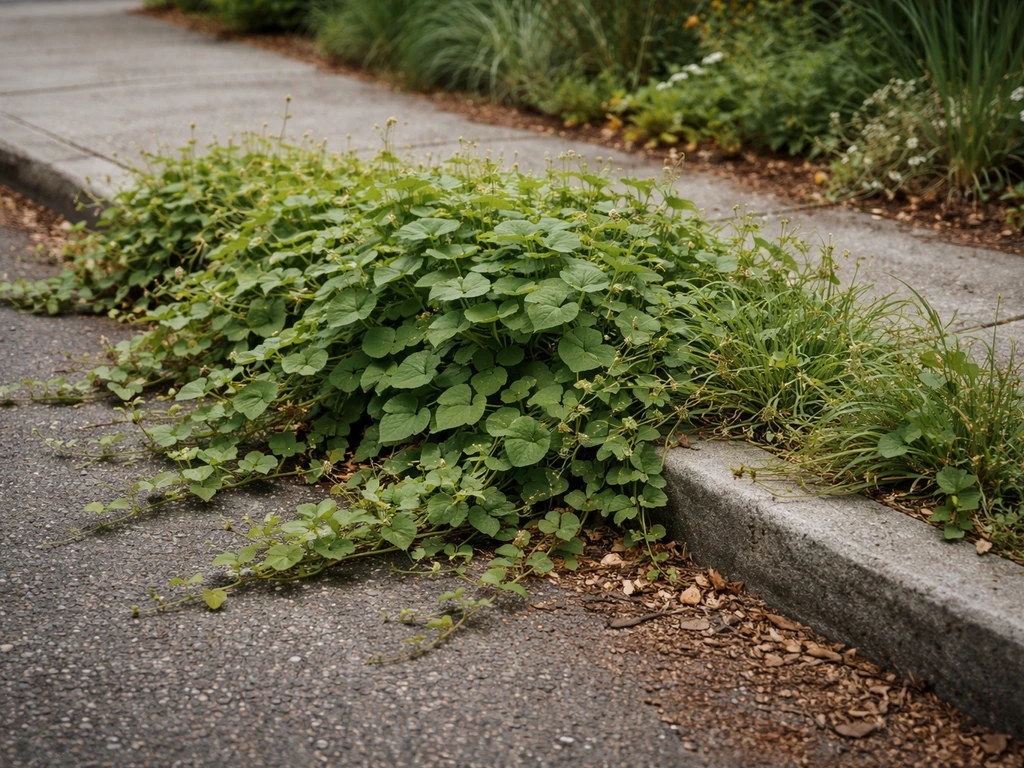
The correct terms and why the difference matters
The word "weed" is gardener shorthand. It describes any plant in the wrong place, whether that's a dandelion in your lawn or a native wildflower seeding into your vegetable bed. Invasive plants are a narrower, more serious category. They are non-native species that have moved beyond where they were introduced and are actively displacing native plants, disrupting food webs, and altering soil chemistry or hydrology. The U.S. National Park Service uses the same framework: non-native plus causes harm equals invasive. Naturalized plants sit in between: they are also non-native, but they've established stable populations without causing significant ecological disruption. Understanding this ladder (weed, naturalized, invasive) tells you how aggressively you need to respond and whether there are legal considerations involved.
| Term | Native or Non-Native? | Causes Ecological Harm? | Example |
|---|---|---|---|
| Weed | Either | Not necessarily | Dandelion, crabgrass |
| Naturalized plant | Non-native | Minimal to none | Common daisy (in many U.S. regions) |
| Invasive plant | Non-native | Yes | Japanese knotweed, kudzu, garlic mustard |
| Aggressive native | Native | Context-dependent | Cattails overtaking a pond edge |
Why unwanted plants take over
Most invasive plants succeed for a simple reason: they arrive in a new environment without the insects, fungi, pathogens, and competing plants that kept them in check back home. In their native range, something is always eating them, infecting them, or out-competing them for light. Strip that pressure away and you get explosive growth. Kudzu, for example, grows up to a foot per day in warm, humid southeastern U.S. climates because nothing is grazing on it the way deer and insects do in Japan and China.
Disturbed soil is the other major driver. Road cuts, construction sites, flood zones, agricultural edges, and even freshly tilled garden beds are prime real estate for invasive plants. These species are adapted to colonize bare or stressed ground quickly. They often produce thousands of lightweight seeds (dandelion-style wind dispersal), root fragments that regenerate into new plants (Japanese knotweed), or berries that birds carry long distances (autumn olive, multiflora rose). Once established, they change soil conditions, light levels, or moisture in ways that favor themselves and disadvantage native competitors.
How to figure out what you're actually dealing with
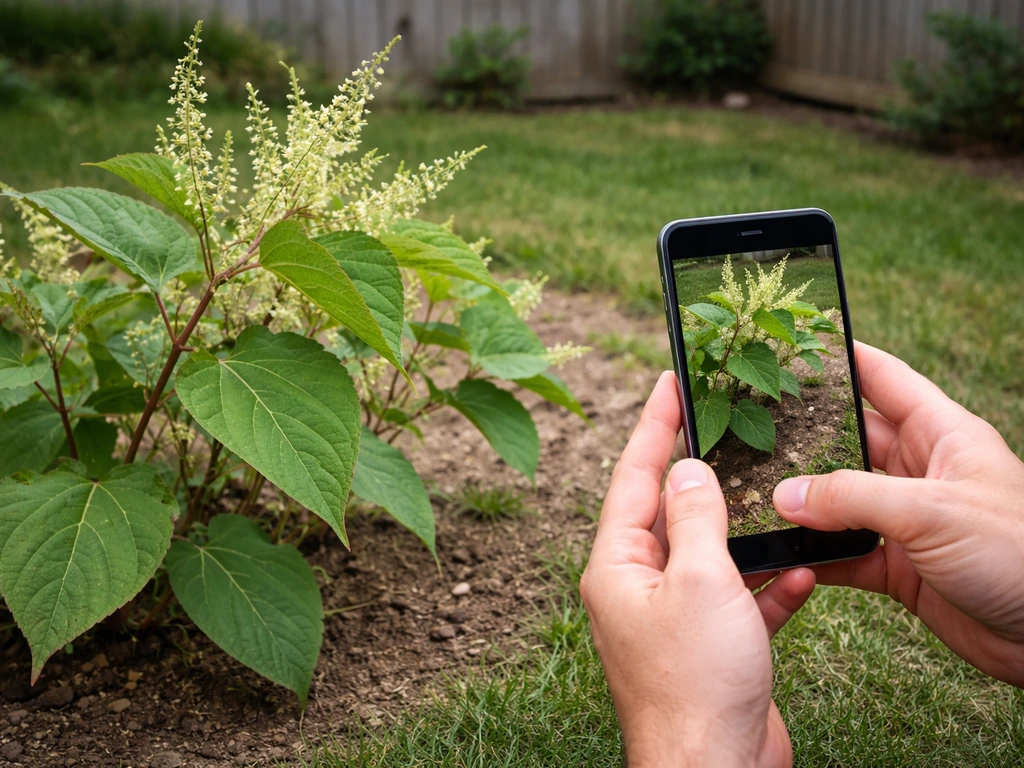
Before you pull anything out, spend five minutes confirming what it is. Misidentification is the most common reason people waste effort or, worse, spread the plant further by disturbing the root system. Here's a quick field process that works for most home scenarios.
- Photograph the whole plant, a close-up of the leaf shape and arrangement, the stem cross-section (round vs. square vs. hollow), and any flowers or seed heads present.
- Note where it's growing: sunny or shaded, wet or dry, disturbed ground or established bed, and roughly what region or climate zone you're in.
- Run your photos through a plant ID app (iNaturalist and PlantNet are both free and reliable) and cross-check the result against your state's invasive species list.
- Check your state's Department of Agriculture or natural resources agency website. Most states publish current invasive species watch lists with photos.
- If the plant is in a riparian zone (stream banks, wetland edges) or covers a large area, contact your local cooperative extension office before doing anything. Some invasives require special handling or are subject to regulations.
One quick reality check: if a plant is spreading rapidly in multiple directions, producing enormous numbers of seeds or runners, and your neighbors have the same problem, you are almost certainly looking at an invasive rather than a garden-variety weed. Common garden weeds (chickweed, purslane, common plantain) are annoying but manageable with basic cultivation. Invasives require a different level of persistence and strategy.
Where invasive plants thrive: climate, soil, and season
Invasive plants don't behave the same way everywhere. The same species that is a catastrophic problem in one climate zone may barely survive in another. Understanding the conditions that favor a specific plant is the most practical information you can have, because it tells you when it's most vulnerable and what removal window to target.
Warm, humid climates (USDA Zones 7-10)
This is where invasive plants are at their most aggressive. Kudzu, Japanese honeysuckle, Chinese privet, and cogon grass thrive in the warm, wet conditions across the southeastern U.S. The long growing season means plants never fully go dormant, root systems go deep, and a single season of neglect can result in years of catch-up work. Cogon grass is especially difficult here because it tolerates both drought and waterlogged soil, and its rhizomes can extend 4 feet deep.
Temperate zones and disturbed edges (Zones 4-7)
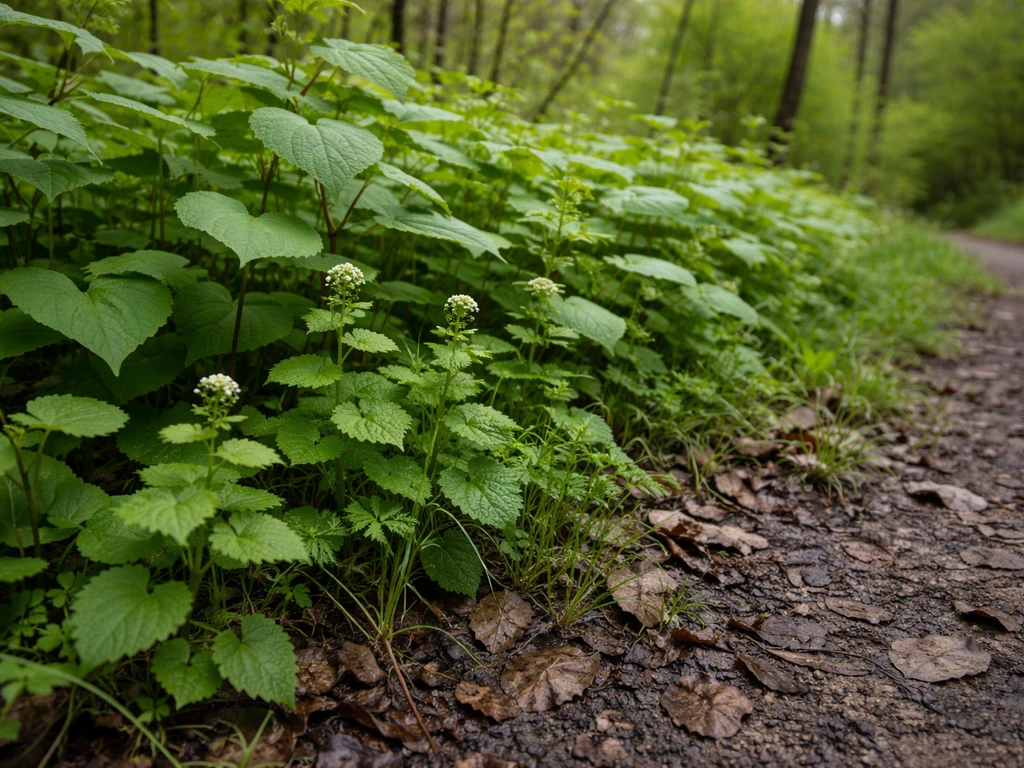
Japanese knotweed, garlic mustard, autumn olive, and multiflora rose dominate in temperate climates across the mid-Atlantic, Midwest, and Northeast. These plants push hard in spring when native species are still emerging, getting a head start on light and soil resources. Garlic mustard, for instance, germinates in late winter in many zones and can completely carpet a forest understory before native wildflowers have a chance to emerge. This early-season advantage is their primary ecological weapon.
Arid and semi-arid regions (Zones 5-9, low rainfall)
Cheatgrass, tamarisk (saltcedar), and Russian olive are the dominant invasive concerns in drier western climates. In general, plants that grow on dry land are often described as drought-tolerant or adapted to arid habitats Arid and semi-arid regions. Cheatgrass is particularly insidious in desert and grassland ecosystems because it dries out early in the season and dramatically increases wildfire frequency and intensity. Tamarisk invades riparian corridors, using enormous volumes of water and depositing salt into soil that makes it harder for native cottonwoods and willows to re-establish. Dry soil, disturbed riverbeds, and overgrazed land are its preferred footholds.
Seasonal timing: when invasives are most vulnerable
Early spring (before native plants fully leaf out) and late fall (after natives go dormant but before the ground freezes) are the two windows where many invasives can be targeted most effectively. In spring, young root systems are shallow and easier to extract fully. In fall, energy is moving from leaves down into roots, which means foliar treatments applied at this time travel directly to the root system. Timing your removal effort to the plant's growth stage, not just the calendar, makes a significant difference in how permanent your results are.
Practical removal methods for homeowners
There is no single best method. The right approach depends on the species, the size of the infestation, the soil conditions, and what's growing nearby. Here's how to match the method to the situation.
Manual removal (small infestations, annual weeds)
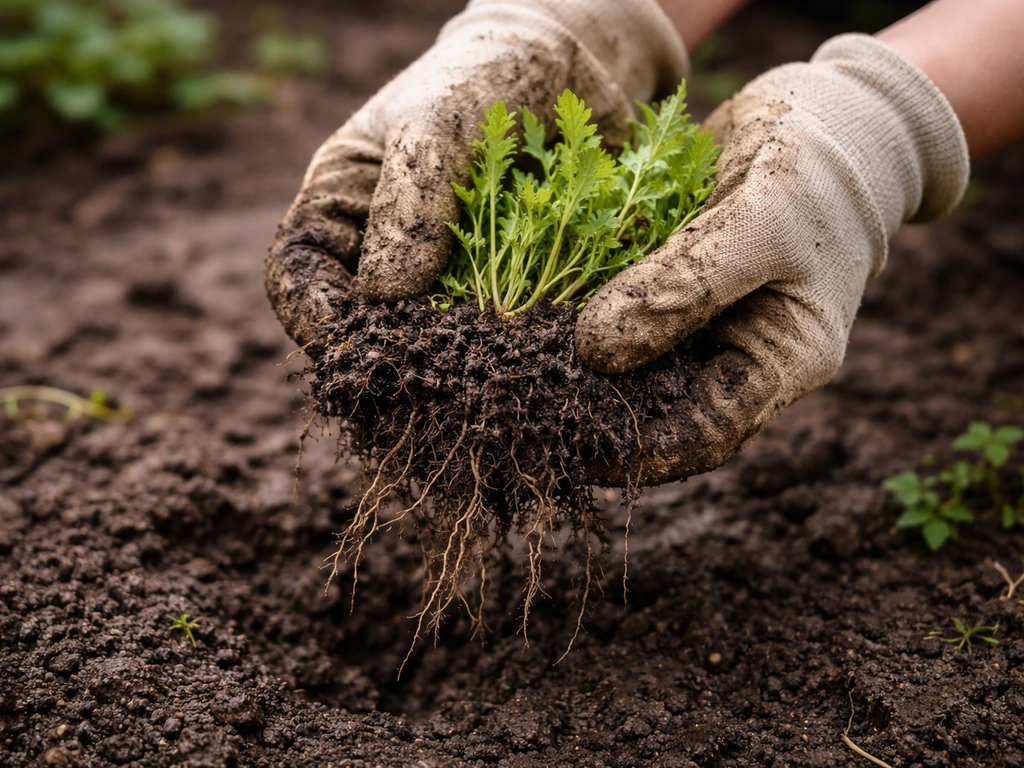
Hand-pulling works well for shallow-rooted annuals and small infestations of young plants. Pull after rain or watering when soil is loose, and aim to get the entire root system. For taprooted plants like garlic mustard or common mullein, use a narrow trowel or dandelion digger to loosen the soil before pulling. Always bag and dispose of invasives rather than composting them, especially if they have seeds or can regenerate from stem fragments.
Digging and root excavation (perennials and rhizome spreaders)
Japanese knotweed, bindweed, and Canada thistle spread through deep underground rhizomes. For these, digging is necessary but requires persistence. You're unlikely to get every fragment on the first pass, so plan for follow-up removal every 2 to 3 weeks during the growing season. A garden fork works better than a spade here because it lifts rather than cuts (cutting rhizomes can stimulate new growth from each fragment). For large knotweed stands, cutting repeatedly throughout the season to exhaust the root reserves is often more practical than trying to dig the entire root mass at once.
Smothering and light exclusion
Covering the soil with heavy cardboard layered 4 to 6 sheets thick, topped with 4 to 6 inches of wood chip mulch, cuts off light to seedlings and suppresses re-sprouting from shallow roots. This works particularly well in beds where you plan to replant with natives. It won't stop deep-rooted perennials like knotweed from pushing through, but it's very effective for annual weed suppression and moderate infestations of semi-woody species. Leave the cardboard-and-mulch layer in place for a full growing season before planting.
Mowing and repeated cutting
Repeated mowing works by exhausting the plant's stored root energy over time. It doesn't eliminate the plant quickly, but for large areas of invasive grasses or shrubby species like autumn olive, mowing every 3 to 4 weeks throughout the growing season for 2 to 3 years can significantly reduce stands. This is most effective when combined with overseeding with competitive native grasses or ground covers after each cut.
Targeted control methods
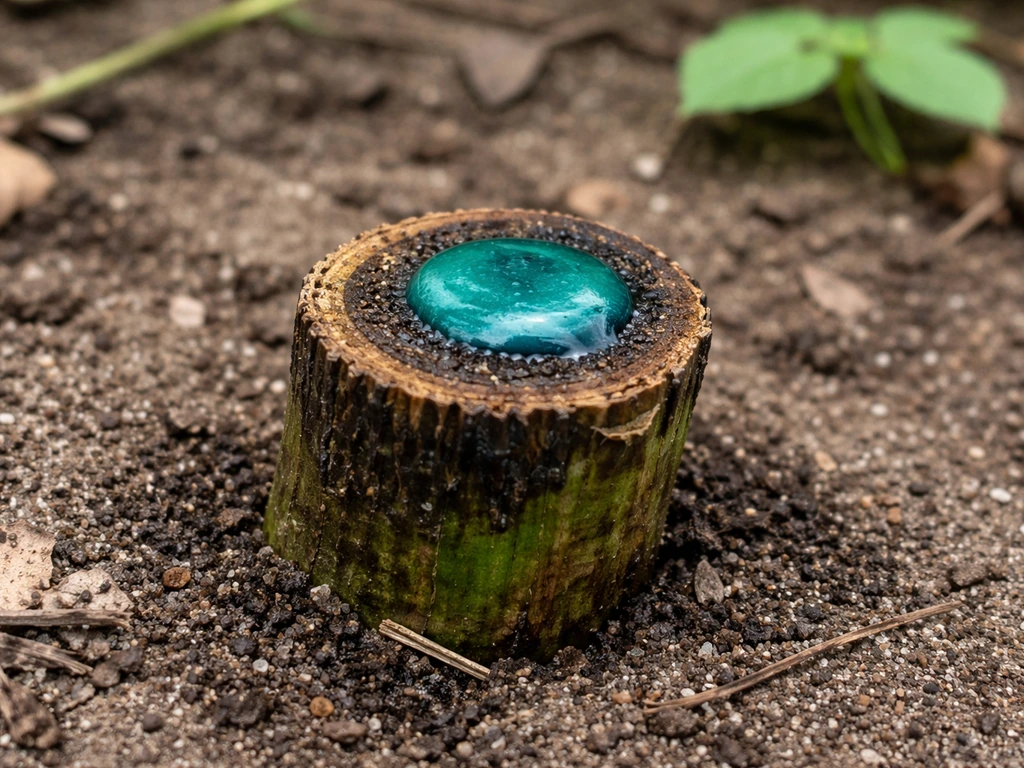
For persistent perennials or large infestations where manual methods aren't practical, cut-stump treatment is a targeted approach that minimizes collateral impact. Cut the plant to ground level and immediately apply an appropriate herbicide directly to the cut surface. This method drives the treatment straight into the vascular system and root reserves with very little product reaching the surrounding soil. For woody invasives like tree of heaven or buckthorn, this is often the most effective non-mechanical option. Always follow label directions and check local regulations before using any herbicide near water.
Prevention and long-term control
Removal is only half the job. If you clear an area and leave bare soil, you've created perfect germination conditions for the next wave of invasives. Bare ground is a vacuum that something will fill, and in most regions, invasives are faster than natives at filling it. The most effective long-term strategy is to immediately replace removed plants with competitive native species suited to your specific climate, soil type, and light conditions.
- Plant natives densely. A closed canopy of native ground covers, shrubs, or grasses leaves no open soil for invasive seeds to germinate. Density is your best long-term defense.
- Use locally sourced native plants matched to your climate zone and soil moisture. A native that's well-adapted to your conditions will out-compete opportunistic invaders far better than a stressed plant.
- Monitor your site every 3 to 4 weeks during the growing season for the first 2 to 3 years after removal. Catching re-sprouting or new seedlings early (when they're 2 to 4 inches tall) is dramatically easier than dealing with established plants.
- Avoid disturbing soil unnecessarily. Every time you till or excavate, you bring buried weed seeds to the surface where light triggers germination. Work with the minimum soil disturbance necessary.
- Clean your tools, boots, and equipment between sites, especially if working near natural areas. Invasive seeds hitch rides on shovels, mower blades, and boot treads.
- Manage soil fertility thoughtfully. Some invasives (like stiltgrass) thrive in low-nutrient soil, while others (like garlic mustard) prefer disturbed, nutrient-rich edges. Knowing your species helps you adjust soil conditions to favor natives.
- Do not compost invasive plants that have gone to seed or can regenerate from fragments. Bag them and put them in the trash.
When to call in professionals or check the rules
Some situations genuinely require expert help or carry legal obligations. If any of these apply to your situation, escalate before you act.
Large or ecologically sensitive infestations
If the infestation covers more than a quarter acre, is on a slope above a waterway, or is in or adjacent to a wetland, forest preserve, or protected natural area, contact your county's cooperative extension service or a certified invasive species management professional. Improper removal in these settings can cause erosion, introduce toxicants into water, or disturb protected habitats. Many land trusts and conservation districts offer free or subsidized site assessments.
Regulated and noxious weed laws
Most U.S. states maintain a noxious weed list. If a plant on that list is present on your property, you may be legally required to control it, even if it arrived naturally. Some states (and several Canadian provinces) also prohibit the sale, transport, or planting of specific invasive species. Penalties for non-compliance can be significant. Check your state's Department of Agriculture website for the current noxious weed and invasive species list applicable to your region before purchasing unfamiliar plants or letting an unidentified plant go to seed.
Boundary and neighbor situations
If invasive plants are spreading from a neighboring property onto yours, or vice versa, some states allow for cost-sharing agreements or require cooperation in management. A letter from your local cooperative extension office can sometimes open that conversation more productively than a neighbor dispute. For shared riparian corridors or properties within a watershed management plan, regional agencies may coordinate and fund removal efforts that would be impractical for a single homeowner.
Plants that grow where they aren't wanted range from a minor garden nuisance to a serious ecological and legal matter depending on species, scale, and location. Knowing the correct term (invasive species vs. A Reddit discussion in r/AskBiology similarly focuses on how people distinguish invasive from introduced species and why invasives disrupt established ecosystems blank" rel="noopener noreferrer">distinguishing invasive species from weeds and introduced species. These plants that grow in air are called invasive species, and the exact wording matters for choosing the right response. weed vs. aggressive native) points you toward the right response. And connecting that species to the specific climate, soil type, and seasonal conditions where it thrives, which is exactly what drives most plant distributions across regions, gives you the most useful leverage for controlling it for good.
FAQ
Is every “weed” an invasive plant?
No. A weed just means a plant is growing where you do not want it, including aggressive native plants. An invasive plant is specifically non-native and causes ecological, economic, or health harm, so the control strategy and urgency are different.
What’s the difference between “naturalized” and “invasive,” and why should I care?
Naturalized plants are non-native and established, but they do not significantly disrupt local ecosystems. Invasive plants displace native species or alter habitat conditions. Naturalized plants may be manageable with lighter, monitored control, while invasives usually require persistent, long-term action.
If a plant came from my neighbor’s garden, is it automatically invasive?
Not automatically. It can be a non-native that remains contained, a naturalized plant, or a genuinely invasive species that spreads aggressively. Confirm the species and local status (including any regional “noxious” list) before assuming the legal or ecological risk.
Can I compost invasive plants?
Usually not if the plant can reproduce from seeds or stem fragments. Bag and dispose of invasives in a way that prevents regrowth, because many species can survive composting or spread if compost is not fully hot and managed.
Why does my weed control fail even when I remove most of the plant?
Most failures happen because of root or rhizome fragments, seed banks, or mistimed treatments. Many invasives regenerate from leftover pieces, and seeds can remain viable for years, so follow-up for the plant’s active growth period is essential.
How do I confirm I have the right plant before pulling or digging?
Take close photos (leaves, stems, flowers or seed heads, and the whole plant habit), note the location and surrounding species, then cross-check using a reliable local ID resource or your county extension. Avoid disturbing the area first, since moving roots or seeds can spread the problem.
Is early spring always better than fall for removal?
Often, but not always. Spring is useful because young root systems are shallower for several species, while late fall can work well because energy moves toward roots, improving effectiveness for some treatments. The best window depends on the species growth cycle, so timing should follow the plant’s life stage.
Do mowing and pulling work the same way for every invasive grass or shrub?
No. Mowing can reduce stored energy over time for certain invasive grasses and shrubby species, but it often does not remove rhizomes or persistent crown systems. For deep underground spreaders, digging alone usually underperforms, and you typically need repeated follow-up or a targeted approach.
When I dig or cut, is it better to avoid cutting rhizomes or fragments?
Yes, for species that spread via underground fragments, cutting can worsen regrowth by creating more viable pieces. Use approaches that minimize fragmenting when possible, and plan for recurring removal since you are unlikely to remove every fragment in one pass.
What should I do if the infestation is near a creek, pond, or wetland edge?
Treat it as higher-risk because improper removal can cause sediment runoff or allow plant material to float and spread. If you are near water or protected habitat, coordinate with your county extension or a certified invasive management professional before using digging, mowing, or any herbicide.
Do I need to worry about state “noxious weed” lists even for small plants?
Yes. Many states require control of listed species regardless of infestation size. There can also be restrictions on transport, disposal methods, and even purchasing or planting specific invasives, so check your local list before acting.
If invasives are coming from a neighbor’s yard, what’s the best way to handle it?
Start with cooperation rather than conflict: share identification evidence, propose a joint timeline, and involve your local cooperative extension if communication stalls. Some regions also support cost-sharing or coordinated watershed or riparian management plans.
How can I prevent reinvasion after I clear an area?
Reinvasion prevention works best when you immediately stabilize the ground and replant with competitive natives suited to your light, soil, and moisture conditions. Leaving bare soil creates a window for new germination, and invasives often occupy that space faster than native species.
At what point should I stop DIY removal and get expert help?
If the infestation is large (for example, around a quarter acre or more), located on slopes above waterways, or in or next to wetlands, forests, or other protected areas, seek help before proceeding. Experts can also tailor methods to the species and reduce the chance of spreading plant material.