Almost any plant you can think of grows in the ground: native grasses, broadleaf herbs, groundcovers, shrubs, vegetables, wildflowers, and most trees are all rooted in soil. These are also known as plants that grow underground plants that grow underground are called. The real question people mean when they search this is: which of those plants will actually survive and establish in my specific yard, given my sun, soil, and climate? That's what this guide answers. It skips the abstract plant lists and walks you straight to a method for matching what you've got to what will grow there.
What Plants Grow in the Ground: How to Choose for Your Site
Dr. Marcus Weatherby
26 Apr 2026
Common in-ground plants by type
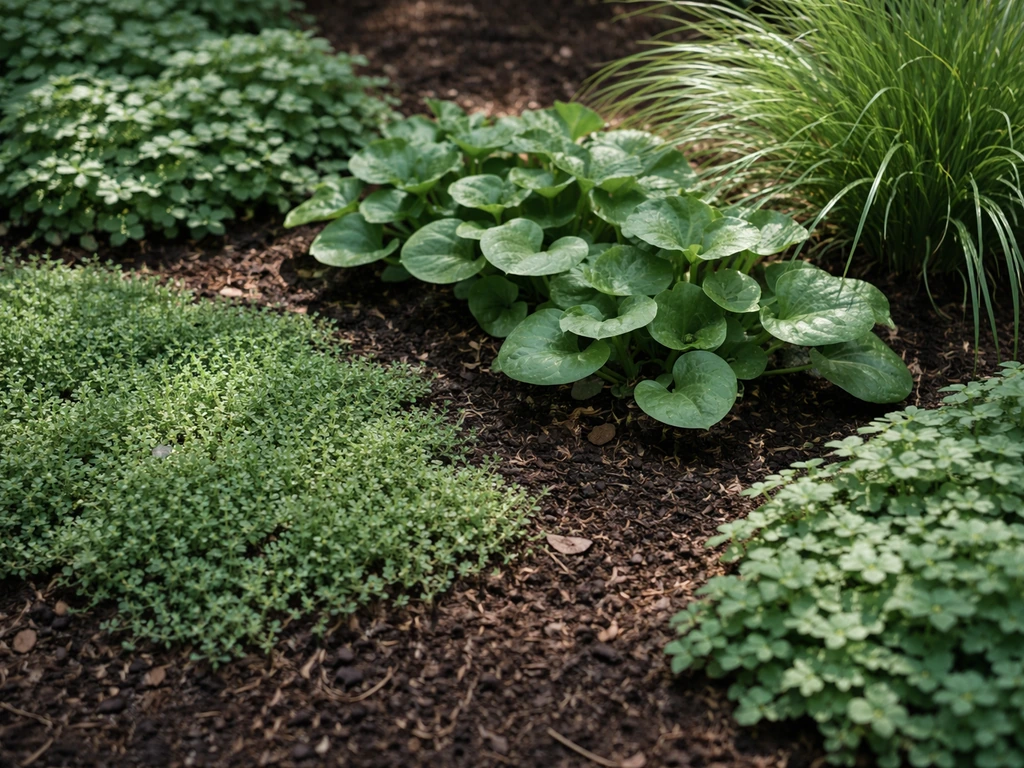
Before narrowing to your exact site, it helps to know the broad categories of plants that grow rooted in the ground across most regions. These are your starting candidates, and you'll filter them by your conditions in the next steps.
| Plant Type | Common Examples | Where They Tend to Fit |
|---|---|---|
| Groundcovers | Creeping thyme, wild ginger, clover, sedum, ajuga | Low-growing, spread laterally, great for slopes and shade patches |
| Grasses (turf & ornamental) | Fescue, buffalo grass, switchgrass, bluestem | Full sun to part shade; drought-tolerant varieties for tough spots |
| Broadleaf herbs | Mint, oregano, yarrow, bee balm, wild bergamot | Adapted to disturbed soils; many are native and self-seeding |
| Forbs and wildflowers | Black-eyed Susan, purple coneflower, goldenrod, aster | Open areas, meadows, roadsides; bloom in specific seasons |
| Shrubs and sub-shrubs | Spirea, native sumac, creeping juniper, blueberry | Woody structure, multi-year establishment, fills mid-height zones |
| Edibles and vegetables | Kale, carrots, beans, squash, tomatoes | Cultivated in-ground beds; need amendment for most native soils |
One boundary worth drawing: this guide focuses on terrestrial plants rooted in soil. Aquatic and marginal pond plants, epiphytes (like bromeliads that attach to trees and absorb moisture from air), and container-only ornamentals work differently and shouldn't be on your in-ground planting list unless you're specifically building a water garden or bog feature. Plants that grow along the ground as creepers, or plants that produce underground structures like tubers or bulbs, are related categories worth knowing about but follow their own rules. Examples include creepers that spread along the soil surface, and bulbs or tubers that develop underground examples of plants that grow along the ground.
What actually determines whether a plant grows in the ground here
Five factors interact to determine what survives in any given piece of ground. You can have the best-looking plant at the nursery and still watch it die if even one of these is badly mismatched.
Climate zone and temperature range
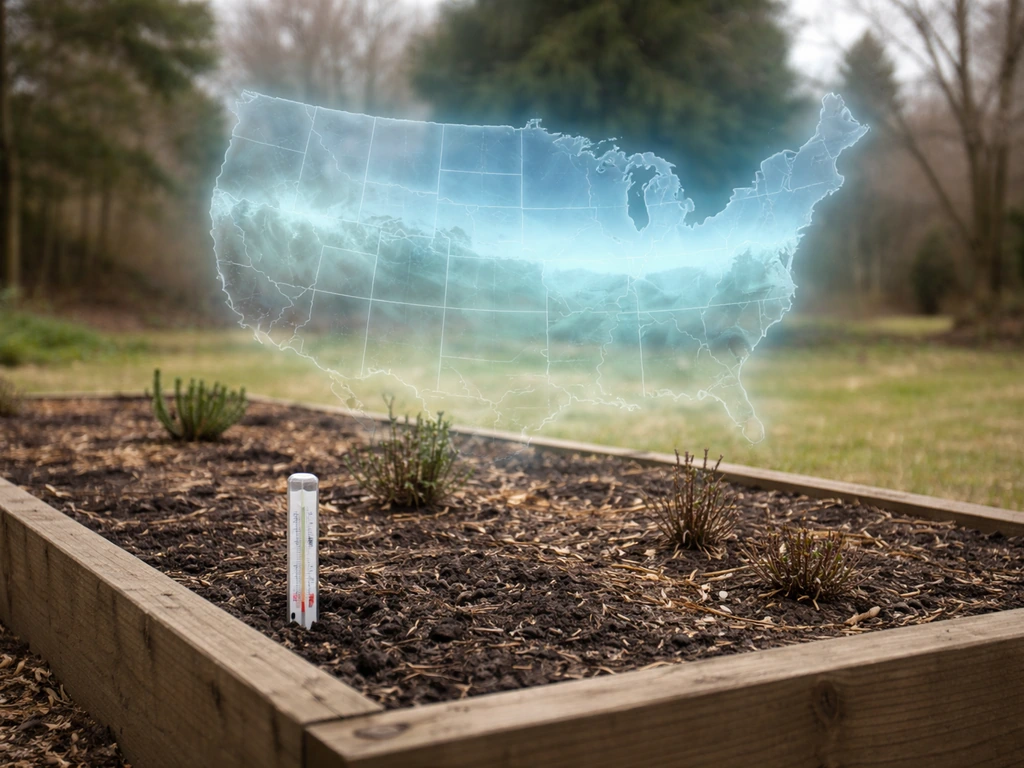
The USDA Plant Hardiness Zone Map divides North America into zones based on average annual minimum winter temperature.
A plant rated for Zone 5 can survive a Zone 5 winter but may die in Zone 4. This is the first filter. Look up your zone by ZIP code on the USDA map, then cross-check any plant you're considering against that zone rating.
The Home Depot notes that the USDA Plant Hardiness Zone map uses average minimum winter temperatures by zone to help you choose perennials that can survive winter conditions Look up your zone by ZIP code on the USDA map. Don't skip this step for perennials and shrubs, which have to survive winters.
Annuals bypass the zone issue because they complete their cycle in one season.
Sunlight
Full sun means six or more hours of direct sun daily. Part shade is typically three to six hours, and full shade is under three. These aren't suggestions. A shade plant in full sun will scorch and dry out. A sun plant in shade will stretch, weaken, and fail to flower or fruit. Before choosing anything, spend a day tracking shadow patterns across your yard in hourly increments.
Soil type and pH
Soil texture (sand, loam, or clay) controls drainage and root penetration. Soil pH controls what nutrients are available to roots. Most garden plants perform best when pH sits between 6.2 and 6.8, which is slightly acidic to nearly neutral. Outside that range, certain nutrients lock up in forms roots can't absorb, even if the nutrients are physically present in the soil. Blueberries prefer 4.5 to 5.5. Lilacs want 6.5 to 7.0. Knowing your pH and texture lets you match species accurately instead of guessing.
Moisture and drainage
Water availability works two ways: too little and roots dry out, too much and they suffocate from oxygen deprivation. Heavy clay soils drain slowly and can cause water to pond after rain. Sandy soils drain fast and dry out quickly. Flat low spots and compacted soils compound drainage problems. Poor drainage can kill plants outright, particularly during wet seasons.
Season and soil temperature
Calendar dates are a rough guide at best. Soil temperature is the reliable trigger for germination and root growth. A soil thermometer placed four inches deep tells you more than any average last-frost date. Cool-season grasses and vegetables germinate well when soil temps hit 50 to 60°F. Warm-season crops want 60 to 70°F or above before seeds really move.
How to read your site conditions in under an hour
You don't need expensive equipment to get a working picture of your site. These four quick checks give you 90% of what you need.
The jar test for soil texture
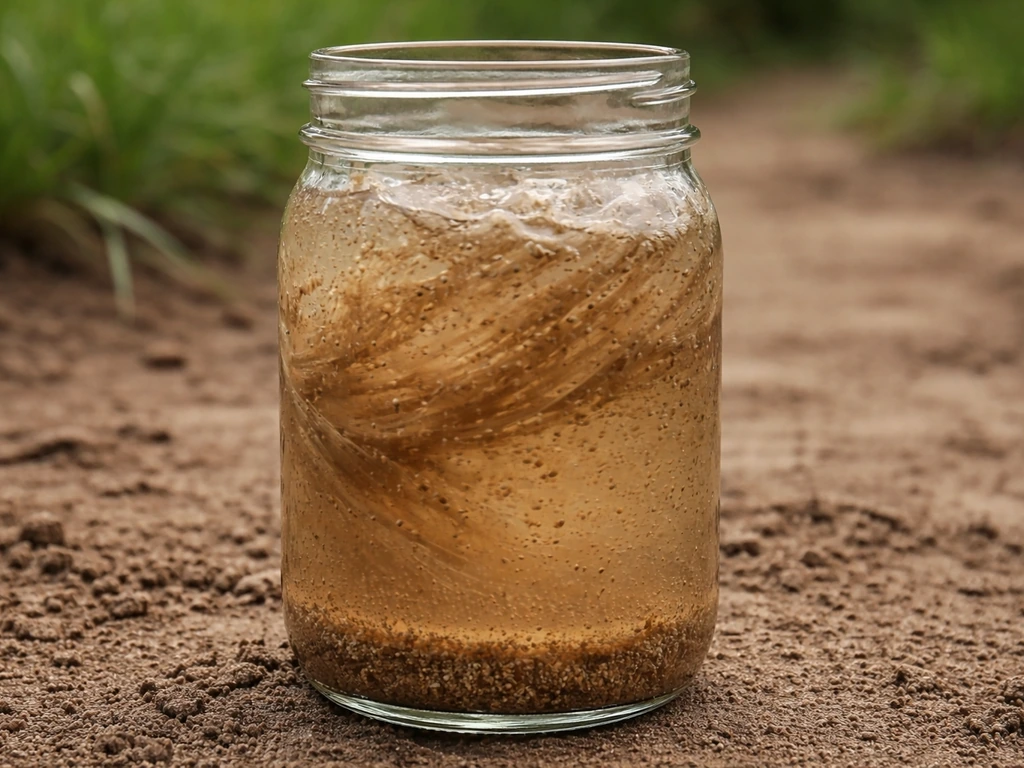
Take a handful of soil from about four to six inches deep, put it in a clear jar, fill the jar with water, shake it vigorously, and let it settle for 24 to 48 hours. Sand settles first (within a minute), then silt (within an hour), then clay (which stays cloudy for a day or more). The relative depths of each layer tell you your soil texture. Mostly sand at the bottom with little clay cloud? You've got sandy soil. Persistent murky water with a thin sand layer? You're dealing with heavy clay.
The percolation test for drainage
Dig a hole about 12 inches deep and 12 inches wide. Fill it with water and let it drain completely (this is the presoak step). Then fill it again and time how long it takes to drain. Well-draining soil drops about one inch per hour. If it's still sitting full after several hours, you have a drainage problem that limits your plant options significantly. This simple test can save you a lot of dead plants.
The squeeze test for soil moisture
Grab a handful of soil and squeeze it firmly. Open your hand. If it crumbles immediately, the soil is too dry. If it holds a firm ribbon and water squeezes out, it's too wet. If it holds a shape but crumbles when poked, moisture is about right. This quick feel-test, developed into a full table by University of Minnesota Extension, works across soil textures once you account for the texture you identified in the jar test.
A soil test for pH and nutrients
A basic mail-in soil test through your county cooperative extension office costs between $10 and $25 and tells you pH, organic matter, and major nutrient levels. This is genuinely the most useful single action for any new planting area. The results tell you exactly what amendments your soil needs, so you're not guessing at lime or fertilizer rates. If you're in a hurry, inexpensive pH test strips or meters from a garden center get you in the ballpark.
Matching plants to your conditions
Native plants vs. adapted hardy selections
Native plants evolved in your region's specific soil and climate, which means they're often the lowest-maintenance choice once established. They've already solved the problems your site throws at them. A native prairie grass in its home range can handle drought, clay, and cold that would kill an imported ornamental variety. That said, regional natives sometimes aren't available as seed or plugs, and a well-chosen non-native adapted species from a similar climate can perform just as reliably. The key is matching ecological conditions, not just geographic origin.
Seeds vs. plugs vs. transplants
Seeds are cheap and let you cover large areas, but they need the right soil temperature, adequate moisture, and weed suppression to establish. Plugs (small rooted starts) have a head start and establish faster, especially for groundcovers and grasses. Transplants (larger starts) cost more but are forgiving if you need quick establishment. Transplants typically reach their planting size around six to eight weeks from germination indoors. If you buy transplants or start your own, harden them off over seven to ten days by moving them outdoors gradually before planting. Skipping that step causes transplant shock that can set plants back weeks.
What grows where: common yard scenarios
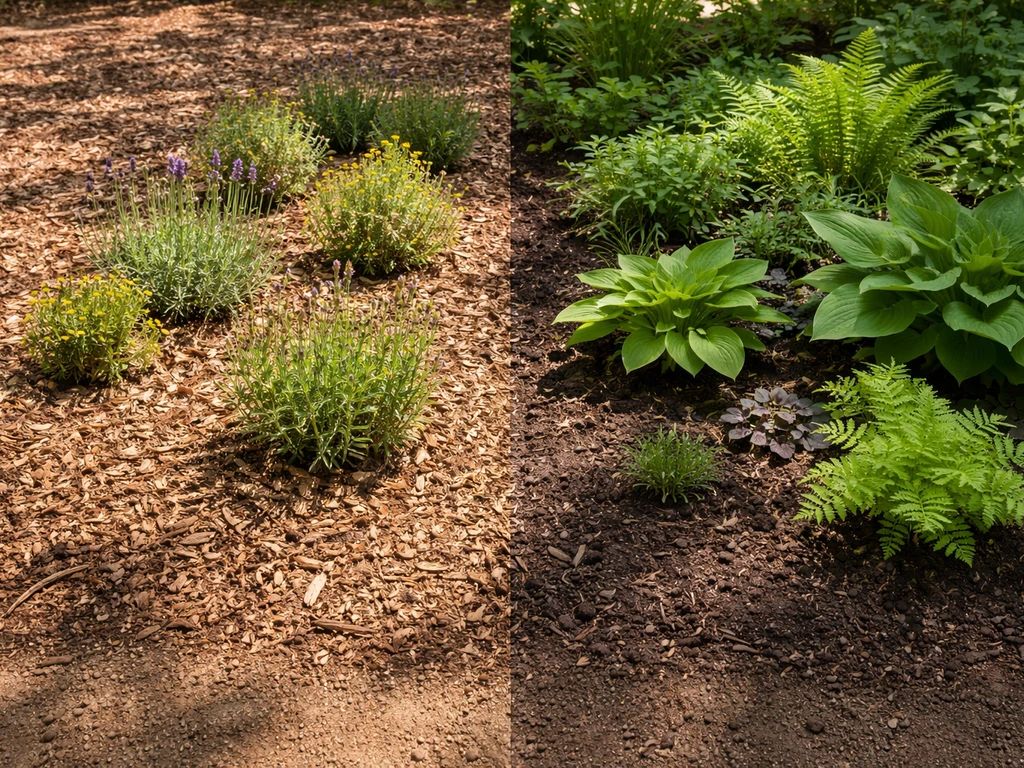
Dry, full sun
This is one of the most forgiving situations if you pick the right plants. Buffalo grass, blue grama, creeping thyme, sedum, yarrow, black-eyed Susan, and native prairie forbs all handle dry full-sun conditions well. Avoid plants labeled 'moisture-loving' or 'woodland' here. They'll limp along at best.
Shade (part to full)
Shade limits your options but doesn't eliminate them. When you spot low, spreading growth, remember that plants which grow along the ground are called creepers, which can be a useful option for difficult shade or edging. Wild ginger, hostas, ferns, ajuga, creeping Jenny, and native groundcovers like pachysandra or green-and-gold (Chrysogonum virginianum) all establish under tree canopy. These plants are adapted to lower light and often prefer the cooler, moister soil conditions that come with shade.
Plants that grow along the ground, sometimes called creepers</a>, are especially useful in shaded spots where upright plants struggle. If you are looking for plants that grow along the ground, you can narrow options by whether you want creepers, groundcovers, or plants with underground storage like bulbs plants that grow along the ground examples. Plants that grow along the ground, sometimes called creepers, are especially useful in shaded spots where upright plants struggle <a data-article-id="0BC992B1-E8CA-43B1-942A-83FD1D9A8E09">which plant grow along the ground.
Wet or poorly drained soil
If your percolation test shows water sitting in the hole for hours, don't fight the drainage. Plant for it instead. Sedges (Carex species), Joe-Pye weed, swamp milkweed, cardinal flower, and native iris all handle wet feet. They won't work in a pond, but they thrive in low spots that stay soggy after rain. These plants occupy a different niche from true aquatic or marginal plants, which need standing water.
Compact clay
Heavy clay drains poorly and can compact to near-brick hardness when dry. Short-term, choose plants with fibrous root systems that tolerate compaction: switchgrass, prairie dropseed, native asters, and coneflowers are all solid clay performers. Long-term, adding organic matter and avoiding foot traffic on planting beds will improve the soil structure over two to three seasons.
Average loam in sun or part shade
If you're lucky enough to have decent loam with moderate drainage and reasonable organic matter, almost anything grows. This is the baseline for vegetable gardens, mixed perennial beds, and lawn areas. Your limiting factors here are mostly pH and climate zone rather than soil structure.
What to plant right now vs. what to plan for later
It's late April 2026, which means spring planting is underway across most of the country, but the timing window differs by region and plant type.
- Cool-season vegetables (lettuce, spinach, kale, peas, carrots): Plant now if your soil has reached at least 45 to 50°F and you're past hard frost risk. These crops prefer cool soil and will bolt in summer heat.
- Warm-season crops (tomatoes, peppers, squash, beans): Wait until soil hits 60°F consistently and overnight lows are reliably above 50°F. Planting too early stunts root development.
- Native wildflower seed mixes: Late spring direct seeding works for many native species, but weeds are the enemy right now. Consider weed suppression before broadcast seeding.
- Cool-season grasses: Spring seeding is possible but comes with drawbacks including weed competition and limited time before summer heat stress. Late summer to early fall (August through mid-October) is the better window for cool-season turf grasses.
- Warm-season grasses (buffalo grass, zoysia): Late spring through early summer, once soil is warm, is ideal.
- Perennial plugs and transplants: Now is a great time across most zones. Get them in before summer heat peaks to give roots time to establish before stress.
- Planning for fall: Start thinking now about what you want to seed in late summer, especially cool-season grasses and native wildflowers that benefit from fall or winter conditions for germination.
The failure points that kill most in-ground plantings
Most failed plantings come down to a short list of avoidable mistakes. Knowing them in advance saves a season of frustration.
Wrong light or soil match
This is the most common error. A plant in mismatched light or pH will not compensate by adapting. It will just fail slowly. Always check the actual sun hours and pH before selecting plants, not after.
Skipping the establishment window
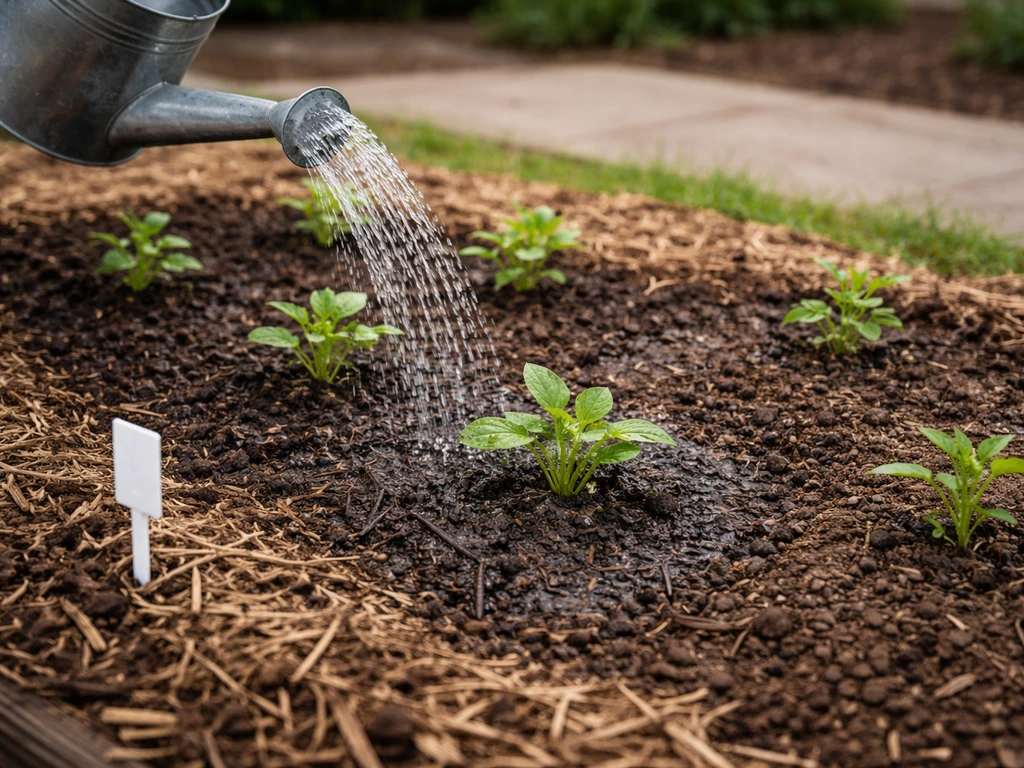
Young transplants and seedlings are far more vulnerable than established plants. The first six to eight weeks after planting are critical. Letting the soil dry out completely during this period, or planting during a heat wave without supplemental water, causes failures that get blamed on the plant when they're really a timing and care issue.
Weed competition
Weeds don't just look bad. They compete directly with establishing plants for water, nutrients, and light. Groundcovers and grasses seeded into weedy ground almost always lose that competition in the first season. Clear weeds before planting, use a thin layer of mulch around transplants, and hand-weed during establishment.
Compaction and poor drainage (ignored)
Planting into compacted or waterlogged soil without addressing it first is the outdoor equivalent of planting into concrete. Roots can't penetrate compacted ground, and standing water will suffocate even water-tolerant plants if it persists. The percolation test gives you the information you need to make this call before you plant anything.
Spacing plants too close or too far
Too close, and plants compete and develop disease from poor airflow. Too far apart, and weeds fill the gaps before groundcovers can close in. Check mature spread dimensions, not just height, and space accordingly. For groundcovers, closer initial spacing means faster coverage and less weeding in year one.
Transplant shock from rushing the process
Moving seedlings directly from a warm indoor environment to full outdoor exposure without a transition period causes transplant shock. Harden off transplants by setting them outside in a sheltered spot for a few hours daily, gradually increasing exposure over seven to ten days before planting in the ground. This one step dramatically improves survival rates.
Your next steps, in order
- Look up your USDA hardiness zone by ZIP code to set your climate baseline.
- Spend a day tracking sun hours across your planting area and note where shade falls.
- Run a jar test on your soil to identify texture (sand, loam, or clay).
- Run a percolation test in any low spots or areas that look wet after rain.
- Send a soil sample to your county cooperative extension for pH and nutrient results.
- Use those five data points to filter a native plant list for your region, starting with plants rated for your zone and matched to your sun and soil.
- Start small with plugs or transplants in one section, observe how they establish, then scale up.
- Mark your calendar for late summer seeding if cool-season grasses are on your list.
FAQ
Can I grow almost any plant in the ground if I amend the soil?
You can expand your options, but hard mismatches still kill plants. Sun, hardiness zone, and drainage patterns matter first, then amendments help. For example, you can correct pH over time, but if your site stays waterlogged for hours after rain, you will still need wet-tolerant species or soil reconstruction.
What if my yard gets mixed conditions, like sun in the morning and shade in the afternoon?
Treat it as different “microclimates.” Track shadow by hour like the article suggests, then label each planting area (full sun, part shade, shade) and match plants to each label. A plant that works on the morning side may fail on the afternoon side where heat and moisture differ.
How do I decide between groundcovers, creepers, and bulbs when I want plants that spread?
Use the growth habit to match your goal. Groundcovers and creepers spread to cover and suppress weeds, but they usually need consistent moisture during establishment. Bulbs spread differently, often returning annually, but they do not replace groundcover’s year-round weed control.
Do I need to worry about soil temperature if I’m planting transplants instead of seeds?
Yes, but less. Seeds require the right soil temperature to germinate, while transplants mainly need the ground to be cool enough not to over-stress roots and warm enough to restart growth. If nights are still cold, cover lightly or wait until the soil warms before planting warm-season crops.
My soil test says my pH is off. Should I add lime or fertilizer right away?
Follow the recommendations from your soil test, and prioritize pH first when it’s far out of range. Fertilizer alone often does not help if nutrients are locked up at the wrong pH. Also, recheck after amendments because pH shifts slowly compared with nutrients.
Is it better to plant in spring or fall when I’m trying to establish ground plants?
In many regions, fall planting is often easier because evaporation is lower and soils stay warmer for longer, which helps roots establish. Spring is great too, but you must stay on top of watering during the first six to eight weeks, especially during heat waves.
What counts as “poor drainage” for choosing plants that grow in wet spots?
Use the percolation hole timing as your decision tool. If water sits for hours after you fill the hole, choose species that handle “wet feet” and consider raising beds or adding drainage only if you want different plant types. Wet-tolerant plants still dislike standing water for extended periods, so choose based on how long it stays saturated.
How much should I water right after planting if I’m in sandy soil?
Sandy soil dries out quickly, so plan for more frequent, lighter watering during establishment rather than long gaps. A practical rule is to keep the top several inches evenly moist until roots establish, then taper to match the plant’s needs to avoid shallow rooting.
Do “shade plants” still need some direct sun?
Many do. Even in partial shade, some species flower better with a small daily window of direct light. If you have true full shade (under three hours of direct sun), choose plants specifically adapted to that condition, and expect slower growth.
How do I prevent transplant shock if I bought seedlings from a nursery?
Harden them off even if they came from a greenhouse. Move them outdoors gradually for seven to ten days, start in sheltered conditions, and avoid planting during the hottest part of the day. The goal is to acclimate light intensity, wind, and temperature changes before they go into the ground.