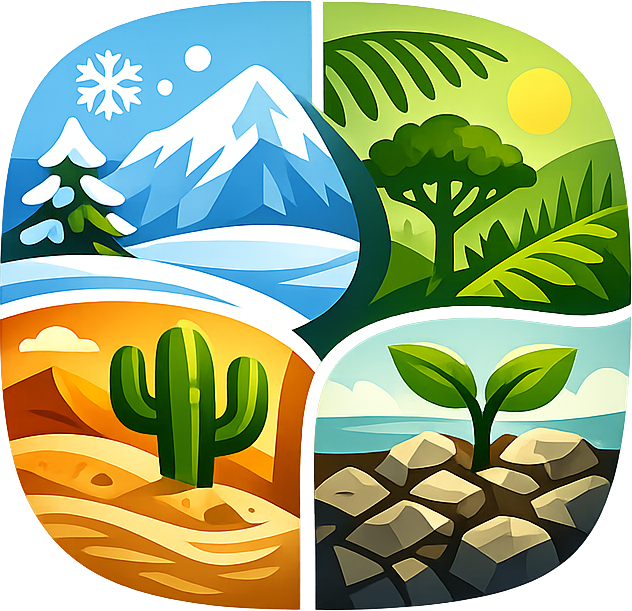
A place where plants grow is most broadly called a habitat, which is the blank" rel="noopener noreferrer">natural environment where a particular plant is normally found. In everyday and horticultural use, though, the right word depends on context: a garden, field, greenhouse, nursery, orchard, or forest floor all describe places where plants grow, but each one tells you something specific about whether those plants got there naturally or because a person put them there. In everyday and horticultural use, though, the right word depends on context: a garden, field, greenhouse, nursery, orchard, or forest floor all describe places where plants grow, but each one tells you something specific about whether those plants got there naturally or because a person put them there.
A Place Where Plants Grow Is Called What Term to Use
The core terms and what they actually mean
Habitat is the go-to word in ecology and environmental science. It refers to the natural place where a plant or animal normally lives and grows, covering everything from a tropical rainforest floor to a windswept arctic tundra. Ecosystem goes one step further, describing not just the place but the whole web of living organisms, physical conditions, and interactions within a defined area. A biome is even broader: a large-scale category like tropical rainforest, desert, or tundra defined by temperature and precipitation patterns. Ecological zone is a related term used in forestry and land management to describe areas with broadly similar natural vegetation.
On the cultivated side, garden covers any piece of land where plants are deliberately grown, whether flowers, vegetables, or herbs. A field is land used and managed for growing crops. A greenhouse is a glass or plastic-enclosed structure built to control temperature, light, humidity, and CO2 so growers can produce plants outside of their natural season or climate. A nursery is a place where plants are grown specifically for transplanting or sale. An orchard is a planting of fruit trees, nut trees, or sugar maples. Each of these implies human management rather than natural occurrence.
Natural habitat versus cultivated space: why the distinction matters
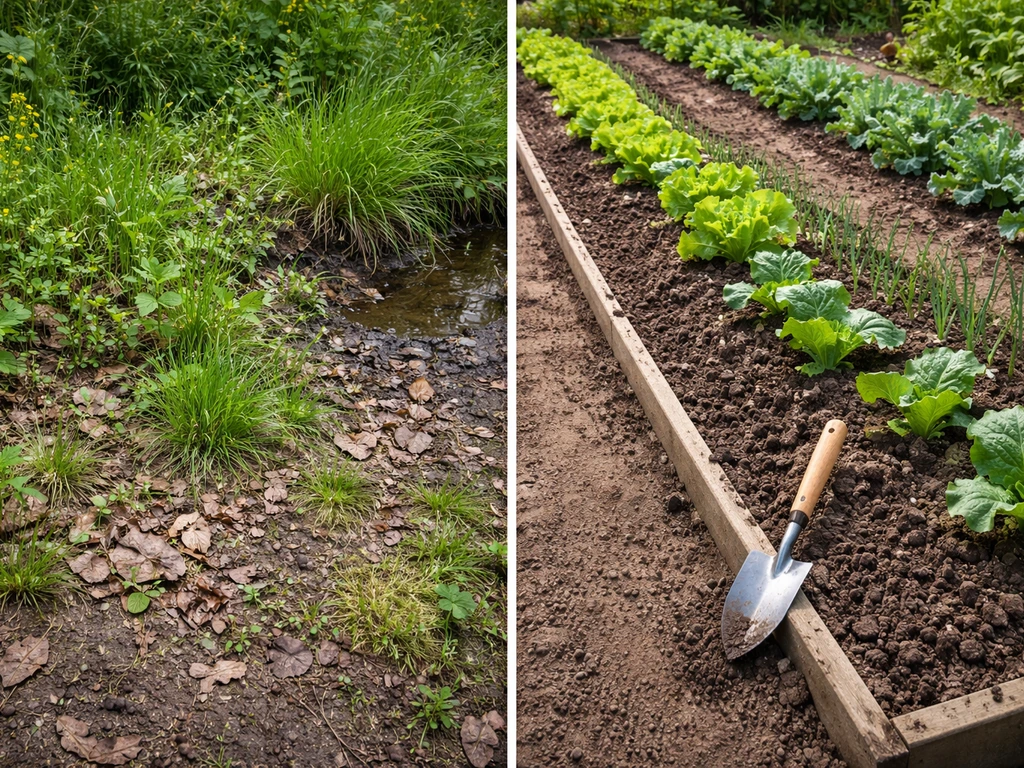
When you describe a place where plants grow naturally, you are talking about a habitat or ecosystem. The plants are there because climate, soil, moisture, and geography made it possible, not because someone planted seeds. A tropical rainforest receives more than 80 to 100 inches of precipitation per year, distributed fairly evenly across seasons, which is why its habitat supports dense, layered plant communities. A tundra habitat, by contrast, gets so little precipitation that NASA compares it to a desert, and no month ever gets warm enough to reach 50 degrees Fahrenheit (10 degrees Celsius), which is why only low-growing, cold-tolerant plants survive there.
When you describe a cultivated space, you are talking about a garden, field, greenhouse, or nursery. The plants are there because a person chose them, prepared the soil, and manages the growing conditions. That is a fundamentally different relationship between the plant and the place. Understanding which type of place you are describing shapes which word you should use, and it also shapes what you can learn about the plants growing there.
What plants grow where: examples across real environments
Different habitats support radically different plant communities because of their physical conditions. A habitat is a valuable material where most terrestrial plants grow. Here is how that plays out across four major environment types.
Tropical rainforest
The rainforest habitat is perpetually warm and consistently wet, with a nearly permanent surplus of water moving down through the soil. That surplus creates layered plant communities: a tall canopy, a shaded understory, a ground layer, and a forest floor covered in decomposing leaf litter and humus. Each layer is its own microhabitat with distinct light levels, moisture, and soil conditions. The forest floor receives almost no direct sunlight because the canopy above intercepts it, so the plants growing there are specialized for deep shade.
Desert
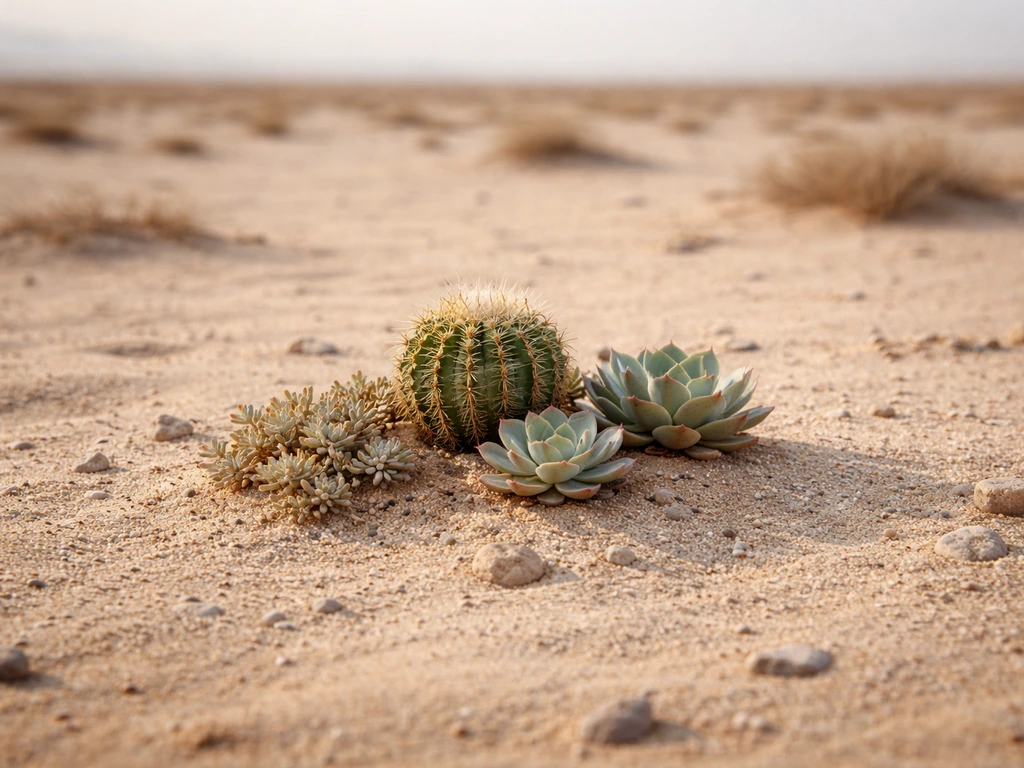
Desert habitats are defined by a severe excess of evaporation over precipitation, which keeps vegetation sparse. Plants that do grow there are specifically adapted to use minimal water. The habitat itself is the constraint: if a plant cannot manage extreme water scarcity, it simply does not survive in that space. In places where plants cannot grow, the limiting factor is typically extreme water scarcity, poor soil conditions, or temperatures outside the plants’ survival range. This is why deserts look empty compared to wetter habitats, not because desert soil is uniquely hostile in every respect, but because water availability is the controlling factor.
Tundra
The tundra is the coldest of the biomes. Temperatures stay below 50 degrees Fahrenheit even in the warmest month, and precipitation is low. The growing season is extremely short. Plants that survive there are low-growing and frost-tolerant by necessity because the habitat offers no other option. If you have walked across arctic tundra, you know it feels almost like a cold desert: sparse, windswept, and surprisingly dry underfoot.
Temperate forest floor
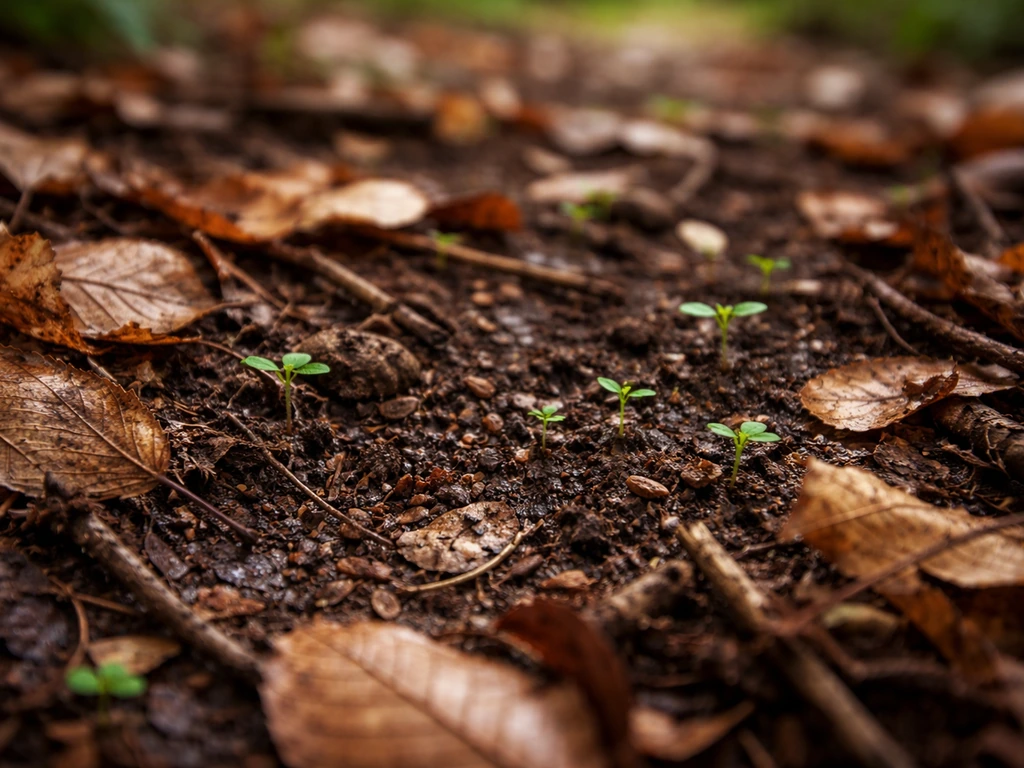
The forest floor in a temperate forest is a specific microhabitat within the larger forest ecosystem. It includes leaf litter, decomposing organic material, and humus that transmit nutrients back into the soil. The forest floor receives light modified (and mostly blocked) by the canopy above, so moisture, drainage, slope, and aspect become the key variables that determine which plants can establish themselves there. Minimizing soil disturbance in this layer supports belowground biodiversity, which in turn supports the plants growing above.
How to pick the right term for a specific plant-growing area
The easiest way to choose the right word is to ask two questions. First: did the plants get there naturally or were they deliberately planted? If naturally, you are describing a habitat, ecosystem, or biome. If deliberately planted, you need a cultivated-space word. Second: what is the scale and purpose of the space? A greenhouse controls the entire environment artificially. A nursery grows plants to move them elsewhere. A field is large-scale agricultural production. A garden is smaller and often mixed-purpose. An orchard is specifically fruit or nut trees. If you are working in an educational or scientific context, habitat and ecosystem are almost always the right choices when describing natural plant-growing areas.
Field, garden, greenhouse, nursery, forest floor: a quick comparison
| Term | Natural or cultivated? | Key defining feature | Typical plants |
|---|---|---|---|
| Habitat | Natural | Where a plant is normally found in the wild | Any wild plant native to that environment |
| Forest floor | Natural (microhabitat) | Shaded, humus-rich layer at the base of a forest | Shade-tolerant ferns, mosses, fungi, seedlings |
| Field | Cultivated | Large open land managed for crop production | Grains, vegetables, legumes |
| Garden | Cultivated | Intentionally planted land, any scale | Vegetables, flowers, herbs, shrubs |
| Greenhouse | Cultivated (controlled) | Enclosed structure with controlled temperature, light, humidity | Tropical plants, seedlings, off-season crops |
| Nursery | Cultivated (transitional) | Grows plants for transplanting or sale | Saplings, perennials, grafted stock |
If you are trying to describe a place in an ecological or environmental context, habitat or ecosystem covers almost every natural situation. If you are describing where a farmer or gardener grows plants, one of the cultivated terms above will fit. The forest floor deserves its own mention because it sits within a natural habitat but functions as a distinct microhabitat with its own soil chemistry, light levels, and moisture conditions that directly control which plants can grow there.
Using climate, soil, and location to find what grows in any given place
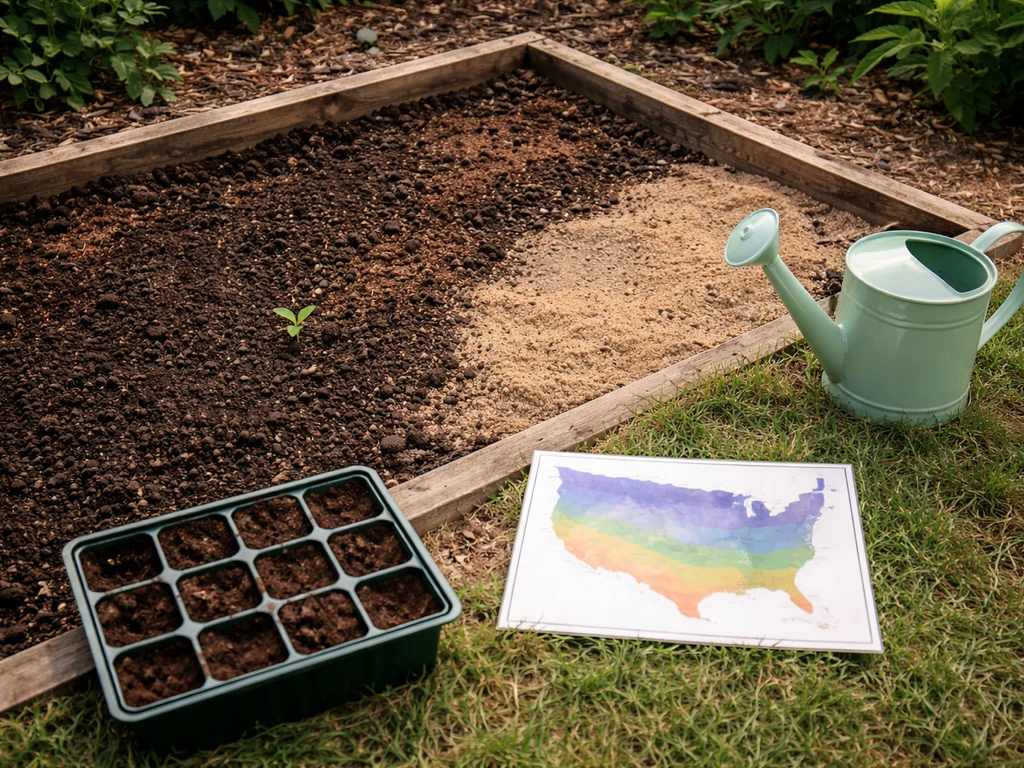
Once you have the right word for the type of place, the more useful next step is understanding what actually grows there and why. That comes down to four factors you can research or measure for any location: climate zone, soil type and pH, moisture and drainage, and sunlight.
- Climate zone: The USDA Plant Hardiness Zone Map divides North America into zones based on the average annual extreme minimum winter temperature, running from zone 1 (coldest) to zone 13 (warmest). Look up any address and you immediately know the temperature floor that plants in that location need to survive. This is the first filter for narrowing down what can grow somewhere.
- Soil type and pH: The USDA defines soil as the natural medium on the Earth's surface that supports land plant growth. A basic soil test can tell you texture, pH, salinity, and nutrient levels like phosphorus and potassium. Most vegetables, for example, need a pH between about 6.0 and 7.0. Soil pH and drainage are the variables that most directly control what can establish in a specific patch of ground.
- Moisture and sunlight: Many vegetables and most sun-loving plants need more than eight hours of direct sunlight per day. Forest floor plants need almost none. Moisture availability is the controlling factor in deserts and tundra alike. Matching plant needs to the actual light and water conditions at a site is the practical test for whether something will survive there.
- Topsoil depth and quality: Topsoil is the surface layer in which plants have most of their roots. In agricultural and garden contexts, topsoil depth and organic matter content determine how well roots can establish. In natural habitats, topsoil is the result of centuries of organic decomposition and is tightly linked to which plant communities thrive.
If your original question was really about what to call a place where plants grow, you now have the vocabulary. But the more practical follow-up is always: what are the conditions of that specific place, and which plant types are matched to those conditions? For the places where plants grow, those conditions directly determine which plant types are most likely to thrive.
Whether you are exploring what grows on the arctic tundra, identifying plants native to a tropical rainforest understory, or figuring out what to plant in a shaded garden corner, the process is the same: start with climate zone, then soil, then moisture and light. That combination tells you which habitat type you are working with, which in turn points you straight to the plants that belong there.
Related topics worth exploring alongside this one include the specific places where plants grow across different environments, what materials make up the upper layers of earth where plant roots establish, and the conditions that define places where plants genuinely cannot grow. These constraints can help you understand the places where plants cannot grow, even if the region might seem otherwise suitable.
FAQ
If plants are growing on their own in a yard, is that a habitat or a garden?
Use habitat if the plants are establishing naturally without deliberate planting. Use garden if you are describing the land as a managed growing space. If it is a mixed situation (some planted, others self-sown), you can say “garden with volunteer species” to keep the meaning accurate.
What should I call a natural wetland or riverbank where plants grow?
Habitat is the usual word in ecology. If you are describing the broader biological and physical system that includes water chemistry, organisms, and processes, ecosystem can fit better. If you are using a regional classification scheme tied to vegetation and climate patterns, ecological zone or biome may apply depending on your scale.
Is a “forest floor” the same thing as a habitat?
It is a microhabitat within a larger forest habitat or ecosystem. “Forest floor” is specific to light, moisture, leaf litter, and soil chemistry at that layer, so it is often more precise than calling the whole forest a habitat.
When do I use biome versus ecosystem?
Biome is a large-scale category defined by broad climate patterns and typical vegetation (for example, tundra). Ecosystem is about a defined area and the interactions among organisms and the physical environment there. If your discussion is local and process-focused, ecosystem is usually the better fit.
Can a greenhouse still be called a habitat?
Not usually. A greenhouse is generally a cultivated environment because conditions are intentionally engineered. In unusual cases, you might discuss the plant or pest “habitat” inside a greenhouse, but the space as a whole is best described as a greenhouse or controlled growing facility.
What term fits if a farm grows one crop on large land with intensive management?
Field or agricultural field is typically the best match. “Orchard” is specifically for fruit or nut trees (or maples for sugar). If the operation is specialized and controlled, greenhouse or nursery might be more accurate.
If someone planted trees to restore a damaged area, is that still a habitat?
It depends on how natural the situation is. If the area is managed for ecological restoration and species composition is human-directed, “restoration site” or “managed habitat” can be clearer. For ecology writing, habitat can still work, but ecosystem is often chosen when you are discussing the broader system and interactions, not just the planting history.
What word should I use for an aquarium plant setup or hydroponics system?
Those are controlled, cultivated growing setups, so greenhouse is not always accurate, and hydroponics or cultivation system is more precise. If the question is “where plants grow,” habitat is usually reserved for natural settings, while “cultivated space” terms fit engineered systems.
How do I describe a place where plants could grow but currently do not?
The right framing is about conditions and constraints rather than “a place where plants grow.” If you mean suitability, you can describe it as an unsuitable or limiting habitat. If you mean absence due to current disturbance, explain the factor (for example, flooding, drought, shade, soil contamination) instead of relying only on a label.
What common mistake should I avoid when choosing the term for a plant-growing place?
Avoid using habitat when you actually mean managed land. The key distinction is whether plants arrived naturally or were deliberately placed, then match the scale and purpose (field, garden, nursery, greenhouse, orchard) to how the space is run.