
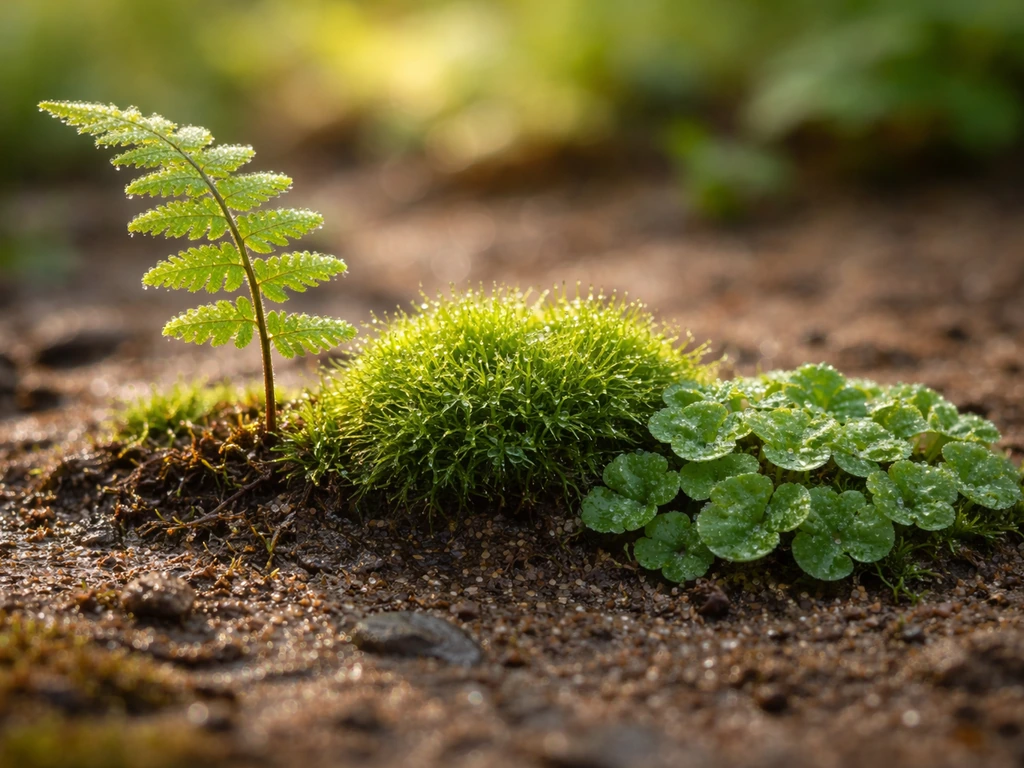
Ferns, mosses, liverworts, hornworts, horsetails, and club mosses are the main plants that grow from spores. If you were looking for plants that grow from tubers examples instead, those typically spread via underground storage structures rather than spores. None of them produce flowers or seeds. Instead, they release microscopic spores, usually from capsules or from the underside of their leaves, and those spores germinate into a tiny intermediate plant stage before a new full-sized plant develops. If you want concrete examples you can find in the field or try at home, that list above is your starting point, and this guide breaks each group down with the real conditions they need.
Examples of Plants That Grow From Spores: A Beginner Guide

Dr. Marcus Weatherby
3 May 2026
What 'growing from spores' actually means (and where the confusion comes from)
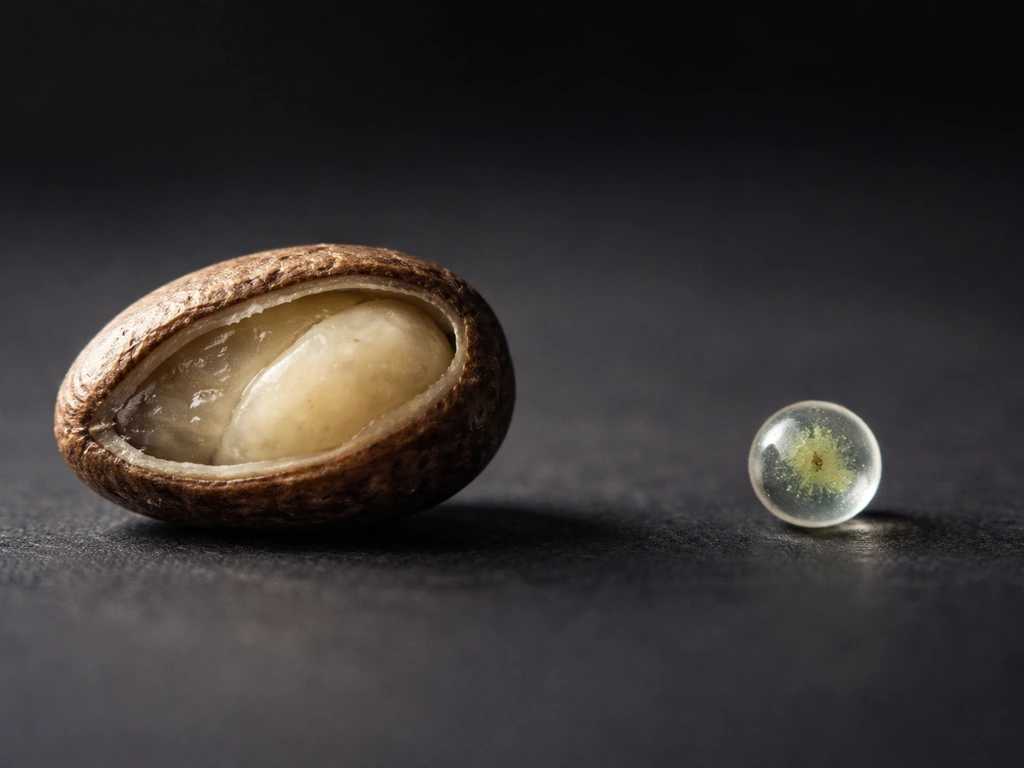
A spore is not a seed. Seeds contain an embryo and a food supply, protected inside a coat. Spores are single cells, often microscopic, with no embryo and almost no stored energy. When a spore lands in a suitable spot, it germinates into a tiny structure called a gametophyte (in ferns, this is called a prothallus) that looks a bit like a green flake or a patch of moss. That gametophyte then produces sex cells, fertilization happens in the presence of liquid water, and only then does the familiar leafy plant grow. This two-stage life cycle, called alternation of generations, is the defining feature of spore-reproducing plants.
The most common confusion is between spore-producing plants and fungi. Fungi (mushrooms, molds, puffballs) also spread by spores, but fungi are not plants at all. This article covers only the plant kingdom: ferns and their relatives, plus the bryophyte group (mosses, liverworts, hornworts). A second confusion comes from vegetative reproduction: some of these same plants also spread by rhizomes, stolons, or small bud-like structures called gemmae.
That said, plants that spread from rhizomes are a different kind of vegetative strategy worth learning alongside spores. Some plants also grow from stolons, which are above-ground runners that can root at the nodes to form new plantlets. That asexual spreading is separate from spore reproduction, even though both happen in the same plant. For readers curious about other vegetative strategies, rhizomes, corms, tubers, and stolons each have their own set of plant examples worth exploring.
If you are looking for plants that grow from tubers, corms, and stolons, those are handled differently than spore plants and have their own set of examples. Plants with corms are another category to explore, with their own growth habits and examples. Some popular examples of plants that grow from corms include crocus, gladiolus, and freesia Plants with corms.
The main spore-bearing plant groups with real examples
Ferns
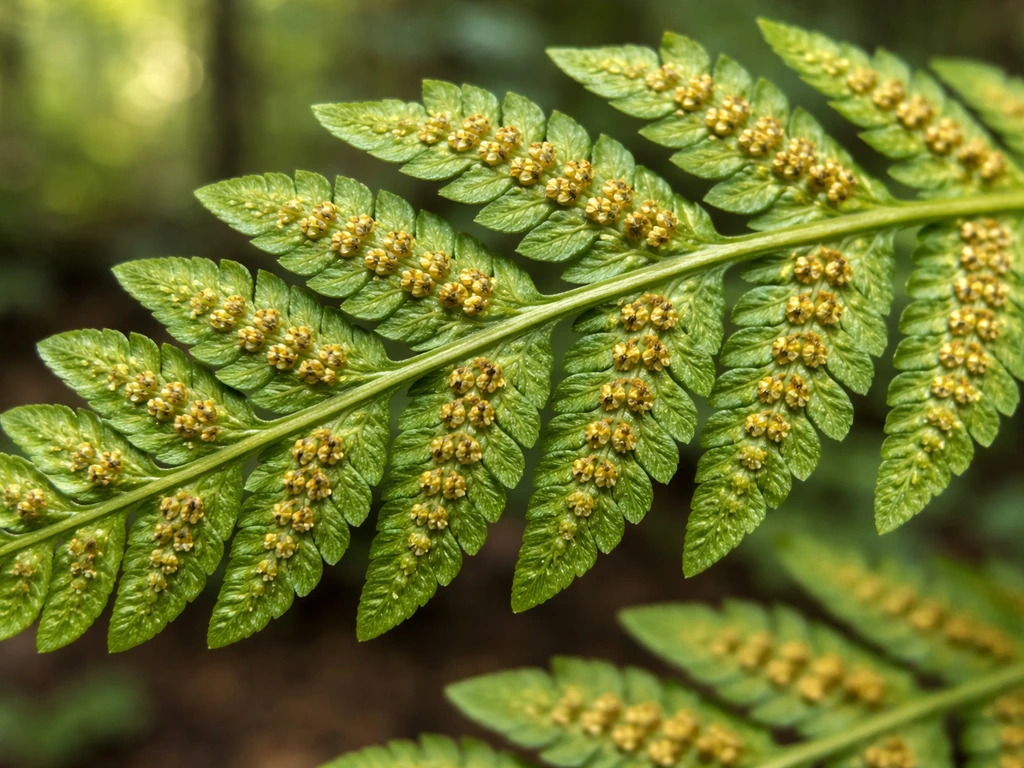
Ferns are the most familiar spore plants for most people and the most diverse group. They are vascular plants, meaning they have internal water-conducting tissue, but they produce no flowers or seeds. Spores form on the underside of fertile fronds in tiny capsules called sporangia, which cluster together into visible dots or lines called sori. Some sori are covered by a protective flap called an indusium. When you flip over a healthy fern frond in late summer and see rows of rust-brown dots, that is exactly what you are looking at. Here are some widely distributed examples you are likely to encounter:
- Bracken fern (Pteridium aquilinum): one of the most widespread ferns on earth, found on forest edges, hillsides, and disturbed ground across temperate regions. Spores form along rolled-under frond margins.
- Christmas fern (Polystichum acrostichoides): a common evergreen fern of eastern North American forests, easy to spot in winter when everything else has died back. Sori appear on the upper frond pinnae.
- Maidenhair fern (Adiantum capillus-veneris): found on moist rocky banks, cave mouths, and shaded stream edges in warm temperate to subtropical zones worldwide.
- Cinnamon fern (Osmundastrum cinnamomeum): produces separate fertile fronds covered in cinnamon-brown spore cases, very recognizable in eastern North American wetlands and swampy forests.
- Lady fern (Athyrium filix-femina): extremely common across the Northern Hemisphere in moist woodland; curved sori with a distinctive horseshoe-shaped indusium.
- Walking fern (Asplenium rhizophyllum): a North American species that also spreads vegetatively when frond tips touch rock, but still reproduces by spores on short fertile fronds.
- Asplenium trichomanes (maidenhair spleenwort): a small fern of limestone and shaded rock crevices in temperate zones worldwide, often one of the first ferns people try to grow from collected spores.
Mosses
Mosses are bryophytes, which means they are non-vascular and stay small, usually a few centimeters tall. The green cushion or mat you see is the gametophyte generation, not the spore-producing generation. The spore-producing part (the sporophyte) is the thin stalk with a capsule on top that sticks up above the leafy mat. That capsule releases spores, often regulated by humidity-driven teeth around the capsule opening (the peristome), which open when dry and close when wet to meter out spore release gradually. Common examples include:
- Sphagnum (peat moss): multiple species, dominant in bogs and wet heathlands across boreal and cool temperate zones. Critical for peatland ecosystems and often used as a germination substrate.
- Polytrichum commune (common hair cap moss): upright, almost fern-like in appearance, found in acidic, moist soils of temperate forests and moorlands across the Northern Hemisphere.
- Bryum argenteum (silver moss): extremely tolerant, grows in pavement cracks, disturbed urban soils, and compacted ground worldwide, making it one of the most recognizable mosses.
- Dicranum scoparium (broom moss): forms dense, wind-swept-looking cushions on forest floors and logs in cool temperate forests of North America, Europe, and Asia.
- Thuidium tamariscinum (tamarisk moss): feathery and finely divided, carpets the floor of ancient woodlands and limestone habitats across Europe.
Liverworts
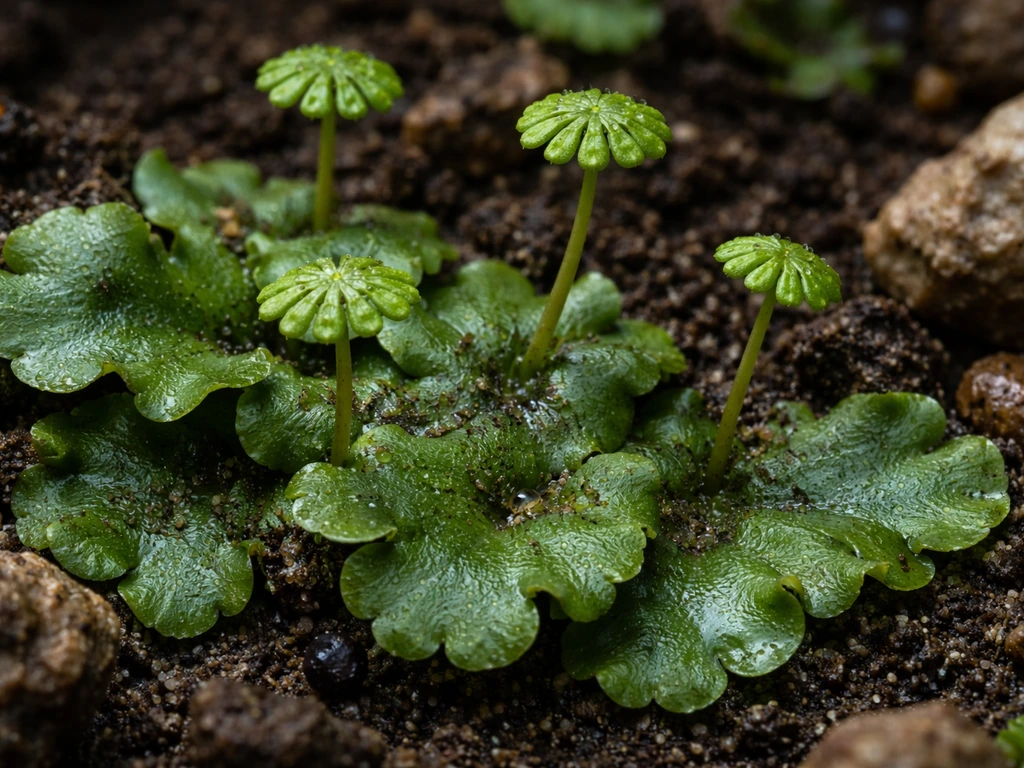
Liverworts are often overlooked because they look like flat, lobed green patches or tiny leafy stems on rock or soil, easy to mistake for algae or early moss growth. They are among the oldest land plant lineages we know of. Two main forms exist: thallose liverworts (flat, ribbon-like, no distinct leaves) and leafy liverworts (with tiny overlapping leaf-like structures on a stem). Spore capsules are held up on short, often translucent stalks and split open at maturity, releasing spores with the help of spiral structures called elaters that move as the capsule dries and flick spores free. Liverworts also reproduce asexually through gemmae, tiny bud-like structures that form in cup-shaped structures on the thallus surface. Common examples:
- Marchantia polymorpha: possibly the most recognized liverwort, a thallose species with distinctive umbrella-like reproductive structures. Found worldwide on disturbed moist soil, stream banks, and greenhouse benches.
- Lunularia cruciata: a thallose liverwort with crescent-shaped gemmae cups, very common on garden soil and greenhouse pots in temperate regions.
- Pellia epiphylla: a large thallose liverwort of stream banks, seepage areas, and waterfall spray zones in cool temperate forests.
- Porella platyphylla: a leafy liverwort of shaded limestone rocks and tree bases in western Europe and eastern North America.
Hornworts
Hornworts are the third bryophyte group and the least commonly encountered. They look like flat green patches similar to thallose liverworts, but their sporophyte is an elongated green horn that grows up from the thallus and splits lengthwise to release spores. Anthoceros and Phaeoceros are the genera you are most likely to come across on damp, bare soil at forest edges or alongside muddy tracks in temperate and subtropical regions.
Horsetails
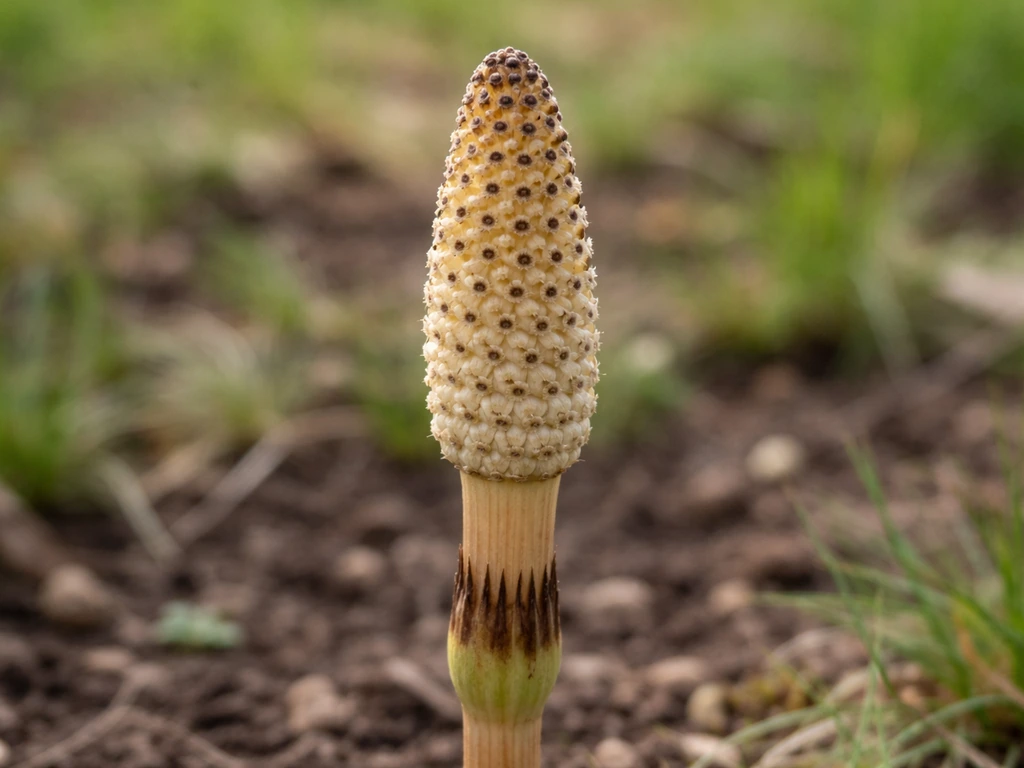
Horsetails (genus Equisetum) are vascular plants and the sole surviving genus of a once-enormous ancient plant group. They produce spores in a cone-like structure at the tip of a fertile stem. In field horsetail (Equisetum arvense), the most widespread species, pale brownish fertile stems emerge in early spring before the green, sterile, jointed stems appear. The timing matters: early spring emergence means spores are released before the canopy closes, maximizing wind dispersal. Equisetum arvense is found on disturbed ground, roadsides, stream banks, and railway embankments across the Northern Hemisphere. Equisetum hyemale (scouring rush) favors wet stream margins and can form dense stands.
Club mosses and spike mosses (Lycophytes)
Despite the name, club mosses are not mosses at all. They are vascular plants closely related to ferns. Lycopodium (stag's horn moss) produces spores in club-shaped cones at stem tips and creeps along the forest floor in cool temperate and boreal forests. Selaginella is a large and ecologically diverse genus of spike mosses found in everything from tropical rainforest floors to alpine rock faces; it is heterosporous, meaning it produces two different spore sizes involved in separate male and female gametophyte development.
How spore plants spread: timing and dispersal mechanics
Most spore plants rely on wind for dispersal, and timing is tuned to environmental conditions. Horsetail fertile stems appear in early spring specifically to take advantage of open, unobstructed air before the canopy leafs out. Fern sori typically ripen in mid to late summer in temperate zones, when the sporangia dry, snap open under tension, and catapult spores into the air.
For cinnamon fern specifically, the US Forest Service FEIS notes that sporulation occurs over an extended period, such as March through July depending on latitude Osmunda cinnamomea, cinnamon fern.
Moss capsule peristome teeth open when humidity drops, releasing spores in dry, air-moving conditions that favor dispersal. Liverwort elaters coil and spring as capsules dry, physically launching spores free of the mass.
For practical identification in the field: look for ripe, rust-brown or dark sori on fern frond undersides in summer and early fall. Look for tall sporophyte stalks standing above moss mats, especially in late winter to spring. Flat liverwort patches near streams produce their horned or stalked capsules in late winter and spring in many temperate regions. If you shake a ripe capsule gently over white paper, a fine dust of spores is visible, which is a useful way to check ripeness before collecting.
Where spore plants actually grow: habitats and climates
The overwhelming theme across nearly all spore plant groups is moisture and shade. Sperm cells in bryophytes and ferns must swim through liquid water to reach eggs, which means bare, sun-baked ground is hostile territory for most of these plants. That said, there is real habitat variation worth knowing.
| Plant Group | Typical Habitat | Climate Zone | Key Conditions |
|---|---|---|---|
| Ferns (most species) | Forest understory, stream banks, shaded rock outcrops | Temperate to tropical | Shade, consistent moisture, humus-rich or rocky substrate |
| Bracken fern | Forest edges, hillsides, disturbed ground | Temperate to subtropical worldwide | Tolerates more sun and drought than most ferns, acidic soils |
| Sphagnum mosses | Bogs, fens, wet heathlands | Boreal to cool temperate | Waterlogged, acidic, nutrient-poor |
| Polytrichum and Dicranum mosses | Acidic forest floors, moorlands, rocky ledges | Cool temperate to boreal | Acidic, moist, low-competition ground |
| Marchantia / thallose liverworts | Stream banks, seepage zones, disturbed moist soil | Temperate to subtropical | Very moist, shaded, bare or sparsely vegetated substrate |
| Hornworts | Bare moist soil, forest edges, muddy tracks | Temperate to subtropical | Exposed moist soil, moderate shade |
| Equisetum arvense | Roadsides, stream margins, disturbed ground | Temperate Northern Hemisphere | Moist to wet, tolerates disturbance and heavy soils |
| Lycopodium (club mosses) | Boreal and cool temperate forest floors | Boreal to cool temperate | Deep shade, acidic leaf litter, stable undisturbed conditions |
| Selaginella | Tropical forest floors to alpine rock faces | Tropical to alpine | Highly variable by species; mostly moist shade to semi-arid crevices |
If you are in a temperate climate with cold winters and warm summers, the forest edge after rain in August is probably the single best place to see multiple spore plant groups at once: ferns with visible sori, mosses in capsule, and liverworts on damp stream banks or seeping rock faces. In subtropical regions, look along shaded stream corridors year-round. In boreal zones, open sphagnum bogs and spruce-fir forest floors are the richest spots.
How to find spore plants near you and source spores responsibly
The best starting point for finding local spore plants is iNaturalist, which hosts observation maps for ferns, mosses, and liverworts by region, including dedicated bryophyte guides for many areas. A Reddit r/Fern thread also shows people casually discussing getting a jar of ferns and the related spore or identification context. Searching 'bryophytes near me' or browsing the lycophyte and fern sections filtered to your county will quickly show you what species are confirmed locally. Regional herbarium websites and native plant societies often publish local fern checklists too.
For collecting spores ethically: focus on common, abundant species and never strip a plant bare. The American Fern Society advises cutting only fertile frond portions where sori are clearly ripe and dark, and labeling each collection with the botanical name, location, and month of collection. Spores should be collected into a paper envelope (not plastic, which traps moisture and promotes mold), then allowed to dry at room temperature for a day or two before storage.
Avoid collecting from protected areas or from populations that look stressed or small. If you want to work with mosses or liverworts, sourcing gemmae from common garden liverworts like Lunularia or Marchantia is a low-impact starting point since those species are abundant and often considered weedy.
For purchased spores, the American Fern Society runs a spore exchange, and several specialist nurseries offer fern spores of cultivated stock. This is often the cleanest and most ethical route if you want to grow a specific species at home.
Basic conditions for germinating spores at home
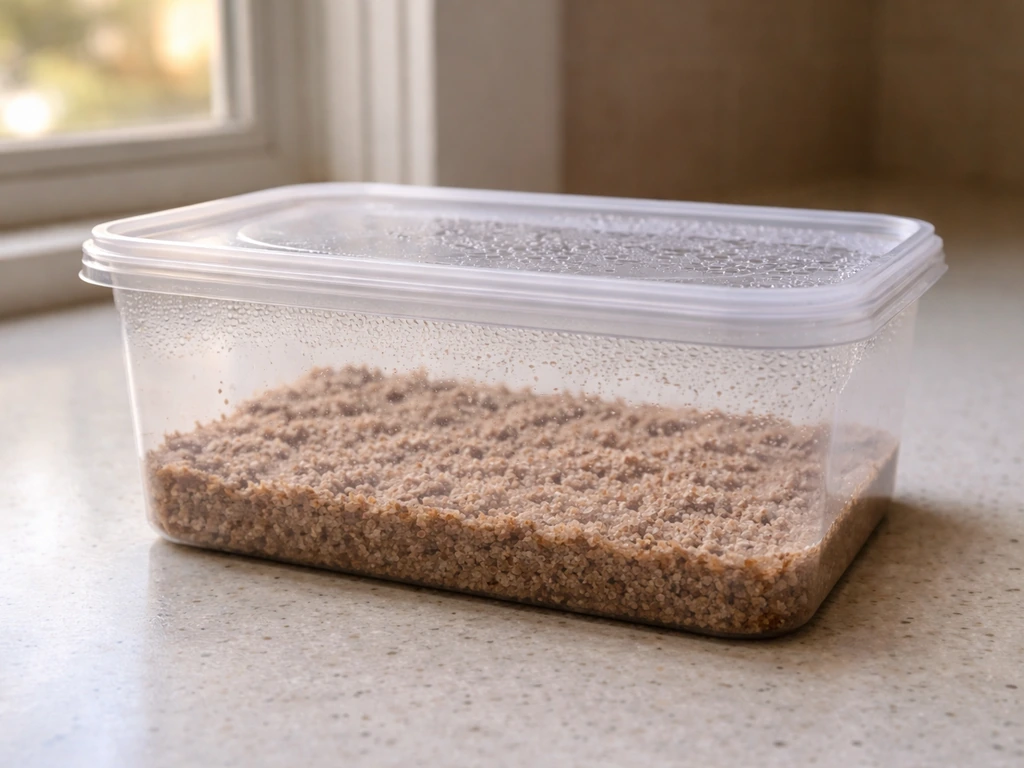
Growing ferns from spores at home is genuinely doable and satisfying, even for beginners, as long as you respect a few non-negotiable conditions. The biggest enemies of spore germination are contamination (competing mold, fungi, or weed seeds overwhelming the tiny prothalli) and drying out (the swimming sperm need water at the gametophyte stage). Here is what actually works:
- Sterilize your substrate first. Pour boiling water over a mix of peat, sphagnum, or commercial fern fiber in a sealed container and let it cool completely before sowing. This kills competing spores and weed seeds that would crowd out the prothalli.
- Use a clear-lidded container to maintain humidity. A sealed clear plastic tub, a zip-lock bag over a pot, or even a covered glass jar works. The goal is to keep moisture stable without waterlogging.
- Sow spores thinly on the surface. Do not bury them. Tap the paper envelope lightly over the moist surface so spores drift down. Overcrowding causes fungal problems.
- Keep temperatures around 68 to 86 degrees Fahrenheit (20 to 28 degrees Celsius). Most temperate ferns germinate well at room temperature. Tropical species may need the higher end of that range.
- Provide indirect light, not direct sun. A bright windowsill out of direct sun or a setup under fluorescent grow lights for 12 to 14 hours a day works well. Direct sun overheats the container and dries surfaces.
- Water only from below or use distilled water misted carefully. Tap water can introduce contaminants and chlorine can inhibit germination. Set the container in a shallow tray of distilled water to allow uptake through drainage holes rather than disturbing the surface.
- Be patient. First signs of the green prothallus stage can appear in as little as three to five weeks for fast species, but some ferns take months. The prothalli look like tiny green smears or flakes on the surface before any recognizable fern shape appears.
For mosses and liverworts, the approach is simpler because you are usually starting from gemmae or small transplanted fragments rather than isolated spores. Press a small piece of Marchantia or a clump of moss onto damp sphagnum or plain garden soil in a shaded spot, keep it consistently moist, and it will establish on its own. Full spore-from-scratch cultivation of mosses is possible but rarely necessary for home use.
How to tell if it's working, and what to do when it isn't
Success with fern spores shows up in a predictable sequence. First you see a faint green haze on the surface, which is prothalli germinating (roughly three to eight weeks depending on species and temperature). Then the prothalli develop into heart-shaped or irregular green flakes about two to five millimeters across. Then, if fertilization has occurred, a tiny frond, recognizable as a miniature fern, emerges from the prothallus. That first frond is the moment you know it worked. Transplant individual sporophytes when they have two or three small fronds and can be handled without damaging the roots.
Common failures and what they usually mean:
- White or gray fuzz covering the surface: fungal contamination, usually from an unsterilized substrate or water source. Remove affected sections with a clean tool and surrounding medium, reseal the container. Badly affected trays may need to be started over.
- Green algae taking over instead of prothalli: substrate is too wet or too nutrient-rich. Algae outcompete prothalli on rich soils. Use a lean, low-nutrient medium.
- No germination after eight to twelve weeks: spores were not viable (too old, stored in plastic while wet, or collected before ripe), or temperatures were too cold. Try a fresh batch of spores from a reliable source.
- Prothalli appear but no sporophytes develop: fertilization requires liquid water at the gametophyte surface. If the container was too dry during the prothallus stage, sperm could not swim. Mist lightly with distilled water to create a thin film, reseal, and wait.
- Damping off of young sporophytes: fungal rot at the base of tiny fronds after transplanting. Use a clean, well-draining mix and avoid overwatering at the soil surface.
The single most important thing to internalize is that spore-grown plants move slowly compared to seed-grown ones. A fern sporophyte that is recognizable as a small plant after three months is doing well. Give yourself a full growing season before concluding something has failed, keep moisture stable, and resist the urge to open the container constantly during the critical early weeks.
FAQ
Can I collect spores after rain and still use them to grow plants at home?
Yes, but timing and method matter. In many spore plants, spores need a consistently wet surface during the gametophyte stage, and ferns in particular are sensitive to contamination. If you want to collect spores from the wild, aim for fully ripe structures (dark, dry capsules for mosses, mature sori on fern undersides in warm season). Then handle spores quickly and keep them in a dry, clean container until you start the sterile, moist setup.
Do spore plants need constant moisture, or is occasional misting enough?
Typically no for home cultivation. Fertilization requires free liquid water, so germination and early development often fail if the surface dries out, even briefly. For reliable results, keep humidity high and the substrate damp rather than soggy, and avoid letting the container fully dry between checks (especially during the first weeks).
Why am I seeing a green film but no tiny fern fronds yet?
Not if your goal is producing the plant from spores you already collected. You need the germination and gametophyte stages to occur first, then fertilization, and only after that does the visible leafy sporophyte appear. That is why you may see a green film for weeks before you ever see a tiny fern frond, and why moving too early to transplant can interrupt the process.
What are the most common reasons spore-start containers turn moldy or fail to establish?
It can, and it is one reason “spore only” attempts fail. Mold spores and even tiny weed seeds can outcompete the delicate prothallus/gametophyte stage. Practical mitigation is to start with clean containers, use fresh damp substrate, minimize openings during early weeks, and discard contaminated batches rather than trying to rescue them by frequent rewetting.
If I’m a beginner, should I start with moss or fern spores for best success?
It depends on the group. Mosses and liverworts are often easier because you can start from gemmae or small fragments and they can establish without you managing a full spore-to-sporophyte timeline. For a beginner aiming for quick success, starting from abundant garden liverwort species (like Lunularia or Marchantia) is usually more reliable than trying to culture moss or liverwort spores from scratch.
Does the local climate where I live matter when I’m growing spore plants from collected spores?
Yes, and it affects outcomes. Spores are adapted to specific habitats and timings, so using a species from a very different climate or light regime can slow growth or lead to repeated failures. A useful decision aid is to choose local species first, then match your indoor light (bright shade, indirect light) and moisture conditions to what you observe in the field.
Do I need to sterilize everything like in a lab to grow from spores?
For at-home work, isolation and cleanliness usually matter more than exact “lab” sterilization. If your setup keeps high humidity but the air stays stagnant and dirty, fungal problems increase. A good practical rule is to avoid splashing water around, handle only with clean tools, and do the minimum necessary checks during the earliest weeks.
Can spores from one source fail even if they germinate?
Ferns do not come in only one spore type, but in most beginner setups you are relying on spores from a single source, and that can reduce the chance that compatible gametophytes meet. Even with viable spores, genetic and mating compatibility can limit success. If your first attempts produce only prothalli with no fronds after a long wait, try a new batch from different plants or purchase cultivated spore material.
What’s the least harmful way to get plant material for growing from spores?
For conservation, you generally should avoid collecting from protected areas and avoid taking from small or stressed populations. Also, when collecting from ferns, take only the fertile portion where sori are clearly ripe rather than stripping multiple fronds. If you want to grow at home, the lowest-impact route is often purchasing cultivated spores or using abundant “weedy” garden liverworts for gemmae starts.
Should I keep the growing medium wet all the time, or let it dry a little between mistings?
Most spores do better on a surface that stays damp, not flooded. Practical targets are high humidity and a moist substrate, then careful water management so the gametophytes have liquid water when needed for fertilization but do not sit in standing water all the time. If everything stays wet and you get lots of fungus, reduce free water slightly and improve cleanliness and airflow.