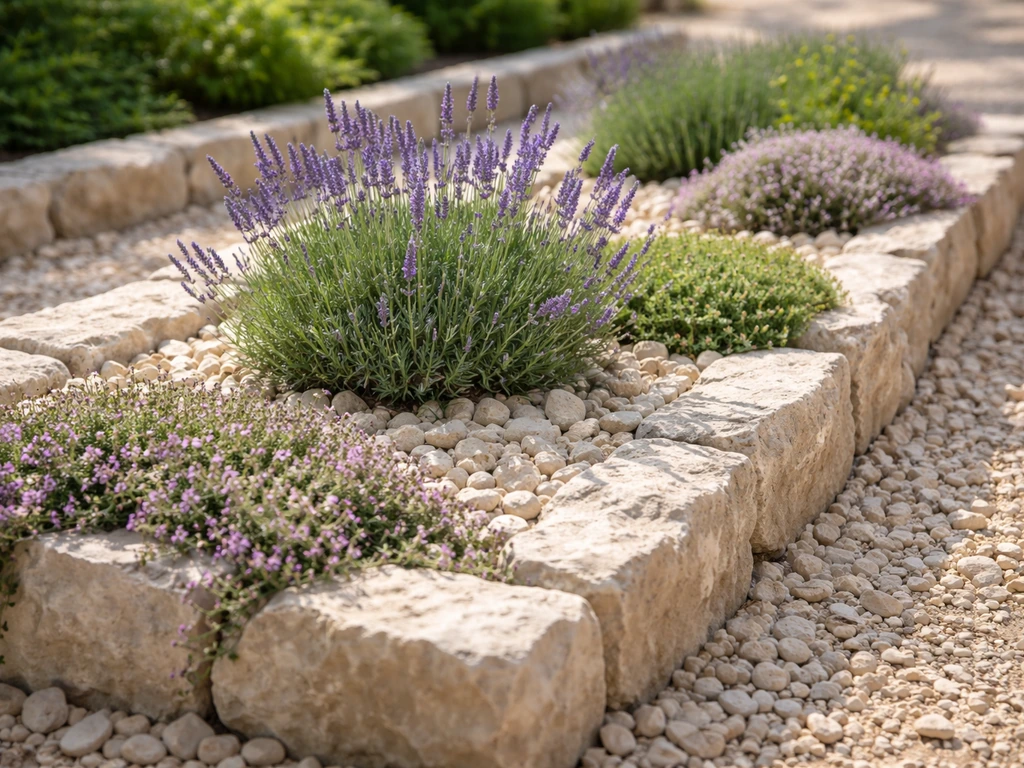
Plenty of plants not only tolerate alkaline soil but genuinely prefer it. Lilac, lavender, forsythia, juniper, Russian sage, yarrow, asparagus, and brassicas like cabbage and broccoli all do well at pH 7.5 and above. The key is matching your plant choices to your actual pH reading, because there is a real difference between soil that is mildly alkaline (pH 7.5) and soil sitting at pH 8.2 over a limestone pan. Get that number first, then pick your plants and decide whether any amendment is worth the effort.
What Plants Grow in Alkaline Soil Best Options

Dr. Marcus Weatherby
26 Apr 2026
How to confirm your soil is actually alkaline
pH is measured on a logarithmic scale where 7. 0 is neutral, anything below is acidic, and anything above is alkaline (or basic). Colorado State University Extension also explains that pH 7. 0 is neutral, below 7.
0 is acidic, and above 7. 0 is basic or alkaline, with alkaline soils often categorized as above pH 8. 3 [pH 7. 0 is neutral, below 7.
0 is acidic, and above 7. 0 is alkaline](https://extension. colostate. edu/resource/soil-ph/).
That logarithmic part matters: pH 8. 0 is ten times more alkaline than pH 7. 0, and pH 6. 0 is ten times more acidic than 7.
0. Most garden soils fall somewhere between 5. 5 and 8. 0.
Oregon State University Extension flags pH above 7. 5 as too alkaline for most vegetables, which is a useful practical benchmark to keep in mind.
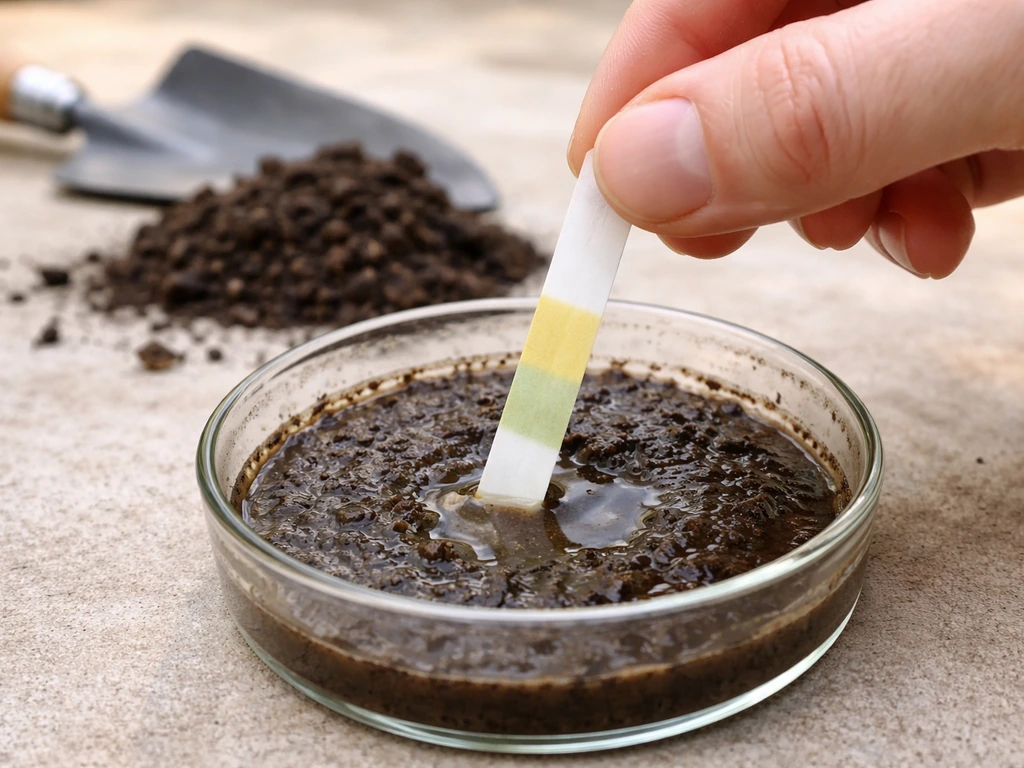
To get an accurate reading, collect samples from the root zone, roughly 0 to 3 inches deep (remove any leaf litter or duff first). Take several samples from around the planting area and mix them together before testing. Inexpensive home test kits work fine for a first look, but if you are planning significant planting or amendment work, send samples to your local cooperative extension lab. They will also catch factors like free lime or high clay content that affect how your soil responds to any amendments you try later.
One thing to check that often gets missed: your irrigation water. Water with high bicarbonate or carbonate content can drive soil pH upward over time, even if your native soil tested closer to neutral. This is common in arid western states where municipal water is drawn from alkaline aquifers. If your pH keeps creeping up after amendments, the water is often the culprit.
Best plant types for alkaline soil
The plants below are organized by category. These are not just plants that survive alkaline conditions. Some land plants can also grow underwater, but they are specialized and usually need specific conditions to survive submerged land plants that can grow underwater. They are ones that reliably perform, meaning they put out growth, flower, or produce well without constant intervention.
Perennials
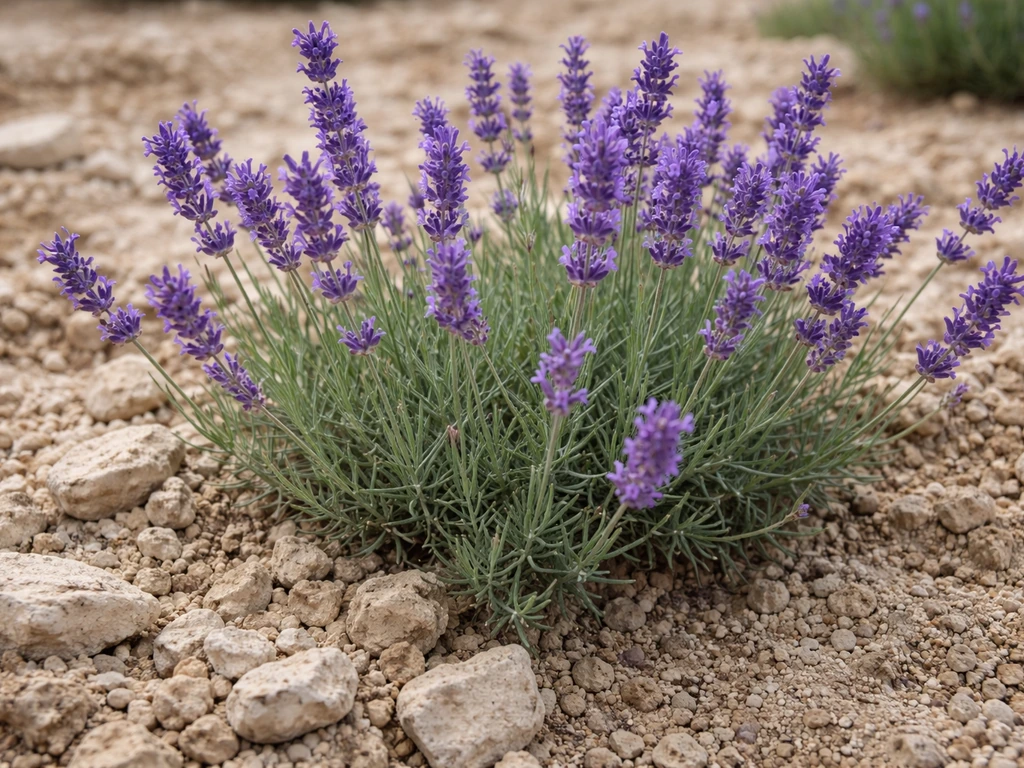
- Lavender (Lavandula spp.) — native to the Mediterranean's limestone-rich, well-drained soils; thrives at pH 7.0–8.0
- Russian sage (Perovskia atriplicifolia) — excellent for pH 7.0–8.0, drought-tolerant, common across high-alkaline western plains
- Yarrow (Achillea millefolium) — grows wild in calcareous meadows across Europe and North America; pH 6.0–8.0
- Coneflower (Echinacea purpurea) — prairie native comfortable at pH 7.0–7.5
- Salvia (Salvia nemorosa and relatives) — Mediterranean origin, prefers neutral to alkaline conditions
- Peonies (Paeonia spp.) — prefer slightly alkaline soil, often perform better at pH 7.0–7.5 than in acidic conditions
- Black-eyed Susan (Rudbeckia hirta) — adaptable prairie plant, tolerates pH up to 7.5
Shrubs
- Lilac (Syringa vulgaris) — strongly prefers alkaline to neutral soil, pH 6.5–7.5; struggles in acid conditions
- Forsythia (Forsythia spp.) — adaptable shrub, comfortable at pH 7.0–8.0
- Butterfly bush (Buddleja davidii) — limestone-belt native, thrives at pH 7.0–8.0
- Smoke bush (Cotinus coggygria) — native to rocky limestone slopes in southern Europe; pH 6.5–8.0
- Potentilla (Potentilla fruticosa) — common in calcareous grasslands; pH 6.0–8.0
- Deutzia (Deutzia spp.) — underused shrub with strong alkaline tolerance
Trees
- Hackberry (Celtis occidentalis) — one of the most alkaline-tolerant native North American trees; found naturally on limestone bluffs
- Eastern red cedar / juniper (Juniperus virginiana and related species) — colonizes calcareous hillsides and disturbed alkaline soils throughout its range
- Honeylocust (Gleditsia triacanthos) — thrives in alkaline floodplain and upland soils, pH up to 8.0
- Redbud (Cercis canadensis) — grows naturally in limestone woodland understories across the central and eastern US
- White ash (Fraxinus americana) — tolerates mildly alkaline soil up to pH 7.5
- Ginkgo (Ginkgo biloba) — highly adaptable, tolerates pH 7.0–8.0 well
Groundcovers
- Creeping thyme (Thymus serpyllum) — thrives on rocky, alkaline, well-drained slopes; pH 6.0–8.0
- Snow-in-summer (Cerastium tomentosum) — limestone-loving groundcover, pH 6.0–7.5
- Vinca (Vinca minor) — tolerates alkaline conditions and shade; useful under trees on chalky soils
- Creeping juniper (Juniperus horizontalis) — native to alkaline prairies and rocky hillsides across North America
- Clover (Trifolium spp.) — fixes nitrogen and grows comfortably at pH 6.5–7.5
Edible crops and vegetables
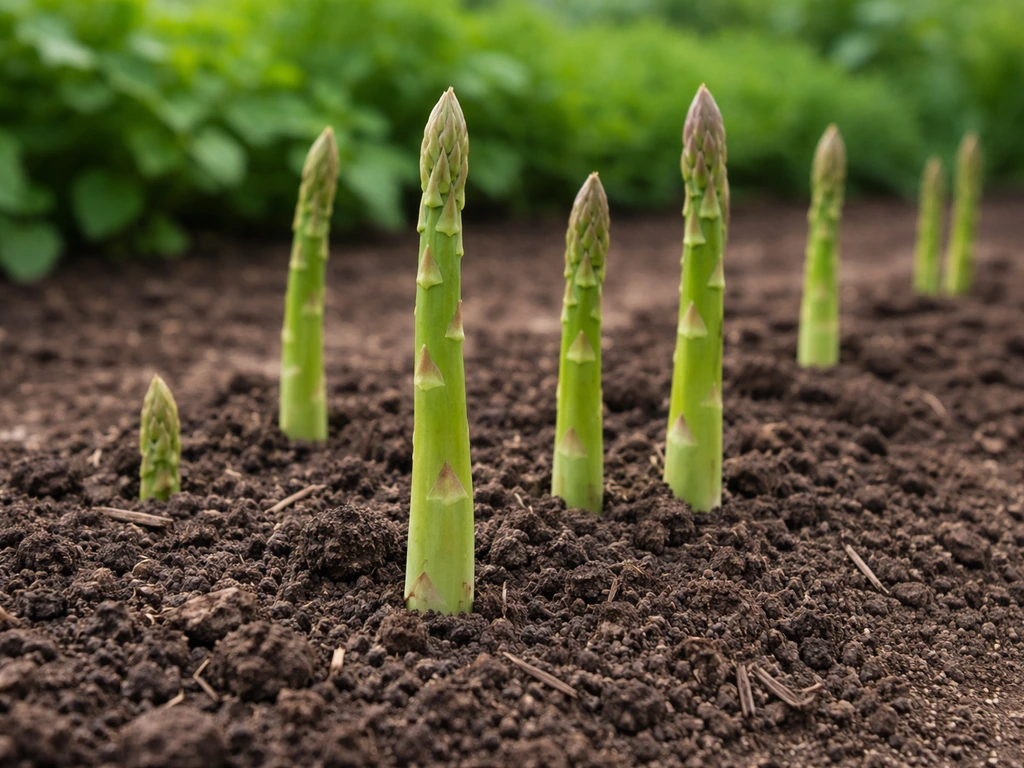
- Asparagus — one of the few vegetables that actively prefers pH 7.0–7.5
- Cabbage, broccoli, cauliflower, Brussels sprouts — brassicas tolerate pH up to 7.5 and are less prone to clubroot disease at higher pH
- Beets and Swiss chard — comfortable at pH 7.0–8.0
- Onions and garlic — prefer near-neutral to mildly alkaline conditions
- Kale — tolerant to pH 7.5
- Spinach — grows well at pH 7.0–7.5
Top plant picks by use and region
Where you garden shapes which of these plants are realistic choices. Here is how the recommendations break down by broad climate context.
| Region / Climate | Reliable Alkaline-Soil Plants | Notes |
|---|---|---|
| Arid West (Great Basin, Southwest) | Russian sage, creeping juniper, hackberry, honeylocust, lavender, beets, onions | Irrigation water often also alkaline; choose deep-rooted, drought-tolerant species |
| Great Plains / Prairie | Yarrow, black-eyed Susan, coneflower, potentilla, eastern red cedar, asparagus | Native prairie species naturally adapted to calcareous soils |
| Midwest / Central US | Lilac, redbud, forsythia, white ash, peonies, brassicas | Limestone bedrock common; pH 7.0–7.8 typical in many areas |
| Mediterranean-Climate Regions (CA, Pacific NW interior) | Lavender, salvia, smoke bush, creeping thyme, ginkgo, garlic | Low rainfall reduces natural acidification; pH can reach 8.0 |
| Eastern US (limestone belt areas) | Hackberry, redbud, Eastern red cedar, vinca, kale, spinach | Appalachian limestone valleys; calcareous soils common in patches |
| Northern / Cold Climates | Lilac, yarrow, potentilla, creeping juniper, coneflower, beets | Many northern prairie and boreal soils are naturally alkaline from glacial deposits |
How to improve alkaline soil for more plants
Let me be straightforward about this: permanently changing a strongly alkaline soil is hard, and in some cases it is not practical. If your soil is alkaline because of underlying limestone bedrock or calcareous parent material, acidifying amendments work slowly and the soil often buffers back upward. If your alkalinity is driven by irrigation water with high bicarbonate content, you will be fighting that same input every time you water. That said, there are meaningful things you can do.
Elemental sulfur
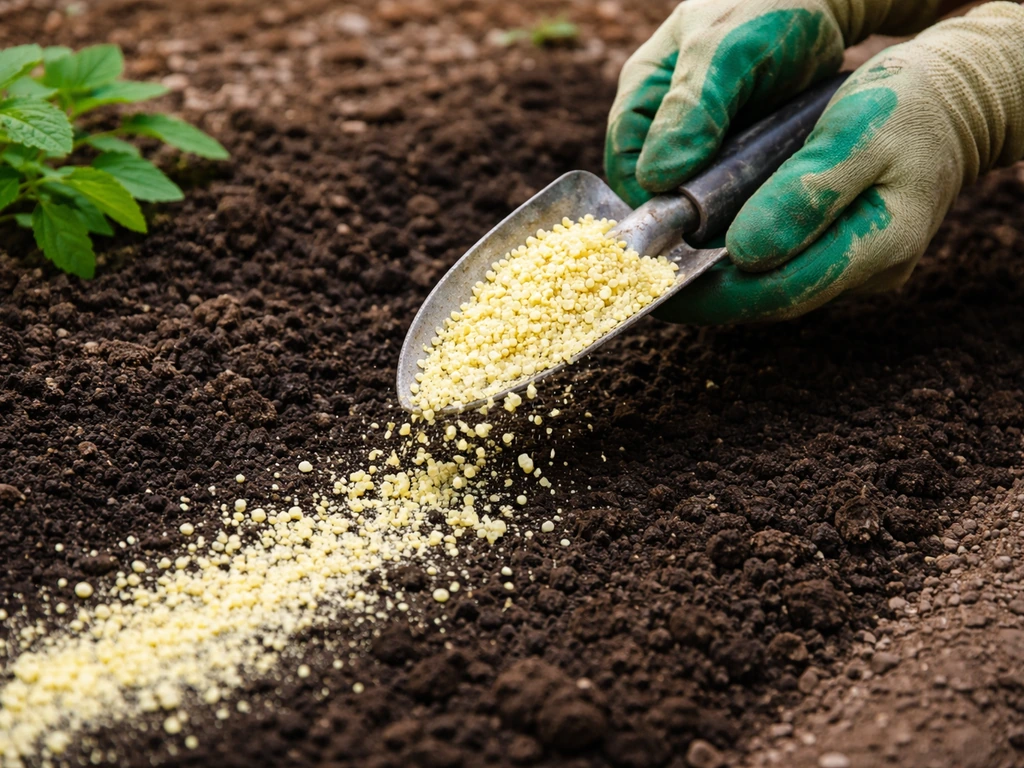
Elemental sulfur is the most practical long-term acidifier for alkaline soil. For lowering the pH of alkaline soils, OSU Extension recommends adding elemental sulfur, with guidance that depends on the pH you are starting from [Elemental sulfur is the most practical long-term acidifier for alkaline soil. ](https://extension. oregonstate.
edu/catalog/pub/em-9128-growing-vegetables-central-oregon). Soil bacteria oxidize it into sulfuric acid, which gradually lowers pH. The catch is that it is slow. Depending on soil temperature, moisture, and bacterial activity, you might wait months for a measurable shift.
Soils with high clay content, high organic matter, or free lime resist the change most stubbornly. Work it in before planting when you can, not as a quick fix mid-season. Aluminum sulfate acts faster but can build up to toxic levels if overused, so follow label rates carefully.
Organic matter and mulch
Adding compost and organic mulch does not dramatically lower pH, but it does improve nutrient cycling, feeds soil biology, and moderates the practical effects of high pH on plant roots. Acidic mulches like pine bark or pine needles add a modest pH benefit over time. More importantly, organic matter increases the availability of micronutrients that alkaline soil tends to lock up. A 3 to 4 inch layer of compost worked into the top 6 to 8 inches, plus an ongoing mulch layer on the surface, is one of the most cost-effective things you can do in an alkaline bed.
Targeted amendments for nutrient availability
Iron and manganese deficiency are the most common visible problems in alkaline soil, showing up as yellowing leaves (chlorosis) while leaf veins stay green. Iron sulfate applied to the soil loses effectiveness quickly in high-pH conditions because the iron precipitates out of plant-available form. Chelated iron is more reliable, and the type matters: Fe-EDDHA chelate is specifically designed for high-pH soils (above pH 7.0) and outperforms Fe-EDTA and Fe-DTPA in those conditions. For quick results, foliar sprays of chelated iron can show visible greening within days. Phosphorus can also become less available at high pH, binding with calcium to form insoluble compounds, so watch for stunted growth and purple-tinged leaves as well.
Common mistakes to avoid
The biggest mistake I see is planting acid-loving species into alkaline soil and then spending years trying to fix the soil around them. Blueberries, rhododendrons, azaleas, and camellias need pH in the 4. 5 to 5. 5 range.
Planting them in pH 7. 5 soil is not a project you can amendment your way out of, at least not practically in the ground. If you want those plants, use raised beds or containers with custom acidic media. Related to this: the topic of what plants grow in ericaceous soil is really a separate conversation from alkaline soil gardening, and it is worth treating the two as distinct rather than trying to bridge them in the same bed.
If you are working with ericaceous (acidic) soil instead, the plant list is different and you will want to choose acid-lovers rather than alkaline-tolerant species what plants grow in ericaceous soil.
- Do not assume watering more will solve nutrient deficiency. Overwatering in alkaline soil worsens anaerobic conditions and makes nutrient uptake harder, not easier.
- Do not use iron sulfate as your main iron source in high-pH soil. It becomes unavailable quickly. Use Fe-EDDHA chelate instead.
- Do not skip a soil test and assume the problem is always pH. Compaction, waterlogging, and salinity can cause similar symptoms.
- Do not plant warm-season crops into cold, wet alkaline soil early in spring. Alkaline soils in arid regions often have poor structure and can become anaerobic when cold and wet, which stresses roots before they establish.
- Do not over-apply aluminum sulfate to speed up acidification. It can build up to phytotoxic levels faster than elemental sulfur.
- Do not ignore your irrigation water's pH and bicarbonate content. High-bicarbonate water will keep pushing soil pH upward even after amendments.
Planting and care tips to help your plants thrive
Site prep
If you are planting trees or shrubs, do not dig a tight hole in alkaline, compacted soil. Dig wide rather than deep, roughly two to three times the root ball diameter, to give roots a path through improved soil. Backfill with a blend of your native soil and compost rather than pure imported mix, which can create a perched water table inside the hole. For perennial and vegetable beds, work compost to a depth of 8 to 10 inches before planting, and apply elemental sulfur at the same time if your pH is above 7.5 and you are growing plants with lower pH preferences.
Irrigation
Water deeply and infrequently to encourage deep rooting, especially for drought-adapted alkaline-soil plants like Russian sage, lavender, and juniper. Shallow, frequent watering keeps roots near the surface where pH and salt concentrations are often highest. To make sure you pick plants that can grow in shallow soil, also match their rooting depth to how dry and pH-stressed your surface layer gets Shallow, frequent watering. If you have only a few inches of soil, this kind of rooting-depth matching helps you choose plants that can handle the more extreme surface conditions Shallow, frequent watering. If your water has high bicarbonate content, consider periodic soil pH checks every season or two to catch upward drift before it affects plant performance.
Fertilizing
Use fertilizers formulated for alkaline or high-pH soils when available. Ammonium-based nitrogen sources (ammonium sulfate, for example) have a mild acidifying effect in the root zone, which can help nutrient uptake over time. If you are dealing with nitrogen deficient soil, you may also need to adjust fertilization and soil conditions to support strong leafy growth. Avoid lime-containing fertilizers or anything that says it raises pH.
For micronutrients, apply chelated iron (Fe-EDDHA) in spring when plants begin to push new growth, either as a soil drench or foliar spray. Repeat mid-season if chlorosis persists. Phosphorus deficiency in alkaline soil is best addressed through compost and organic matter rather than heavy inorganic phosphate applications, which tend to bind up quickly anyway.
Timing
Plant alkaline-tolerant perennials and shrubs in early fall where possible, especially in arid or semi-arid climates. Cooler soil temperatures and residual soil moisture give roots time to establish before summer heat and drought stress arrive. In cold climates where fall planting is not practical, early spring planting just after the last frost works well. For vegetables, stick to the standard last-frost timing but prioritize the alkaline-tolerant crops listed above (brassicas, asparagus, beets, onions) for your main beds rather than trying to grow acid-preferring crops like potatoes and tomatoes without significant pH management.
The practical takeaway is this: work with your soil pH rather than spending all your energy fighting it. Choose plants from the categories above that are genuinely adapted to alkaline conditions, get your pH number confirmed with a proper test, address iron and phosphorus availability with the right amendments, and set up irrigation that encourages deep rooting. That combination gives you productive, low-maintenance planting even in soils that would frustrate a gardener trying to force the wrong species. You can also look up which plants can grow in red soil to match your bed to the right species and care needs.
FAQ
What pH number counts as alkaline for choosing plants?
Most gardeners start treating soil as alkaline once it reaches about pH 7.2 to 7.5, but the plant response can change quickly above that. If you are near the cutoff, retest with a lab or another method before choosing long-lived perennials.
Do vegetables besides brassicas grow in alkaline soil?
Yes, some do, but they usually need you to manage micronutrients, especially iron and manganese. Onion and asparagus are commonly successful, and beets often perform well if you keep moisture consistent and watch for chlorosis.
Can I fix alkaline soil quickly with an acid product?
Usually not. Elemental sulfur works slowly, and amendments that act faster can create other problems (for example, aluminum sulfate can accumulate if overused). A practical plan is to start amendments before planting and expect measurable change over months, not days.
Why do my plants look chlorotic even though I added iron?
In high-pH soil, some iron forms precipitate and become unavailable soon after application. Use a chelated iron designed for high pH, apply it at the right time for new growth, and consider repeating if new leaves keep yellowing.
Will adding compost lower pH enough for acid-loving plants like blueberries?
Compost may slightly shift pH and improves nutrient availability, but it usually does not move soil from around neutral to the 4.5 to 5.5 range that blueberries need. For true acid-lovers, use containers or raised beds with custom acidic media.
Does irrigation water always matter if my soil test shows only mildly alkaline conditions?
It can, especially if your water has high bicarbonate or carbonate content. Even if your starting soil test is acceptable, pH can drift upward over time, so plan on seasonal pH checks during the first couple of years.
How often should I test soil pH in an alkaline garden?
If you are not changing anything, test about once per year or every one to two years. If you are applying sulfur, adjusting irrigation, or planting long-term perennials, test at least in spring and again later in the growing season to confirm the direction of change.
If I dig a hole for a tree, does the depth matter in alkaline soil?
Depth matters less than width. A common mistake is digging a narrow hole in compacted alkaline soil, which can trap roots in the worst conditions. A wide planting area with a compost blend gives roots access to better conditions.
What fertilizer mistakes cause problems in alkaline beds?
Avoid lime-containing fertilizers and anything marketed as raising pH. Also watch nitrogen sources, because some can slightly acidify while others will not help nutrient uptake, even if the plants look like they need “more fertilizer.”
Why do I see purple leaves or stunted growth in alkaline soil?
That pattern often points to phosphorus becoming less available due to high pH and calcium-related binding. Heavy inorganic phosphate often wastes money, while compost and organic matter tend to support more gradual, usable phosphorus availability.
Which irrigation method reduces pH stress most?
Deep, infrequent watering is usually better than frequent shallow watering because it encourages deeper roots away from the most pH-stressed surface layer. If you use drip or sprinklers, adjust to ensure the root zone actually gets soaked, not just wetted at the top.
What alkaline-soil plant strategy works best when I have very shallow topsoil?
Match plants to the dryness and pH stress your surface layer experiences. In shallow soil, prioritize species with drought-tolerant traits and rooting habits that can handle surface extremes, and avoid plantings that depend on consistently moist top layers.