A slow-growing plant is one that puts on 12 inches or less of new growth per year, and in many cases far less than that. North Carolina State University Extension’s Plant Toolbox lists sea thrift (Armeria maritima) spreading growth rate as “Slow.”. Trees that take 50 or more years to reach maturity fall firmly in this category, while fast-growing trees typically mature in 20 to 30 years. That difference matters enormously when you're choosing what to plant in a specific spot, because a slow grower isn't a problem plant; it's often exactly the right plant for a stable, low-maintenance landscape that won't outgrow its space or overwhelm neighboring species.
Plants That Grow Slow: Choose Species That Fit Your Site

Dr. Marcus Weatherby
25 Apr 2026
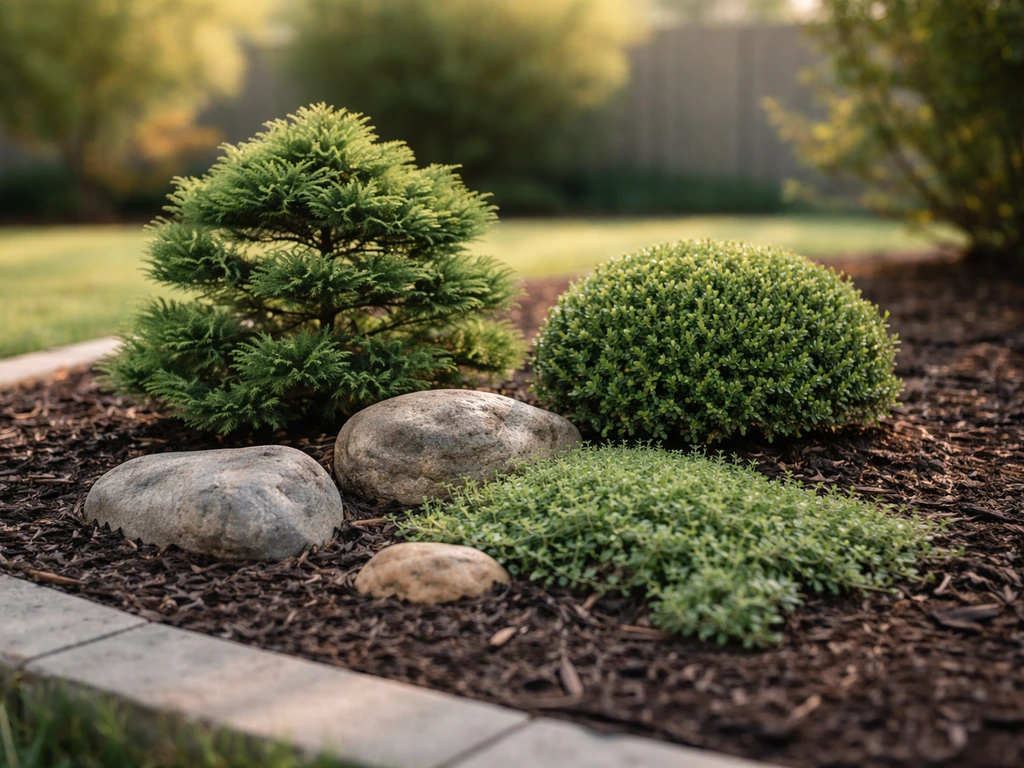
What 'slow-growing' actually means in practice
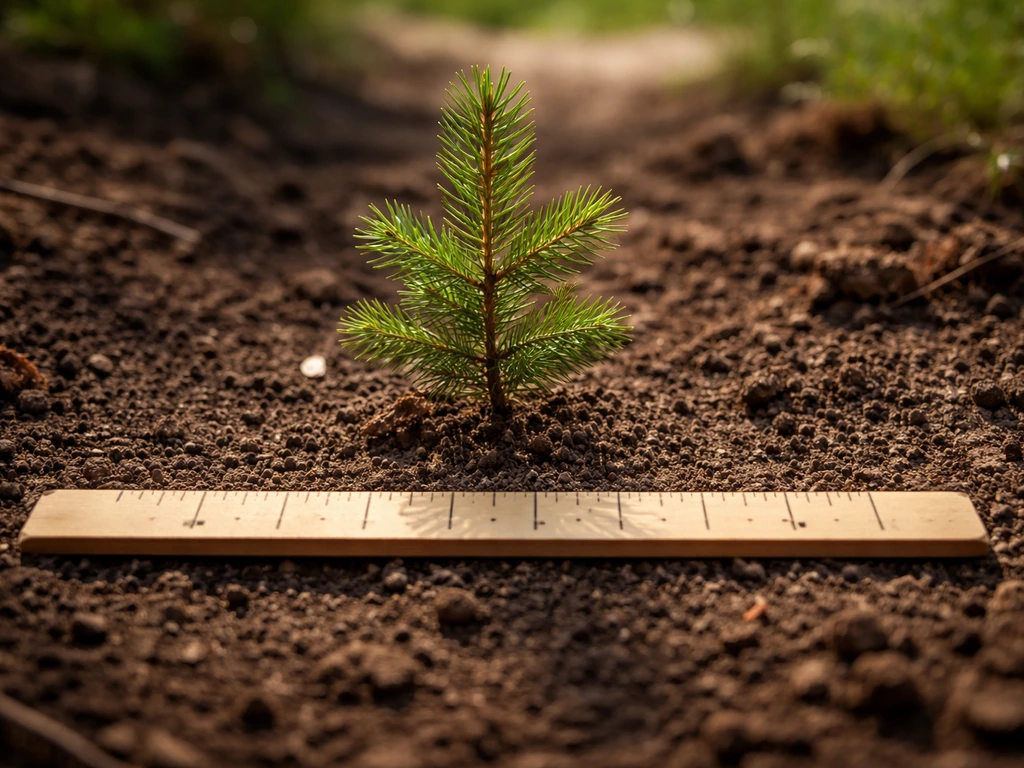
The Missouri Department of Conservation draws a clean line: slow growth is 12 inches or less of vertical gain per year. For conifers, the American Conifer Society goes further, breaking growth into categories based on average annual gain and approximate size at 10 years. A 'dwarf' conifer, for example, may grow only a few inches annually and reach just a few feet after a full decade. That 10-year benchmark is genuinely useful because it anchors your expectations to something observable in your own lifetime.
In practical terms, expect a slow-growing tree planted as a sapling to look roughly the same for the first two or three seasons. Ground-level growth is happening underground as the root system establishes, but above ground you might see only a few inches of new shoots per year. Slow-growing shrubs and groundcovers follow a similar pattern. The phrase 'first year it sleeps, second year it creeps, third year it leaps' applies loosely, but for genuinely slow species, that 'leap' phase still looks modest compared to a fast grower.
Why some plants grow slowly: nature vs. a struggling plant
This distinction is the most important thing to get right before you do anything else. A plant can be slow for two completely different reasons, and they require opposite responses.
Naturally slow species
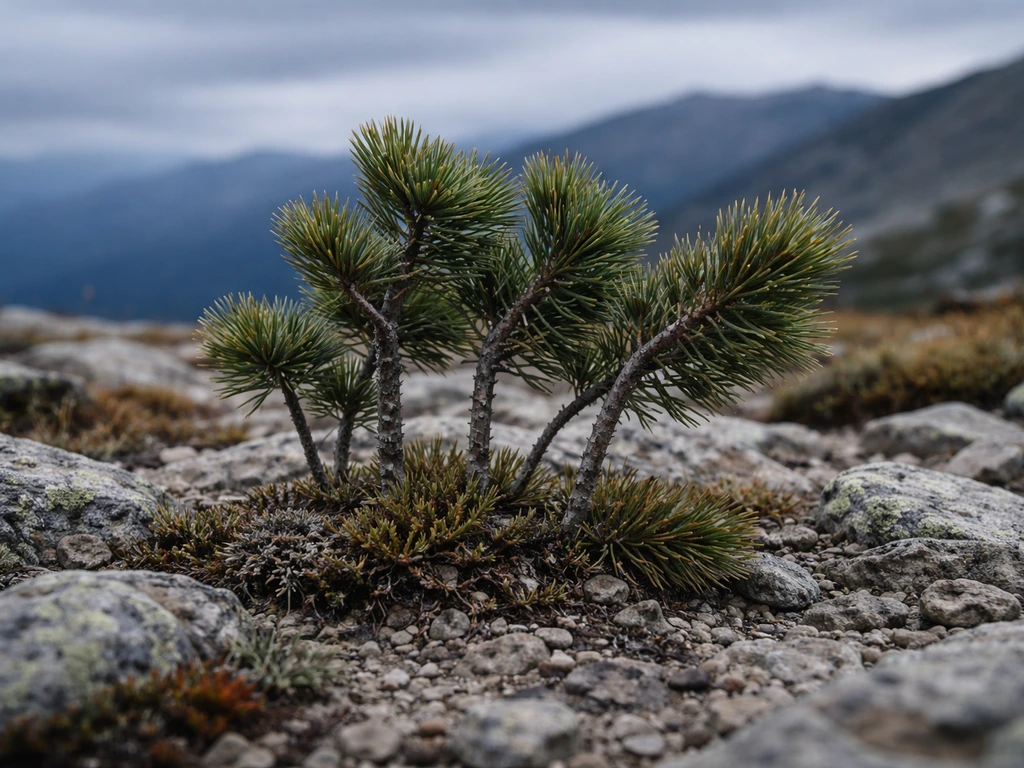
Some plants are slow because of their genetics and the environments they evolved in. High-altitude conifers like whitebark pine grow slowly because their native range experiences short growing seasons, thin soils, and extreme cold. Desert succulents move at a crawl because water is scarce and the metabolic cost of growth is high. These species have built-in governors on their growth rate. No amount of fertilizer or irrigation will make them behave like a fast-growing species over the long run; you'll mostly just stress them.
Plants that are slow because something is wrong
A plant that should be growing at a moderate pace but has stalled is a different situation entirely. Compacted or waterlogged soil, wrong pH, insufficient light, chronic drought stress, root damage from transplanting, or pest and disease pressure can all make a plant look slow when it's actually struggling. The visual difference can be subtle: a naturally slow plant looks healthy, compact, and proportionate. A stunted plant often shows pale or discolored foliage, dieback at branch tips, sparse leaf coverage, or a general lack of vigor despite adequate time in the ground.
Check these factors before assuming a plant is just taking its time: soil drainage (dig down 12 inches and look for gray or rust-colored mottling, which signals poor drainage), sun exposure across the full day, soil pH (most broadleaf trees and shrubs prefer 6.0 to 7.0), and whether the planting hole was dug wide enough to prevent girdling roots. If all of those check out and the plant looks healthy, it's probably just genuinely slow.
Matching slow-growing plants to your climate zone and season
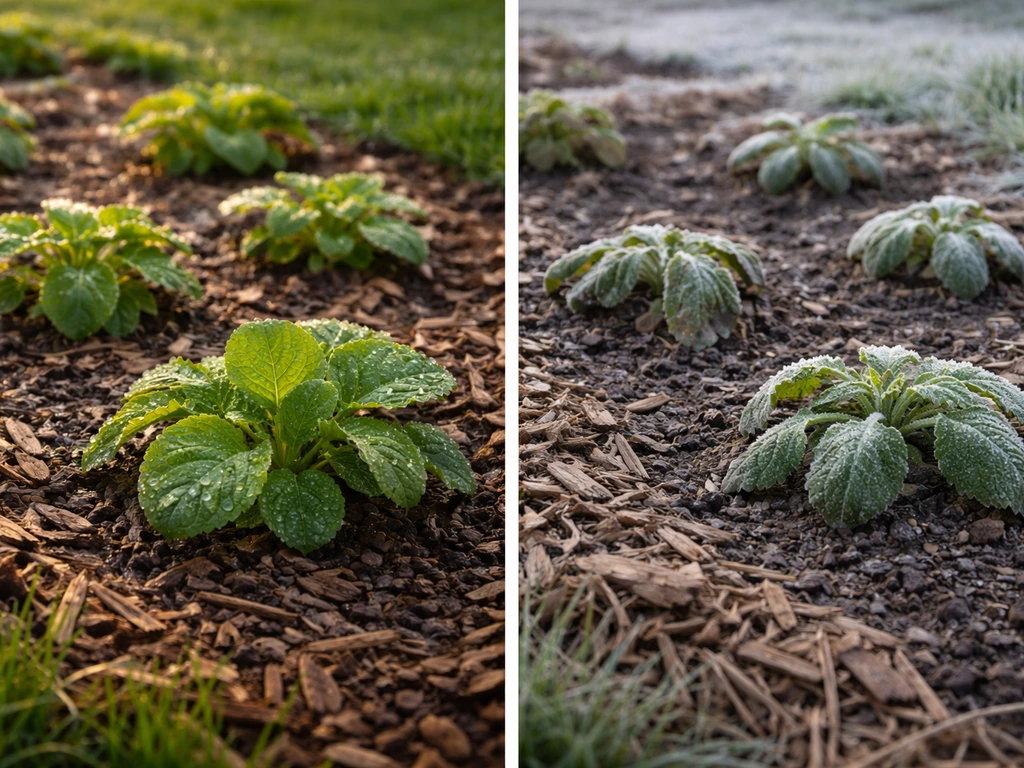
Climate zone is the single biggest filter when choosing a slow-growing plant. A species that grows slowly in its native habitat but thrives there is almost always a better long-term choice than one that's been stressed into slow growth by the wrong climate. Here's how to think about it by region.
| Climate/Region | Seasonal growing window | Why slow plants fit well | Key native slow-growers |
|---|---|---|---|
| Arctic/subarctic and alpine (USDA Zones 1–3) | 8–12 weeks | Short seasons naturally limit annual growth; slow species evolved here | Whitebark pine, dwarf birch, crowberry, Arctic willow (low-growing forms) |
| Cold temperate (Zones 4–5) | 5–6 months | Hard winters limit above-ground growth; root systems drive longevity | American holly, Korean fir, pagoda dogwood, bur oak |
| Cool to mild temperate (Zones 6–7) | 7–8 months | Long seasons mean slow species can still establish reliably | Japanese black pine, stewartia, leucothoe, native azalea |
| Warm/hot and humid (Zones 8–9) | Year-round or near-year-round | Slow species provide stable structure without rapid sprawl | Southern magnolia, longleaf pine, sweetbay magnolia, wax myrtle |
| Hot and dry/desert (Zones 8–11, arid) | Two windows: spring and fall | Slow growth is an adaptation to water scarcity; drought-adapted species are inherently slow | Saguaro cactus, Joshua tree, velvet mesquite, creosote bush |
| Coastal/maritime (Zones 8–10) | Near year-round but wind and salt limited | Salt spray and wind stress naturally slow growth; native coastal species match this pace | Shore pine, coast live oak, coffeeberry, sea thrift |
Seasons also affect when slow growers do their work. In colder zones, the above-ground growing window is short, so a plant that gains only a few inches per year may be doing all of that in a 10 or 12 week burst. In warmer climates with year-round or near-year-round growing seasons, the same annual gain is spread out and looks even less dramatic week to week. Neither situation means the plant is failing; it's just growing on its own schedule.
Site requirements: getting light, soil, moisture, and temperature right
Slow-growing plants tend to be less forgiving of poor site conditions than fast growers, simply because they have less metabolic momentum to push through adversity. Getting the site right from the start is non-negotiable.
Light
Most slow-growing trees and shrubs are adapted to specific light intensities in their native habitat. High-altitude and open-habitat slow growers like mountain conifers typically need full sun (6 or more hours of direct light daily). Understory slow growers like leucothoe, native azaleas, and pagoda dogwood evolved under a canopy and perform best in partial to full shade. Placing a shade-adapted slow grower in full sun rarely speeds it up; it usually causes leaf scorch and stress, which slows it further.
Soil type and drainage
Many naturally slow species evolved in lean, well-drained soils, including thin alpine soils, sandy coastal soils, and rocky desert substrates. Rich, heavily amended garden soil can actually push them into a growth pattern that's faster than their structure can sustain, leading to weak, leggy stems. On the other end, compacted clay or waterlogged soil starves roots of oxygen and brings growth to a halt. Aim for good drainage, moderate organic matter, and a pH appropriate to the species. Most temperate broadleaf species prefer 6.0 to 7.0; acid-lovers like rhododendrons and native azaleas want 4.5 to 6.0.
Moisture and temperature
Match moisture expectations to what the species experiences natively. Desert slow-growers like saguaro and creosote bush need infrequent, deep watering that mimics seasonal rainfall events, not consistent irrigation. Cold-climate slow-growers like bur oak handle freeze-thaw cycles naturally but may struggle with late frosts that kill new growth just as it emerges in spring. Temperature consistency matters more for slow growers than for fast ones, since a frost-burned flush of growth on a slow species can set it back by an entire season's worth of progress.
Slow-growing plants across different habitats
Here are reliable slow-growing options organized by plant type and the environments where they actually grow well. Unlike fast-growing plants that can reach impressive size quickly but often become maintenance burdens, these species hold their shape and scale over time. If you're specifically wondering what are plants that grow fast, it's helpful to compare them against slow-growing species before you pick based on your space and maintenance needs fast-growing plants.
Trees
- Bur oak (Quercus macrocarpa): Native to the central and eastern US, cold-hardy to Zone 3, tolerates clay, compaction, and drought once established. Gains roughly 12 to 14 inches per year at most; a 50-year-old specimen is genuinely impressive.
- Whitebark pine (Pinus albicaulis): Native to high-elevation western North America, Zones 3 to 5. May gain only 1 to 3 inches per year in alpine conditions. A defining species of cold, exposed ridgelines.
- Longleaf pine (Pinus palustris): Native to the southeastern US coastal plain, Zones 7 to 9. Spends its first several years in a 'grass stage' with almost no visible vertical growth while it develops a deep root system.
- Korean fir (Abies koreana): Cold temperate, Zones 4 to 6. Typically 3 to 6 inches of annual growth. Dense and compact, well suited to structured landscapes without regular pruning.
- Stewartia (Stewartia pseudocamellia): Zones 5 to 8, partial shade to full sun. Grows 6 to 10 inches per year. Native to Japan's mountain forests, thrives in moist, well-drained, acidic soil.
Shrubs
- Creosote bush (Larrea tridentata): Native to Mojave, Sonoran, and Chihuahuan Deserts, Zones 7 to 11. Among the slowest-growing desert shrubs; some individuals are estimated to be thousands of years old.
- American holly (Ilex opaca): Native to the eastern US, Zones 5 to 9. Slow to moderate growth of 6 to 10 inches per year. Tolerates shade and acidic soil.
- Leucothoe (Leucothoe fontanesiana): Zones 4 to 7, native to Appalachian stream banks. Grows 4 to 6 inches per year in partial to full shade, moist acidic soil.
- Wax myrtle (Morella cerifera): Zones 7 to 11, coastal and wetland edges. Grows slowly in nutrient-poor, sandy, or wet soils; faster in ideal conditions.
- Dwarf Arctic willow (Salix arctica): Zones 1 to 4, tundra and alpine. Spreads a few centimeters per year across rocky, windswept ground.
Groundcovers
- Crowberry (Empetrum nigrum): Zones 1 to 5, acidic tundra and boreal soils. A mat-forming groundcover that moves slowly across rocky or peaty substrates.
- Bearberry (Arctostaphylos uva-ursi): Zones 2 to 6, sandy and rocky soils in full sun. Spreads slowly once established, excellent for stabilizing lean, dry slopes.
- Trout lily (Erythronium americanum): Zones 3 to 8, moist woodland floors. Takes 7 or more years to flower from seed, making it one of the slowest-establishing native woodland groundcovers.
- Sea thrift (Armeria maritima): Zones 4 to 8, coastal cliffs and dry, sandy soils. Slow-spreading, salt-tolerant, and completely at home in poor, windswept conditions.
Edibles and productive slow-growers
- Pawpaw (Asimina triloba): Zones 5 to 8, native to moist woodland edges. Slow to establish from seed (3 to 5 years to first fruit), but long-lived and low-maintenance once settled.
- American persimmon (Diospyros virginiana): Zones 4 to 9, tolerates poor, dry soil. Grows 6 to 12 inches per year; worth the wait for its cold-hardy, reliable fruit.
- Hazelnut (Corylus americana): Zones 4 to 9, woodland edges, thickets. Moderate to slow growth in lean soils; produces nuts in 3 to 5 years.
- Highbush blueberry (Vaccinium corymbosum): Zones 4 to 7, acidic moist soils. Grows 6 to 12 inches per year; typically takes 4 to 6 years to reach full production.
How to establish and maintain slow-growing plants
The establishment phase is where most people lose patience with slow growers, and also where most mistakes happen. Getting the first two to three years right sets the plant up for decades of low-maintenance performance.
Watering during establishment
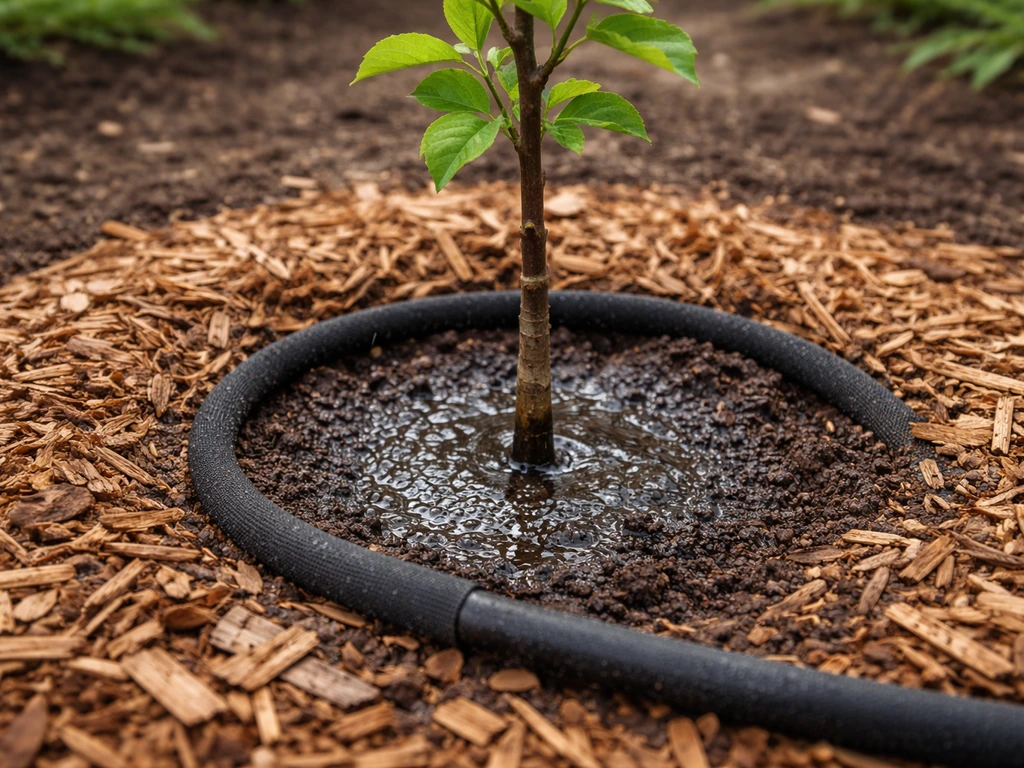
Water deeply and infrequently rather than shallowly and often. For most slow-growing trees and shrubs, that means a thorough soak once or twice a week during the first growing season, tapering to once a week in the second year, and then relying mostly on natural rainfall by year three. Desert species need even less: mimic seasonal rainfall patterns by watering deeply once every two to four weeks during the growing season. The goal is to push roots downward, not keep the surface constantly moist.
Mulching
A 2 to 3 inch layer of organic mulch (wood chips, shredded bark, or leaf litter) applied around the base of the plant, keeping it a few inches away from the stem, is one of the most impactful things you can do for a slow grower. Mulch moderates soil temperature, retains moisture between waterings, suppresses competing weeds, and adds organic matter as it breaks down. In cold climates it also buffers freeze-thaw cycles that can heave shallow-rooted plants.
Fertilizing: less is more
Most slow-growing plants evolved in lean soils and don't respond well to heavy fertilization. Excess nitrogen in particular pushes soft, fast growth that's more vulnerable to pests, disease, and winter cold. If the plant is healthy and growing at its natural rate, skip the fertilizer entirely for the first two years. If growth seems sluggish and a soil test reveals a specific deficiency (low phosphorus, for example), address that targeted deficiency rather than applying a broad all-purpose fertilizer.
Pruning strategy
Prune slow-growing plants as little as possible, especially in the first few years. Every cut removes stored energy and growth potential. When pruning is necessary (removing dead wood, crossing branches, or shaping), do it right after the main growth flush is complete. For most temperate slow-growers that's late spring. Avoid fall pruning, which can stimulate new growth that then gets hit by early frost. On naturally compact, slow-growing conifers and shrubs, you can often skip pruning entirely for years at a time.
When 'slow' turns into actually stunted: troubleshooting
If your plant has been in the ground for three or more years and is showing no measurable new growth, or is declining rather than holding steady, something is wrong. Here's how to work through it systematically.
- Check for girdling roots: Dig gently around the base to see if roots are circling the trunk. This is common in container-grown plants that weren't root-pruned at planting. Girdling roots slowly strangle the plant and can halt growth entirely.
- Test the soil: A basic soil test (available through most county extension services) will reveal pH imbalance, nutrient deficiencies, or high salt content. pH outside the plant's preferred range locks out nutrients even when they're present in the soil.
- Evaluate drainage: If water pools within the planting hole for more than a few hours after rain, root suffocation is likely. Waterlogged roots can't uptake nutrients or oxygen, mimicking drought symptoms even in wet conditions.
- Look for pest or disease pressure: Check the undersides of leaves, the base of stems, and the soil surface for evidence of borers, scale insects, root rot, or fungal infection. These can stall a slow grower for an entire season.
- Reconsider the light environment: Has a nearby tree grown up and shaded a once-sunny spot? Or has a shade-adapted plant been exposed to full sun by neighboring plant loss? Light changes over time in established plantings.
- Assess competition: Grass and aggressive groundcovers growing right up to the base of a slow-growing tree or shrub compete directly for water and nutrients. Keep a clear, mulched zone at least 3 feet in diameter around the plant.
The most common mistake is confusing a naturally slow plant with a struggling one and then overreacting: over-watering, over-fertilizing, or moving it when it just needs more time. Before doing anything drastic, observe the plant across a full season, check the basics above, and compare its current state to what a healthy specimen of the same species looks like in the wild or in a well-established planting.
Your next steps today
If you're trying to choose slow-growing plants for a specific spot, start with these three steps before browsing any plant list. If you’re looking for what plants grow quickly, make sure you match them to your climate and give them proper light and watering so they can actually perform fast. If you're also aiming for plants that do not grow tall, look for naturally slow species whose growth rate stays modest above ground. If you want plants that grow quickly instead, compare your choices against what plants grow tall and fast for your climate and light conditions. If you want plants that grow quickly instead, look for fast-growing species suited to your climate and light conditions fast-growing plants. First, identify your USDA hardiness zone and your seasonal growing window (how many frost-free weeks you realistically have). Second, assess your actual site conditions: sun exposure across the full day, soil drainage, and approximate pH if you can test it. Third, decide what you need the plant to do: provide low structure without sprawling, fill a slope with stable groundcover, produce food in a confined space, or add a long-lived specimen that won't outgrow a small yard. Some gardeners also look for what plants grow tall and narrow, since that shape can fit tight spaces and create vertical structure.
With those three things clear, the examples in this guide give you a starting shortlist you can cross-reference against your zone. Slow-growing plants are genuinely rewarding to work with once you adjust your timeline expectations. If you are avoiding blooms, look specifically for plants that do not grow flowers and still fit your light and soil conditions. Unlike fast-growing species that can quickly create problems by outgrowing their space or requiring constant cutback, a well-chosen slow grower earns its place and holds it for decades. Some slow-growing plants focus on foliage or structure rather than blooms, so if you want plants that do not grow flowers, choose species bred for that kind of growth slow grower. If you're aiming to keep height down, focus on what type of plant does not grow very tall by choosing naturally slow species that stay modest above ground.
FAQ
Will fertilizing or more watering make plants that grow slow grow faster?
Yes, but only within limits. If a slow grower is planted in the wrong light, soil pH, or drainage, it will not start behaving normally, and extra fertilizer or water usually just causes stress and weak, pest-prone growth. When the basics are correct and the plant is truly healthy but just slow, the safest “boost” is usually improving the site (better drainage, correct sun/shade, correct planting depth), not adding nitrogen.
Could planting depth or mulch contact be why my slow plant is taking forever?
Use the planting depth standard for the specific plant, but avoid burying the trunk or crown. After planting, check after the first heavy rain or a freeze-thaw cycle to ensure the soil has not settled over the crown (common with mulched beds). A crown buried even slightly can slow growth for years by reducing oxygen at the base.
How can I tell the difference between normal seasonal slow growth and actual failure?
A “slow” tree can still have fast seasonal surges if conditions line up. Look for growth changes over a full year, not week to week. In many climates, most slow growers put their noticeable above-ground growth into a short window, so you may see a period of little change followed by a modest flush.
My new slow-growing plant barely grew this year, is that normal?
Avoid assumptions if the plant is newly installed. Slow growers often establish roots before adding height, so it is normal for the first 1 to 2 seasons to look mostly unchanged above ground. The article’s approach still applies, but your “diagnostic clock” should start after the plant has had at least one full growing season to root.
What should I do if my slow-growing plant seems stuck and the soil stays wet?
Check for root issues and soil oxygen first. In poorly drained spots, slow-growing species often show gradual decline, with sparse leafing and dieback that progresses rather than stabilizes. If you see gray or rust mottling in the soil profile or the ground stays wet for days, improve drainage or relocate rather than trying to correct it with more watering control.
Do slow-growing plants also spread slowly, or only grow slowly upward?
Yes. Some plants are naturally slow in height but can spread more in diameter or width. If your real goal is “slow to take over,” measure both vertical gain and spread at maturity, then choose spacing accordingly. For example, a shrub may look stable in height while still slowly enlarging its root and canopy radius.
Can late frosts make plants that grow slow look like they are not growing at all?
Yes, and it is usually about timing and frost damage risk. For slow growers, a late frost can kill new shoots that would have become this year’s growth, effectively “resetting” the plant for a season even if it is otherwise healthy. Choose varieties known to tolerate your spring freeze pattern, and avoid late-season pruning that encourages fresh, tender growth.
Should I move a slow-growing plant if it is not thriving?
Relocation is stressful for any plant, and slow growers can take longer to recover. If you must move it, do so only when you have corrected the underlying site problem (light, drainage, pH). Plan on a longer recovery timeline, and expect little to no above-ground growth for the next season or two while roots re-establish.
Will pruning help my slow-growing plant catch up, or will it make it worse?
If the plant is genuinely slow but healthy, pruning should be minimal, and you should expect limited visible response. When pruning is necessary, remove dead or crossing wood and shape lightly, then stop. Frequent cutting can reduce the plant’s stored energy, which is especially costly for species that already have limited annual growth.
Do slow-growing plants act differently in containers than in the ground?
A container slow grower can be more predictable, but it can also stall due to root confinement and inconsistent moisture. In pots, slow-growing plants may appear smaller than expected, and the “normal” growth rate is altered by watering frequency and nutrient availability. If it is container-grown, confirm that drainage is good, the pot is not dramatically root-bound, and your watering matches the species’ native moisture pattern.
What is the first thing to investigate when a slow-growing plant starts looking worse?
If a slow plant is declining, the most common causes tend to be mismatch (wrong sun or wrong moisture regime), chronic overwatering, or incorrect soil chemistry. The article outlines a checklist, but a practical next step is to pick one variable at a time to fix based on observations (for example, improve drainage if wet, adjust sun exposure if scorch, or test pH if leaf color suggests alkalinity or acidity).