
The fastest-growing plants can go from seed to harvest or bloom in as little as 20 to 60 days. We're talking radishes ready in under a month, zinnias blooming in 50 days, spinach on your plate in five weeks. But 'fast' only means something if you pick the right plant for your climate, your current season, and your soil. Get that match right and fast plants really do grow fast. Get it wrong and they stall, bolt, or rot before you ever see a result. This guide cuts straight to which plants are quickest, which conditions they need, and how to get them in the ground today.
What Are Plants That Grow Fast Choose the Best Ones

Dr. Marcus Weatherby
21 Apr 2026
What 'fast' actually means in plant terms
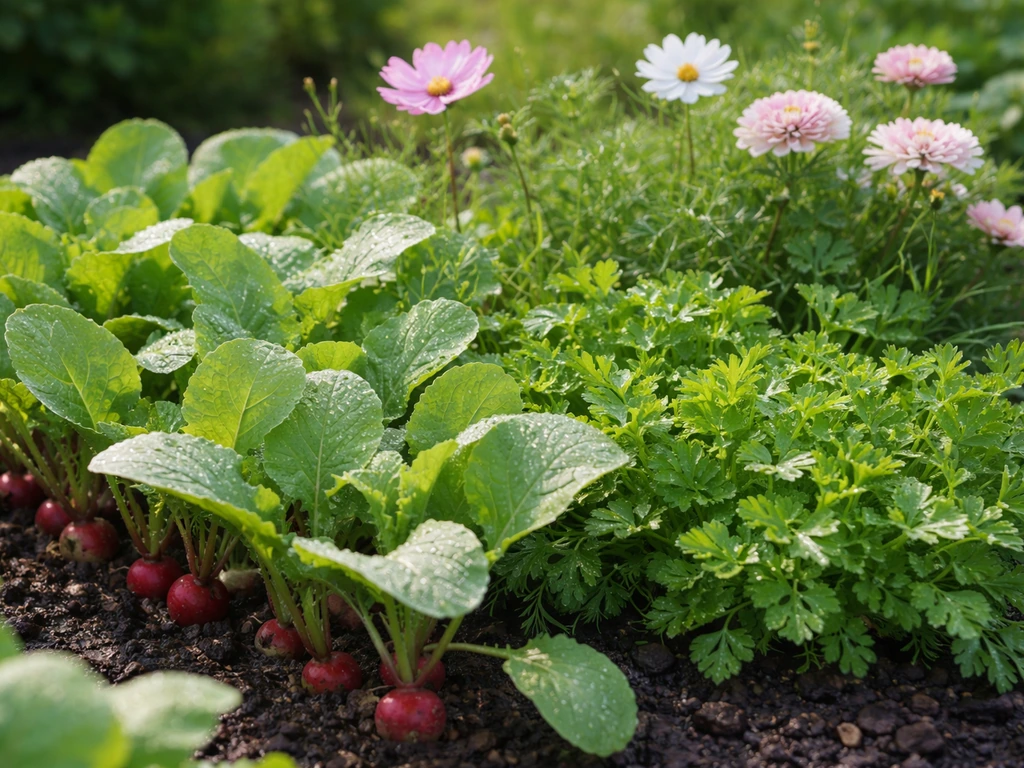
When gardeners say a plant 'grows fast,' they usually mean one of three things: it germinates quickly (sprouts within days of sowing), it reaches harvest quickly (edible within weeks), or it blooms quickly (flowers appear within one to two growing months). These are different clocks and it helps to know which one you're tracking.
Germination speed is measured in days from sowing to first sprout. Most fast-growing annuals and vegetables germinate within 3 to 10 days given the right soil temperature, around 65 to 70°F for most species. Days to maturity (or days to harvest) is measured from transplant or direct sowing to first usable harvest, and this is the number you'll see on seed packets. Days to bloom is the equivalent for flowers, measured from seed sowing to first open flower. A plant labeled 'fast' typically hits harvest or bloom in 30 to 65 days. Anything beyond 90 days is slow by comparison. Keep those numbers in mind when you're reading seed packets or planning a planting window.
Fast-growing food plants: vegetables, herbs, and crops
If you want edible results fast, cool-season leafy crops are your best starting point. Radishes are the speed champions of the vegetable world. Cherry-type radishes can be ready to pull in as little as 20 to 25 days from sowing. Even the slower varieties clock in at 30 to 60 days. Spinach follows close behind at 30 to 45 days, and leaf lettuce comes in at 40 to 60 days. Mustard greens are similarly quick at 30 to 40 days. All of these are cool-season crops, meaning they perform best in spring and fall when soil temps are in the 45 to 65°F range. They bolt (go to seed and turn bitter) when summer heat arrives, so timing matters.
For warm-season speed, bush beans and summer squash are hard to beat. Bush beans typically go from seed to first harvest in 45 to 65 days. Summer squash and zucchini take 50 to 65 days from direct sowing and around 50 to 55 days from transplant. These crops want soil temps above 60°F and really hit their stride in warm, sunny conditions. If you're in a temperate climate and it's currently mid-spring to early summer, squash and beans are the ones to plant right now.
Herbs are often overlooked as fast-growing plants, but many are surprisingly quick. Arugula is essentially a cut-and-come-again green that's harvestable in 30 to 40 days. Cilantro and dill can be cut for use within 3 to 4 weeks of germination. Basil takes a little longer (around 60 to 70 days to a full plant) but grows visibly fast in warm conditions with plenty of sun. If you're looking for something that bridges the gap between food and ornamental use, these herbs are worth including.
| Plant | Days to Harvest/Maturity | Season | Climate Suitability |
|---|---|---|---|
| Radish (cherry types) | 20–25 days | Spring / Fall | Temperate, cool climates |
| Mustard greens | 30–40 days | Spring / Fall | Temperate, cool to mild climates |
| Spinach | 30–45 days | Spring / Fall | Cool temperate, northern zones |
| Arugula | 30–40 days | Spring / Fall | Cool temperate climates |
| Leaf lettuce | 40–60 days | Spring / Fall | Temperate, mild climates |
| Bush beans | 45–65 days | Summer | Warm temperate, continental climates |
| Summer squash / Zucchini | 50–65 days | Summer | Warm temperate, continental climates |
Fast-growing flower plants: quick blooms from seed
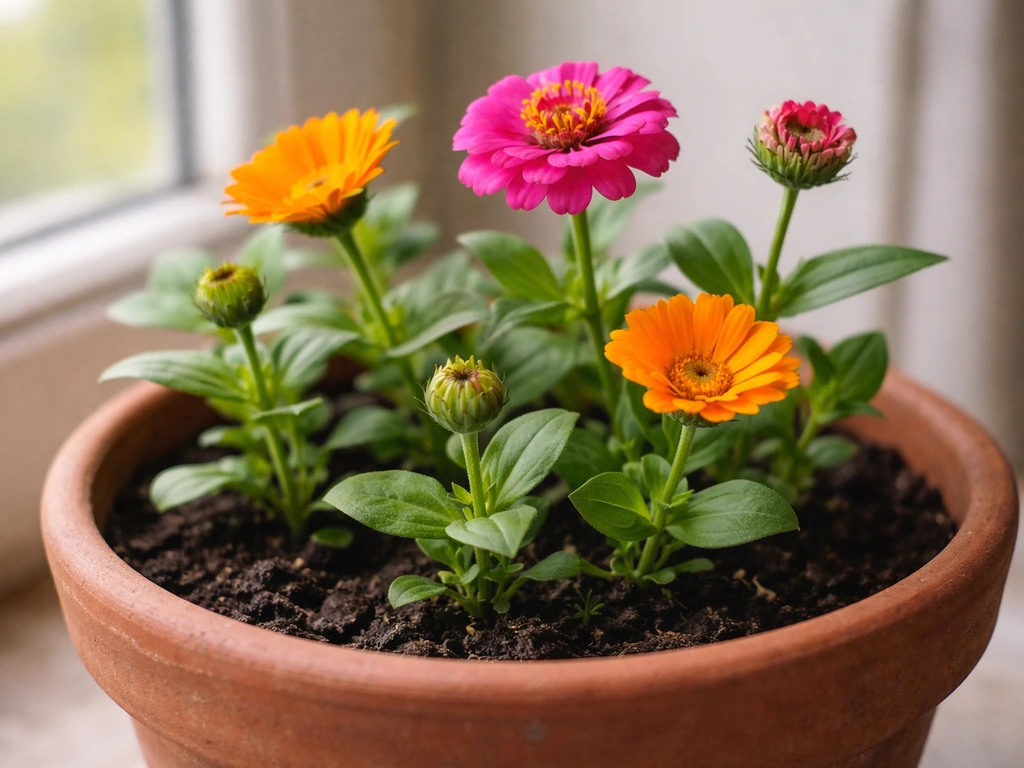
Annual flowers are the fastest-blooming group because they complete their entire life cycle, seed to flower to seed, within one growing season. Among annuals, zinnias are one of the most reliable fast bloomers, typically producing flowers 40 to 50 days from direct sowing in warm soil. Marigolds follow at around 50 to 60 days. Both are warm-season plants that want full sun and temperatures consistently above 50°F at night.
Calendula (pot marigold) is another strong choice, blooming in roughly 45 to 55 days from seed and tolerating cooler conditions than zinnia or marigold, making it a better fit for temperate springs. Annual phlox (Phlox drummondii, not the slower perennial species) can produce blooms in as little as 50 days under favorable conditions and handles a wider temperature range. Nasturtiums are similarly fast, often blooming in 35 to 50 days, and they double as an edible flower and ground cover, useful in a range of climates from temperate to subtropical.
It's worth noting that when comparing fast and slow-growing plants, annuals like zinnia and marigold sit at the very fast end of the spectrum. Perennials and woody plants occupy the other end, sometimes taking years to reach their first bloom. If quick results are your priority, annuals are almost always the answer. If you're aiming for slower growth, focus on plants that mature over longer timeframes rather than chasing quick yields plants that grow slow. Similarly, if you're curious about plants that grow tall quickly, tall annual species like sunflowers can reach full height in a single season, but their bloom timing varies by variety.
| Flower | Days to First Bloom | Season | Climate Notes |
|---|---|---|---|
| Nasturtium | 35–50 days | Spring / Summer | Tolerates cool to warm temps; wide climate range |
| Zinnia | 40–50 days | Summer | Warm-season only; full sun, heat-tolerant |
| Calendula | 45–55 days | Spring / Fall | Cool-tolerant; good for temperate climates |
| Annual Phlox (Phlox drummondii) | ~50 days | Spring / Summer | Tolerates variable temps; temperate to warm |
| Marigold | 50–60 days | Summer | Warm-season; full sun, heat-tolerant |
Matching fast plants to your climate and growing window
Fast-growing plants only live up to their reputation when the environmental conditions match what they're adapted to. The single biggest factor isn't care or technique, it's whether you're planting at the right time in the right climate. A zinnia sown in a cold, wet spring will sit and sulk for weeks before doing anything useful. A spinach crop sown into summer heat will bolt before you get a single harvest. The growing window is everything.
Cool-season climates and shoulder seasons
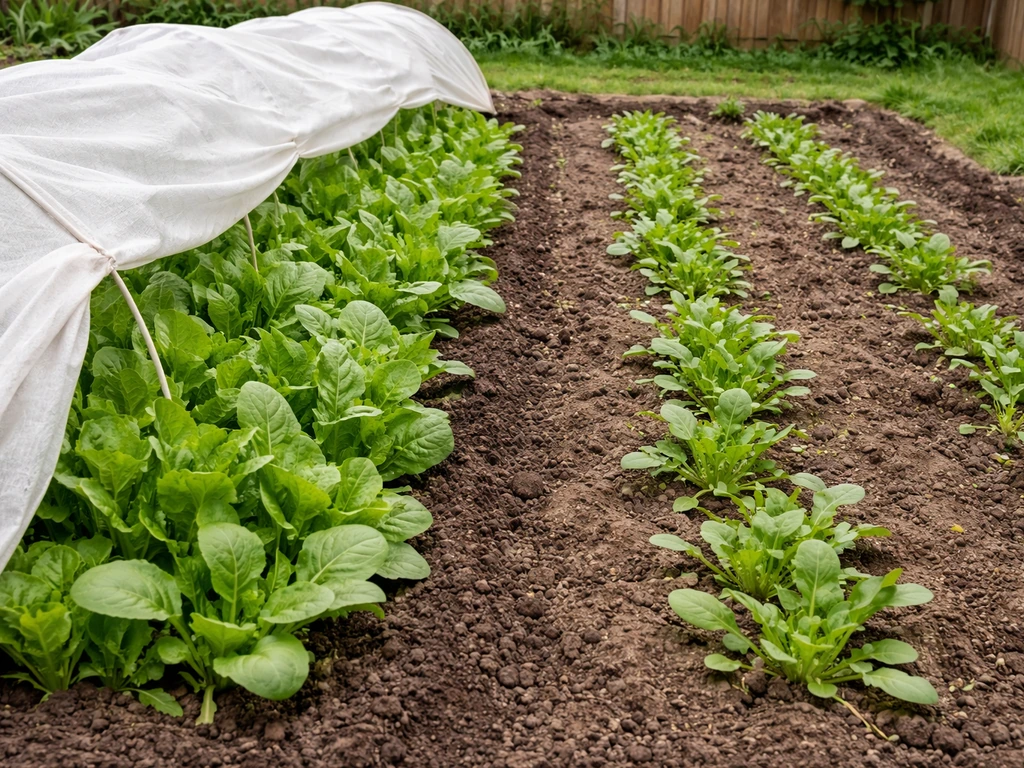
If you're in a temperate climate with cold winters (think the northern US, Canada, northern Europe, or elevated mountain regions), your fast-plant windows are spring and fall, what plant ecologists call the 'shoulder seasons.' In these windows, soil has warmed above freezing but hasn't hit summer heat. Spinach, arugula, leaf lettuce, radishes, peas, and calendula all thrive here. In northern continental climates, these windows can be short, sometimes only 6 to 8 weeks in spring before heat sets in. Picking a crop like radish (20 to 25 days) over lettuce (40 to 60 days) gives you a much better shot at a full harvest before conditions shift.
Warm-season and temperate summer climates
In warm temperate climates with long, frost-free summers (much of the mid-latitude US, Mediterranean Europe, southern Australia, or subtropical regions), the fast-plant window for warm-season crops like bush beans, summer squash, zinnia, and marigold is broad. You can sow from late spring through midsummer and still get a full cycle before frost. In truly subtropical or tropical climates with year-round warmth, many of these fast-growers can be planted in multiple successions across the year, though seasonality still influences performance in terms of rainfall, humidity, and day length.
Today's date and what to plant right now
Today is April 21, 2026. In most temperate northern hemisphere locations, you're currently in prime cool-season planting territory. Radishes, spinach, leaf lettuce, arugula, mustard greens, calendula, annual phlox, and nasturtiums are all excellent choices to put in the ground right now. In warmer regions (USDA zones 8 and above, or equivalent), you can also start beans and squash outdoors now, and zinnia and marigold seeds can go in as soil temps climb. In cooler zones (5 and below), start warm-season crops indoors now and plan to transplant in 4 to 6 weeks.
Soil, light, and water: the conditions that actually drive fast growth
Fast-growing plants respond dramatically to growing conditions. Give them what they need and they live up to their days-to-maturity labels. Shortchange them and they stall. Here's what actually moves the needle.
Soil: the foundation of fast germination
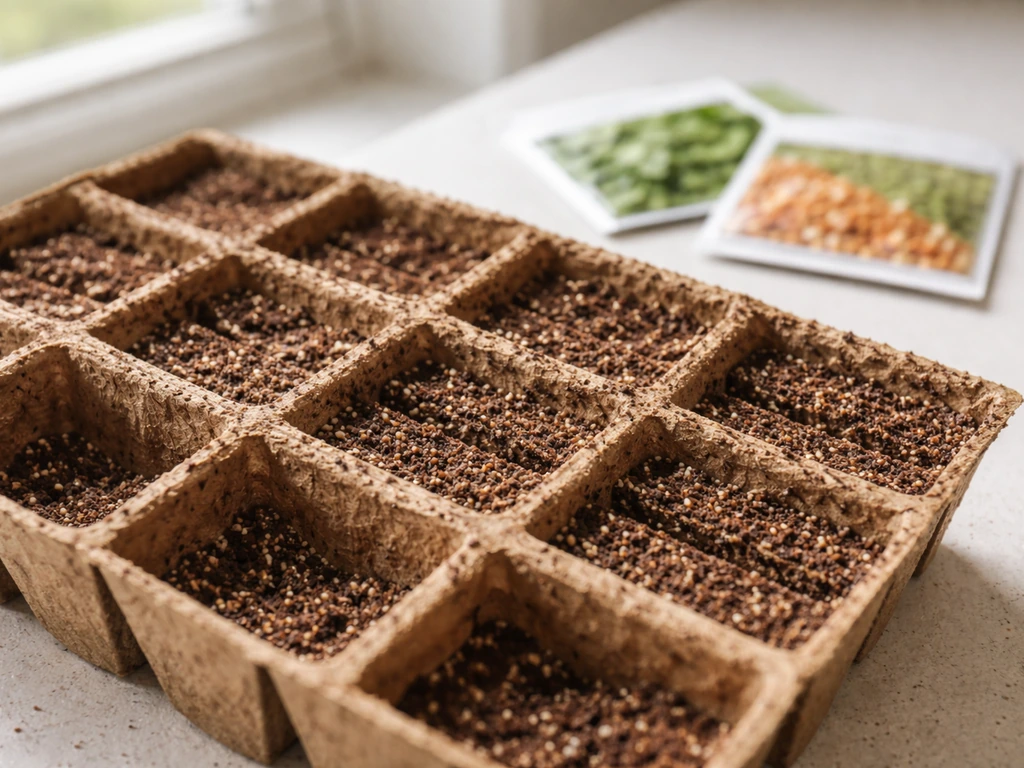
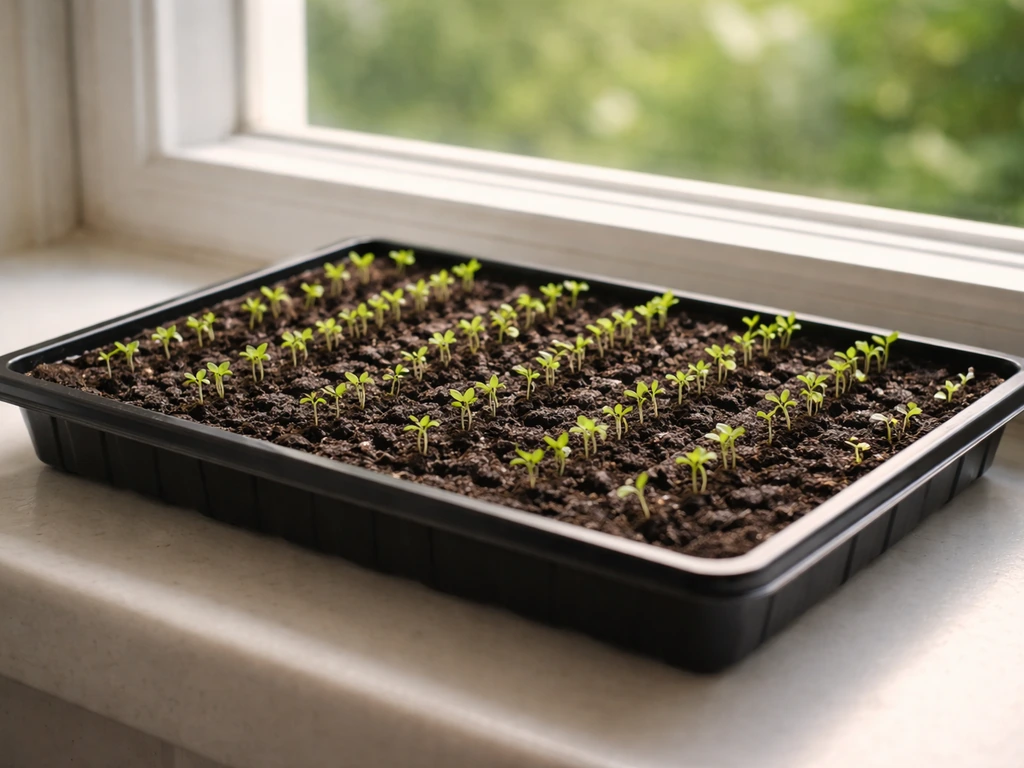
For starting seeds indoors, use a sterile, fine-textured soilless seed-starting mix rather than garden soil or potting mix. A good seed-starting mix is typically made from sphagnum peat moss, perlite, and vermiculite, with a pH around 6.2. This combination drains well, stays aerated, and doesn't compact around fragile emerging roots. For direct outdoor sowing, fast crops like radishes and lettuce want loose, well-draining soil with good organic matter. Compacted or waterlogged soil slows germination significantly, regardless of how fast-growing the variety is.
Light: non-negotiable for fast-season plants
Almost all of the fast-growing plants covered here are full-sun or high-light species. Zinnias, marigolds, squash, beans, radishes, and most herbs want at least 6 hours of direct sunlight daily. In low-light conditions, seedlings stretch and weaken (a process called etiolation) and growth slows dramatically. Leaf lettuce and spinach are among the few fast crops that tolerate partial shade, particularly in warm climates where afternoon shade actually helps prevent bolting.
RHS notes that dry soil, cold spells or changes in day length, and adverse weather can all contribute to bolting in many vegetables, including spinach and lettuce prevent bolting.
If you're starting seeds indoors, place trays in your sunniest south-facing window or use a grow light positioned 2 to 4 inches above the seedlings.
Water: consistent moisture without waterlogging
Water consistency matters more than volume. Fast-germinating seeds need the soil to stay evenly moist (not saturated) from sowing until germination. Misting the surface rather than heavy watering avoids disturbing seeds and prevents the soil from becoming waterlogged. Once seedlings are established, water thoroughly and then let the growing medium approach dryness before watering again. Keeping the surface constantly wet encourages damping-off, a fungal condition where seedlings rot at the soil line, effectively ending growth before it starts. Good airflow around seedlings, even a small oscillating fan indoors, makes a real difference in preventing this.
How to start fast-growing plants today
The choice between direct sowing outdoors and starting from transplants depends on your current conditions and how much time you want to shave off the waiting period.
Direct sowing: the fastest route for hardy crops
For radishes, spinach, arugula, mustard greens, leaf lettuce, nasturtiums, and calendula, direct sowing into the garden is actually faster than transplanting because these crops dislike root disturbance. Prepare a loose seedbed, sow seeds at a depth of roughly twice the width of the seed (a standard rule of thumb that works well across most small seeds), and water in gently. Keep the soil surface moist until germination, which typically takes 3 to 7 days for these crops in 50 to 65°F soil.
Starting from transplants: the edge for warm-season crops
For warm-season fast growers like squash, zucchini, beans, marigolds, and zinnias, starting transplants indoors 3 to 4 weeks before your last frost date compresses the outdoor timeline. Some plants that fit this profile and grow tall and narrow include certain quick herbs and flowering varieties trained to grow upward what plants grow tall and narrow. Squash started indoors and transplanted out when soil temps hit 65°F can begin producing fruit in 50 to 55 days from transplant. Just be careful not to start squash and zucchini too early indoors because they resent being root-bound and can actually slow down if they outgrow their cells before transplant time.
A practical sowing schedule for right now (April 21)
- Today outdoors (cool climates, zones 5–7): Sow radishes, spinach, arugula, leaf lettuce, peas, nasturtiums, and calendula directly into prepared beds.
- Today indoors (all zones): Start zinnia, marigold, basil, and summer squash in seed-starting trays for transplanting out in 3 to 4 weeks.
- In 2–3 weeks (when nights stay above 50°F): Transplant warm-season seedlings outdoors and direct-sow bush beans when soil temp reaches 60°F.
- Succession sow: Re-sow fast cool-season crops like radishes and lettuce every 2 weeks to extend harvest through spring.
Why your fast plants are stalling (and how to fix it)
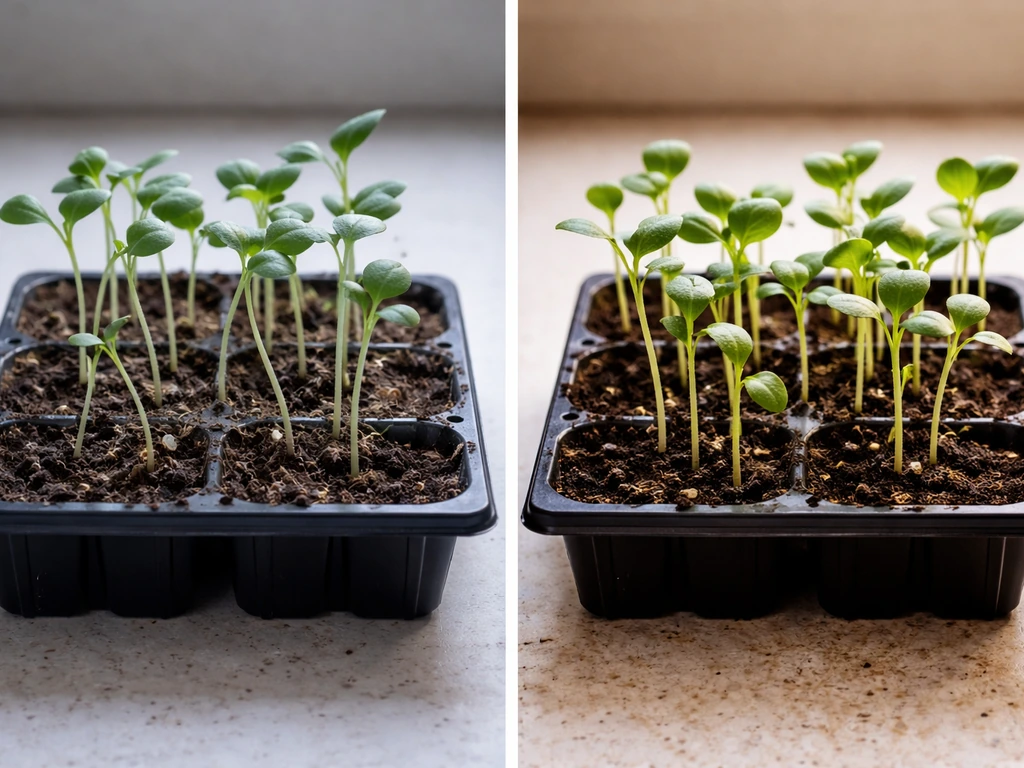
Fast-growing plants stall for predictable reasons. If you know the causes, the fixes are straightforward.
- Soil too cold: Most fast crops germinate poorly below 50°F and warm-season plants basically stop below 60°F. Check soil temp with a probe thermometer before sowing. If it's too cold, wait or use black plastic mulch to warm the bed.
- Wrong season for the plant type: Cool-season crops planted in summer heat will bolt almost immediately. Warm-season crops planted in cool spring soil will sit dormant and rot. Match the plant to the season first.
- Overwatering and damping-off: If seedlings emerge and then suddenly collapse at the soil line, damping-off is the culprit. It's caused by fungal pathogens that thrive in warm, moist conditions. Switch to a sterile seed-starting mix, reduce watering frequency, improve airflow, and don't let trays sit in standing water.
- Insufficient light: Seedlings that are leggy (tall, spindly, pale) are not getting enough light. Move them to a sunnier window or place grow lights closer. Outdoor transplants put in shady spots will always underperform compared to full-sun placement.
- Planting too deep: Seeds buried too deep exhaust their energy reserves before breaking the surface. Follow the depth-equals-twice-seed-width rule and resist the urge to push seeds deep 'for security.'
- Compacted or waterlogged soil outdoors: Roots can't penetrate compacted soil quickly. Loosen beds to at least 6 inches before sowing and improve drainage with compost if the soil holds water after rain.
- Starting the wrong variety: 'Days to maturity' varies significantly even within a species. A 'Cherry Belle' radish matures in 22 days while a 'Daikon' takes 60. Check variety-specific days on the packet, not just the general crop category.
Fast plants reward preparation more than attention after the fact. Get the soil temperature right, match the plant to your current season and climate, sow at the correct depth with consistent moisture, and you'll almost always see the results the seed packet promises. plants that do not grow flowers.
Start with radishes, spinach, or nasturtiums this week if you want visible progress within days, and layer in the warm-season crops like squash and zinnias as your soil warms through May. If you prefer compact gardening, focus on plants that do not grow tall so they stay manageable without staking. If you want to keep height under control, compare these with plants that do not grow very tall for a more manageable garden.
If you also want plants that grow tall and fast, choose varieties suited to your season and growing conditions fast plants. Some options that grow tall and narrow can also work well if you match the variety to your light and temperature. If you want a quick start, look at the specific options that what plants grow quickly lists for your season. That's the most direct path from today to a harvest or a bloom.
FAQ
How can I tell from a seed packet whether “fast” means quick to sprout, quick to harvest, or quick to bloom?
Check whether the packet lists germination days (seed to first sprout), days to harvest (direct sow or transplant to edible yield), or days to bloom (seed to first open flower). These are different timelines, so “fast” on one clock may still mean a slower result on another.
What should I do if my fast-growing seeds take longer than the days listed?
First verify soil temperature matches the plant, because many “fast” species only speed up when warmth is within range. Next confirm depth (too deep is a common cause), and keep moisture evenly moist until germination, not wet or bone-dry.
Is it better to direct sow or start indoors for the fastest results?
Direct sow is usually faster for crops that dislike root disturbance (like radishes, spinach, arugula, mustard greens, leaf lettuce, nasturtiums, and calendula). Start transplants indoors mainly for warm-season crops (squash, zucchini, beans, zinnias, marigolds) so you can gain weeks before outdoor conditions are ready.
Why do some fast plants bolt even when they sprout quickly?
Bolting is often triggered by heat and long day conditions in cool-season greens like spinach and lettuce. To reduce risk, plant during the cooler shoulder seasons, use afternoon shade where summers heat up, and harvest frequently instead of waiting for full-size heads.
How often should I water to keep fast-growing seeds from rotting or failing to germinate?
Keep the surface consistently moist but not saturated from sowing until sprouts appear. After seedlings establish, water thoroughly and then let the growing medium or bed approach light dryness before watering again. Constant wetness increases damping-off risk.
Can I speed things up by soaking seeds or using heat mats?
Soaking can help some seeds germinate more evenly, but it does not replace correct soil temperature. Heat mats can improve sprouting for indoor starts if you control temperature and ventilation to prevent overly warm, damp conditions that encourage fungal issues.
Do fast-growing plants need fertilizer, or will they grow quickly with minimal feeding?
Many fast crops grow well with moderate fertility, but growth and harvest quality can drop if soil is very low in nutrients. For leafy greens, a light, balanced feed can help, but avoid heavy nitrogen that can increase soft growth and reduce resilience.
How do I avoid spacing mistakes that make fast plants compete and stall?
Follow the spacing on the seed packet, even if plants look small at first. Fast growers can quickly crowd each other, reducing airflow and light, which leads to weak seedlings, uneven growth, and sometimes earlier bolting in greens.
What’s the fastest way to get repeated harvests from one planting?
Use “cut-and-come-again” harvesting where applicable (arugula and some leaf lettuces). Snip outer leaves regularly, avoid cutting into the crown, and keep the bed consistently watered so the plant can produce another flush.
Can I plant fast flowers and still expect them to bloom quickly in cooler weather?
Many fast annual flowers need warmth, especially for reliable blooms. If nights are cool, calendula tolerates cooler conditions better than zinnia or marigold, and protecting seedlings until temperatures rise can prevent slow, leggy growth.
What are common mistakes that make fast plants look like they are “not working”?
The usual culprits are planting at the wrong time for your climate, sowing too deep, keeping soil too wet before germination, insufficient light, and transplanting root-sensitive crops. Any one of these can erase the advantage of a short days-to-harvest variety.
How should I choose fast plants if I have a short spring or early summer heat wave?
Pick the shortest days-to-harvest options for cool seasons (for example radish over lettuce), and plan for succession so you harvest before peak heat arrives. In regions with very short shoulder seasons, you may need staggered sowings rather than a single planting.