The first plants to grow after a fire are called pioneer species, and in fire ecology specifically, many of them are also known as early successional plants or fire followers. Plants that grow naturally are called pioneer species in fire ecology. These are the opportunists: plants that either survived the fire underground or arrive fast from nearby seed sources, and they move in before anything else can compete. The term you'll most often see in textbooks and field guides is pioneer species, but depending on the ecosystem you're looking at, you might also hear early colonizers, pyrophytes (plants actually adapted to fire), or simply fire followers, which is the term the National Park Service uses for certain chaparral annuals and perennials that essentially need fire to bloom well. Plants that grow on dead and decaying matter are called saprophytes, and they play an important role in decomposition.
The first plants to grow after a fire are called pioneer species
Why pioneers show up first
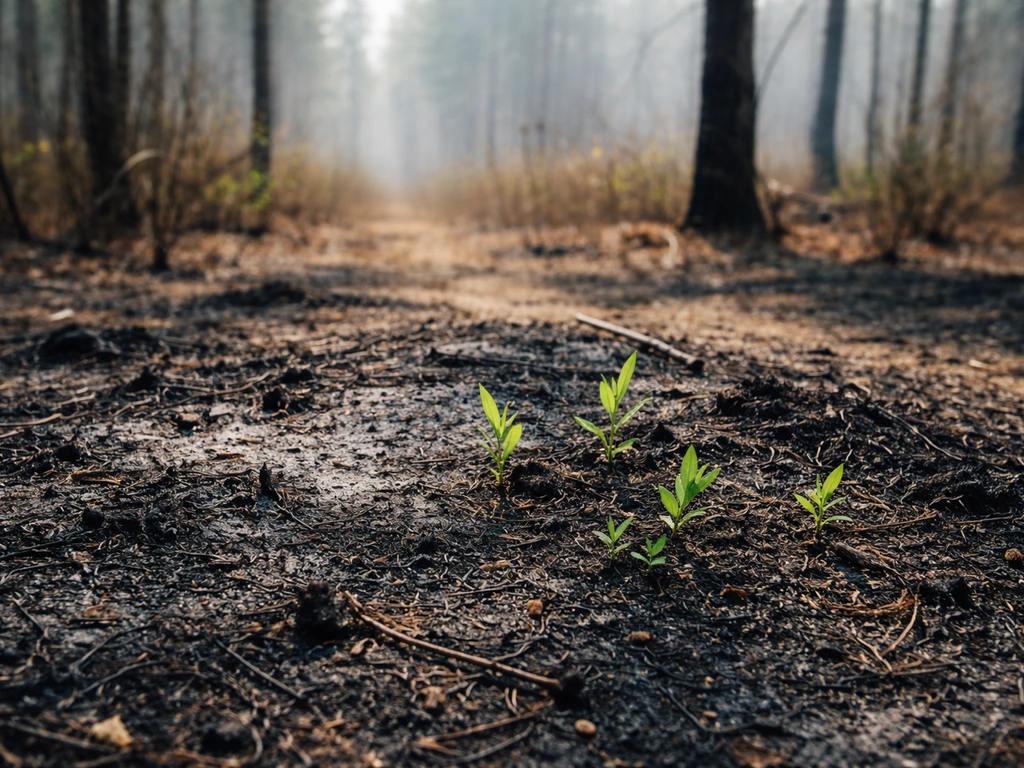
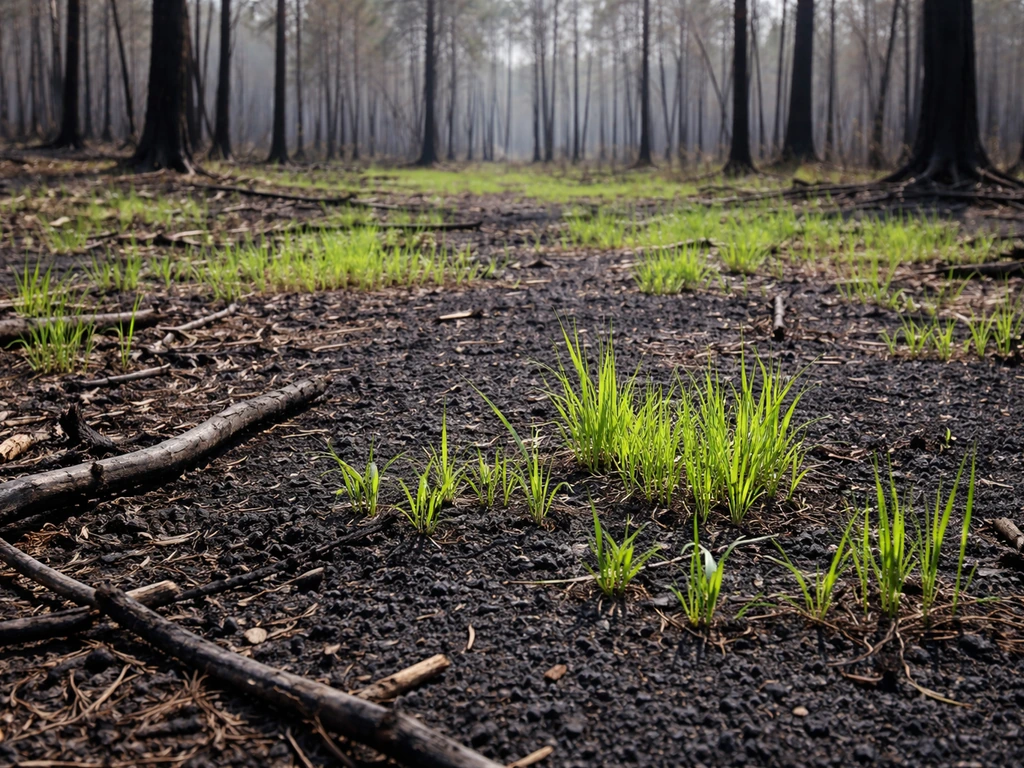
Fire is a disturbance, and disturbance is an opportunity. When a fire burns through an area, it removes the existing plant canopy and with it the main competitive pressures: shade, root competition, and the thick duff layers that block seeds from reaching mineral soil. What's left behind is bare ground, an ash layer rich in potassium and calcium, and suddenly abundant sunlight hitting the soil surface. For plants already adapted to take advantage of exactly those conditions, a burned landscape is almost perfect habitat.
There are two main pathways pioneer plants use to get there first. The first is the soil seed bank: seeds already sitting in the ground, sometimes for decades, waiting for the right trigger. In chaparral ecosystems, manzanita seeds can sit dormant until fire heat scarifies (cracks open) the seed coat, allowing germination. No fire, no germination at any meaningful scale. The second pathway is dispersal from off-site: lightweight seeds like fireweed's parachute-tipped seeds blow onto a burn from surrounding vegetation within days of the fire dying down. Fire ecology also emphasizes how post-fire seedbank dynamics depend on conditions at the soil-air interface, including temperature and moisture, which helps explain why different pioneers emerge when and where they do blank" rel="noopener noreferrer">fireweed's parachute-tipped seeds. Both strategies are fast, which is why pioneer plants are on the ground and growing while the ash is still fresh.
When and where to expect them
Timing depends heavily on two things: how severe the fire was, and when rain arrives after it. A low-severity surface fire that scorches grass and light shrubs but leaves the soil seed bank mostly intact will see resprouting within weeks, sometimes days, as long as there's moisture. A high-severity crown fire that bakes the soil can wipe out the seed bank entirely and slow the pioneer window considerably. The USFS has tracked vegetation recovery after large fires using satellite data, and even at five years post-fire, vegetation cover only recovers to roughly 30 to 44 percent of pre-fire levels on average. Early pioneer activity is real and visible, but full community recovery takes much longer.
Seasonality matters a lot. In Mediterranean climates like California's chaparral, early post-fire annuals germinate when the first winter rains arrive after the burn. That's the window. If you're visiting a burned chaparral hillside in October after a summer fire, you might see bare ash. Come back in February after the rains, and you'll find a carpet of fire followers like wild heliotrope and mariposa lily. In temperate forests and grasslands, grasses often resprout in the first spring after a fire because their roots survive underground even when the aboveground stems are completely destroyed. Fireweed can appear in the first growing season after a burn in boreal and temperate forests, spreading in on wind from the edges.
What pioneer plants look like by environment
Pioneer species aren't one type of plant. What shows up first varies dramatically by ecosystem, and knowing your environment is the key to knowing what to expect. Here's a breakdown of the patterns I've seen and what the research consistently shows:
Temperate forests
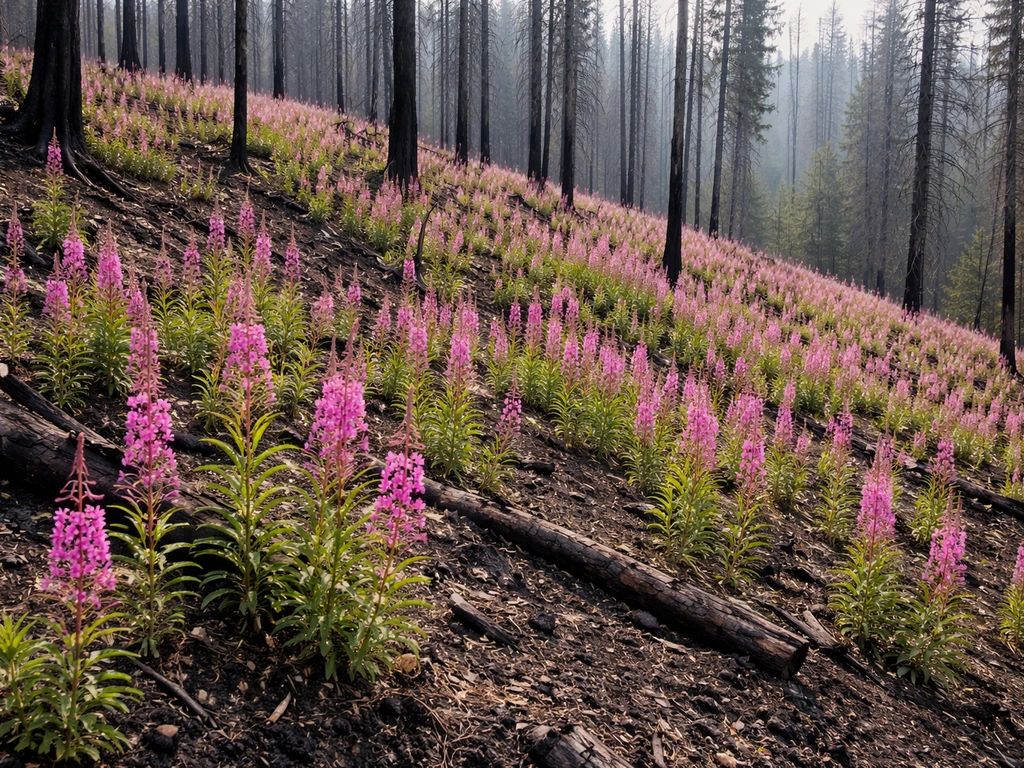
In open temperate and montane forests, fireweed (Chamerion angustifolium) is the iconic pioneer. It establishes from wind-blown seeds and can turn a burned hillside magenta-pink within a single summer. Grasses and sedges resprout from surviving rhizomes almost immediately, and short-lived forbs (broad-leaved herbaceous plants) flush in the first year. USFS research tracking recovery after the 2002 Hayman Fire found that short-lived forbs peaked in year one, longer-lived forbs surged between years two and three, and graminoids (grasses and sedges) kept increasing steadily through year ten. That layered timeline is typical.
Mediterranean and chaparral
Chaparral is where fire ecology gets most interesting, partly because so many of its plants have evolved to depend on fire rather than just tolerate it. The NPS categorizes chaparral regenerators into three groups: obligate seeders (plants that only come back from seed, not from surviving roots), obligate sprouters (plants that resprout from root burls or crowns but don't produce post-fire seedlings), and facultative sprouters (plants that can do both). Manzanita is a classic obligate seeder in many chaparral settings: its seeds need fire heat to germinate, and mature plants actually have flammable characteristics that help ensure fire moves through the stand and triggers the next generation. Fire followers like wild heliotrope and mariposa lily are short-lived annuals and perennials that appear specifically in the first few post-fire winters and springs, bloom prolifically, then fade as the shrub layer closes back in over five to ten years.
Grasslands and shrublands
In grasslands and Great Basin shrublands, native bunchgrasses like Indian rice grass are often the first plants visibly recovering, resprouting from protected root crowns within weeks if moisture allows. This is ecologically important because bare post-fire soil in arid shrublands is also prime habitat for invasive annual grasses, particularly cheatgrass (Bromus tectorum). Cheatgrass can establish in the first post-fire year, produce seed quickly, and if precipitation is low in that critical first season after the fire, it tends to dominate. This is one of the main reasons post-fire management in Great Basin systems focuses heavily on native grass seeding in that early window: you're essentially racing cheatgrass for the pioneer slot.
How to identify early post-fire plants when you're in the field
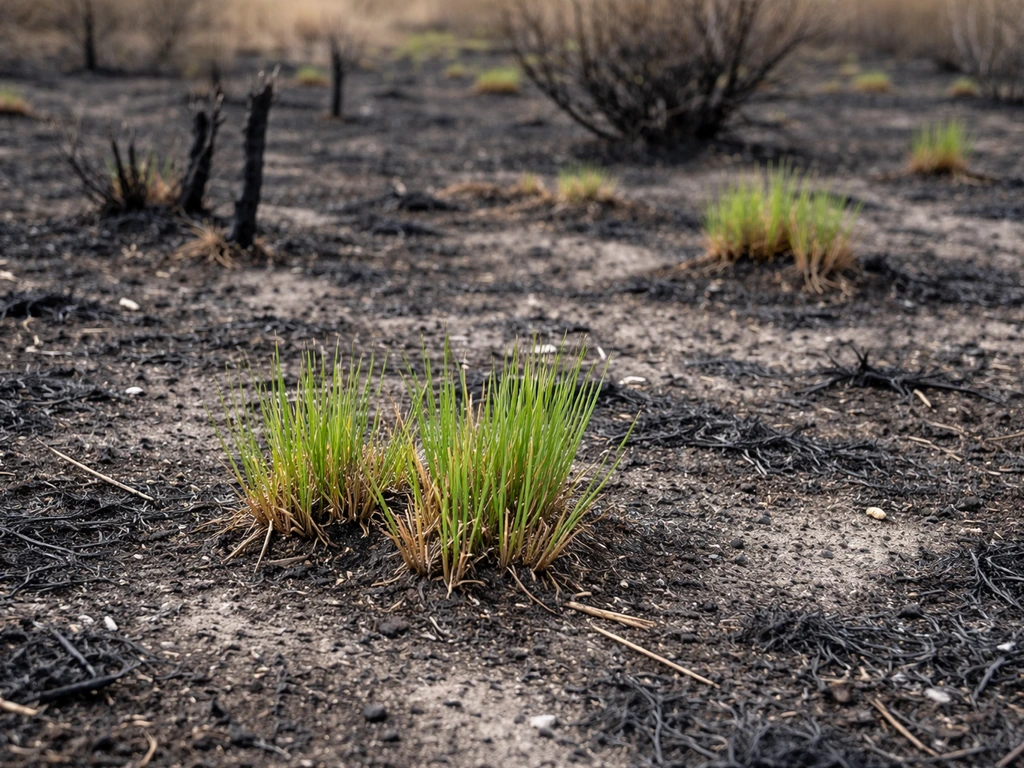
If you're visiting a burned area and want to figure out what you're looking at, the first thing to establish is time since fire and burn severity. These two variables narrow the field enormously. A site burned six months ago in a high-severity crown fire will look very different from a site burned two years ago in a patchy low-severity surface fire. Here's what to look for on the ground:
- Ash and char color: White ash indicates hotter, more complete combustion. Black char with surviving woody structure usually means lower severity. Higher severity generally means slower recovery and more seeder-dependent pioneer communities.
- Resprouting at the base: Look for green shoots emerging from the base of dead-looking shrubs or from root crowns at ground level. This is obligate or facultative sprouting, and it's one of the fastest recovery signals you'll see.
- Seedling carpets: Dense, even carpets of small seedlings across open ground usually indicate a seed bank flush. In chaparral, this is often manzanita or ceanothus. In forests, it might be pine seedlings, fireweed, or various forbs.
- Bare mineral soil patches: Where topsoil has been burned away, you'll often see first-year annuals establishing. These are classic pioneer seeders responding to exposed mineral seedbed.
- Proximity to unburned edges: Plants near the unburned perimeter of a fire often establish from seeds dispersed from surviving vegetation just outside the burn. High pioneer diversity near edges, lower diversity and more bare ground in the interior of large high-severity burns.
- Season: If you're visiting in the first winter or spring after a summer fire, look for germinating annuals. If you're there in summer of the second or third year, expect longer-lived forbs and the beginning of shrub recruitment.
Always prioritize safety when visiting burned areas. Burned slopes are unstable, especially after rain, and standing dead trees (snags) can fall without warning. The USFS Burned Area Emergency Response (BAER) program is active after major fires specifically because burned landscapes present genuine hazards. If an area has restricted access post-fire, respect it.
How to find the specific pioneer species for your region
Once you understand the general pattern, the practical question becomes: which specific plants are the pioneer species in my area? This is where climate zone, soil type, and habitat matter. Here's how to narrow it down:
- Start with your biome and fire regime. Chaparral, temperate conifer forest, boreal forest, oak savanna, and Great Basin shrubland each have distinct pioneer plant communities. Knowing which biome you're in tells you which functional groups to expect first.
- Check LANDFIRE's Succession Classes (SClass) data for your area. LANDFIRE maps current vegetation conditions and successional states by biophysical setting, and you can use it to understand what early post-fire successional communities look like in your specific region. It's free and covers the continental US.
- Use local herbarium and native plant society resources. The California Native Plant Society publishes a fire recovery guide that lists expected fire followers by region and soil type. Similar resources exist for the Pacific Northwest, Rocky Mountains, and Southeast through regional native plant societies.
- Filter by soil type and elevation. Post-fire pioneer communities shift significantly with soil texture and elevation. Sandy, well-drained soils in low-elevation chaparral behave differently from clay-heavy montane soils. When consulting regional guides, use soil type as a filter alongside climate zone.
- Note the burn season and first post-fire precipitation window. A fire that burns in early summer gives seeds an entire hot, dry period before the germination season. A fire that burns in fall right before winter rains may see pioneer germination almost immediately. Match the timing to your region's wet season.
- Cross-reference with what you see resprouting versus seeding. If you observe both resprouting shrubs and carpets of small unfamiliar seedlings, you're likely seeing a mixed community of obligate sprouters (already present pre-fire) and obligate or facultative seeders (from the soil seed bank or dispersal). Separate those two categories in your notes, then use regional flora keys to identify each group.
Pioneer species vs. later successional plants: the bigger picture
Pioneer species are defined partly by what comes after them. They establish in high-light, low-competition conditions and often disappear within a few years as shrubs and trees close back in and shade them out. That process, where pioneer communities give way to progressively more complex ones over time, is called ecological succession. In LANDFIRE, succession classes categorize current vegetation composition and structure into up to five successional classes, which are defined in the appropriate biophysical settings model blank" rel="noopener noreferrer">succession classes categorize current vegetation composition/structure into up to five successional classes. The pioneer stage is just the first chapter. Research in chaparral shows that sites burned within the last five years tend to support fewer species overall and are dominated by generalists. By the mid-successional stage, ten to twenty years post-fire, specialist species and greater biodiversity return. So while the pioneer flush can be visually dramatic, with whole hillsides blooming in fire followers, the ecological richness is still building.
If you're exploring the broader question of what plants grow through different stages after a fire, or you're interested in how pioneer dynamics compare to primary succession on completely new substrates, both of those threads connect directly to the biology of how plants colonize disturbed ground. If you're comparing pioneer plants (the first post-fire colonizers) with what grows later, you can also follow the guide to what plants grow after a fire across stages. In primary succession, the first plants to grow similarly begin by establishing on newly exposed surfaces with limited competition. The mechanisms overlap: plants that grow on bare mineral soil after a fire share traits with plants that colonize newly exposed rock or landslide scars. Understanding pioneer ecology in one context helps decode it in others.
| Ecosystem | Typical first pioneer type | Main establishment mechanism | Approximate first appearance |
|---|---|---|---|
| Chaparral | Annual fire followers, obligate seeder shrubs (manzanita, ceanothus) | Soil seed bank triggered by fire heat | First winter/spring rains after fire |
| Temperate conifer forest | Fireweed, short-lived forbs, grasses | Wind-dispersed seeds, surviving rhizomes | First growing season post-fire |
| Boreal forest | Fireweed, mosses, pioneering conifers | Wind dispersal from unburned edges | First growing season post-fire |
| Great Basin shrubland | Native bunchgrasses, annual forbs, (invasive: cheatgrass) | Resprouting root crowns, soil seed bank | First spring after fire if moisture allows |
| Temperate grassland | Native grasses (Indian rice grass and similar) | Resprouting from protected root crowns | Within weeks of fire if conditions are right |
FAQ
Are the first plants to grow after a fire always the same as “fire followers”?
Not always. “Pioneer species” is the broad fire-ecology term for early colonizers. “Fire followers” is a narrower label for certain post-fire plants that show up in the first few winters or springs, then fade as later shrubs and trees recover. Some pioneers are fire-adapted specialists, others are simply fast seeders or resprouters.
Can pioneer plants come from the same plants that were already on site before the fire?
Yes. Many pioneers are resprouters that survived the fire underground, for example grasses with surviving roots or shrubs with crowns or burls. Others are new arrivals from nearby seed sources. The mix depends on burn severity and the local seed and root survival patterns.
If a fire is recent but the ground looks bare, does that mean no pioneer plants are present?
It can mean the pioneers are not germinating yet. Timing is strongly tied to rain and the heat severity that set back or killed the seed bank. In dry conditions, seeds may remain dormant or growth may be delayed even though the first window for germination has passed.
How does burn severity affect which pioneer plants I’ll see?
Low-severity burns often keep more viable soil seeds, so resprouting and early annual germination can be rapid. High-severity fires can destroy or bake the seed bank, shifting the earliest plants toward off-site dispersers and making overall recovery slower. The “which species” question is inseparable from how much of the seed and root infrastructure survived.
Why might manzanita and other obligate seeders not appear right after a fire even when surrounding plants do?
Obligate seeders depend on specific fire cues, such as heat that scarifies or cracks the seed coat. If the fire heat did not reach the seed depth effectively, or if the timing of rain is off, germination can be minimal, even though other plants resprout immediately.
Do pioneer plants always disappear quickly after the first flush?
Many do decline as shade and competition return, but “pioneer stage” length varies by ecosystem. In some systems, you may see pioneer annuals fade within a few years, while longer-lived pioneers can persist longer. Recovery is often gradual, even if flowering looks dramatic early on.
Are grasses always among the first plants after fire?
They are often early, especially where rhizomes or root crowns survive, but it depends on ecosystem, season, and moisture. In arid shrublands, bunchgrasses can rebound quickly, while in other settings the earliest visible growth may be forbs, shrubs, or wind-dispersed forbs instead.
How can invasive species affect pioneer plant communities?
In some regions, invasive annual grasses can occupy the same early “open slot” that natives use. The biggest risk window is often the first post-fire growing season, when establishment is fastest and native recovery is racing incoming invasives. Management strategies often focus on that timing.
What should I do if I want to identify pioneer plants at a burned site?
Start with two field facts: time since fire and burn severity. Then note the season and whether there has been recent rain. Those three variables usually narrow the candidate pioneers more than looking at plant traits alone.
Are pioneer species the same as plants involved in decomposition after a fire?
No. Saprophytes are associated with decomposing dead and decaying material, while pioneer species focus on establishing in the newly open habitat after disturbance. Both can be active early, but they play different ecological roles.