
Sensitive plants (Mimosa pudica) grow naturally across tropical and subtropical America, from Mexico down through Central America and into South America, plus the Caribbean. They need warm temperatures year-round (ideally above 15°C at all times), strong direct light, moderate but consistent moisture, and well-draining soil. Outside that native range, you'll only find them growing naturally where the climate has allowed them to naturalize, which now includes large parts of tropical Asia, Africa, and Australia. Anywhere else, you're looking at container growing or a summer-only outdoor season.
Where Do Sensitive Plants Grow? Mimosa Pudica Habitats

Dr. Marcus Weatherby
13 May 2026
What 'sensitive plant' usually means, and where confusion comes from
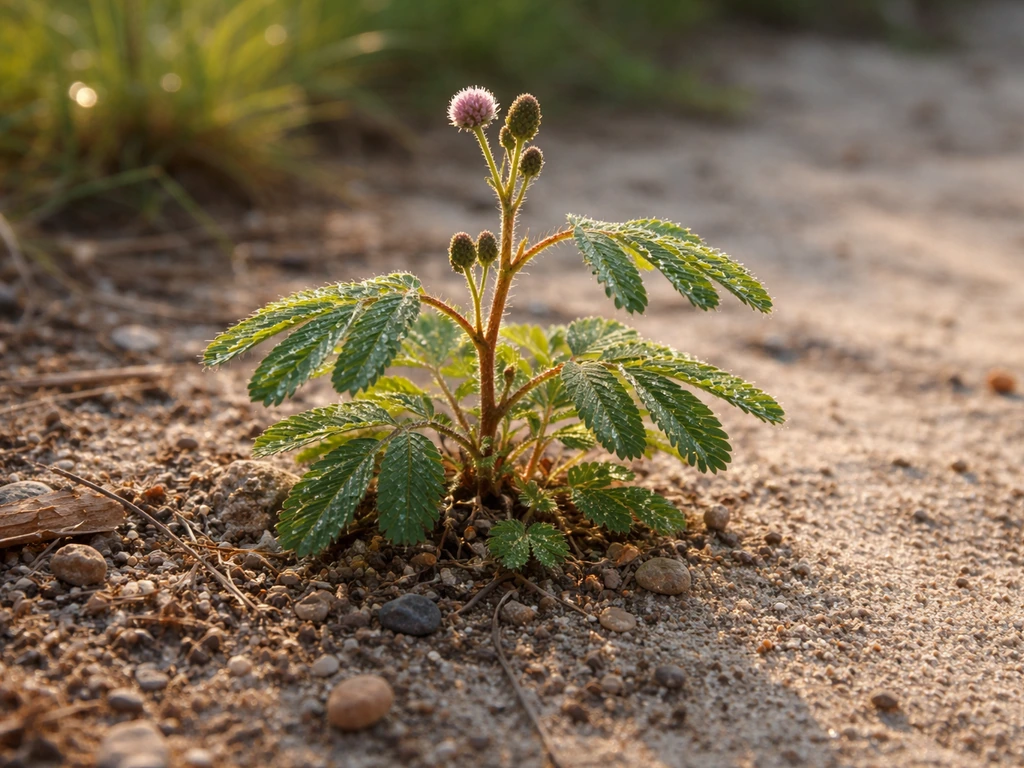
When people say 'sensitive plant,' they almost always mean Mimosa pudica, the species whose leaflets snap shut within seconds of being touched. A peer-reviewed study in Plant Physiology reports Mimosa pudica leaflet closure as rapid and touch-dependent, and used controlled germination and seed-handling growth conditions including 12-h/12-h light/dark cycles and day/night temperature cycles (27°C/20°C) leaflets snap shut within seconds of being touched. That folding is caused by rapid water release from specialized cells at the base of each leaflet and leaf stalk, a mechanism called thigmonasty. The leaves reopen on their own within several minutes once the stimulus passes. That rapid fold-and-recover behavior is your clearest field identification clue.
The confusion usually comes from two close relatives. Mimosa pigra (giant sensitive tree) also produces pink globular flower heads and has prickles, but it grows much taller and has a woodier, shrubby form with prickles specifically at the petiole and rachis junctions. Mimosa diplotricha var. diplotricha (giant sensitive plant) looks similar at first glance and shows up in many of the same disturbed habitats. Neither of those is what most people are looking for when they search for a sensitive plant to grow. A third source of confusion is blank" rel="noopener noreferrer">Neptunia oleracea, sometimes called water mimosa or sensitive neptunia, which is an aquatic species that forms floating mats on water surfaces. Its leaves are also touch-sensitive but it lives in a completely different microhabitat. Checking whether your plant is a small, ground-level herb with bipinnate leaves (10 to 26 pairs of leaflets per pinna, each leaflet 6 to 15 mm long) and a slightly prickly stem will confirm you have Mimosa pudica.
Native range and the global climate where it actually grows

Mimosa pudica is native to the region spanning Mexico through tropical America, including South and Central America and the Caribbean. The climate it evolved in is classified as tropical wet (Ar) and tropical wet-and-dry (Aw) using the Köppen system. In practical terms, that means a place that is warm every month of the year, with a pronounced wet season driving most active growth and a dry season that may slow it but doesn't kill it with frost. Mean temperatures in its core habitat rarely drop below 18°C even at night.
Today, because it spreads so aggressively, Mimosa pudica has naturalized pantropically and is recorded across much of South and Southeast Asia, sub-Saharan Africa, South Asia including India and Sri Lanka, and northern Australia. Rubber plants (which are often discussed alongside sensitive plants) also tend to thrive in warm regions that match their native habitat rubber plants grow naturally in which region. In all these places it occupies the same ecological role: a warm-season, disturbed-ground colonizer. If you're in any of those regions, finding it in the wild is genuinely easy. If you're in a temperate zone, the plant you see in a pot at a nursery is being kept alive artificially.
Typical habitat: disturbed ground is where this plant thrives
Mimosa pudica is not a deep-forest plant. It's a gap and edge specialist that thrives wherever the ground has been opened up. In its native and naturalized range, you'll find it most reliably along roadsides, in heavily grazed or degraded pastures, in the margins of plantation crops, on vacant lots, in parks and lawns, and along the edges of cultivated land. If you're wondering where do C4 plants grow specifically, the location and climate requirements are quite different from Mimosa pudica. Essentially, anywhere that human activity or natural disturbance has removed competing vegetation and exposed bare or compacted soil.
This is a useful ecological clue if you're trying to find it locally in a tropical region. Don't look in dense shade or healthy forest. Walk the edges: fence lines, the shoulders of unpaved roads, areas where cattle have overgrazed, or the margins between a mowed lawn and a scrubby field. That's where Mimosa pudica shows up consistently, often in large patches.
Microhabitats worth knowing
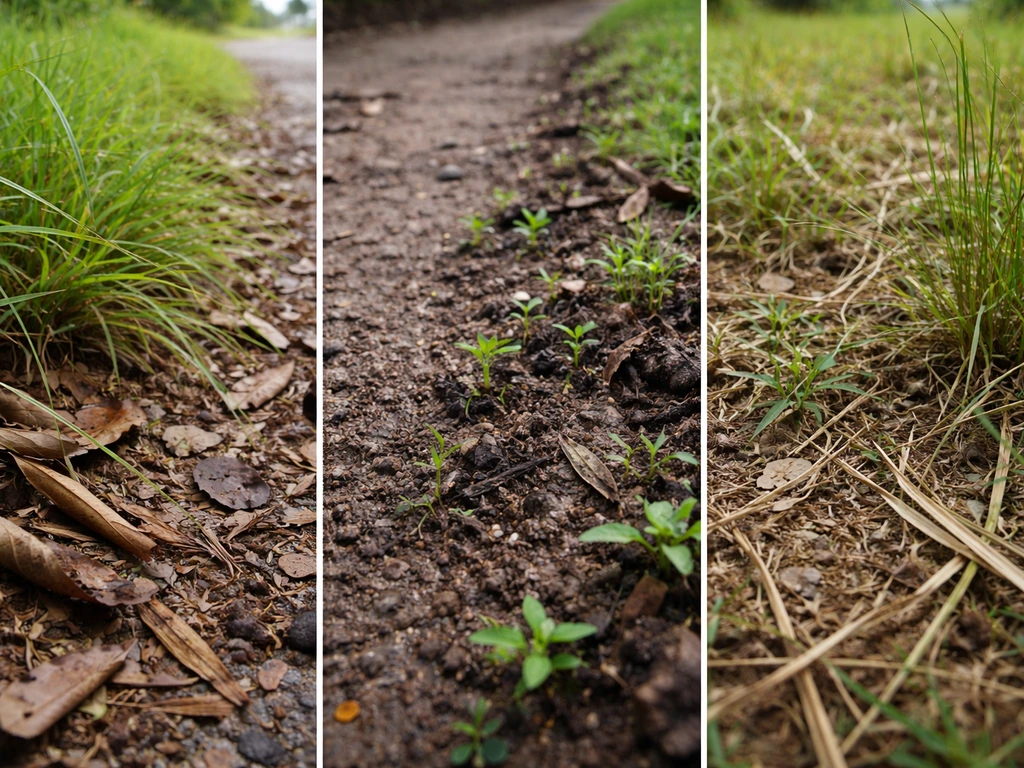
- Roadside verges and unpaved track edges in tropical lowlands
- Overgrazed or degraded pasture where grass cover is broken
- Field margins and edges of plantation crops (common in tropical Asia and Africa)
- Disturbed lawns, parks, and vacant urban lots in warm climates
- Waste ground in coastal tropical areas where soil has been churned
Light, temperature, moisture, and seasonality
Light is non-negotiable for Mimosa pudica. It wants full sun, at least 6 hours of direct sunlight a day. In shadier conditions it will still survive but grows leggy and produces fewer flowers. As a short-day plant (flowering triggered by photoperiods under 12 hours), it tends to flower and set seed in the seasons when day length shortens, which in tropical regions corresponds to late wet season into early dry season.
Temperature is the main limiting factor for most readers. Mimosa pudica does not tolerate frost. Growth slows noticeably below 15°C and plants are killed by temperatures at or near freezing. The RHS flags 13°C as the minimum safe indoor temperature for overwintering. In its natural habitat, the range stays warm year-round, and the plant behaves more like a short-lived perennial. Outside the tropics, where temperatures drop seasonally, it effectively becomes an annual because the cold kills it before it can persist.
Moisture requirements match the wet-dry tropical pattern. During its active growing season it wants consistent moisture, but it absolutely does not want waterlogged conditions for extended periods. The FAO ECOCROP data notes it can tolerate temporarily saturated soil, but root rot is a real risk if drainage is poor over time. In its native range, monsoon-season rains drive rapid growth, while the dry season forces the plant to slow down and conserve. Mimicking this pattern, even loosely, gives much better results than keeping it constantly wet.
Soil and drainage: what the ground actually needs to look like
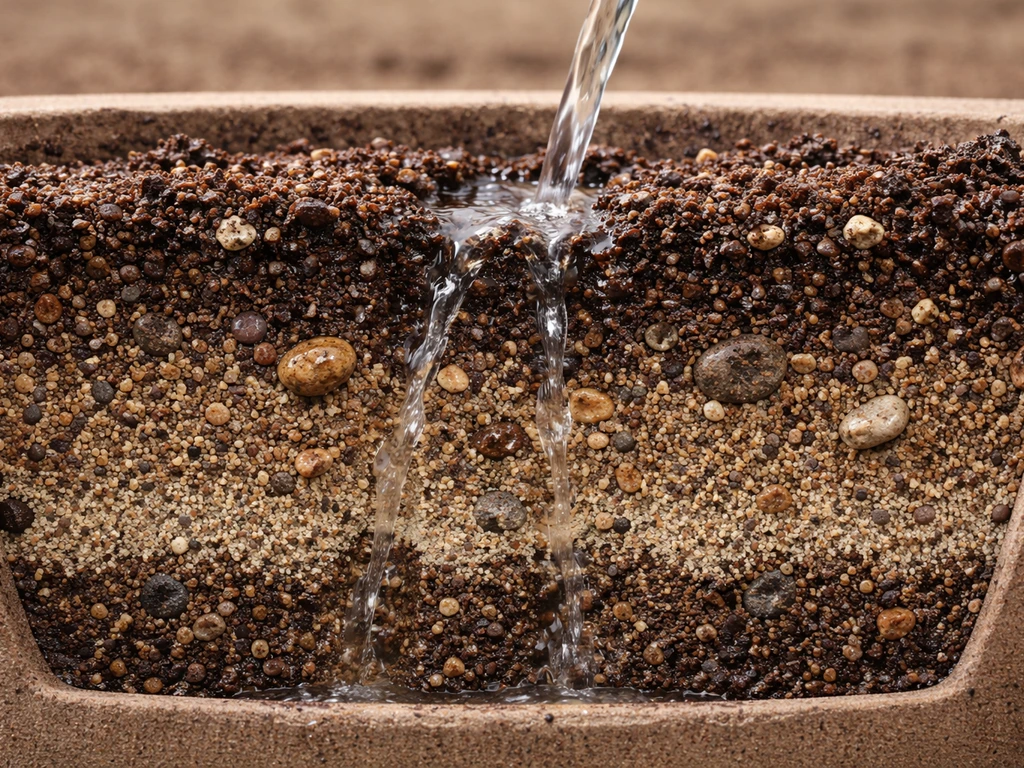
Mimosa pudica is tolerant of a fairly wide pH range, approximately 5.0 to 7.5, meaning it can handle mildly acidic to slightly alkaline soils. In the wild, it consistently colonizes soils that have been disturbed and are often thin, low in organic matter, and somewhat compacted. It does not need rich, fertile soil and often outcompetes other plants precisely because it can establish in poor conditions.
The key soil requirement is drainage. The plant needs a substrate that allows excess water to move through after rain rather than sitting saturated. In containers, a standard well-draining potting mix with added perlite works well. In the ground in tropical regions, sandy loam or loamy soils with natural drainage are ideal. Heavy clay that stays wet is the main soil type to avoid, as prolonged saturation promotes root rot even when surface conditions look fine.
How to find sensitive plants locally
Check your climate zone first
Before heading out to look, confirm your location sits within the right temperature window. If your average coldest month is above 15°C, you're in territory where Mimosa pudica can grow outdoors year-round. If you experience frost at any point, the plant will not persist outside without intervention. USDA zone 10 and above (or equivalent tropical/subtropical ratings in other systems) is the practical cutoff for outdoor naturalization.
Where to look in the field
In tropical and subtropical regions, walk disturbed ground rather than natural vegetation. Roadsides in rural tropical areas are often your best starting point. Look for a low-growing, spreading herb with feathery bipinnate leaves that fold instantly when brushed. The stems have small scattered prickles. Flower heads are small, pink, and globular, roughly 1 cm across. Touch a leaf: if the leaflets close within two to three seconds and the petiole droops, you have Mimosa pudica.
Where to source plants and seeds
- Nurseries and garden centers with tropical or houseplant sections (often sold as a novelty plant)
- Online seed suppliers, as seeds are widely available and relatively inexpensive
- Botanical garden plant sales or conservatories in temperate regions
- Tropical regions: roadside collection from naturalized populations (check local regulations first)
Growing outside the native range: containers, indoors, and summer strategies
If you're in a temperate climate, growing Mimosa pudica is entirely doable but requires treating it as an annual or a houseplant. The RHS recommends it can go outside in summer when temperatures reliably stay above 10°C, but it must come back inside before any risk of frost. Indoors, keep temperatures above 13°C at all times, give it the sunniest window available or supplement with a grow light, and water consistently while never letting the pot sit in standing water.
Germination is straightforward once you break the seed's physical dormancy. Seeds have a hard coat that prevents water uptake, so scarifying them lightly (nicking with sandpaper or soaking in warm water around 30°C for 24 to 48 hours) dramatically improves germination rates. Growth cycles run roughly 60 to 120 days from germination to maturity, so starting seeds indoors about 8 weeks before your last frost date gives you a plant ready to go outside at the right moment.
Common problems and quick fixes
| Problem | Likely cause | What to do |
|---|---|---|
| Seeds won't germinate | Hard seed coat blocking water uptake | Scarify seeds or soak in 30°C water for 48 hours before sowing |
| Plant won't fold its leaves (no thigmonasty) | Wrong species, or plant under heat/cold stress | Confirm ID: touch a healthy leaf in a warm room; if no response, check temperature and reconsider ID |
| Yellowing leaves, wilting despite watering | Root rot from overwatering or poor drainage | Allow top inch of soil to dry before watering; repot into well-draining mix with perlite |
| Leggy, sparse growth | Insufficient light | Move to full sun or add a grow light; minimum 6 hours direct light daily |
| Plant dies in winter outdoors | Frost damage | Bring indoors before temperatures drop below 13°C; treat as a tender annual in temperate zones |
| Poor germination in cold conditions | Temperature too low for seed activation | Germinate at 27°C day / 20°C night cycle in a warm spot or on a heat mat |
Quick reference: conditions Mimosa pudica needs
| Condition | Ideal range | Hard limits |
|---|---|---|
| Temperature | 22–32°C during growth | Below 13°C causes damage; frost kills the plant |
| Light | Full sun, 6+ hours daily | Shade causes leggy growth and poor flowering |
| Rainfall / watering | Consistent moisture, mimicking wet-dry cycle | Prolonged waterlogging causes root rot |
| Soil pH | 5.0–7.5 | Very alkaline or very acidic soils reduce vigor |
| Soil type | Well-draining loam or sandy loam | Heavy clay with poor drainage is problematic |
| Photoperiod | Short day (under 12 hours) triggers flowering | Long days delay flowering |
A practical checklist before you search or sow
- Confirm the plant is Mimosa pudica: touch a leaf and watch for instant folding of leaflets within 2 to 3 seconds
- Check your coldest month average: if it drops below 15°C, plan for indoor overwintering or annual treatment
- If sowing from seed, scarify or soak seeds in warm water (30°C) for 48 hours to break dormancy
- Choose a spot with at least 6 hours of direct sun and soil that drains freely after rain
- Water consistently but allow the top inch of soil to dry between waterings to avoid root rot
- In the field (tropical regions), look along roadsides, degraded pastures, and field margins, not in forest shade
- If in a temperate climate, start seeds 8 weeks before last frost and bring outside only when temperatures reliably exceed 10°C
Sensitive plants occupy a very specific ecological niche: warm, bright, and seasonally moist with good drainage and open, disturbed ground. In general, century plants grow best in hot, arid climates and well-draining soil, usually outdoors in dry regions. Tropical plants grow best where temperatures stay warm, rainfall patterns support active growth, and the climate remains frost-free warm, bright. Decorative plants also need the right climate and growing conditions, including the right temperature and light levels, to thrive where you live where do decorative plants grow. These plants are endemic plants are those which grow in a specific region and nowhere else. Get those conditions right, whether you're in a tropical garden or working with a pot on a windowsill in a colder climate, and Mimosa pudica rewards you with one of the most immediately engaging responses in the plant world. It's worth comparing to other touch-sensitive or ecologically specialized plants like insectivorous species or aquatic sensitive types if you're interested in plants that have evolved unusual environmental responses, since each group occupies radically different habitats despite the shared trait of movement. For insectivorous plants, the habitat question is also crucial, because where they grow is strongly shaped by nutrient-poor conditions insectivorous plants grow.
FAQ
If I live in a warm climate, where should I look to find Mimosa pudica in the wild?
Focus on places with exposed or disturbed soil, like unpaved road edges, fence lines, vacant lots, and overgrazed pasture margins. Avoid dense shade and intact forest, since it is an edge and gap colonizer rather than a closed-canopy plant.
Can Mimosa pudica grow in a backyard if my soil drains well but it is slightly shaded?
It may survive, but you will usually get a leggy plant with fewer flowers. For best results, aim for at least about 6 hours of direct sun daily, and if possible place it where rain can drain quickly and the crown does not sit damp.
What happens if temperatures drop below 15°C at night, but there is no frost?
Below roughly 15°C growth slows noticeably, so plants may look smaller and flower less. If your area is consistently warm enough to avoid freezing, it can still persist seasonally, but expect reduced vigor during cool periods.
My plant is in a pot, the top looks dry, but the base stays wet, can that still work?
Be careful, root rot is often driven by long periods of saturation at the root zone, not just by what the surface looks like. Ensure the pot drains freely, use a well-draining mix (for example with added perlite), and empty any saucer after watering so the pot is not sitting in water.
Why do my Mimosa plants look healthy but never flower or set seed?
Two common reasons are insufficient direct light and timing with day length. It flowers best when day length shortens, and without enough sun it may stay vegetative and produce fewer blooms even if the soil and watering seem right.
Are all “sensitive plants” that fold with touch the same habitat-wise?
No. Mimosa pudica is a warm-season ground-edge plant, while other touch-sensitive species can be aquatic or live in different microhabitats. If your plant comes from water or has a clearly aquatic growth habit, it is likely not Mimosa pudica.
How can I confirm I have Mimosa pudica and not a similar relative?
Use the leaf and habit clues: Mimosa pudica is typically a small ground-level herb with feathery bipinnate leaves and quick closure. Mimosa pigra is larger and shrubbier with prickles in specific places, and Neptunia oleracea is associated with floating aquatic mats.
If I start seeds, how do I tell whether my conditions are good for germination and early growth?
After scarifying, seeds should swell and begin sprouting more reliably, often within a short, consistent window. Then prioritize warmth, bright light, and steady moisture without waterlogging, because seedlings can fail if they stay cold or the pot stays saturated.
Can I grow Mimosa pudica outdoors for only the summer, and what is the safest way to time it?
Yes in temperate areas, treat it as an annual or keep it as a controlled plant. Start seeds early enough to transplant after nights are reliably warm (above about 10°C outdoors), and bring it back inside before any frost risk.
Is mildly acidic or slightly alkaline soil okay, and what pH should I avoid?
A broad pH range works, roughly 5.0 to 7.5. The bigger issue is drainage, so avoid heavy soils that remain wet for days, since prolonged saturation is more likely to cause problems than small pH differences.