
Plants that grow from shoots include strawberries (which spread by runners), lilacs and raspberries (root suckers), daylilies and ornamental grasses (basal shoots and crown division), banana plants (offshoots from the base), mint (stolons), and turf-forming grasses like Kentucky bluegrass (rhizomes). Each of these produces new growth from a distinct shoot structure, and identifying which type you're dealing with changes how you propagate, manage, or control it. If you want more concrete options, here are 5 examples of plants that grow from stems.
Plants That Grow From Shoots: Examples and How to Propagate

Dr. Marcus Weatherby
3 May 2026
What 'shoots' actually means (and why the type matters)
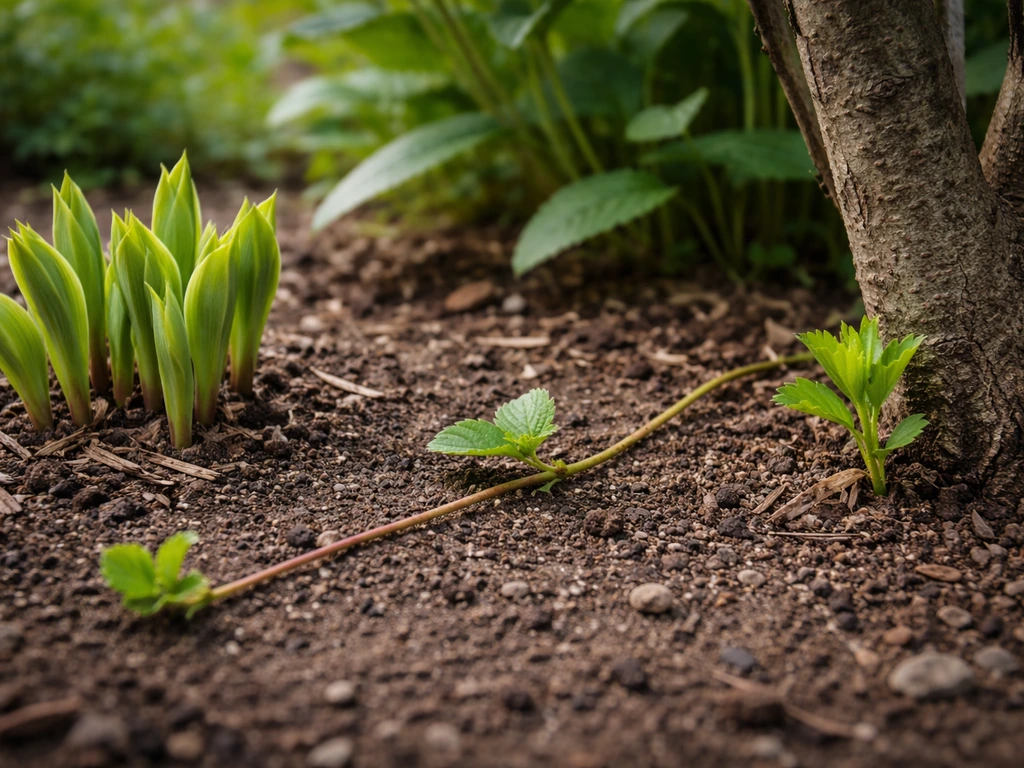
In botany, a shoot is any new stem growth that carries leaves, buds, or flowering structures. In everyday gardening, people use 'shoots' loosely to mean any new growth emerging from the base, roots, or spreading stems of a plant. That loose definition actually covers several distinct structures, and knowing which one you're looking at changes everything about how you handle it.
- Basal shoots: new stems that emerge from the crown (the base where stem meets root). Daylilies, hostas, and many ornamental grasses grow this way. Division is the main propagation method.
- Root suckers: shoots that sprout directly from a plant's root system, sometimes several feet away from the parent. Lilacs, raspberries, and many fruit trees produce these. They can spread widely if left unchecked.
- Runners (stolons): horizontal stems that creep along the soil surface, root at nodes, and produce daughter plants. Strawberries and mint are classic examples. A runner technically originates in a leaf axil and grows horizontally until it touches ground and roots.
- Rhizomes: underground horizontal stems that produce shoots upward and roots downward at nodes. Bearded irises, many grasses, and bamboo spread this way.
- Offsets: compact daughter plants that form at the base of the parent, closely attached. Banana plants, agave, and many succulents produce offsets that can be detached and replanted.
- Crown sprouts: growth that re-emerges from the crown after the top growth dies back, common in herbaceous perennials like bee balm, peonies, and asters.
The reason this taxonomy matters isn't academic. A sucker from a grafted apple tree may belong to the rootstock, not the variety you want. A stolon from mint will colonize a bed if not contained. A basal shoot from a daylily is exactly what you want to divide and replant. Same general concept, very different outcomes.
Plants that grow from shoots: real examples by group
Here's a breakdown by plant group, with the shoot type involved and the climate conditions where that behavior actually shows up in the field.
Shrubs
Common lilac (Syringa vulgaris) is one of the best-known suckering shrubs. It's hardy down to USDA Zone 2 and thrives through Zone 7 or 8, meaning it performs across most of northern North America and northern Europe. Lilacs spread steadily via root suckers that emerge from the base and surrounding soil, forming large colonies over time if not managed. Forsythia, sumac, and elderberry follow the same pattern, each producing root suckers freely in cool to temperate climates.
Fruit trees and cane fruits
Red raspberries (Rubus idaeus) produce root suckers that can emerge both close to and well away from the crown. This is how raspberry patches naturally expand across temperate and boreal zones in North America and Eurasia. In a garden setting, those suckers are the primary way you increase your planting. Blackberries behave similarly. Tip-rooting (where a cane arches and roots at its tip) is another shoot-based propagation method unique to blackberries. Apple, pear, and cherry trees on grafted rootstocks also produce suckers, but these come from the rootstock below the graft union and should be removed promptly.
Herbs
Mint (Mentha spp.) is the classic example of stolon-based spread. It sends underground and surface stolons in every direction, rooting at nodes wherever it finds moist soil. This makes it extremely easy to propagate by simply separating a rooted section, but it also makes it genuinely invasive in garden beds. Lemon balm, oregano, and comfrey spread aggressively from crown basal shoots, re-emerging even after cutting back. These herbs thrive in Zones 4 through 9, depending on the species, and prefer moderate moisture with good drainage.
Bulbs and perennials
Daylilies (Hemerocallis spp.) are the textbook example of basal shoot proliferation. A single plant produces dense clumps of new fans over three to five years, crowding themselves until flowering declines. They're adaptable across Zones 3 to 9. Hostas, bearded irises, and peonies all multiply from the crown in a similar way, each producing new growth points that can be separated and replanted. Banana plants (Musa spp.) in tropical and subtropical zones (Zones 8 through 11) produce offsets called 'pups' from the base of the main stem, which is how they're propagated commercially.
Grasses
Sod-forming grasses like Kentucky bluegrass, bermudagrass, and creeping red fescue spread via rhizomes or stolons, which is exactly what makes them useful as lawn grasses. Kentucky bluegrass (Poa pratensis) spreads by rhizomes in cool, moist climates (Zones 3 to 7). Bermudagrass (Cynodon dactylon) uses both rhizomes and stolons and thrives in warm, dry climates (Zones 7 to 10). Ornamental grasses like fountain grass and switchgrass spread primarily from basal crown shoots and are propagated by division. Bamboo, depending on the species, spreads by rhizomes so aggressively that it can escape garden boundaries within a few growing seasons in Zones 5 through 10. Weekand explains that rhizome barriers for running bamboo are commonly described as preventing the rhizomes from spreading beyond the planted area rhizomes so aggressively that it can escape garden boundaries.
Quick reference: shoot type by plant
| Plant | Shoot Type | USDA Zones | Key Condition |
|---|---|---|---|
| Strawberry | Runners (stolons) | 3–10 | Soil temp above 45°F for rooting |
| Lilac | Root suckers | 2–8 | Cool temperate, moist winters |
| Red raspberry | Root suckers | 3–9 | Temperate, loamy well-drained soil |
| Mint | Stolons (surface + underground) | 4–9 | Moist soil, partial to full sun |
| Daylily | Basal crown shoots | 3–9 | Adaptable; needs division every 3–5 years |
| Bearded iris | Rhizomes | 3–9 | Well-drained, full sun |
| Banana | Offsets (pups) | 8–11 | High humidity, fertile moist soil |
| Kentucky bluegrass | Rhizomes | 3–7 | Cool, moist climate |
| Bermudagrass | Stolons + rhizomes | 7–10 | Warm, dry, full sun |
| Bamboo (running type) | Rhizomes | 5–10 | Moist, fertile soil; needs barriers |
How to identify what kind of shoot you're looking at
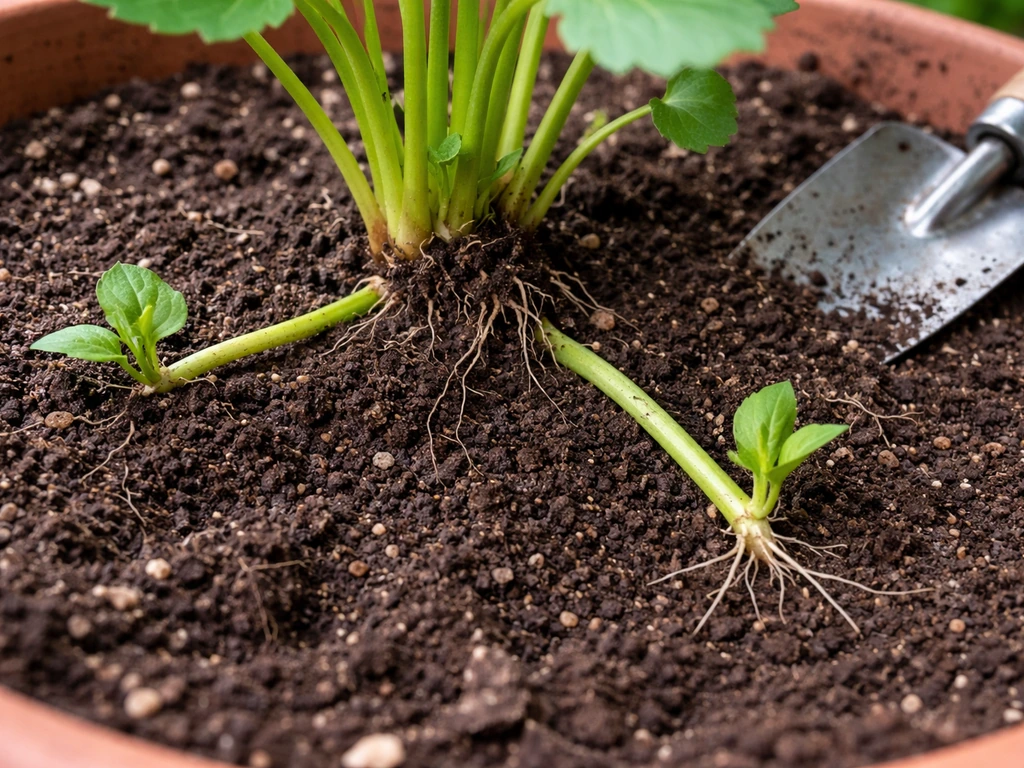
Before you propagate or remove a shoot, spend a minute figuring out where it's coming from. The source tells you almost everything you need to know about whether it's useful or a problem.
- Follow the shoot to its base. Dig carefully with a hand trowel if needed. Does it connect to the main stem, to a root, to a horizontal underground stem, or does it seem like a separate small plant already rooting at the soil surface?
- Check the depth. Stolons and runners are typically at or just below the soil surface. Rhizomes may be 2 to 4 inches deep. Root suckers can emerge from roots that are much deeper, sometimes 12 or more inches down.
- On grafted trees and shrubs, look for the graft union (usually a visible swell or kink on the lower trunk, a few inches above or at soil level). Any shoot emerging below that point is rootstock, not the cultivar you want.
- For cane fruits, check whether the new shoot is emerging right next to the crown or at a distance. Raspberries and blackberries produce suckers both near and far from the parent plant. A shoot far from any visible parent cane is almost certainly a root sucker.
- For grasses, pull gently. If the new shoot separates with a small piece of horizontal stem still attached, that's a rhizome or stolon connection. If it pulls free with its own root mass already established, you have a rooted daughter plant ready to move.
How to propagate shoot-growing plants (practical steps by shoot type)
Dividing basal shoots (daylilies, hostas, ornamental grasses)
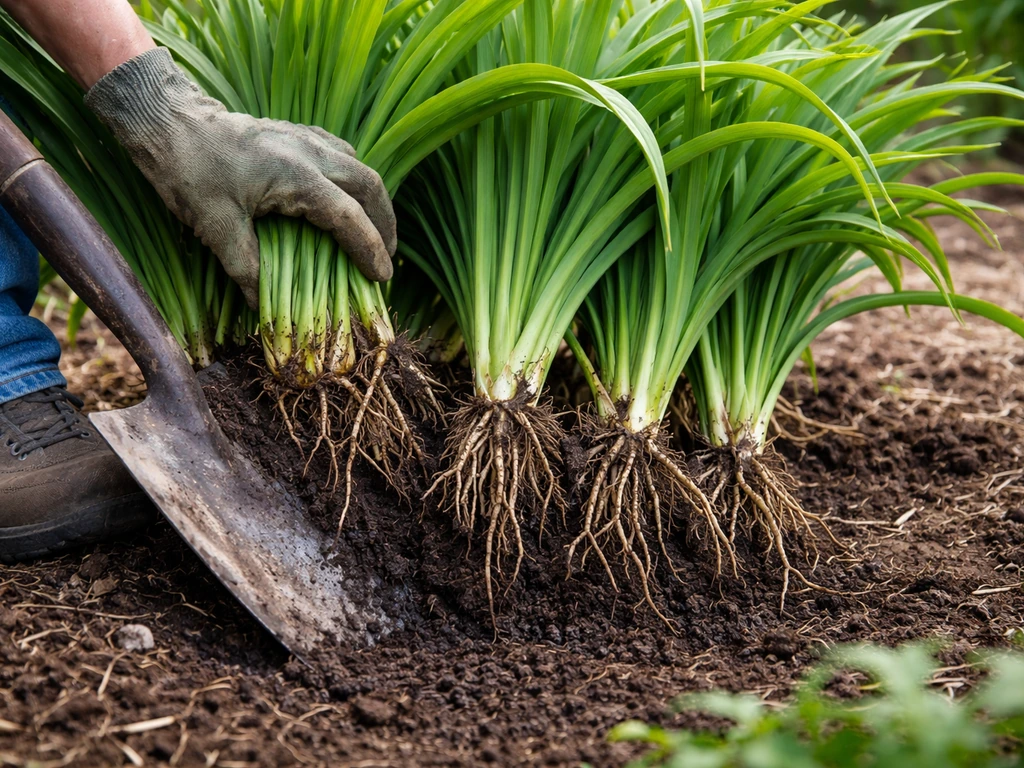
Wait until the plant has formed a clearly crowded clump. For daylilies, that's typically every three to five years. Dig the entire clump, shake or wash off excess soil, and pull apart individual fans by hand or cut them with a clean knife. Each division needs at least one growing point and a reasonable root mass. For daylilies, cut back foliage to 6 to 8 inches before replanting to reduce water stress. Replant so the crown sits about 1 inch below the soil surface. Water thoroughly and expect a slower bloom year the first season after division.
Separating runners and stolons (strawberries, mint)
Let runners naturally contact the soil and root before severing them. For strawberries, daughter plants are typically ready to separate four to six weeks after the runner touches the ground, once they've developed a decent root system. Sever the runner close to the daughter plant with scissors or a sharp knife. You can also pin the runner tip to a small pot of growing medium placed next to the parent while it's still attached, then sever after roots form. Keep the crown above the soil surface when transplanting: crown rot is one of the most common failures with strawberries. Soil temperature above 45°F encourages active rooting.
Removing and replanting root suckers (lilac, raspberry, blackberry)
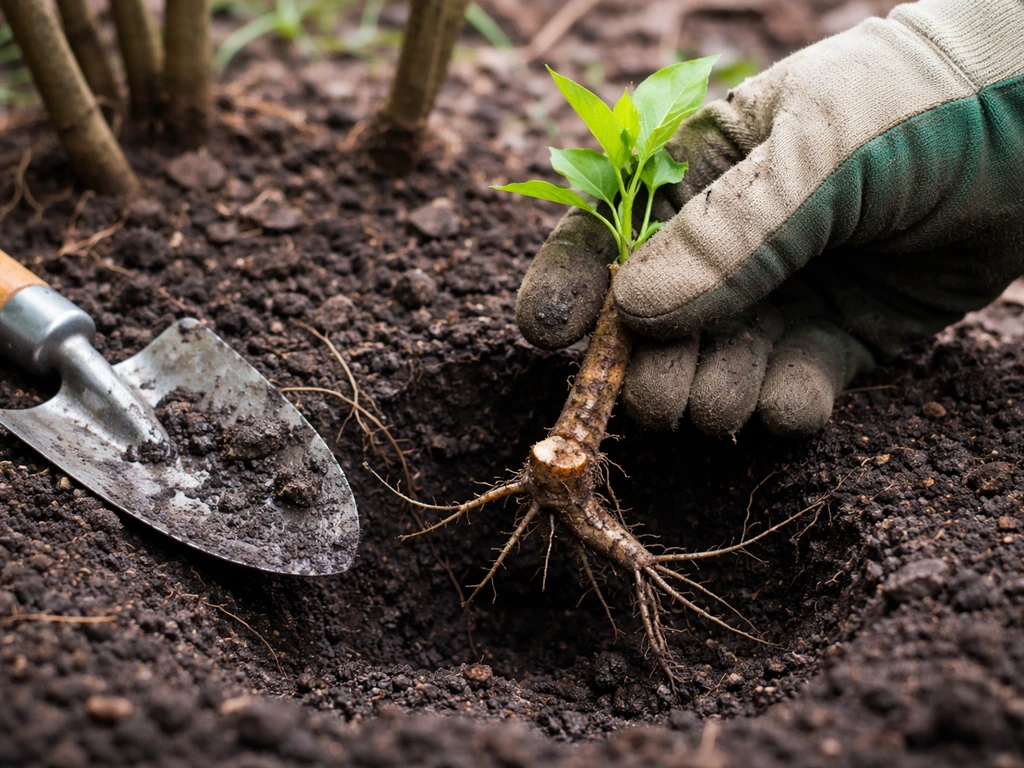
Dig down to where the sucker connects to the root and sever it there, ideally with some root tissue attached to the sucker. Leaving a stub on the parent root is a mistake: it usually triggers multiple new suckers from the same spot. For raspberries, a sucker with an attached root section of 3 to 4 inches can be planted directly in prepared soil or in containers to establish before transplanting. Water in well and keep the soil consistently moist for the first two to three weeks. For lilac suckers, only remove suckers from own-rooted plants (not grafted ones) if you want to propagate the named variety.
Detaching offsets (banana, agave, aloe)
Wait until the offset has developed its own leaf structure and is at least one-third the size of the parent. Use a clean, sharp spade or knife to sever the connecting tissue between parent and offset. Allow the cut surface on succulents and agave to dry for a day or two before planting to reduce rot risk. For banana pups, plant immediately in rich, moist soil. In tropical climates, establishment is fast; in marginal subtropical zones (Zone 8 or 9), protect young transplants from late frosts for the first winter.
Using root cuttings (raspberries, blackberries, some trees)
For raspberries and blackberries, you can take 3 to 4 inch root cuttings in late winter or early spring, plant them horizontally in flats or containers, and they'll produce shoots from dormant buds on the root. This is a way to generate multiple new plants from a single parent root without waiting for natural suckering. Keep the medium consistently moist and in a cool location until shoots emerge, then move to brighter light.
When shoots are a good thing vs. when they're a problem
Shoots from the crown or base of a plant are almost always a sign of healthy, vigorous growth. That's what you want when you're propagating strawberries, dividing daylilies, or expanding a raspberry patch. But the same mechanism becomes a problem in several situations.
- Grafted trees: suckers below the graft union belong to the rootstock, which is often a different (and usually inferior) variety. If left to grow, they'll eventually outcompete the grafted top. Remove them at or below the soil line as soon as they appear.
- Stressed or over-pruned trees: heavy pruning triggers dormant bud activation, producing excessive water sprouts (fast-growing upright stems). These are a sign the plant is stressed, not thriving. Reduce hard pruning and address the underlying stress rather than just removing the shoots repeatedly.
- Invasive spread: mint, running bamboo, and many suckering shrubs like sumac can colonize well beyond their intended area. In certain climates, this crosses into genuine ecological disruption. Rhizome barriers, regular edging, and prompt removal of runners are the practical controls.
- Weak or 'blind' shoots: thin, pale, weak shoots from the base of a plant often indicate insufficient light, nutrient deficiency, or overcrowding. Address the environmental condition rather than just removing the weak growth.
- Watersprouts on fruit trees: these vertical, fast-growing shoots on branches are often triggered by stress or injury. They rarely fruit well and should be removed early in the growing season.
The key decision point is whether a shoot is connected to the plant you actually want (own-rooted shrubs, perennial crowns) or whether it represents rootstock regrowth, stress response, or invasive lateral spread. The shoot itself isn't the problem; the source and context determine how you respond.
Season and climate timing for shoot propagation
Timing your propagation to match both the plant's natural growth cycle and your local climate window makes a significant difference in success rate.
| Shoot Type | Best Timing | Climate Notes |
|---|---|---|
| Basal shoot division (daylilies, hostas) | Early spring or late summer/early fall | Avoid midsummer heat; fall division works well in Zones 5–9 |
| Strawberry runners | Late summer (for fall planting) or early summer (pin and root) | Soil temperature above 45°F required for rooting; temperate to subtropical |
| Root suckers (lilac, raspberry) | Early spring before bud break, or fall after dormancy | Cool soil helps transplant establishment; avoid midsummer heat |
| Rhizome division (iris, grasses) | Late summer to early fall (iris); spring (grasses) | Iris best divided 4–6 weeks after bloom; grasses in active growth |
| Offsets (banana, agave) | Spring to early summer | Tropical zones: anytime; marginal zones avoid fall to reduce frost risk |
| Root cuttings (raspberry, blackberry) | Late winter to early spring (dormant) | Works across temperate zones; keep cool until shoots emerge |
| Layering/runner pinning | Spring to early summer; separate 1–2 months later | Universally applicable in temperate climates |
In cold climates (Zones 3 to 5), spring division and propagation is often safer than fall because newly divided plants have less time to establish roots before freeze-up in autumn. In warm climates (Zones 7 to 10), fall is often the better window since summer heat stress is the bigger risk and fall rains support establishment. In Mediterranean-type climates with dry summers, time propagation to coincide with the onset of the rainy season rather than calendar date.
What to do when things go wrong
Cuttings and divisions that rot
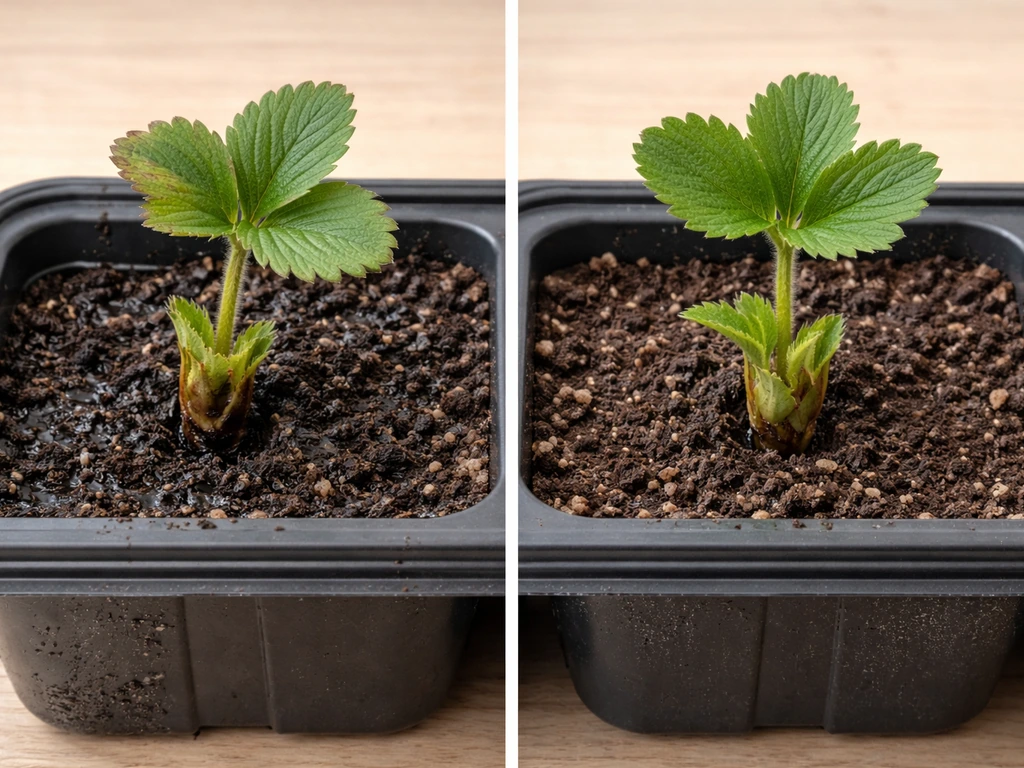
Rot almost always comes down to three things: wounds that are too wet, soil that holds too much moisture, or crowns planted too deep. For strawberries, keep the crown at or just above the soil surface. For divisions in general, ensure the growing medium drains freely. If you're propagating in humid, warm conditions, a light dusting of powdered sulfur or a dilute hydrogen peroxide rinse on cut surfaces helps reduce fungal rot. Let cut surfaces on succulents and agave dry for 24 to 48 hours before planting.
Poor or no rooting
If runners or suckers are refusing to root after separation, the most common cause is premature separation before a good root system had formed on the daughter plant. For propagation from stem cuttings, applying a root-promoting compound (indole-3-butyric acid, sold as rooting hormone powder or gel) to the cut end before inserting into moist medium significantly improves results on woody plants. If you want more step-by-step plants that grow from stems examples, focus on how stem cuttings produce roots and new growth For propagation from stem cuttings. Keep the medium evenly moist but not waterlogged, and maintain warmth: most woody plant cuttings root faster with bottom heat of around 65 to 75°F.
Transplant shock
Wilting, leaf scorch, and stalled growth after transplanting are classic signs of transplant shock. The main causes are root disturbance, dehydration during the move, planting at the wrong depth, or transplanting into extreme heat. Cut back foliage on divisions (6 to 8 inches for daylilies, for example) to reduce the water demand on the damaged root system. Water thoroughly at planting and again every two to three days for the first two weeks. Shade cloth for the first week helps in warm, sunny conditions. Avoid fertilizing immediately after transplanting as it pushes top growth before the roots can support it.
Suckers keep coming back
If you're cutting suckers at ground level and they keep returning, you're leaving a stub that's triggering multiple resprouts. The fix is to dig down to where the sucker connects to the root and remove it cleanly at that junction. For persistent suckering trees or shrubs in high-traffic areas, physical root barriers installed around the base can reduce lateral root spread. Chemical sucker inhibitors exist but have limited effectiveness on vigorous suckering species and are generally not worth the effort for home garden situations.
Putting it together for your garden
The plants on this list range from cold-hardy suckering shrubs like lilac (Zone 2) to tropical banana pups (Zone 8 and warmer), so matching examples to your actual climate is the first filter. If you want a clear, quick list to skim, use these 20 examples of plants that grow from stems as your starting point plants on this list. The list includes 10 examples of plants that grow from stems, covering several common shoot structures. Once you've identified a plant that fits your zone and moisture conditions, the shoot type tells you how to propagate it. Runners and stolons are the easiest since daughter plants often do most of the rooting work themselves. Basal crown division is highly reliable with a clean cut and proper replanting depth. Root suckers take a bit more digging but are almost always successful if you get an attached root section. The stem-based propagation methods covered in related guides on stem cuttings follow the same general principles, but shoots from crowns, roots, and runners offer a more forgiving entry point for gardeners who are newer to propagation.
FAQ
How can I tell whether a “shoot” is a true sucker or just new growth from the crown after pruning?
Look for the point of origin. If the new shoot rises from established crown fans or the same soil line on the main plant, it is usually normal crown growth. If it emerges from farther out in the surrounding soil, particularly below the graft union on trees, it is more likely a rootstock sucker that should be removed by cutting at its junction.
If I remove shoots, will the plant get weaker or will it keep trying to produce more?
It depends on the cause. Removing basal fans (daylilies) or offsets (crown-formers) typically strengthens the remaining clump by reducing crowding. Removing persistent root suckers (lilac, raspberries) can slow spread but often triggers additional shoots unless you remove cleanly at the connection point to reduce regrowth from that same spot.
Can I propagate plants that grow from shoots in containers instead of the ground?
Yes for many types, but match the container to the shoot structure. Runners and stolon daughters often root faster when you pin them into a small pot next to the parent. Root suckers and divided crowns can be established in deeper containers if you keep the crown depth consistent and avoid waterlogging, especially for cool-season plants like Kentucky bluegrass.
What’s the biggest mistake people make when separating strawberries or runners?
Separating too early, before the daughter has formed a sufficient root system, causes the detached plant to stall. Another common failure is burying the crown, which increases rot risk. Wait until the daughter is rooted and keep the crown above the soil surface when transplanting.
Why do my daylily divisions flower poorly the first season?
That’s common. Divisions usually shift energy into root recovery first, so expect slower or reduced flowering during the first growing season after dividing, then stronger performance in the following year if the crown is planted at the correct shallow depth.
How deep should I plant crown-forming or basal-shoot divisions to avoid rot?
Aim to keep the crown slightly below the surface, not buried. The article notes daylily crown placement and strawberry crown placement because both are vulnerable to moisture buildup at too-great a depth. If your soil stays wet in winter, plant at the shallower end and improve drainage rather than compensating with deeper planting.
Do mint, lemon balm, and similar herbs regrow if I just cut them back aboveground?
Often yes. Their spread commonly comes from stolons or basal/crown re-emergence, so mowing or cutting leaves doesn’t remove the underground or crown-forming parts. For containment, use barriers and regularly remove new shoots that escape the root zone before they root again.
How can I reduce the chance of fungal rot after I cut a shoot or runner?
Start with drier handling of fresh cuts. Let cut surfaces on succulents and agave dry before planting, and for other divisions focus on well-draining media and avoiding consistently wet conditions around wounds. If your climate is humid, use the additional rotation mentioned (like a dilute peroxide rinse on cut surfaces) rather than keeping them soaked.
If a grafted tree keeps sending up shoots, should I remove all shoots or only certain ones?
Remove shoots that originate below the graft union, because they are regrowth from rootstock and will not match the intended variety. Shoots that emerge from above the graft area could be part of the desired top growth, so confirm the union location before you start cutting.
What’s the best way to prevent lawn grasses with rhizomes or stolons from invading other beds?
Treat rhizome and stolon spread as a boundary-management problem. Install physical barriers around bed edges and regularly edge-clean to remove creeping shoots before they establish into the soil. After that, containment is mostly about removing new growth early rather than trying to eradicate established underground spread.
Can root cuttings from raspberries or blackberries work even if I don’t have a greenhouse?
Yes, using flats or containers. Keep the medium consistently moist and cool enough to hold dormancy until shoots appear, then increase light once growth starts. This approach is a way to produce multiple plants from one parent root without relying on natural suckering.
What should I do if shoots won’t root after separation even though I followed timing?
Re-check two variables that most often control rooting success: the daughter size and the moisture level. Premature separation is the usual reason, but if roots are forming poorly, keep the medium evenly moist but not waterlogged and provide warmth appropriate to woody rooting conditions, since cool, wet media can stall or rot new tissue.