
Mosses, lichens, ferns like staghorn (Platycerium bifurcatum), and epiphytic bromeliads are the most reliable plants you can grow on wood today. If you are specifically working with driftwood, the same epiphyte and moss categories apply, but moisture balance and salt-free cleaning become especially important plants you can grow on driftwood. Each one uses wood differently: mosses cling to surface moisture and trapped dust, lichens pull almost everything they need straight from the atmosphere, staghorn ferns anchor to bark and feed from rain and debris, and wood-decomposers like saprotrophic fungi break down the wood itself. Knowing which category your chosen plant falls into tells you exactly what kind of wood to use, how to prepare it, and what your local climate needs to supply.
Plants That Can Grow on Wood: How to Choose and Grow Them

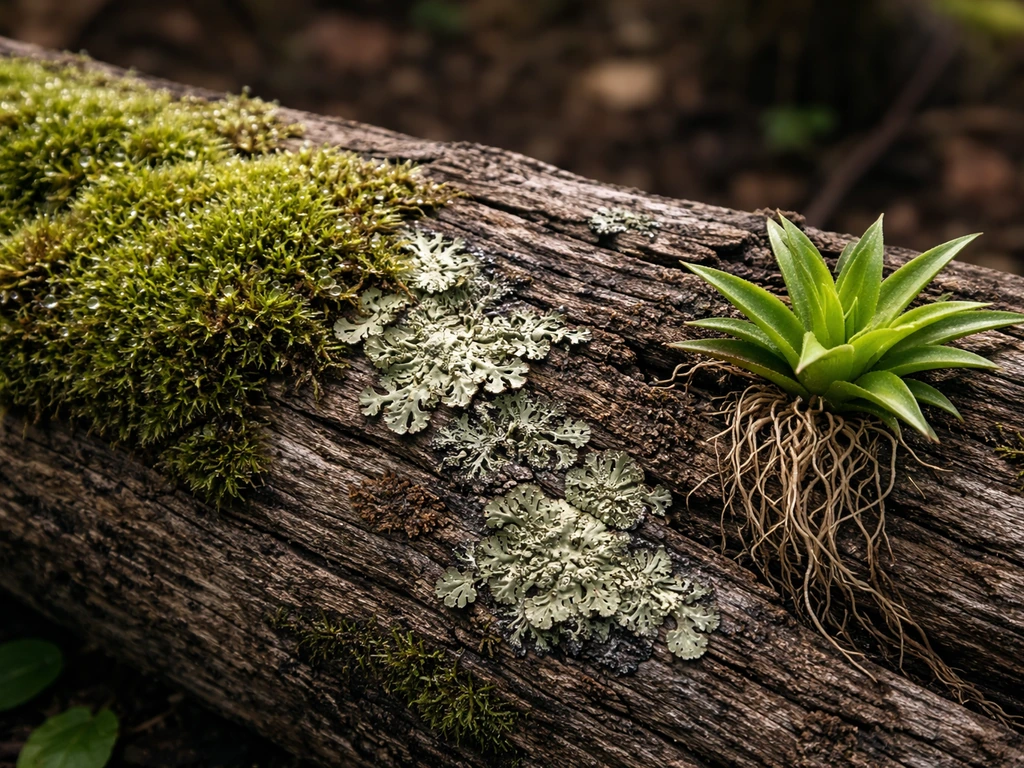
How growing on wood actually works
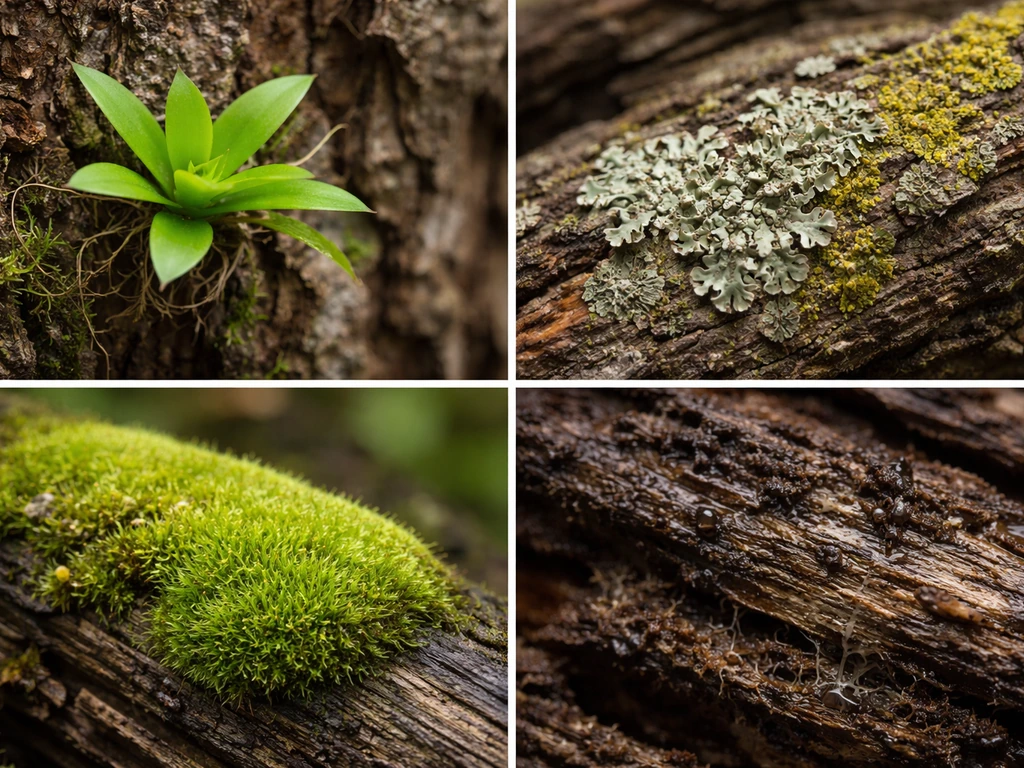
The phrase 'growing on wood' covers several different ecological strategies, and mixing them up is the fastest way to fail. Here are the four main groups you'll be working with.
Epiphytes: using wood as an anchor, not a food source
Epiphytes grow on another surface (tree bark, a plank, driftwood) but are not parasitic. They get their moisture and nutrients from rain, dew, cloud moisture, and organic debris that accumulates around their roots. The wood is just scaffolding. Staghorn ferns, many orchids, and some bromeliads all work this way. Because they don't depend on the wood for nutrition, the wood species matters less than its texture, moisture retention, and chemical safety.
Lichens: the atmosphere is their grocery store
Lichens are a partnership between a fungus (which forms the structural body) and photosynthesizing partners, usually green algae and/or cyanobacteria. The fungal partner extracts mineral nutrients by digesting the substrate surface, while the algae/cyanobacteria supply energy through photosynthesis. Most of a lichen's moisture and nutrients come directly from rain, fog, and dew, not from the wood beneath. They go dormant when dry and reactivate with the next rain event, which is why they're so slow but so persistent. Their presence on wood is a good sign for air quality: they need reasonably clean air to survive.
Mosses: surface moisture specialists
Mosses aren't true epiphytes in the technical sense, but they colonize bark and dead wood the same way: by holding moisture on the surface and pulling in nutrients from rainwater and dust. They need consistent humidity and a substrate rough enough for their rhizoids (tiny root-like anchors) to grip. On wood, they do best where shade keeps the surface from drying between waterings. Highland Moss’s care guide also recommends shade or dappled shade outdoors for moss and warns that strong direct sun, especially through glass indoors, can overheat and dry moss quickly shade keeps the surface from drying between waterings.
Saprotrophic decomposers: eating the wood itself
Saprotrophic organisms (primarily fungi, but also bacteria and some mosses on decaying wood) actually break down cellulose and lignin in dead wood for nutrition. These are the organisms responsible for the slow rot of fallen logs in a forest. Wood-decay fungi can translocate nitrogen through the log and some even fix atmospheric nitrogen via associated bacteria. If you're interested in this category, you're moving into mushroom cultivation territory rather than ornamental plant cultivation, which is a whole different guide.
For growing visible plants on wood, the epiphyte and moss categories are your most practical path. If you want to adapt this approach to plants that can grow in cups, you can still use the same moisture, airflow, and substrate-anchoring principles.
The best plant types for wood surfaces
Not every plant works on wood. The ones that do share a tolerance for variable moisture, poor nutrition, and physical anchoring challenges. Here are the categories worth your time, ranked roughly from easiest to most demanding.
| Plant Type | Ecological Strategy | Best For | Skill Level |
|---|---|---|---|
| Sheet moss / cushion moss | Surface moisture user | Shaded logs, bark boards, terrariums | Beginner |
| Lichens | Atmosphere feeder | Outdoor bark, rough wood in clean-air areas | Slow / observational |
| Staghorn fern (Platycerium bifurcatum) | True epiphyte | Mounted boards indoors or zones 9–11 outdoors | Beginner-intermediate |
| Other Platycerium species | True epiphyte | Warm humid climates, greenhouses | Intermediate |
| Epiphytic orchids (e.g., Dendrobium) | True epiphyte | Bark mounts, humid rooms, tropical climates | Intermediate |
| Air plants (Tillandsia) | True epiphyte | Driftwood, bark, mounted displays | Beginner |
| Ferns (non-epiphytic, on decaying logs) | Humus seekers on rotting wood | Shaded outdoor logs in temperate climates | Beginner-intermediate |
Mosses: the easiest starting point
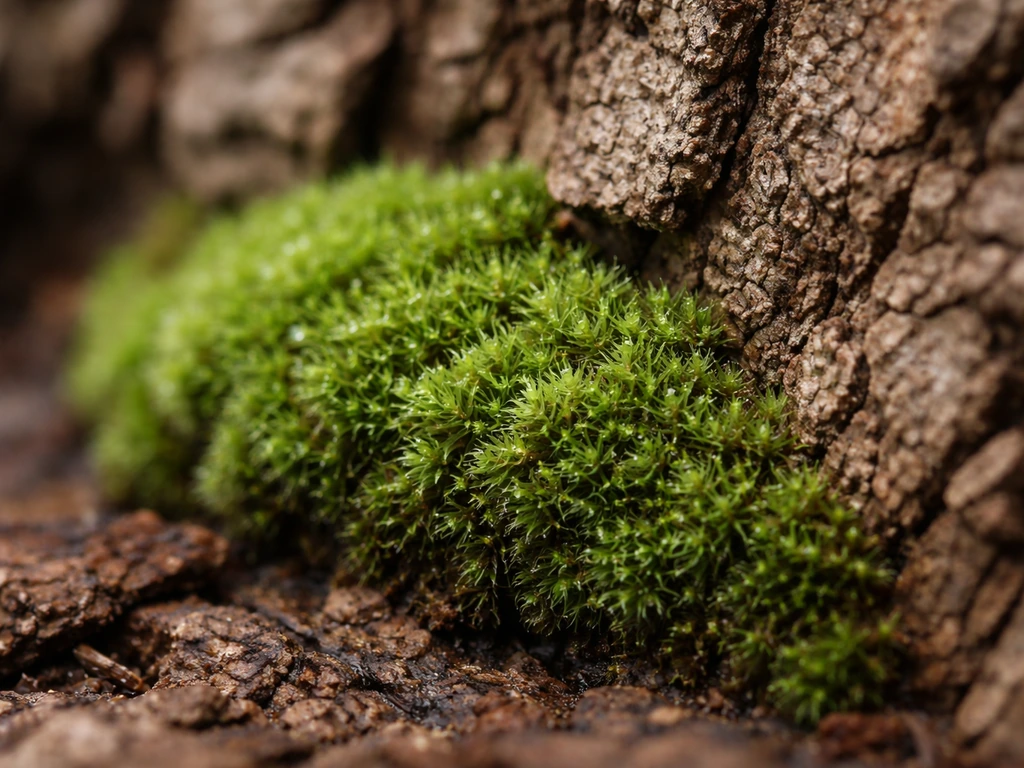
If you've never grown anything on wood before, start with sheet moss or cushion moss. They establish faster than anything else on this list, tolerate being handled during setup, and give you visible feedback quickly. The main requirement is consistent moisture and shade. On a rough piece of bark or a log with the bark still on, sheet moss can knit itself in within a few weeks if you keep humidity high and sun off it. If you are trying plants that can grow in wine bottles, keep the bottle environment similarly humid and protected from direct sun to prevent drying out humidity high and sun off it.
Staghorn ferns: the best epiphyte for most growers
Platycerium bifurcatum is specifically described as the best species for beginners among staghorn ferns because it tolerates a wider range of mistakes than other Platycerium species. It can handle brief temperature drops to about -2°C (28°F) and heat up to about 40°C (104°F), and it grows year-round outdoors in USDA zones 9 through 11. In cooler climates, it's an indoor wall mount that does exceptionally well in bathrooms or bright humid rooms. If you're in zones below 9, treat it as an indoor plant and bring it in before nights drop below 40°F consistently.
Lichens: slow but worth encouraging
You can't really 'plant' lichens in the conventional sense: they colonize on their own schedule, which is measured in years, not weeks. What you can do is choose wood that invites them (rough bark, uncoated, left outdoors in a humid spot with good airflow and clean air) and let them arrive naturally. Some gardeners transfer small lichen-covered bark pieces to new wood surfaces, and this works better than any slurry method, provided the receiving surface is similar in texture and exposure to where the lichen came from. Be aware that collecting lichens on National Forest lands is illegal without a permit.
Choosing the right wood and preparing it
Wood choice is where most setups succeed or fail before a single plant is attached. Woody plants are different from mosses and epiphytes, so if your goal is to grow true woody stems on wood, use the right species and mounting approach. Three things matter most: texture, moisture-holding capacity, and chemical safety.
Bark vs. bare wood
Bark-on wood is almost always better than smooth, bare wood for plant attachment. Rough texture gives moss rhizoids and fern roots something to grip, and it holds moisture longer. The rougher and more furrowed the bark, the better. Cork bark (available from orchid supply retailers) is an ideal surface because it's naturally textured, resists rot, and holds humidity well. Tree fern fiber panels are another excellent option for epiphytes. For outdoor setups, logs with bark still attached from hardwoods like oak, maple, or cherry work well. Softwoods like pine and cedar can be used but tend to resinous or decay faster under wet conditions.
Never use treated wood
This is non-negotiable: do not mount any plant on wood that has been treated with chemical preservatives, stains, paints, or sealants. Those compounds leach into the moist substrate you're trying to maintain and will kill the plant. Use raw, untreated lumber, natural bark, cork, or found wood that you know wasn't treated. If you're unsure, smell it: treated wood often has a chemical or solvent odor.
Wood moisture and preparation
Before mounting, soak your wood thoroughly and let it drain. This saturates the surface and prevents the wood from immediately wicking moisture away from the plant's roots or rhizoids. For indoor mounts, you can do this in a bucket or bathtub. For outdoor logs, a deep watering with a hose works fine. Some growers score or rough up smooth wood surfaces with sandpaper or a wire brush to improve grip and moisture absorption. If your wood is very fresh-cut and still has live resins (especially conifers), let it dry and age outdoors for several weeks before use.
Live tree bark vs. dead wood
Epiphytes in nature grow on both living trees and dead wood, but for home use, dead or harvested wood (planks, logs, cork) gives you more control over placement and moisture. Growing directly on a living tree in your garden is an option in humid climates (zones 9–11 especially), where you can attach moss or staghorn ferns directly to bark with natural twine or fishing line. Just make sure you're not damaging the tree's cambium layer by tying too tightly.
Climate and season: what grows in your conditions
The single biggest variable in wood-growing success isn't plant choice or technique: it's whether your local climate supplies enough ambient humidity to keep the wood surface from drying out between waterings. Here's how to think about it by zone and season.
Warm, humid climates (USDA zones 9–11)
This is the sweet spot for outdoor wood-mounting. Staghorn ferns, Tillandsia, and epiphytic orchids can all be mounted directly onto trees or outdoor wood panels and left year-round. If you're wondering what plant can grow in Wolvendom, staghorn ferns are one of the most reliable outdoor choices in similar warm, humid conditions. You can also find plants that can grow in test tubes by choosing species suited to sterile, closed growing conditions. Mosses establish quickly in shaded, moist spots. Lichens will colonize naturally if wood is left in place long enough. In these zones, your main management task is ensuring shade (especially for mosses) and preventing fast-draining mounts from desiccating during dry seasons.
Temperate climates (USDA zones 6–8)
Mosses on outdoor logs and bark are your most reliable year-round performers here. They go dormant in dry or very cold weather and revive with moisture. Many native ferns will grow on decaying, nutrient-rich logs in shaded forest garden spots, especially where humidity is naturally higher (Pacific Northwest, Appalachian valleys). Staghorn ferns must come indoors before temperatures drop below 40°F consistently. Spring and autumn are the best seasons for establishing new moss on outdoor wood because temperatures are mild and natural rainfall is more reliable.
Cold climates (USDA zones 3–5)
Outdoor options narrow significantly here. Native mosses and lichens are your most realistic outdoor candidates on bark and logs. Indoors, you can grow staghorn ferns, Tillandsia, and moss terrariums on wood year-round as long as you supply humidity. A humidifier nearby or a bathroom placement makes a real difference. Don't attempt to winter over tropical epiphytes outside in these zones.
Arid and semi-arid regions
Growing on wood outdoors in dry climates is genuinely difficult. Lichens are your best bet because they evolved for desiccation tolerance and can survive dry periods in dormancy. Mosses will struggle unless you're in a microclimate with consistent shade and manual misting. Indoors with supplemental humidity, the full range of epiphytes is possible. If you're in a dry climate and serious about wood mounting, invest in a good humidifier or build a humidity tent for the setup.
How to mount and care for plants on wood
Mounting a staghorn fern (step by step)
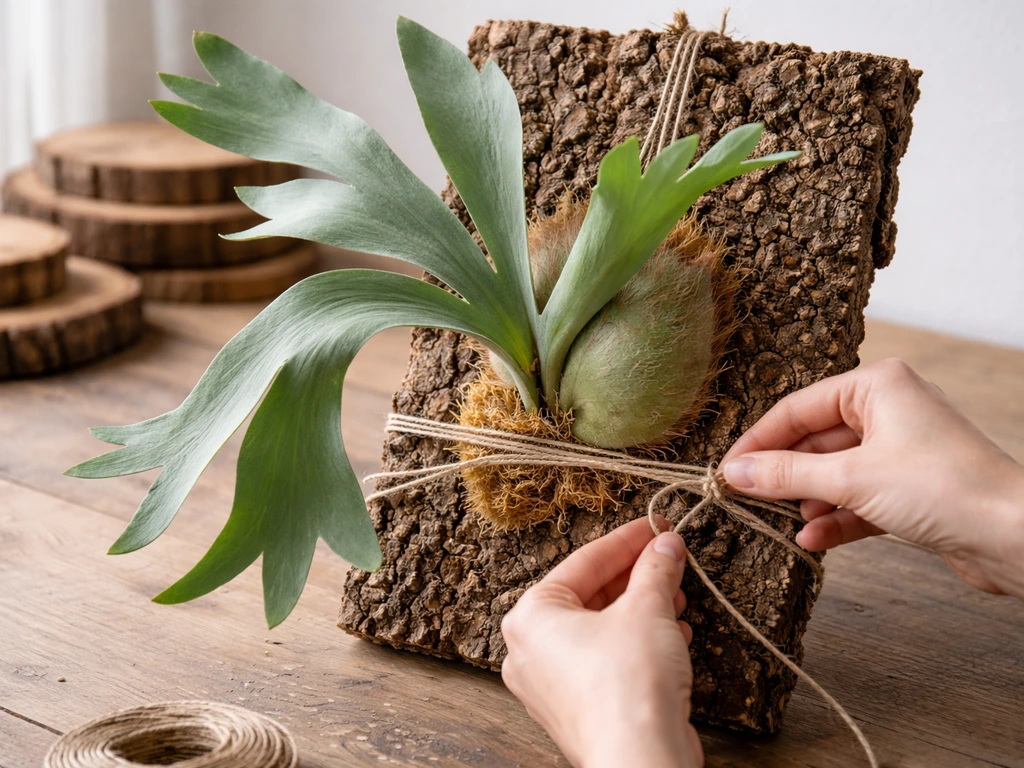
- Choose untreated wood: a plank of raw hardwood, a cork bark slab, or a tree fern fiber board, at least 30 cm (12 in) wide for a small plant.
- Lay the board flat. Build a 'nest' of moistened sphagnum moss about 10–15 cm (4–6 in) wide for a small plant. You can mix in a small amount of light organic potting soil to support early establishment.
- Position the staghorn fern so its basal shield (the flat, sterile frond) sits over the nest material.
- Secure the plant with fishing line, natural jute twine, or soft wire, looping it across the basal shield without cutting into it. The frond will eventually grow over and hide the attachment.
- Hang the board in a spot with bright indirect light. Avoid south-facing windows where direct sun hits the mount.
- Water by soaking the whole mount in a bucket or bathtub for 10–20 minutes, then hang to drip dry. In dry indoor conditions, do this once or twice a week. In humid outdoor conditions, rainfall may handle it.
- Feed once a month in the growing season with a diluted balanced liquid fertilizer applied to the sphagnum nest, not sprayed on the fronds.
Establishing moss on wood
- Source live sheet moss or cushion moss (see sourcing section below).
- Soak your wood thoroughly before you start.
- Press the moss firmly onto the wood surface, making full contact. Rough or scored surfaces hold better than smooth ones.
- Secure with fishing line looped across the moss clumps in a grid pattern if needed, especially for vertical surfaces.
- Place in shade or dappled shade. Keep it away from strong direct sun, both outdoors and indoors. Indoors, avoid placing it near windows that get direct sun through glass.
- Mist daily until established (2–4 weeks). After that, mist or water when the surface starts to look lighter in color (early drying sign).
- Outdoors in humid climates, rainfall often does the maintenance for you once moss is anchored.
Indoor vs. outdoor care differences
Indoors, your biggest job is humidity maintenance. Wood mounts dry out faster indoors because indoor air is usually drier than outdoor air. Group your wood mounts together to create a humid microclimate, place a shallow tray of water nearby, or run a small humidifier. Keep mounts away from heating vents and air conditioning units, which are rapid desiccation sources. Outdoors, your job is shade management and ensuring the mount gets natural rainfall, while protecting it from wind that speeds up evaporation.
Troubleshooting common problems
Moss or fern drying out and dying
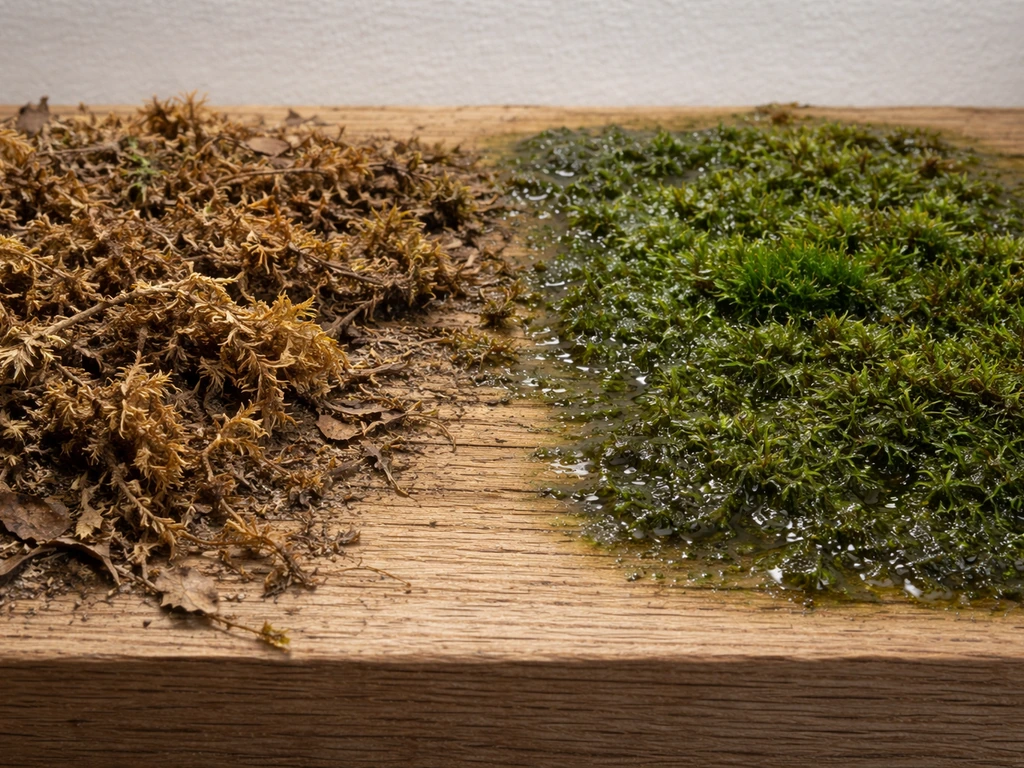
This is the most common failure and almost always comes down to either too much direct sun, too much heat, or watering intervals that are too long. Check whether the wood surface feels dry to the touch more than a day after watering. If yes, increase watering frequency, move the mount to deeper shade, or add a humidity source. Indoors, a glass pane amplifies heat dramatically: a spot that looks shaded from your perspective can still fry moss if the glass concentrates heat onto it.
Mold or algae taking over
Mold on the wood surface or green algae sliming over the mount usually means too much moisture with too little airflow. The fix is better air circulation, not less water, since your plants still need humidity. Outdoors, move the mount somewhere with gentle airflow. Indoors, a small fan on the lowest setting pointed away from (but near) the mount helps a lot. If the sphagnum moss in a fern mount starts smelling sour or looks blackened, replace it: decomposing sphagnum can harbor pathogens.
Plant not anchoring or attaching
Staghorn ferns take weeks to months to produce new basal shield growth that grips the wood. During this time, the fishing line or twine must do the holding. Don't remove the ties early. For moss, if clumps keep falling off a vertical surface, add more tying lines or lay the mount flat until rhizoids establish (usually 2–4 weeks). If you're trying to grow on very smooth wood and nothing sticks, rough the surface with sandpaper or use a rougher substrate like cork bark instead.
Slow or no growth in lichens
Lichens are genuinely slow, measured in years, not weeks. If you've transferred a lichen piece to new wood and it hasn't spread after a season, check that the new wood has a similar texture and sun/moisture exposure to the original location. Lichen tissue absorbs water vapor through its outer layer (the cortex), so if the new location is consistently drier or more exposed than where it came from, it will fail to establish. The only realistic fix is matching conditions more carefully.
The buttermilk/slurry propagation myth
If you've read about blending moss with buttermilk or yogurt to 'paint' it onto surfaces, be cautious. Washington State University's extension research specifically addresses this approach and notes it can fail for many species and often ends up as a moldy mess rather than a living moss colony. Live transplanted moss pressed firmly onto prepared wood is far more reliable.
Where to source plants and what to look for
Buying live moss
Several online retailers ship live moss, and this is often your easiest starting point. Look for sellers who grow or ethically wild-harvest (not strip-collect) their moss, ship with moisture-retentive packaging, and offer the specific species you need (sheet moss, cushion moss, fern moss, etc.) rather than just 'assorted moss.' When the package arrives, open it immediately and mist the moss if it looks dry. Revive it in a shallow tray with indirect light before mounting. Avoid buying moss that arrives brown, slimy, or smelling of ammonia.
Buying staghorn ferns and epiphytes
Staghorn ferns are widely available from garden centers, orchid suppliers, and online plant retailers. Look for plants with a healthy green shield frond and a clean, intact basal shield (the flat sterile frond at the back). Avoid plants where the basal shield is blackened, slimy, or has large brown patches, which can indicate rot. Tillandsia (air plants) for driftwood and bark mounting are available at most garden centers and online. Choose ones with stiff, intact leaves and no soft or mushy base.
Starting ferns from spores
If you want to propagate ferns yourself, look at the underside of mature fronds for sori: clusters of spore capsules that look like brown dots or lines. These are your source material. Hardy fern spores can be collected when the sori look ripe (dark brown, not black or shriveled) and grown on moist sterilized substrate in a covered container. It's slow (months to a year before you have plantable ferns) but a satisfying way to propagate species. The Hardy Fern Foundation is a good community resource for species-specific spore guidance.
Sourcing lichens ethically
Don't collect lichens from National Forest or other protected public land without a permit: it's illegal and ecologically damaging since lichen growth is so slow. For your own garden, encourage natural colonization by leaving bark-on logs in shaded, humid spots outdoors. Some specialty botanical suppliers sell lichen material, though availability is limited. Your best option in most cases is patience and providing the right conditions for natural establishment.
A note on related growing contexts
If you're drawn to the idea of growing plants on or in unusual substrates, the principles here overlap with other wood-adjacent setups. Growing plants in bark (as a substrate rather than a surface) follows similar moisture and aeration logic. Driftwood mounting is a popular aquatic and terrarium variation where waterlogged wood and aquatic mosses like Java moss are the key players. These are close enough to the concepts here that the same plant ecological categories (epiphytes, mosses) apply, though the specific species and moisture management differ significantly.
FAQ
Can I grow plants on wood indoors without a greenhouse or terrarium?
Yes, but you must manage humidity and airflow. Put the mount in bright indirect light (not direct sun), keep it away from heaters and AC, and use either a small humidifier or a water tray plus a fan on low for airflow. Check the wood surface daily in winter, indoor air dries mounts much faster.
How do I know whether my wood is treated or unsafe before mounting?
Besides looking for labeling, do a quick odor check after soaking. Treated wood often smells like solvent, stain, or strong chemical odor even after draining. If you see paint flakes, a glossy seal, or darkened resin-like coating that did not come from bark, don’t use it. When in doubt, use cork bark, tree fern fiber, or raw unsealed natural bark.
Does the type of wood matter for epiphytes and mosses if they do not use the wood for nutrition?
It matters mainly for texture and moisture behavior. Rough bark and cork generally hold moisture and grip better than smooth planed wood. Softwoods can work, but they are more likely to release resins or decay faster when kept constantly wet. If you notice sap pooling or strong resin odor, age or switch to hardwood bark or cork.
What’s the right watering approach, misting versus soaking, for wood-mounted moss and epiphytes?
For most indoor moss and epiphyte mounts, misting alone can be too light, but fully soaking the plant every day can cause slime or rot. A practical approach is soak the wood thoroughly once, let it drain completely, then mist on a schedule only to keep the mount surface from drying out between waterings. Use the “dry to touch after a day” check to adjust frequency.
Why does my mount grow mold or green algae even though I’m watering less than before?
This usually points to high moisture plus insufficient airflow, not just overwatering. Increase circulation with a small fan angled away from the mount (low speed) and ensure the setup is not stagnant and enclosed. Also verify you are not using overly smooth wood or tightly sealed containers that trap humidity.
Can I use driftwood that comes from the ocean or a beach for plants that grow on wood?
You can, but you must avoid salt and contaminants. Soak it and rinse thoroughly until it no longer feels salty, then use salt-free cleaning only. Salt buildup encourages die-off and persistent slime on the wood surface, especially for mosses and epiphytes relying on surface humidity.
How long should I wait before deciding a lichen transfer failed?
Expect seasonal timing, not quick spread. Lichens may take a year or more to meaningfully expand. If there is no noticeable increase after a full growing season, compare the new site’s texture, shade, and moisture exposure to the donor location, because mismatch in water vapor availability is the most common reason.
Can I speed up moss establishment on wood using yogurt, buttermilk, or “moss paint”?
It often doesn’t. Many species do not reliably colonize from that approach and it commonly produces a moldy film instead of a living colony. The more dependable method is to press live moss firmly onto prepared wood (rough texture) and keep consistent humidity during the first weeks.
My staghorn fern ties keep loosening or the plant slides down. What should I do?
In early growth, the plant relies on ties for mechanical support until the basal shield produces secure growth. Use fishing line or twine that stays tight, and avoid removing it early. If the mount is vertical and moss-like grip is weak, lay the mount flat temporarily until rhizoids anchor, usually a couple weeks.
Is it okay to mount plants on living trees?
Yes in humid regions, but tie carefully to avoid damaging the cambium. Use gentle tension and natural twine or line, and check periodically to ensure the line is not girdling. In drier climates or on hot, windy sides of trees, the surface can desiccate quickly, causing moss and epiphytes to stall.
What light is best for wood-mounted mosses versus lichens?
Mosses usually need shade to prevent drying and heat stress, especially indoors where light can be magnified through glass. Lichens tolerate more variation but still require conditions that keep the mount from staying too dry, since they cycle with dew, fog, and rain. If you see rapid browning or drying, move toward deeper shade.
What should I do if my fern mount’s sphagnum starts to smell sour or darken?
Replace it. Sour odor, blackening, or severe breakdown indicates the medium is decomposing too far and can create an unhealthy environment. Fresh sphagnum and good airflow, while still maintaining humidity, gives the basal shield better chances to establish.
Can I grow “true woody stems” on wood, or is this only for epiphytes and mosses?
Some woody plants can be trained to mount, but they are not the same category as mosses and epiphytes and usually require different species selection and mounting support. If your goal is persistent woody growth, you need species suited to living on a surface, not just rooting into constant surface moisture.