Quite a few plants can thrive in just 3 inches of soil, including sedums, thyme, chives, lettuce, most mosses, fescue grasses, and low-growing groundcovers like creeping Jenny and ajuga. Land plants that can grow underwater are a very different niche, so most thin-soil recommendations do not apply to truly submerged growing. In general, the best choices are shallow-rooted varieties that can tolerate limited water storage in thin soil what plants grow in soil. The key is matching the plant to the real constraint: shallow roots, limited water storage, and fast nutrient depletion. Get that match right and 3 inches is genuinely workable. Get it wrong and even tough plants will struggle within a few weeks.
What Plants Can Grow in 3 Inches of Soil: Picks and Tips

Dr. Marcus Weatherby
3 May 2026
What '3 inches of soil' actually means for roots
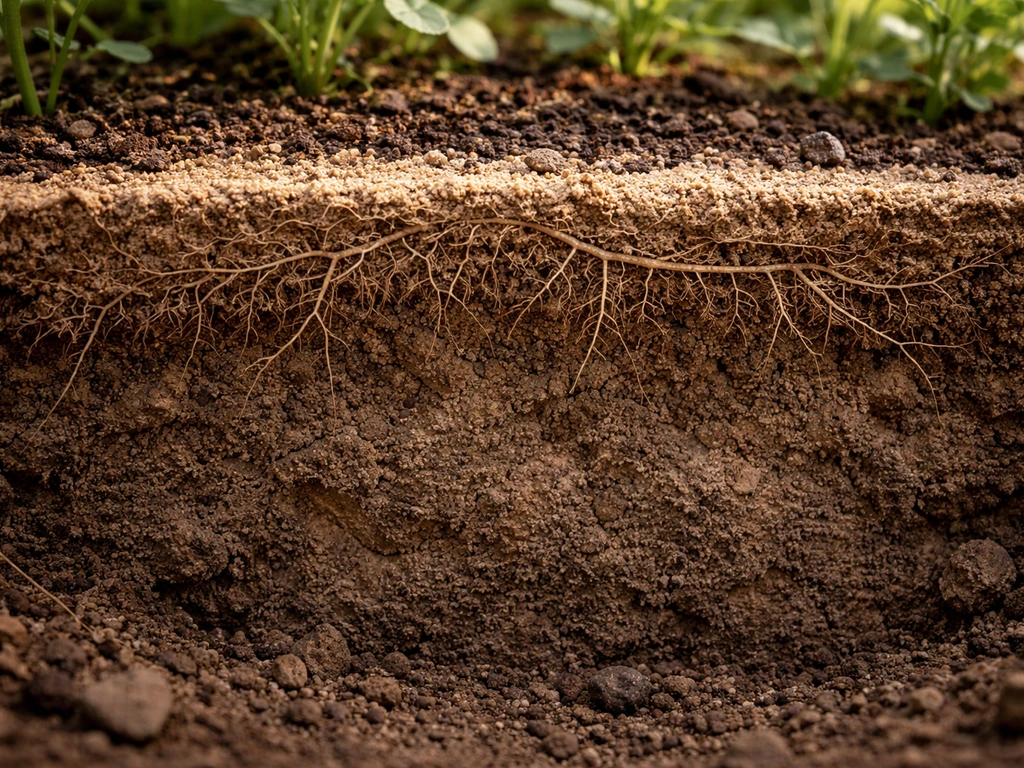
Three inches sounds like a measurement, but what it really describes is a rooting ceiling. Soil scientists define effective soil depth as the vertical distance from the surface down to the layer that stops roots from going further. That layer might be rock, hardpan, compacted clay, a concrete container floor, or a raised bed liner. Whatever it is, roots hit it and stop. So when you say you have 3 inches of soil, you're saying roots get exactly 3 inches to anchor, drink, and feed.
For context, agronomists typically classify 'shallow' soils as anything with a root-restricting layer within 10 to 20 inches of the surface. Three inches is well below that threshold. That's not a criticism of the setup, it just means you need to be deliberate about which plants you put there. Plants adapted to thin, rocky soils in the wild, like cliff-face sedums, alpine herbs, or coastal dune grasses, already deal with exactly this. They've evolved fibrous or mat-forming root systems that spread wide instead of deep, and they manage moisture stress efficiently. Those are your target species.
One thing worth separating early: there's a difference between native in-ground soil that's only 3 inches deep before hitting rock or compaction, and a raised bed, planter, or green roof tray that you've filled with 3 inches of growing medium. Both limit rooting depth, but the container scenario gives you full control over drainage, nutrients, and moisture retention. The plant lists below work for both situations, but the container tips in the soil hacks section will matter more if you're building a setup from scratch.
Best plants for 3 inches of soil, organized by use case
These selections are grounded in where plants actually grow naturally, not just what garden centers recommend. Every plant here has a real-world analog in shallow-soil habitats: rocky outcrops, cliff ledges, thin coastal soils, alpine scree, or sandy plains. That's why they work.
Groundcovers and low spreaders
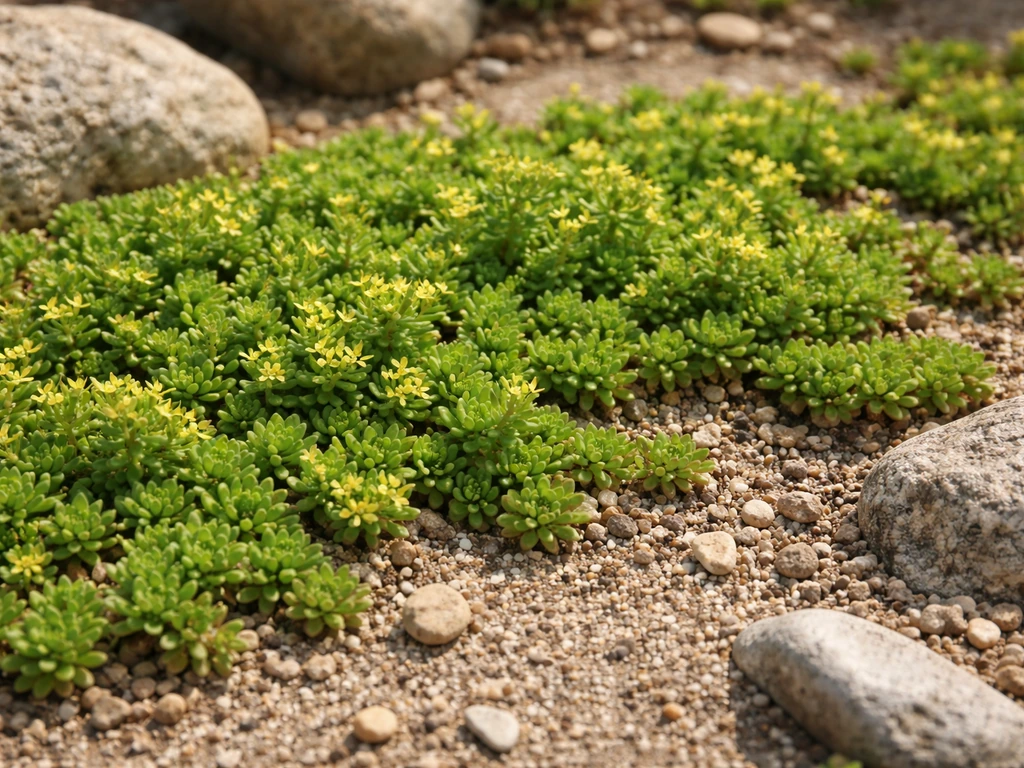
Groundcovers are the most naturally suited category for shallow soil because they evolved to carpet thin surfaces in the wild. Sedum (stonecrop) is the standout choice. Many sedum species grow on bare rock faces with almost no soil at all, pulling moisture from dew and storing it in succulent leaves. Creeping thyme behaves similarly, spreading via surface runners with fibrous roots rarely deeper than 2 to 3 inches.
Ajuga reptans (bugleweed) handles shade and spreads aggressively in shallow woodland soils. Creeping Jenny (Lysimachia nummularia) works well in moist, partially shaded spots. Moss is the extreme example: it has no true roots at all and anchors to bare rock through tiny rhizoids, making it viable in literally no soil if the surface stays moist.
Herbs
Mediterranean herbs are a natural fit because they evolved on thin, rocky soils around the Mediterranean basin. Thyme, oregano, marjoram, and savory all have shallow fibrous roots and actually prefer lean, well-drained conditions over rich deep soil. Chives are excellent too: they're bulb-forming with roots that rarely push past 3 to 4 inches. Cilantro and dill are fast-growing annuals with taproots, but if you keep them well-watered and harvest young, they'll produce in 3 inches before the taproot becomes a limiting factor. Avoid deep-rooted herbs like fennel, lovage, or lemongrass in shallow setups.
Vegetables
Vegetables are trickier because most productive crops want 6 to 12 inches of root run. That said, several leafy crops and small root vegetables genuinely work in 3 inches. Lettuce, spinach, arugula, and other salad greens have shallow fibrous roots and do well harvested at the cut-and-come-again stage. Radishes are a genuine exception in the root vegetable world: small varieties like 'Cherry Belle' mature in 3 to 4 inches. Microgreens and sprouts are purpose-built for shallow trays and are essentially harvested before roots matter at all. Strawberries are borderline: they can establish in 3 to 4 inches and produce a light crop, especially smaller alpine varieties.
Grasses and sedges
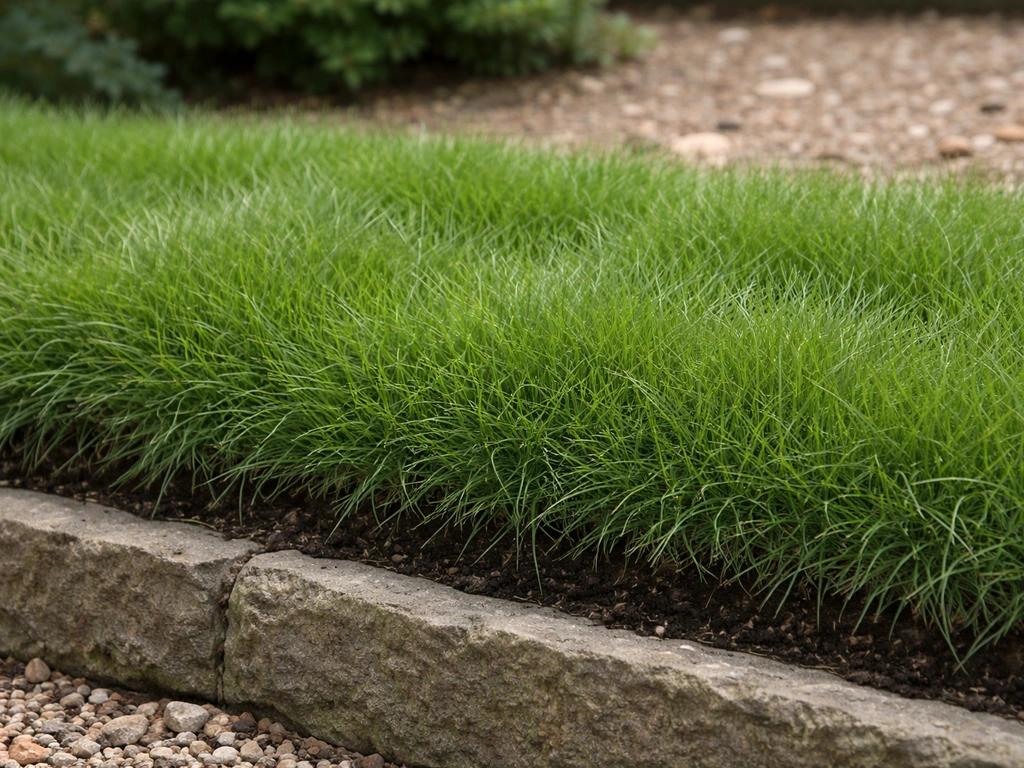
Fine fescues, especially creeping red fescue and hard fescue, are native to rocky and sandy thin soils across temperate regions and stay productive in 3 inches. Blue fescue (Festuca glauca) is widely used on green roofs for exactly this reason. Sedges like Carex flacca and Carex pensylvanica spread by rhizome at or near the surface and tolerate shallow, even compacted soils. Buffalo grass in warm climates is another shallow-rooting option, historically thriving on thin prairie soils over hardpan. Avoid tall ornamental grasses like miscanthus or pampas grass, which need much deeper root runs.
Quick reference plant list
| Plant | Type | Root depth | Notes |
|---|---|---|---|
| Sedum (stonecrop) | Groundcover / succulent | 1–3 inches | Drought-tolerant, rock-native, many species |
| Creeping thyme | Herb / groundcover | 2–3 inches | Spreads laterally, handles foot traffic |
| Ajuga reptans | Groundcover | 2–3 inches | Shade-tolerant, spreads by stolons |
| Creeping Jenny | Groundcover | 2–3 inches | Prefers moisture, partial shade |
| Chives | Herb | 2–4 inches | Bulb-forming, compact root system |
| Oregano | Herb | 2–4 inches | Thrives in lean, well-drained soil |
| Lettuce / salad greens | Vegetable | 3–4 inches | Best harvested young (cut-and-come-again) |
| Radish (small varieties) | Vegetable | 2–4 inches | Fast-maturing, avoid large varieties |
| Microgreens | Vegetable | 0–1 inch | Harvested pre-root, ideal for trays |
| Alpine strawberry | Fruit | 3–4 inches | Smaller yield, shallow-rooting variety |
| Blue fescue | Grass | 2–4 inches | Green roof standard, drought-tolerant |
| Creeping red fescue | Grass | 2–4 inches | Spreads, low-maintenance |
| Carex pensylvanica | Sedge | 2–3 inches | Rhizomatous, woodland thin soils |
| Moss | Groundcover | 0 inches (surface only) | Needs consistent moisture, no true soil required |
How to match plants to your specific conditions
Shallow soil doesn't change the basic plant-matching equation, it just narrows it. You still need to get sun exposure, moisture regime, and climate zone right before worrying about anything else.
Sun and light exposure
Full sun (6 or more hours of direct light) combined with only 3 inches of soil is the hardest combination because thin soil dries out fast and heat stress compounds quickly. If this is your situation, lean hard into drought-adapted plants: sedums, creeping thyme, blue fescue, and oregano. They tolerate drying out between waterings. Partial shade (3 to 6 hours) buys you more flexibility because moisture loss slows dramatically. Ajuga, creeping Jenny, Carex sedges, and lettuce all do better with some afternoon shade, especially in warmer climates. Full shade with shallow soil is actually relatively forgiving if moisture is consistent, making it ideal for moss, some ferns, and woodland sedges.
Moisture regime
Shallow soil holds very little water by volume. A 3-inch layer of standard soil holds roughly a quarter-inch of plant-available water at best, meaning you can lose the entire moisture reserve in a single hot afternoon. If you're relying on rainfall, you need plants that tolerate wet-dry cycling: sedums, thyme, fescues. If you are working with ericaceous soil, choose plants that are naturally adapted to its acidic, low-nutrient conditions. If you can irrigate, your plant options open up considerably, and you can grow lettuce, chives, and strawberries reliably. If the situation naturally stays moist (a north-facing wall, a naturally seeping rock face, or a shaded courtyard), then moisture-loving groundcovers like creeping Jenny and Carex become excellent fits.
Climate zone and season
In cool-temperate zones (USDA zones 4 to 7), thin soils are most productive from spring through early summer and again in fall. Summer heat drains shallow soils fast, so time plantings to avoid the hottest months or use shade cloth. In warm-temperate and Mediterranean climates (zones 7 to 10), winter and spring are the productive windows for vegetables and cool-season herbs. In arid or semi-arid climates, stick almost exclusively to succulents and drought-adapted natives like creeping thyme or native sedums, and treat summer as a near-dormant period. In humid subtropical zones, the challenge shifts to fungal issues in thin, poorly draining setups, so drainage matters as much as depth.
Soil and container hacks to make shallow-root plants succeed
The biggest lever you have when working with 3 inches of soil is controlling what those 3 inches are made of. Actual garden soil from the ground is often the worst choice here: it's dense, compacts easily, and drains poorly in thin layers. A purpose-mixed growing medium makes a meaningful difference.
The right growing medium mix
For drought-adapted plants (sedums, thyme, fescues), aim for a gritty, fast-draining mix: roughly 50% coarse horticultural grit or perlite, 30% quality compost, and 20% coarse sand. This mirrors the thin rocky soils these plants evolved in and prevents waterlogging at the base of a shallow layer. For moisture-tolerant plants (lettuce, chives, creeping Jenny), a mix weighted more toward compost (50% compost, 30% coir or peat-free fiber, 20% perlite) holds enough moisture to get through a day without irrigation while still draining well enough to avoid rot.
Containers and shallow raised edges
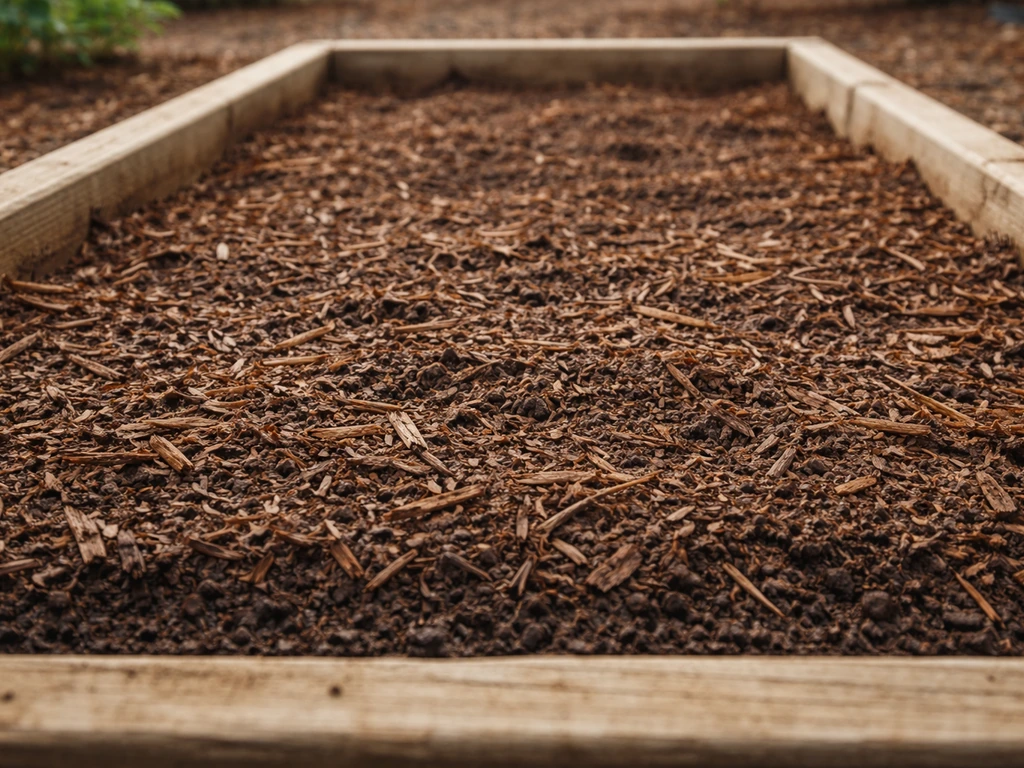
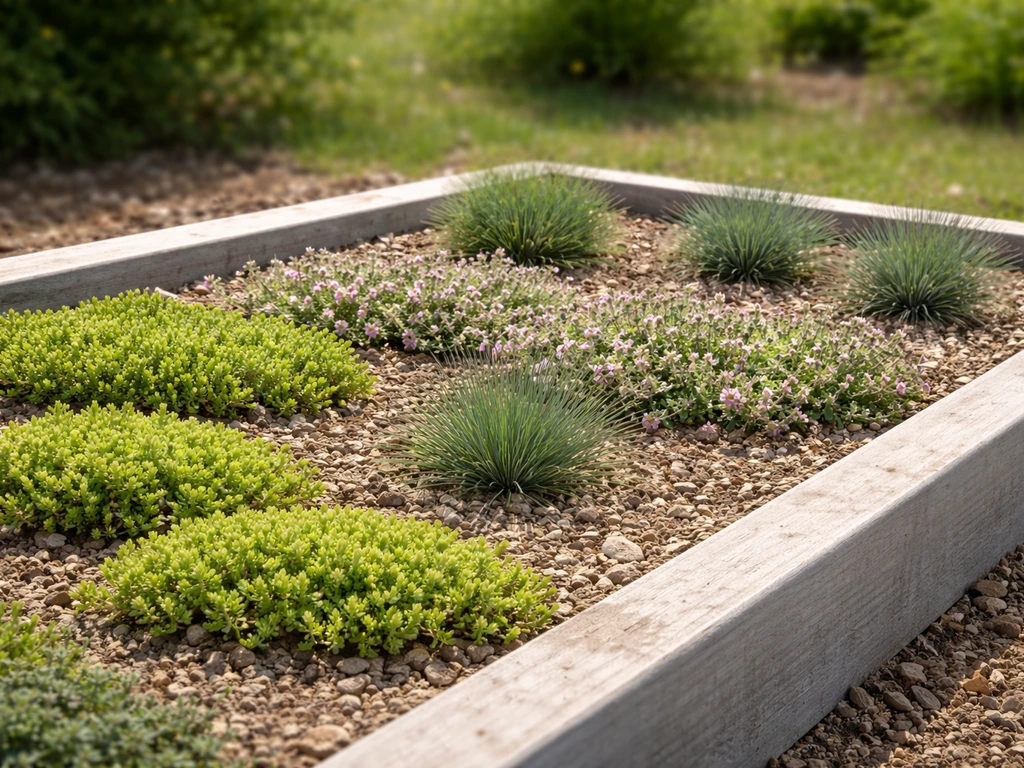
If you're building a shallow planting from scratch, choose containers with drainage holes and made of a material that doesn't heat up excessively. Terracotta wicks heat and dries out faster than plastic or glazed ceramic, which can be an advantage in damp climates but a liability in hot, sunny spots. For flat areas like rooftops or patios, raised edging boards set to 4 inches give you a reliable 3-inch growing depth after settling. Line the base with landscape fabric to prevent soil loss while allowing drainage, not plastic, which causes waterlogging.
Mulching and moisture retention
A thin layer of mulch (0.5 to 1 inch maximum in a 3-inch bed) reduces surface evaporation dramatically and can extend the time between waterings by a full day in warm weather. Use fine gravel, decomposed granite, or fine bark. Avoid thick organic mulches that hold too much surface moisture and promote rot in already-tight growing conditions. For succulent plantings, a fine gravel mulch mimics their natural rocky habitat and is both functional and ecologically appropriate.
Amendments to avoid
Water-retaining crystals or gels can seem like a smart fix, but in 3 inches of soil they can actually cause root rot by holding too much moisture at the base of a thin profile. Slow-release granular fertilizers work better than liquid feeds in these conditions because they reduce the risk of nutrient burn in a small soil volume. Avoid heavy clay amendments, which destroy the drainage that shallow plantings depend on. Many of the same shallow-rooted, drainage-friendly plants also do well when your soil is high pH Avoid heavy clay amendments.
Planting and maintenance guide for shallow soil
Planting depth and spacing
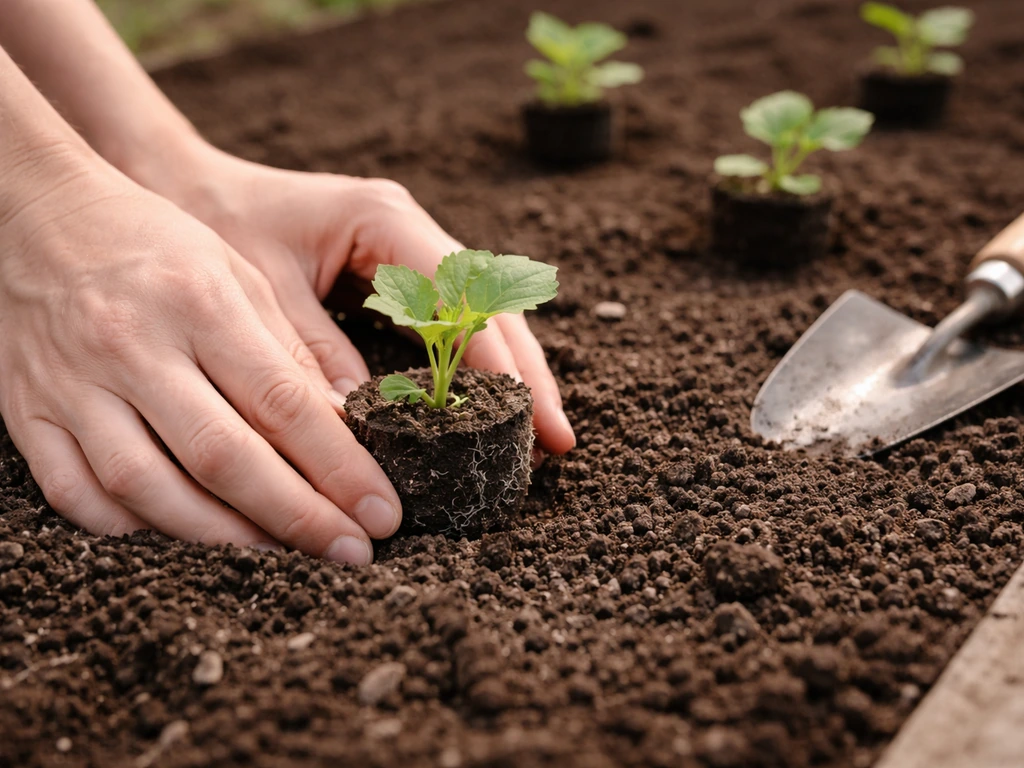
Plant at the same depth as the root ball, never deeper. In 3 inches of soil, most plugs and small starts will sit with their root base near the bottom of the soil layer, which is exactly right. Space groundcovers like sedum and thyme slightly closer than standard recommendations (by about 20%) because you want them to knit together quickly and cover bare soil, which reduces moisture loss and weed pressure. For vegetables, follow standard spacing but expect slightly reduced yields because root run is restricted.
Watering
Frequency is your main maintenance tool in shallow soil. Rather than deep, infrequent watering (the advice for deep-rooted plants), shallow soil needs smaller, more frequent watering that keeps the profile consistently moist without saturating it. In summer, drought-adapted plants like sedums may need watering every 3 to 5 days. Moisture-hungry plants like lettuce will need watering every 1 to 2 days in warm weather. Check by pushing a finger to the base of the soil: water when it feels dry at 2 inches. In cool, overcast conditions, dial back frequency significantly to avoid root rot.
Feeding
Shallow soil loses nutrients faster than deep beds, partly because of more frequent watering and partly because there's simply less soil to buffer nutrient reserves. Nitrogen-deficient soil often calls for lighter feeding and plants that can tolerate low nitrogen availability. For succulent and drought-adapted plants, feed lightly once in spring with a balanced slow-release fertilizer and leave it alone: overfeeding causes soft, weak growth that's less heat and drought-tolerant. For productive plants (vegetables, herbs), feed every 3 to 4 weeks during the growing season with a diluted liquid feed at half the standard rate. Full-strength liquid feeds in a small soil volume risk rapid nutrient build-up and burn.
Common problems and how to fix them
Drying out
This is the most common failure in shallow-soil setups. Symptoms include wilting in the hottest part of the day, leaf curl, and crispy leaf edges. If your drought-adapted plants (sedums, thyme) are wilting by midday regularly, the issue is likely inadequate watering frequency rather than the plants' suitability. Add a thin gravel mulch, increase watering to every 2 to 3 days, and consider relocating the setup to somewhere with afternoon shade if wilting persists. If moisture-loving plants dry out, either switch to more drought-tolerant species or install a drip line.
Nutrient burn
Brown leaf tips, especially on younger leaves, with a yellowing border are the classic sign of nutrient burn in a small soil volume. This happens when fertilizer salts accumulate in a thin layer with no deep soil to buffer them. Flush the soil with plain water to dilute salt build-up, stop fertilizing for 4 to 6 weeks, and switch to a lower-concentration feed. Going forward, use slow-release granules rather than liquid feeds for most plants in 3-inch setups.
Heat stress
Thin soil heats up fast because it has low thermal mass. In containers especially, soil temperature in a shallow pot in full sun can exceed air temperature by 10 to 20 degrees Fahrenheit on a hot day, which is lethal for most plants regardless of drought tolerance. Signs include sudden wilting even with adequate moisture, leaf scorch, and fruit or bud drop. Solutions: move containers to afternoon shade, wrap pots in reflective material or shade cloth, or plant in lighter-colored containers that reflect rather than absorb heat. In-ground shallow soil over rock is harder to fix, but shading with a shade cloth during peak summer heat (10 am to 3 pm) makes a real difference.
Root restriction and stunted growth
If a plant that should be growing well just sits there looking stunted and pale, the root restriction may be the culprit: there's simply not enough soil volume for the plant to reach its potential. This is most common when people try to grow plants not suited to shallow soil (tomatoes, peppers, shrubs, deep-rooted herbs). The fix is to either repot into deeper containers or replace the plant with one that genuinely suits the depth. Don't try to push unsuitable plants harder with more feed or water, it won't overcome a structural limitation.
Quick plant lists by climate, season, and placement
Use these as starting points for deciding what to plant right now based on where you are and what conditions you're working with. For more on how soil chemistry interacts with plant choice (including pH and nitrogen levels), the companion topics on plants that grow in alkaline soil and plants suited to nitrogen-deficient soil cover those dimensions in detail.
Cool-temperate zones (USDA zones 4 to 7): spring and fall
- Creeping thyme: plant in spring, full sun, gritty mix
- Lettuce and spinach: plant in early spring and again in late summer, partial sun
- Chives: plant in spring, adaptable to most light levels
- Creeping red fescue: plant in early spring or fall, sun to partial shade
- Sedum (stonecrop): plant in spring or fall, full sun, extremely resilient
Warm-temperate and Mediterranean zones (zones 7 to 10): winter and spring
- Oregano and marjoram: plant in spring, full sun, lean well-drained mix
- Radish (small varieties): plant in early spring or fall, full sun
- Alpine strawberry: plant in late winter to early spring, partial shade
- Blue fescue: plant in fall or spring, full sun, low water
- Creeping Jenny: plant in spring, partial shade, moist conditions
Arid and semi-arid zones (zones 7 to 11): fall and winter planting
- Sedum and other succulents: plant after summer heat breaks, full sun, gritty mix
- Native creeping thyme or similar low xeric herbs: fall planting for winter establishment
- Buffalo grass: warm-season planting in spring, full sun, minimal water once established
- Moss (north-facing or shaded situations only): needs reliable moisture source
Shaded or north-facing placements in any zone
- Ajuga reptans: year-round in mild climates, spring planting elsewhere
- Carex pensylvanica: tolerates dry shade better than almost any other sedge
- Moss: ideal in consistently moist shaded spots with no soil at all required
- Creeping Jenny: thrives in moist partial to full shade
The through-line across all of these scenarios is the same: pick plants whose natural habitat already includes thin, rocky, or sandy soils, match them to your light and moisture reality, and set up the growing medium to drain well and dry out slowly. If you want examples, focus on the plants that can grow in shallow soil and match them to your depth limit thin, rocky, or sandy soils.
Do those three things and 3 inches of soil is more than enough to grow a genuinely productive, attractive planting. Rooflite describes sedum roofs as extensive green roofs with a total depth typically about 3 to 8 inches.
If your goal is figuring out which plants can grow in red soil, focus on species that tolerate low water retention and fast nutrient loss.
FAQ
How do I know if my “3 inches of soil” is the real rooting depth for plants?
Measure the depth to the root-stopping layer you actually have (rock, hardpan, liner floor, compacted clay). If your setup settles after watering or rain, re-measure and treat the lower number as your “real” depth, because 1 inch less can be the difference between surviving and repeated drought stress.
What soil-drainage test should I do before planting in only 3 inches of soil?
For shallow beds, aim for faster drainage at the base but not a bone-dry surface. A practical check is to water thoroughly once, then see how long it takes to dry to the 2-inch level in warm weather, if it stays soggy for more than a day or two, switch to a gritier mix or improve the bottom drainage.
Can I use drip irrigation in 3 inches of soil, and how should I schedule it?
Yes, but only if you control it. Thin profiles are sensitive to uneven moisture, so use a drip line or soaker hose and set it on short cycles (not one long soak). Target consistent moisture at about the 1 to 2 inch depth rather than keeping the surface constantly wet.
Why do my groundcovers look fine at first, then start declining in shallow soil?
Avoid planting too dense in 3-inch soil. Even shade-tolerant groundcovers can create humidity pockets that increase rot if soil stays wet. Use enough spacing for airflow, then rely on faster spreading as plants knit together over time.
Are microgreens or sprouting greens the best vegetables for 3 inches of soil?
Generally, yes for quick harvests. Use shallow containers or microgreens-style trays for crops with short time-to-harvest, and harvest frequently to reduce how long plants need to support themselves with limited rooting volume.
How can I tell if my problems are fertilizer burn versus normal drought stress in 3 inches of soil?
Fertilizer type matters more than people expect in a small soil volume. If you see browning leaf tips or yellowing around green areas, pause feeding, flush with plain water, then switch to lower-dose slow-release granules applied sparingly in spring.
What kind of mulch works in 3 inches of soil, and how much is too much?
Mulch can help, but in shallow beds keep it thin (about 0.5 to 1 inch) and choose a fast-drying material (fine gravel or decomposed granite). Thick organic mulches can keep the surface damp and encourage rot, especially for sedums and other drought-adapted plants.
What changes should I make for plants in 3 inches of soil during winter?
Cold-weather failures often come from desiccation or freeze-thaw movement, not just freezing. Keep the planting slightly insulated with a thin gravel top for drainage, and avoid heavy, water-retentive amendments that turn the shallow layer into a wet paste during winter.
If I’m only relying on rainfall, which plants and setup choices reduce risk?
Many shallow-soil plants suffer when the soil is kept too wet, then swings rapidly dry. If you are not irrigating, prioritize species that handle wet-dry cycling (like thyme, sedums, and fescues) and consider afternoon shade to reduce the drying spikes.
Should I amend the soil in raised planters that are only 3 inches deep, and what should I avoid?
Yes, but do it deliberately. First, match a plant to the depth you can provide in the actual container or tray after any settling. Then avoid “upgrading” the soil with heavy clay or rich compost-heavy mixes that hold water or salts too long in the shallow profile.
How do I tell when my stunted growth is from shallow depth instead of low nutrients?
If plants look pale and stunted despite regular watering, the issue may be root restriction rather than nutrition. In that case, no amount of extra feeding will fix a structural limitation, switch to a shallow-suited species or increase depth by changing the planter or edging height.