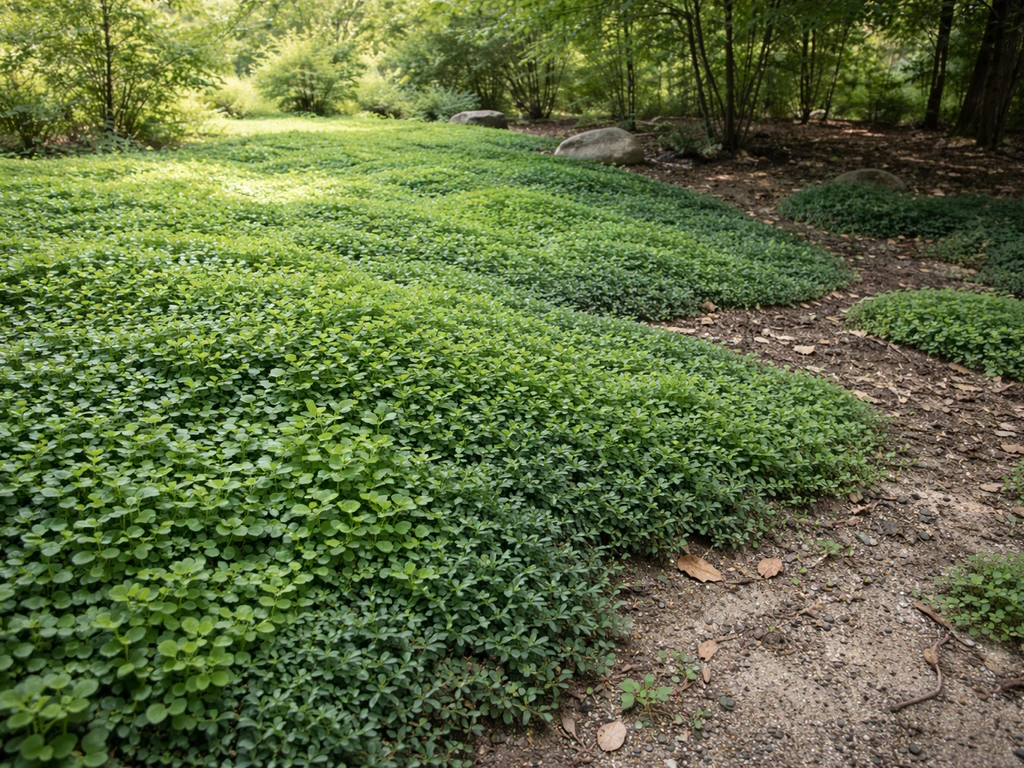
No ground cover grows absolutely everywhere, but a handful of species come remarkably close. Creeping thyme, white clover, creeping Jenny, pachysandra, and native sedges each tolerate a wide swing of conditions and will establish in spots where most plants quit. Creeping thyme and clover are examples of seeds that will grow anywhere only when you match them to the light, drainage, and soil conditions of your yard.
Ground Cover That Will Grow Anywhere: Pick and Install
Dr. Marcus Weatherby
29 Apr 2026
The catch is that 'wide swing' still has limits, and picking the wrong one for your specific light, soil moisture, and climate zone is the reason most ground cover projects fail. Run a quick site assessment first, match the plant to what you find, and you'll have coverage that actually holds. If you are specifically wondering what plants grow from bird seed, treat it like a related “seed vs.
site conditions” question and match the volunteer species to your light and drainage.
What 'grow anywhere' actually means (and doesn't)
When people search for a ground cover that will grow anywhere, they usually mean something that survives neglect, poor soil, or a difficult microclimate that's already killed two or three other plants. That's a fair goal. But 'anywhere' is a shortcut for 'across a wider range of conditions than most,' not a biological free pass. Every plant has a floor and a ceiling for cold hardiness, soil moisture, light, and pH, and understanding those ceilings is what separates a planting that fills in within one season from one that limps along for years and eventually dies out.
The USDA Plant Hardiness Zone Map is the most common starting point, and it's useful, but it only captures average annual minimum winter temperatures. It says nothing about your soil drainage, whether you're on a north-facing slope that stays frozen three weeks longer than your neighbor's south-facing bed, or whether a dry autumn sent your plants into dormancy under moisture stress.
University extension research on cold hardiness consistently lists wind exposure, sun exposure, soil texture, drainage, pH, rainfall, humidity, and overall plant health as co-factors right alongside minimum temperature. Any one of those can override what the zone map implies. So the first rule of finding a ground cover that 'grows anywhere' is to find out what 'anywhere' actually looks like on your site.
Quick site assessment: know what you're working with before you plant
You can do a useful site read in about 20 minutes. Work through these four factors in order, because light and moisture together narrow your options faster than anything else.
Light exposure
Watch the spot for a full day, or at least check it at 9 a.m., noon, and 3 p.m. Full sun is 6 or more hours of direct sun. Part shade is 3 to 6 hours, often with afternoon shade. Full shade is under 3 hours of direct light. This matters more than most people expect. A plant labeled 'sun tolerant' that gets planted in dense shade will survive but never spread. And USDA documentation specifically flags that plants near their hardiness edge can be injured by winter sun causing rapid internal temperature swings, so a 'shade plant' forced into sun is doubly exposed in cold climates.
Soil moisture and drainage
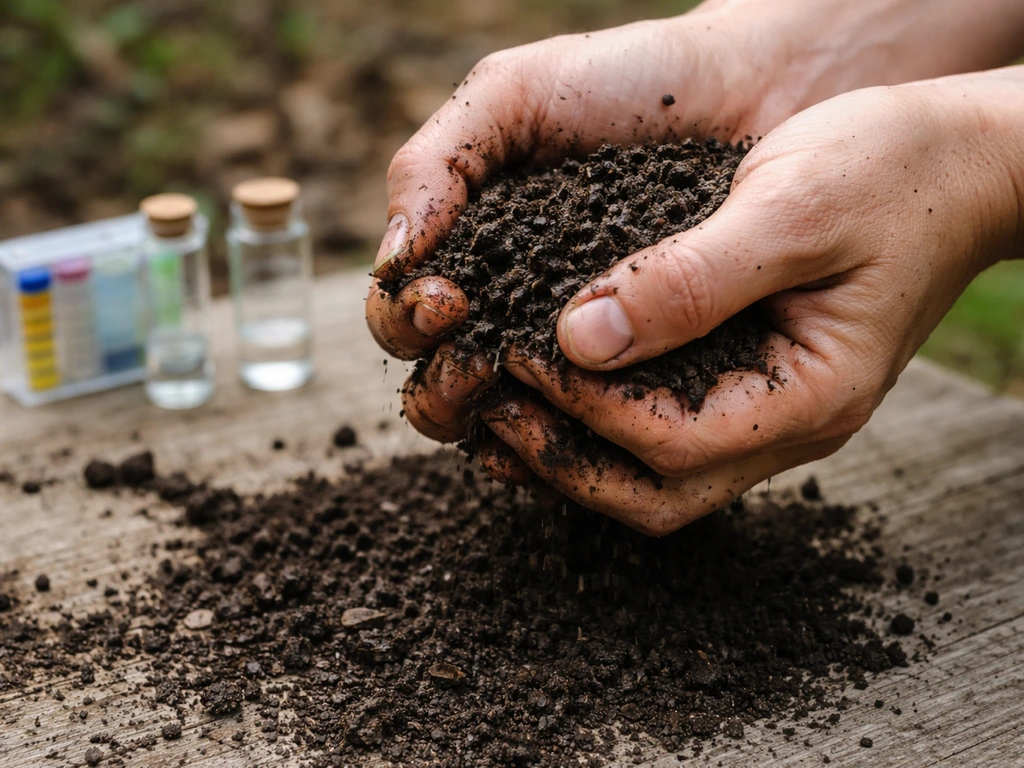
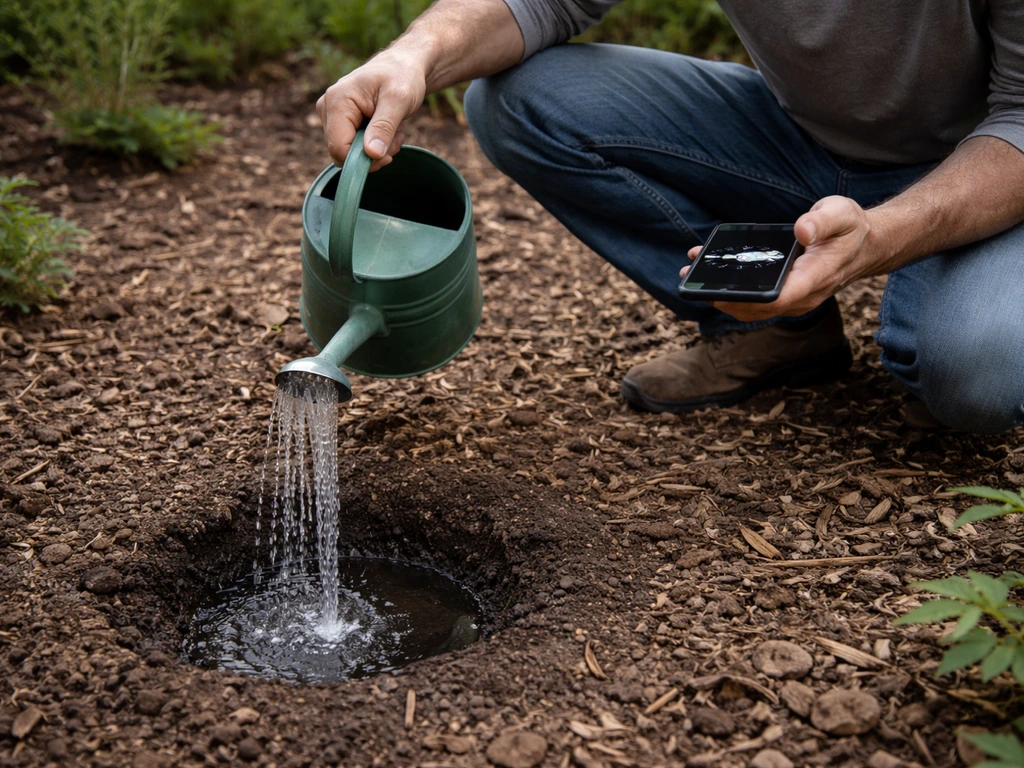
Dig a hole about 12 inches deep, fill it with water, and time how fast it drains. If it's empty in under an hour, you have fast drainage. If it takes 3 to 4 hours, you have average drainage. If water is still sitting there after 6 hours, you have poor drainage and a wet-site problem. This single test eliminates more ground cover failures than any other step. Most drought-tolerant ground covers rot in standing water. Most wet-site plants go limp and thin in dry, sandy soil.
Soil type and pH
Squeeze a handful of moist soil. If you want a practical starting point, use a list of plants that can grow on each type of soil and narrow it based on drainage, moisture, and pH list plants that can grow on each type of soil. If it ribbons out smoothly and holds shape, it's clay-heavy. If it crumbles and barely holds together, it's sandy.
If it forms a short ribbon and then crumbles, it's a loam, which is the easiest type to work with. A basic pH test kit from any hardware store tells you whether you're acidic (below 6. 0), neutral (6. 0 to 7.
0), or alkaline (above 7. 0). Most broadly adaptable ground covers prefer a range of about 5. 5 to 7.
5, so extreme readings on either end of that scale will limit your options and may require amendment.
Hardiness zone and seasonal extremes
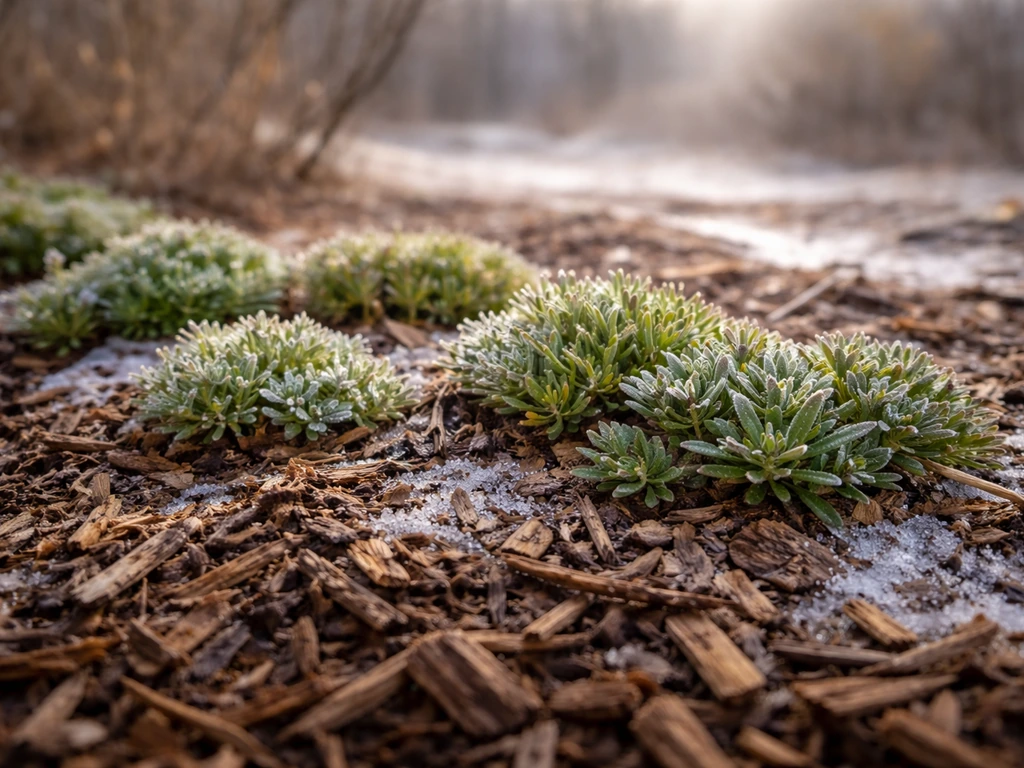
Look up your USDA hardiness zone using your zip code. Then layer in what the zone map doesn't capture: how dry your late summer and autumn typically get (because plants entering dormancy under drought stress are more vulnerable to winter injury), whether you get ice storms versus dry cold versus wet freezes, and whether your summers run hot and humid or hot and arid. A ground cover rated to Zone 5 that comes from the humid Northeast may sulk in a Zone 5 location in the dry Northern Plains. These regional nuances are exactly why the site-match matters more than the zone number alone.
The most adaptable ground cover picks, matched to real scenarios
Rather than a generic top-ten list, here are the options that consistently perform across the widest conditions, organized by the four site scenarios that people struggle with most.
Wet shade: under trees with poor drainage
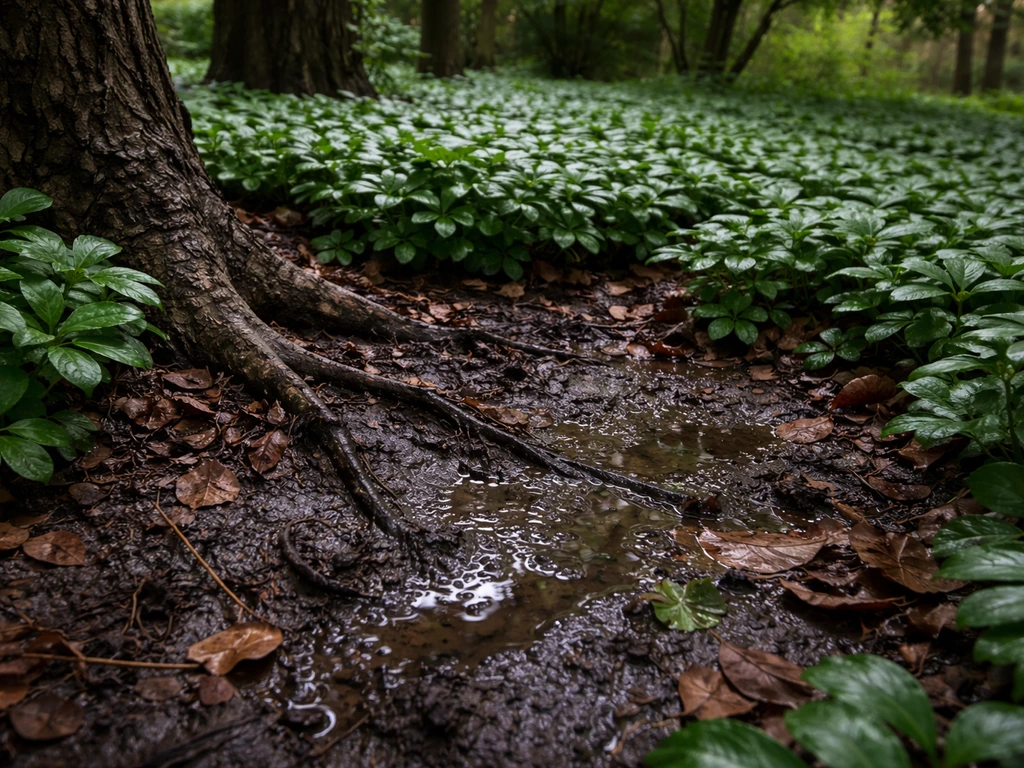
This is the hardest scenario because you're combining low light with root competition and soil that may stay saturated in spring. Pachysandra terminalis is the classic choice: it handles shade from Zone 4 through Zone 9, tolerates acidic soils under conifers, and once established it outcompetes most weeds. Native alternatives include wild ginger (Asarum canadense) in eastern North America and piggyback plant (Tolmiea menziesii) in the Pacific Northwest. For wetter sites specifically, creeping Jenny (Lysimachia nummularia) is aggressive enough to spread through moist, shaded spots in Zones 3 to 9, though it needs watching because it can become invasive outside its native range.
Dry sun: full exposure with sandy or gravelly soil
Creeping thyme (Thymus serpyllum and related species) is the most field-proven option here. It grows in Zones 3 to 9, handles drought, poor rocky soil, and moderate foot traffic, and thrives in full sun with good drainage. It will not tolerate wet feet, which is the most common mistake. Creeping phlox (Phlox subulata) fills a similar niche in Zones 3 to 9 and is particularly effective on slopes. For hot, arid climates in the Southwest, prostrate or creeping varieties of native sedums and delosperma (ice plant) are more realistic options than any temperate ground cover.
Poor, compacted soil with mixed light
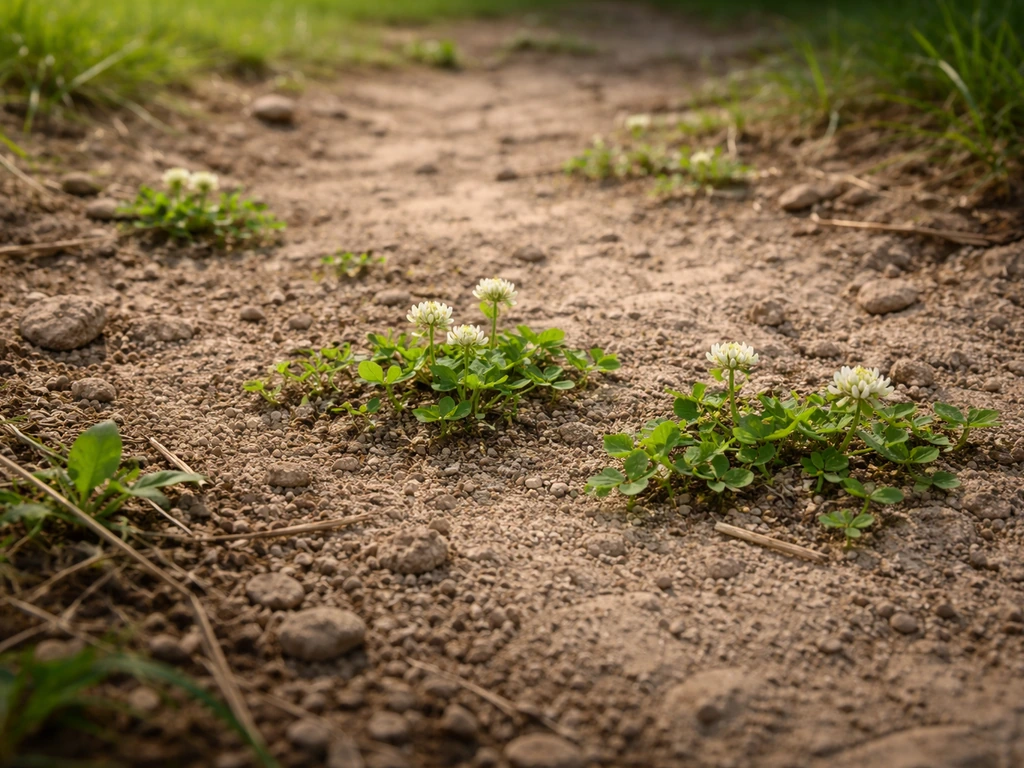
White clover (Trifolium repens) is genuinely hard to beat in this scenario. It fixes atmospheric nitrogen, so it actually improves compacted, nutrient-depleted soil as it grows. It handles Zones 3 to 10, tolerates mowing, part shade, and neglect, and seeds itself reliably. The tradeoff is that it's considered a weed in formal settings and attracts pollinators (which is a benefit ecologically but a concern in high-foot-traffic lawns). Creeping red fescue and low-growing native sedge species like Carex pensylvanica are better options where a lawn-like appearance matters in part-shade, poor-soil conditions.
Slopes and erosion-prone banks
The primary job on a slope is root mass, not canopy coverage, so the best choices here are plants that root along their stems as they spread. Crown vetch (Coronilla varia) establishes fast and holds soil across a very wide zone range, but it is aggressively invasive in North America and should be avoided unless you're in a region where it is already naturalized and contained. Better options include native Virginia creeper (Parthenocissus quinquefolia) in Zones 3 to 9, creeping juniper (Juniperus horizontalis) for dry, sunny slopes in Zones 3 to 9, and native bunch grasses like buffalo grass (Bouteloua dactyloides) for open, sun-exposed banks in the Great Plains and similar climates.
| Ground Cover | Best Scenario | Zones | Light | Moisture Tolerance |
|---|---|---|---|---|
| Pachysandra terminalis | Wet or dry shade | 4–9 | Part to full shade | Moist to average |
| Creeping thyme | Dry, sunny, rocky | 3–9 | Full sun | Dry to average |
| White clover | Poor/compacted soil | 3–10 | Full sun to part shade | Average to moist |
| Creeping Jenny | Wet shade | 3–9 | Part shade to shade | Moist to wet |
| Creeping phlox | Dry slopes, sun | 3–9 | Full sun | Dry to average |
| Carex pensylvanica | Dry shade | 3–8 | Part to full shade | Dry to average |
| Creeping juniper | Dry sunny slopes | 3–9 | Full sun | Dry |
| Virginia creeper | Slopes, mixed light | 3–9 | Full sun to full shade | Average to moist |
Planting plan: how to actually get it established
Site prep and weed control
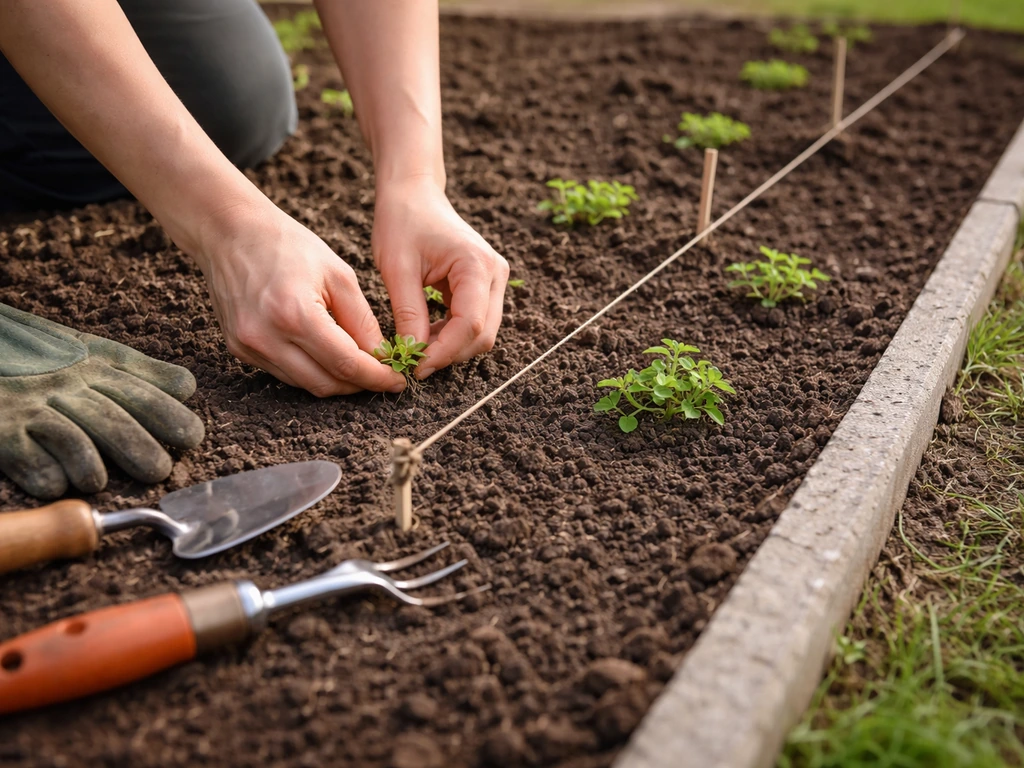
The single biggest reason ground cover plantings fail is weed competition in the first season before the plants can close the canopy. Clear the area thoroughly before planting. For small beds, hand-pulling and smothering with 3 to 4 inches of wood chip mulch works well. For larger areas, solarizing the soil (covering it with clear plastic for 4 to 6 weeks in summer) kills weed seeds in the top few inches without chemicals.
Landscape fabric is widely marketed for this purpose, but it's worth knowing its real limits: permeability degrades over time, it can trap water against crowns in poorly drained spots increasing rot risk, and most reports suggest its effectiveness drops significantly after 3 to 4 years, at which point removal is genuinely difficult because roots grow through it. For a perennial ground cover meant to spread and naturalize, a thick organic mulch layer is usually a better long-term choice.
Spacing and plant density
How fast you want coverage determines how tightly you space. Faster coverage costs more upfront. A general starting point: for a 12-inch spreading plant like pachysandra, space plugs 8 to 12 inches apart for coverage within two seasons. For vigorous spreaders like creeping Jenny or clover, 12 to 18 inches apart is sufficient. For slower, clump-forming sedges, go 6 to 8 inches apart and expect two to three years before a tight mat forms. Triangular or staggered spacing fills gaps more evenly than grid planting.
Establishment watering
Even drought-tolerant ground covers need consistent moisture for the first 6 to 8 weeks after planting while roots establish. UMN Extension advises watering newly planted trees and shrubs frequently during establishment, applying water to support root establishment during the first 3 to 12 weeks consistent moisture for the first 6 to 8 weeks after planting while roots establish.
Water deeply two to three times per week in the absence of rain, rather than light daily sprinkles. Shallow watering trains roots to stay near the surface and makes plants more vulnerable to drought once you back off. After the first full growing season, most of the species listed above can survive on natural rainfall in climates that receive at least 20 to 25 inches annually, with supplemental watering only during extended dry spells.
Care after planting: what ongoing maintenance actually looks like
Most broadly adaptable ground covers are selected precisely because they don't demand much. That said, 'low maintenance' is not the same as 'no maintenance,' especially in the first two years.
Fertilizing
Avoid heavy fertilization in the first year. You want the plants to establish a deep root system, not push fast top growth that becomes vulnerable to drought and cold. A light application of balanced slow-release fertilizer at planting is enough. In subsequent years, a thin topdressing of compost in spring covers most needs for shade-tolerant ground covers. Drought-tolerant sun plants like creeping thyme and creeping phlox rarely need any fertilizer at all once established, and overfeeding them can actually reduce their density and hardiness.
Mowing and trimming
Creeping thyme and clover benefit from a single light mow or shear in late spring after flowering to keep them dense and prevent woodiness. Pachysandra and sedges generally don't need mowing but benefit from an annual cutback to 3 to 4 inches in late winter before new growth emerges. Creeping juniper and Virginia creeper need occasional edge trimming to prevent them from advancing where you don't want them.
Seasonal maintenance
In cold climates, do not cut back herbaceous ground covers in autumn. The dead foliage and stems provide insulation and protect crowns from freeze-thaw cycling, which is one of the more common causes of winter dieback. In spring, wait until you see new growth before clearing old foliage. In hot, humid climates, the main seasonal task is watching for fungal issues in summer, especially in poorly drained beds. Improving airflow by thinning overly dense patches helps considerably.
Why ground covers fail and how to fix it
Dieback and bare patches
Dieback after winter is usually one of three things: the plant was at the edge of its cold hardiness and a brutal minimum temperature tipped it over, the soil dried out in late autumn and the plant entered dormancy stressed (this is well-documented as a vulnerability factor), or a late hard freeze caught new growth. The fix for the first problem is choosing a plant that is one full zone hardier than your zone rating. The fix for the second is making sure the ground cover goes into winter well-watered, especially in dry autumn years. Bare patches mid-season usually signal either fungal crown rot (too wet) or root competition from a nearby tree consuming all available moisture.
Slow spread
If your ground cover is alive but simply not spreading, the most common culprits are insufficient light, soil that's too compacted for runners to root, or competition from persistent weeds. Check whether the canopy overhead has changed since planting. A bed that received dappled light three years ago may now be in dense shade from a maturing tree. For compacted soil, topdress lightly with compost in spring to give spreading stems something soft to root into.
Invasive risk
Some of the most adaptable ground covers are adaptable precisely because they grow aggressively across a wide range of conditions. That's the same trait that makes them invasive outside their native range. Creeping Jenny, crown vetch, English ivy, and wintercreeper (Euonymus fortunei) all appear on regional invasive species lists in parts of North America. Before planting any fast-spreading species, check your state or provincial invasive species database. The fact that something is sold at a local nursery does not mean it is ecologically safe to plant near natural areas or forest edges.
How to find the right mix for your exact climate and season
The species listed in this guide are starting points, not universal answers. Look for plants that can grow in any soil only after you confirm your site conditions and pick species that match them universal answers. If you are searching for plants that can grow in any climate, use this site-matching logic first, then narrow to species that truly fit your local conditions.
The best performing ground cover in any given location is usually one that either evolved there or has been naturalized in the same climate and soil type for long enough to have proven its reliability. A clover mix that thrives in a humid Midwestern yard may be outcompeted by native bunch grasses in a California coastal prairie climate.
Sedges that anchor a shaded woodland floor in the Appalachians may not have the drought tolerance for a similar-looking shaded bank in the Southwest. This is the core logic of climate-forward plant selection: matching the environmental template of where the plant evolved to the conditions of where you're planting it.
For a genuinely site-matched approach, start with your local native plant society or your state's cooperative extension service. Both publish regionally specific ground cover lists organized by the same site factors covered here, and recommendations are based on actual performance in your climate, not catalog descriptions. If you're working across multiple challenging microclimates in the same yard (a dry, sunny slope plus a wet, shaded low point, for example), a mix-and-match palette is almost always more reliable than trying to find a single species that handles both extremes. Assign different plants to different zones based on your site assessment, and let each species do what it's actually suited for.
This concept connects to the broader question of which plants can survive across the widest range of conditions generally, and you'll find that the same site-matching logic applies whether you're looking at trees, shrubs, or low-growing ground covers. The most consistently successful strategy across all of them is the same: read the site honestly, choose a plant whose native or naturalized environment matches what you found, and support it through the first season while it builds enough root mass to hold its own.
A practical checklist before you buy
- Confirm your USDA hardiness zone and check the typical autumn moisture pattern in your region.
- Run the light assessment (check at 9 a.m., noon, and 3 p.m.) and classify the site as full sun, part shade, or full shade.
- Do the drainage test (fill a 12-inch hole with water and time it) and classify as fast, average, or slow draining.
- Test soil pH with a basic kit if your site has a history of plant failures.
- Cross-reference your site conditions against the species table above to narrow to two or three candidates.
- Check your state or provincial invasive species list for any candidate species before purchasing.
- Buy from a local nursery when possible: regionally sourced plants are typically better adapted to your specific climate and seasonal timing than plants shipped from a different zone.
FAQ
My site looks like it’s in the right USDA zone, but the ground cover keeps dying. What else should I check besides zone?
Test the soil drainage where you will plant, not in the yard at large. A spot that drains quickly on one side of a slope can stay wet in a shallow low pocket, and many “dry-tolerant” ground covers will fail from crown rot if the wet pocket is ignored. If you find poor drainage (water still present after about 6 hours), prioritize wet-site options (for example, creeping Jenny in moist shade) and consider regrading or adding a drainage layer before planting.
How do I prevent weeds from ruining my ground cover in the first season?
“Grows anywhere” lawns often fail because weeds win during establishment. Even if you clear the area, roots from nearby perennials or tree canopies can keep competing, so you may need a root barrier or a wider radius of weed removal around the bed. A thick mulch layer (3 to 4 inches) helps suppress new weeds while the ground cover closes, but keep mulch off crowns of plants like pachysandra where rot risk is higher.
How much should I water in year one, and how do I know I’m watering too little or too much?
Most creeping and clumping ground covers need consistent moisture only at first, but “how often” depends on how fast your soil dries, which your drainage timing test can reveal. As a practical rule, water deeply 2 to 3 times per week for 6 to 8 weeks during no-rain stretches, then reduce based on rainfall. If the top inch dries quickly but deeper soil stays damp, you can water less frequently but deeper, to encourage deeper rooting.
Can I use seeds instead of plugs, and will seed always fill in as quickly?
Yes, but match the method to the plant. Plugs and divisions establish faster than seed for slow clump-formers, and spacing differs by method. If you want the fastest cover using seeds, your best chance is selecting plants that reliably germinate in your light and moisture conditions, then protecting the surface from washout and birds until seedlings root.
Is landscape fabric a good way to get ground cover that grows almost anywhere?
Landscape fabric can work as a short-term weed barrier, but it has long-term drawbacks for spreading ground covers. Over time it becomes less permeable, and in poorly drained spots it can trap water against plant crowns, increasing rot. Also, roots grow into it, so removal during a renovation is difficult. If you use it, plan for eventual removal and keep fabric away from crowns and drainage basins.
How tight should I space ground cover if I want it to fill in sooner?
No single spacing guarantees success, because spacing is only one variable. The rule of thumb to use is “tighten for fast fill, loosen for slow spreaders,” then adjust for shade and heavy weed pressure. In dense shade or where tree roots are active, you generally need either more initial plants or longer establishment time, because spread and runner rooting slow down even for broadly tolerant species.
What should I troubleshoot if my ground cover survives but never fills in?
If a planting is alive but not spreading, check light first, then soil structure, then competition. A common overlooked issue is that shade patterns change over years as trees mature. If light is right, compacted soil can prevent runners from rooting, so a light spring compost topdress can restore rooting contact. Persistent weeds are also a common cause, especially near roots of shrubs and trees.
When is the best time to cut back or mow ground cover, and when should I leave it alone?
For cold climates, avoid removing herbaceous ground cover foliage in autumn, because the dead stems and leaves help buffer crowns from freeze-thaw cycling. When in doubt, wait until you see new growth before cleaning up in spring. In hot, humid climates, watch for fungal issues in dense areas, and selectively thin overly packed patches to improve airflow.
Which of the common “tolerant” labels (shade tolerant, drought tolerant) are most misleading?
Not always. Some species are “tough,” but their toughness depends on the specific weak link, usually water level or sun exposure. For example, shade-tolerant plants that get pushed into full sun can be more winter-damaged near their hardiness limit, and drought-tolerant plants can rot in standing water even if they tolerate dry periods. The safe approach is to match each plant to the light and drainage you measured, then treat “tolerates” as “works when conditions are right,” not “works everywhere.”
How do I avoid planting ground cover that becomes invasive in my region?
If the goal includes avoiding invasiveness, verify whether fast spreaders are restricted in your area. Even plants commonly sold locally can be problematic near natural areas. If you are unsure, choose native or regionally naturalized species and start with slower spreading options where containment matters, then create edges that are maintained so runners do not escape into unmanaged areas.
Can I use one ground cover in a whole yard, or should I plan for different areas?
For a single yard with multiple microclimates, a mix-and-match palette is usually more reliable than forcing one “does everything” plant. Use your drainage and light checks to assign different species to different zones, for example, a dry-sun mix for the slope and a moist-shade option for the low area. This reduces the chance you pick a plant that “survives” everywhere but only “spreads” in a small portion of the yard.