No plant grows literally everywhere. But a handful of species come remarkably close, thriving across USDA zones 3 through 9, in sandy soil or clay, in full sun or dappled shade, with minimal watering once established. The key is understanding that 'grow anywhere' really means 'tolerates a wide range of conditions', and once you know your actual conditions, picking the right generalist becomes straightforward. Here's how to figure out what you're working with and which plants are most likely to succeed with the least effort.
Plants That Will Grow Anywhere: Match Options to Your Conditions
Dr. Marcus Weatherby
20 Apr 2026
Why 'grow anywhere' isn't really true (and what it actually means)
Every plant has a minimum cold tolerance, a moisture range it can survive, and a light threshold below which it simply won't photosynthesize enough to stay alive. The USDA Plant Hardiness Zone system captures the cold end of this: zones run from 1 (average annual minimum around -60°F) to 13 (minimums above 60°F), each representing a 10°F band. A plant rated to zone 5 will die in zone 4 winters. That's a hard ceiling no soil amendment can fix.
But cold hardiness is only one piece. Frost dates, soil temperature, drainage, light hours, and summer heat all interact. Warm April days can be deceptive, overnight freezes and cold soil persist well into May in many northern regions, and planting warm-season crops into cold soil (below 60°F at 2-inch depth) invites chilling injury and weak stands. So when someone asks what will 'grow anywhere,' the honest answer is: widely adaptable plants that handle cold down to a certain zone, tolerate a broad pH range, manage both dry spells and modest moisture, and require little fussing over light conditions. That's not everywhere, but it covers a huge portion of yards, balconies, and garden beds across North America.
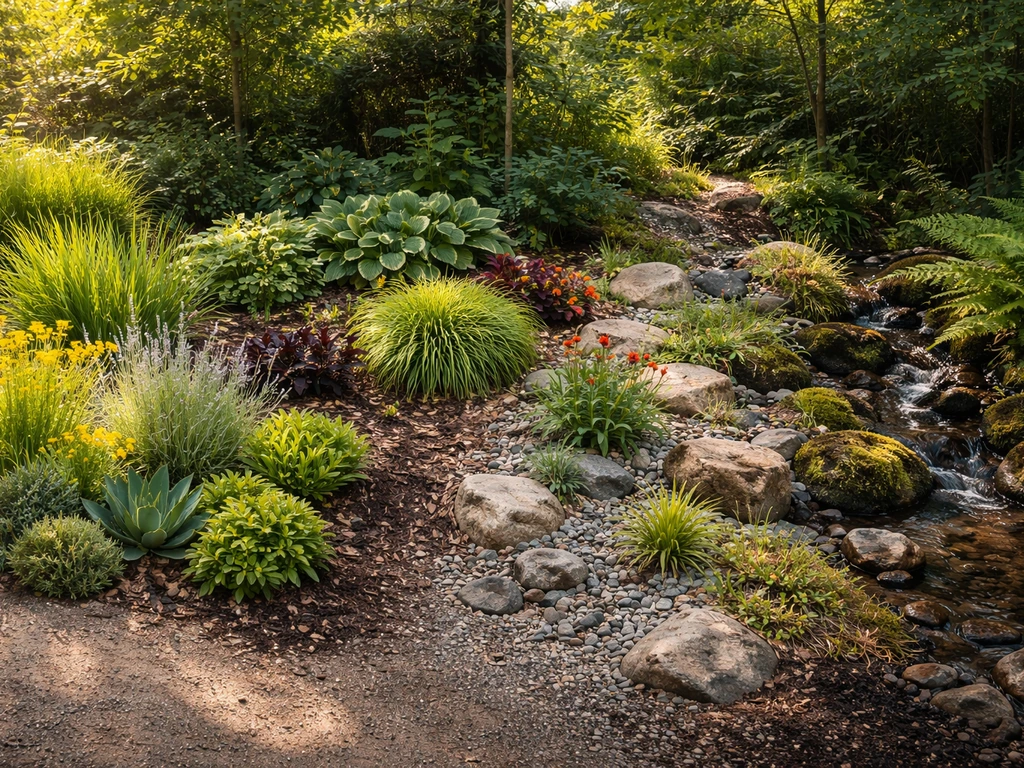
It's also worth separating 'survives anywhere' from 'thrives anywhere.' Some plants, like creeping juniper or Vinca minor, will survive in remarkably tough spots. Others need just one condition nailed, decent drainage, say, and they'll tolerate everything else. This guide focuses on the second category: plants where getting one or two basics right unlocks surprisingly broad adaptability.
Figure out your growing conditions before you buy anything
Spend 15 minutes on this before driving to a nursery. It will save you from buying plants that simply cannot survive your site.
Find your USDA zone and frost dates
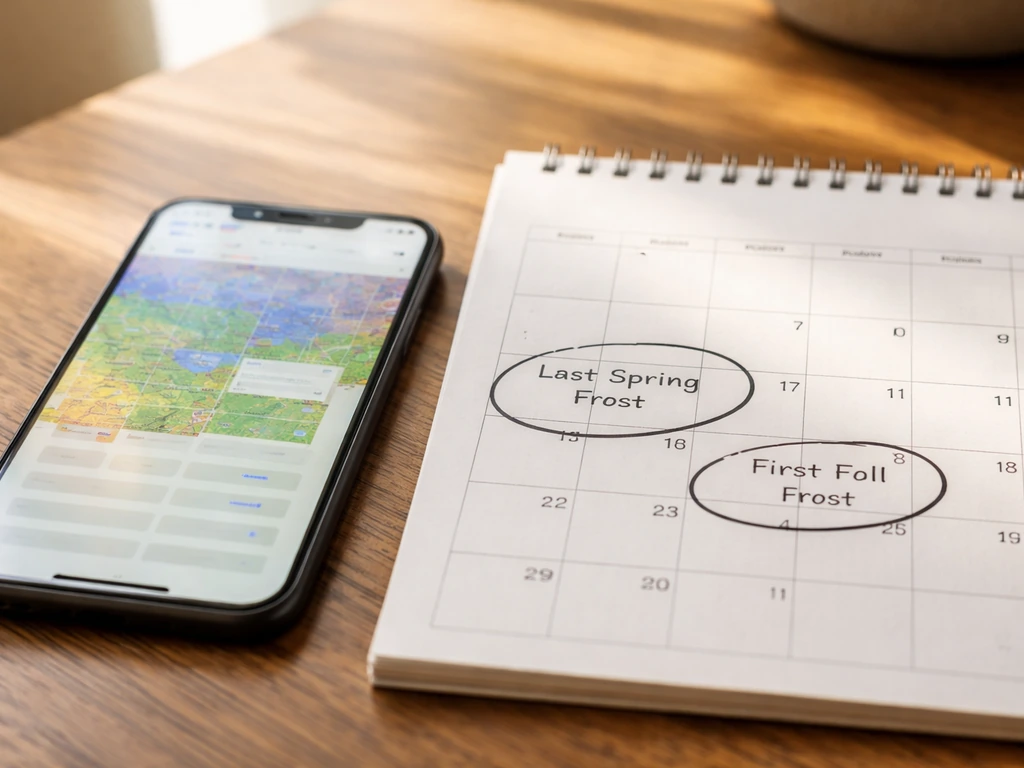
Look up your USDA hardiness zone using your ZIP code, this tells you the coldest temperature your plants need to survive. Then find your average last spring frost and first fall frost dates. The window between them is your frost-free growing season. These two numbers together do most of the work: the zone tells you what survives winter, and the frost dates tell you when to plant.
Wisconsin Extension notes that hardiness zone maps are based on averages over a 30-year period rather than the single lowest temperature ever recorded hardiness zone maps are based on 30-year averages.
Do not rely on calendar month alone. A gardener in Minnesota and one in Georgia both have 'spring' in April, but one is still flirting with hard freezes while the other is already into warm-season planting.
Check your sunlight hours
Walk your site at three points during the day, morning, midday, and late afternoon, and note where direct sun falls. Tools like ShadeMap let you calculate cumulative direct sunlight hours for any location and date, which is genuinely useful for balconies and spots with tree canopy or neighboring buildings. What matters isn't whether the sun hits at all but total daily hours: full sun means 6 or more hours, part shade is 3 to 6, and full shade is under 3. Choosing a sun plant for a 2-hour spot is one of the most common reasons 'easy' plants fail.
Test your soil basics
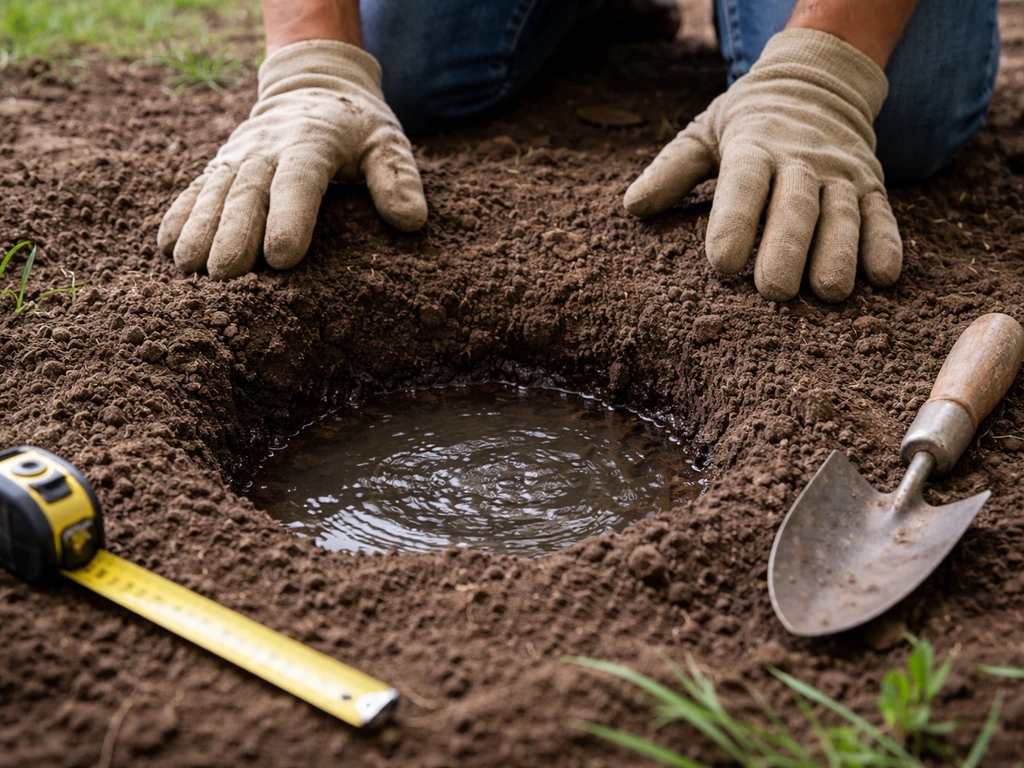
You need to know two things about your soil: drainage and pH. For drainage, dig a hole about 12 inches deep, fill it with water, and check how long it takes to drain. If water sits for more than an hour, you have poor drainage and need to plan around it. For pH, an inexpensive test kit from a garden center will do. Most widely adaptable plants are comfortable in the 6.0 to 7.5 range, a window that covers most garden soils across North America. Soil pH above 7.5 or below 5.5 will lock out nutrients regardless of what you plant, so knowing where you land matters.
Be honest about your watering situation
Do you have an irrigation system, a hose nearby, or are you relying on rainfall? Overwatering is as damaging as drought, waterlogged roots develop the same stress symptoms as drought-stressed plants, including leaf drop and eventual death. If you're in a dry climate or tend to forget to water, choose drought-tolerant species from the start rather than trying to adapt moisture-loving plants.
The best widely adaptable plants: hardy generalists and groundcovers
These are the plants that show up across dozens of habitats because they genuinely tolerate a wide range of conditions. They're not exciting, but they work. I've seen most of these thriving in spots where three previous 'sure thing' purchases died.
Groundcovers that handle tough spots
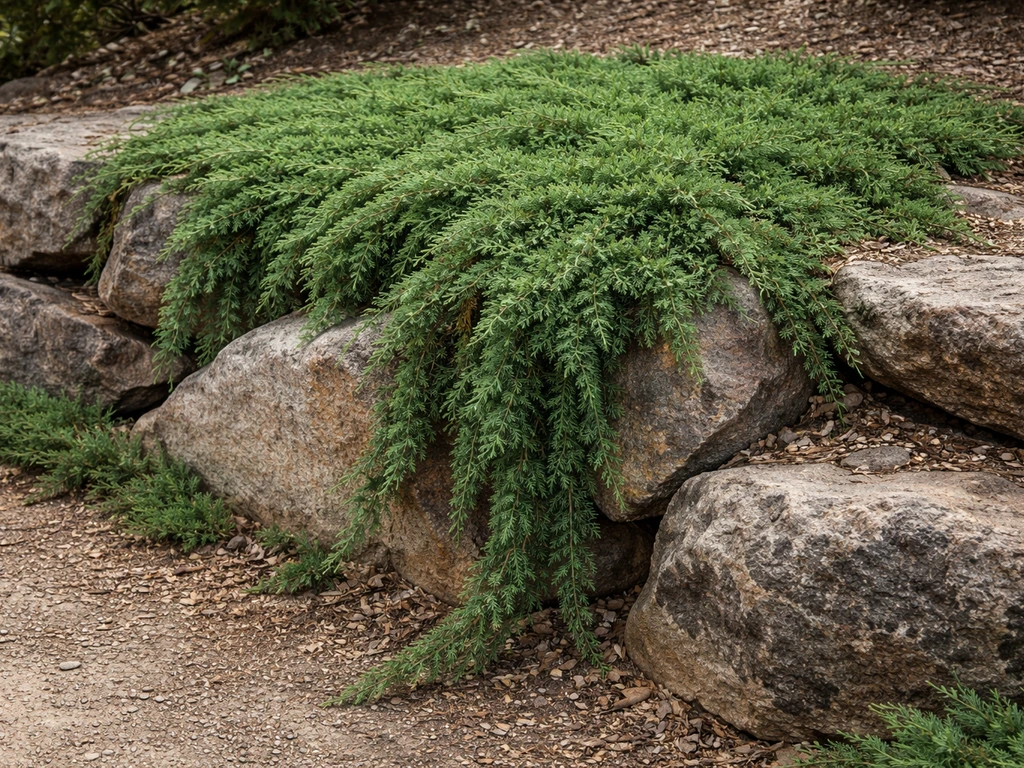
Creeping juniper (Juniperus horizontalis) is probably the single most adaptable low-growing plant for North American gardens. It handles zones 3 through 9, tolerates drought, poor soil, and full sun, and several cultivars manage part shade reasonably well. It's genuinely xeric once established. Vinca minor (periwinkle) covers a similar hardiness range and performs in both sun and shade, though it can become aggressive, useful in problem spots, worth monitoring near natural areas.
Ajuga (bugleweed) is another reliable shade-to-part-sun groundcover, hardy to zone 3, and tolerates clay soil that would drown less adaptable plants. For those researching specific groundcover options, the topic of ground cover that will grow anywhere goes deeper on these choices by light and moisture category. For more on ground cover that will grow anywhere, match your light and moisture conditions to the right tough generalist choices.
Hardy ornamental grasses
Ornamental grasses as a category are among the most ecologically flexible plants you can put in the ground. Korean feather reed grass tolerates partial shade, which is unusual for grasses. Many switchgrass (Panicum virgatum) cultivars are native to North American prairies and handle everything from sand to moderate clay, zones 4 through 9, with minimal water once established. For dry, rocky sites, blue fescue (Festuca glauca) is extremely tough. Always check the zone rating for the specific cultivar, hardiness within ornamental grass species varies significantly.
Ferns for shaded and moist spots
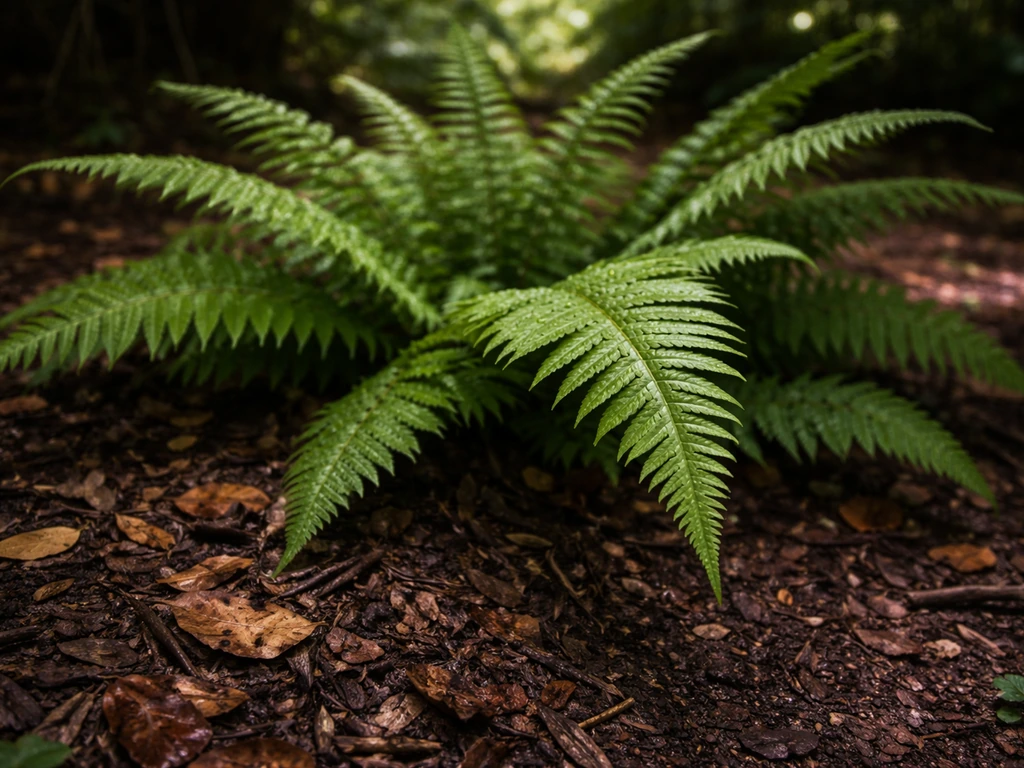
If your 'anywhere' includes shady, moist ground, sword fern is a strong pick, it prefers moist, well-drained soil but is surprisingly drought tolerant once established, and it's cold hardy across a wide range. Hostas deserve mention here too: they genuinely thrive in partial to full shade and handle a wide range of soil conditions, though they need more moisture than grasses and suffer in very hot, exposed sun. The sibling topic on plants that can grow in any condition covers additional options for extreme shade and moisture scenarios.
Shade vs. sun picks, plus what works in containers
| Plant | Light | Hardiness Zones | Drought Tolerance | Container-Friendly |
|---|---|---|---|---|
| Creeping juniper | Full sun to part shade | 3–9 | High | No (spreads wide) |
| Vinca minor (periwinkle) | Full sun to full shade | 4–9 | Moderate | Yes |
| Ajuga (bugleweed) | Part sun to full shade | 3–9 | Moderate | Yes |
| Switchgrass (Panicum virgatum) | Full sun | 4–9 | High | Large containers only |
| Hosta | Part shade to full shade | 3–9 | Low–moderate | Yes |
| Sword fern | Part shade to full shade | Varies by species | Moderate once established | Yes |
| Blue fescue | Full sun | 4–9 | High | Yes |
Containers are worth taking seriously as a strategy, not a compromise. They let you control soil, drainage, and moisture completely, the three variables that kill most 'easy' plants in the ground. Vinca, Ajuga, hostas, blue fescue, and most ferns all do well in containers, which makes them excellent choices for balconies or paved areas. The tradeoff is that containers dry out faster, so drought-tolerant selections matter even more. In cold climates, containers also expose roots to freeze-thaw cycles, so bump your hardiness zone requirement up by one (a zone 5 plant may not survive a zone 5 container winter).
For sun-heavy sites with poor soil, creeping juniper and switchgrass are genuinely hard to kill once established. For shade-heavy sites, under tree canopy, north-facing walls, narrow side yards, hostas and Ajuga are the most forgiving choices I've seen perform consistently across very different climates.
Season and timing: what to plant right now (late April)
Today is April 20, 2026. What that means for planting depends entirely on where you are. In zones 7 and above (the mid-Atlantic, Pacific Northwest, much of the South), your last frost date has likely passed and soil temperatures are warming toward 50 to 60°F, good territory for transplanting cool-season perennials and groundcovers. In zones 5 and 6 (the Midwest, New England, mid-Atlantic highlands), you're in the window where overnight frost is still possible and soil is just warming up. In zones 3 and 4 (upper Midwest, northern Rockies, most of Canada), you may still be weeks from your last frost.
For the widely adaptable plants listed above, the timing is relatively forgiving because most are perennials or grasses going in as transplants or divisions rather than seeds. That said, here's how to think about it right now:
- Zones 7–9: You can plant groundcovers, ornamental grasses, and ferns now. Soil is warm enough for establishment before summer heat.
- Zones 5–6: Safe to plant cold-hardy groundcovers (Ajuga, Vinca, creeping juniper) now. Wait another 2 to 3 weeks for grasses if nights are still dropping near freezing.
- Zones 3–4: Check your local last frost date. Mid-May is often the safe window. You can start hostas and ferns as transplants now if they're going into protected spots.
- If direct-sowing any seed (like switchgrass or ornamental grass seed): wait until soil temperature at 2-inch depth is consistently above 50°F — use a soil thermometer, not just air temperature.
Cool-season vegetables operate on a different calendar, topics like seeds that will grow anywhere and what plants grow from bird seed get into that territory in more detail. If you are growing from seed, start by matching the seed’s hardiness and light needs to your zone and frost-free window seeds that will grow anywhere. If you're specifically asking what grows from bird seed, treat it as a different kind of seed choice with its own germination and weed-control considerations what plants grow from bird seed. For the perennial groundcovers and grasses covered here, the priority is: get them in the ground while temperatures are moderate, water them through the first 2 to 3 weeks of establishment, then largely leave them alone.
Soil and water adjustments that make 'almost anywhere' actually work
Most plants fail not because of climate but because of drainage. If your soil drains poorly, even drought-tolerant plants will struggle. The fix for a small area is straightforward: raise the bed 4 to 6 inches by adding compost and coarse grit, which improves drainage without major excavation. For containers, always use a mix with perlite, never straight garden soil in a pot.
Soil pH is the second most common hidden killer. Most of the plants on this list perform best in a 6. If you want to list plants that can grow on each type of soil, focus on matching drainage and pH to the plants in the same soil category. 0 to 7.5 pH range, and that's also the range where most nutrients become available to roots. If your test shows you're outside that window, sulfur lowers pH and agricultural lime raises it. Make adjustments before planting, not after. Adding lime near acid-loving plants like blueberries or certain ferns will actively harm them, so know what you're working with before amending broadly.
Mulch is the single most effective 'make almost anywhere work' tool. A 2 to 3 inch layer around established plants conserves moisture, moderates soil temperature, and suppresses weeds that compete with new plantings. For seedlings and very small transplants, keep mulch to 1 inch or less, deep mulch against small stems traps moisture and can cause rot. Pull mulch back from the crown of any plant regardless of size.
On watering: deep and infrequent beats frequent shallow watering every time. One thorough soak that moistens the full root zone encourages deep rooting, which is exactly what makes plants tolerant of dry spells later. Frequent light watering keeps roots shallow and dependent. For the first 2 to 3 weeks after planting, water every 2 to 3 days unless it rains. After that, scale back and let the plant tell you when it needs water before jumping to a schedule.
If you're working with very specific soil challenges, heavy clay, extreme sand, or highly alkaline conditions, the sibling topics on plants that can grow in any soil and list of plants that can each type of soil cover those scenarios in detail.
Your short-list and next steps to pick and plant today
Here's the simplest way to go from 'I want something that will just grow' to three plants in the ground this week. Run through these steps in order:
- Look up your USDA hardiness zone and average last frost date for your ZIP code. Write them down.
- Walk your planting site and time the sun at midday. Note whether it's full sun (6+ hours), part shade (3–6 hours), or full shade (under 3 hours).
- Do the drainage test: dig 12 inches, fill with water, check in 1 hour. Drains fast = good. Still standing = poor drainage, plan to raise beds or choose wet-tolerant species.
- Pick your three candidates from this short-list based on what you just found:
| Your Situation | Best First Pick | Backup Option |
|---|---|---|
| Full sun, dry soil, zones 3–9 | Creeping juniper | Switchgrass or blue fescue |
| Part shade, average soil, zones 3–9 | Ajuga (bugleweed) | Vinca minor |
| Full shade, moist soil, zones 3–9 | Hosta | Sword fern |
| Container on balcony, any light | Vinca minor or blue fescue | Hosta (shaded balcony) |
| Dry shade (the hardest condition) | Ajuga | Creeping juniper (tolerates more shade than most) |
- Buy transplants rather than seeds for your first attempt — established plugs give you a much higher success rate and skip the soil-temperature-for-germination problem entirely.
- Amend pH if your test shows you're outside 6.0 to 7.5, then let the soil settle for a few days before planting.
- Plant, water deeply, and apply 2 inches of mulch around (not on top of) the crown. Water every 2 to 3 days for the first 2 weeks.
- After 2 weeks, pull back watering and assess. If the plant looks stable and has put on any new growth, you're done — let it establish on its own timeline.
The plants on this list aren't glamorous, but they're honest. They grow because they're ecologically suited to a wide range of real-world conditions, not because of any particular care trick. Get the zone, light, drainage, and pH basics right, and most of them will take care of themselves. That's as close to 'grows anywhere' as it gets.
Shrubs that will grow anywhere typically act like hardy generalists, tolerating a wide range of light, soil, and moisture once established. If you want more examples beyond this list, look for plants that can grow in any condition and narrow them by zone, light, drainage, and pH. For more options, see plants that can grow in any condition and narrow them by zone, light, drainage, and pH.
If you want options that handle different soil types especially well, look for plants that can grow in any soil plants that can grow in any condition.
FAQ
How can I tell the difference between a “tough” plant and one that will actually thrive in my yard?
Start with drainage and pH, then check light in terms of daily hours, not sun vs shade labels. If a plant tolerates your zone but you have standing water, it will usually only survive briefly. A quick check is to dig a test hole and observe drainage, then use a pH kit and confirm you are within roughly 6.0 to 7.5 before committing to the “generalist” choices.
What if I’m between two USDA zones, should I plant the colder or warmer zone rating?
Use the colder rating as your default for plants in-ground, especially for perennials and groundcovers you want to be low maintenance. If you are also in a windy or exposed spot, bias colder by choosing the plant rated for the lower zone, because microclimates can create colder soil and harsher winter drying even when the town’s zone looks safe.
Can I “fix” cold hardiness with mulch or covering, or does zone basically decide everything?
Zone sets the cold ceiling, mulch mainly helps moderate soil temperature and reduce freeze-thaw swings, it does not replace true cold tolerance. For marginal plants, mulch helps, but for a zone-below-its-rating situation the risk is still high. If you want extra protection, consider temporary leaf or straw coverage only during the coldest weeks, and remove it before spring growth to prevent trapped moisture and rot.
Is it better to plant these generalist groundcovers in spring or fall?
In many climates, fall planting helps groundcovers and grasses because cooler temperatures reduce stress and there is time to root before winter. Spring is safer where winters are harsh or soils freeze deeply for long periods. If your site stays cold and wet, delay until the soil drains and warms enough for planting to avoid rot in the establishment phase.
Why do “sun tolerant” plants still fail when I plant them in partial shade?
Because the plant might handle fewer hours of direct sun but still needs a minimum threshold for healthy growth. A common mistake is relying on “it gets some sun” instead of measuring total daily direct hours across the whole day. If you only check one time of day, you can overestimate light, especially under tree canopy or on north-facing walls.
How much watering is enough during establishment for drought-tolerant generalists like juniper and switchgrass?
Most of these need regular watering just long enough to establish a deeper root system. For the first 2 to 3 weeks, water enough to moisten the root zone, then gradually extend the interval. If leaves start wilting repeatedly in the afternoon, you are probably under-watering, but if leaves yellow and the soil stays soggy, you are over-watering even if you think “dry-loving” plants are supposed to be easy.
My soil drains slowly but I still want low-maintenance plants, what’s the best approach?
Improve drainage at the planting scale first. The article’s raised-bed suggestion works well, and for small areas you can also raise and mound the soil around each planting spot. Avoid adding lots of compost alone if your drainage is poor, compost can hold water. Pair compost with coarse grit or use a well-draining amendment designed for drainage, then retest by doing another soak-and-drain check.
What pH should I aim for if I’m not sure what plants I’ll choose yet?
Aim for the nutrient-available band around 6.0 to 7.5. If you plan to mix grasses, groundcovers, and shade plants, keeping the soil near neutral makes it easiest to succeed with generalists. If your test shows high alkalinity or strong acidity, correct it before planting, and do not broadly lime or sulfur around plants with specific pH needs like blueberries or certain ferns.
How do I prevent mulch-related rot, especially on groundcovers and container plants?
Keep mulch 1 inch or less around very small transplants, and never bury crowns or stems. Pull mulch back a little from the plant base even when you are mulching larger specimens. For containers, use a lighter mulch approach or top-dress carefully, since container moisture behaves differently and trapped moisture near the crown can increase fungal issues.
Are containers the same as in-ground conditions for hardiness and watering?
No, containers dry out faster and roots experience more extreme temperature swings. The article notes raising the hardiness requirement by about one zone for winter survival, and you should also use a potting mix designed for drainage rather than garden soil. In practice, check container moisture more often, because a pot can feel “not that dry” on top while the root ball is still bone dry underneath.
What’s the biggest reason people say these plants “don’t grow anywhere” but it’s actually their site?
Most failures come from drainage problems or hidden light miscalculations. People also often plant too late in a cold spring into cold soil, which leads to weak stands that look like slow growth for weeks. Confirm frost-free timing, check soil temperature if possible, and do the soak test before choosing plants based on their zone alone.
Can these generalist plants handle drought after the first summer, or do I still need a schedule?
Most will handle drought better after establishment, but you still need to respond to extreme heat and long dry spells. A useful approach is to stop following the calendar, instead do a deep check by poking the soil to the root zone depth. Water deeply when the root zone is dry, and let mulch do most of the moisture conservation during normal weeks.
Which plants on this “anywhere” list spread aggressively, and what should I do to keep them in bounds?
Vinca minor and some groundcovers can spread beyond their intended area. If you choose them, consider edging with a physical barrier or monitoring near paths and natural areas. You can also manage by trimming borders and replanting contained sections, which keeps the “easy groundcover” benefit without letting it become invasive in your yard.