
If your soil pH is sitting above 7. University of Guam Extension also explains that calcareous soils at high pH can increase the risk of iron chlorosis blank" rel="noopener noreferrer">If your soil pH is sitting above 7.. 5, you have alkaline soil, and the good news is that a solid range of plants genuinely thrive in it. Lavender, lilac, forsythia, asparagus, brassicas, ornamental grasses, junipers, and many native prairie plants all handle high pH without complaint. The challenge isn't that alkaline soil is barren, it's that it locks up certain nutrients, especially iron, manganese, and zinc, so the wrong plant choices show up as yellowed, struggling specimens no matter how much you water or fertilize. Pick the right plants for the conditions you actually have, and most of the battle is already won.
What Plants Grow in High pH Soil: Guide and Plant List

What 'high pH' actually means and how to confirm it
Soil pH runs on a 0–14 scale, with 7.0 being neutral. Every single point on that scale represents a 10-fold change in acidity or alkalinity, so pH 8 is ten times more alkaline than pH 7, and pH 9 is a hundred times more alkaline. Most gardeners dealing with 'high pH' are working somewhere in the 7.5–9.0 range. Soils get this alkaline for a few main reasons: calcareous (limestone-rich) parent material, alkaline irrigation water loaded with bicarbonates, construction fill containing concrete or mortar dust, or simply being in an arid region where rain doesn't flush out accumulated salts and carbonates.
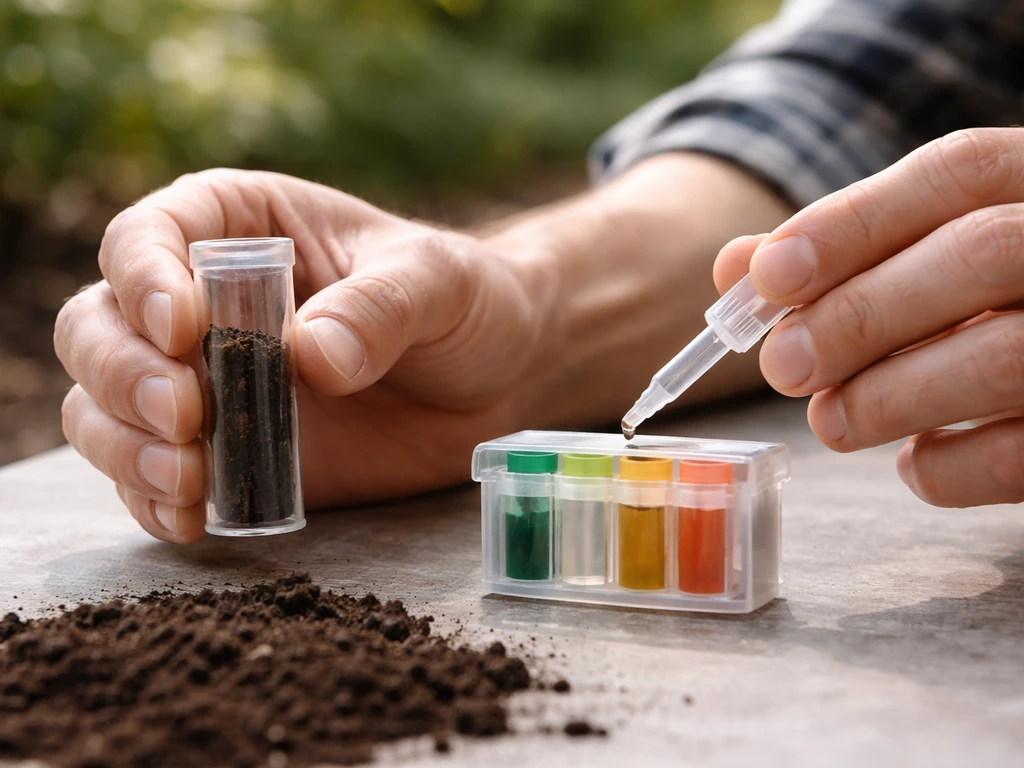
To confirm you actually have a high-pH problem, get a soil test. Home test kits can get you in the ballpark, they're typically within about a pH unit of lab-measured values, but if you're making decisions about amendments or plant investments, a lab test gives you accurate numbers and usually costs under $20. For home gardens, sample from the top 4–6 inches of soil (or 0–6 inches if you're dealing with lawn areas), pulling at least 10–12 small cores from different spots across the bed and mixing them together before sending in a composite sample. That composite approach smooths out the natural variation across your yard and gives the lab something representative to work with. If you only have about 3 inches of soil depth, you can still choose suitable alkaline-tolerant plants, but you’ll need to account for root depth and moisture.
Why alkaline pH causes plant problems (the chemistry in plain language)
Here's the core issue: high pH doesn't poison plants directly. It changes the chemistry around nutrients in the soil so that plants can't actually absorb them, even when those nutrients are physically present. Once pH climbs above about 6.5, trace elements including iron, manganese, copper, and zinc start converting into forms that roots can't take up efficiently. Above 7. Some land plants can be encouraged to live underwater in fully submerged, low-alkalinity conditions, but it depends heavily on the species and water chemistry land plants that can grow underwater. 5, phosphorus begins precipitating out of solution when it reacts with calcium, meaning it goes from plant-available to locked up. This is why you can look at a soil test showing adequate iron levels and still have a plant with severe iron deficiency symptoms.
The most visible symptom of all this is iron chlorosis: leaves turn yellow between the veins while the veins themselves stay green. It's common across pH 7.2–8.3 and can be made worse by waterlogged soil or high phosphorus levels. If you've ever seen a rhododendron or azalea planted in a chalky bed slowly going yellow and sulking, that's exactly what's happening. The solution isn't always to acidify, sometimes it's just to plant something that doesn't need high iron availability in the first place.
Vegetables and herbs that handle alkaline soil well
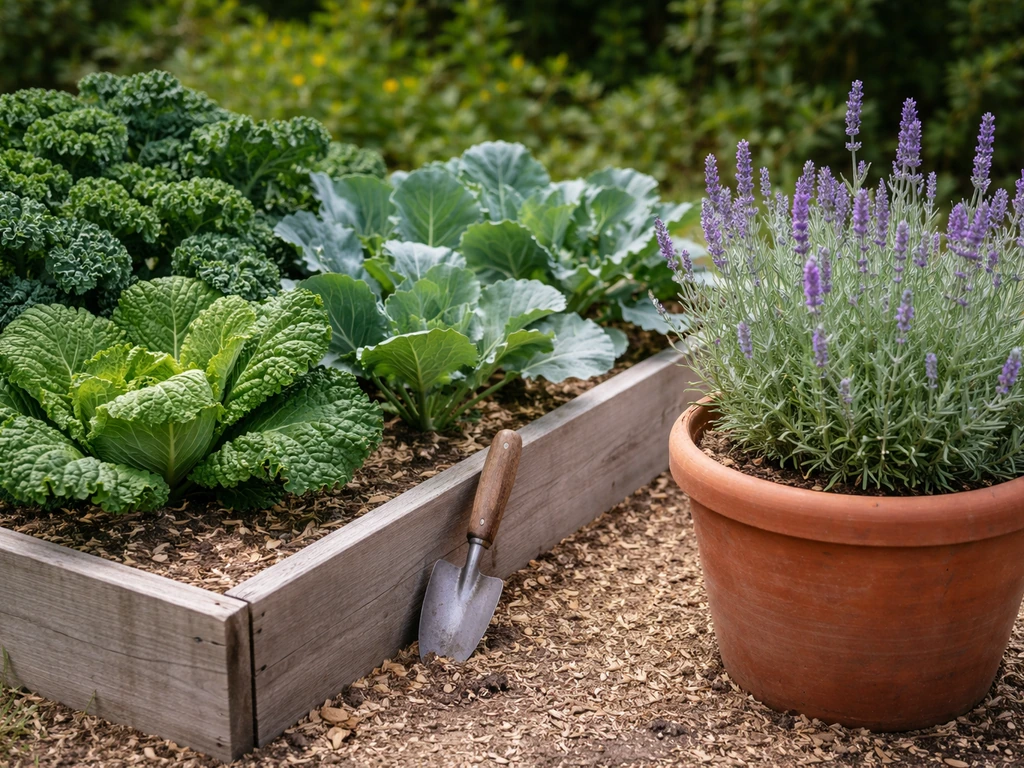
Plenty of common vegetables grow fine in alkaline conditions, and a few actually prefer it. Brassicas (cabbage, kale, broccoli, cauliflower, Brussels sprouts) are famously tolerant of higher pH, they were originally coastal and chalky-cliff plants in Europe, and that heritage shows. Asparagus is another strong performer; it grows best around pH 6.5–7.0 but handles higher conditions reasonably well, and it genuinely won't tolerate the strongly acidic end of the scale. Rhubarb is flexible across a wide range and can produce solid crops in neutral to moderately alkaline soils. Beans, beets, and spinach are all reasonably comfortable above 7.0.
On the herb side, lavender is the obvious standout, it evolved on Mediterranean limestone hillsides and actively dislikes acidic, wet soil. Rosemary, sage, and thyme share similar origins and the same alkaline tolerance. Parsley does fine at higher pH. Mint is adaptable across a broad range. The herbs that struggle most in alkaline soil tend to be those preferring woodland or boggy conditions, like chives in very high-pH situations, but even those are manageable up to about pH 7.5.
| Plant | Type | pH Tolerance | Notes |
|---|---|---|---|
| Cabbage / Kale / Broccoli | Vegetable | 6.0–7.5+ | Evolved on chalky coastal soils; very tolerant |
| Asparagus | Vegetable (perennial) | 6.5–7.5 | Tolerates moderately alkaline; avoid extremes |
| Rhubarb | Vegetable (perennial) | 6.0–7.5+ | Crops well across neutral to alkaline range |
| Spinach / Beets | Vegetable | 6.5–7.5 | Both handle pH above 7.0 comfortably |
| Lavender | Herb / Perennial | 6.5–8.0+ | Prefers alkaline; limestone native |
| Rosemary / Sage / Thyme | Herb | 6.0–8.0 | Mediterranean limestone origins; alkaline tolerant |
| Parsley | Herb | 6.0–7.5 | Comfortable in mildly alkaline soil |
Perennials, annuals, and groundcovers for alkaline gardens
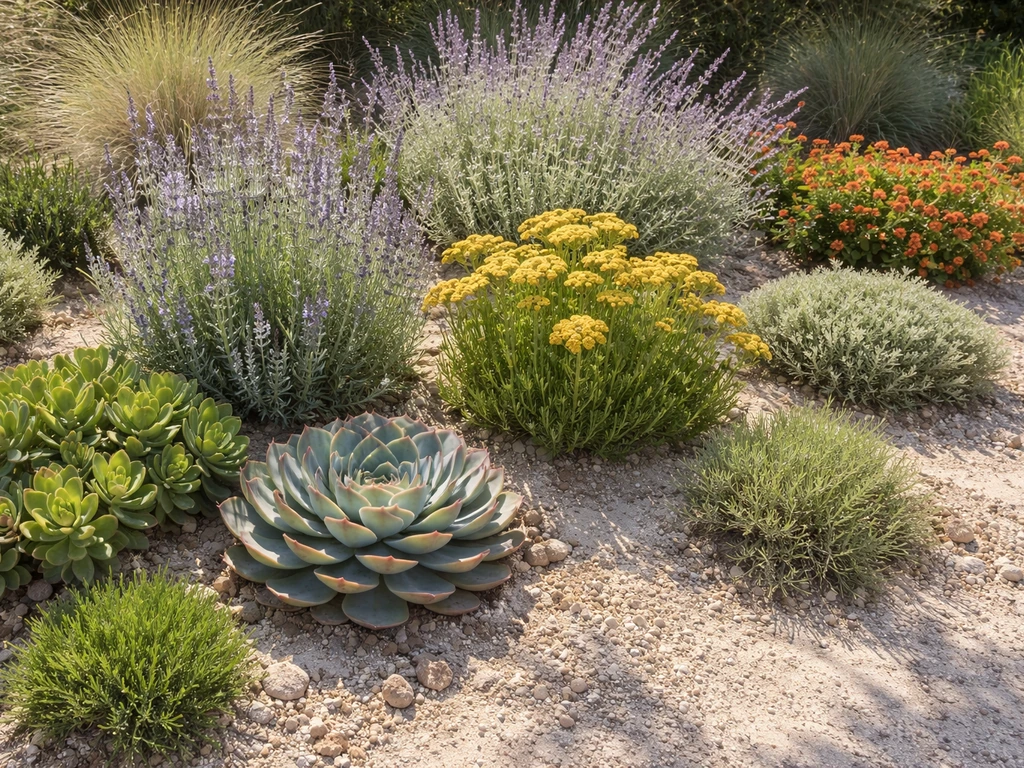
Ornamental plants offer some of the widest selection for alkaline gardeners. Among perennials, yarrow (Achillea) is nearly bulletproof in high-pH, dry soils and is common across calcareous prairie and grassland zones. Coneflowers (Echinacea) and black-eyed Susans (Rudbeckia) are prairie natives that naturalize in alkaline conditions across the Great Plains. Salvia (ornamental sage) species love warm, alkaline, well-drained sites. Peonies, irises (especially bearded iris), and dianthus are classic alkaline-tolerant perennials that actually perform better with some lime in the soil. Baby's breath (Gypsophila) has it in the name, gypsophila means 'chalk-loving,' and it grows naturally on calcium-rich soils.
For annuals, zinnias, marigolds, sweet alyssum, and cosmos are reliable performers that don't demand acidic conditions and are common across the range of neutral to moderately alkaline soils. Calibrachoa and petunia do fine in alkaline containers and beds as long as iron is supplemented. Ornamental grasses, particularly blue grama (Bouteloua gracilis) and buffalo grass, are highly adapted to the alkaline soils of western North America and require almost no intervention.
Groundcovers for alkaline sites include creeping thyme (which doubles as a culinary herb), candytuft (Iberis sempervirens), snow-in-summer (Cerastium tomentosum), and vinca (periwinkle). All of these are frequently found on rocky, calcareous slopes in their native ranges and translate that tolerance directly into garden use.
Shrubs and trees that do well in high-pH and calcareous soil
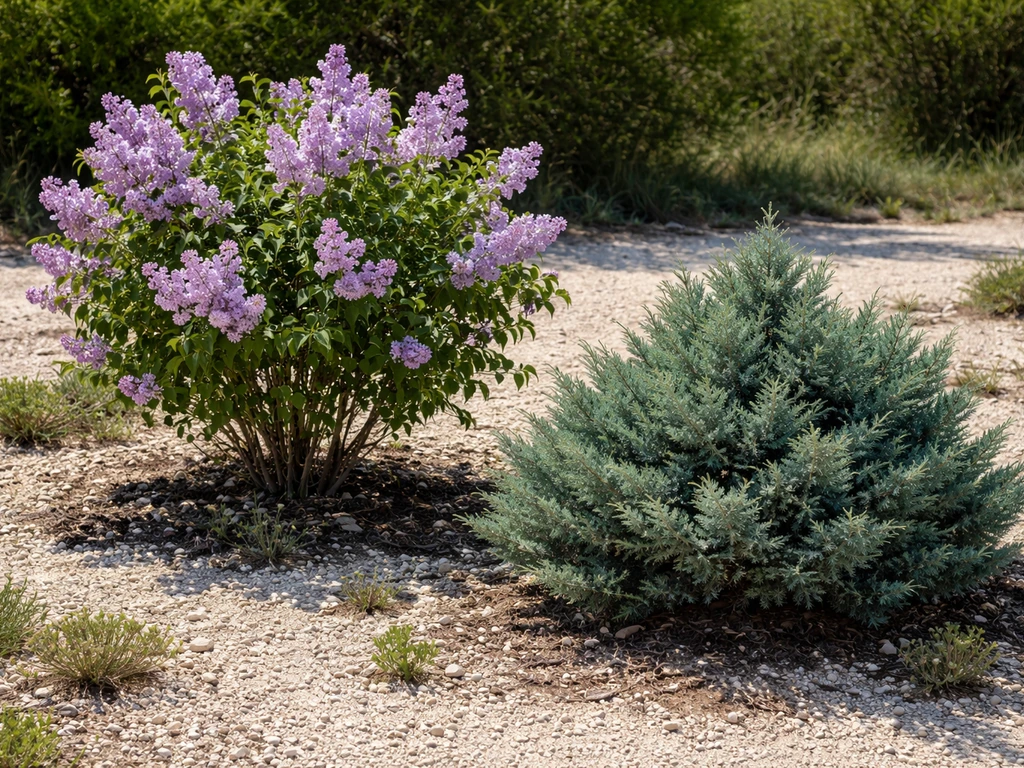
This is where alkaline gardeners have the most options, because many of the most landscape-significant woody plants evolved in calcareous or dry-alkaline environments. Lilac (Syringa vulgaris) is practically the poster plant for alkaline tolerance, it originated on rocky, calcium-rich Balkan hillsides and is widely naturalized across the high-pH soils of the American Midwest and Great Plains. Forsythia, mock orange (Philadelphus), and deutzia all handle alkaline conditions without showing stress. Boxwood (Buxus) is another reliable shrub for chalky soils. Rose of Sharon (Hibiscus syriacus) and butterfly bush (Buddleja) round out a solid shrub palette for alkaline yards.
Among conifers, junipers (Juniperus species) are among the most alkaline-tolerant plants you can put in the ground. Eastern red cedar (Juniperus virginiana) colonizes limestone glades and rocky alkaline soils across eastern North America. Rocky Mountain juniper does the same in the West. Arborvitae (Thuja occidentalis) also handles alkaline soils reasonably well. Among deciduous trees, hackberry (Celtis occidentalis) is a tough native well-adapted to calcareous and alkaline soils. Kentucky coffeetree (Gymnocladus dioicus), bur oak (Quercus macrocarpa), and honeylocust (Gleditsia triacanthos) are all prairie-origin trees with natural tolerance for the alkaline soils common to those landscapes.
- Lilac (Syringa vulgaris): classic alkaline-tolerant flowering shrub, Balkan limestone native
- Forsythia: early spring bloomer comfortable in alkaline, well-drained sites
- Juniper species (Juniperus): among the most alkaline-tolerant plants available
- Hackberry (Celtis occidentalis): tough native tree native to calcareous bottomlands and prairies
- Bur oak (Quercus macrocarpa): prairie species highly tolerant of alkaline and dry soils
- Kentucky coffeetree (Gymnocladus dioicus): native prairie tree, tolerates pH up to 8.0
- Honeylocust (Gleditsia triacanthos): rugged, alkaline-tolerant street and landscape tree
- Boxwood (Buxus): reliable shrub for alkaline, well-drained beds
- Rose of Sharon (Hibiscus syriacus): long-blooming shrub comfortable in a wide pH range
How to lower pH or work around it when you need to
If you want to grow plants that truly need acidic soil, blueberries, rhododendrons, azaleas, camellias, be honest about what you're up against. The Royal Horticultural Society puts it plainly: acid-loving plants simply will not thrive in alkaline soil, and no amount of fertilizing fixes the underlying chemistry. That said, you do have real options, some more effective than others.
Raised beds and containers: the most reliable workaround
The cleanest solution for acid-loving plants in an alkaline garden is to take them out of native soil entirely. A raised bed filled with ericaceous compost or an acidified growing mix bypasses the problem completely and gives you full control. Container growing works the same way. The catch is that if your irrigation water contains high bicarbonate levels, it will gradually push the pH back up over time, so you'll still need to monitor and occasionally adjust, but the scale of the problem is much more manageable.
Elemental sulfur: it works, but slowly
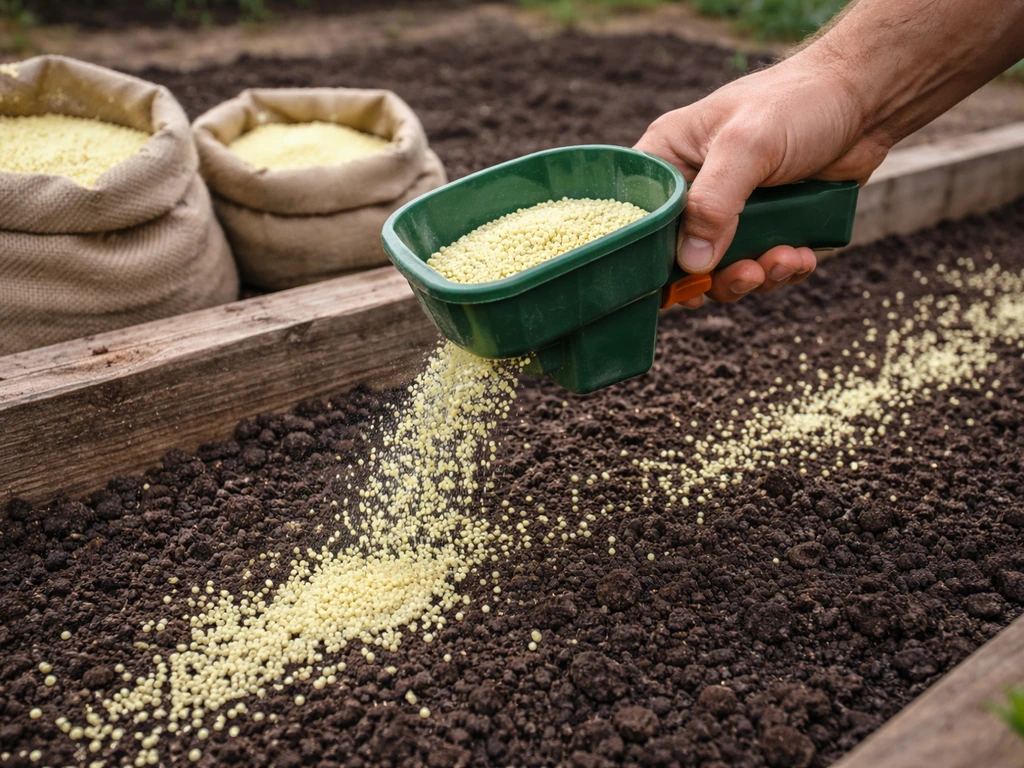
Elemental sulfur is the standard in-ground amendment for lowering pH. Soil microbes convert it to sulfuric acid, which then reacts with the soil to reduce alkalinity. The critical issue is that in calcareous soils, where the high pH is driven by calcium carbonate, you're fighting a buffering system that actively resists change. Purdue University notes that in highly buffered, calcareous soils, it can take many years of treatment to see meaningful pH reduction, even when you apply sulfur correctly. Utah State recommends a practical approach of adding elemental sulfur annually at about 6–10 pounds per 1,000 square feet and living with the gradual improvement rather than expecting a quick fix.
For faster results, aluminum sulfate or iron sulfate react chemically when dissolved and lower pH more quickly than elemental sulfur. Ammonium-based nitrogen fertilizers (like ammonium sulfate) also have a physiologically acidifying effect over time. But the important caveat applies across all of these: University of Delaware Extension states clearly that there is no way to permanently lower the pH of naturally alkaline or calcareous soils or soils contaminated by alkaline construction materials. You can manage it, but you will need to re-test and re-treat periodically.
One practical note on sulfur application: it only changes pH in the soil volume it's incorporated into. Surface broadcasting without mixing it into the root zone won't help much. For established beds, water it in well and accept that results will be gradual. And before applying anything, make sure your soil test confirms the diagnosis, adding sulfur to soil that isn't actually calcareous or severely alkaline can overshoot and create problems on the acidic side.
Organic matter as a long-term strategy
Incorporating organic matter, compost, aged wood chips, pine bark, won't dramatically shift pH the way sulfur does, but it improves overall soil health, encourages microbial activity, and helps with nutrient cycling, which makes nutrients more available even in alkaline conditions. Over years, a consistent program of organic matter additions does contribute modestly to lower pH. It's not a standalone fix, but it makes everything else work better, and it's the one amendment that has no real downside in any soil type.
Keeping alkaline-soil plants healthy over time
Mulch: choose carefully
Mulch is your best friend in an alkaline garden, but material choice matters. Organic mulches like wood chips, pine bark, and shredded leaves break down and contribute mild acidity while also improving soil structure and conserving moisture. Avoid using fresh wood ash or lime-based materials as mulch near plants already stressed by high pH, these will push pH higher. A 2–3 inch layer of pine bark or wood chip mulch around the root zone helps buffer soil temperature, retain moisture, and slowly nudge chemistry in the right direction.
Fertilizer selection for alkaline conditions
Standard balanced fertilizers are less effective in high-pH soil because some of what you apply gets locked up in soil chemistry before roots can access it. For plants prone to iron chlorosis, chelated iron products specifically formulated for high-pH soils are more effective than standard iron sulfate, but check the label, since some chelate forms degrade quickly above pH 7. If you suspect nitrogen deficiency in your garden, a soil test and a targeted nitrogen strategy can help you pick the right plants and amendments which plants grow in nitrogen deficient soil. 5. Ammonium-based nitrogen sources (ammonium sulfate being the most common) are a better choice than nitrate-based fertilizers in alkaline soil, both because they're more effective and because they contribute a mild acidifying effect over time.
Irrigation and bicarbonate management
If you're in an arid region and irrigating heavily, your water may be a significant driver of soil alkalinity. Bicarbonates in irrigation water gradually accumulate in the soil and push pH upward, this is one of the most underappreciated sources of ongoing alkalinity in western gardens. Drip irrigation rather than overhead watering reduces the volume of water (and therefore bicarbonates) applied. Acidifying irrigation water with a small amount of sulfuric acid or acetic acid is practiced in agriculture, though it requires care and proper equipment for home use.
Re-testing: the step most gardeners skip
Oklahoma State Extension makes the point clearly: maintaining a target pH in calcareous soils requires ongoing monitoring and periodic re-treatment. Testing every 1–2 years gives you a clear picture of whether amendments are working, whether irrigation water is pushing pH back up, and whether your plant-symptom diagnosis actually matches what the soil is doing. It's the most cost-effective 'maintenance' step you can do, because it tells you what, if anything, actually needs adjusting, and prevents you from adding amendments you don't need.
Practical next steps: quick wins and longer-term planning
If you're looking for immediate planting decisions, the shortest path is to choose from the alkaline-tolerant list: lavender, lilac, juniper, brassicas, yarrow, bearded iris, ornamental grasses. Some of these same options can also be good choices when you are asking which plants can grow in red soil alkaline-tolerant list. These go in the ground as-is with no amendments needed in most alkaline soils, and they'll give you a productive, attractive garden while you think through any longer-term changes.
For a longer-term fix-or-adapt pathway, start with a lab soil test if you haven't already, it gives you the exact pH and often flags what nutrients are deficient. If pH is 7.5–8.0 and you want to nudge it lower, begin annual elemental sulfur applications and layer in organic matter every season. If pH is above 8.0 and the soil is calcareous, the most practical path for acid-loving plants is raised beds with purpose-built acidic mix. Re-test every year until you have a stable picture. In the meantime, the alkaline-tolerant plant list gives you plenty to work with right now, and the plants will show you what the soil can actually support far more clearly than any report.
One thing worth keeping in mind: this topic overlaps with the broader world of alkaline-soil plant selection, and if you're also curious about what constitutes 'alkaline soil' versus simply 'high pH' in different regional contexts, or how ericaceous plants fit into the picture (ericaceous being the technical term for acid-lovers like blueberries and heathers), those are related threads worth pulling on. If you want a quick shortlist, the guide on what plants grow in alkaline soil is a useful related option for choosing specimens that actually thrive. The core principle holds everywhere: match the plant to the soil you have, and amend only where the investment of time and money makes sense for what you're trying to grow.
FAQ
What plants grow in high pH soil if I do not want to change the soil at all?
Start with plants that tolerate alkaline and are naturally adapted to calcareous or dry conditions, such as lavender, lilac, forsythia, yarrow, bearded iris, junipers, asparagus, and prairie natives like Echinacea. In most gardens in the 7.5 to 9 range, these can be planted without acidifying amendments, as long as you also match drainage and sun needs to each plant’s baseline requirements.
Can I grow blueberries or azaleas in high pH soil if I add fertilizer?
Usually not long term. Acid-loving plants like blueberries, rhododendrons, and azaleas depend on the surrounding soil chemistry for nutrient availability, fertilizer cannot permanently correct that. If you must grow them, the most reliable approach is a raised bed or container with an ericaceous mix, and you should still monitor pH because alkaline irrigation water can gradually push pH back up.
What is the fastest way to help an iron chlorosis problem in high pH soil?
First confirm it is iron chlorosis (yellowing between veins with greener veins) and not a nitrogen or watering issue, then use chelated iron products specifically labeled for high-pH soil. Standard iron sulfate often fails when iron is chemically locked up, and some chelate types break down faster above pH 7, so follow the label for pH range and reapplication frequency.
How deep should I test or amend if my high pH problem is only at the surface?
In many gardens, the pH you measure can be uneven, especially after construction fill, topdressing, or heavy mulching. If the high pH is mainly in the top layer, choose plants that are tolerant and ensure they can access lower soil if it is better, or incorporate amendments only into the volume you are targeting by mixing. Retest after changes to confirm the root zone actually improved.
If my soil test shows high pH, should I automatically add elemental sulfur?
Not automatically. Sulfur works only when your alkalinity is driven by carbonate buffering, and if your diagnosis is wrong you can overshoot into acidic conditions. Use lab numbers to verify pH and nutrient status first, then apply sulfur incrementally (often annually) and retest, especially in beds with limestone-driven high pH where change can be slow.
Why do some plants look fine even though my soil pH is high?
High pH mainly limits micronutrient availability and phosphorus chemistry rather than directly harming plants. Plants that evolved in calcareous soils often need less iron in the available form, have efficient nutrient uptake strategies, or are less sensitive to the specific micronutrient forms that become unavailable at higher pH.
Can I lower pH permanently in a naturally alkaline or calcareous yard?
Generally no. Naturally alkaline or calcareous soils have buffering from calcium carbonate, and that resistance means you manage pH rather than permanently eliminate it. Plan on periodic retesting (commonly every 1 to 2 years) and re-treatment if you are growing acid-lovers or using amendments like sulfur or acidifying fertilizers.
What irrigation practices help keep high pH from getting worse?
Use drip irrigation instead of overhead watering when possible, because it reduces the amount of bicarbonate-laden water applied. If your water source is known to be alkaline, you may need to monitor pH more often and consider controlled acidification only with proper equipment and safe handling practices.
Does mulch help lower pH in high pH soil?
Mulch usually does not create a dramatic pH shift, but it can support gradual improvement and overall nutrient cycling. Organic mulches like pine bark and wood chips can add mild acidity as they break down, but avoid fresh wood ash or lime-based materials near stressed plants because they can push pH higher locally.
Which vegetable crops are most reliable in high pH beds?
Brassicas are among the most dependable choices, including cabbage, kale, broccoli, cauliflower, and Brussels sprouts. Many gardeners also do well with beets, spinach, beans, and asparagus, but the best results still depend on nutrient balance and adequate micronutrient availability, so watch for deficiency symptoms and verify with soil testing.