No plant grows in every soil, but some come remarkably close. A handful of grasses, groundcovers, shrubs, and wildflowers tolerate such a wide range of pH, texture, drainage, and fertility that they succeed in conditions that would kill most garden plants. The trick is knowing which variables your soil throws at them, and then picking species whose real-world tolerance range actually covers those variables. Do that matching step, add a thin layer of compost, and even a difficult site becomes workable.
Plants That Can Grow in Any Soil: Match Your Conditions
Dr. Marcus Weatherby
4 May 2026
What 'any soil' really means: the variables that decide plant survival
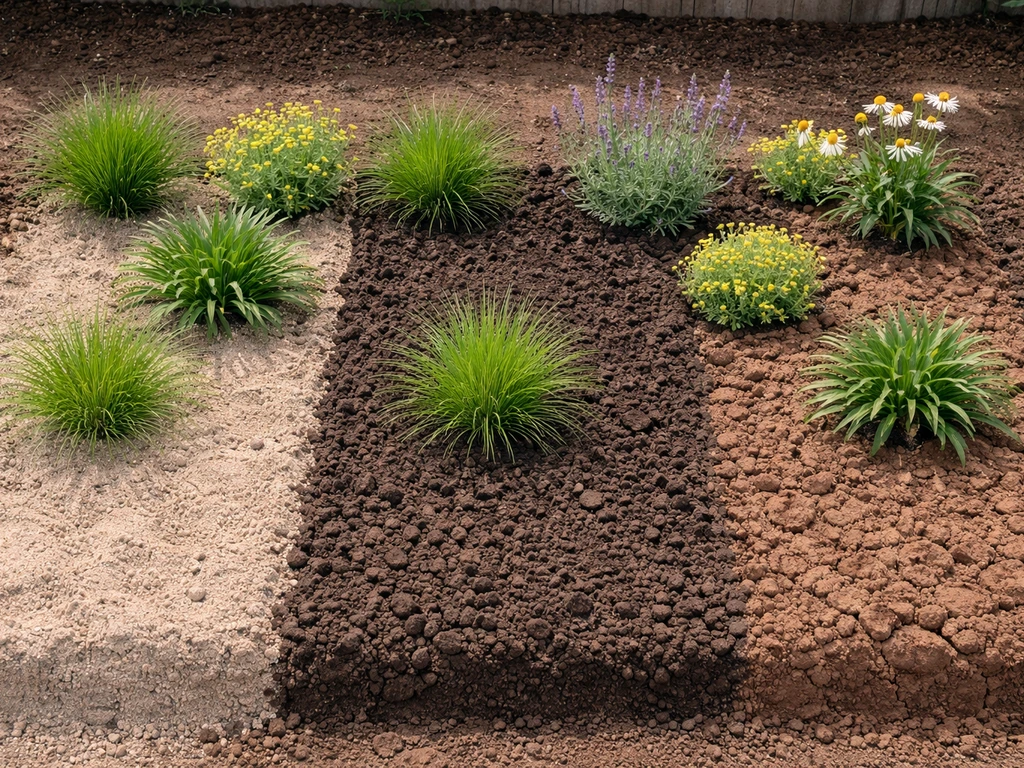
When someone says a plant 'grows in any soil,' they usually mean it tolerates a wide band of conditions rather than a literally infinite range. Four variables do most of the deciding.
- pH: The scale runs from 0 to 14, with 7.0 being neutral. Oregon State University and UC IPM both flag 6.0 to 7.0 as the sweet spot where most nutrients stay available. Colorado State Extension widens that to 6.0–7.5 for the majority of landscape plants. Outside those boundaries, iron, manganese, or phosphorus lock up, and even fertilizer won't fix the deficiency.
- Texture: Sand, silt, and clay mix in different proportions. Sandy soils drain fast and hold little water or nutrients. Clay soils hold water but drain poorly and compact. Loam sits in between and is the easiest to work with. True broad-tolerance plants perform across at least two of these three textures.
- Drainage: Saturated soil pushes out the oxygen roots need. Penn State Extension is direct about this: very few plants grow when soil is constantly waterlogged. Even 'wet-site tolerant' species have a ceiling.
- Fertility and organic matter: Low organic matter means low nutrient-holding capacity and poor soil structure. Salinity, measured as electrical conductivity (EC) in dS/m, is a related issue in arid regions and near roads. Utah State Extension classifies soils above 4 dS/m as slightly saline, and most vegetable and ornamental plants struggle past that threshold.
Compaction is worth adding to that list. University of Minnesota Extension research found stand-count reductions of 20 to 30 percent in compacted plots because roots simply cannot penetrate and oxygen cannot move. A plant rated 'tough' in normal clay can still fail in poured-concrete-hard compacted clay.
Test your soil at home in about 20 minutes
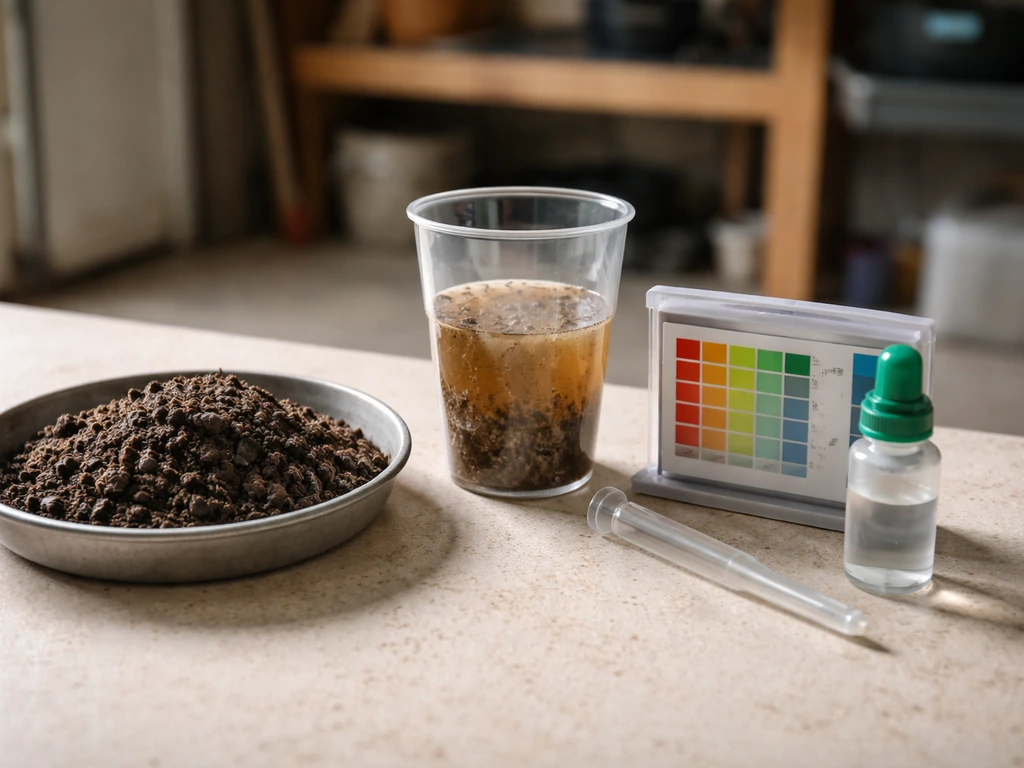
You do not need a lab result to make smart planting decisions, but you do need some data. Here is a fast sequence that covers the variables above.
- Grab a cheap pH test kit or digital meter from any garden center. Fill the test tube or probe hole with a sample from 4 to 6 inches deep. South Dakota State University Extension found that home pH kits can be off by up to 1.5 pH units compared to lab results, so treat the reading as directional rather than exact. A reading of 5.5 on a home kit probably means you're acidic, even if the true number is 6.0.
- Do the jar texture test: fill a tall glass jar one-third with soil, fill it with water, shake vigorously, and let it sit for 24 to 48 hours. Sand settles in the first few minutes, silt in a few hours, and clay stays suspended. The layer thicknesses tell you your approximate texture mix.
- Do the drainage test: dig a hole about 12 inches deep and 12 inches wide. Fill it with water and let it drain completely, then fill it again and time how long it takes to drain. Faster than 1 inch per hour means sandy/fast-draining; slower than half an inch per hour suggests clay or compaction issues.
- Compress a handful of moist soil. If it shatters when you poke it, you have sandy soil. If it ribbons out more than 2 inches and stays glossy, you have high clay content. A short ribbon that breaks easily means loam or silt loam.
- If you're in an arid region, near a road, or gardening in a spot where plants mysteriously die at the tips, consider a salinity test. Iowa State Extension and Utah State both use EC meters (available for under $30 online) to classify salinity. Readings above 4 dS/m should push you toward salt-tolerant species.
One caution from Colorado State Extension: phosphorus kits are only accurate in soils with pH below roughly 7.3, so if your pH test shows alkaline conditions, skip the home phosphorus reading and go straight to a county extension lab for a more reliable number. University of Delaware Extension also points out that if your measured pH sits between 6.0 and 7.0, there is usually no need to adjust it at all, which saves a lot of unnecessary work.
Broad-tolerance plant picks that genuinely handle a range of soils
These are species and groups with documented performance across multiple soil variables, not just marketing claims. None of them is perfectly universal, but they cover the widest real-world ground.
Grasses and turf species
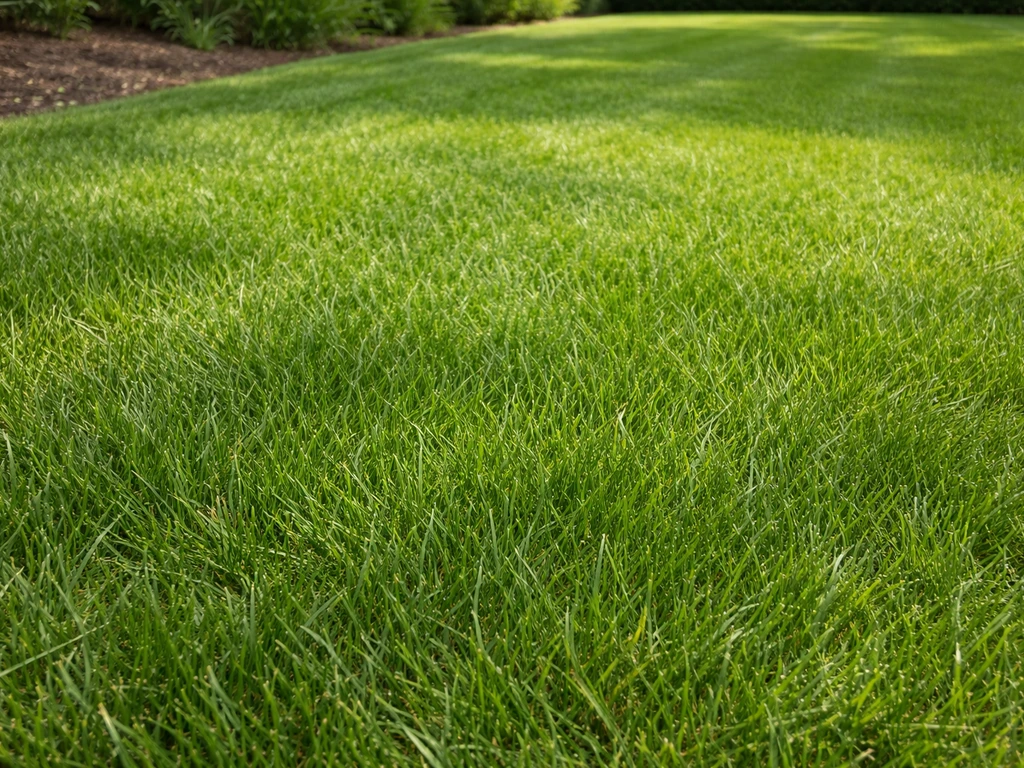
Kentucky bluegrass stands out for pH breadth. OSU Extension documents it as well-suited to a pH range from 5.5 to 8.5, which is one of the widest ranges of any commonly planted grass. It handles dry spells better than its reputation suggests. Tall fescue is adapted to a broad range of soil conditions according to Clemson HGIC, including heavy clay, though it performs best at pH 5.5 to 6.5. For sandy, drought-prone soils, Clemson identifies bahiagrass as more drought and sandy-soil tolerant than most other lawn grasses. Purdue Extension also notes tall fescue for sandy-soil lawns where drought tolerance is needed.
Groundcovers for problem spots
Creeping juniper tolerates sandy to moderately clay soils and full sun across a wide pH range. Creeping thyme handles poor, rocky, and fast-draining soils well, which is why you see it naturally colonizing gravel and thin topsoil on hillsides. For wet sites, Penn State Extension's list of tolerant groundcovers includes ajuga (bugleweed) and sweet flag, both of which persist in conditions that drown other groundcovers. For wet sites, Penn State Extension notes that constantly saturated soil prevents many plants from growing because roots need oxygen and the air-water balance is thrown off blank" rel="noopener noreferrer">For wet sites, Penn State Extension's list of tolerant groundcovers includes ajuga (bugleweed) and sweet flag. These connect naturally to the broader question of ground cover that grows anywhere, where drainage and shade drive the selection even more than pH. Even when you choose plants that will grow anywhere, you still have to match drainage and shade to keep them thriving.
Wildflowers and prairie species
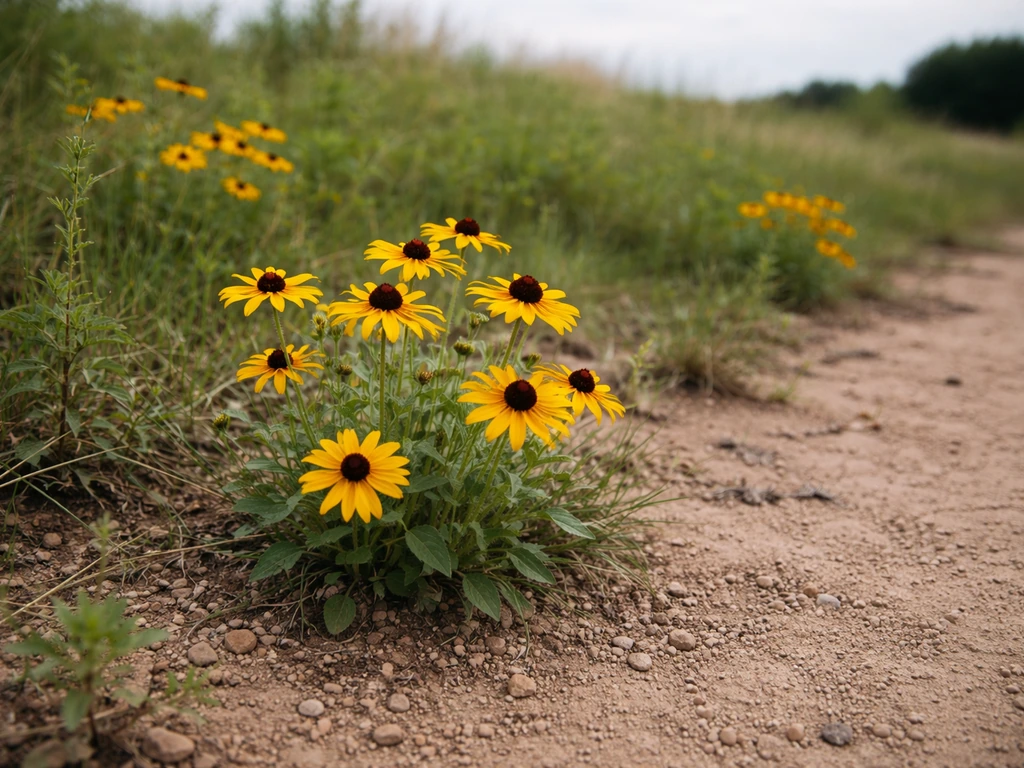
Black-eyed Susan (Rudbeckia hirta) grows from sandy coastal soils to heavy clay in the eastern and central US, tolerating pH from about 5.5 to 7.0. Purple coneflower (Echinacea purpurea) has a similarly broad soil tolerance and handles both drought and moderate clay. Lance-leaf coreopsis grows in sand, loam, and clay and self-seeds reliably. These prairie natives also demonstrate the climate-awareness point: they evolved to handle variable soil conditions because prairie soils are heterogeneous by nature, so they do not demand perfection.
Shrubs for difficult sites
Rugosa rose grows in poor, sandy, coastal soils with salt exposure that would kill most ornamentals. Elderberry (Sambucus canadensis) tolerates wet, clay-heavy, and moderately acidic soils across a large geographic range. Forsythia adapts to a range from mildly acidic to mildly alkaline soils and tolerates compacted urban conditions. Potentilla (shrubby cinquefoil) handles alkaline, dry, and clay soils and is one of the few flowering shrubs reliably rated for both drought and heavy soils in northern climates.
Trees worth knowing
Eastern red cedar (Juniperus virginiana) grows in gravelly, shallow, acidic, and alkaline soils and shows up naturally at roadsides, old fields, and limestone outcrops. River birch tolerates wet, acidic soils and also handles brief dry spells. Bur oak is one of the most soil-tolerant oaks, growing in clay, sand, alkaline prairie soils, and dry rocky uplands. These trees appear on Penn State's wet-site lists and on dry/alkaline tolerant lists from midwestern extensions, which is a rare combination.
Matching plants to your soil using simple rules
Use the table below as a quick filter. Find the column that matches your main soil challenge and pick from those groups first.
| Soil condition | Best broad-tolerance picks | Avoid |
|---|---|---|
| Acidic (pH below 6.0) | Tall fescue, blueberries, azaleas (if moisture allows), Eastern red cedar, river birch, black-eyed Susan | Most vegetables, lavender, lilacs, most ornamental grasses needing neutral soil |
| Alkaline (pH above 7.5) | Kentucky bluegrass, bur oak, potentilla, rugosa rose, forsythia, juniper | Rhododendrons, blueberries, pin oak, most acid-loving ericaceous plants |
| Sandy / fast-draining | Bahiagrass, creeping thyme, lance-leaf coreopsis, rugosa rose, Eastern red cedar, creeping juniper | Elderberry, river birch, hostas, anything labeled 'moisture-loving' |
| Clay / slow-draining | Tall fescue, elderberry, ajuga, bur oak, purple coneflower, forsythia | Lavender, rosemary, most Mediterranean herbs, cacti, ornamental grasses from arid climates |
| Wet / seasonally flooded | River birch, elderberry, sweet flag, ajuga, red-osier dogwood | Lavender, ornamental grasses from dry climates, rugosa rose, junipers |
| Compacted / low oxygen | Raised beds with amended soil (most plants), bur oak, forsythia | Anything with fine, shallow roots; most annuals; most vegetables |
One rule that applies regardless of the column: if your site has more than one challenge (say, alkaline AND waterlogged), that combination shrinks your options significantly. Focus on species that appear on multiple tolerance lists, and seriously consider the minimal improvements in the next section before planting.
Minimal improvements that unlock most of these plants
You do not need to overhaul the soil. Small, targeted changes make the difference between a plant surviving and actually growing well. Here is what actually moves the needle.
Compost: the single highest-return amendment
OSU Extension recommends a quarter-inch to 1-inch deep topdressing of compost per year for existing garden beds. That sounds minor but it consistently improves drainage in clay, water retention in sand, and nutrient availability in both. For new beds, mixing compost at a rate of 3 inches deep into the top 8 to 12 inches of soil is the standard approach. Mississippi State Extension describes this as part of raised-bed construction too, combining native soil with compost and bark for a workable mix. Compost does not require pH knowledge or test kits. It moves almost every variable in the right direction.
Mulch: the overlooked surface fix
A 2- to 3-inch layer of wood chip mulch around any newly planted broad-tolerance species moderates soil temperature, reduces moisture loss in sandy soils, and slows compaction from rain. It also breaks down over time and feeds the soil biology that makes nutrients available. Keep mulch an inch or two away from plant stems to avoid rot.
Drainage fixes for clay and compacted sites
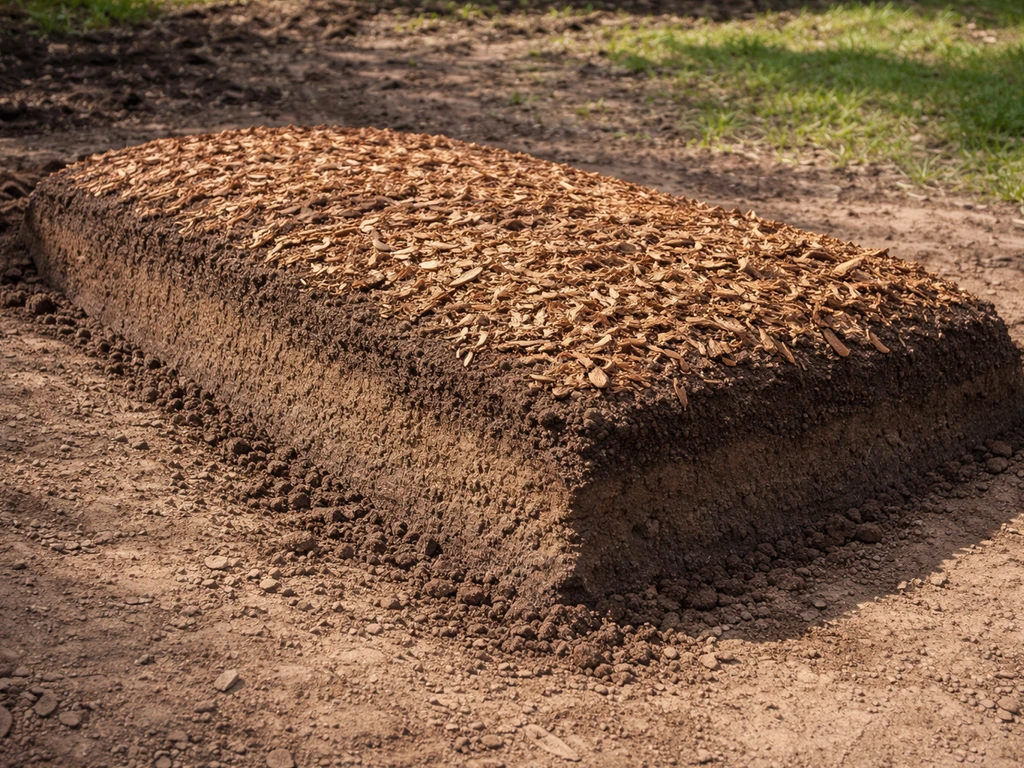
Utah State Extension recommends raised beds as the practical solution for clay soils, elevating the root zone above the slow-draining layer. University of Maryland Extension agrees, calling raised beds the right call when compaction and poor drainage are both present. Colorado State Extension adds that for subsurface drainage problems, increasing effective soil depth and addressing any textural interfaces are the key actions. Even a 6-inch raised bed filled with a compost-soil mix dramatically changes what you can grow.
pH adjustment: only when the gap is real
University of Delaware Extension makes a useful practical point: if your soil pH is already between 6.0 and 7. The University of Delaware Cooperative Extension also provides guidance on interpreting soil phosphorus and potassium test results using its extension framework. 0, adjusting it is unlikely to help and may waste money or create new problems. Only move on pH if your reading is clearly outside that range and the plant you want needs something different. To raise pH in acidic soil, apply ground limestone at rates based on a buffer pH test, not just the surface pH reading, because Illinois Extension and OSU Extension both emphasize that the lime requirement depends on the soil's buffering capacity. To lower pH in alkaline soils, elemental sulfur works but is slow (months to a year), so matching plants to existing alkaline conditions is usually faster and cheaper than fighting it.
Salinity: leach it out
University of Nevada Extension notes that for saline (not sodic) soils, leaching with extra water to push salts below the root zone is the standard fix. This works when drainage exists. If your EC is above 4 dS/m and drainage is poor, combine leaching with raised beds to give roots a salt-free zone.
Climate and season: why location still matters
Soil tolerance does not override climate. A plant that handles clay soil brilliantly in Georgia may freeze out in Minnesota, or bolt in the heat of Arizona before it establishes. This is the step most soil-focused guides skip, and it is the one that trips up gardeners who assume that a 'tough' plant is tough everywhere.
Start with your USDA Plant Hardiness Zone. The USDA map lets you enter your ZIP code to get your zone, and that single number eliminates a large portion of otherwise-suitable candidates. Zone 5 gardeners in the northern plains can count on bur oak, tall fescue, potentilla, and elderberry. Zone 9 gardeners in the Gulf South can include bahiagrass, rugosa rose in coastal spots, and coneflowers. Zone 10 and above opens up different drought-tolerant natives that would not winter-survive further north.
Seasonal growing windows are the second filter. In the northern US and Canada, cool-season grasses (tall fescue, Kentucky bluegrass) establish best when planted in late summer to early fall or early spring, before soil temperatures climb above 65°F. Warm-season grasses like bahiagrass need soil temperatures above 65°F to germinate and establish, making them a spring-to-early-summer project in Zones 7 to 10. Wildflowers like black-eyed Susan and coneflower planted in fall in temperate climates get a cold stratification period that actually improves germination the following spring. This aligns with the broader principle the site covers: what grows where depends on climate zone, season, and soil type together, not any single variable.
If you're in an arid or semi-arid region (the interior West, high plains, or desert Southwest), soil salinity and alkalinity are the dominant constraints, and climate is what determines whether you need to water weekly or daily to keep even tolerant plants alive through establishment. Rugosa rose and creeping juniper tolerate alkaline and dry conditions but still need supplemental water in their first season in low-rainfall climates. Geography and season define what 'low maintenance' actually means in practice.
When tough plants still fail: common problems and fixes
If you planted a broad-tolerance species in the right zone, matched it to your soil type, and it still looks terrible, work through this checklist before giving up.
| Symptom | Likely cause | Fix |
|---|---|---|
| Yellow leaves on a plant labeled acid-tolerant | pH still too high for nutrient uptake, or iron deficiency in alkaline soil | Retest pH with a second method; apply chelated iron as a short-term fix while addressing pH |
| Wilting in clay soil despite regular rain | Waterlogging and root oxygen deprivation | Check drainage test results; install raised bed or improve surface runoff away from plant base |
| Stunted, shallow root system | Compaction below the amended layer | Break compaction with a fork to 12 inches; add compost and replant |
| Plant grows but dies back mid-summer in arid regions | Salinity spike as water evaporates and salts concentrate | Leach with extra water in early morning; mulch heavily to reduce evaporation |
| Good-looking plant dies over winter | Hardiness zone mismatch, not a soil problem | Check USDA zone for your ZIP code and cross-reference species cold-hardiness rating |
| Slow growth despite good soil conditions | Wrong season for planting: soil too cold or too hot for establishment | Check ideal soil temperature for the species; replant at the right seasonal window |
| Leaves scorched at tips near roads or in coastal spots | Salt spray or road salt contamination | Measure EC; choose genuinely salt-tolerant species like rugosa rose or use a physical barrier |
| Healthy spring, dead by fall in sandy soil | Drought stress from rapid drainage and no water retention | Add 3 inches of compost to top layer; mulch heavily; shift to deeper, less frequent watering |
One failure mode worth calling out specifically: over-relying on 'any soil' claims for plants that can grow in any condition without checking whether climate or season is the actual limiting factor. Even when a plant tolerates many soils, climate and season are usually what decide whether it can truly thrive plants that can grow in any condition. Even plants that can grow in any condition still need the right setup for the climate and season where you live any soil. A plant that is genuinely soil-tolerant can still fail if it hits the wrong hardiness zone, gets planted at the wrong time of year, or sits in a microclimate (like a south-facing wall in a cold climate) that throws off its normal behavior. Soil is one axis. Climate and timing are two more, and all three have to line up.
The practical takeaway is this: do the 20-minute soil assessment, pick from the broad-tolerance list that fits your drainage and pH reading, add a layer of compost, mulch the surface, and match the planting date to the species' preferred soil temperature window for your zone. Bird seed often includes annuals and fast-growing greens, so you may get sprouts like annual ryegrass, clover, or other temporary cover depending on the blend broad-tolerance list. That sequence, done in order, gives you reliable results on almost any site short of pure concrete or standing water.
FAQ
When a tag says a plant can grow in “any soil,” how do I know it is not marketing?
A “one-size-fits-all” plant is almost never literally universal. Even broad soil-tolerant species need the right pH and drainage range for their establishment window, plus climate match for winter lows and summer heat. If you can only test pH and drainage, prioritize those first, then choose species known to handle both your soil texture and moisture extremes.
Should I adjust pH or rely on compost for plants that claim wide soil tolerance?
Use your soil test results to decide whether you should treat pH at all. If pH falls roughly between 6.0 and 7.0, plan on not adjusting it and instead focus on compost, mulch, and drainage fixes. Also, skip a home phosphorus kit if your soil is clearly alkaline, because the reading can be unreliable.
What should I do if my broad-tolerance plant survives but does not root or spread?
If a plant was chosen for “any soil” but your site is compacted, compaction is the usual hidden limiter. Address it with raised beds or improved soil structure, because roots struggle to penetrate and oxygen movement drops in dense ground. Light surface amendment alone often will not overcome hard, compacted layers.
My soil has two problems at once. Does that make “any soil” plants worthless?
Do a simple combined-problem check. When alkaline conditions and waterlogging both exist (or sand plus drought stress), the overlap of tolerance ranges shrinks. In practice, pick species that appear on multiple tolerance lists for moisture and pH together, and consider targeted soil depth or drainage improvements before planting more “tough” species.
If a plant tolerates my soil, do I still need to water during establishment?
Yes, especially in the first season. Many broadly tolerant plants still need supplemental watering after planting so roots can establish before the soil dries out or freezes. Use a consistent schedule for 4 to 6 weeks (more if it is hot or windy), then taper to the species’ normal needs once you see new growth.
How do I decide between compost topdressing, mulching, and raised beds?
Raised beds are often the fastest fix for clay that stays wet or hard, and they also help when there are layer changes underground that block root penetration. A shallow topdressing helps, but if the problem is persistent drainage or compaction below the surface, increase effective root-zone depth instead of just adding compost.
What if my soil test looks fine but the plant fails in one specific spot?
Microclimates can overrule soil tolerance. A south-facing wall, roof runoff area, or a low spot that collects cold air can change winter damage and summer stress even when the soil otherwise matches. If a plant is failing only in one corner, adjust placement before changing soil chemistry.
Can I plant broad-tolerance species any time of year?
“Any soil” performance does not mean “any season.” Cool-season grasses establish best when soil temperatures are cooler, while warm-season grasses need warmer soil for germination. For wildflowers, fall planting can help some species through natural cold stratification, but spring timing is better for others.
What is the best approach for saline soil when the plant is “tolerant” but growth is stunted?
For saline soils, leaching can work when drainage is adequate, but it is not the same thing as adding organic matter. If drainage is poor, salts can remain in the root zone, so combine leaching with raised beds to create a less-salty zone for roots.
After adding compost and mulch, what clues suggest the problem is not soil texture or pH?
If you see lots of green growth but weak flowering, or leaves staying pale, the issue might be nutrients or timing rather than soil “type.” Compost generally improves nutrient availability, but if the site is heavily alkaline or the plants are not suited to your light level, symptoms can persist. Re-check drainage, sun exposure, and whether you are planting at the correct soil temperature window for the species.