
Plants can grow together successfully when they share compatible requirements for light, water, soil chemistry, and space, and when neither one chemically inhibits the other. That is the whole framework. Everything else, the companion planting folklore, the zone charts, the planting calendars, flows from those four compatibility pillars. Get those right for your specific climate and season, and most mixed plantings will thrive. Get them wrong and you will spend the summer watching one plant quietly strangle the other.
Plants That Can Grow Together: How to Pair for Success

Dr. Marcus Weatherby
24 Mar 2026
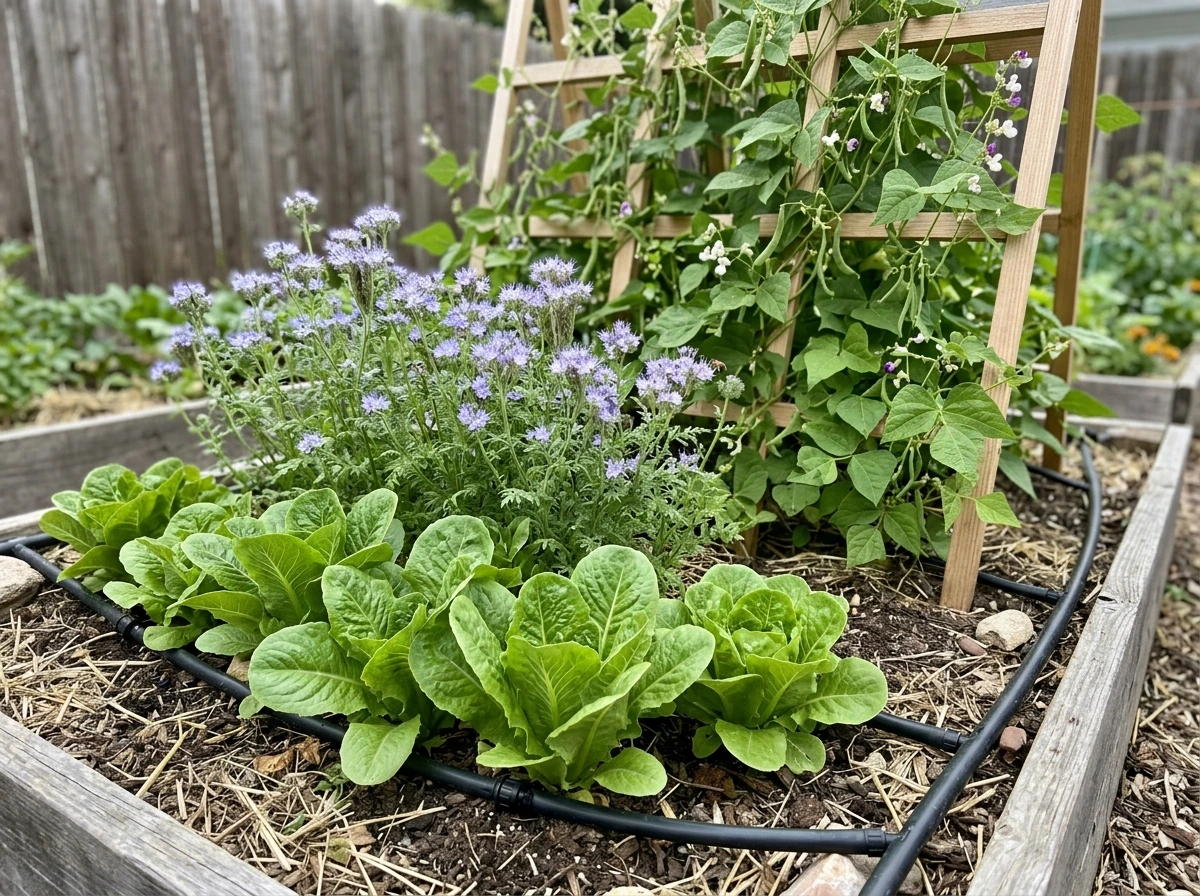
How to judge whether plants can actually grow together
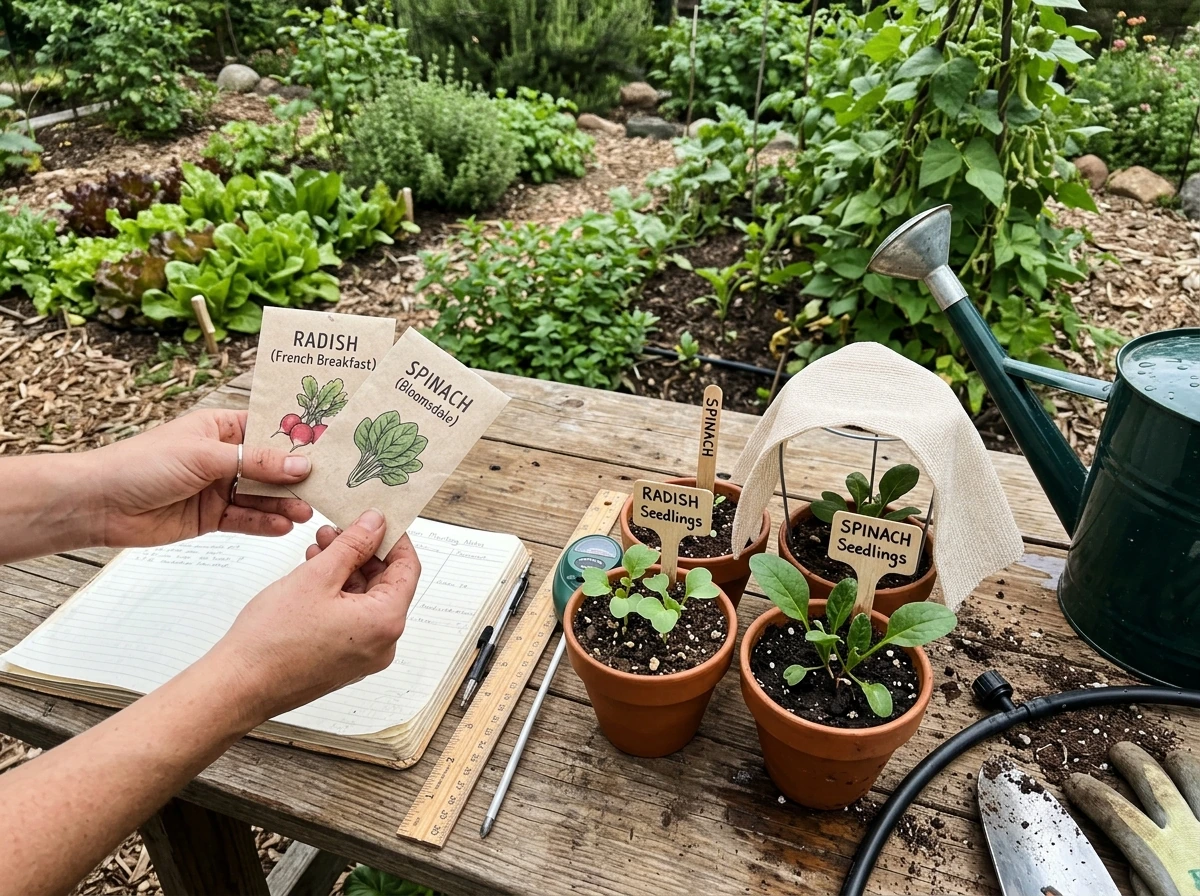
Before you put two plants in the same bed, run them through a quick compatibility check. This is not complicated, but skipping it is exactly how you end up with a dominating squash vine smothering a carefully tended herb patch by July.
The first thing to check is whether the plants share the same basic environmental window: same season, same light preference, and similar water needs. A drought-tolerant Mediterranean herb like rosemary and a moisture-loving bog plant like cardinal flower are simply not compatible, so the answer to which plant does not grow in hydrophytic environment is essentially the drought-tolerant type, regardless of how much you want them together. Their native habitats tell you this immediately.
The second check is root architecture. Shallow-rooted plants (most lettuces, radishes, and annual herbs) compete directly with each other in the top 6 inches of soil. Pair them with a deep-rooted companion, like fennel or parsnip, and the resource competition drops significantly. West Virginia University Extension makes this point well: mixing plants with different root systems is one of the most practical ways to reduce competition in a shared bed.
The third check is growth rate and canopy timing. A fast-growing plant that hits full canopy in 6 weeks will shade out a slow germinator before it even establishes. However, as WVU Extension notes, you can actually use this to your advantage: once smaller cool-season crops like spinach finish, the expanding canopy of a taller warm-season plant can provide useful shade during the transition period. The key is knowing which plant wins the race and whether that is a problem or a feature.
The fourth check, and the one most gardeners skip, is allelopathy. Some plants release chemical compounds through their roots or decomposing leaves that actively suppress the growth of neighboring species. Black walnut is the classic example, but the list is longer than most people expect. The University of Arizona Extension flags allelopathy as a distinct compatibility category, separate from light and water competition. Before you plant something new into an established bed, check whether it is known to inhibit its neighbors chemically. (For a deeper look at which pairings to actively avoid, the companion article on what plants do not grow well together covers this in detail.)
The quick compatibility checklist
- Same seasonal window: both plants active and growing at the same time of year
- Compatible light needs: full sun with full sun, part shade with part shade
- Similar water and drainage tolerance: neither one will be waterlogged or drought-stressed by the other's needs
- Non-overlapping root depth, or at least complementary architecture
- Similar or staggered growth rates so one does not shade out the other prematurely
- No known allelopathic conflict between species
- Compatible soil pH range (more on this below)
Match your pairings to climate and season
Where you garden matters as much as what you plant. A pairing that thrives in a cool coastal Pacific Northwest climate may completely fail in a hot, humid southeastern summer, even if the plants are technically listed as compatible. The USDA Plant Hardiness Zone Map gives you a useful starting point for understanding winter cold tolerance, but the USDA itself is clear that the map is a general guide, not a performance guarantee. Microclimates, including a south-facing wall, a low frost pocket, or a dense tree canopy, can shift your effective growing conditions by a full zone or more in either direction.
The most practical way to think about this is by seasonal growing window rather than by zone number alone. Cool-season pairings, think late winter through early spring and again in fall, work in almost every climate. Warm-season pairings require frost-free nights and sustained soil warmth. In hot southern climates, warm-season combinations run from late spring through early fall. In short-season northern climates, that window can be as narrow as 10 to 12 weeks.
Climate-based pairing guidance
| Climate Type | Best Cool-Season Pairings | Best Warm-Season Pairings | Key Constraint |
|---|---|---|---|
| Cool/Short Season (zones 3–5) | Spinach + radish, kale + clover, peas + oats | Beans + summer squash, dill + cucumber | Short warm window; prioritize fast-maturing companions |
| Temperate/Mid-Season (zones 6–7) | Lettuce + brassicas, clover + fescue, peas + carrots | Tomatoes + basil, corn + beans + squash (Three Sisters) | Two distinct windows; rotate cool and warm pairings |
| Hot/Long Season (zones 8–10) | Mustard greens + radish (fall/winter), cilantro + spinach | Sweet potato + cowpea, okra + black-eyed pea, peppers + oregano | Summer heat limits cool-season window to fall and late winter |
| Arid/Semi-Arid (zones 7–10 dry) | Native wildflower mixes in spring, desert annuals | Agave + palo verde, native grasses + desert legumes | Water is the dominant constraint; pair by drought tolerance first |
| Maritime/Coastal (mild, zones 8–10) | Brassicas + alliums year-round, lettuce + herbs | Beans + squash, tomatoes + marigold | Mild temps allow near year-round cool-season planting |
In practice, always confirm the specific native range and climate requirements of each plant you want to pair. A plant labeled 'zone 7 hardy' that originates from dry Turkish hillsides will not want the same companions as a zone 7 plant native to humid Appalachian coves, even though both survive the same minimum winter temperature.
Soil and water planning for mixed plantings
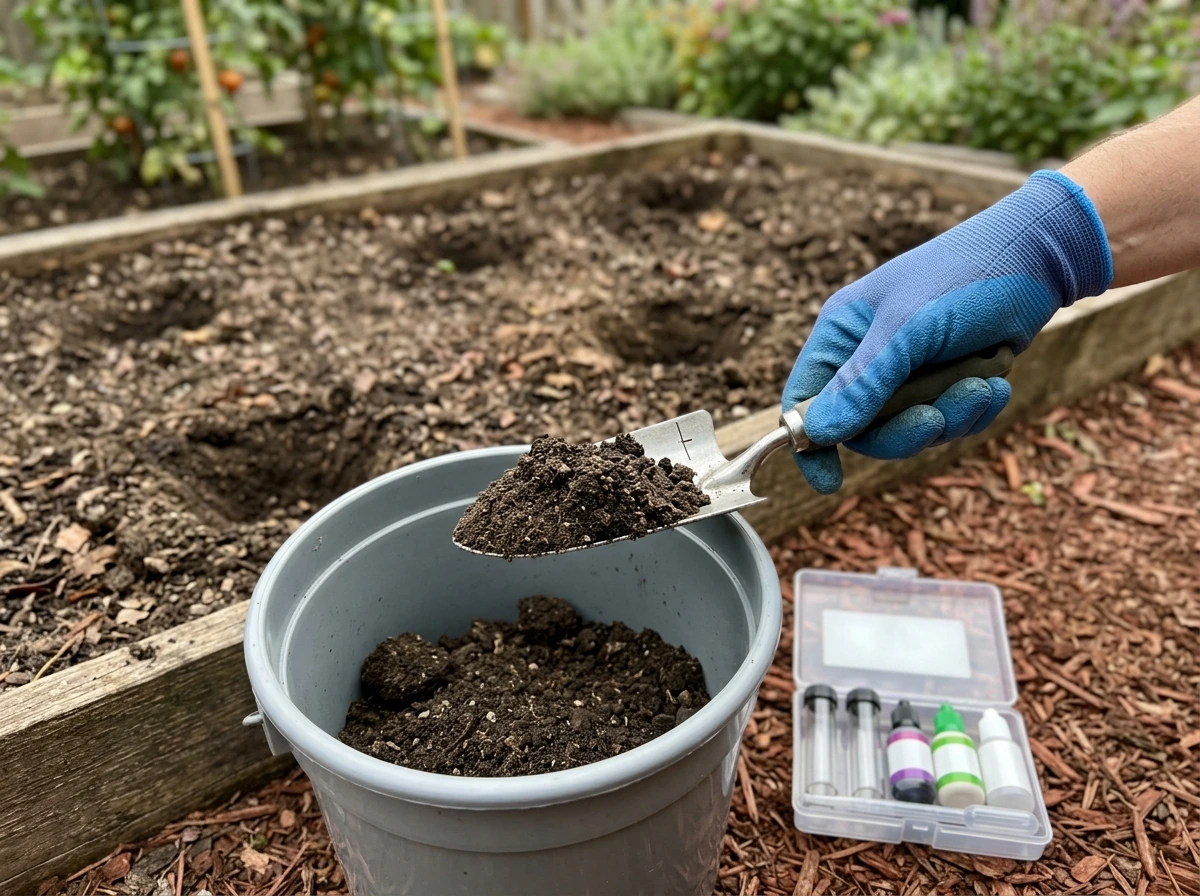
Soil compatibility is where many mixed plantings fail quietly. If you pair a blueberry (which needs a pH of 4.5 to 5.5) with tomatoes (which prefer 6.0 to 6.8), one of them will be growing in the wrong chemistry no matter what you do to the bed. Before you plant anything together, you need to know your soil's current pH and texture, and whether it can realistically support both species at once.
Start with a soil test
Get a composite soil sample from the top 6 inches of your bed, which is the standard garden sampling depth recommended by Clemson Extension. Take samples from several spots across the bed and mix them together before submitting for testing. Virginia Tech Extension makes the point that blank" rel="noopener noreferrer">a small composite sample represents a very large volume of soil, so sampling method directly affects how reliable your pH and nutrient data will be. Do not just poke one spot.
Test your soil a few months before you plan to plant, not the week before. This timing matters because pH amendments are slow. Lime takes 6 to 12 months to fully neutralize soil acidity, according to North Carolina State research data. Even under ideal conditions with proper incorporation to 6 to 8 inches (the depth Iowa State Extension recommends), you are looking at 3 to 6 months of warm soil temperatures before sulfur or lime meaningfully shifts pH. Oregon State Extension adds another wrinkle: soil pH can swing more than 1 full unit between spring and fall in the same plot, so test consistently and at the same time of year for reliable comparisons.
Mississippi State Extension recommends applying lime 2 to 3 months before planting for best results. If you are planning a spring mixed bed right now in March, and your soil needs pH adjustment, apply your amendment immediately and get it incorporated. You may be working against the clock depending on how large the needed shift is.
Match soil texture and moisture to your pairing
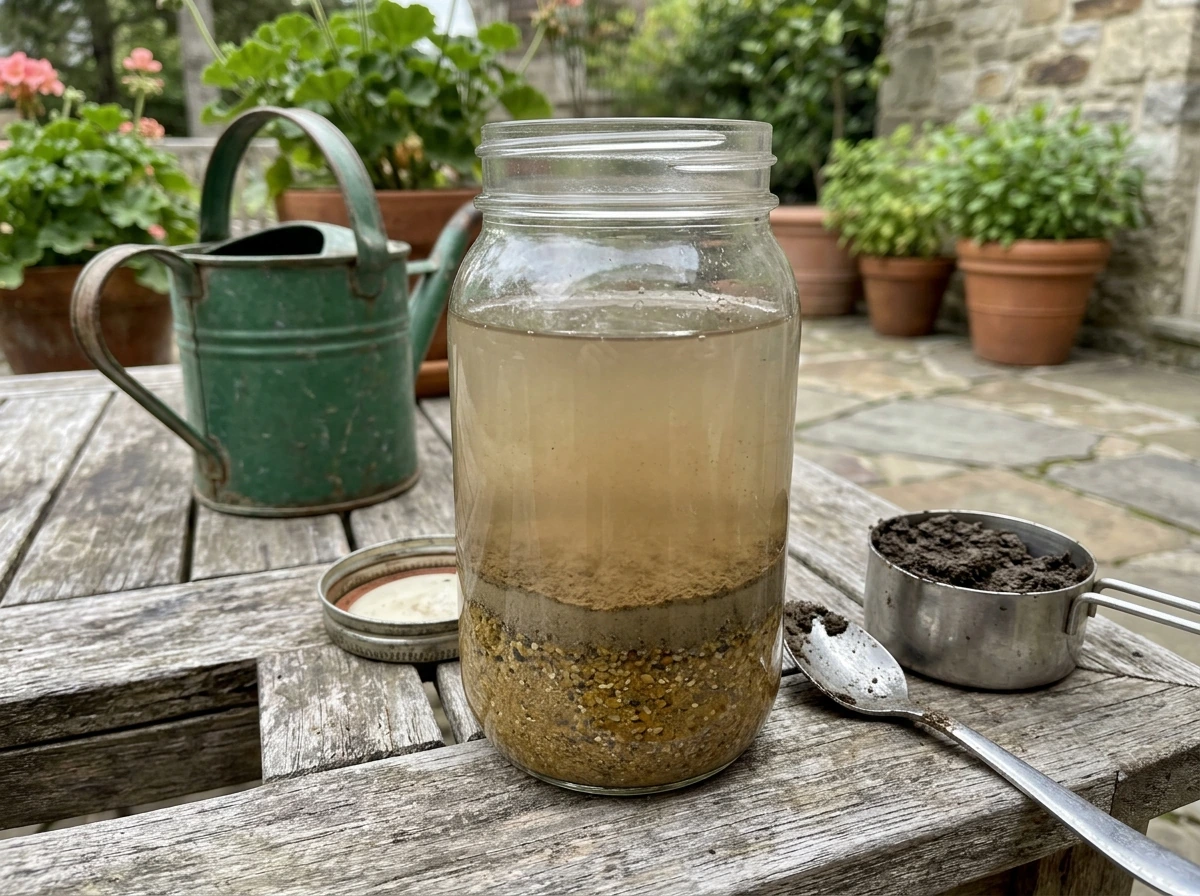
Soil texture, the ratio of sand, silt, and clay, controls drainage and moisture retention. A simple jar test (shake soil in water in a clear jar and let it settle in layers) gives you a rough read on texture without sending anything to a lab. Clemson's Extension resources cover this method directly. Sandy soils drain fast and suit drought-tolerant pairings. Clay soils hold moisture and suit pairings that prefer consistent moisture, but they can waterlog plants that need good drainage. Loamy soils are the most flexible and will support the widest range of companion combinations.
For irrigation in a mixed bed, group plants with similar water needs together, or choose companions that are tolerant of the same irrigation regime. Drip irrigation helps enormously here because it delivers water to root zones rather than broadcasting it across the whole surface, allowing you to target each species more precisely. If you are growing a drought-tolerant native alongside a vegetable that needs consistent moisture, position the vegetable closer to the drip emitters and the native at the bed's edge where water frequency can be reduced.
Light and space: getting the vertical structure right
Every plant in a mixed bed needs its fair share of light, and in a crowded bed, the tallest and fastest-growing plants will take the most. Plan your vertical structure deliberately. Place tall plants, like corn, sunflowers, or trellised tomatoes, on the north side of the bed (in the northern hemisphere) so they do not cast shade on shorter companions. Group plants by their light needs: full-sun species in the open center or south-facing edge, shade-tolerant companions on the north or east side where they will get filtered afternoon shade.
Spacing is equally important. Clemson HGIC is explicit about this: spacing should reflect each plant's mature size, and proper spacing improves air circulation while directly reducing root competition for water and nutrients. Tight spacing does not just increase crowding, it raises disease risk by creating humid, stagnant microclimates between plants. When in doubt, err toward the wider end of the recommended spacing range for any plant in a mixed bed, because it is sharing resources rather than having a bed to itself.
For root depth planning, a general rule of thumb: most annual vegetables and herbs are shallow-rooted in the top 12 inches, most brassicas and root vegetables reach 12 to 24 inches, and perennials, shrubs, and deep-rooted natives like native grasses can extend well beyond 24 inches. Pairs that occupy different depth zones compete far less and often benefit from each other, with the deep roots loosening compacted subsoil that benefits the shallow-rooted companion.
Companion combinations by goal
Here are practical pairings organized by common gardening goals. Each combination is grounded in shared environmental requirements, not just tradition or folklore. For a broader look at which specific plants pair well together by species, the companion article on what plants grow together goes deeper on individual combinations. If you want ideas for specific neighbors, start with what plants grow together and then filter by your climate and soil. what plants grow together
Edible gardens
- Corn + beans + squash (Three Sisters): corn provides structure for beans to climb, beans fix nitrogen, squash shades the soil and suppresses weeds. Works in zones 4–10 with a frost-free window of at least 90 days. Plant in full sun, in loamy to sandy-loam soil at pH 6.0 to 7.0.
- Tomatoes + basil: both are warm-season, full-sun, moderately drought-tolerant once established, and prefer well-drained soil at pH 6.0 to 7.0. Basil is shallow-rooted and does not compete with tomato's deeper root zone.
- Lettuce + brassicas (kale, broccoli): both cool-season, tolerate light frost, and prefer consistent moisture with pH 6.0 to 7.5. Plant lettuce in the shade cast by taller brassicas in warmer weather to extend its season.
- Peas + carrots: cool-season companions that peak together in early spring or fall. Peas fix nitrogen at shallow root depth; carrots draw nutrients from a deeper zone with minimal overlap.
- Peppers + oregano: both heat-tolerant, drought-tolerant once established, and prefer well-drained, slightly sandy soil at pH 6.0 to 7.0. Oregano is low-growing and fills ground space without shading pepper plants.
Native plant combinations
- Native bunch grasses + native legume shrubs (e.g., little bluestem + wild indigo in eastern North America): grasses provide structure and erosion control, legumes fix nitrogen. Both are drought-tolerant once established and prefer well-drained, slightly acidic to neutral soil.
- Desert willow + native bunchgrass (arid Southwest): deep-rooted tree with shallow-rooted understory grass. Minimal root competition, high drought tolerance, well-adapted to alkaline soils at pH 7.0 to 8.5.
- Prairie dropseed + purple coneflower (echinacea): classic tallgrass prairie pairing for the Midwest. Both prefer full sun, well-drained loamy soil, pH 5.5 to 7.0, and are extremely cold-hardy in zones 3–9.
Pollinator and wildlife support
- Phacelia + borage: both fast-growing cool-season annuals that produce high volumes of nectar. Full sun, well-drained soil, pH 6.0 to 7.5. Excellent for early-season pollinators when not much else is blooming.
- Native milkweed + black-eyed Susan: warm-season perennials for the eastern and central US. Both prefer full sun, tolerate dry to medium moisture, and thrive in pH 5.5 to 7.0 soils. Milkweed's deep taproot does not compete with black-eyed Susan's fibrous root system.
- Lavender + catmint (Nepeta): drought-tolerant, full-sun Mediterranean herbs that bloom sequentially rather than simultaneously, providing a longer pollinator window. Well-drained, alkaline-tolerant soil, pH 6.5 to 8.0.
Cover crop combinations
Cover crop mixes are one of the most well-researched forms of companion planting from an environmental compatibility standpoint. University of Wisconsin Extension recommends grass-plus-legume mixtures specifically because grasses provide soil structure and erosion control while legumes contribute nitrogen over time. Neither function is provided by a single species alone. A mix of cereal rye (grass) and crimson clover (legume) covers both roles efficiently in cool-season windows across a wide range of climates.
One important caution from University of Maine Extension: brassica cover crops like mustard or radish harbor pests and diseases that affect brassica vegetables like broccoli and bok choy. If your main crop is a brassica, do not use a brassica cover crop immediately before it, even if the two species look nothing alike. Family-level compatibility matters for disease pressure. UMN Extension also notes that brassica cover crops winter-kill and decompose quickly in spring, which is actually useful for timing, but does not reduce the pest and disease concern.
USDA NRCS guidance on cover crops emphasizes matching the species to the growing season's biology: warm-season cover crops need warm soil to establish, cool-season mixes need to go in early enough to build root mass before frost. Earlier seeding consistently produces better establishment. For practical mixing tips, the Midwest Cover Crops Council notes that seed mixtures can separate by particle size in a drill hopper, so refilling the tank more frequently when planting mixes keeps the seed ratio consistent across the field or bed.
How to plan, plant, and maintain a mixed bed
Planning before you plant
- Identify your climate zone and seasonal growing windows (cool-season vs. warm-season) before selecting any species.
- Test your soil pH and texture at least 2 to 3 months before planting. Apply any needed lime or sulfur amendments immediately and incorporate to 6 to 8 inches.
- List your candidate plants and run each pairing through the compatibility checklist: light, water, pH range, root depth, growth rate, and allelopathy.
- Sketch your bed layout with vertical structure in mind: tall plants to the north, shade-tolerant plants where they will receive filtered light, sprawling plants at edges.
- Confirm mature spacing for each species and do not crowd. Use the wider end of the recommended spacing range for mixed plantings.
Planting timing and sequence
In mixed beds, you rarely plant everything at the same time. Cool-season companions go in first, often 4 to 6 weeks before the last frost date. Warm-season companions follow after soil temperatures are consistently above 60°F. If you are using a succession strategy, like planting radishes between slower-maturing carrots, the radishes will be harvested before they compete seriously with the carrots' root zone. Staggered planting also reduces the risk of one fast grower dominating the canopy before others establish.
For perennial-annual mixed beds, plant perennials first, give them one full growing season to establish their root systems, then add annual companions in the spaces between. This prevents annual competition from stressing a newly transplanted perennial before it has had time to develop.
Irrigation and fertilization in mixed beds
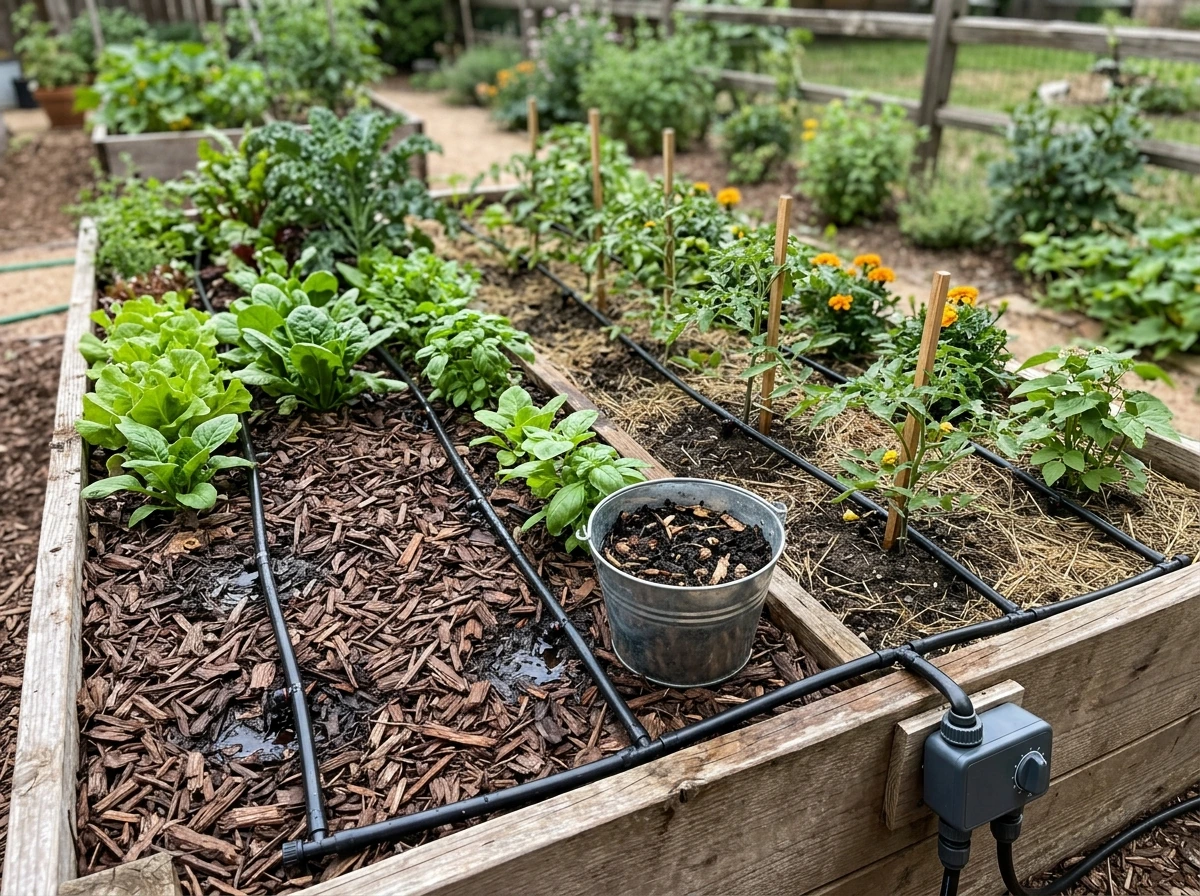
Mixed beds work best when the companions have similar water needs, but when they do not, zoning your irrigation is the practical solution. Position thirstier plants near drip emitters and drought-tolerant ones toward the bed's edge or drier microclimate. Avoid overhead watering on densely planted beds as it increases humidity and fungal disease risk, particularly in warm-season plantings.
For fertilization, the presence of nitrogen-fixing legumes in the bed changes your fertilizer math. If you have beans, clover, or other legumes actively fixing nitrogen, reduce or eliminate added nitrogen fertilizer for companions growing immediately alongside them, especially heavy feeders like corn or brassicas that may otherwise receive more nitrogen than they need. Over-fertilizing with nitrogen in a mixed bed often benefits the most aggressive plant disproportionately, accelerating the canopy competition problem.
Maintenance: mulch, thinning, and pest management
Mulch is essential in mixed beds. A 2 to 3 inch layer of organic mulch suppresses weeds that would otherwise exploit the gaps between companions, retains moisture so plants with different irrigation needs stay more balanced, and moderates soil temperature fluctuations that can stress one species more than another. Keep mulch pulled back a few inches from plant stems to prevent rot.
Thinning and pruning are your primary tools for preventing competitive imbalance once the bed is growing. If one plant is clearly out-competing a companion, thin or prune the aggressor rather than assuming the weaker plant will catch up. It rarely does. Remove dead or diseased material promptly. In a mixed bed, a fungal issue that starts on one species can spread quickly to a compatible host, and close spacing accelerates that spread.
Rotation matters even in small mixed beds. Avoid replanting the same species combinations in the same spot in consecutive seasons, particularly for brassica crops and any pairing that experienced pest or disease pressure. Moving plant families around the bed breaks pest cycles and gives soil biology time to reset between plantings. This is the same logic behind cover crop rotation and vegetable rotation in larger-scale systems, applied at the bed scale.
The thread running through all of this is matching environmental requirements first, then managing competition actively through spacing, timing, irrigation, and maintenance. Plants that share a climate, a soil type, and a seasonal window can almost always be made to coexist productively. The ones that fail together are almost always mismatched on one of those fundamental axes, not because companion planting does not work, but because the compatibility basics were not checked before the first seed went in the ground.
FAQ
How much mismatch between plants is still okay for plants that can grow together?
You do not have to match plants perfectly, but you should match most of the big drivers. If two plants differ, prioritize matching light and water first, then soil pH, then root depth. If only one driver mismatches badly (for example, a big pH gap or wildly different watering needs), the pair is likely to fail even when the other factors seem close.
Can I combine drought-tolerant plants with thirstier plants in the same bed?
Yes, by arranging your bed so the mismatch is partly “buffered.” For example, put a moisture-loving crop closer to drip emitters and keep drought-tolerant plants at the edge, and use mulch to smooth out surface moisture swings. This works best when the plants still share the same light exposure and season.
What are the most common reasons mixed plantings fail even when the plants seem compatible?
Do a pre-plant check that includes soil chemistry and allelopathy, not just “will it grow.” Soil issues show up even when both plants grow at first, you often see yellowing or stunting later. Allelopathy is trickier because it can inhibit seedlings in particular, so if you are planting into a bed with an established allelopathic plant, test or choose a safer family-level companion.
Do companion rules change for annual vegetables versus perennials?
Crop type changes the root and disease dynamics, so you should expect different pairings to behave differently. Annual vegetables and herbs often need narrower spacing and faster establishment, while perennials and shrubs tolerate more competition for longer. In mixed perennial beds, start by ensuring the perennial can establish without being forced into constant conflict with annuals.
If my plants are compatible, how do I know whether my spacing is too tight?
Spacing is not just for growth, it controls airflow and how fast one plant can shade and dominate others. If you are unsure, follow the wider spacing range, and then use succession planting or thinning instead of cramming. In dense beds, you also increase humidity pockets, which can make fungal problems spread across “compatible” neighbors.
Does drip irrigation always solve water-compatibility problems in plants that can grow together?
Often, but use it as a targeted tool rather than a blanket solution. Drip helps you match water regimes, but pH and nutrient needs still matter. Also check emitter placement, if a drought-tolerant plant sits too close to emitters it can still be stressed, and if overhead watering is required by one crop you may have to design the bed so the rest are protected.
How should I plan timing if one plant grows much faster than its companion?
Use plant-level timing, not just calendar timing. If you are planting in a succession pattern, make sure the fast crop will be harvested before it crowds out the slow one’s root zone. If both are left to run the full season, even a “good” pairing can become a dominance contest.
If two plants are in the same USDA zone, why might they still not grow well together?
Yes, even if the two plants survive the same minimum winter temperature. Cold tolerance and heat tolerance influence whether they establish and how they compete during spring or summer. Microclimates can shift outcomes, so you should treat hardiness zones as a starting point and confirm effective seasonal conditions for your exact spot.
How do rotation and “what plants not to grow together” apply in a small mixed bed?
Avoid planting new pairs into beds with recent pest or disease pressure from the same plant family, and rotate families even in small gardens. A practical approach is to change at least one of the two crops in the pairing each season, especially for brassicas and any combination that previously attracted the same problem.
Do I need to re-test soil every season to keep plants that can grow together healthy?
Test soil where the roots actually are, and do not rely on one spot. Mix a composite sample from the top 6 inches across the bed, and re-test when you make major changes like adding lots of compost, liming, or switching from overhead irrigation to drip. Consistent timing matters because pH can swing seasonally.
What is the biggest mistake to avoid when adjusting soil pH for companion plantings?
If you need to adjust soil pH, start earlier than you think. Many amendments take months to fully work, so testing “right before planting” often leaves you with plants that grow unevenly. Incorporate according to recommended depth, and if you are planting a spring bed, handle pH work as soon as you identify the problem.
Does allelopathy depend on plant family, or is it more random?
Use family-level thinking. Two plants can look unrelated but still share disease cycles and pest pressures, particularly within groups like brassicas. If your companion strategy includes cover crops or rotations, match at least by plant family and pest pressure, not just by growth habit.
When one plant is out-competing another, should I prune or switch the plant pair?
If the plants are incompatible, thinning or pruning often cannot fix the underlying mismatch. Pruning can help manage canopy dominance, but it will not correct a pH problem, a water regime conflict, or a chemical inhibition issue. Treat pruning as a balancing tool, and fix the compatibility driver first when growth is poor.
How does mulch specifically help plants that can grow together?
Mulch supports coexistence by reducing weed competition, stabilizing soil moisture, and moderating temperature. For mixed beds, keep mulch a few inches away from stems to prevent rot, and use enough thickness that gaps between companions stay controlled. If weeds are still thriving, your mulch depth or coverage plan is usually the first place to adjust.