The short answer: desert succulents, cacti, most lawn turf grasses, and the majority of common upland garden plants simply cannot survive in a hydrophytic environment. These species lack the internal plumbing that wetland plants rely on to stay alive in waterlogged, oxygen-starved soils. If you plant a cactus at the edge of a marsh or seed Kentucky bluegrass into a saturated floodplain, you will lose them, usually within one growing season. The rest of this guide explains exactly why that happens, which specific plants you should watch out for, and how to quickly check whether your site is actually hydrophytic before you plant anything.
Which Plants Do Not Grow in Hydrophytic Environments

Dr. Marcus Weatherby
24 Mar 2026
What a hydrophytic environment actually is (and what 'does not grow' really means)
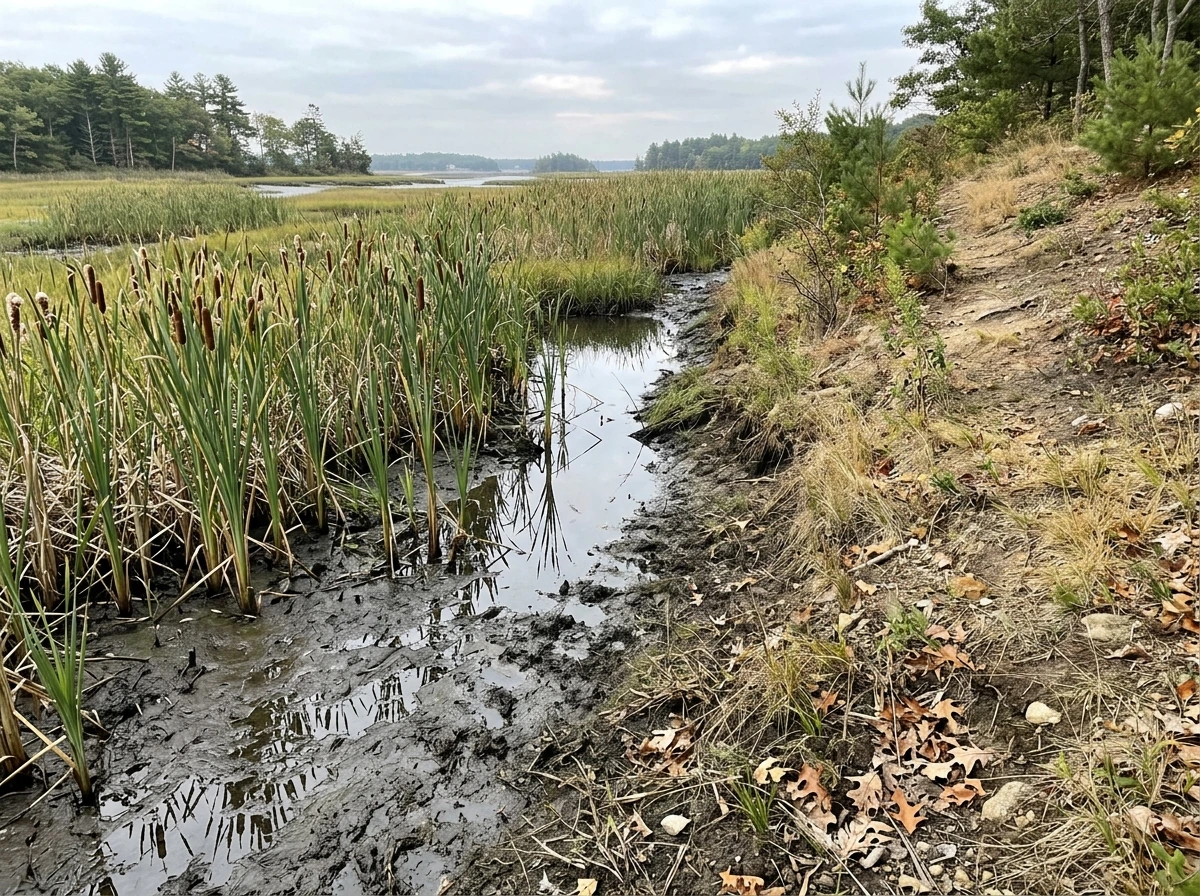
A hydrophytic environment is any place where the soil is saturated, flooded, or ponded long enough during the growing season to develop anaerobic (low- or no-oxygen) conditions. The US Army Corps of Engineers defines hydrophytic vegetation as plant communities occurring in areas that are inundated or saturated long enough to influence which plants can exist there at all. That's the critical detail: the water isn't just sitting on top of the soil, it's displacing the oxygen from the soil pores. Roots need oxygen to respire. When it's gone for more than a few days, most plants start dying from the roots up.
Wetland hydrology isn't one single thing either. The USGS classification system breaks flooding regimes into permanently flooded, semipermanently flooded, seasonally flooded, saturated, and temporarily flooded. A plant that handles seasonal wetness for a few weeks might collapse completely under permanent inundation. So when we say a plant 'does not grow' in a hydrophytic environment, we really mean it cannot tolerate the combination of extended soil saturation and the anaerobic conditions that follow, not just the presence of water nearby. A rose planted 10 feet from a pond is fine. That same rose planted where the water table sits at the surface for months is a different story entirely.
How hydrophytes survive wet, low-oxygen soils (and why most plants fail)
True hydrophytes have evolved specific anatomical tricks that ordinary upland plants simply do not have. The most important is aerenchyma, a spongy tissue with large air channels running through the stems and roots. In cattails, water lilies, and common reeds, aerenchyma acts like an internal snorkel, moving oxygen from the leaves and stems down into the root zone even when the surrounding soil has no oxygen at all. Without this structure, roots begin fermenting rather than respiring normally, toxic compounds like ethanol and acetaldehyde build up in root cells, and the plant dies.
Hydrophytes also develop adventitious roots (roots that sprout high on the stem above the waterline), hypertrophied lenticels for gas exchange through bark, and in some cases pneumatophores (the knobby 'knee' structures you see on bald cypress in swamps). Some species produce shallow root mats that stay close to whatever thin oxygenated layer exists near the surface. Upland plants, mesophytes, and xerophytes have none of these adaptations. Their root architecture is designed for well-drained, oxygen-rich soil. Put them in hydric soil and their roots suffocate in days to weeks depending on temperature, species, and exactly how saturated the soil gets.
Plants that cannot survive hydrophytic conditions
The clearest examples come from two groups: arid-adapted plants, which also tend to be a bad fit when you’re trying to pair plants, and common upland lawn or garden species. These are the plants you'll almost never find growing naturally in marshes, swamps, or saturated floodplain soils, and the reason is always the same: root oxygen stress and root rot susceptibility.
Desert and arid-zone plants
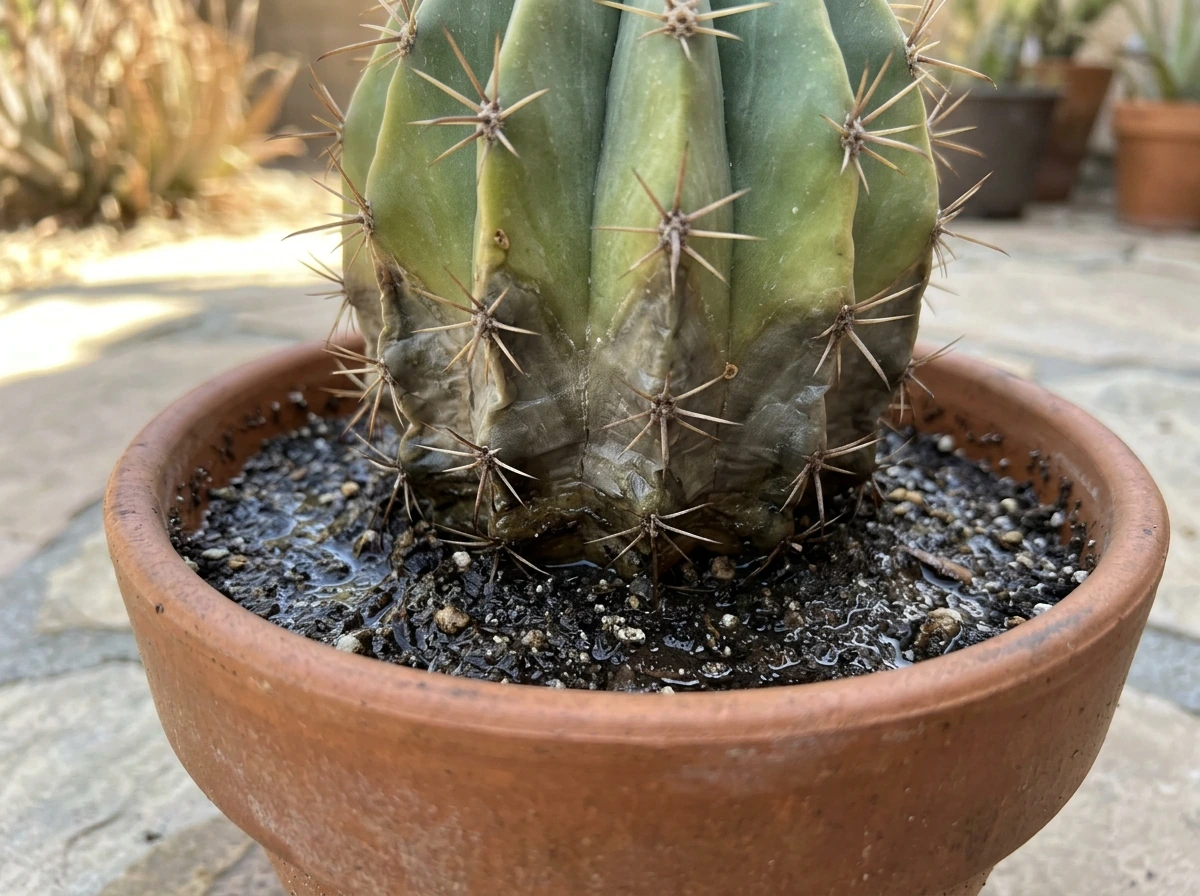
- Cacti (all species, including saguaro, prickly pear, barrel cactus): succulent tissue is extremely prone to rot when roots sit in anaerobic, waterlogged soil. Even brief flooding can be fatal.
- Agave: deep taproots adapted to dry, well-drained rocky or sandy soils. Cannot tolerate prolonged root saturation.
- Yucca: similar to agave, native to arid and semi-arid upland soils with excellent drainage. Root rot sets in quickly under wet conditions.
- Desert grasses like buffelgrass (Cenchrus ciliaris) and black grama (Bouteloua eriopoda): evolved for low rainfall, dry soils with good aeration. Prolonged saturation collapses root function.
- Lavender (Lavandula spp.): native to dry Mediterranean hillsides and rocky slopes. Notorious for dying in heavy, wet, or poorly drained soils even in ordinary gardens, let alone wetlands.
Common lawn grasses and upland garden plants
- Kentucky bluegrass (Poa pratensis): a classic upland turf grass requiring well-drained, aerated soil. Cannot survive permanent or semi-permanent waterlogging.
- Bermuda grass (Cynodon dactylon): tolerates brief flooding but fails under sustained saturation and anaerobic soil conditions.
- Tall fescue (Festuca arundinacea): moderate drainage tolerance but not a wetland plant; persistent hydric soil conditions cause rapid decline.
- Common roses (Rosa spp.): upland shrubs requiring well-drained soil. Root rot is the most common cause of death in wet garden beds, let alone genuine wetland conditions.
- Tomatoes (Solanum lycopersicum): among the most flood-sensitive common plants; wilting and root death can begin within 48 hours of complete soil saturation.
- Most vegetable garden crops (peppers, beans, squash, carrots): all developed for mesic to dry-mesic well-drained soils. None are hydrophytes.
- Ornamental salvias and most Mediterranean herbs (rosemary, thyme, oregano): adapted to dry, rocky, oxygen-rich soils. Extremely intolerant of wet feet.
- Most conifers grown in upland yards (arborvitae, junipers, blue spruce): natural habitat is upland with good drainage. Junipers in particular are notorious for dying in wet soils.
These examples are generalizations based on typical species behavior. Plant tolerance is always a spectrum, and some cultivars within a species can have slightly improved drainage tolerance compared to the wild type. But none of the plants listed above are classified as hydrophytes or even as facultative wetland plants, and none are adapted to the kind of sustained anaerobic soil conditions you find in a true hydrophytic environment.
Edge cases: marginal plants and seasonal wetness vs permanent flooding
Not everything is black and white when it comes to water tolerance. There is a whole category of plants called facultative wetland species or simply 'marginal plants' that can grow in both wet and dry conditions, or that tolerate shallow, seasonal wetness without being true hydrophytes. Understanding this middle ground saves you from discarding plants that might actually work on the edges of your wet site.
Red maple (Acer rubrum) is a good field example. In the wild you'll find it growing in saturated floodplain soils AND on dry upland ridges, sometimes within a mile of each other. It's classified as a facultative wetland plant because it can handle periodic flooding but doesn't require it. Similarly, willows (Salix spp.) are highly flood-tolerant and often grow right at the edge of wetlands, but some willow species also establish on drier disturbed ground. These are not desert plants, but they're not pure obligate hydrophytes either.
The distinction between seasonally flooded and permanently flooded is also huge. The US EPA notes that marshes are frequently or continually inundated, while other wetland types may only flood seasonally. Marshes are wetlands that are frequently or continually inundated and are characterized by emergent soft-stemmed vegetation adapted to saturated soil conditions, according to the US EPA marshes are frequently or continually inundated. A plant like river birch (Betula nigra) handles seasonal flooding in riparian zones but would struggle in a permanently inundated marsh. Some lawn grasses, including certain reed canary grass ecotypes, tolerate temporary standing water for a few weeks in spring but die under summer-long saturation. If your site is only wet for 6 to 8 weeks per year, your plant options expand considerably compared to a site that holds water year-round.
| Plant category | Water tolerance level | Can survive seasonal wetness? | Can survive permanent saturation? |
|---|---|---|---|
| Obligate hydrophytes (cattail, water lily, bulrush) | Requires flooding or saturation | Yes | Yes |
| Facultative wetland plants (red maple, river birch, swamp rose) | Tolerates wet but not required | Yes | Usually not |
| Facultative upland plants (red cedar, black-eyed Susan) | Prefers drier soil, tolerates brief wet | Sometimes (a few weeks) | No |
| Obligate upland / mesophytes (roses, turf grasses, tomatoes) | Requires well-drained soil | Rarely | No |
| Xerophytes / arid plants (cacti, agave, desert grasses) | Requires dry, well-drained soil | No | No |
How to test your site conditions today
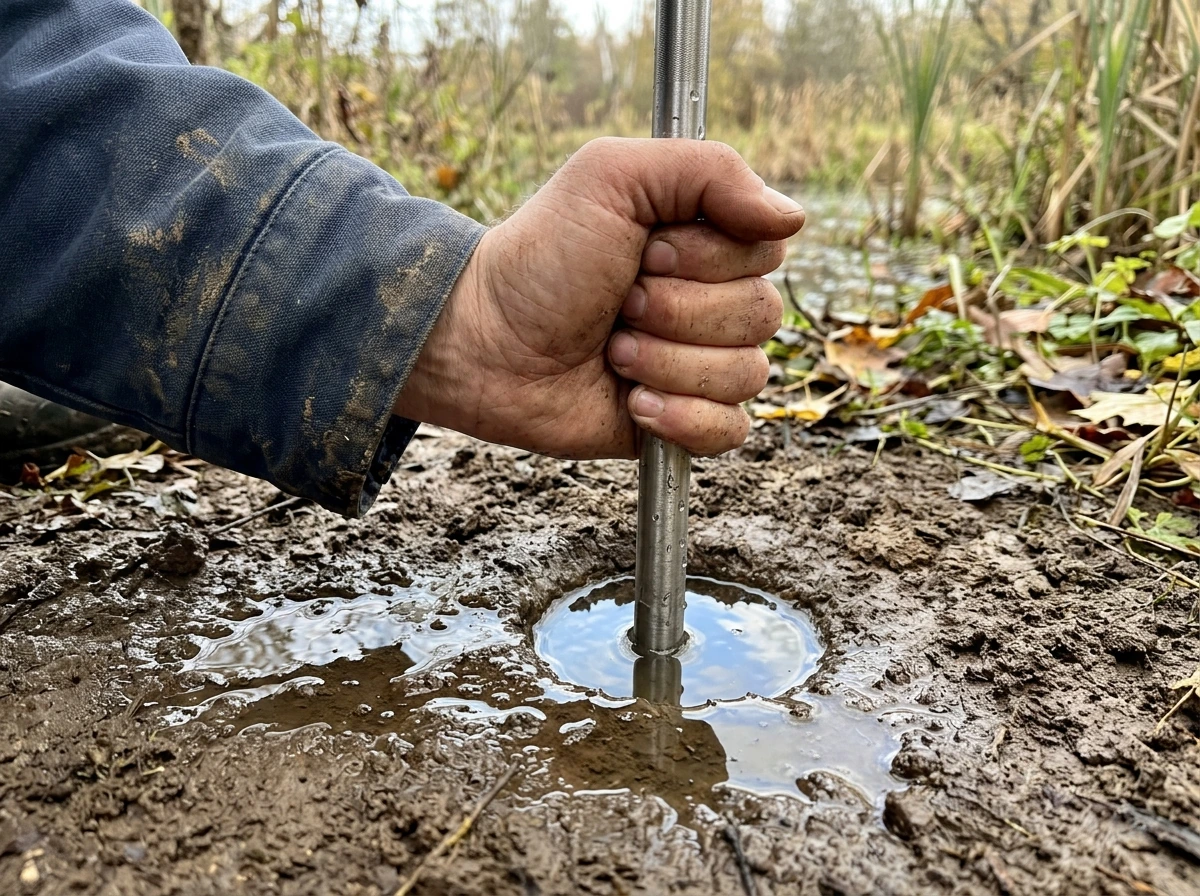
Before you plant anything, take 30 to 60 minutes to assess the actual hydrology and soil conditions at your site. Here is what to check and how to do it with no lab equipment.
Water depth and standing water
Push a metal rod or sturdy stake into the ground at several spots across the area. If water rises into the hole within a few minutes, your water table is at or very near the surface. If you can see standing water on the surface for more than a few days after rain, you likely have at minimum a seasonally flooded site. Note how long the standing water persists: a day or two after heavy rain is normal for many upland soils, but water still sitting on the surface a week later is a clear indicator of poor drainage and potential hydric soil.
Soil saturation and color
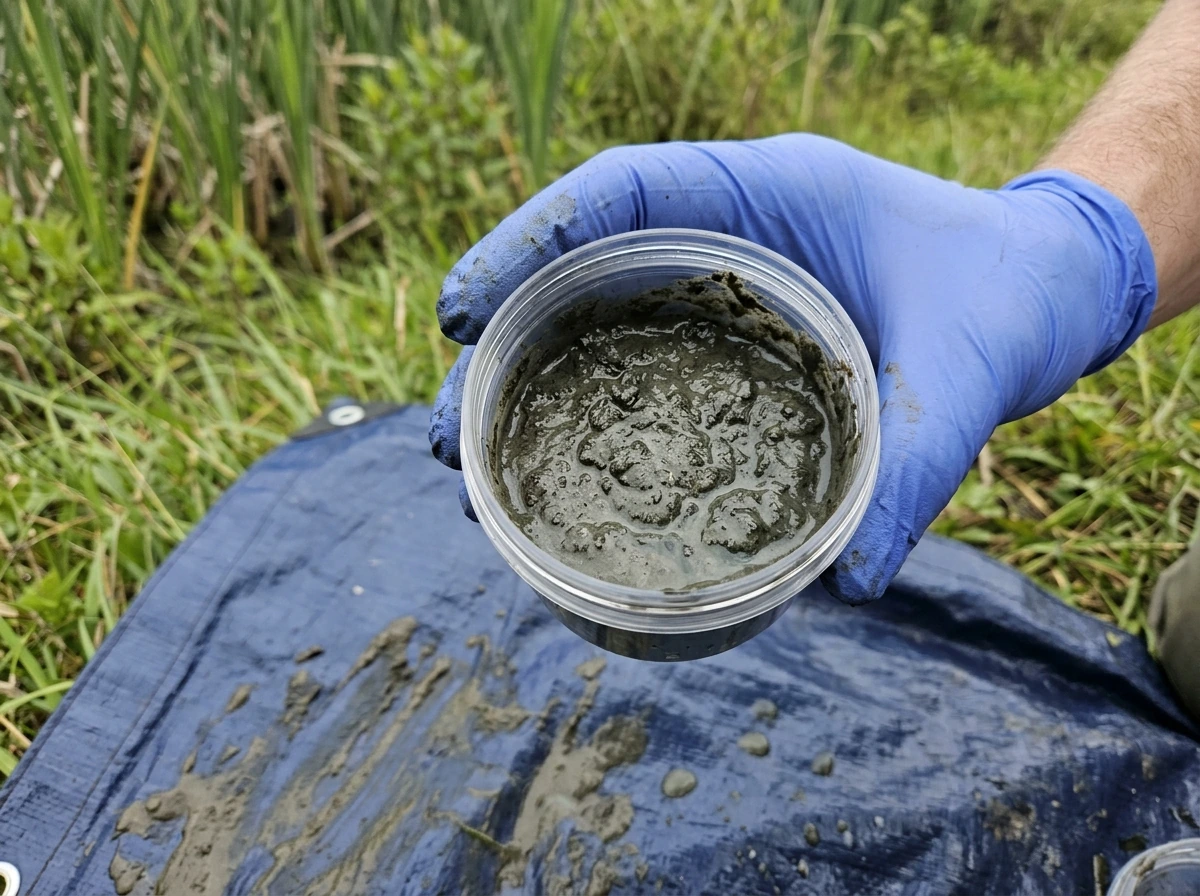
Dig down 12 inches with a hand trowel or soil probe. Hydric soils (the federal definition describes them as soils saturated long enough to become anaerobic) often show distinctive coloration: gray, blue-gray, or greenish-gray mottling caused by iron reduction under low-oxygen conditions. This gley coloration, combined with dark organic matter near the surface, is one of the standard field indicators used in wetland delineations. If you see this, you are almost certainly looking at hydric soil. Normal upland soil is typically brown, reddish-brown, or tan without the gley colors.
Oxygen and smell
Anaerobic soils have a distinct smell: sulfurous, like rotten eggs, or a swampy, fermented odor. If your freshly dug soil smells strongly of sulfur or decay, it is actively anaerobic. This is a quick, reliable field check that costs nothing. Oxygen meters exist but are unnecessary for a basic site assessment. The smell test and soil color together give you a strong practical read on soil oxygen status.
Sun exposure
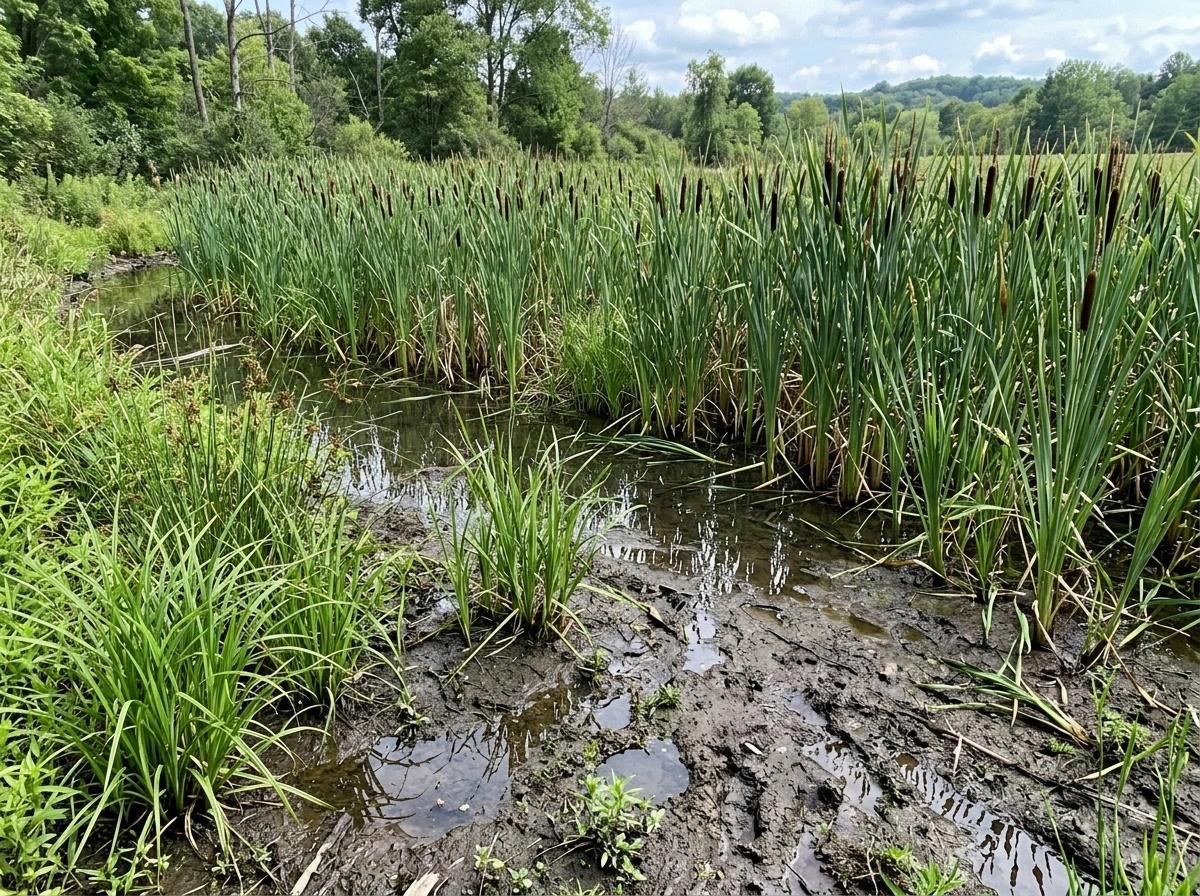
Note how many hours of direct sun your site receives. Many wetland plants (cattails, bulrush, pickerelweed) need full sun. Shade-tolerant wetland species exist too (skunk cabbage, some sedges) but the available palette narrows significantly in shaded wet conditions. Sun exposure doesn't determine whether your site is hydrophytic, but it does determine which wetland-adapted plants will actually thrive there, which matters when you get to the plant selection stage.
Existing plant indicators
Look at what's already growing on or near the site. Cattails, bulrushes, sedges, willows, alders, and skunk cabbage are strong field indicators of hydrophytic conditions. If you are seeing these plants growing naturally in the area, that is real-world evidence that the site supports hydrophytic vegetation. The opposite is also true: if the surrounding landscape is dominated by upland species like oaks, pines, or upland grasses, and your specific spot just holds water after storms, you may be looking at a temporarily flooded upland rather than a true hydrophytic environment.
How to confirm plant suitability and pick the right alternatives
Once you know your site conditions, confirming whether a specific plant will work is straightforward. The USDA PLANTS database and the National Wetland Plant List both classify plants by wetland indicator status: Obligate Wetland (OBL), Facultative Wetland (FACW), Facultative (FAC), Facultative Upland (FACU), and Upland (UPL). If a plant is listed as FACU or UPL, it will not perform well in a genuinely hydrophytic environment. If it's OBL or FACW, you're good. Look up the specific species and regional designation before planting anything on a wet site.
If your assessment confirms a hydrophytic or near-hydrophytic site and you were planning to grow upland plants there, you have two practical paths. The first is to replace the planned plants with wetland-adapted alternatives that match your light, climate, and aesthetic or ecological goals. The second is to install raised beds or containers with controlled drainage on top of or alongside the wet area, which lets you grow upland or mesophyte species without exposing their roots to saturated conditions. The container approach works well for vegetable gardens and ornamental beds near water features, but it is not a long-term solution for large-scale plantings.
Practical replacements for wet hydrophytic sites
If you are replacing plants that failed in wet conditions, here are reliable starting points organized by site type. For permanently flooded or deep-margin zones: cattail (Typha spp.), bulrush (Schoenoplectus spp.), water lilies (Nymphaea spp.), and pickerelweed (Pontederia cordata). For saturated but not permanently flooded soils: blue flag iris (Iris versicolor), swamp milkweed (Asclepias incarnata), joe-pye weed (Eutrochium purpureum), and cardinal flower (Lobelia cardinalis). For seasonally wet soils in sun: switchgrass (Panicum virgatum), blue wild indigo (Baptisia australis), and native sedges (Carex spp.). For wet shaded sites: skunk cabbage (Symplocarpus foetidus), ostrich fern (Matteuccia struthiopteris), and spicebush (Lindera benzoin). All of these are either obligate or facultative wetland species and are documented growing naturally in hydrophytic or near-hydrophytic conditions.
One last practical note: if you are trying to build a full planting plan for a wet site, One last practical note: if you are trying to build a full planting plan for a wet site, thinking about which plants can grow alongside each other in saturated conditions is just as important as picking individual species. which plants can grow alongside each other which plants can grow together. Wetland plant communities are dense and competitive, and pairing species by their preferred water depth and light needs dramatically improves establishment success. In general, choosing plants that share similar moisture and light needs is the easiest way to get healthy growth next to each other. When you choose plants that can grow together, aim for species with similar water-depth and light needs so they establish well in saturated conditions. That kind of companion planting logic for wet habitats follows the same principles you'd apply to any habitat, though the species palette is entirely different from what you'd use in a dry or mesic garden setting.
FAQ
If my yard stays wet only after heavy rain, does that count as a hydrophytic environment where plants like cacti will fail?
It depends on duration and soil saturation. Brief ponding that drains in a day or two is often not enough to create anaerobic conditions, many cacti and upland plants can survive. If standing water persists a week or the water table sits near the surface when you probe, oxygen stress is likely, and you should treat the site as hydrophytic or at least “wet for long enough” to test with hardy wet-tolerant plants first.
Why did my “water-tolerant” plant die even though it survived some flooding before?
Most deaths in wet sites come from root oxygen starvation, which can worsen with heat, compaction, or stagnant conditions. A plant may tolerate occasional storms but not extended saturation during hot months, or it may die after a freeze-thaw period that further damages weakened roots. If you saw yellowing, mushy roots, or foul-smelling soil after the worst week, you likely crossed from flood-tolerant to anaerobic-stressed conditions.
Can I make a hydrophytic site safe for upland plants using amendments like sand or compost?
Soil amendments can improve drainage locally, but they rarely fix a high water table for long. If the water table is at or near the surface for weeks, the roots will still be in low-oxygen soil. A better approach is raised beds, containers, or installing controlled drainage, and then retesting with the rod stake and soil color, not just relying on an amended top layer.
What’s the most common mistake when people use plant “names” like wetland, marginal, or flood tolerant?
Using the common label without checking the wetland indicator category for the exact species and region. “Marginal” and “facultative” plants might handle shallow or seasonal wetness, but they can still fail under prolonged, anaerobic saturation. Always confirm the plant’s indicator status and local ecotype, especially for grasses that vary widely by cultivar.
If I plant at the edge of a marsh, will upland plants always survive there?
Not always. Edges can still have hydric soil pockets, especially where microtopography directs flow or where roots reach a high water table. A plant may look fine aboveground, then fail after months when its roots contact anaerobic layers. Probe multiple spots, not just the area that looks drier at the surface.
Do cacti and desert succulents die because they get “too much water” on the surface?
Usually not. The bigger issue is root-zone oxygen loss when pores fill and stay saturated. Even if surface moisture dries at times, a persistently wet or saturated root zone can still cause fermentation and toxic byproducts buildup. That’s why cacti often fail in sites with a near-surface water table, even if the top layer looks okay.
Are there plants that can tolerate wet feet but still should not be planted in true hydrophytic conditions?
Yes. Many “flood tolerant” or “wet soil” ornamentals do fine during short-term standing water but are not equipped for long, oxygen-starved saturation. If their indicator status is facultative upland or only marginal, they may look alive through spring wetness but decline during summer-long saturation. Use indicator categories to separate shallow-seasonal tolerance from true hydrophytic tolerance.
How do I interpret the difference between “seasonally flooded” and “permanently flooded” for plant survival?
Seasonally flooded sites often allow plants with facultative or wet-tolerant traits because the root zone re-oxygenates between wet periods. Permanently flooded or frequently flooded marsh conditions keep soils anaerobic most of the time, which favors obligate and facultative wetland species only. If the site floods during the growing season but dries out regularly, more plant options exist than in year-round inundation.
What should I do if my soil color looks normal brown, but there’s still standing water?
Standing water alone doesn’t guarantee hydrophytic conditions, because the key is how long saturation lasts and whether the soil becomes anaerobic. Recheck after the wet period, probe for gley mottling at multiple depths, and do the smell test on freshly dug soil. If you never see anaerobic coloration or odor, you may be dealing with slow-draining upland rather than true hydrophytic soil.
Can I rely on what grows nearby as proof my site is hydrophytic?
It’s a strong clue, but not a guarantee. Nearby hydrophytes may indicate regional hydrology, yet your exact spot can still differ due to buried fill, drainage lines, or localized slope. Treat “what grows nearby” as a prompt to measure, then confirm with your stake probing, soil mottling, and odor.
If I want to plant something now while I’m assessing the site, what’s the safest strategy?
Use plants known to tolerate saturated conditions and match them to your light and expected flooding duration. If you’re unsure whether you have seasonal wetness or year-round saturation, start with facultative wetland and obligate wetland options rather than upland species. Also consider temporary raised containers as a staging step for ornamentals until you confirm hydrology.