Yes, plants can grow in caves, but probably not the kind you're picturing. What you'll actually find in most caves is a mix of mosses, liverworts, ferns, algae, and cyanobacteria, not flowering plants or garden-variety greenery. The key factor is always light, and caves have almost none of it. That one reality shapes everything about what grows there, where it grows, and how much of it you'll see. If you want to identify cave plants in a real location, or replicate the conditions indoors, here's exactly what you need to know.
What Plants Grow in Caves and How to Identify Them

Dr. Marcus Weatherby
19 Apr 2026
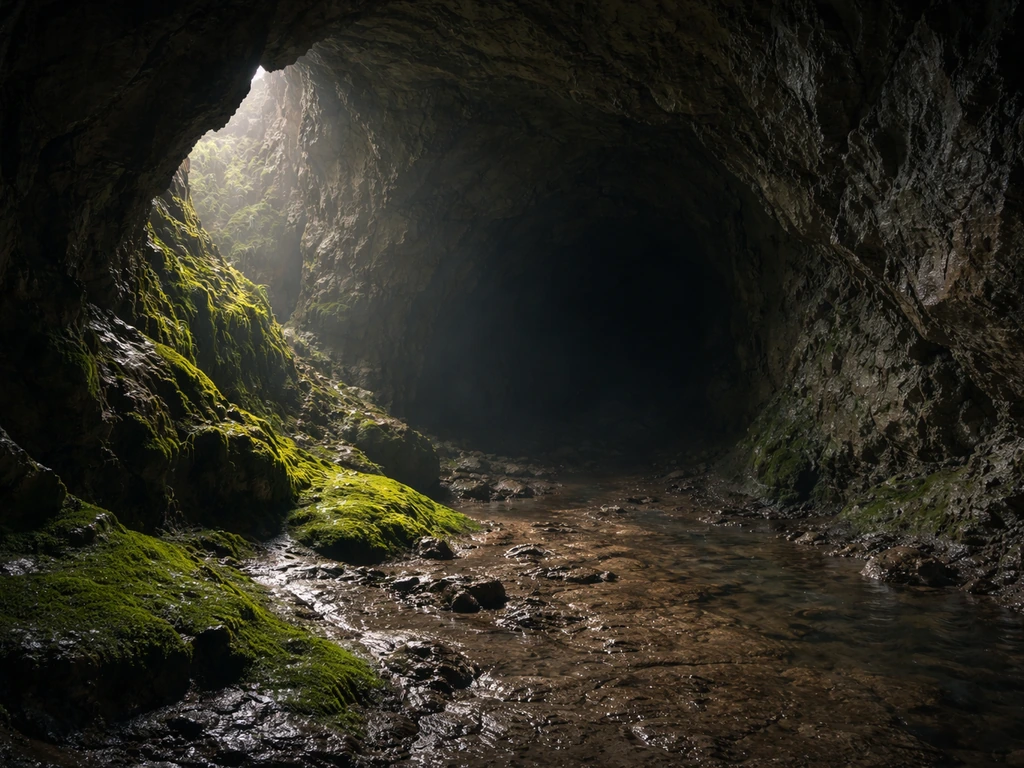
Can plants actually grow in caves?
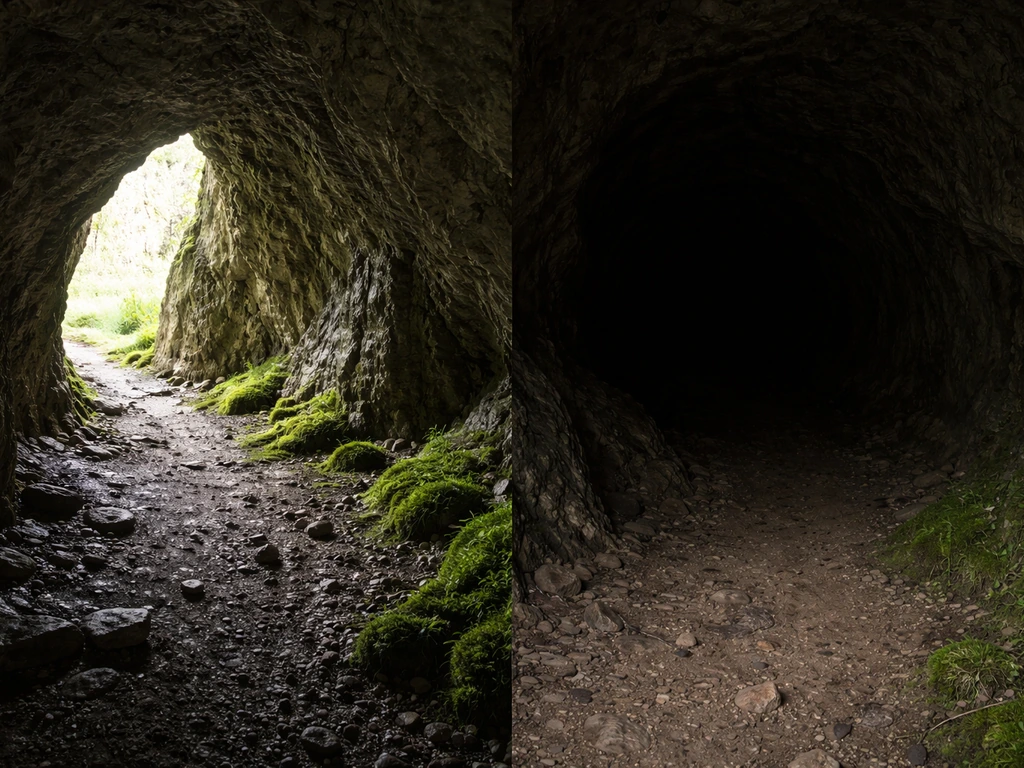
The short answer is yes, but with a big asterisk. True vascular plants, the kind with roots, stems, leaves, and a water-transport system, are almost entirely absent from cave interiors. The deeper you go, the less you find anything photosynthetic at all. What ecologists call the 'deep zone' of a cave receives zero natural light, which makes conventional plant growth impossible. What does survive are organisms that can exploit tiny amounts of light or get their energy from chemical sources rather than the sun.
The organisms most commonly described as 'cave plants' are algae, cyanobacteria, mosses, liverworts, and occasionally ferns. None of these are flowering plants, and several are not technically plants at all in the strict biological sense. That said, for practical purposes, if you're standing in a cave and looking at something green growing on a wet rock wall, this guide covers it.
What conditions caves actually provide
Light: the defining factor
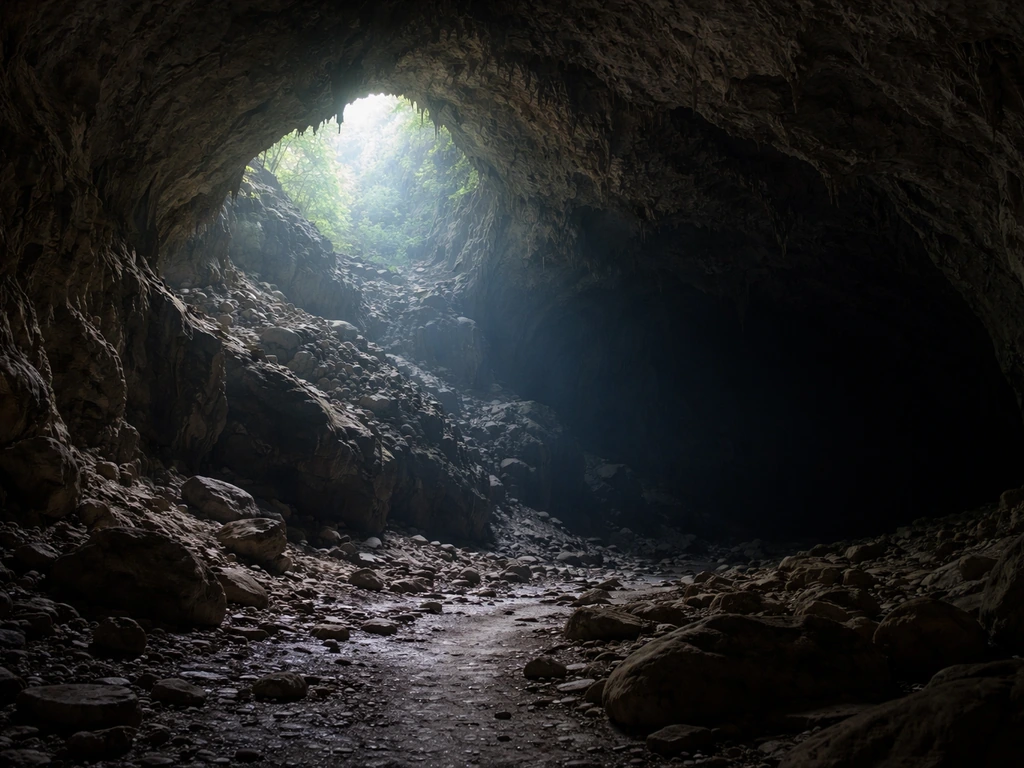
Cave biologists divide caves into three zones based on light. The entrance zone connects the surface to the subterranean world, receives direct or indirect sunlight, and supports a wider variety of plants. The twilight zone begins where light progressively diminishes but hasn't disappeared entirely. The deep zone receives no natural light whatsoever. Almost everything photosynthetic in a cave lives within the entrance or twilight zones. Algae can grow as far in as sunlight can penetrate, but beyond that, photosynthesis simply stops.
Temperature and humidity
One of the underappreciated features of cave environments is their climate stability. Deep cave zones maintain nearly constant temperature year-round, often hovering close to the mean annual surface temperature for that region. Humidity in deeper zones is typically very high, with low evaporation rates, which is why mosses and liverworts, both of which lack the water-transport tissue (xylem and phloem) of true vascular plants, can survive there through direct absorption of moisture. The USDA Forest Service describes Marchantia polymorpha as a liverwort and notes that liverworts are nonvascular and lack phloem and xylem like ferns and flowering plants blank" rel="noopener noreferrer">mosses and liverworts, both of which lack the water-transport tissue (xylem and phloem) of true vascular plants. Temperature and humidity fluctuate much more near cave entrances, where airflow, including the 'chimney effect' documented in caves like Lehman Caves in Nevada, creates dynamic conditions similar to the surface.
Substrate and nutrients
Caves formed in limestone (karst caves) dominate globally, and their floors and walls tend to have thin soil layers over rock, if any soil at all. Nutrient input is limited and comes largely from outside the cave: bat guano, leaf litter washing in, insect remains, and animal droppings. These inputs concentrate near entrances and water seepage points. Studies of karst caves confirm that bryophyte coverage, meaning mosses and liverworts, is directly tied to light intensity, substrate moisture, and nutrient availability, all of which peak closest to the entrance.
What's actually growing in there: plants, mosses, and algae explained
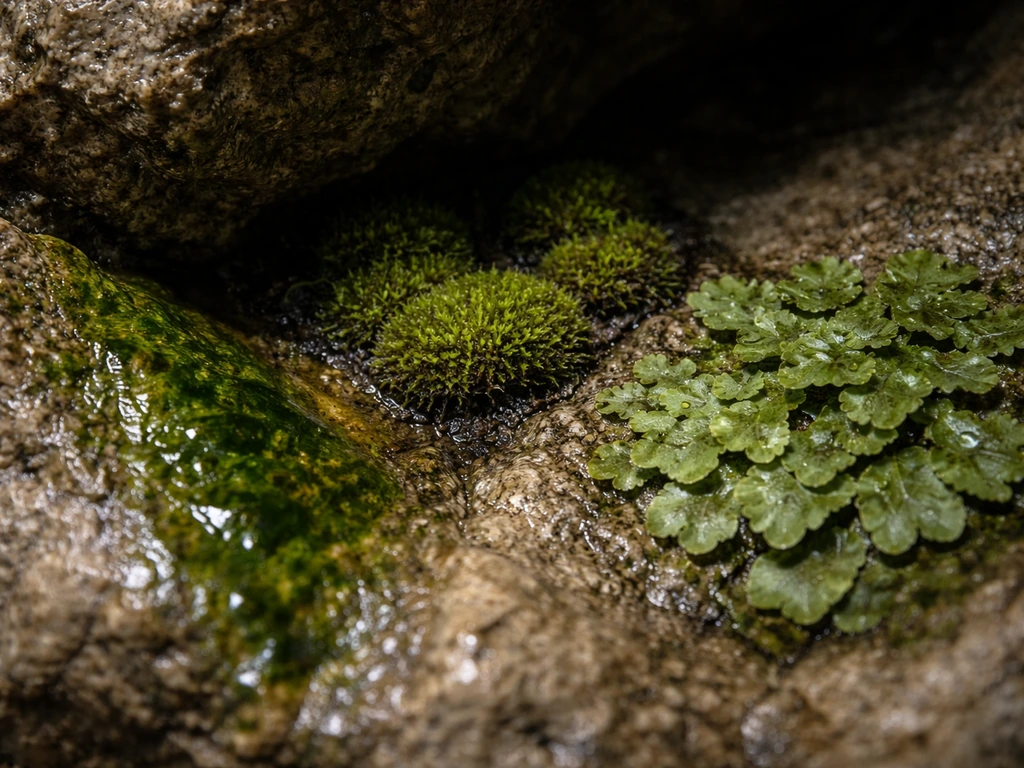
It helps to sort cave organisms into clear groups, because they occupy very different niches and respond to conditions differently.
| Organism Type | Where Found in Cave | Light Needed | Key Conditions |
|---|---|---|---|
| Algae (green, blue-green) | Entrance to twilight zone; near artificial lights | Very low (~0.1–1.0 μE/m²/s) | Any moisture, even minimal light or artificial light |
| Cyanobacteria | Same as algae; biofilm on wet surfaces | Very low | Wet rock surfaces, artificial lighting in show caves |
| Mosses (bryophytes) | Entrance and twilight zones | Low (~1.0–3.5 μE/m²/s) | High humidity, thin substrate, moderate light |
| Liverworts | Entrance zone, seepage areas | Low to moderate | Constant moisture, no vascular tissue needed |
| Ferns | Entrance zone edges | Moderate (~5.0 μE/m²/s) | Soil pockets, stable moisture, some light |
| Vascular flowering plants | Entrance zone only | Full to partial light | Soil, nutrient input, proximity to surface |
In tourist show caves with artificial lighting, a phenomenon called 'lampenflora' develops around light fixtures. This is a community of algae, cyanobacteria, mosses, and sometimes ferns that colonizes surfaces near lamps. Research at Carlsbad Caverns and Lehman Caves in the Great Basin confirms that lampenflora communities are distinct from natural surface communities and are driven entirely by the artificial light source. In severe cases, even higher plants can establish near artificial lights. Cave managers actively work to reduce lampenflora by switching to LED lighting with wavelengths less favorable for photosynthesis.
The common liverwort (Marchantia polymorpha) is a good example of why bryophytes thrive in caves when vascular plants cannot. It has no phloem or xylem and relies entirely on diffusion and direct moisture absorption. That makes it perfectly suited to a dripping cave wall where nutrients are scarce but water is constant.
Cave plants by region and climate
What you're likely to find in a cave depends heavily on where that cave is. Climate, cave geology, and proximity to surface ecosystems all shape the community of organisms at the entrance and twilight zones.
- Temperate limestone (Appalachian, Central European karst): Rich moss and liverwort communities near entrances, including Marchantia and Pellia species; ferns like Asplenium (spleenwort) in well-lit entrance crevices; green algae on wet walls in the twilight zone.
- Arid/semi-arid caves (American Southwest, e.g., Carlsbad Caverns, Lehman Caves): Algae and cyanobacteria dominate, surviving dry periods as spores; lampenflora near show-cave lights is particularly well-studied here; entrance vegetation is sparse due to low surface moisture.
- Tropical karst (Southeast Asia, Central America, Caribbean): Highest diversity near cave entrances, including ferns, mosses, and sometimes liverworts in humid conditions; surface vegetation is dense and pushes into cave mouths.
- Mediterranean and Italian karst (e.g., Grotta Gigante, NE Italy): Studies document up to 16 moss species and 2 fern species in lampenflora communities around artificial lights; aerophytic (air-growing) cyanobacteria and algae dominate wet surfaces.
- Cool temperate oceanic climates (UK, Pacific Northwest): Highly productive moss growth at cave entrances due to consistently high rainfall and humidity; liverworts common on seepage walls.
Bat colonies significantly influence cave plant ecology across all regions. Guano deposits near roost sites provide nutrient pulses that support denser growth of surface-connected organisms near cave entrances. If you see a particularly lush patch of moss or liverwort inside a cave mouth, look up: there's a good chance bats roost above it.
How to find and identify cave plants in real locations
Field identification of cave plants comes down to working through the zones systematically. Here's a practical approach for any cave visit.
- Start at the entrance zone and note what's growing right at the cave mouth. This is where you'll find the widest variety, including ferns, mosses, and liverworts. Document what you see with photos before moving deeper.
- As you move into the twilight zone, look for the boundary where green growth stops. Algae will persist beyond where mosses and ferns can, often appearing as a thin greenish or brownish film on wet rock surfaces.
- Note your proximity to light sources. In a show cave, any growth you see near light fixtures is almost certainly lampenflora: a biofilm of algae and cyanobacteria colonizing around the lamp. In a wild cave, growth near the entrance where sunlight angles in follows the same logic.
- Check seepage points. Water dripping or seeping from the ceiling concentrates nutrients and creates micro-habitats where mosses and liverworts establish on otherwise bare rock.
- Document substrate type. Is growth on bare limestone, thin soil, guano accumulation, or decaying organic matter? This context helps narrow down likely species, since different organisms have strong substrate preferences.
- Use a note or app to record: zone (entrance/twilight/deep), distance from cave mouth, light level (bright/dim/artificial/none), substrate, moisture level, and color/texture of growth. This information is what actually lets you identify cave organisms after the fact using regional field guides or herbarium records.
Photographing cave plants well requires patience and a macro lens or phone macro attachment. Mosses and liverworts look very similar at a glance and genuinely require close-up images of leaf structure to distinguish. Algae films are best photographed where water is actively seeping, since they look more distinct when wet. If you're documenting for a record, photograph the full habitat context first, then get close-up shots.
Growing cave-style plants indoors: a practical setup
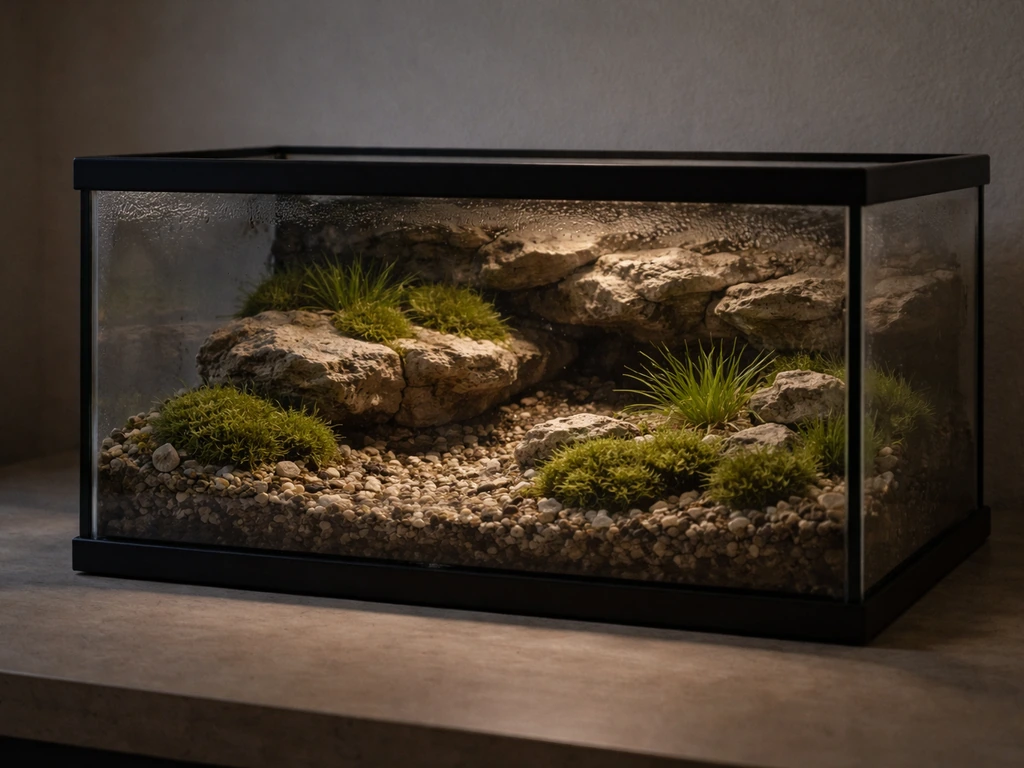
If you want to recreate cave conditions at home, the good news is that low-light terrariums do this very well. You're not trying to grow anything in total darkness, you're replicating the entrance and twilight zones, where light is dim but present. This overlaps significantly with what makes a terrarium work well for shade-tolerant plants, though the cave version emphasizes rock substrate, high humidity, and very low light intensity.
What to use as a substrate
Limestone-based rock fragments, gravel, or unglazed stone provide the most authentic cave substrate. Cover the base with a thin layer of gritty, low-nutrient mix, such as horticultural sand mixed with a small amount of peat or coco coir. Avoid rich potting soil: cave organisms are adapted to low-nutrient environments and will often fare better in lean conditions. Pieces of inert rock placed vertically allow mosses and liverworts to attach to surfaces the way they would on a cave wall.
Light levels and scheduling
This is the most important parameter to get right. Research thresholds from cave-monitoring experiments give you a useful target range: green algae and cyanobacteria can grow at light levels as low as 0.1 to 1.0 μE/m²/s, mosses need roughly 1.0 to 3.5 μE/m²/s, and ferns require around 5.0 μE/m²/s or more. In practical terms, this means very low intensity LED lighting, far below what you'd use for a standard terrarium. A 12-hour light and 12-hour dark cycle is a reasonable starting point. Keep lights several feet from the plants and consider using a diffuser. Cyanobacteria cultures in lab settings are maintained under similar low-lux conditions with a 12h:12h cycle, which gives you a workable model.
Humidity and moisture management
Cave organisms from the twilight zone expect humidity consistently above 80 percent, with minimal evaporation. A closed or semi-closed glass terrarium maintains this naturally. Mist the interior every few days rather than bottom-watering, since mosses and liverworts absorb moisture through their surfaces. Avoid waterlogging: good drainage under the substrate layer prevents rot, which is the main thing that kills moss setups indoors.
Best organisms to start with
- Sheet moss or cushion moss (Hypnum or Leucobryum species): widely available, tolerates very low light, thrives in high humidity on rock or gritty substrate.
- Common liverwort (Marchantia polymorpha): fast-establishing, genuinely cave-adapted, easy to source from temperate gardens or nurseries.
- Asplenium (spleenwort ferns): the cave entrance species; will need slightly more light than the organisms above, so position near the terrarium's light source.
- Algae film: If you use collected rainwater or outdoor water, algae will likely establish naturally on wet rock surfaces over time without any inoculation needed.
If you're interested in the terrarium angle more broadly, similar principles apply to low-light enclosed setups with shade-tolerant plants generally, though cave setups specifically push toward minimal light and lean substrates rather than the richer conditions used in most planted terrariums.
What not to do: safety and conservation rules you need to know
Cave ecosystems are fragile and legally protected in most jurisdictions. Before you visit any cave, especially on public land, understand what you can and cannot do.
- Do not collect plant material, rocks, soil, or any natural specimens from caves on BLM land, National Park Service land, or National Forest land. Under federal regulations (43 CFR Part 37 and NPS superintendent compendiums), cave resources including plants may not be removed or disturbed. Violations carry real penalties.
- Do not disturb hibernating bats. The US Forest Service explicitly warns against entering caves where bats are hibernating. Beyond the legal protection, disturbing bats during hibernation can be fatal to them.
- Decontaminate your gear between caves. White-nose syndrome (WNS) is a fungal disease decimating bat populations across North America. The National Speleological Society and NPS both provide decontamination protocols: clean clothing and gear should be laundered with heat or specific chemical treatments before moving between cave sites. Do not wear the same uncleaned boots and clothing in multiple caves.
- Do not drink cave water. US Forest Service cave safety guidance is explicit on this. Cave water may contain pathogens, chemical contaminants, or biological material you cannot see.
- Do not add artificial lighting to natural caves. Even brief exposure to artificial light at the wrong wavelengths can stimulate lampenflora growth on pristine cave surfaces, which is exactly the problem show-cave managers spend significant resources fighting.
- Photograph, don't pick. For any cave visit, documentation via photos is the ethically sound and legally safe approach. If you want to identify a moss or liverwort species, a high-resolution photo sent to a regional bryologist or uploaded to a citizen-science platform will get you an ID without harming anything.
If you're approaching cave plants from a purely indoor or cultivation angle, there's no regulatory issue with growing purchased or ethically sourced mosses, liverworts, and ferns in a terrarium setup. The restrictions above apply specifically to collecting from natural cave habitats on protected land. Sourcing from nurseries, botanical garden plant sales, or your own garden keeps everything above board and gives you material that's already acclimated to cultivation.
Caves are one of the most extreme natural plant habitats on earth, alongside exposed cliff faces and shaded north-facing walls, and the organisms that make it work there have done so through remarkable adaptations to near-zero light, nutrient poverty, and total dependence on moisture. Understanding those adaptations is what makes both identifying cave plants in the field and replicating their conditions indoors genuinely achievable, even if you're starting from scratch today. Some of these low-light wall plants and mosses may also work on shaded exterior walls if you match similar moisture and light conditions plants grow on walls. If you're curious about tougher rock habitats too, see plants that can grow on rocks as a related option for similar low-soil conditions plants grow on rocks.
FAQ
Can flowering plants grow inside caves at all?
Rarely, and only near entrances or artificial light sources. In natural deep zones, there is essentially no light for typical flowering plant metabolism, so any “higher plant” you see is usually in the entrance zone, in cracks receiving intermittent light, or around lamp fixtures where light levels are artificially boosted.
Why do some caves look green even if there is no direct sunlight inside?
Most visible “green” comes from low-light phototrophs like algae films, cyanobacteria mats, mosses, and liverworts that use tiny light levels and constant moisture. If you want to predict where it will look lush, check wet rock, seepage lines, and places where water spreads evenly, because hydration often matters more than bare darkness.
What’s the safest way to tell moss, liverwort, and algae apart in a cave?
Use close-ups and focus on structure. Moss and liverwort differ in their leaf attachment and stem organization, while algae often appears as thin, uniform films or patches that look smoother and more “layered,” especially when wet. If you can only take one photo, capture a macro shot of the surface texture plus one wide context shot to show where the patch sits on the rock.
Do cave plants need soil to grow?
Usually no. In limestone (karst) caves, most growth is on bare rock where thin deposits collect, such as trapped grit, biofilms, or washed-in organic matter. For indoor replication, the substrate should be lean and mineral, because rich potting mixes raise nutrients and can shift the community toward fast-growing, non-cave-like growth.
How deep does photosynthesis typically go in a cave?
It depends on how far light penetrates from the entrance or from openings that funnel light inward. Practically, most photosynthetic organisms stop where light becomes too low to sustain growth, so you’ll often see a clear “cutoff” between entrance or twilight zones and deeper, darker areas where green material disappears.
What humidity levels should I aim for in a cave-style terrarium?
For organisms in the twilight zone, keep humidity very high, typically above 80 percent, and avoid letting surfaces repeatedly dry out. Also mist rather than bottom-water so moisture reaches where bryophytes absorb it through their surfaces, and ensure drainage under the substrate so you do not create stagnant, waterlogged conditions.
Is it better to use bright LEDs to speed up growth indoors?
No, brighter light generally pushes growth away from cave-like communities. The cave-adapted organisms you’re trying to replicate need very low light intensity and a longer dark period. If growth is occurring, it may still be “wrong” (more surface algae buildup or faster non-cave species) even if it looks greener.
How can I reduce lampenflora if I keep a cave setup near a window or strong lights?
Control light exposure. Keep your setup away from daylight and indoor lamps when you do not intend growth, use low-intensity, cave-appropriate lighting only on a timer, and consider using diffusers or light placements that minimize direct beams onto rock surfaces.
Is it okay to collect cave mosses or liverworts from the wild for indoor growing?
It depends on local rules, but in many jurisdictions cave habitats and organisms are protected, especially on public land. A safer approach is to use ethically sourced plants from nurseries or botanical sales, and if you ever consider collection, verify permissions and regulations before taking any material.
Why do my mosses die even when humidity is high?
The most common causes are waterlogging, poor drainage, and inconsistent wetting cycles. Even with high humidity, mosses and liverworts can rot if the base stays saturated. Use lean substrate, keep a drainage layer, and mist on a schedule that keeps rock damp without leaving puddles.