
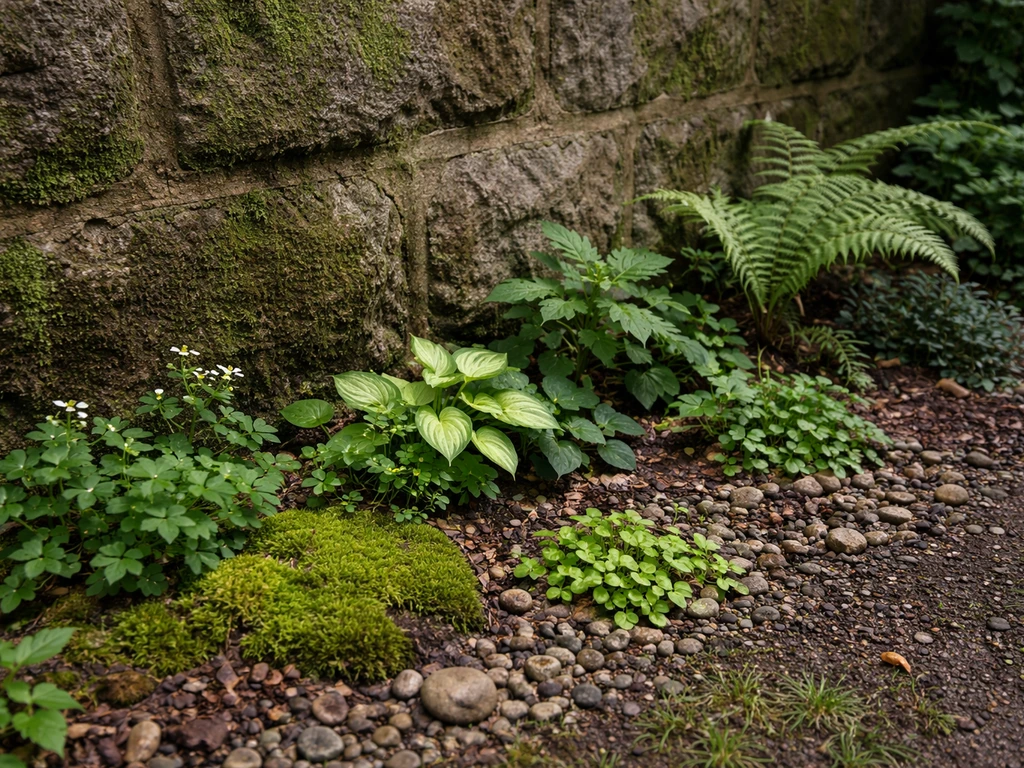
A north-facing wall is not a dead zone. It is a specific microclimate, and once you understand what that microclimate actually does, choosing the right plants becomes straightforward. The best performers are shade-tolerant climbers and ground-level perennials that can make use of low, diffuse light: climbing hydrangea (Hydrangea anomala subsp. petiolaris), ivy, ferns, hellebores, and wall-trained shrubs like Garrya elliptica. These plants are not just tolerating the conditions, they are genuinely suited to them.
What Plants Grow on a North Facing Wall and Why

Dr. Marcus Weatherby
28 Apr 2026
Why a north-facing wall behaves differently
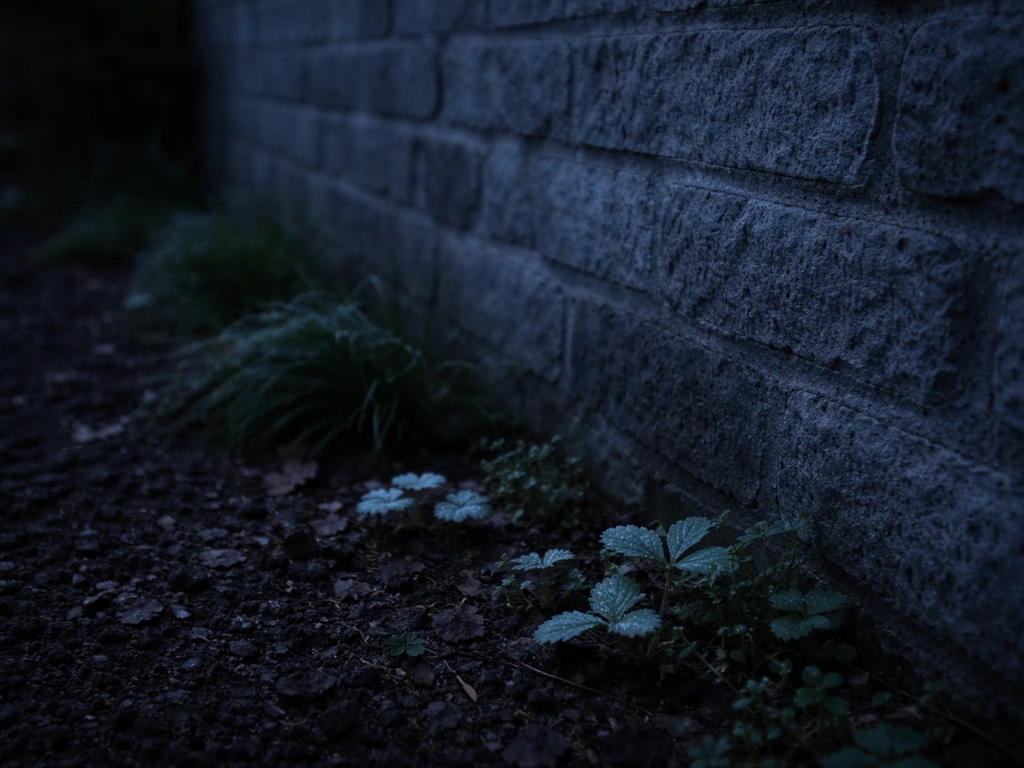
In the northern hemisphere, a north-facing wall receives almost no direct sun for most of the year. What little sunshine it does get arrives mainly in early morning during the summer months, and even then it is oblique and brief. That means plants on a north wall have to work with every last scrap of available light. The RHS puts it plainly: north-facing aspects are colder and shadier compared to south- and west-facing walls, which are the warmest and sunniest.
Temperature at a north-facing wall stays lower year-round. Frost lingers longer in winter and spring, and the wall itself absorbs and radiates less warmth than a sun-baked south wall. That affects which hardiness zones actually apply at ground level next to the wall, so a plant rated to zone 5 may struggle more on a north exposure than the label implies.
Moisture is the other big variable. North walls often stay damp because shade slows evaporation, but there is a counterintuitive catch: the wall itself can create a rain shadow. Rainfall driven by prevailing winds often does not reach the soil directly against a north wall, especially if there is an overhang. The result can be soil that stays wet on the surface but is surprisingly dry deeper down, or vice versa depending on drainage.
On top of that, masonry walls are permeable to varying degrees: moisture moves through brick and mortar, and if mortar joints are partially filled or cracked, water infiltration becomes part of the equation. Moss, lichen, and algae on masonry are a reliable indicator that excess moisture is present in or around the wall.
Best plant types for a north-facing wall
Shade tolerance is the starting filter. After that, you want plants that handle the cooler, potentially damp root zone without developing fungal problems or waterlogging stress. Here are the categories that consistently work, with specific examples worth planting now. If you are wondering what plants grow in a terrarium, the same idea applies: choose species that match the light and moisture conditions you can actually provide Here are the categories that consistently work.
Self-clinging climbers
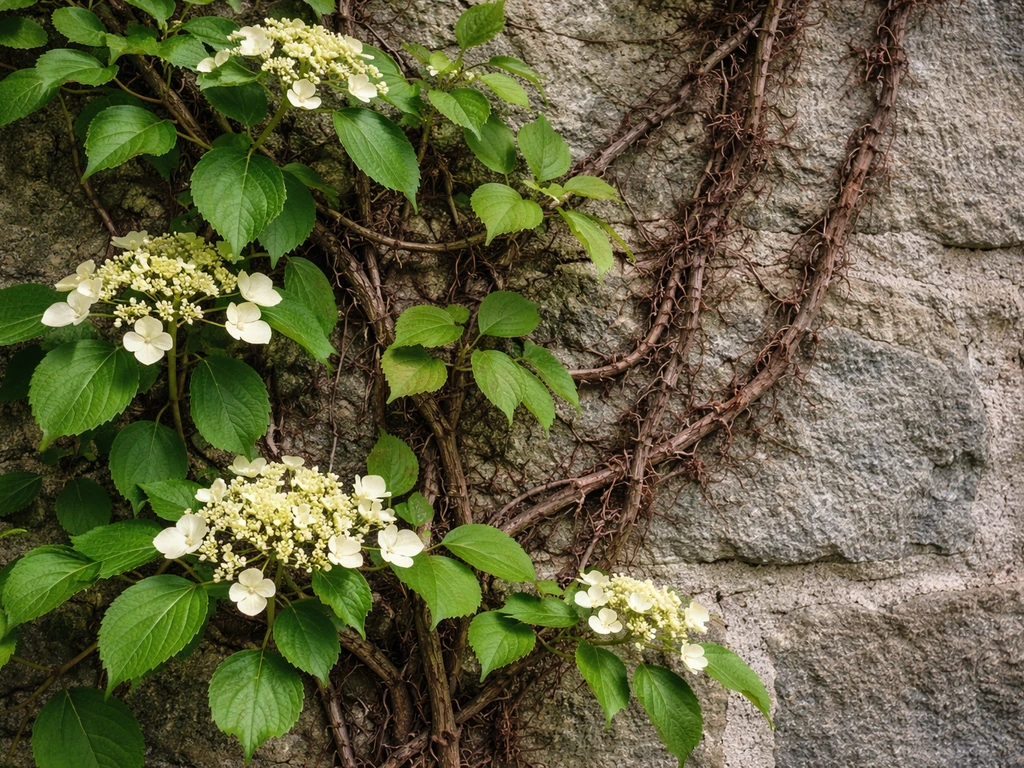
Climbing hydrangea is the standout choice for a north wall. Hydrangea anomala subsp. petiolaris tolerates full shade and clings to masonry with tiny rootlets, so it does not always need a trellis once established. Cornell's woody plant data confirms it handles a soil pH range of 5.0 to 8.0 and is hardy to zone 5a. It is slow to establish but covers significant surface area once it gets going. Ivy (Hedera helix and cultivars) is the other workhorse: deeply shade-tolerant, self-clinging, and capable of thriving in the relatively cold, damp conditions a north wall produces.
Wall-trained and espalier shrubs
Garrya elliptica is one of the most reliable wall-trained shrubs for north aspects. It produces long silvery-green catkins in winter when little else is happening and tolerates a cold, shaded wall well. Pyracantha is another option: it handles shade, produces berries for wildlife, and can be trained flat against a wall without losing vigor. Camellia japonica also works in sheltered north-facing spots, preferring the cool conditions to intense sun, though it needs acidic, free-draining soil.
Ground-level perennials at the wall's base
Hellebores are an excellent fit for the base of a north wall. Helleborus foetidus is genuinely happy in deep shade, while H. orientalis and H. niger prefer light shade with free-draining soil. Both situations occur at different north walls depending on how much canopy or overhead obstruction exists. Ferns, particularly hart's tongue (Asplenium scolopendrium) and soft shield fern (Polystichum setiferum), thrive in the cool, humid conditions that build up against a shaded wall. Astrantia and epimedium round out the palette for the border strip at ground level.
Matching plants to your specific wall conditions
No two north walls are identical. The four variables that most affect your plant selection are soil depth and drainage, wind exposure, wall material, and how narrow the planting zone is.
Soil depth, drainage, and pH
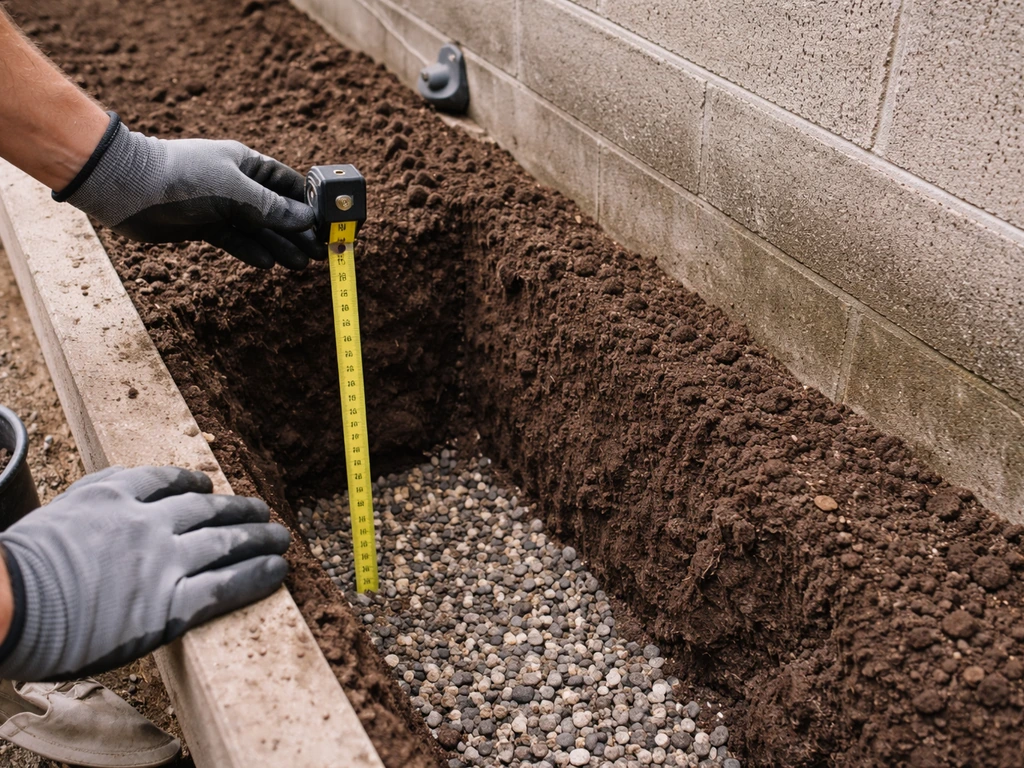
Wall-side borders are typically narrow, which limits how much root volume a plant can access. Digging to at least 18 inches of depth matters for anything substantial. For climbing hydrangea specifically, working the soil to that depth before planting gives the roots the spread they need to establish before the plant pushes upward. Improve thin or compacted soil with organic matter dug in before planting, then mulch with garden compost after. The RHS recommends keeping added soil below the building's damp-proof course (DPC) to avoid causing damp issues inside the structure.
Masonry walls made from cement or concrete can leach calcium into the surrounding soil over time, gradually raising pH. That is fine for most climbers and hellebores but can be a problem for acid-loving plants like camellias. Test the soil pH before committing to acid-preferring species, especially if the wall is relatively new or made from lime-rich mortar.
Wind exposure
A north-facing wall that is also exposed to northerly or easterly winds creates a much harsher microclimate than a sheltered north wall in a courtyard. In exposed spots, prioritize hardier, more resilient choices like ivy and Garrya over more delicate shade perennials. In sheltered urban north walls, you can push the envelope with less robust plants.
Wall material and surface condition
Self-clinging climbers like ivy and climbing hydrangea attach directly to masonry. Older walls with good-condition mortar handle rootlet attachment better than crumbling or freshly repointed walls. If the wall has loose or failing mortar, lichen, or significant moss growth, address the masonry condition first. Moss and lichen growth on exterior masonry indicates excess moisture and can loosen mortar joints over time, which creates instability beneath a climber's rootlets.
How to plant and support climbers on a north wall
Trellis and wire systems
Install your trellis or horizontal wire system before planting, not after. For trellis panels, mount them with a gap of 12 to 18 inches from the wall surface. That gap is not decorative: it provides air circulation behind the plant, which directly reduces the risk of powdery mildew and gray mold in the damp, shaded conditions a north wall creates. For horizontal wire systems, use vine eyes to hold the wires 3 to 4 inches clear of the wall surface and space them every 12 to 18 inches vertically.
Espalier-trained shrubs
For espalier-trained plants like Pyracantha or Garrya, the plant should be set at the base of the wall with room for roots to spread in all directions underground. Sixteen inches is the commonly cited minimum spacing from the wall base for espalier frameworks, giving enough root room and air circulation above ground. Tie young branches to the wire or trellis as they grow and gradually train the horizontal tiers.
Container growing on a north wall
If there is no planting bed at all (paved courtyard, basement well, or similar), containers are a practical option. Use large containers with drainage holes: water sitting in a shaded container with no drainage creates exactly the anaerobic, cold root conditions that will kill most plants. Mount containers on brackets so they receive maximum light from above and consider lighter-colored containers to reflect any available ambient light toward the plant. Trailing and compact ferns, ivy, and small hellebores all work well in wall-mounted containers.
East vs south vs north: a quick orientation comparison
Wall orientation changes your plant palette dramatically. Here is a practical comparison so you can calibrate expectations across all three exposures.
| Wall aspect | Light pattern | Temperature profile | Best for | Avoid |
|---|---|---|---|---|
| North | Mostly shade; brief early morning sun in summer | Coldest, slowest to warm in spring | Shade climbers (climbing hydrangea, ivy), Garrya, hellebores, ferns | Sun-hungry fruiting plants, most roses, Mediterranean herbs |
| East | Morning sun only; shaded from midday onward | Moderate; warm mornings, cools by afternoon | Camellias, climbing roses, Clematis montana, trained fruit (pears) | Plants sensitive to early-morning frost thaw on flower buds |
| South | Maximum sun exposure all day | Warmest; wall stores and radiates heat | Fruit trees (peaches, apricots, figs), tender climbers, wisteria | Deep-shade plants, moisture-loving ferns, hellebores in summer |
An east-facing wall is often misunderstood. It gets real, direct morning sun, which makes it much more productive than a north wall, but it has a specific hazard: plants that flower early in the year can suffer when frozen buds thaw too rapidly in strong morning sun. Camellias are the classic example: they are often recommended for sheltered north or west walls specifically to avoid that morning-sun-on-frozen-bud problem. A south-facing wall is the warmest growing environment you can create outside, and the plant options are essentially the inverse of a north wall.
Getting better results and fixing poor growth
If the plant is not establishing
Slow establishment on a north wall is normal, especially for climbing hydrangea, which can sit looking unimpressive for two to three seasons before it takes off. If a plant is genuinely failing rather than just taking its time, check soil moisture at depth. The rain shadow effect from the wall means the soil 6 to 12 inches down may be dry even when the surface looks damp. Watering directly at the root zone rather than overhead is more effective in these situations.
If leaves are yellowing
Yellowing on north-wall plants has several potential causes: inadequate light, waterlogging, or nutrient deficiency driven by pH changes from leaching masonry. Identify the yellowing pattern. Uniform pale yellowing across older leaves often points to nitrogen deficiency or waterlogging. Yellowing between leaf veins on younger leaves is more likely a pH-driven iron or manganese issue. If the soil against the wall is from fill material or sits against lime mortar, test the pH and amend accordingly with sulfur or ericaceous compost for acid-preferring plants.
Managing mold and mildew
Gray mold (Botrytis) is the most common fungal problem on north walls. It is directly linked to wet conditions and poor air circulation. The wetter and stiller the air around a plant, the higher the risk. Water in the morning so foliage has the entire day to dry before temperatures drop at night. Remove infected plant parts promptly and do not leave debris on the soil surface. Powdery mildew is a separate issue that also thrives in shaded, crowded, damp plantings. Both problems are reduced by that 12 to 18 inch air gap between the trellis and the wall, and by not planting too densely.
Quick wins you can do right now
- Check the damp-proof course height before adding any soil against the wall, and keep new soil levels below it.
- Inspect masonry for crumbling mortar, lichen, or moss before planting climbers — repair loose mortar first.
- Dig the planting area to 18 inches, break up compaction, and work in compost before putting anything in the ground.
- Install trellis or wire supports before the plant goes in, with a 12 to 18 inch gap from the wall surface.
- Plant climbing hydrangea or ivy now (late spring is ideal for establishment before winter) and water at root depth weekly until established.
- Start watering in the morning, not evening, to manage fungal risk from the start.
North walls also have something in common with other difficult plant habitats: the constraint itself becomes the design logic. The same principles of matching plants to low-light, moisture-variable, or physically restricted environments apply whether you are looking at what grows on bare rock faces or in cave entrances, it is always about identifying what the site actually provides and working with that rather than against it. If you are wondering what plants grow in caves, look for species that tolerate low light, stable humidity, and limited nutrients.
FAQ
Can I grow flowering climbers on a north-facing wall?
Most north walls will not reliably support sun-loving climbers, but you can often grow them if you create extra light. Use a wire trellis with the recommended air gap, keep the canopy on nearby trees managed, and consider reflective features (light-colored paving or wall paint on non-masonry surfaces) to bounce ambient light toward the planting strip.
Why are my north-wall plants not flowering much?
Yes, but plan for shade blooms and accept that some plants flower less heavily than on sunnier aspects. Prioritize species that flower on cool, low-light conditions, and avoid heavy feeding early in the season, which can increase soft growth that is more prone to Botrytis.
What should I do if the soil looks damp on a north wall but the plant seems to be drying out?
Check drainage by probing soil 6 to 12 inches deep, not just the surface. If the lower root zone stays wet for days after rain, correct it before planting by improving soil structure (more coarse organic matter) and, if needed, creating a small barrier-free channel for water to move laterally away from the wall base.
How do I know if mortar or wall material is ruining my soil pH?
If the wall is new, freshly repointed, or made with lime-rich mortar, assume pH can be drifting upward. Test pH before planting acid-lovers like camellias, then use ericaceous compost or sulfur-based amendments only if you have confirmed the issue, because over-correction can stress other plants nearby.
Is slow establishment on a north-facing wall normal for climbing hydrangea or ivy?
Yes, but treat wall growth as a long-term project. Many north-wall climbers take multiple seasons to establish rootlets and build above-ground mass, so judge performance by new basal growth and leaf health rather than speed in year one or two.
Should I remove moss and lichen on a north wall before planting?
Moss and lichen are a moisture indicator, but they are also a sign the wall surface and joints may be holding water. If you can flake them off easily or you see cracked, failing, or hollow-sounding mortar, address masonry repairs first, then replant, otherwise the rootlets behind the climber can worsen the stability problems.
How often should I water plants on a north-facing wall?
For north walls, aim for a steady watering rhythm rather than frequent shallow top-ups. Water at the root zone, and stop or reduce watering during cool, rainy stretches because the rain shadow and slower evaporation can keep deeper soil damp longer than expected.
What are the most common mistakes that cause Botrytis or gray mold on north walls?
Yes, because dense foliage and low airflow raise Botrytis risk. Keep plant spacing moderate, remove fallen leaves promptly, and avoid overhead watering at night or late evening. If you are using a trellis, the 12 to 18 inch gap is one of your best defenses.
Can I grow north-wall plants in containers mounted on brackets?
In containers, the main failure is waterlogging. Use large pots with multiple drainage holes, elevate them slightly off the bracket surface if needed, and use a well-draining compost mix. Also, avoid oversized saucers or cachepots that can refill and keep roots cold and anaerobic.
Do I need different plant choices for a windy north wall compared with a sheltered one?
Not always. On exposed north or east walls, choose tougher shrubs and shade climbers first, and delay delicate species until you have proven survival through the winter. Microclimate shielding, such as a nearby fence, courtyard wall, or partial overhang, can be the difference between repeated loss and long-term success.