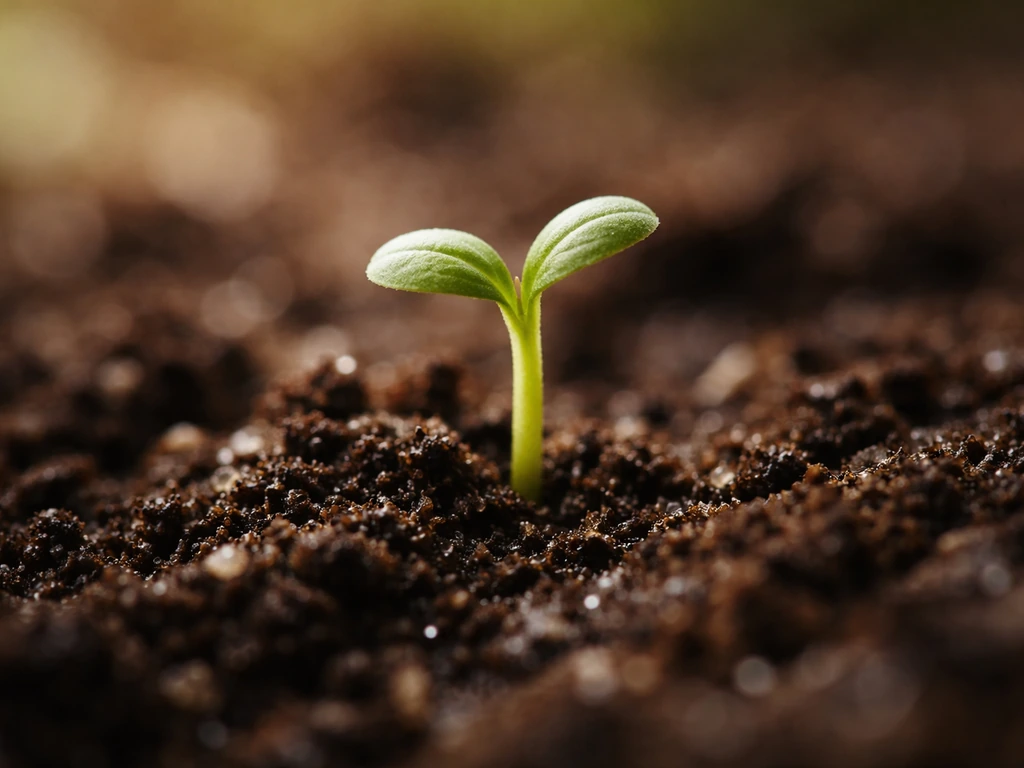
New plants that grow from seeds are called seedlings. More precisely, the young plant that emerges after a seed germinates is a seedling, and any plant propagated this way is described as a seed-grown plant or a plant grown from seed. The seedling stage starts the moment the radicle (the embryonic root) pushes out of the seed coat and ends when the plant is self-sufficient enough to survive on its own stored or photosynthesized energy, usually once the first true leaves are well established.
New Plants That Grow From Seeds Are Called Seedlings
Dr. Marcus Weatherby
2 Jun 2026
What actually happens inside a seed before it sprouts
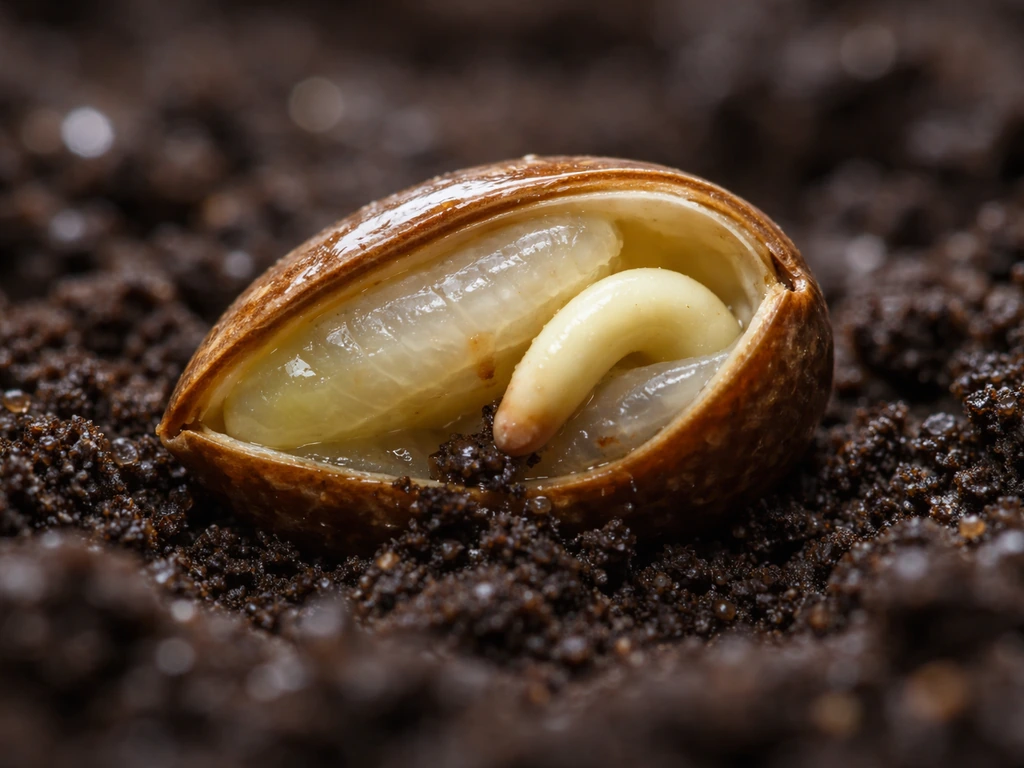
Germination is not just cracking open. It is a tightly sequenced biological process triggered by the right combination of water, oxygen, warmth, and sometimes light. The first event is imbibition: the seed absorbs water and swells noticeably. That water reactivates enzymes and kicks off rapid cellular respiration, which is why the growing medium needs to be loose and well-aerated. A compacted or waterlogged mix suffocates germinating seeds before they ever show themselves above the surface.
Once respiration ramps up, the radicle is the first structure to push out of the seed coat. It grows downward to anchor the seedling and start pulling in water. Next, the hypocotyl elongates and lifts the cotyledons (the seed leaves) above the soil. In some plant families the cotyledons stay below ground (hypogeal germination, common in beans and peas), but in most vegetable and annual flower seeds they emerge above and briefly act as the plant's first solar panels. True leaves follow shortly after, and at that point the seedling is generating its own food.
One thing worth knowing: some seeds need light to germinate. Lettuce is the classic example. If you bury lettuce seeds more than a few millimeters deep, light-sensitive phytochrome receptors never get the red-light signal they need, and germination stalls. Most seed packets flag this, but it is easy to overlook. As a general depth rule, if you are unsure, plant a seed at about twice its own width.
When to expect seedlings to appear
Timing varies a lot by species and by soil temperature. Here is a practical reference for common vegetables under near-optimum conditions: For carrots in particular, UMN Extension notes that carrot seeds can take as long as three weeks to germinate, and carrot roots can reach full length within about three weeks after seedling emergence.
| Crop | Days to germination (optimum conditions) | Notes |
|---|---|---|
| Radish | 4 days (emerge within 10 days) | Shallow planting speeds emergence |
| Lettuce | 2–3 days | Needs light; do not bury deeply |
| Cucumber | 2–5 days | Needs warm soil, 70°F+ |
| Carrot | 5 days optimum; up to 3 weeks in cool/dry soil | Keep seedbed consistently moist |
| Tomato | 6 days | Benefits most from heat mat indoors |
Temperature makes a dramatic difference. A tomato seed that germinates in 6 days at 75°F can take more than two weeks at 58°F. Bayer Agronomic Spotlight notes temperature-related differences in vegetable seed germination speed, such as blank" rel="noopener noreferrer">about 8 days at 68°F versus about 13 days at 58°F under comparable conditions. That gap is not just inconvenient. In a short growing season, starting seeds at the wrong soil temperature can push you past your last frost window or leave seedlings scrambling to establish before heat or cold stress sets in. A heat mat under the tray is one of the most reliable tools for speeding indoor germination to a predictable schedule.
The first sign that germination has succeeded is a slight soil heave or a curved stem loop pushing through the surface. That loop straightens as it reaches light. Within a day or two you will see the cotyledons open. If nothing appears within twice the expected window listed on the seed packet, something went wrong: too cold, too wet, planted too deep, or the seed lot was old with low viability.
How climate, season, and geography shape seedling survival
The term 'seedling' carries a lot of ecological weight beyond the garden. In natural plant communities, seedling establishment is often the most vulnerable moment in a plant's life. Whether a seed germinates and a seedling survives depends almost entirely on local conditions: soil temperature, moisture availability, light competition, and the timing of seasonal shifts.
In temperate climates with cold winters, most native plants time seed germination to soil temperatures that reliably stay above freezing, typically mid-spring. Seeds that germinate too early get caught by a late frost when the seedling's thin stem and shallow roots cannot withstand ice damage. Seeds that germinate too late face summer heat and drought before roots are deep enough to access stable soil moisture. This is why so many wildflowers and prairie grasses are precision-timed to local frost dates rather than calendar months.
In arid and semi-arid regions, the challenge is different. Seedling emergence follows rainfall events rather than temperature cues. Desert annuals can germinate within 24 to 48 hours of a rain event and must develop enough root depth before the surface dries again. Many of these species have seeds with chemical germination inhibitors that require a minimum amount of water to wash away, preventing false starts from light showers that will not sustain growth.
Post-disturbance ecosystems are some of the most seedling-dense environments you will find. After a fire or in disturbed soil during primary succession, pioneer species are nearly always seed-grown plants that colonize bare ground quickly. Those early seedlings are often the only plants capable of tolerating exposed soil, direct sun, and fluctuating temperatures before a more complex plant community develops. This connects closely to how we think about which plants are first to establish after major ecological events.
At high latitudes and elevations, the seedling window is compressed. Alpine and subarctic zones may offer only 6 to 10 weeks of frost-free soil conditions. Plants in these environments have evolved rapid germination and fast early growth to establish before the next cold season. Seedlings in these zones are often smaller, with proportionally deeper root systems relative to aboveground growth, which is an adaptation to conserve heat and moisture.
The main thing that kills seedlings (and how to avoid it)
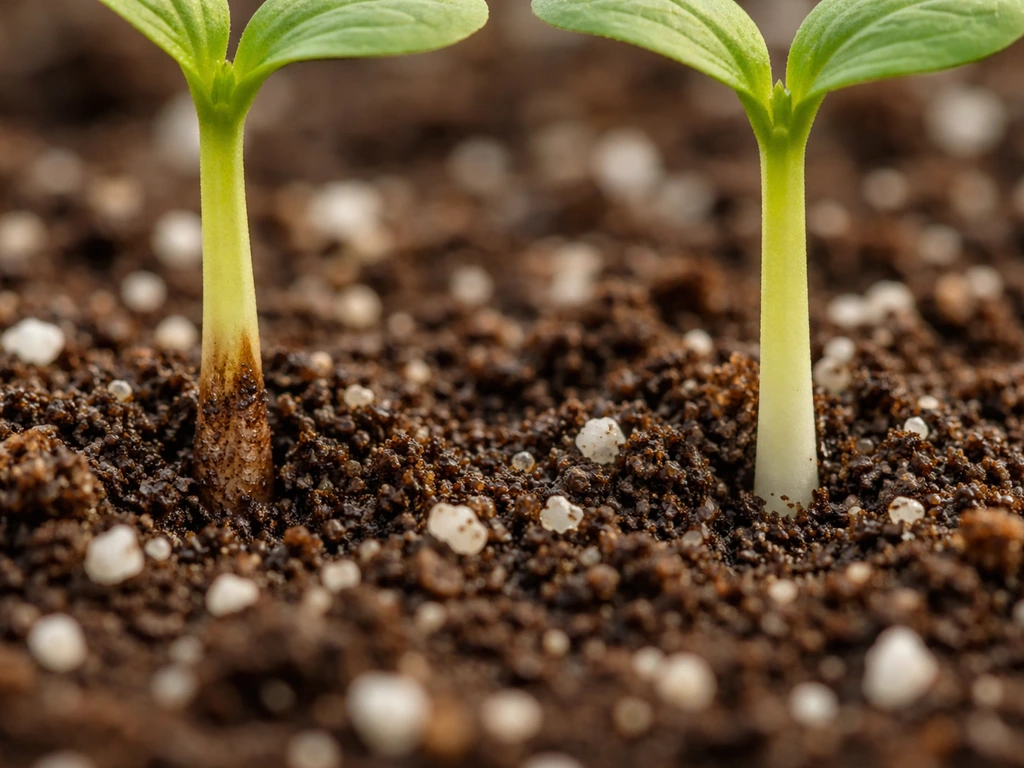
Damping-off is the single most common cause of seedling death indoors and in greenhouses. It is a fungal condition that causes brown, water-soaked lesions at the base of the stem, right at the soil line. The seedling looks healthy one day and is lying flat the next, with a pinched, rotted stem at the base. It spreads fast in wet, poorly drained media and is nearly impossible to reverse once it takes hold.
Prevention is straightforward. Use sterilized trays and fresh, commercially bagged potting mix rather than garden soil, which can carry damping-off pathogens. Water from the bottom by setting the tray in shallow water and letting the mix absorb what it needs, then empty the tray so roots are never sitting in standing water. Let the top of the mix dry slightly between waterings. High humidity combined with poor air circulation is the fastest way to create conditions where damping-off thrives.
Simple checklist for growing seedlings successfully
Whether you are starting vegetables indoors or observing how seedlings establish in a natural habitat, the same core requirements apply: the right temperature, adequate moisture, sufficient oxygen at the root zone, and appropriate light. Here is a practical checklist to hit those marks: Plants that grow on dead and decaying matter are called decomposers, and they recycle nutrients back into ecosystems.
- Check the seed packet's germination temperature range and match your growing environment to it before sowing. Use a heat mat for warm-season crops if your indoor space runs below 65°F.
- Use a loose, well-draining seed-starting mix, not garden soil. Aeration at the root zone is critical because respiration rate spikes during germination.
- Sow at the right depth. If no depth is specified, plant the seed at roughly twice its own width. Light-requiring seeds like lettuce should be barely covered or left on the surface.
- Water from the bottom when possible. Keep the mix consistently moist but never waterlogged. Allow the top to dry slightly between waterings once seedlings are up.
- Label every tray with the variety and sow date so you can track germination timing against expected windows.
- Once seedlings have their first true leaves, thin them by pinching off the weakest ones at soil level rather than pulling. Pulling disturbs the roots of neighbors.
- Harden off seedlings for about one week before transplanting outdoors. Move them to a sheltered outdoor spot for a few hours daily, gradually increasing exposure to direct sun and wind.
- Do not start seeds too early. A seedling held indoors too long under low light gets leggy and weak, and that stress follows it into the ground.
Understanding what a seedling is and what it needs is foundational plant ecology, whether you are a student mapping out a plant life cycle, a gardener starting tomatoes on a windowsill, or someone curious about why certain pioneer species colonize disturbed land so quickly after fires or soil disruption. plants that grow naturally are called seedling. The first plants to grow after a fire are called pioneer species, which quickly colonize disturbed areas. Plants that grow on dead and decaying matter are called decomposer plants. The seed-to-seedling transition is where plant geography begins: get those early conditions right, and the plant has a real shot at establishing wherever its climate allows.
FAQ
Is a sprout the same thing as a seedling?
They overlap but are not identical. A sprout usually refers to the first emergence from a seed, sometimes just the radicle or a small shoot, while a seedling includes the early plant stage where true leaves develop and the plant can photosynthesize and survive on its own. If you are troubleshooting, “sprout” tells you germination began, but “seedling” tells you the plant is past the fragile establishment phase.
How can I tell if a seed failed to germinate because it was too deep or because it was too cold?
Check the pattern. If most seeds remain unbroken and you see no soil heave, depth or oxygen is often the issue, especially if the mix was compact or waterlogged. If seeds swell but no radicle emerges, temperature is a more likely limiter. For a clearer diagnosis, you can test a small batch at two soil temperatures and two shallow depths (around twice the seed width and one shallower), then compare emergence timing.
What is the safest way to water seedlings so they do not get damping-off?
Bottom-watering is safest, water just enough for the mix to be evenly moist, then remove the tray so the roots are not sitting in water. Let the surface dry slightly between waterings, and avoid misting the stem bases. Also, make sure the room has decent airflow, because damp, stagnant air speeds up fungal activity.
Do light requirements apply only to seeds like lettuce?
Mostly, yes, but not exclusively. Many seeds will germinate in darkness, yet light can still affect timing and uniformity for some species, and very deep planting can prevent light-sensing signals even when light-responsive chemistry is involved. If you are unsure, rely on the seed packet depth guidance, and for finicky seeds keep them shallow and cover with a thin layer only.
Why are some seedlings tall and weak after they emerge?
Most commonly, they are reaching for light (etiolation), which happens when they get too little light after germination. The fix is to increase light intensity and keep the growing area cool enough to slow overly fast stretching. If you are using a windowsill, rotate trays and consider supplemental light to prevent uneven growth.
When should I transplant seedlings to outdoor conditions?
Wait until they have enough true leaves and the root system is established, then harden them off gradually. “Hardening off” means exposing them to outdoor temperature swings, wind, and stronger light over several days, rather than planting them immediately after indoor growth. If you transplant during cold snaps, use protection because seedlings have limited tolerance when roots are still shallow.
Can I rescue seedlings that look wilted but are not actually dead?
Sometimes, but first determine the cause. If stems at the soil line are pinched or brown and water-soaked, damping-off is likely and recovery is usually not possible. If the plant is wilted but the base is firm and there is no rot, it may be underwatering or heat stress, then watering consistency and light adjustment can help. Always improve drainage and avoid leaving trays wet while you diagnose.