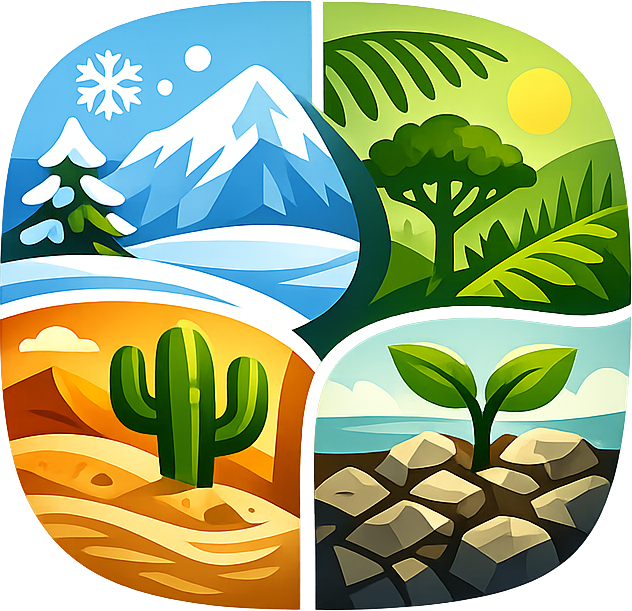
Tall grasses that grow around plants and trees are most commonly called understory grasses, though depending on where exactly they're growing, you might also hear them called herbaceous layer grasses, woodland edge grasses, or meadow grasses. Plants that grow on mountains are called mountain plants, and the label reflects the harsh elevation conditions they’re adapted to. Plants that grow above the ground are called aerial plants, and the term helps distinguish them from rooted ground-layer species plants and trees. The right term depends on one key factor: their relationship to the tree canopy above them. If they're growing beneath or directly around trees in a forested setting, "understory" or "herbaceous layer" is the accurate ecological label. If they're out in the open, fringing a tree line or shrub mass, "edge grasses" or "meadow grasses" fits better.
Tall Grasses That Grow Around Plants and Trees Called
What these terms actually mean
In plant ecology, the understory refers to the lowest layer of a forest or woodland, sitting beneath the canopy and subcanopy trees. Penn State Extension also notes that “herb layer,” “blank" rel="noopener noreferrer">herbaceous layer,” and “ground layer” are other names used for the understory layer. Penn State Extension describes it as blank" rel="noopener noreferrer">typically only a few feet high and made up of mosses, herbs, small shrubs, and ground-level vines. Grasses, sedges, and ferns often fill this layer depending on the site conditions. The USDA Forest Service uses the terms "understory vegetation" and "herbaceous layer" interchangeably when describing this plant community, and both are accepted in field ecology.
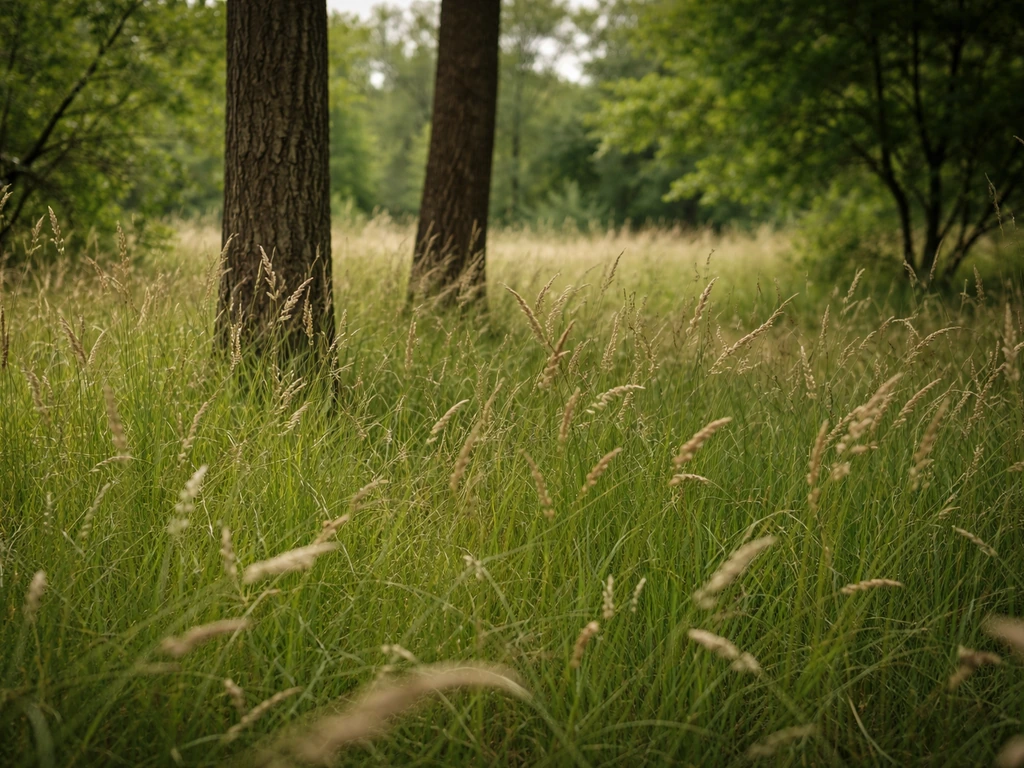
So when you see tall grasses shooting up around the base of trees or beneath a forest canopy, you're looking at understory grasses or the herbaceous layer. That's the precise ecological term for what's happening: grasses occupying the lowest vegetative stratum of a wooded area, competing for whatever filtered light reaches the forest floor.
Location matters: understory, base, or meadow edge?
Before you settle on a term, it helps to read the location carefully. I've walked through sites where the same species of grass appeared in three completely different contexts within a quarter mile, and each context called for a different label.
Beneath the canopy (understory or herbaceous layer)
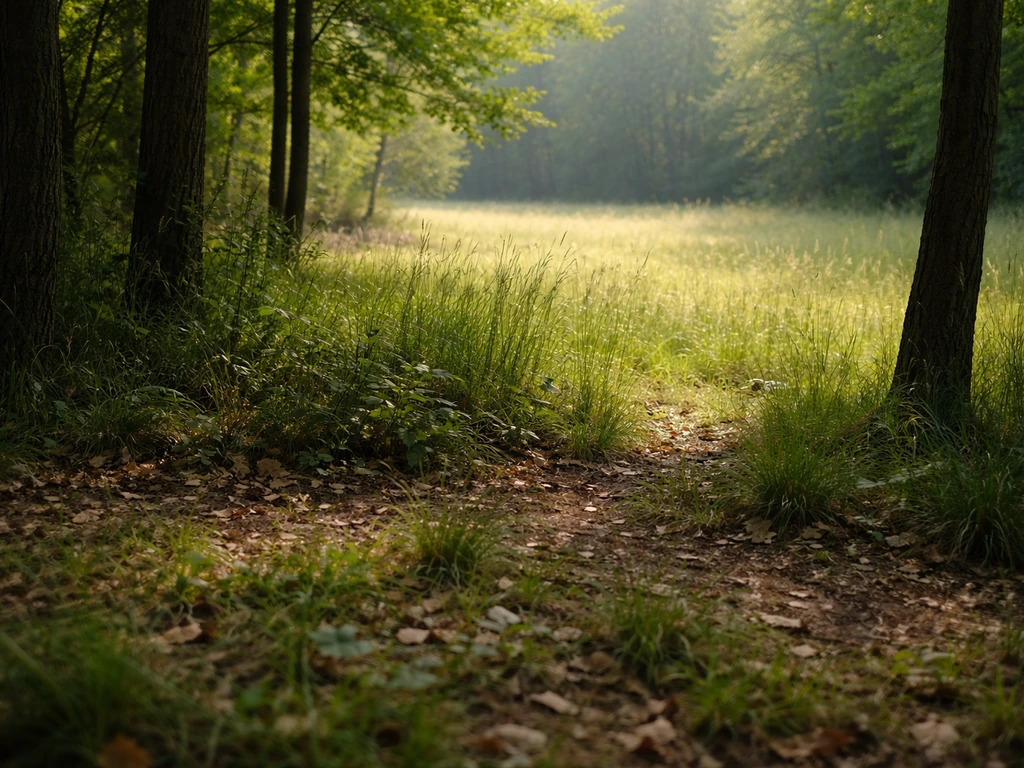
If the grasses are growing under a closed or semi-closed tree canopy, where they receive dappled or heavily filtered light, they're understory grasses. This is the most ecologically specific term and the one used in forest surveys and habitat assessments. These grasses are adapted to shade tolerance and often have broader leaf blades than their open-meadow relatives, a physical adaptation to catch what little light filters through.
Around the base of individual trees or shrubs
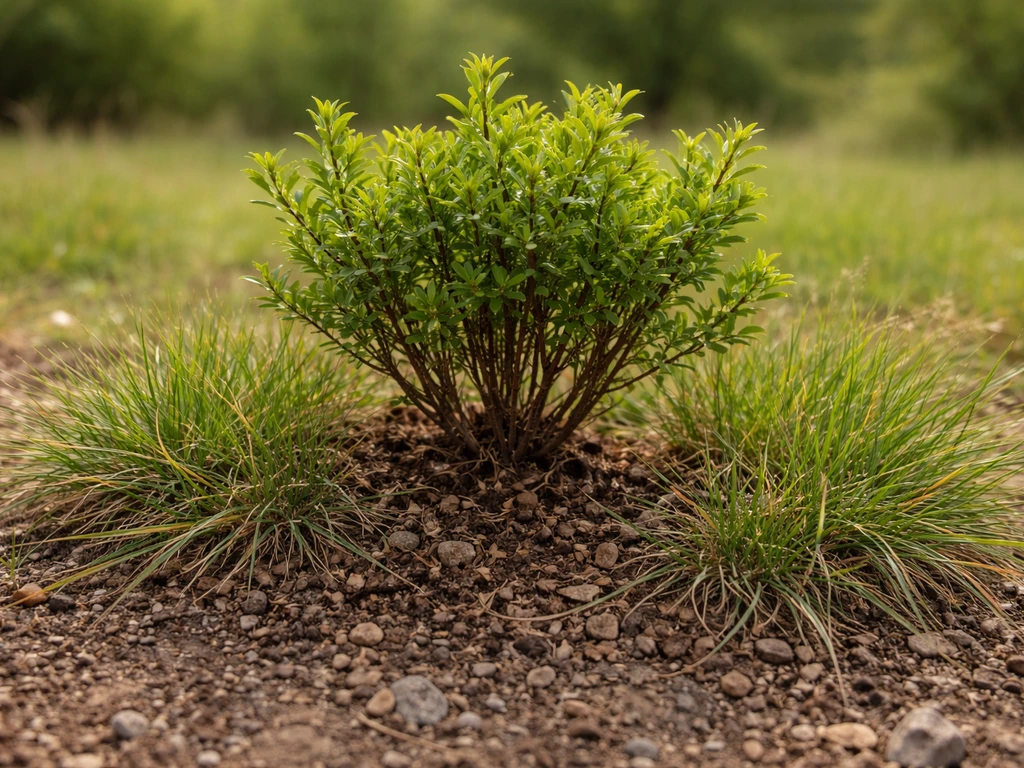
When grasses grow specifically around the base of a tree or shrub, out in an otherwise open landscape, they're often described as groundcover grasses or simply base vegetation. This happens a lot at the margins of pastures, parks, and gardens where a single tree stands alone. Here the grasses aren't truly in a forest understory, they're just benefiting from the slightly moister, shadier microclimate around the trunk.
At the edge of a woodland or meadow
The transitional zone where a forest meets open land is called an ecotone, and the tall grasses thriving there are correctly called woodland edge grasses or meadow-edge grasses. These labels sit alongside the related idea of plants that grow horizontally are called, like groundcovers that fill transitional zones. These species often grow taller than true understory grasses because they receive more direct light. You'll find dense stands of them right at the tree line, tapering off as you move into the deeper shade or out into the open meadow.
How to confirm which label fits your situation
Run through this checklist when you're standing in front of the grass in question. It takes about two minutes and will get you to the right term with confidence.
- Check the canopy cover above: Is there a closed or semi-closed tree canopy overhead? If yes, you're in understory territory.
- Measure approximate height: True understory grasses are usually 1 to 4 feet tall. Meadow-edge grasses can reach 5 to 8 feet or more where light is abundant.
- Observe leaf blade width: Shade-adapted understory grasses tend to have wider, flatter blades. Narrow, upright blades suggest more sun exposure and an edge or meadow context.
- Note density and spread: Understory grasses are often patchy, growing in clusters where light breaks through. Edge grasses tend to form denser, more continuous stands.
- Look at the soil: Understory grasses typically grow in richer, more moisture-retentive forest soils with visible leaf litter. Edge and meadow grasses tolerate drier, less organic soils.
- Identify surrounding plants: If you see ferns, mosses, and woodland wildflowers nearby, you're in an herbaceous layer setting. If you see prairie or meadow wildflowers, it's a meadow or edge context.
The main terms and when each one applies
| Term | Where it applies | Key characteristic |
|---|---|---|
| Understory grasses | Under a forest or woodland canopy | Shade-tolerant, patchy growth, lower light environment |
| Herbaceous layer grasses | Same as understory, formal ecological usage | Interchangeable with understory in most field contexts |
| Herb layer / ground layer | Forest floor including grasses, ferns, mosses | Broadest term, includes non-grass herbaceous plants |
| Woodland edge grasses | Transition zone between forest and open land | Taller, denser, more sun exposure than true understory |
| Meadow grasses | Open areas with no canopy, may border trees | Full sun, often drier soils, continuous stands |
| Groundcover grasses | Around individual trees or shrubs in open settings | Microclimate effect, not part of a forest system |
Why these grasses grow where they do
The presence of tall grasses around trees and plants isn't random. It comes down to three intersecting factors: light, moisture, and soil disturbance. Trees and shrubs create a microclimate at their margins that is more humid and slightly cooler than open ground. Leaf litter builds up organic matter in the soil, retaining moisture and feeding the grasses that grow there. At the same time, gaps in the canopy, whether from a fallen tree, a sparse branch structure, or the natural thinning at the forest edge, allow enough light to hit the ground for grasses to establish. These are examples of plants that grow on tall trees to access sunlight plants that grow on tall trees to access sunlight are.
Climate and season also drive which grasses dominate. In temperate deciduous forests, understory grasses often peak in spring before the canopy leafs out, taking advantage of the burst of light reaching the forest floor. In warmer climates with year-round growing seasons, these grasses can maintain significant height all year. In seasonally dry climates, understory grasses tend to be shorter and more scattered because moisture is the limiting factor. This is the same "what grows where and why" logic that applies to plants growing at higher elevations, in parallel with the ground, or on vertical surfaces, each situation shaped by light, water, and soil.
Soil type matters too. Sandy, well-draining soils around trees produce different grass communities than clay-heavy or loamy forest soils. In richer loam with high organic content, you'll see robust stands of tall understory grasses like bottlebrush grass (Elymus hystrix) in eastern North American forests, or wood millet (Milium effusum) in European woodland settings. In drier, sandier soils, the understory thins considerably and you're more likely to find scattered sedges than true grasses.
What to do next if you're a gardener or observer
If you're trying to identify specific grasses in your garden or a natural site, start with the location-based checklist above to confirm which ecological category you're working in. That narrows your identification field significantly before you even look at species-level features.
- For understory grasses in a garden setting, note whether the trees are deciduous or evergreen, since that determines how much seasonal light the grasses receive and which species will thrive.
- If you're managing unwanted tall grasses around trees, identifying them as edge or understory species helps you understand their growth drivers: reduce canopy gaps to limit light, or improve drainage to make the environment less hospitable.
- For naturalistic planting projects, choosing true understory grass species (rather than meadow varieties) is the key to making plantings under trees look ecologically coherent and actually survive long-term.
- If you're documenting a natural site, use the formal terms: "understory vegetation" or "herbaceous layer" for forest contexts, and "edge vegetation" for transition zones. These align with how USDA Forest Service and university extension systems categorize and survey plant communities.
- Cross-check your observations against local climate zone data: in USDA hardiness zones 4 through 7, cool-season understory grasses dominate; in zones 8 and above, warm-season species take over the herbaceous layer.
Once you've confirmed the right term and ecological context, you're well-positioned to identify the specific species, understand what's driving its growth, and decide how to manage or work with it. The vocabulary is the first step, and now you have it.
FAQ
If the grasses are tall but I do not see a closed canopy, should I still call them understory grasses?
Usually no. If the tree cover is open or only patchy, the grasses are more accurately described as edge or meadow-edge grasses, because light reaches them more directly. You can confirm by checking how much of the ground is shaded most of the day.
What if the grasses are growing under conifers, not broadleaf trees, does the label change?
The canopy relationship still drives the term. Conifer understories are still understory vegetation when the grasses sit beneath the forest canopy and receive filtered light, but the species mix and density often differ because conifer litter, shade patterns, and moisture retention vary.
How can I tell the difference between “understory grasses” and “groundcover grasses” when both are around tree bases?
Understory grasses occupy the lowest forest stratum under a woodland canopy, not just the slight shade and moisture around a single trunk. If the area is clearly forested and shaded beyond the immediate base, use understory or herbaceous layer. If it is more like a park lawn or garden with isolated trees and the rest is open, groundcover or base vegetation fits better.
Are sedges and ferns included when people say “understory grasses”?
Not strictly. In everyday speech, people may bundle them together, but ecologically the understory herbaceous layer can include grasses, sedges, and ferns. If you are being precise, identify what group you actually have, sedge versus grass, because they differ in growth form and leaf structure.
Can the same species be called different things depending on season?
Yes. A grass can occupy the same physical place but be categorized differently if seasonal conditions change the canopy cover (for example, leaf-out in deciduous forests) or the microhabitat shifts from moist to drier. The ecological label is mainly about canopy and site context, but seasonal visibility can mislead you.
What term should I use if the area is a transitional wetland or marsh near trees?
In wetland transitions, light and moisture patterns may override the typical forest-edge assumptions. You might still use woodland edge or meadow-edge if it is clearly an ecotone, but if saturation is constant, local field practice may emphasize wetland or marsh community terms rather than understory-only language.
Does soil disturbance like trails, logging gaps, or animal paths change the best label?
It can change the ecological category of where the grasses establish. Disturbance that creates canopy gaps often shifts the grasses toward an edge or gap-associated community, even if the area is still near trees. Look at whether the grass is under a generally shaded woodland stratum or in a bright, open patch created by gaps.
If the grasses are growing around shrubs in a garden, is “understory grasses” appropriate?
Often not, because the term is usually reserved for forest or woodland structure. Around shrubs in an open garden, the more accurate descriptions are groundcover, base vegetation, or border grasses, unless you have a true layered woodland canopy creating a consistent filtered-light understory.
Is “herbaceous layer” the same as “understory,” or are they different categories?
They are commonly treated as equivalent in many field descriptions, but “herbaceous layer” focuses on the non-woody component of the low stratum. If woody plants are also prominent at that height (small shrubs, saplings), understory vegetation may be the broader term, while herbaceous layer emphasizes grasses, forbs, and similar plants.
How should I decide quickly between “understory” and “edge” while standing on site?
Use a two-point check. First, ask whether the grasses are consistently below a forest canopy for much of the surrounding area, not just next to a trunk. Second, estimate light quality, dappled and heavily filtered suggests understory, more direct sunlight and wider openness suggests edge or meadow-edge.