
Ten plants you can reliably propagate from leaves are: African violet, Rex begonia, snake plant (Sansevieria), Kalanchoë (Bryophyllum), jade plant, sedum, echeveria, peperomia, Cape sundew (Drosera capensis), and mother-in-law's tongue variants. Each one can produce roots and new shoots from leaf tissue alone, with no stem or node required. UNF Botanical Garden notes that Chlorophytum comosum (spider plant) is native to South Africa blank" rel="noopener noreferrer">Chlorophytum comosum is native to South Africa. The methods vary a bit from species to species, but the core idea is the same: a leaf or leaf section, placed in the right medium with enough humidity and indirect light, will form adventitious roots and eventually a whole new plant.
10 Examples of Plants That Grow From Leaves

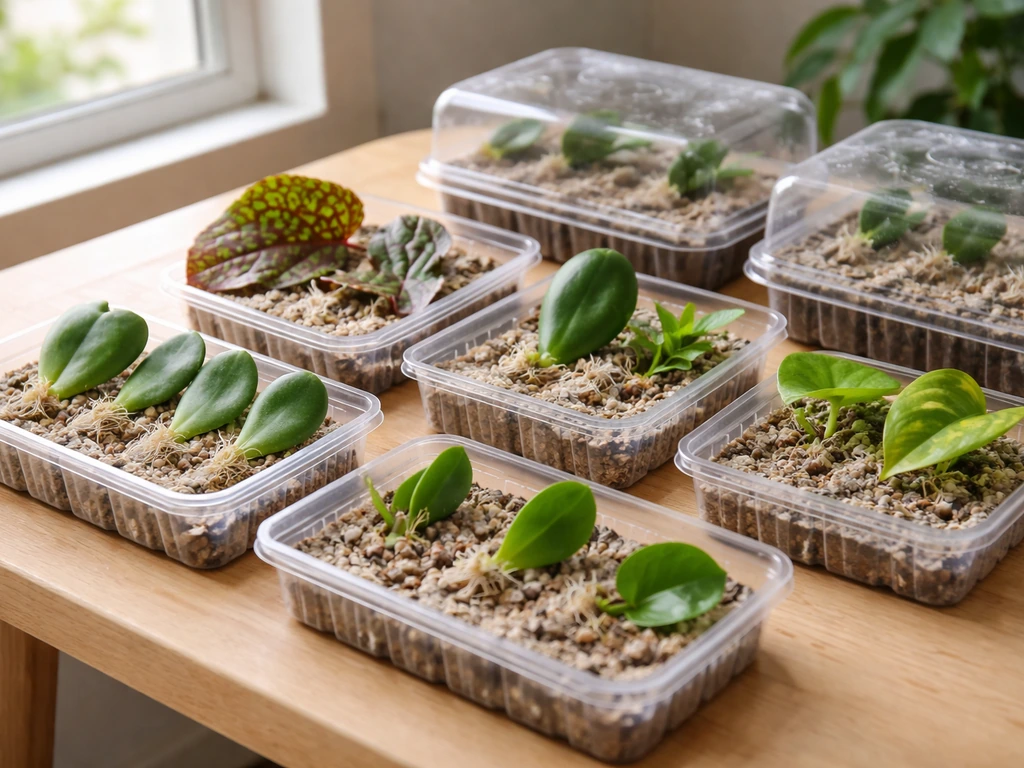
What "grows from leaves" actually means
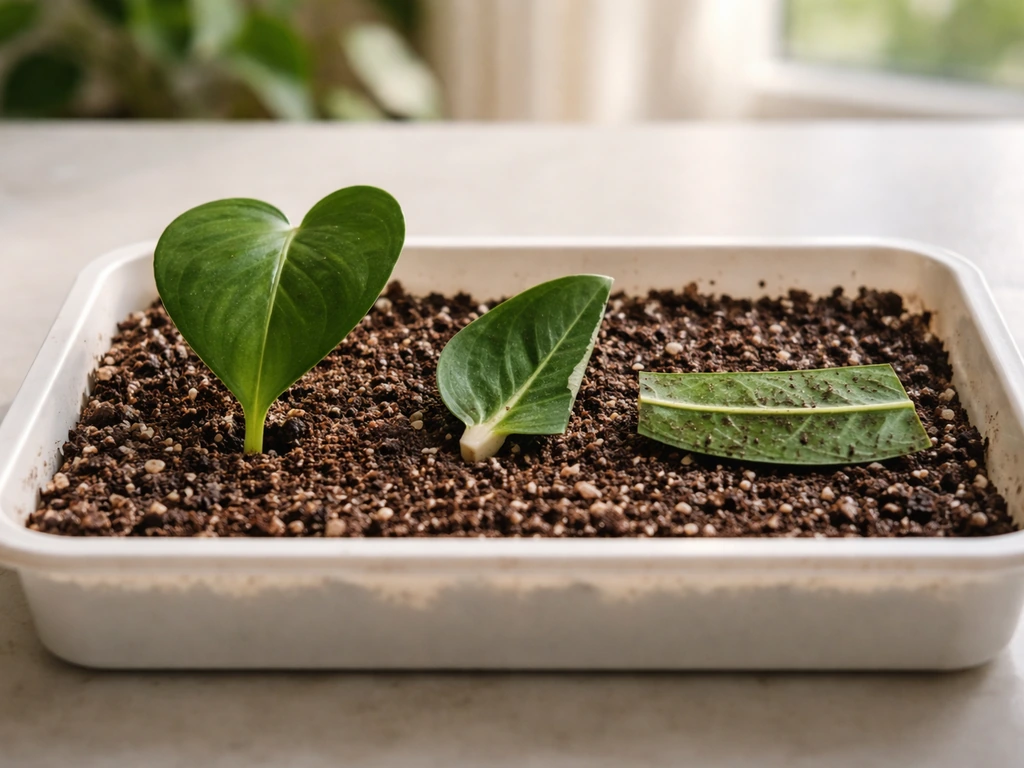
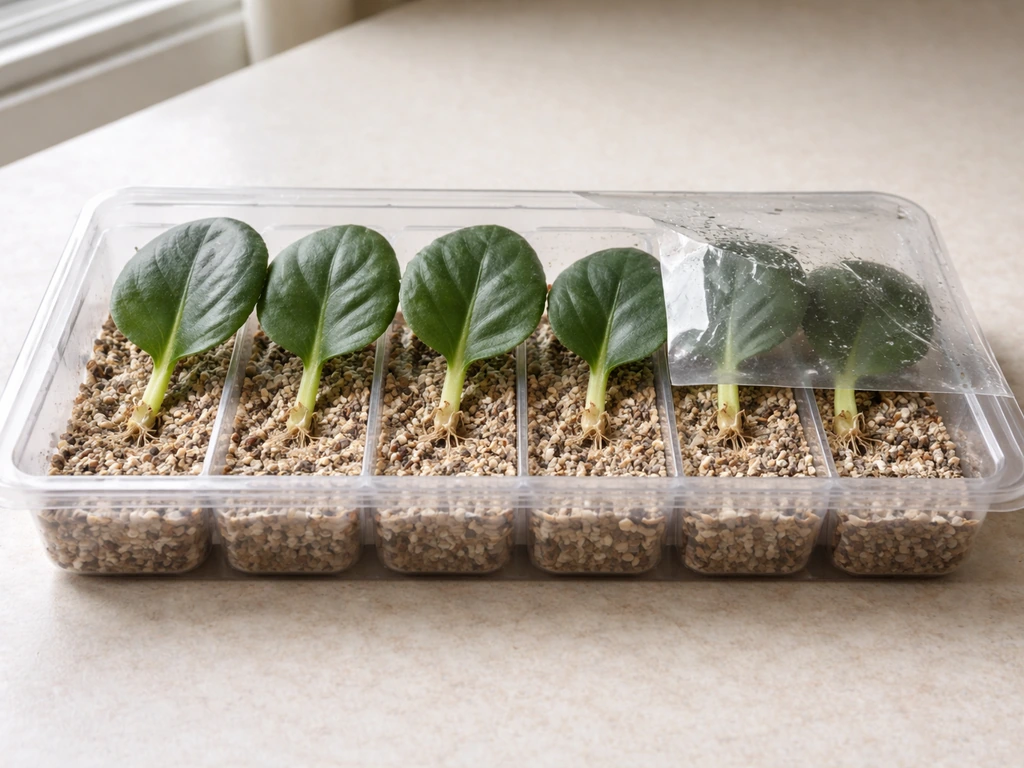
People use this phrase loosely, so it's worth pinning down. When propagation guides talk about leaf cuttings, they mean using the leaf blade alone, or the leaf blade plus its petiole (the little stem connecting leaf to plant), as the starting material. Plants which grow from leaves are typically propagated using leaf cuttings that form adventitious roots and shoots from leaf tissue. New roots and shoots form from adventitious buds, meaning buds that develop from leaf tissue rather than from a pre-existing axillary bud on a stem. This is botanically different from stem cuttings, where you're relying on a node. If a plant can't form adventitious buds from leaf tissue, a leaf cutting simply won't work, no matter how perfect your setup is.
There are three main variations. Whole leaf cuttings use an intact leaf plus petiole (African violet is the classic example). Leaf section cuttings chop the leaf blade into segments and root each piece (snake plant is the standard demo plant for this). And then there are leaf-margin plantlets, where the leaf doesn't need to be cut at all: Kalanchoë species sprout tiny plantlets directly from notches along their leaf edges, and those plantlets already have roots by the time they fall. All three count as "growing from leaves" in the practical sense, and all ten plants below use one of these approaches.
What you need before you start
Get the materials sorted first. The single biggest mistake beginners make is using regular potting soil straight from the bag. It holds too much moisture and encourages rot before roots can form. For most leaf cuttings, a sterile, fast-draining medium works much better. Perlite on its own is a solid all-purpose choice. A 50/50 mix of perlite and vermiculite or perlite and compost works well for begonias and peperomias. Pure sphagnum moss suits moisture-loving species like Cape sundew. Succulents like echeveria and sedum do best in coarse sand mixed with perlite.
For containers, small cells, shallow trays, or 2-inch pots all work. Drainage holes are non-negotiable. A clear propagator lid or a zip-lock bag inverted over the pot creates the humid microclimate that most cuttings need, especially in dry climates or air-conditioned rooms. Bright, indirect light is the standard target: a spot near an east-facing window, or under a grow light set to about 14 hours per day, is ideal. Avoid direct sun, which desiccates cuttings before roots can form.
- Rooting medium: perlite, vermiculite, sphagnum moss, or coarse sand (sterile, not garden soil)
- Small containers with drainage holes
- Clear propagator lid, humidity dome, or clear plastic bag
- Rooting hormone powder or gel (optional but helpful for slow-rooting species)
- Spray bottle for misting
- Bright indirect light source: east window or grow light
- Temperature range: 65 to 80°F (18 to 27°C) for most species
10 plants that grow from leaves: methods and timelines
1. African violet (Saintpaulia ionantha)
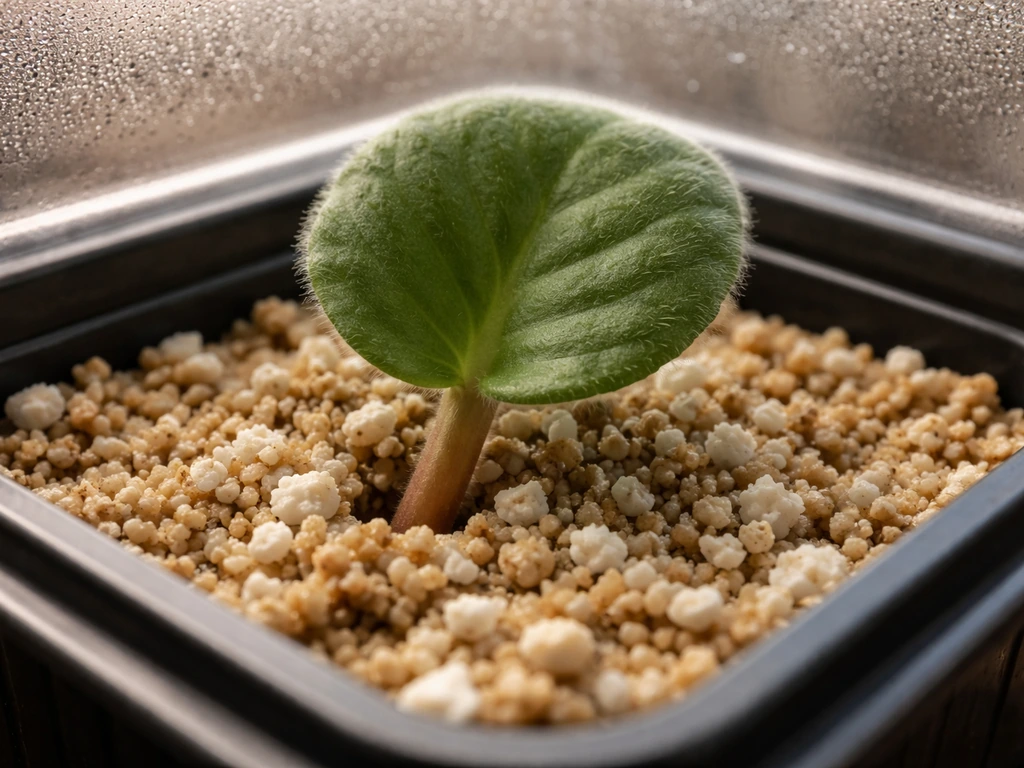
Native to the cloud forests of Tanzania and Kenya, African violet thrives in warm, humid conditions with filtered light. For propagation, cut a healthy leaf with at least an inch of petiole attached. Insert the petiole into a mix of half vermiculite and half perlite (or plain vermiculite) at a 45-degree angle. Rutgers Cooperative Extension African violet guidance also recommends vermiculite and perlite as rooting media for African violet leaf cuttings a mix of half vermiculite and half perlite (or plain vermiculite). Keep the medium consistently moist, not wet, and enclose the pot in a clear bag to hold humidity. Tiny plantlets (called pups or crowns) emerge at the base of the petiole in 8 to 12 weeks. Once pups are about half the size of the parent leaf, carefully separate and pot them individually.
2. Rex begonia (Begonia rex)
Rex begonias are native to the humid subtropical forests of Northeast India and China. They're one of the most rewarding plants to propagate from leaves, and you have two options. Whole leaf cuttings: detach a leaf with petiole, dip the petiole in rooting hormone, and insert into a perlite-compost mix. Leaf wedge cuttings: cut the leaf into wedge-shaped sections, each including a main vein, and insert each wedge upright into a 50/50 perlite-compost medium. Cover with a clear propagator lid. New plantlets appear in 6 to 10 weeks. The key failure point is excess moisture, which causes the cut edges to rot quickly.
3. Snake plant / mother-in-law's tongue (Dracaena trifasciata, formerly Sansevieria)
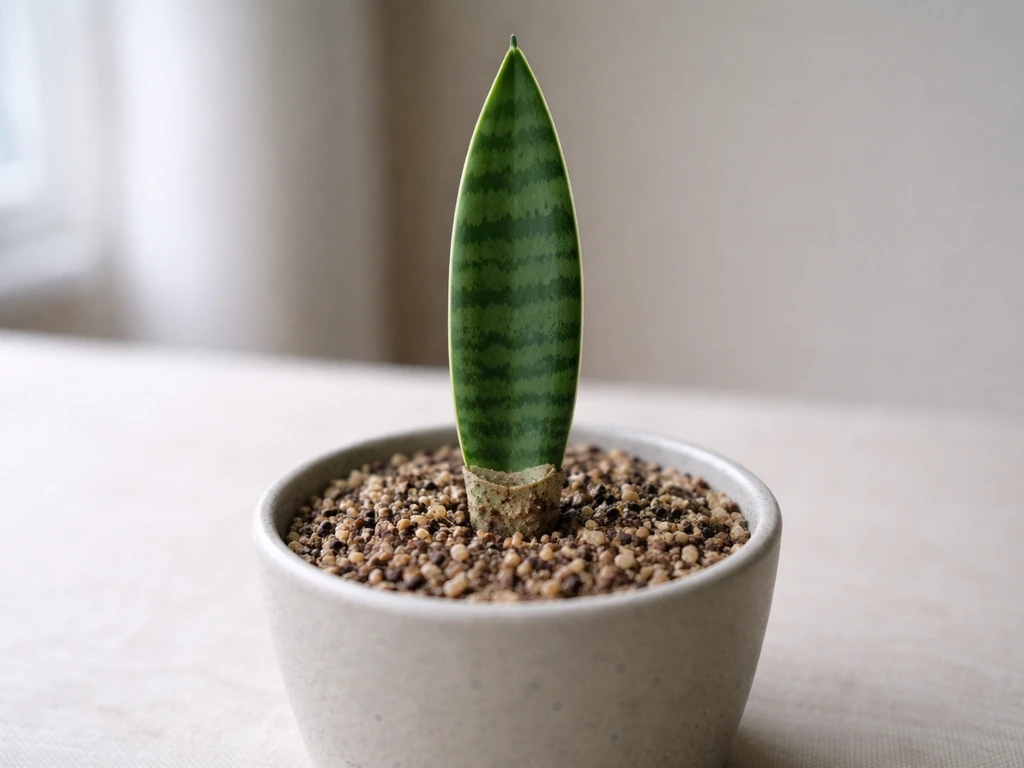
Native to the dry, rocky habitats of West Africa, snake plants are remarkably tolerant of low light and low humidity, which also makes them forgiving propagation subjects. Cut a healthy leaf into 3- to 4-inch sections. Mark which end is the bottom (roots only form from the lower cut end if you insert them the right way up). Dip the lower cut end in rooting hormone and insert sections about 1 inch deep into perlite or sandy medium. Keep at room temperature with moderate indirect light. Roots and new shoots emerge in 8 to 12 weeks. Note: if you propagate variegated varieties this way, the new plants will lose their variegation and revert to green.
4. Kalanchoë / Bryophyllum (Kalanchoë pinnata and relatives)
Originally from Madagascar, Kalanchoë pinnata is probably the most dramatic example of leaf-based reproduction in the plant world. Tiny plantlets form directly from the notches along the leaf margins, already equipped with roots, stems, and miniature leaves. You don't need to do much: detach a healthy leaf and lay it on the surface of moist potting mix, or leave it on a windowsill and the plantlets will develop and eventually fall off ready to root. In warm, bright conditions the plantlets are visible within 2 to 4 weeks of leaf detachment. This species is so prolific that it's considered invasive in parts of Australia, Hawaii, and South Africa.
5. Jade plant (Crassula ovata)
Native to the dry shrublands of South Africa and Mozambique, jade plants are classic succulents that root easily from individual leaves. Gently twist or snap a plump, healthy leaf cleanly from the stem (a clean detachment matters). Let it dry and callous for 24 to 48 hours, then lay it on top of a barely moist mix of perlite and coarse sand. Don't bury it. Mist lightly every few days and keep in bright indirect light. A tiny rosette of new leaves emerges at the base of the leaf in 4 to 8 weeks. The original leaf shrivels as the new plant uses its stored water and nutrients.
6. Sedum (Sedum spp.)
Sedums are native to a wide range of rocky, dry habitats across the Northern Hemisphere, from European mountain cliffs to Mexican high-altitude scrubland. Leaf propagation is the same as jade plant: remove a leaf cleanly, allow it to callous for a day or two, then lay it on barely moist sandy perlite mix. Keep it in bright light with minimal watering. New rosettes appear at the base within 3 to 6 weeks. Sedums are actually faster to root than many succulents, making them a good species to start with if you're new to leaf propagation.
7. Echeveria (Echeveria spp.)
Echeverias are native to the semi-arid highlands of Mexico and Central America. The method is nearly identical to sedum: snap off a lower rosette leaf cleanly, let it callous for 24 to 48 hours, and lay it flat on a gritty perlite-sand mix. Mist lightly once or twice a week. New rosettes appear in 3 to 8 weeks. The biggest failure cause with echeveria is overwatering before roots appear, which causes the base of the leaf to go mushy. Bright indirect light (or outdoor dappled shade in warm climates) accelerates rooting.
8. Peperomia (Peperomia spp.)
Peperomias are native to the humid tropical forests of South and Central America, where they grow as epiphytes or on forest floors. Most species can be propagated from a whole leaf with its petiole. Insert the petiole into moist perlite or a perlite-vermiculite mix and cover with a humidity dome. Plantlets emerge at the base of the petiole in 6 to 10 weeks. Some species (like Peperomia caperata) can also be propagated from leaf sections, though whole-leaf cuttings are more reliable. Keep temperatures above 65°F and maintain consistent, gentle humidity.
9. Cape sundew (Drosera capensis)
Cape sundew is native to the fynbos and wetland margins of the Western Cape of South Africa, where it grows in nutrient-poor, boggy soils in a warm Mediterranean-type climate. It's one of the few carnivorous plants that roots readily from leaf cuttings. Lay a whole leaf flat on the surface of moist sphagnum moss or a mix of peat and perlite. Keep the medium consistently moist (standing water in a tray is fine) and maintain high humidity under a clear cover. New plantlets emerge along the leaf within 6 to 10 weeks. Use distilled or rainwater only: tap water minerals damage the plant.
10. Haworthia (Haworthia spp.)
Haworthias are native to the succulent scrublands of South Africa, often growing in partial shade under shrubs and rock overhangs. They're slower to propagate from leaves than echeveria or sedum but it works well when done correctly. Twist a leaf off as close to the base as possible, let it callous for 24 hours, and place it on dry gritty perlite-sand mix. Water very sparingly, just enough to prevent the medium from becoming bone dry. New rosettes form at the base in 8 to 16 weeks. Patience is the main requirement. Haworthia leaf cuttings fail most often from excess moisture or being kept in too much shade.
Side-by-side comparison of all 10
| Plant | Method | Best Medium | Humidity | Rooting Time | Key Failure Cause |
|---|---|---|---|---|---|
| African violet | Whole leaf + petiole | Vermiculite + perlite | High (cover) | 8–12 weeks | Cold water on leaves, overwatering |
| Rex begonia | Whole leaf or wedge sections | Perlite + compost 50/50 | High (cover) | 6–10 weeks | Rot from excess moisture |
| Snake plant | Leaf sections 3–4 inches | Perlite or sandy mix | Moderate | 8–12 weeks | Wrong orientation (upside down) |
| Kalanchoë | Leaf laid on surface | Any moist potting mix | Moderate | 2–4 weeks | Overwatering plantlets |
| Jade plant | Whole leaf, laid flat | Perlite + coarse sand | Low | 4–8 weeks | Not callousing before planting |
| Sedum | Whole leaf, laid flat | Perlite + coarse sand | Low | 3–6 weeks | Overwatering, poor light |
| Echeveria | Whole leaf, laid flat | Perlite + coarse sand | Low | 3–8 weeks | Moisture at leaf base |
| Peperomia | Whole leaf + petiole | Perlite or perlite/vermiculite | High (cover) | 6–10 weeks | Low temperature, drying out |
| Cape sundew | Whole leaf, laid flat on moss | Sphagnum moss or peat/perlite | Very high | 6–10 weeks | Tap water minerals, low humidity |
| Haworthia | Whole leaf, laid on surface | Perlite + coarse sand | Low | 8–16 weeks | Overwatering, too much shade |
Environmental conditions and seasonal timing by climate
Where and when you attempt leaf propagation matters almost as much as which plant you choose. If you are wondering which plant grow from leaf, the examples in this guide show the most reliable options and why they work which plant you choose. Temperature is the controlling factor: most leaf cuttings root most reliably between 65 and 80°F (18 to 27°C). Below 60°F, rooting slows dramatically or stops. Above 85°F, you start seeing rot and fungal issues unless airflow is very good.
In temperate climates (think the US Midwest, UK, temperate Europe), the best outdoor window for leaf propagation is late spring through early summer, when ambient temperatures stabilize above 65°F and day length is long. Indoors with supplemental heat and grow lights, you can propagate year-round. In warm subtropical and Mediterranean climates (Southern California, Mediterranean Europe, South Africa, coastal Australia), spring and fall are ideal: summer can be too hot and dry unless you're working indoors. In humid tropical climates, leaf propagation is possible year-round, but fungal pressure is higher, so airflow and sterile medium are even more important.
| Climate Zone | Best Season | Key Consideration | Recommended Species |
|---|---|---|---|
| Temperate (continental) | Late spring to early summer | Wait until nights stay above 60°F | Begonia, African violet, snake plant |
| Mediterranean / subtropical | Spring and fall | Avoid peak summer heat outdoors | Echeveria, sedum, jade, haworthia |
| Humid tropical | Year-round | Increase airflow to prevent fungus | Peperomia, Kalanchoë, begonia |
| Arid / semi-arid | Spring, with indoor humidity control | Use humidity dome; misting is essential | Haworthia, echeveria, jade |
| Indoor year-round (any climate) | Any time with grow lights and heat mat | Maintain 68–75°F with bottom heat | All 10 species listed |
Caring for leaf cuttings while they root
The period between sticking a leaf into medium and seeing the first roots is the most fragile window. The goal is to keep the leaf alive and hydrated while preventing rot. Check the medium every few days: it should feel barely damp for succulents, and consistently moist (but never soggy) for tropical species like African violet and begonia. If you used a humidity dome or bag, crack it open slightly once a week to allow a brief exchange of air. Stagnant, fully sealed enclosures encourage fungal growth, especially at warmer temperatures.
Mist rather than pour. A spray bottle gives you much better control than watering from above, and it avoids waterlogging the medium around the base of the cutting. For succulents, barely mist the medium surface every 3 to 5 days, and don't mist at all if condensation is visible inside any cover. Keep cuttings out of direct sun at this stage: bright indirect light is sufficient and won't desiccate the cutting before roots can form.
How to know roots are forming (and what to do next)
For most species, you'll see visible signs before you need to tug on anything. Tiny new leaves or rosettes emerging at the base of the cutting are the clearest signal that roots have formed and a new plant is underway. You can also gently tug the leaf: if it resists, roots have anchored it. For African violet, look for small crowns or pups appearing at the base of the petiole in the medium. For snake plant sections, watch for new green shoots emerging from the soil level.
Once new growth is visible and about half an inch tall, it's time to transplant. For African violet pups, wait until they're roughly half the size of the parent leaf before separating. Use a thin tool (a chopstick or skewer works well) to gently loosen the medium around the new plant and lift it with its roots intact. Move it into a small pot, 2 to 3 inches across, filled with the appropriate mix for that species. For succulents, that's a gritty, fast-draining mix. For tropical species, a peat-free potting mix with added perlite is ideal.
Early care after transplanting
Newly transplanted leaf-propagated plants have small, fragile root systems. Treat them gently for the first few weeks. Keep soil moisture slightly higher than you would for a mature plant of the same species, to help the roots establish without drying out. But don't overdo it: the roots are still tender and susceptible to rot. Water when the top of the medium is dry for succulents, and when the top half-inch is dry for tropical species.
Hold off on fertilizing for at least 4 to 6 weeks after transplanting. The root system isn't ready to handle fertilizer salts yet, and it can cause more harm than good at this stage. Maintain the same light conditions the cutting rooted under, and gradually increase light intensity over 2 to 3 weeks as the plant shows active new growth.
Troubleshooting: when leaf cuttings fail
Most leaf cutting failures come down to a handful of repeatable causes. Here's how to diagnose what went wrong.
| Symptom | Likely Cause | Fix |
|---|---|---|
| Leaf goes mushy or brown at base | Overwatering or poor drainage | Reduce moisture, use coarser medium, ensure drainage holes |
| No roots after 12+ weeks | Too cold, wrong medium, or wrong species | Check temperature (above 65°F), try rooting hormone, confirm species can be leaf-propagated |
| White or grey fuzzy growth on leaf | Fungal infection (Botrytis) | Improve airflow, remove affected leaf, treat with dilute neem or fungicide |
| Leaf dries and shrivels without rooting | Too little humidity or too much direct sun | Add humidity dome, move to bright indirect light |
| Roots form but no new shoots appear | Normal for slow species; may need more time | Wait another 4 to 6 weeks; some species take 16+ weeks |
| Snake plant sections produce roots but no shoot | Inserted upside down | Recut and reinsert with the original bottom end down |
| Succulent leaf goes translucent | Overwatering | Let medium dry completely, reduce misting frequency |
Quick-start checklist and next steps
If you want to start today, African violet and sedum are the two easiest entry points: both root reliably, tolerate minor mistakes, and show results within 6 to 8 weeks. Kalanchoë is the most dramatic and fastest if you want to show someone what leaf propagation can do. Snake plant is the best demo for leaf section cuttings specifically.
- Choose one of the 10 species above and confirm your climate and season are appropriate using the table above.
- Gather your materials: perlite, small pots with drainage, a clear cover, and a spray bottle.
- Take your cutting cleanly: use a sharp, clean blade for leaf sections, or a gentle twist for succulent leaves.
- For succulents: callous the cut end for 24 to 48 hours before placing on medium. For tropical species: insert immediately.
- Place in bright indirect light at 65 to 75°F and maintain appropriate humidity for the species.
- Check every 3 to 5 days for moisture and signs of rot; remove any damaged material immediately.
- Look for roots or new growth at 4 to 16 weeks depending on species.
- Transplant once new growth is clearly visible and about half an inch tall.
- Hold fertilizer for 4 to 6 weeks post-transplant and water conservatively while roots establish.
Leaf propagation is one of those skills that feels almost magical the first time it works: a single detached leaf becomes a whole new plant. Once you understand which species can actually do it (and the botanical reason why, which is adventitious bud formation from leaf tissue), you can apply the same core principles across many more plants. The 10 species covered here span dry African scrubland to humid South American cloud forests to Madagascar's seasonally dry plateaus, which also gives you a clear sense of the environmental conditions each one is adapted to and why the propagation conditions mirror their native habitats so closely. Needle-like leaves are found in plants that grow on rocky, dry surfaces, where this leaf shape helps reduce water loss finds in plants that grow on.
FAQ
If my leaf cutting doesn’t root, does that mean I did something wrong?
No. Many plants can form roots from leaf tissue, but others can only grow from a stem node. If the leaf you’re trying won’t make any new growth in 8 to 12 weeks (longer for slow succulents), it’s usually a species limitation, not a technique problem.
How wet should the propagation medium be for leaf-grown plants?
Use as little water as possible, and avoid soaking the cut base. The safest rule is, medium should be barely damp for succulents and consistently moist but never soggy for tropical species. If you see a wet, smelly, or mushy leaf base, reduce moisture immediately and improve airflow.
How long do leaf cuttings usually take before I see progress?
Timing depends on temperature and the plant type, but you can use a practical window. Many tropical leaf cuttings show movement in about 6 to 10 weeks, while succulents often take 3 to 8 weeks for rosettes and may take longer for thicker, slower species like haworthia.
Should I keep the bag or dome sealed the whole time?
When using a humidity bag or dome, crack it open briefly once a week (or add small vent holes) to exchange air. Fully sealed enclosures create stagnant conditions that raise fungal risk, especially above 75°F (24°C) or in humid homes.
Can I put leaf cuttings in direct sunlight to speed things up?
Indoors, indirect light is best, but you can still “give it more light safely” by increasing brightness gradually over 2 to 3 weeks after transplant. Direct sun during the rooting stage often dries the leaf before roots can take hold, and that can stall or kill the cutting.
Do I need to worry about which side is up when propagating from leaf sections?
For leaf section propagation, correct orientation matters. Only the lower end of a snake plant section will root, so mark the bottom before sticking it in medium. For other species, keep the leaf base end in contact, and avoid flipping wedges or sections upside down.
How long should I let succulent leaf cuttings callous before planting?
Callusing is different from curing. For succulents like jade, sedum, and echeveria, let the detached leaf or rosette leaf base dry and callous for about 24 to 48 hours (sometimes up to 48). Longer can desiccate the tissue too much, especially if your home is very dry.
Is rooting hormone necessary for leaf propagation, and does it help or hurt?
Rooting hormone is optional for most leaf-grown species, and it can be counterproductive if it increases moisture around the cut tissue. If you use it, dip only the cut base (like begonia petioles or snake plant cut ends) and plant promptly into a fast-draining medium.
When should I separate plantlets, pups, or new rosettes from the parent leaf?
Often, yes. If you remove plantlets from a leaf edge (like kalanchoë) when they’re still tiny, they can take longer to root. For pups and crowns, separating too early can tear fragile roots. A good target is waiting until new growth is about half the size of the parent leaf before potting individually (species-specific, but this is a solid general guideline).
What should I do if the leaf cutting starts rotting?
Most failures are prevented by preventing rot rather than by “saving” a rotting cutting. If the leaf base turns brown, mushy, or smells bad, remove the affected tissue, switch to drier and more airy medium, and improve airflow. If the cutting is fully collapsed, start over with a fresh leaf.
When can I fertilize a new plant started from a leaf?
After transplant, don’t fertilize right away. Wait about 4 to 6 weeks, because young roots cannot handle salts and can burn or stall. Also, keep the light conditions similar to rooting, then increase intensity gradually.
Does water quality matter for all plants propagated from leaves?
Use water quality rules that match the plant. Cape sundew is sensitive to dissolved minerals, so only distilled or rainwater works well. For most other species, regular tap water may be fine, but if you notice crusting on medium surfaces or leaf tips browning, switch to filtered water.