
Plenty of plants can be grown from stem tissue alone, no seeds needed. You take a piece of stem, give it the right conditions, and it produces roots and eventually a whole new plant. The 20 examples below cover everything from tropical houseplants you can root in a glass of water this afternoon to woody shrubs that need a bit more patience and layering technique. Each one has a specific propagation method, the right part of the stem to use, and the conditions that actually get results.
20 Examples of Plants That Grow From Stems

Dr. Marcus Weatherby
8 Jun 2026
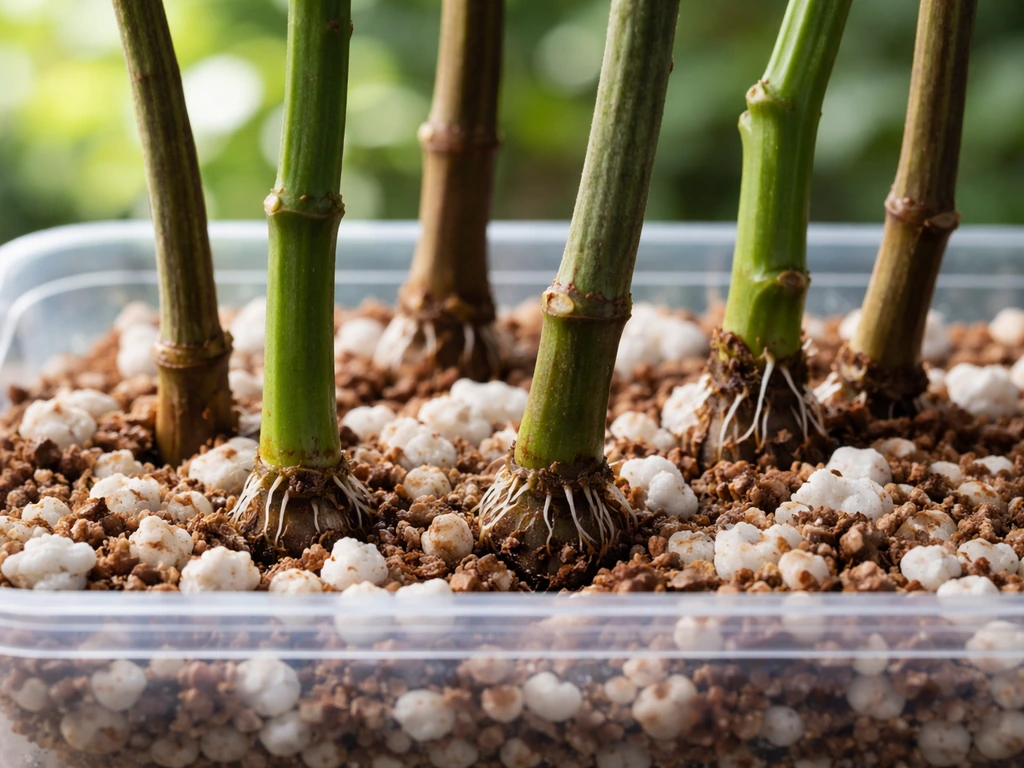
What "growing from stems" actually means
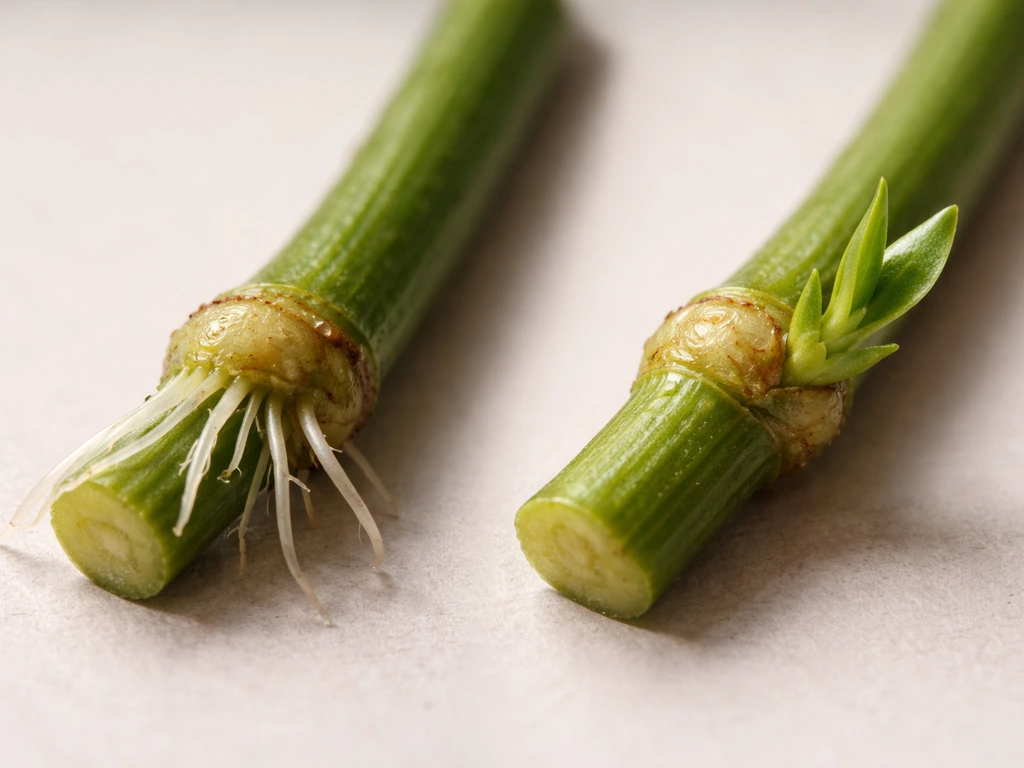
When people say a plant "grows from stems," they're describing vegetative propagation, where a new plant develops from stem tissue rather than from a seed. The key players are nodes, which are the points on a stem where leaves, buds, or branches attach. Roots almost always initiate at or near a node because that's where the plant's meristematic tissue, the cells capable of generating new growth, is concentrated. A cutting without a node rarely produces roots.
There are a few distinct mechanisms worth understanding. Stem cuttings are made by severing a piece of stem from the parent plant and then inducing it to root in water, soil, or another medium. Layering is different: the stem stays attached to the parent plant while roots form, and [only after rooting is the stem cut free](https://propg. ifas.
ufl. edu/08-layering/06-layering-types. html). Air layering is a variation where you wound the stem and wrap it with moist moss while it's still on the parent plant.
Air layering involves wounding the stem and wrapping it with moist moss while it is still attached to the parent plant Air layering is a variation where you wound the stem and wrap it with moist moss while it's still on the parent plant.
Runners and suckers are stems the plant sends out naturally, and they root at nodes on their own. All of these fall under the umbrella of "growing from stems. "
For a nodal cutting, a practical rule of thumb is to make your top cut about 15 to 25 mm above a node, keeping the node intact on the cutting. That node carries the axillary bud that becomes the new shoot, while roots form from the base of the cutting near or below it. Rooting hormone powder or gel applied to the cut end can accelerate root initiation, especially on woodier stems that are slower to respond.
20 plants that grow from stems: methods and what to use
The list below covers a broad range of climates and plant types. For each one, the propagation method, the stem part to target, and the basic setup are spelled out so you can act on it today.
| Plant | Propagation Method | Stem Part to Use | Rooting Medium | Climate/Habitat |
|---|---|---|---|---|
| Pothos (Epipremnum aureum) | Stem cutting in water or soil | Node with at least one leaf | Water or perlite-heavy mix | Tropical; thrives indoors anywhere |
| Mint (Mentha spp.) | Stem cutting in water or soil; runners | Tip cutting just below a node | Water first, then moist potting mix | Temperate; moist, cool climates |
| Rosemary (Salvia rosmarinus) | Softwood or semi-hardwood cutting | 5–8 cm tip cutting, strip lower leaves | Gritty, well-draining mix | Mediterranean; arid to semi-arid |
| Willow (Salix spp.) | Hardwood or softwood cutting | Pencil-thick stem with 3–4 nodes | Water or moist sandy soil | Temperate; riparian zones, wet soils |
| Tomato (Solanum lycopersicum) | Stem cutting (sucker cutting) | Axillary sucker with 2–3 nodes | Moist potting mix | Warm temperate to subtropical |
| Coleus (Plectranthus scutellarioides) | Stem tip cutting | Tip with 2–3 nodes, remove lower leaves | Water or moist perlite mix | Tropical/subtropical; shade-tolerant |
| Geranium / Pelargonium (Pelargonium spp.) | Stem cutting | Tip cutting below a node, let callus briefly | Well-draining loamy mix | Warm temperate; Mediterranean zones |
| Rubber Plant (Ficus elastica) | Stem cutting or air layering | Tip or mid-stem section with 1–2 nodes | Moist perlite or sphagnum moss (air layer) | Tropical; humid forest understory |
| Hibiscus (Hibiscus rosa-sinensis) | Softwood stem cutting | 10–15 cm tip with 3–4 nodes, strip lower leaves | Peat-perlite or cocopeat mix | Tropical to subtropical |
| Grape (Vitis vinifera) | Hardwood cutting (dormant season) | 30 cm canes with 3–4 nodes | Sandy loam or propagating mix | Temperate; continental and Mediterranean climates |
| Chrysanthemum (Chrysanthemum spp.) | Basal stem cutting | Young shoot from crown base, 1–2 nodes | Moist propagating mix | Temperate; tolerates cool climates |
| Lavender (Lavandula spp.) | Softwood or semi-hardwood cutting | 7–10 cm tip below a node, strip lower leaves | Gritty, alkaline mix | Mediterranean; dry, sunny slopes |
| Basil (Ocimum basilicum) | Stem cutting in water | Tip cutting just below a node | Water (then transition to soil) | Warm temperate to tropical |
| Monstera deliciosa | Stem cutting with node and aerial root | Single node section with aerial root stub | Moist sphagnum moss or chunky mix | Tropical; humid forest climates |
| African Violet (Saintpaulia ionantha) | Leaf-petiole or short stem cutting | Stem cutting at node base | Perlite or seed-starting mix | Tropical highland; moderate humidity |
| Jade Plant (Crassula ovata) | Stem cutting (let callus) | Tip cutting with 2 nodes, callus 1–2 days | Dry, gritty cactus mix | Arid to semi-arid; dry subtropical |
| Bougainvillea (Bougainvillea spp.) | Semi-hardwood or hardwood cutting | 15–20 cm cutting with 3–4 nodes | Sandy, well-draining mix + rooting hormone | Tropical to subtropical; dry seasons |
| Passionflower (Passiflora spp.) | Softwood stem cutting or layering | Tip with 2–3 nodes and a tendril | Moist perlite mix | Tropical to warm temperate |
| Blackcurrant (Ribes nigrum) | Hardwood cutting (autumn/winter) | 20–25 cm cane with 4+ nodes | Sandy loam or propagating bed outdoors | Cool temperate; moist climates |
| Sweet Potato (Ipomoea batatas) | Stem slip/cutting from sprouted tuber | 15–20 cm vine cutting with 3–4 nodes | Moist soil; plant 2 nodes underground | Tropical to warm temperate; long warm season |
A few of these deserve a quick note. Willow is almost legendary for easy rooting because its stems contain natural indole-butyric acid, the same compound in commercial rooting hormones. Grape hardwood cuttings are taken in late winter when the plant is fully dormant, bundled, and stored cool before being planted out in spring. Sweet potato slips are stem cuttings grown from the sprouted tuber, and you plant at least two nodes below soil level for reliable establishment. Monstera cuttings need that aerial root stub or a visible node bump to root well; a plain stem section without one is much slower.
Best conditions for rooting: light, moisture, temperature, and medium
Light
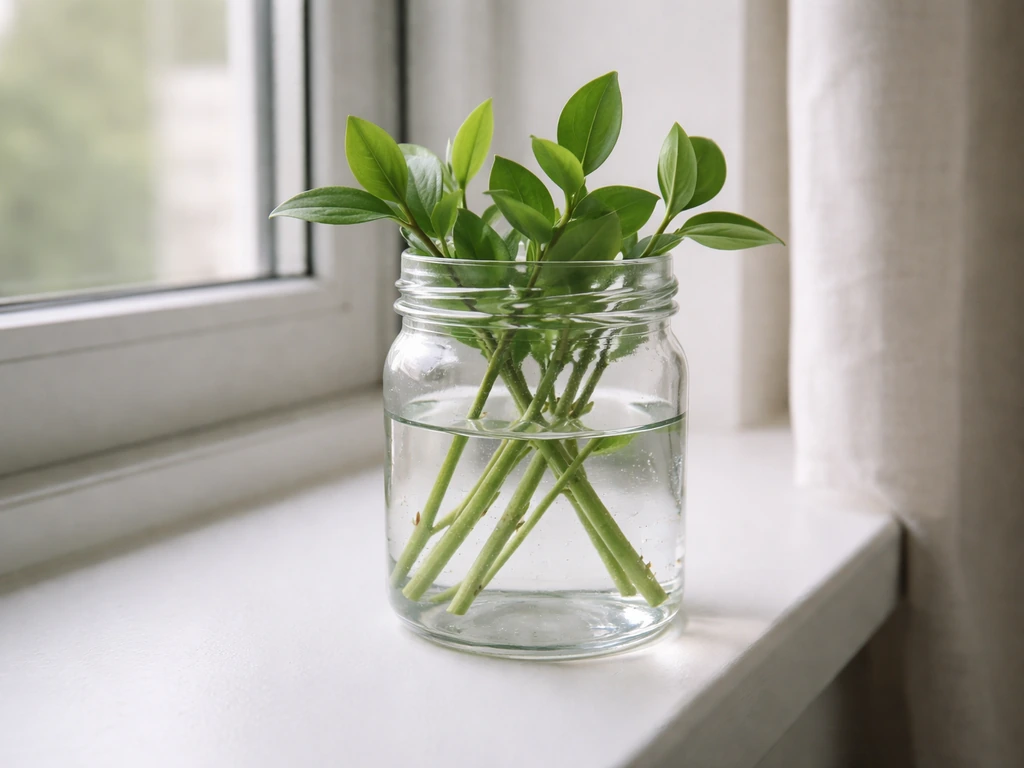
Bright indirect light is the sweet spot for most cuttings. Direct sun desiccates the cutting before roots have formed to support water uptake. A north- or east-facing windowsill, a spot under a shade cloth, or a position 60 to 90 cm from a bright window works well. Cuttings from shade-adapted plants like pothos and coleus root fine in lower light. Sun-loving Mediterranean plants like rosemary and lavender benefit from more light once callus has formed, but shield them from full afternoon sun during the first two weeks.
Moisture and humidity
The medium should stay consistently moist but never waterlogged. Wilting is the enemy: a cutting has no roots yet and cannot recover water lost through its leaves. Covering cuttings with a clear plastic bag or humidity dome keeps relative humidity high and reduces transpiration stress. Remove the cover for 30 minutes a day to prevent fungal buildup. For succulents and arid-climate plants like jade, skip the humidity dome and let the cut end callus for 24 to 48 hours before any moisture contact.
Temperature
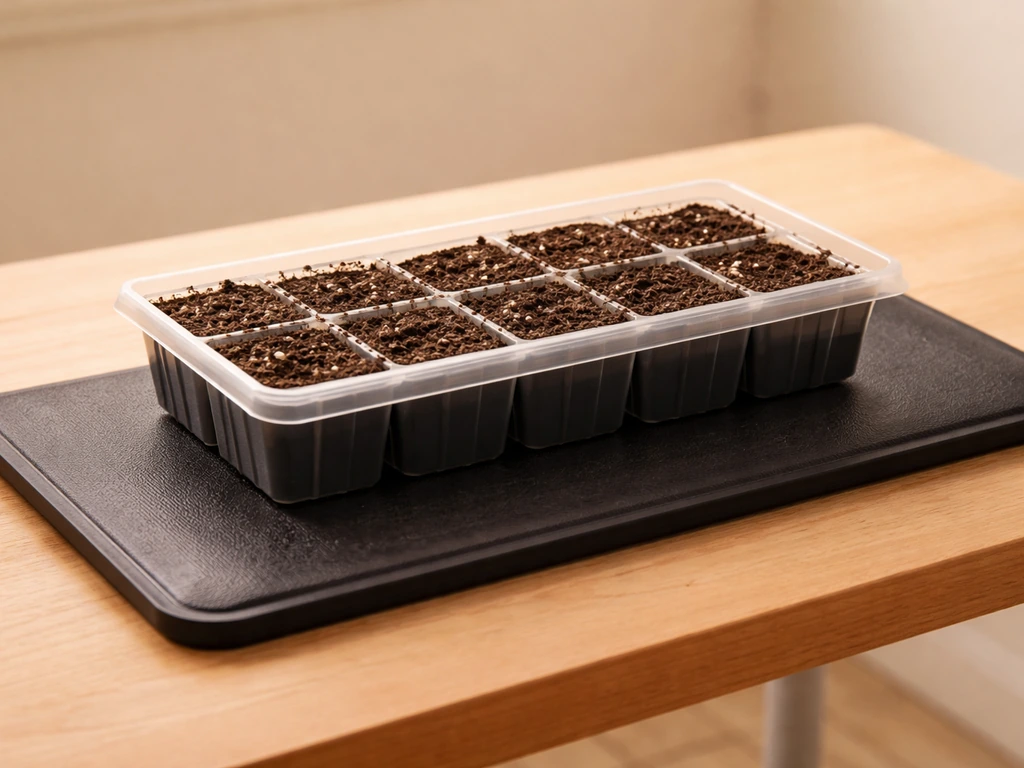
Most stem cuttings root fastest when the rooting medium is warmer than the air temperature above it. Bottom heat from a propagation mat set to 21 to 24 degrees Celsius (70 to 75 F) is a reliable shortcut for tropical and subtropical plants. Temperate and cool-climate plants like blackcurrant and mint root well at 15 to 18 degrees Celsius. Hardwood cuttings from dormant woody plants (grape, blackcurrant) actually need that cold period first, then warm conditions to break dormancy and push roots.
Rooting medium
The ideal medium drains freely so oxygen reaches the cut end, but holds enough moisture to keep things from drying out. Straight perlite, a 50/50 perlite and peat mix, coarse sand, or moistened sphagnum moss all work well. Avoid heavy garden soil, which compacts around cuttings and promotes rot. For water propagation (pothos, mint, basil), change the water every two to three days to maintain oxygen levels and prevent bacterial buildup. Once water-rooted cuttings have roots 2 to 4 cm long, transition them to a light potting mix.
Climate and season fit: matching plant examples to your region
Where you live shapes not just which plants you can grow, but when stem propagation is most likely to succeed. Here's how the 20 examples map across major climate zones and seasons.
| Climate Zone | Best Season to Propagate | Recommended Examples from the List |
|---|---|---|
| Tropical / humid subtropical | Year-round; avoid peak wet season for fungal reasons | Pothos, Monstera, Hibiscus, Coleus, Sweet Potato, Bougainvillea, Passionflower |
| Warm temperate / Mediterranean | Spring to early summer (softwood); late summer (semi-hardwood); winter (hardwood) | Rosemary, Lavender, Geranium, Bougainvillea, Grape, Tomato |
| Cool temperate / continental | Spring (softwood/tip cuttings); late autumn to winter (hardwood dormant cuttings) | Mint, Chrysanthemum, Blackcurrant, Grape, Willow, Passionflower |
| Arid / semi-arid | Early spring or after summer rains when stems are active | Jade Plant, Rosemary, Lavender, Bougainvillea |
| Indoor / climate-controlled | Any time of year with supplemental light and warmth | Pothos, Monstera, African Violet, Rubber Plant, Coleus, Basil |
Timing matters enormously for woody plants. Rosemary and lavender cuttings taken in mid-spring when new growth is still soft root in three to four weeks. The same plants taken as semi-hardwood cuttings in late summer take six to eight weeks but are more resilient to rot. Grape and blackcurrant cuttings are taken after leaf drop in autumn, stored in barely moist sand through winter, then potted up in early spring when soil warms. If you're in the Southern Hemisphere, simply flip the months.
For tropical plants grown outdoors in frost-prone regions, late spring is your window: take cuttings of hibiscus and bougainvillea once night temperatures are consistently above 15 degrees Celsius, root them, and plant them out before peak summer. In truly tropical climates, propagation is possible year-round, though the dry season often produces firmer, less rot-prone cuttings than the wettest months.
How to take and prepare stem cuttings the right way
- Choose a healthy, non-flowering stem. Flowering stems direct energy to reproduction, not root formation. If the plant is in bloom, pinch off flowers and buds before or immediately after cutting.
- Use a sharp, clean blade: a sterile knife, scalpel, or single-use blade. Crush cuts from dull scissors slow rooting and invite disease. Wipe the blade with rubbing alcohol between plants.
- Cut just below a node. For most plants, a cutting 8 to 15 cm long with two to four nodes is ideal. Make the basal cut at a slight angle (45 degrees) to increase the surface area for root emergence.
- Remove leaves from the bottom half of the cutting. Leaves buried in the medium rot and spread pathogens. Keep two to four leaves at the top to continue photosynthesis.
- Reduce leaf area if leaves are large. For rubber plant or monstera cuttings, cut large leaves in half horizontally to reduce moisture loss without removing them entirely.
- Apply rooting hormone to the cut end. Dip into powder or gel and tap off excess. For easy-rooters like pothos and mint, this step is optional. For woodier stems (rosemary, bougainvillea, grape), it makes a real difference.
- Insert cuttings into pre-moistened medium. Make a hole with a pencil or skewer first so the hormone isn't scraped off on insertion. Firm the medium gently around the stem.
- Cover and label. A clear plastic bag, humidity dome, or upturned clear bottle maintains humidity. Write the plant name and date on a label, because you will forget otherwise.
- Place in the right environment. Check the conditions for each species in the table above. Most tropical and subtropical cuttings go in a warm spot with bright indirect light; hardwood cuttings can go in a cool, sheltered outdoor bed.
Troubleshooting: rotting, no roots, and slow progress
The cutting is rotting at the base
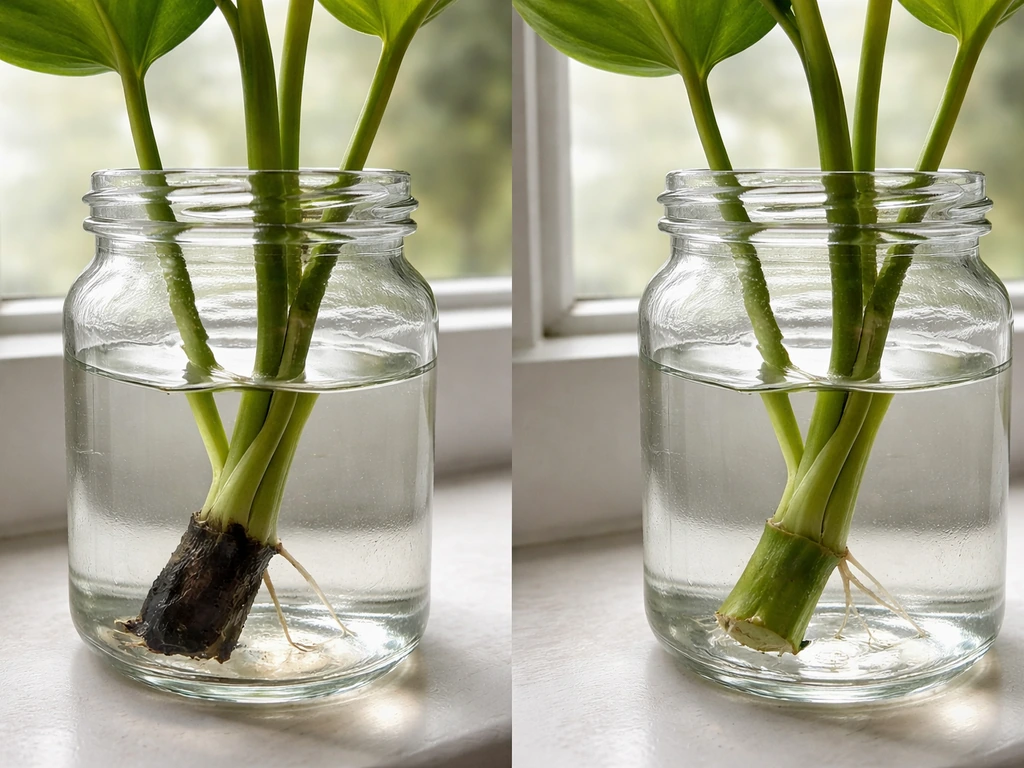
Rot is almost always caused by too much moisture combined with too little airflow, or by a pathogen entering through a crushed or unclean cut. If the base turns black or mushy, cut above the rotted section to healthy tissue, let it callus for a few hours, apply fresh rooting hormone, and reinsert into fresh, dry-ish medium. Improve drainage by adding more perlite and reduce watering frequency. Remove the humidity dome for longer periods each day. For succulents and cacti, never use a dome at all.
No roots after several weeks
Check three things first: temperature, node presence, and rooting hormone. If the medium is below 18 degrees Celsius for a tropical plant, root initiation is simply too slow. Add a heat mat. If you cut a stem without a node, it likely won't root at all. Recut and ensure at least one clear node is present below the medium surface. If you skipped rooting hormone, try applying it now by carefully removing the cutting, dipping the base, and reinserting. Some plants like grape and blackcurrant just take longer: expect six to ten weeks for hardwood cuttings.
Roots are present but growth above ground is stalled
Once roots form, the cutting needs more light and nutrients to push new shoot growth. Move it to a brighter position (still avoiding direct midday sun). If it's been in plain perlite for more than four weeks, transplant into a light potting mix with a small amount of balanced slow-release fertilizer. Keep watering consistent. The first new leaf is the signal that the cutting has fully established.
Leaves are wilting or dropping
A little wilting is normal in the first 24 to 48 hours as the cutting adjusts. If wilting persists past day three, the humidity around the cutting is too low or the medium is too dry. Mist the cutting and increase dome coverage. If leaves are yellowing and dropping while the stem still looks healthy, that's the plant conserving resources while roots develop. It's okay. Don't overwater in response, as that usually makes things worse.
When to pot up and what to watch for after rooting
The right time to pot up a rooted cutting is when roots are 2 to 5 cm long and you can see at least one new leaf or bud emerging. If you're propagating in water, move to soil when roots reach that length, before they become so adapted to the aquatic environment that soil feels like a drought. For cuttings in perlite or propagating mix, check by gently tugging: if you feel resistance, roots have formed.
Move newly potted cuttings into a slightly larger pot, not a huge one. Oversized pots hold too much moisture around a small root system and invite rot. A pot only 5 to 8 cm wider than the root ball is enough. Use a light, well-draining potting mix. Keep the new plant out of full direct sun for the first week post-transplant while it acclimatizes.
For cuttings destined for outdoor planting, harden them off over seven to ten days. Start by placing them outside in shade for a few hours, then gradually increase sun exposure and outdoor time. This prevents the shock that comes from moving a cutting raised in stable indoor conditions into variable outdoor temperature, wind, and light.
Once planted out, watch for the first four to six weeks. Water consistently but don't saturate. A light liquid fertilizer at half strength every two weeks from week three onward supports establishment. Pinch out the growing tip on plants like coleus, basil, and mint to encourage bushy growth rather than a single tall stem. For woody plants like rosemary, lavender, or grape, hold off on any pruning for the first full growing season and let the root system build strength first.
If you want to go deeper on specific propagation counts or compare methods for a shorter plant list, related explorations of 5 or 10 stem-propagating examples are worth reading for more focused coverage of individual species. If you want a quicker subset within the full guide, see 5 examples of plants that grow from stems for focused, species-level detail. If you want concrete plants that grow from stems examples, the list in this guide covers specific species and what stem part to use for each. There's also a useful look at plants that grow from shoots, which overlaps with some of the runner and sucker methods mentioned here, for anyone curious about where the line between stem and shoot propagation sits in practice.
FAQ
Do stem cuttings always need rooting hormone to succeed?
No. Hormone helps, especially on woody or slow-to-root stems, but many easy species form roots without it. If you skip it, compensate with warmer bottom heat, a fresh clean cut, and a media that stays evenly moist (not wet).
How do I know if my cutting is missing the right part (node and bud)?
Look for the attachment points where leaves or buds used to be, those are the nodes. If the cutting has only smooth stem with no visible node bumps and no bud area, it often stalls. Recut below the last visible node and ensure at least one node sits at or slightly below the medium surface level.
Can I propagate a plant from a leaf instead of a stem?
Some plants root from leaf tissue, but that is not what “growing from stems” refers to. For true stem propagation, you need stem tissue with at least one node. If you only have a detached leaf, the success rate depends on the species and you may need a different approach.
Why do cuttings rot even when I’m careful with water?
Rot usually happens when moisture is high and airflow is low, or when the cut surface is damaged or contaminated. Use a clean blade, avoid crushing the base, keep the medium breathable (perlite or aerated mix), and remove any humidity cover for a short daily ventilation window.
Is water propagation slower than soil, or faster?
It can be either, but water often reveals root initiation sooner. The key downside is that water-grown roots can adapt to higher oxygen in water, then struggle briefly after switching to soil. Move to soil once roots are about 2 to 4 cm, before they get long and pale.
When should I transplant, and what if roots are forming but no new leaf appears yet?
Transplant when you have active roots (around 2 to 5 cm) and the cutting is firm, even if the first leaf is not fully open. Bud and leaf push can lag because plants prioritize root establishment, but prolonged leaf absence plus limp stems usually signals the cutting is struggling.
What pot size is safest for newly rooted cuttings?
Avoid a large container. A pot about 5 to 8 cm wider than the root ball reduces excess wet soil that can cause rot. Also consider using a light, fast-draining mix so the cutting gets oxygen while the roots finish filling the pot.
How do I prevent fungus or mold on cuttings in humidity domes?
Increase airflow without drying the cutting out. Remove the cover daily for about 30 minutes, keep the medium off the leaves, and don’t let water pool on the cut surface. If mold persists, shorten dome time and move to brighter indirect light.
Can I root cuttings outdoors in summer heat?
Yes, but protect from harsh sun and rapid drying. Use shade or morning-only light, and watch medium moisture closely. If daytime temperatures swing a lot or nights are cold, it’s better to root indoors or under a sheltered spot to keep the rooting zone stable.
Do I need to sanitize tools between different plants?
It’s a good practice, especially if you’re propagating many species or if one plant shows disease. Wipe and sanitize the blade before each cut batch so pathogens are less likely to enter through fresh tissue.
What should I do if wilting starts after the first few days?
Mild wilting in the first day or two can be normal, but wilting that continues past day three usually means low humidity or a too-dry medium. Recheck moisture, increase humidity briefly, and confirm the cutting has at least one node and is not sitting above the medium surface.
How long should I wait before discarding a cutting?
Timing depends on whether it’s softwood, semi-hardwood, or hardwood. Softwood cuttings may start showing progress within weeks, while hardwood types can take roughly 6 to 10 weeks. If there is no rooting sign by the expected window, re-check node presence, temperature, and cutting cleanliness before restarting.