The plants that genuinely thrive in ericaceous soil include rhododendrons, azaleas, blueberries, heathers, camellias, mountain laurel, pieris, and a handful of choice perennials and groundcovers. What ties them all together is a preference for soil with a pH somewhere between 4. If your soil is red, test its pH first, then pick acid-loving plants suited to that level red soil. 5 and 6.0, which is where the term 'ericaceous' points. If your soil sits in that range naturally, or if you can push it there, these plants will reward you. If it doesn't, most of them will slowly decline no matter how well you water or feed them.
What Plants Grow in Ericaceous Soil: Full Gardener Guide

Dr. Marcus Weatherby
15 May 2026
What ericaceous soil actually means
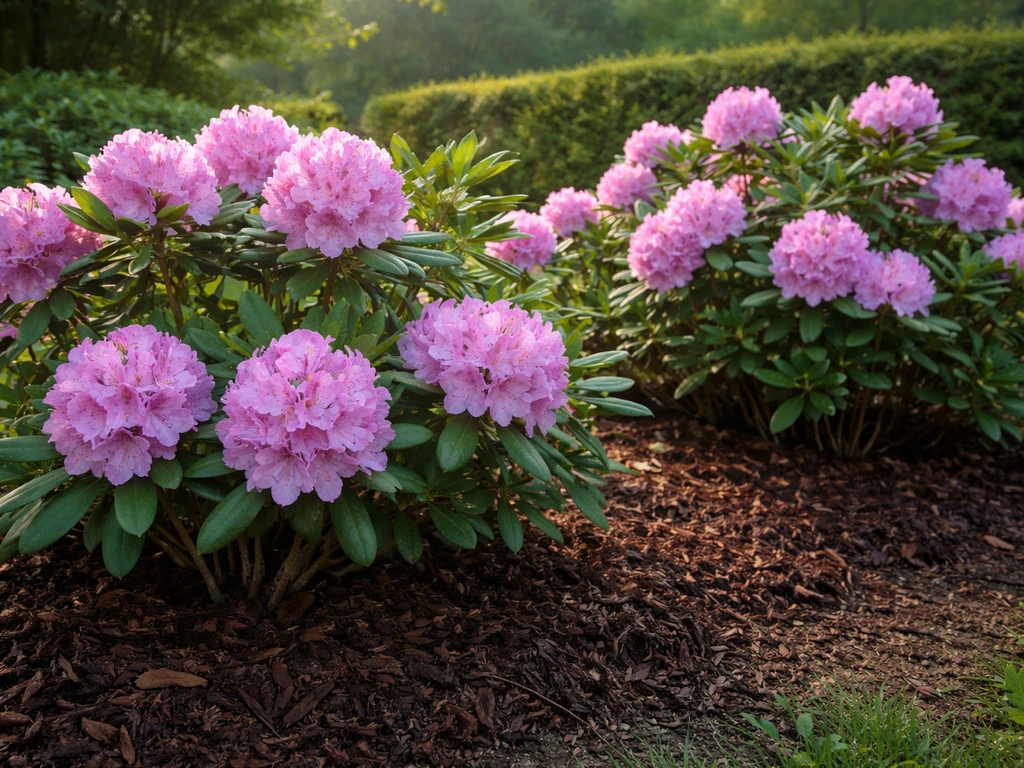
Ericaceous is named after the Ericaceae plant family, which includes heathers, blueberries, rhododendrons, and related species. In real-world terms, ericaceous soil is simply acidic soil, with a pH typically between 4.5 and 6.0. Below 4.5 you're in territory that's too extreme for most garden plants even in this family. Above 6.0 you're edging toward neutral, and the most demanding acid-lovers (like highbush blueberries) will start to struggle.
The chemistry matters because soil pH controls nutrient availability. At low pH, iron, manganese, and aluminum are more soluble and accessible to roots that are adapted to those conditions. When an acid-loving plant is placed in neutral or alkaline soil, iron becomes locked up and unavailable, causing the leaves to turn yellow between the veins, a condition called iron chlorosis. That's not a watering problem or a pest. It's a pH mismatch.
Beyond pH, naturally ericaceous soils tend to be low in fertility, well-drained, and high in organic matter, often sandy or peaty in texture. Think of a pine forest floor, a Scottish moorland, or the edges of a bog. Mountain laurel (Kalmia latifolia), a classic member of the Ericaceae family, grows wild in exactly these low-nutrient, acidic woodland soils across eastern North America. The plants in this family evolved to extract what they need from conditions that would starve most other species.
How to test your soil and judge suitability fast
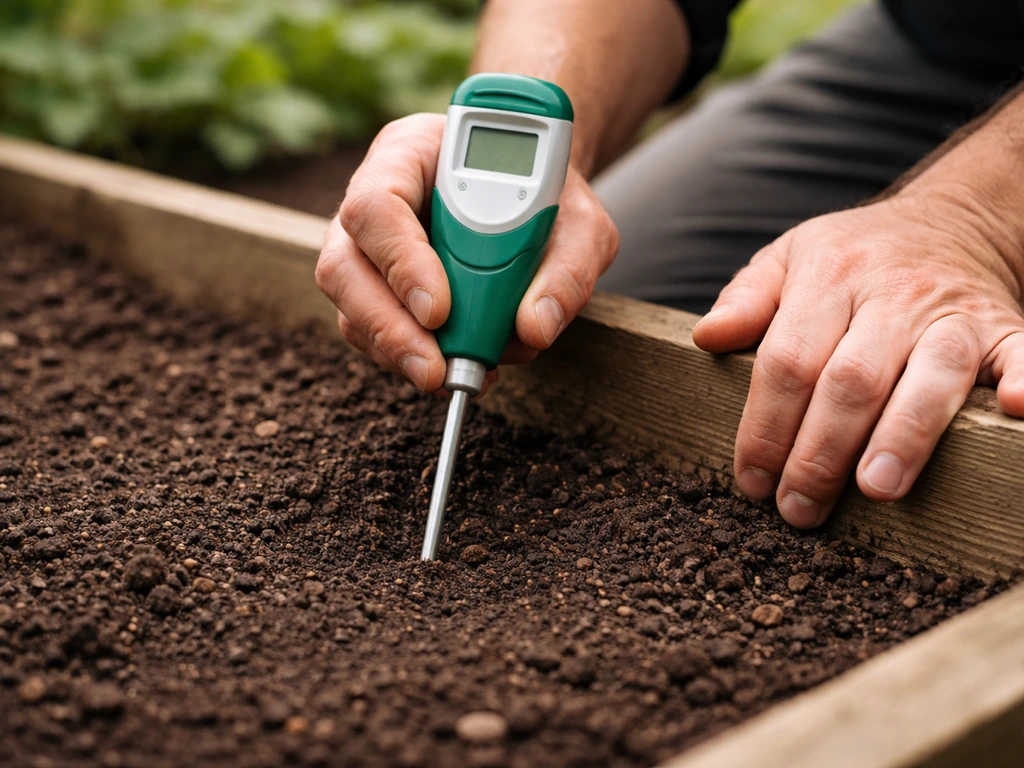
Before you buy a single plant, test the soil. This is not optional advice. I've seen too many healthy rhododendrons planted into alkaline clay and watched them turn yellow within a season. A soil test tells you where you're starting from and how much work is ahead.
The most reliable route is a lab test through your local cooperative extension service. Many extension programs offer prepaid soil test kits you can pick up, fill with a soil sample, and mail back. Lab results give you accurate pH and nutrient levels and often include amendment recommendations for your specific conditions. Home test kits are faster but tend to be less precise and may not measure everything a lab will.
When you take your sample, collect soil from the top 6 inches, which is the root-active zone most relevant to how your plants will actually perform. Soil pH can vary significantly with depth, so if you only test the surface you may get a misleading number. Take several small cores from across the planting area and mix them together before sending. That composite sample gives a better picture than a single scoop from one spot.
Once you have your pH number, here's a quick read: if your soil is between 4.5 and 5.5, you're in the sweet spot for the most demanding ericaceous plants like blueberries and rhododendrons. From 5.5 to 6.0 you can still grow azaleas and heathers with good results. Above 6.0 you'll need to make adjustments before planting, and above 7.0 (especially in calcareous soils with free lime), acidifying the ground may be extremely difficult or effectively impossible.
Best shrubs and groundcovers for ericaceous soil
This is the core of ericaceous gardening. These are the shrubs and groundcovers that genuinely belong in acidic soil, not just plants that tolerate it temporarily.
Signature ericaceous shrubs
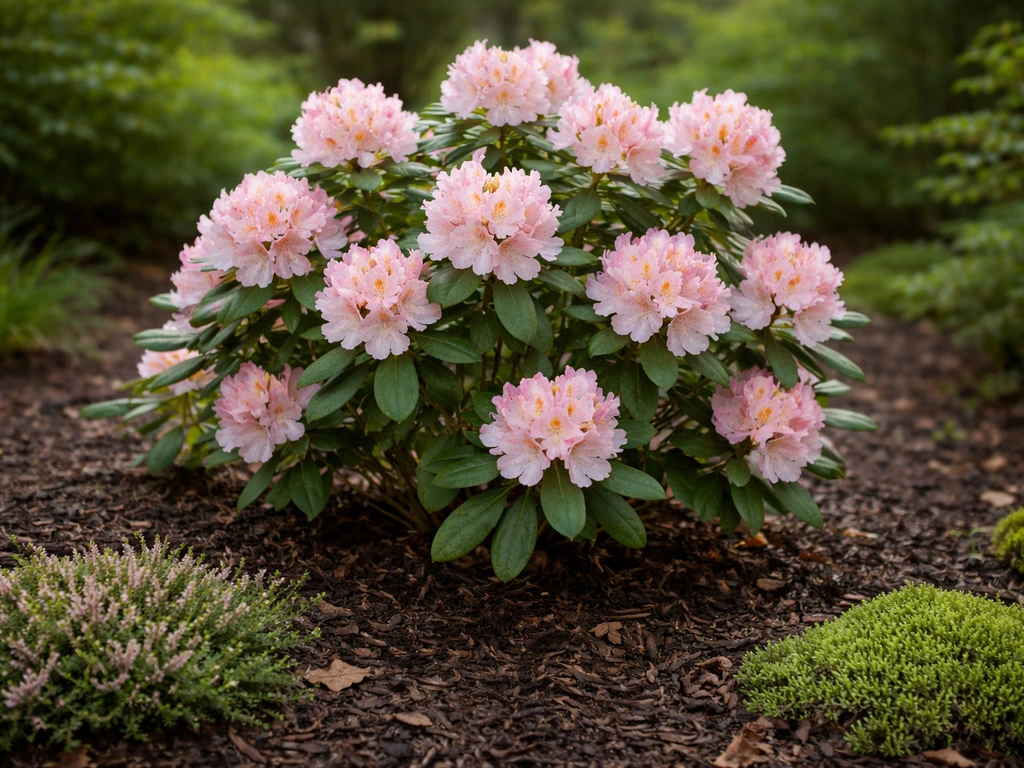
- Rhododendrons and azaleas: These are the flagship acid-soil shrubs. Preferred pH is 4.5 to 5.5. They need moist but well-drained, organic-rich soil and do poorly in heavy clay or alkaline ground. Rhododendrons in particular will not tolerate alkaline conditions at all. Many garden soils in the Midwest and plains run 6.5 to 7.5, which is too high without amendment.
- Heathers (Calluna vulgaris) and heaths (Erica spp.): These are the plants that literally gave the Ericaceae family its name. They're naturally found on acidic moorlands and heathlands where pH can drop below 5.0. Heathers like full sun and tolerate dry, sandy, and gravelly acidic soils better than most ericaceous plants.
- Pieris (Pieris japonica and related species): An elegant evergreen shrub that performs well at pH 4.5 to 6.0. Often found growing alongside rhododendrons in woodland gardens. Needs similar conditions: well-drained, humus-rich, acidic soil.
- Mountain laurel (Kalmia latifolia): Native to the eastern US and naturally adapted to rocky, acidic, low-fertility forest soils. Highly ornamental and reliable where soil pH suits it.
- Camellia: Prefers pH 4.5 to 5.5. Tender in cold climates but a garden staple in the Southeast US, Pacific Northwest, and mild coastal regions.
- Gardenia: Often listed alongside camellias in acid-soil planting guides, with a preferred pH of 4.5 to 5.5. Best in warm climates, USDA zones 8 and higher.
Groundcovers for acidic ground
- Bearberry (Arctostaphylos uva-ursi): A tough, low-growing native groundcover that spreads well across sandy, acidic soils. Common on exposed coastal and boreal sites where soil pH can be quite low.
- Crowberry (Empetrum nigrum): Native to Arctic and sub-Arctic acidic heathlands and bogs. Extremely cold-hardy and well-suited to the most challenging low-pH, low-nutrient environments.
- Creeping phlox (Phlox subulata): Tolerates acidic conditions in the pH 5.5 to 6.0 range and works well as a flowering groundcover in sun.
- Pachysandra: A shade-tolerant groundcover that performs well under the canopy of acid-soil trees. Practical rather than showy but reliable in woodland settings.
Fruit and edible plants that prefer acidic soil
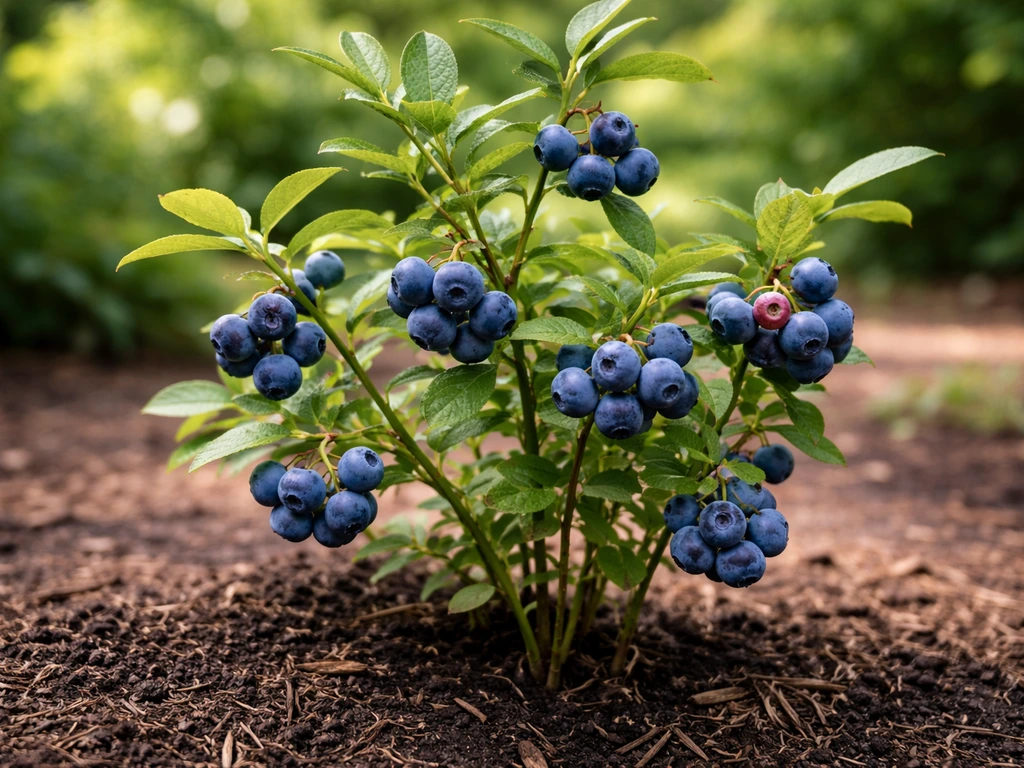
If you want productivity from your acidic soil, blueberries are the most rewarding crop you can grow. They are genuinely one of the most pH-specific edible plants in temperate gardening, and getting the pH right is the single biggest factor in whether they produce or struggle.
| Plant | Preferred pH | Notes |
|---|---|---|
| Highbush blueberry | 4.5 to 5.5 | Most widely grown type. Fails to thrive above pH 5.5. Cold-hardy in zones 4 to 7. |
| Rabbiteye blueberry | 4.2 to 5.0 | Slightly more acidic requirement. Better suited to warmer zones (7 to 9) in the Southeast US. |
| Lowbush blueberry | 4.0 to 5.0 | Native to acidic, sandy, and rocky soils in the Northeast and Canada. Very cold-hardy. |
| Lingonberry | 4.5 to 5.5 | Related to blueberries. Grows wild across boreal forests and acidic heathlands. Hardy to zone 3. |
| Cranberry | 4.0 to 5.0 | Requires very acidic, wet, peaty conditions. Not practical for most home gardens without specific setup. |
| Strawberry | 5.6 to 6.5 | Often listed alongside ericaceous plants but is NOT truly acid-loving. pH above 7 causes problems, but it does not need the low acidity that blueberries require. |
Strawberries are worth calling out specifically because they're frequently lumped in with ericaceous plants, especially when sold in garden centers alongside blueberries and heathers. They do prefer slightly acidic soil around 5.6 to 6.5, but that's meaningfully different from the 4.5 to 5.0 range that blueberries and lingonberries need. If you plant strawberries in highly acidic soil prepared for blueberries, you'll likely get nutrient problems of a different kind.
Perennials, bulbs, and specialty plants (with some important caveats)
The list of perennials and bulbs that are genuinely adapted to ericaceous conditions is shorter than you might expect. Most flowering perennials actually prefer pH closer to 6.0 to 6.8. That said, there are reliable choices that will work well in the acidic range.
- Trilliums: Native wildflowers of eastern North American woodland soils, naturally growing in acidic leaf-litter and humus-rich ground. pH 4.5 to 6.0.
- Lily of the valley (Convallaria majalis): Tolerates acidic conditions well and performs reliably in shaded, woodland-type settings with humus-rich, moist soil.
- Astilbe: Prefers pH 5.5 to 6.5. Not deeply ericaceous but works in the upper acidic range and enjoys cool, moist, humus-rich conditions.
- Ferns (many species): Bracken fern, wood ferns, and royal fern all grow naturally in acidic woodland and bog conditions. Some species tolerate pH down to 4.5.
- Lupines: Thrive in acidic, well-drained soils (pH 5.5 to 6.5) and are common on natural acidic slopes and meadows.
- Wood sorrel (Oxalis spp.): Found naturally in acidic forest floors. Hardy and useful as a ground-level plant under acid-soil shrubs.
- Meconopsis (Himalayan blue poppy): Requires cool, moist, acidic soil around pH 5.0 to 6.5. Challenging but spectacular in the right climate.
For bulbs, be cautious. Most popular bulbs (tulips, daffodils, alliums) prefer neutral to slightly acidic soil around 6.0 to 7.0 and will underperform in strongly ericaceous conditions. Lilies are an exception: many species, particularly the native Turk's cap lily (Lilium superbum) and wood lily (Lilium philadelphicum), are naturally adapted to acidic woodland soils. If you want bulbs in an ericaceous bed, choose species lilies over modern hybrids and test whether they're suited to your specific pH range.
How to prepare or convert your soil for ericaceous plants
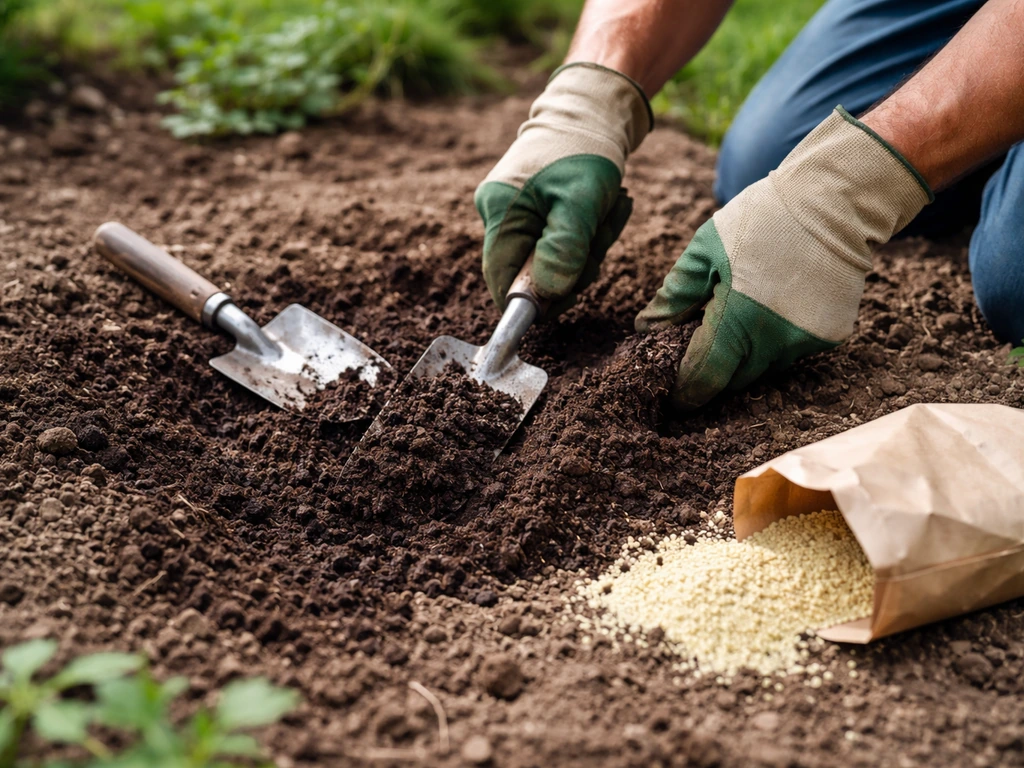
If your soil is neutral or alkaline, you can bring it into the ericaceous range, but you need to plan ahead and be realistic about how far you can push it. Elemental sulfur is the standard tool for lowering pH. Soil bacteria convert it to sulfuric acid over time, which drives the pH down. The catch is that this process takes time, often several months, so the ideal approach is to apply sulfur in the fall before you plan to plant in spring.
Avoid aluminum sulfate even though it lowers pH faster. The trade-off is aluminum toxicity risk, which can damage roots over time. Elemental sulfur is slower but safer and more stable long-term. Once soil has been acidified, the effect can persist for five or more years if you maintain the right conditions.
How much sulfur you need depends on your starting pH, your target pH, and your soil texture. Sandy soils need less sulfur than clay soils to achieve the same pH shift. As a general guideline, don't try to lower your pH by more than about one unit in a single season. If you need to drop from 7.0 to 5.0, plan to do it over two or more seasons with soil tests between each application. Over-applying sulfur without testing causes its own plant-damage problems.
One important warning: if your soil contains free lime (common in calcareous soils of the Southwest, Great Plains, and parts of the Midwest), acidifying may be impractical. The lime continuously buffers the soil back toward alkaline conditions. In those situations, the better approach is raised beds or containers filled with purpose-mixed acidic growing media. If you're in a free-lime region and you want to grow blueberries or rhododendrons, raised beds are not a workaround, they're the correct solution.
For amendment and ongoing organic matter, use ericaceous compost, pine bark mulch, or composted wood chips (from conifer species especially). These break down to release organic acids that help maintain low pH. Avoid adding lime or wood ash to any ericaceous planting area. Both raise pH quickly and can undo months of soil preparation. Similarly, avoid general-purpose composts that include spent mushroom compost or chalk-based materials, both of which are alkaline.
For improving drainage and structure in heavy soils before planting ericaceous species, work in sand and composted pine bark to a depth of 6 to 8 inches. For sandy soils that drain too fast and dry out too quickly, adding organic matter (not lime-based compost) helps water retention without affecting pH negatively. This mirrors what you'd find in naturally acidic soils: the forest floor with its accumulated organic layer holds moisture while staying well-drained at depth.
Planting, feeding, and long-term care
Plant ericaceous shrubs at the same depth they were growing in their pots, never deeper. Rhododendrons and azaleas have shallow root systems that suffocate if buried too far down. Some ericaceous plants also succeed in shallow, root-active areas, so you can focus on varieties that tolerate a limited planting depth plants that can grow in shallow soil.
[If drainage is genuinely poor, build a raised bed at least 30 cm (12 inches) above the surrounding soil level before you plant. ](https://extension. missouri. edu/sites/default/files/Extensiondata/Pub/pdf/agguides/hort/g06825.
pdf) Attempting to grow rhododendrons or blueberries in waterlogged soil is a guaranteed failure regardless of pH. Some land plants can survive underwater if the waterlogged conditions they face match their natural habitat, but that is very different from typical ericaceous planting waterlogged soil.
For feeding, use a fertilizer formulated specifically for ericaceous or acid-loving plants. These are typically ammonium-based and won't push pH upward the way nitrate-based fertilizers can. Feed in spring as new growth begins, and stop feeding by midsummer so plants can harden off before winter. Don't be tempted to over-fertilize: most ericaceous plants evolved in low-fertility soils and genuinely don't need heavy feeding. Too much nitrogen produces soft, leafy growth that's vulnerable to frost damage. If your soil is nitrogen deficient, choose plants that perform well with low nitrogen and focus feeding on what your test results actually show nitrogen deficient soil.
Mulch is one of the most important maintenance tools for ericaceous plants. Apply a 5 to 8 cm (2 to 3 inch) layer of pine bark, pine needles, or composted conifer wood chips around plants, keeping it away from the main stem. This mulch conserves moisture, suppresses weeds without chemicals that might alter pH, and gradually acidifies the soil as it decomposes. Refresh the mulch layer each spring. This simple habit does more for long-term plant health than most other interventions combined.
Watering needs vary by species, but as a general rule, ericaceous plants prefer consistent moisture without waterlogging. Blueberries in particular are sensitive to drought during fruiting. In dry summers, deep watering once or twice a week is better than light daily watering, which encourages shallow roots. Avoid using hard tap water (high calcium, alkaline) on sensitive plants over long periods in dry climates. Rainwater or stored water is better in chalky or limestone regions.
Monitor your soil pH every one to two years using the same sampling technique you used at the start: 6-inch depth, composite sample across the planting area. pH naturally drifts upward over time in most garden conditions, especially if you're using any kind of tap water. If it creeps above your target, a light application of elemental sulfur worked into the top few inches will bring it back.
Matching plants to your region and season
Where you live shapes which ericaceous plants will actually work for you, not just which ones appear on lists. Soil type, climate, and natural vegetation all give you clues about what's achievable without constantly fighting your environment.
Naturally acidic regions: lean into it
In the Pacific Northwest, much of New England, the Southeast US coastal plain, the Scottish Highlands, and parts of Scandinavia, naturally acidic soils are the default. In these regions, rhododendrons, azaleas, blueberries, and heathers often need little soil preparation beyond good drainage and organic mulch. If you're gardening in these areas and your soil tests at 5.0 to 5.5 naturally, you have a significant advantage. Highbush blueberries are particularly well-suited to the cool, moist Pacific Northwest and Northeast, while camellias and gardenias belong in the warmer, humid Southeast acidic soils of zones 7 and above.
Neutral to alkaline regions: targeted strategy required
In the Midwest, Great Plains, Mountain West, and most of the UK's chalky south and Midlands, native soils tend toward neutral or alkaline. Many Iowa garden soils, for example, run 6.5 to 7.5, which is well outside what azaleas and rhododendrons need. In these areas, the most practical approach is raised beds or large containers with a purpose-mixed acidic growing medium. Trying to acidify a large area of calcareous soil is a losing battle. Containerized blueberries with an acidic mix at pH 4.8 to 5.2 and high organic matter are a reliable workaround where in-ground pH can't be reliably maintained.
Cold climates: prioritize hardiness alongside pH
In zones 3 to 5, pH suitability isn't the only filter. Camellias and gardenias are out entirely. Rhododendrons need cold-hardy varieties, and even then, flower buds may be damaged by late frosts. Heathers (Calluna) and lowbush blueberries are naturally adapted to boreal and sub-Arctic acidic soils and are outstanding cold-climate choices. Crowberry and bearberry are worth including as groundcovers in genuinely cold regions where very few ornamentals survive. Lingonberries are another excellent edible for cold acidic gardens, naturally distributed across boreal forests with pH tolerance down to 4.5.
Seasonal timing for planting and soil prep
If you're starting today in mid-May, you're in a good window for planting most ericaceous shrubs in temperate zones, provided soil prep is already done or your native soil is already acidic. If you need to lower pH with sulfur, and you're planting into ground that isn't ready yet, consider starting with containers this season and preparing your in-ground beds now for fall planting or next spring. Sulfur applied in late summer to early fall will have time to react through winter and be tested before spring planting. For blueberries specifically, Penn State Extension recommends applying sulfur in the fall before the intended planting year.
The broader principle on this site holds here too: plant ecology is driven by the combination of soil chemistry, drainage, temperature, and seasonal timing, not just one variable in isolation. Ericaceous plants are a vivid example of this. Some ericaceous options can also work in very shallow containers where you have only a few inches of soil.
Knowing that your soil is acidic is a start, but knowing whether it's also well-drained, organically rich, and within your plant's cold-hardiness range is what actually predicts success. The plants that thrive where ericaceous conditions occur naturally, from Scottish moorlands to New England pine barrens to Pacific Northwest Douglas-fir forests, give you the clearest model for what to aim for. Build those conditions, and the plants will follow.
If you're curious how ericaceous/acidic conditions compare to the opposite end of the spectrum, exploring what grows in alkaline or high-pH soil reveals just how different the plant communities are and why the chemistry boundary matters so much. What plants grow in high pH soil is a different question, because most acid-lovers will struggle as pH rises ericaceous plants. If you’re wondering what plants grow in alkaline soil, the options tend to be very different from ericaceous acid-lovers alkaline or high-pH soil. The contrast is also useful if your garden has variable patches with different pH readings across the same space.
FAQ
Can I grow what plants grow in ericaceous soil in containers if my yard soil is not acidic?
Yes, but only if the pH is right for the specific plant. Many people successfully grow blueberries, rhododendrons, and azaleas in containers even when the surrounding ground is neutral. Use a purpose-mixed acidic potting media (not regular compost), confirm your mix lands in the target pH range, and avoid topping up with alkaline materials like garden lime or chalk-based composts. Also ensure drainage is excellent, since shallow containers can dry out quickly, which can mimic pH problems.
What if my soil has free lime, can I still acidify it for ericaceous plants?
You can amend to a degree, but free lime makes long-term acidification difficult in many calcareous regions. If your soil contains free lime, the pH will repeatedly rebound toward alkaline conditions even after sulfur, meaning your plants may keep slipping into deficiency symptoms. In these situations, raised beds and especially containers filled with acidic growing media usually perform better than trying to change the native ground.
My rhododendron leaves are yellow between the veins, is it always a watering problem?
Don’t rely on plant “color” as your main diagnostic. Yellowing leaves can come from several issues, but classic iron chlorosis, yellowing between veins on new or actively growing leaves, points to pH mismatch rather than a watering or insect problem. The fastest way to confirm is a soil pH test (and ideally leaf observations plus a nutrient assessment from your lab results).
How long does sulfur take to work, and when should I apply it if I’m planning to plant soon?
If you want to push soil from near-neutral into the ericaceous range, time matters. Elemental sulfur needs microbial conversion to acid, so applying too late can leave you short on pH reduction by planting time. A practical approach is to start in fall, retest before spring planting, then adjust in small steps. Avoid changing pH drastically in one season, since overshooting and nutrient lockouts can stress plants.
Can I use any fertilizer that claims it is good for acidic plants?
Avoid it. Even if a product says it is “for acid-loving plants,” some fertilizers can include nitrate forms or additives that drift pH upward over time, depending on your starting conditions and water quality. Use a fertilizer specifically labeled for ericaceous or acid-loving plants, apply in spring during active growth, stop by midsummer, and do not oversupply nitrogen, since it can create soft growth vulnerable to winter damage.
I heard wood ash helps gardens, can I use wood ash in an ericaceous planting area?
Generally, no. Wood ash and lime raise pH and can undo your sulfur work quickly, especially in the top few inches where the active roots live. If you mulch regularly and fertilize appropriately, you usually do not need lime at all for ericaceous beds. If you are tempted, test first because “general garden corrections” often conflict with acid-loving requirements.
How often should I retest pH after I have amended the soil for ericaceous plants?
Test frequency matters more once you have amended. After you have brought pH down, monitor every one to two years using the same 6-inch composite sampling method. If you are on hard tap water or you notice new yellowing that resembles nutrient lockup, test sooner. Consistent sampling prevents you from reacting to temporary fluctuations.
If my pH is correct, why do ericaceous shrubs still fail in my yard?
Yes, but the failure mode often looks like nutrient deficiency or poor growth. Ericaceous plants need consistent moisture without waterlogging, and rhododendrons or blueberries can decline rapidly in poorly drained ground even if pH is correct. If drainage is questionable, improve it before planting, or use a raised bed at least 12 inches higher than surrounding soil to keep roots in oxygenated soil.
Can I plant strawberries with blueberries and other ericaceous shrubs in the same acidic bed?
Some ericaceous “lookalikes” or common bedmates are not truly adapted. For example, strawberries prefer a higher pH than many blueberries, so placing them into an aggressively acidic blueberry plan can lead to nutrient problems. If you are building a mixed planting, group plants by their pH preferences, not only by whether they are “acid-tolerant.”
Why do tulips and daffodils struggle in my acidic, ericaceous bed?
Most bulbs used in traditional spring gardens prefer closer to neutral conditions, so they often underperform when pH is strongly ericaceous. If you want bulbs, choose species that naturally tolerate acidic woodland soil, many lily species included, and still verify your specific pH level. For mixed beds, consider locating bulbs in the edges where pH might be a bit higher, or plant them only after confirming the pH matches their needs.