
No shrub grows literally anywhere, but a handful grow nearly anywhere within reason: ninebark, viburnum, gray dogwood, beautyberry, and serviceberry are the ones I keep coming back to when someone needs a reliable shrub across widely different soils, light levels, and climates. The catch is that 'broadly adaptable' still has edges, and matching even a tough shrub to your actual site conditions is what separates a shrub that thrives from one that limps along for a few years and dies back. Here's how to think about it and what to actually plant. If you’re looking for seeds that will grow anywhere, use the same mindset: check tolerance ranges and your site’s real conditions.
Shrubs That Will Grow Anywhere: How to Match Any Site

Dr. Marcus Weatherby
11 May 2026
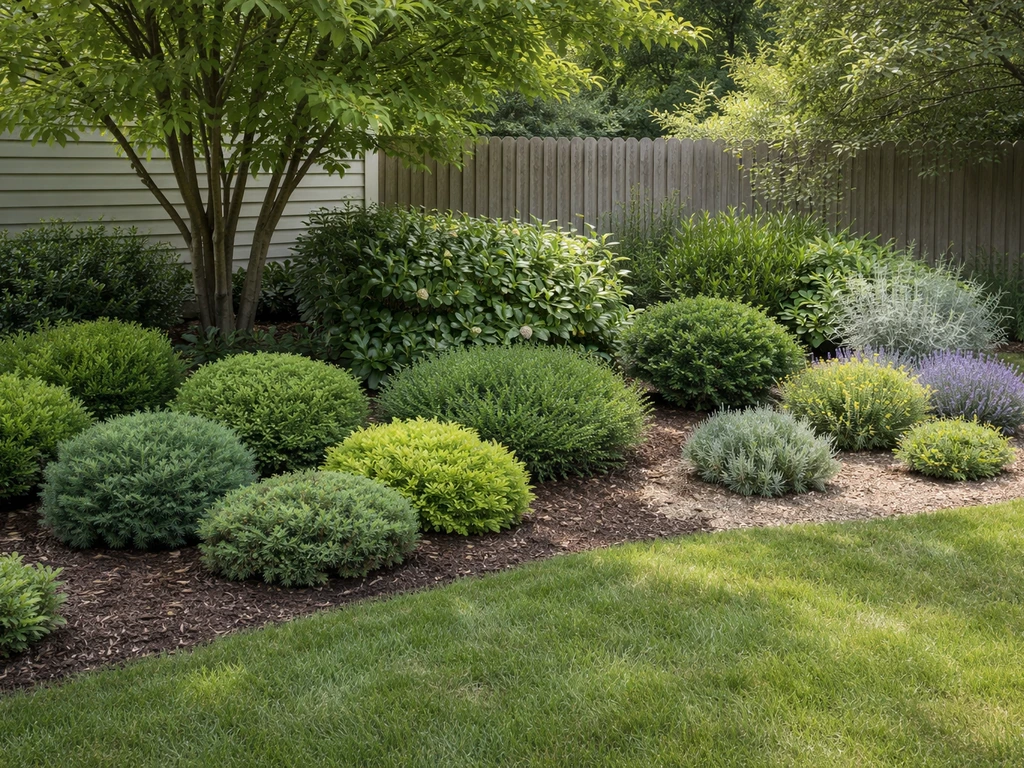
What 'grow anywhere' really means (tolerance vs magic)
When a plant tag or nursery description says a shrub 'grows anywhere,' it means the plant has wide environmental tolerance, not that it defies biology. There is no shrub that thrives in waterlogged clay, scorching full sun, frozen Zone 3 winters, AND deep dry shade simultaneously. There is no shrub that grows in any condition, meaning none handle every stressor at once grow in any condition.
What broadly adaptable shrubs actually offer is a wide band of acceptable conditions across multiple axes: they don't demand a narrow soil pH, they forgive dry spells once established, they handle both part shade and full sun without collapsing, and they survive a wider-than-average range of winter cold.
There is no shrub that thrives in waterlogged clay, scorching full sun, frozen Zone 3 winters, AND deep dry shade simultaneously, but plants that can grow in any climate are still a tolerance game, not a biology-defying miracle.
The key axes of tolerance are cold hardiness (measured by USDA Plant Hardiness Zones, which estimate average annual minimum winter temperatures), heat tolerance, drought tolerance once established, light flexibility (full sun through part shade, or in some cases near-full shade), soil texture tolerance (clay through sand), soil pH tolerance (acid through neutral or slightly alkaline), and moisture tolerance (dry to medium or medium to wet). A genuinely 'grow anywhere' shrub scores acceptably across most of these, but no shrub scores perfectly on all of them. Beautyberry, for example, handles clay to sand soils and full sun to near-full shade, but it will die back to the ground in a harsh Zone 5 or 6 winter. That's not failure, that's the edge of its range.
The other thing worth understanding is the difference between 'tolerant' and 'loving.' Most shrubs labeled shade-tolerant actually perform best in dappled or partial shade, or in a morning-sun-afternoon-shade pattern. They survive deeper shade but often grow slower and bloom less. When you're matching a shrub to your site, 'tolerant' means it won't die there, not that it will perform its best there. Keep that distinction in mind throughout this guide.
Quick checklist: your site conditions
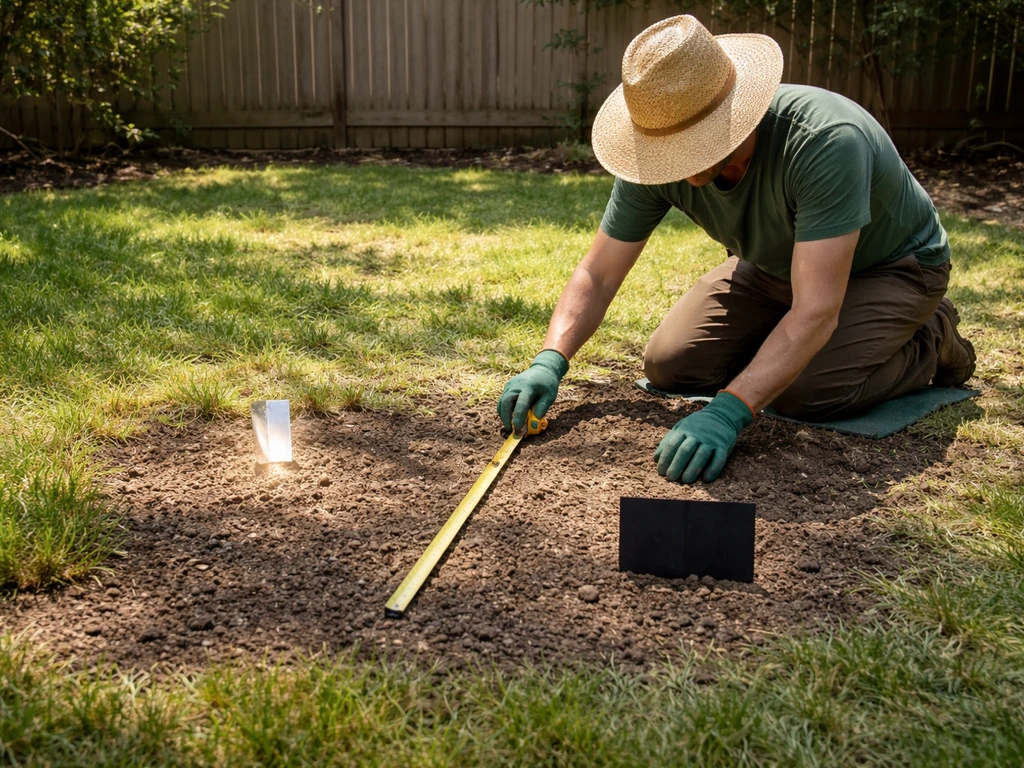
Before you pick a shrub, spend five minutes honestly assessing your planting spot. If you want the right options, use a guide that lists plants by each soil type so you can match texture and moisture to the shrub’s tolerance assessing your planting spot. You don't need lab equipment for most of this, just observation and one or two simple tests. If you also need a ground cover that will grow anywhere, use the same tolerance thinking, then filter by your light, drainage, and winter limits.
- Sun and shade: Count how many hours of direct sun the spot gets in summer. Full sun is 6+ hours, part shade is 3 to 6 hours, full shade is under 3 hours. Remember that shade patterns shift with the seasons.
- Soil texture: Grab a wet handful and squeeze it. Clay holds its shape and feels slick. Sand falls apart immediately. Loam (the ideal middle) holds shape briefly then crumbles. Clay drains slowly and stays wet; sand drains fast and dries quickly.
- Drainage: Dig a hole about 12 inches deep, fill it with water, and time how long it takes to drain. If it's still full after an hour, drainage is poor. Most 'broadly adaptable' shrubs still want reasonably well-drained soil.
- Soil moisture over time: Does the spot stay moist after rain? Does it turn bone dry by midsummer? Observe it across a few weeks if possible, or ask a neighbor who has gardened nearby.
- Soil pH: A basic home soil test kit (under $15 at most garden centers) will give you a rough pH reading. Most broadly adaptable shrubs prefer slightly acidic to neutral soil (roughly pH 5.5 to 7.0), but some handle a wider range.
- Winter cold zone: Look up your USDA Plant Hardiness Zone using your zip code. This tells you the average minimum winter temperature range your site experiences, which is the primary factor in shrub cold survival.
- Heat and humidity: If you're in the deep South, Gulf Coast, or a hot interior valley, heat and summer humidity matter as much as cold. Some shrubs rated cold-hardy still struggle in sustained heat above 90°F.
- Wind and salt exposure: Coastal sites and open hilltops need shrubs with wind and salt tolerance. This is a narrower filter but an important one if it applies to you.
Top broadly adaptable shrub picks
These are the shrubs I recommend most often when someone needs something reliable across variable conditions. None are magic, but all have genuinely wide tolerance bands compared to most ornamental shrubs. The table below summarizes the key tolerance ranges, and I've added notes below on where each one still has limits.
| Shrub | USDA Zones | Light | Soil | Moisture | Key limits |
|---|---|---|---|---|---|
| Ninebark (Physocarpus opulifolius) | 2–8 | Full sun to part shade | Clay to sand, slightly acidic preferred | Dry to medium, well-drained | Needs good drainage; shade tolerance decreases in northern range |
| Viburnum (various species) | 3–9 depending on species | Full sun to part shade | Most types, well-drained | Medium; drought-tolerant once established | Species vary widely; check species-level hardiness |
| Gray Dogwood (Cornus racemosa) | 3–8 | Full sun to part shade | Wide range; clay-tolerant | Dry to wet; wide moisture tolerance | Can spread aggressively by suckers |
| Beautyberry (Callicarpa americana) | 6–10 | Full sun to near-full shade | Clay to sand | Medium; adaptable | Dies back in Zone 5–6 harsh winters; not for far-north gardens |
| Serviceberry (Amelanchier spp.) | 3–9 depending on species | Full sun to part shade | Adaptable; prefers loamy | Dry to medium; drought-tolerant once established | Prefers well-drained; some species site-specific |
| Large Fothergilla (Fothergilla latifolia) | 4–8 | Full sun to part shade | Adaptable; average moisture preferred | Medium-moist, well-drained | Prefers acidic soil; does not like wet feet |
Ninebark
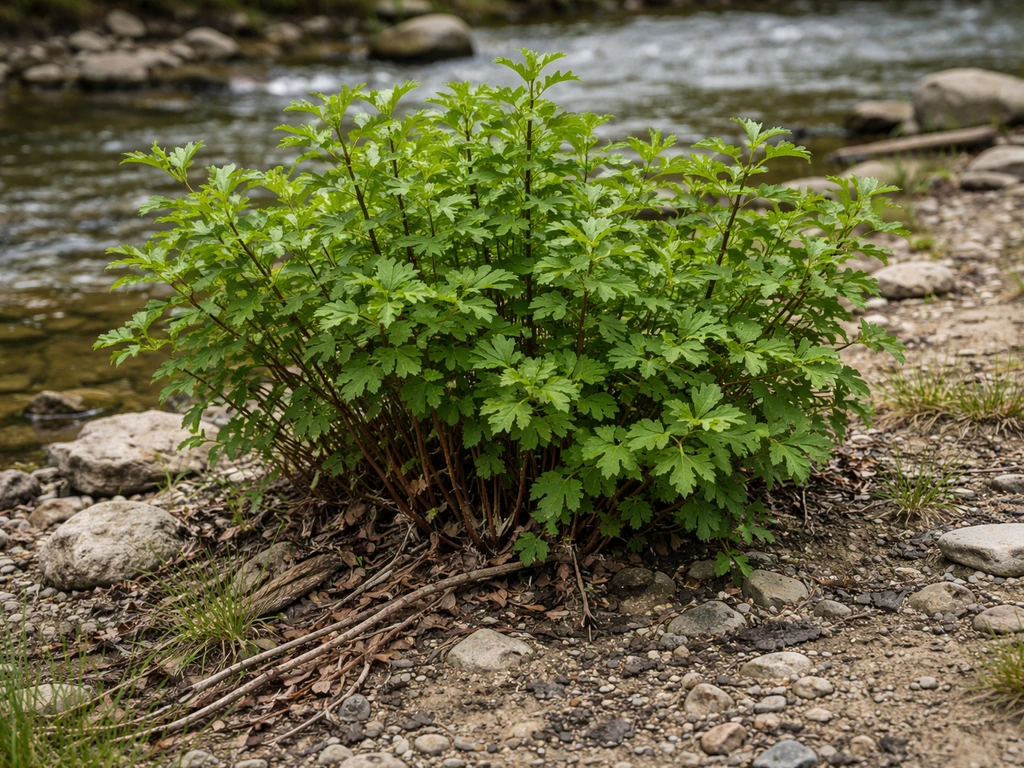
Ninebark is probably the most genuinely tough shrub on this list. It grows on rocky hillsides, streambanks, and disturbed soils across a huge geographic range, from Zone 2 into Zone 8. Common ninebark (Physocarpus opulifolius) is listed as hardy across USDA Hardiness Zones ranging from 2a through 8b (including 2a, 8b subzones) [Common ninebark is hardy across USDA zones 2a through 8b](https://plants. ces.
ncsu. edu/plants/physocarpus-opulifolius/common-name/common-ninebark/). It handles dry to medium moisture, tolerates clay and sandy soils, and grows in full sun to part shade. In the northern part of its range it does best in full sun; in the south, it actually appreciates some afternoon shade to offset heat stress.
That's the kind of nuance 'tolerant' really means: it won't die in either situation, but optimal placement still matters. Drainage is the one non-negotiable: ninebark does not want waterlogged soil.
Viburnum
Viburnum is a genus, not a single plant, and the species-level variation is enormous. As a group, viburnums are well-adapted to most soil types as long as drainage is reasonable, they handle sun and part shade well, and many species show solid heat and drought tolerance once established. The most broadly adaptable species include arrowwood viburnum (Viburnum dentatum, Zones 2 to 8) and blackhaw (Viburnum prunifolium, Zones 3 to 9). Always check the species, not just 'viburnum,' before assuming Zone compatibility.
Gray Dogwood
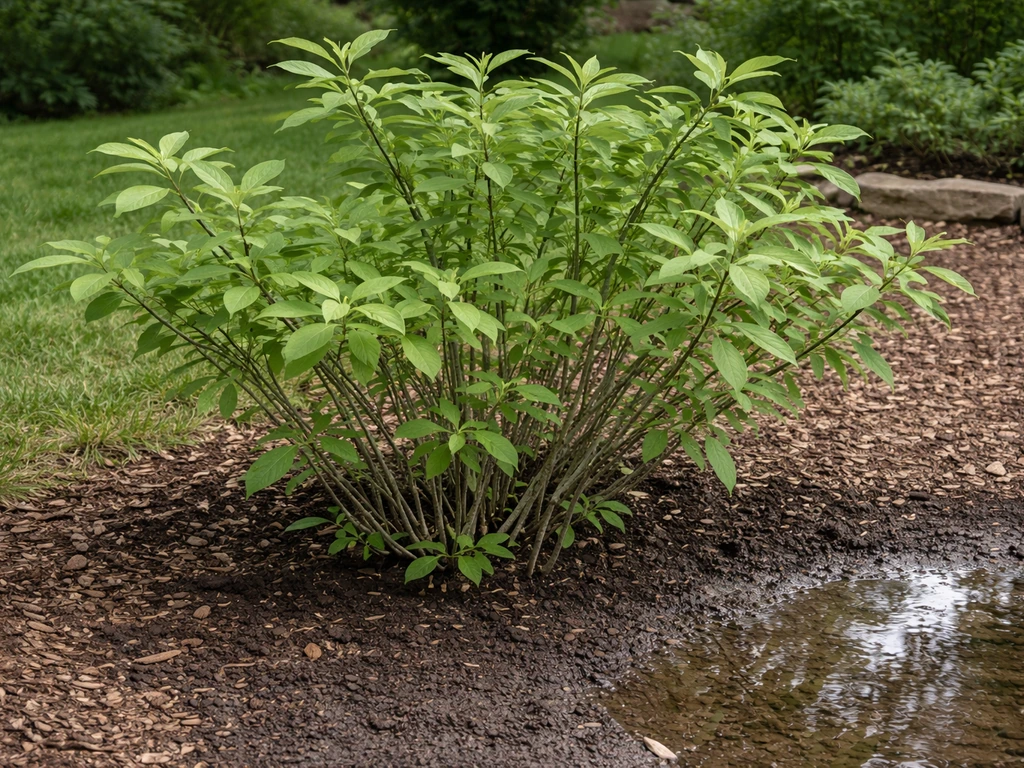
Gray dogwood is one of the few shrubs that handles a genuinely wide range of soil moisture, from seasonally dry to periodically wet, which most shrubs cannot do. It also tolerates clay, poor fertility, full sun, and part shade across Zones 3 to 8. The trade-off is that it spreads by root suckers and can colonize an area quickly. That's useful in a restoration or naturalistic planting but less ideal in a formal bed.
Beautyberry
Beautyberry earns its spot on this list because of its unusual light tolerance: it genuinely performs in near-full shade as well as full sun, which most 'adaptable' shrubs cannot claim. It also handles clay and sandy soils. The hard limit is cold: in Zones 5 and 6, it commonly dies back to the ground in harsh winters. It comes back from roots in many cases, but if you need a reliably woody structure above ground through winter, beautyberry is not your plant north of Zone 6.
Serviceberry
Serviceberry is adaptable to most soil types, handles full sun to part shade, and becomes meaningfully drought-tolerant after its first year or two in the ground. Coastal serviceberry (Amelanchier obovalis) is particularly well-suited to sandy, well-drained sites in the Southeast. Other Amelanchier species extend the range into colder zones. Like viburnum, check the species before assuming range.
Large Fothergilla
Fothergilla is a slightly more specialized pick but earns a place here because of its adaptability to varying soil types and its reliability across Zones 4 to 8 in average-moisture, well-drained conditions. It prefers acidic soils, which is actually an advantage on many Eastern US sites where soil pH naturally runs low. It does not like wet feet, so drainage is the main thing to check.
Planting and establishment steps for reliable success
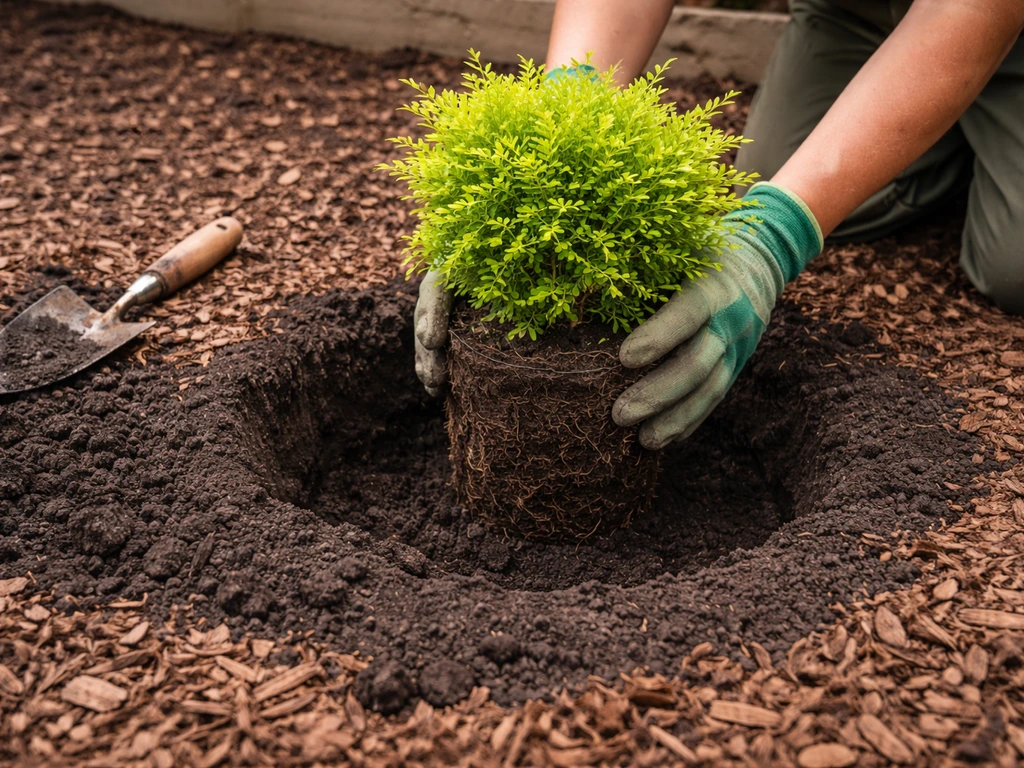
The number one reason 'adaptable' shrubs fail isn't the wrong species choice: it's poor establishment. A shrub that could handle your site long-term often dies in year one because it never got established properly. These steps apply to all the shrubs above.
- Plant at the right time of year. In most temperate climates, early spring and fall are ideal because temperatures are cooler and rainfall is more reliable. Avoid planting in midsummer heat unless you're prepared to water consistently for weeks.
- Prep the planting hole correctly. Dig it two to three times as wide as the root ball but only as deep as the root ball height. Setting a shrub too deep is one of the most common causes of slow decline. The top of the root ball should sit level with or slightly above the surrounding soil.
- Amend only if needed. For broadly adaptable shrubs, you generally don't need to heavily amend the backfill. If your soil is extremely compacted clay, loosening it and mixing in some compost helps. But don't create a 'bathtub' of rich soil surrounded by poor native soil, which can cause roots to circle rather than spread.
- Water thoroughly at planting and keep soil consistently moist (not wet) for the entire first growing season. Most establishment failure happens because watering tapers off too early, typically after a few weeks, when roots are still shallow. Plan on weekly deep watering in the absence of rain through the first full summer.
- Mulch immediately after planting. Apply 2 to 4 inches of organic mulch in a wide ring around the shrub, keeping it a few inches away from the stems. Mulch moderates soil temperature, retains moisture, and suppresses competing weeds during the critical first year.
- Don't over-fertilize young shrubs. A light application of a balanced slow-release fertilizer at planting is usually plenty. Heavy fertilization pushes soft new growth that is more vulnerable to drought and frost stress.
- Space correctly from the start. Resist the urge to plant too close. Check the mature spread of your chosen shrub and space accordingly. Crowded shrubs have more disease pressure and don't develop their natural form.
Maintenance and troubleshooting
Won't grow or barely grows
Slow growth in year one is normal: most shrubs spend their first season building roots, not shoots. But if a shrub shows no meaningful new growth by midsummer of year two, the usual culprits are poor drainage (roots sitting in saturated soil), soil pH far outside the plant's tolerance, or compaction preventing root spread. Check drainage first by probing the soil with a finger or rod after rainfall: if it stays saturated for more than a day or two at root depth, drainage is the problem.
Dies back in winter
Dieback to the ground in winter means the plant experienced temperatures colder than its stem hardiness threshold. This is distinct from root hardiness: many shrubs, including beautyberry, survive as roots and re-sprout from the base each spring. If this is happening repeatedly, you have two options: accept it and treat the shrub as an herbaceous perennial, or replace it with a species rated two zones colder than your actual zone to build in a buffer for harsh winters.
Grows slowly after establishment
Once past year two, persistent slow growth usually points to insufficient light (many shrubs slow significantly below 3 hours of direct sun even if technically shade-tolerant), soil compaction from foot traffic or heavy equipment, or sustained drought with no supplemental water. Identify which one applies and address it: thin competing tree canopy if possible, aerate compacted soil, or establish a watering routine during summer dry spells.
Looks stressed but isn't dead
Leaf scorch (brown leaf edges), wilting during afternoon heat, or sparse foliage often signals heat stress or inconsistent moisture rather than a wrong plant choice. Broadening the mulch ring, increasing watering frequency during heat waves, and waiting until the plant is more established often resolves this without changing species.
How to choose the right cultivar for your zone and microclimate
Species-level adaptability is the starting point, but cultivar selection can extend or restrict that range. A cultivar bred for compact size may have slightly less cold hardiness than the straight species. A cultivar selected for ornamental leaf color may have been developed in a different regional climate than yours. Always check the cultivar's stated hardiness zone range, not just the species range.
Microclimates matter enormously. A south-facing wall can push your effective growing zone one full zone warmer, allowing you to grow shrubs rated to Zone 6 in a Zone 5 garden if you place them against that wall. Conversely, a north-facing slope or a frost pocket at the bottom of a hill can make your site effectively one zone colder than your official zone. Ninebark and viburnum in particular have cultivars that have been tested across wide geographic ranges: look for ones selected in climates similar to yours.
For sites with unusual soil chemistry, such as high pH (alkaline) soils in the Midwest and West, or highly acidic sandy soils in the Southeast, check whether the cultivar has any specific soil pH notes. Fothergilla, for example, is better matched to acidic soil conditions and would be a poor choice on a high-pH limestone-derived soil regardless of how 'adaptable' the species is described as being.
If you're planting in a coastal environment with salt spray and wind exposure, the standard list of 'adaptable' shrubs narrows considerably. Gray dogwood and some viburnum species have demonstrated reasonable salt tolerance, but this is a condition worth verifying specifically rather than assuming from general adaptability claims.
A simple decision guide and next steps
Use this workflow to narrow from the list above to the right shrub for your specific spot.
- Determine your USDA Zone first. Look it up by zip code at the USDA Plant Hardiness Zone Map site. This eliminates shrubs whose cold tolerance doesn't match your winters. Beautyberry drops off below Zone 6; everything else on the list above works in Zone 4 or colder.
- Assess your drainage. If the hole-fill test shows poor drainage (still full after an hour), gray dogwood is your safest bet from this list. Everything else prefers well-drained conditions.
- Check your light. If you have fewer than 3 hours of direct sun, beautyberry is your best broad-tolerance option. For part shade (3 to 6 hours), all five main picks work. For full sun, ninebark and viburnum are especially reliable.
- Factor in soil pH. If you know your soil is alkaline (pH above 7.0), lean toward viburnum or gray dogwood and away from fothergilla, which strongly prefers acidic conditions.
- Look up the specific species and cultivar at a reliable database such as the NC Extension Gardener Plant Toolbox or your state cooperative extension service. Verify the hardiness zone, moisture, and soil pH listed for the exact plant, not just the genus.
- Buy from a local or regional nursery when possible. Plants propagated from regional stock tend to be better adapted to local climate extremes than plants grown in a very different climate and shipped in.
- At purchase, check that the root ball is firm, moist, and not circling the pot heavily. A pot-bound root system that has been circling for too long will establish poorly regardless of species toughness.
- After planting, mark your calendar for weekly watering checks through the first full summer season. Most adaptable shrubs become genuinely low-maintenance after year two, but that first year of consistent moisture is not optional.
The same principles that apply here overlap with broader questions about plants that can grow in any condition or in any climate: the honest answer is always that 'widely adaptable' is a range, not a guarantee. Matching even the toughest shrub to your actual site conditions, getting the establishment period right, and choosing a cultivar suited to your specific zone and microclimate is what makes the difference between a shrub that merely survives and one that actually performs year after year. If you are also curious about what plants grow from bird seed, the same idea applies: match the right seeds to your conditions and understand what is likely to sprout where you live.
FAQ
What’s the fastest way to tell if drainage is truly the issue for a “tolerant” shrub?
After a heavy rain, check the soil at root depth (not just the surface) and see whether it stays saturated for more than a day or two. If you can form a sticky clump from the subsoil when it should be dry, that’s a drainage red flag even if the plant survives the first season.
Should I trust a nursery tag that says “shade tolerant” but my yard gets only a couple hours of sun?
Usually no. “Tolerant” means it won’t die immediately, but under very low light you often get slow growth and weak flowering. If you can’t provide at least a few hours of direct sun for most of the growing season, plan on more frequent pruning, less bloom, or choose a different plant category.
How do I handle a shrub like viburnum when the listing just says “Viburnum sp.”
You should not treat the whole genus as one plant. Species vary dramatically in cold hardiness, moisture needs, and eventual size, so confirm the exact species name on the label or in the product description before buying.
What’s the difference between a shrub dying back and a shrub being dead?
Look for basal re-sprouting and live cambium. If stems are blackened or brittle but you still see new shoots from the base or root crown in spring, the plant may be surviving at the root level. If there is no new growth from the base after several weeks, consider replacement rather than waiting all season.
If beautyberry dies back in Zone 5 or 6, can I “fix” it with better watering or mulch?
Mulch and smart watering can reduce stress, but they cannot change winter temperature. For a shrub that repeatedly re-sprouts from the ground, treat it as an acceptable dieback-to-perennial habit, or choose a shrub rated for a colder zone to keep above-ground structure through winter.
Do these shrubs need soil amendments to grow “anywhere”?
Often they do not, but they do need their preferred baseline conditions. The bigger mistake is over-correcting, like adding lots of compost to waterlogged clay. If drainage is marginal, prioritize aeration, improving site structure, or planting on a slight berm before adding amendments.
How do microclimates change which zone rating I should use?
Use your “planting microclimate,” not just the county zone. South walls and sheltered courtyards can warm sites by about a zone, while frost pockets (low spots, bottoms of slopes) can behave a zone colder. If you are between ratings, prefer the colder option for the shrub’s hardiest parts.
Can I plant these shrubs in heavy clay and still expect them to thrive?
Some can handle clay, but they still require non-waterlogged conditions. If clay stays saturated, the shrub may survive temporarily and then decline. For reliable results, ensure drainage improves with raised planting, root-zone shaping, or adding coarse organic material to the planting mix only if your soil stays too dense when wet.
Do cultivar choices change the “grow anywhere” claims significantly?
Yes. A compact or novelty cultivar can have a slightly narrower tolerance than the straight species, especially for cold hardiness or heat performance. Always check the cultivar’s stated hardiness range, not only the species range, and match it to your coldest winter outcome, not your average.
What should I do if my shrub grows slowly in year one to year two even though it seems planted correctly?
Re-check light, compaction, and summer moisture consistency. Foot traffic and heavy equipment can compact soil and slow root spread. Also confirm you’re not relying on natural rainfall in the first summer, because inconsistent moisture can look like “wrong plant” even when the species is right.
How can I tell whether leaf scorch is from heat stress or from inconsistent watering?
Heat stress often shows as browning at edges during hot afternoons, while inconsistent watering can cause wilting plus scorch that improves after a watering or cooler weather. If scorch comes and goes with watering or heat waves, focus on a stable watering routine and a properly sized mulch ring (not mulch piled against stems).
Are any of these shrubs good choices for coastal salt spray and wind?
Potentially, but you should verify salt tolerance for the specific species before committing. General adaptability does not automatically include salt spray, and wind drying can mimic drought stress. If you see frequent browning on exposed foliage after windy salt events, relocate the plant or add a windbreak.
Should I worry about a shrub spreading if I choose one that colonizes by suckers?
Yes, especially gray dogwood, which can spread by root suckers. If you’re planting in a formal bed or near foundations, install root barriers or place it where spreading is acceptable. In restoration-style plantings it can be a benefit, in controlled spaces it becomes maintenance and boundary creep.