Sedums, thyme, lavender, saxifrage, sempervivum, and alpine plants like lewisia are some of the best plants for stony ground, but the real answer depends on what kind of 'stones' you're dealing with. A gravel bed, a rock crevice, a scree slope, and thin soil over bedrock all look rocky, but they put very different pressures on plants. Once you understand the actual constraints (fast drainage, low nutrients, heat retention, and limited root depth), picking the right plants gets much easier. Because of the drainage, shallow rooting depth, and heat swings in stony spots, many alpine and xeric plants are the ones that do best.
What Plants Grow Well in Stones: Rocky Ground Guide
Dr. Marcus Weatherby
6 Jun 2026
What 'stones' actually means for plant survival
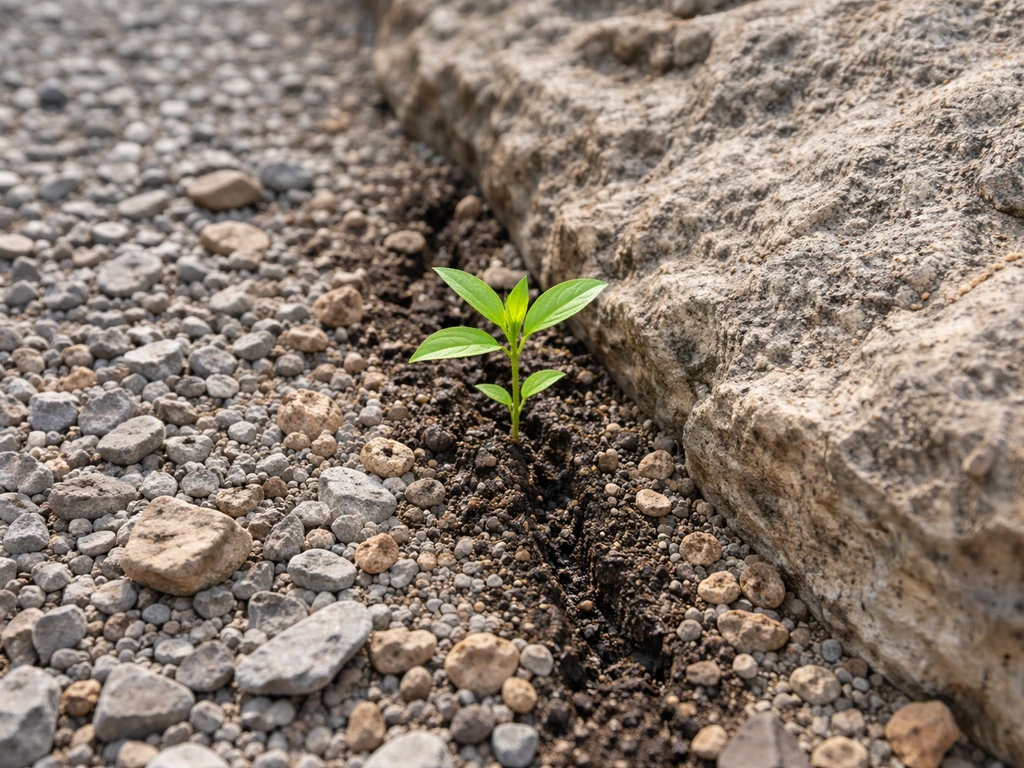
When we say a site is 'stony,' plants experience a handful of conditions that most garden plants can't handle. First, drainage is extreme. Water moves through grit and rock gaps fast, so roots never sit in moisture for long. Second, the soil volume available to roots is genuinely small. The effective rooting depth is defined as the distance from the surface down to a layer that stops roots, and that barrier is often rock or packed gravel sitting just 6 to 12 inches below the surface. Third, nutrient levels are low because there's little organic matter to break down and any nutrients that do exist leach through quickly. Fourth, stony ground absorbs and radiates heat, so the root zone can swing between very hot in full sun and sharply cold at night or in winter. That combination, fast drainage, shallow depth, lean fertility, and thermal extremes, is exactly what alpine and xeric plants have evolved to handle.
There's also a useful flip side. In areas with partial shade or north-facing exposures, rock crevices and pockets trap moisture surprisingly well. Ferns and even some mosses establish in shaded rock faces where water collects in thin soil channels. So 'rocky' doesn't always mean dry. It means variable, which is why matching the plant to the specific microclimate within your rocky site matters more than picking a generic 'rock garden plant.'
Quick checklist: matching plants to your exact rocky site
Before buying anything, run through these five questions. Your answers point directly to which plants will work and which will fail within a season.
- Sun exposure: Is this spot full sun (6+ hours direct sun), part shade (3-6 hours), or mostly shaded? This single factor eliminates or opens up most of the plant list.
- Effective soil depth: Can you get a trowel down 8 to 10 inches, or does rock stop you at 3 to 4 inches? Plants like lavender and sedum tolerate shallow depths; others need at least 8 to 10 inches to anchor and overwinter.
- Moisture pattern: Does water collect and sit in any pockets after rain, or does everything drain within minutes? Wet pockets can take moisture-tolerant ferns or ajuga; fast-draining gravel is sedum and thyme territory.
- Climate zone and frost dates: What is your USDA hardiness zone? Many alpine rock plants are rated for zones 3 to 7; Mediterranean herbs like lavender prefer zones 5 to 9. Knowing your zone immediately filters the list.
- Wind exposure: Is the site sheltered or exposed? Wind accelerates drying on stony ground dramatically, and some delicate alpines need shelter from desiccating winds even if they tolerate cold.
Best plant types for different rocky zones
Rocky ground isn't one habitat. Here's how to think about the main types and what genuinely thrives in each.
Rock crevices and tight stone gaps
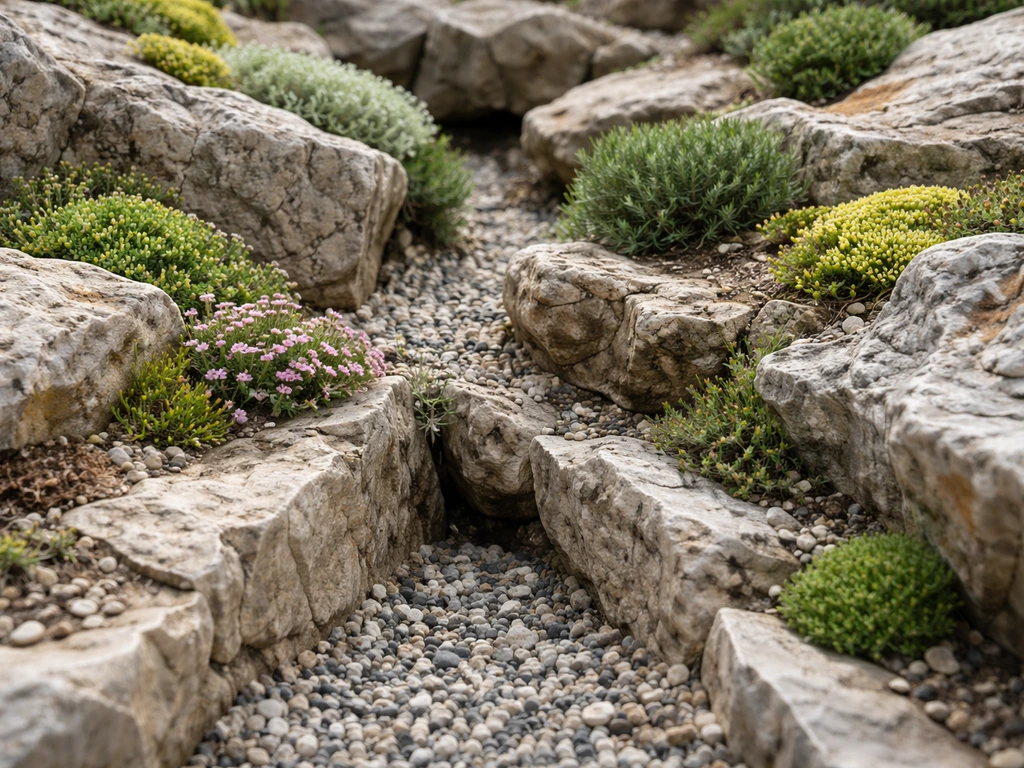
Crevice gardening is a recognized technique that deliberately mimics alpine conditions by placing plants in narrow soil channels between vertical slabs of rock. Plants that grow in rock crevices are called crevice plants, and they are chosen for their ability to thrive in narrow soil channels Crevice gardening. The plant list for true crevices is specific: saxifrage (Saxifraga spp.) and lewisia are classic picks recommended for tight rock-garden habitats because their rosette form and minimal root mass let them exploit tiny soil volumes. Sempervivum (hens and chicks) are similarly adapted and tolerate both full sun and the freeze-thaw cycles that crack less hardy plants out of crevices. Sedum spathulifolium works well in crevices too, especially in Pacific Northwest-style rock gardens where moisture is more available in spring. The key is that crevice plants must handle almost no lateral root expansion. They go deep (relatively) into the soil channel between stones rather than spreading wide.
Gravel beds and loose stone mulch areas
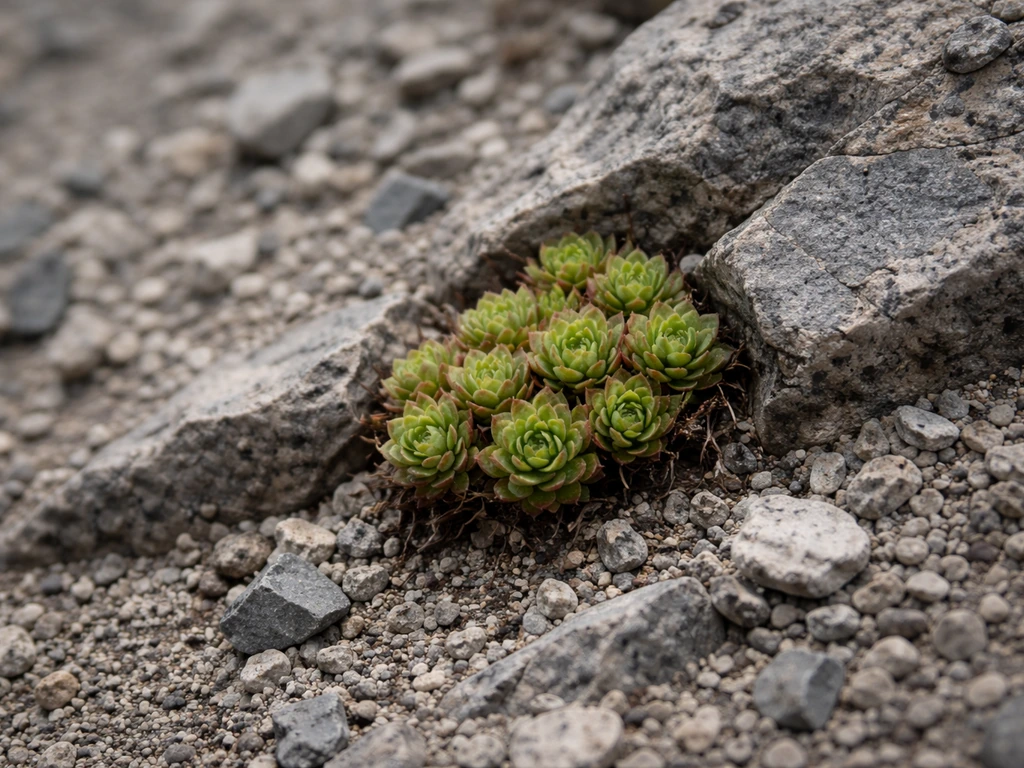
Gravel beds are the most forgiving rocky situation because you can control the soil underneath. Sedum acre (wall pepper) thrives here, tolerating drought and dry, shallow, rocky soil in full sun and even handling a bit of light shade. English lavender planted in dry, gravelly soil and spaced 18 to 24 inches apart is a reliable choice in zones 5 to 8, needing only about half a gallon of water every two weeks until established, then essentially thriving on rainfall alone. Creeping thyme, woolly thyme, and rock rose (Cistus in milder climates) all suit gravel beds. Purple poppy mallow is worth considering in prairie-climate regions; it's a mat-forming perennial that persists in dry, rocky soil along roadsides and fields naturally.
Scree and thin soil over rock
Scree is constantly shifting, nutrient-starved, and fast-draining. True scree plants like Draba, Edraianthus, and compact Dianthus species have taproots that push down between stones seeking stable soil. Sedums again excel here, particularly smaller species and cultivars. The rule for scree is: no compost-heavy planting mix, no mulch that holds moisture, and no plants that need more than 4 to 5 inches of rooted soil. Dwarf conifers placed into rock-garden pockets (not pure scree) can work if you excavate at least 10 inches of improved soil for them at planting.
Rock garden pockets and constructed beds
Rock garden pockets are the most flexible zone because they have some engineered soil depth and drainage. Perennial alpine plants, dwarf conifers, and miniature conifers all perform well here. You can also grow ornamental alliums, alpine phlox, and compact ornamental grasses. North-facing pockets with some shade are where polypody ferns, moss, and even some ajuga species will establish if there's enough retained moisture. These shade-side pockets are a different microhabitat entirely from a sun-baked scree face sitting three feet away.
Drought-tolerant, low-nutrient plant picks by use
| Use | Plant | Key conditions | Zones |
|---|---|---|---|
| Groundcover | Sedum acre (wall pepper) | Full sun, dry to medium, shallow rocky soil, tolerates light shade | 3-9 |
| Groundcover | Sempervivum (hens and chicks) | Full sun, very shallow soil, crevices, excellent frost tolerance | 3-8 |
| Groundcover | Creeping thyme (Thymus serpyllum) | Full sun, well-drained gritty soil, foot-traffic tolerant | 4-9 |
| Groundcover | Purple poppy mallow (Callirhoe involucrata) | Full sun, dry/rocky prairie-type soil, taproot, very drought tolerant | 4-9 |
| Edging/border | Sedum hybrid (e.g., Rock 'N Low series) | Full sun, poor to average well-drained soil, no waterlogging | 3-11 |
| Edging/border | Dianthus (rock pink) | Full sun, lean well-drained soil, limestone-friendly | 3-9 |
| Edging/border | Alpine phlox (Phlox subulata) | Full sun to light shade, gritty or rocky well-drained soil | 3-9 |
| Herbs | English lavender (Lavandula angustifolia) | Full sun, dry gravelly soil, 18-24 inch spacing, minimal water once established | 5-8 |
| Herbs | Oregano (Origanum vulgare) | Full sun, thin rocky or chalky soil, very drought tolerant once established | 4-9 |
| Herbs | Thyme (Thymus vulgaris) | Full sun, well-drained gritty soil, tolerates poor fertility | 4-9 |
| Crevice/wall specialist | Saxifraga (rockfoil) | Part sun to shade, cool moist crevice, humus-rich pockets | 3-8 |
| Crevice/wall specialist | Lewisia columbiana | Part sun, sharply drained crevice, summer-dry tolerance | 4-8 |
| Shade rock pocket | Polypody fern (Polypodium spp.) | Shade to part shade, moist rocky/mossy surfaces, humus pockets | 3-8 |
One important note on sedums: they do not tolerate overwatering. Keeping them consistently wet causes leggy, weak growth and root rot. If your stony area holds water in a low spot, sedums are the wrong pick for that exact microspot, even if the rest of the bed drains perfectly.
How to actually plant in rocky areas and get them to establish
Creating planting pockets in rock
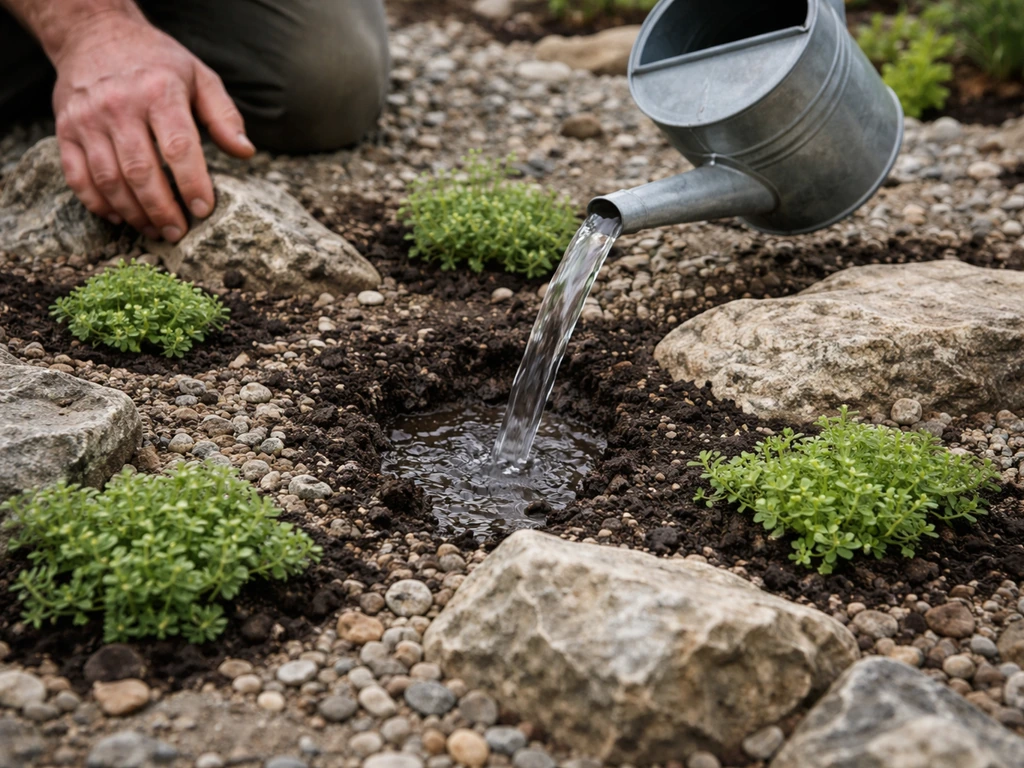
The single most effective technique is soil pocketing. Where rock or compacted gravel stops root depth, excavate a pocket at least 8 to 10 inches deep and 10 to 12 inches wide. If you hit clay underneath rock, consider adding gypsum to break up the clay layer, which helps drainage beyond the pocket. Fill the pocket with a lean, gritty mix rather than straight compost. A reliable recipe based on crevice-garden practice: 1 part garden soil, 1 part mushroom compost or similar, and 1 part perlite, coarse sand, or fine crushed gravel. Some crevice specialists go even leaner: half soil and half large perlite or expanded shale. The goal is a mix that holds just enough moisture for roots to find between rain events but drains within a few hours.
Spacing and establishment watering
Space groundcovers generously at first. Creeping thyme and sedum will fill in, but cramming them together in rocky ground with limited soil volume invites competition stress early on. For lavender, 18 to 24 inches apart is the proven spacing. Water new plantings regularly for the first 4 to 6 weeks to help roots establish, then taper off sharply. Once xeric and alpine plants are established, they actively do better with less water. Overwatering during the establishment phase is a common failure point on stony sites because the gardener keeps watering at a rate suited to conventional beds.
Mulch and surface cover
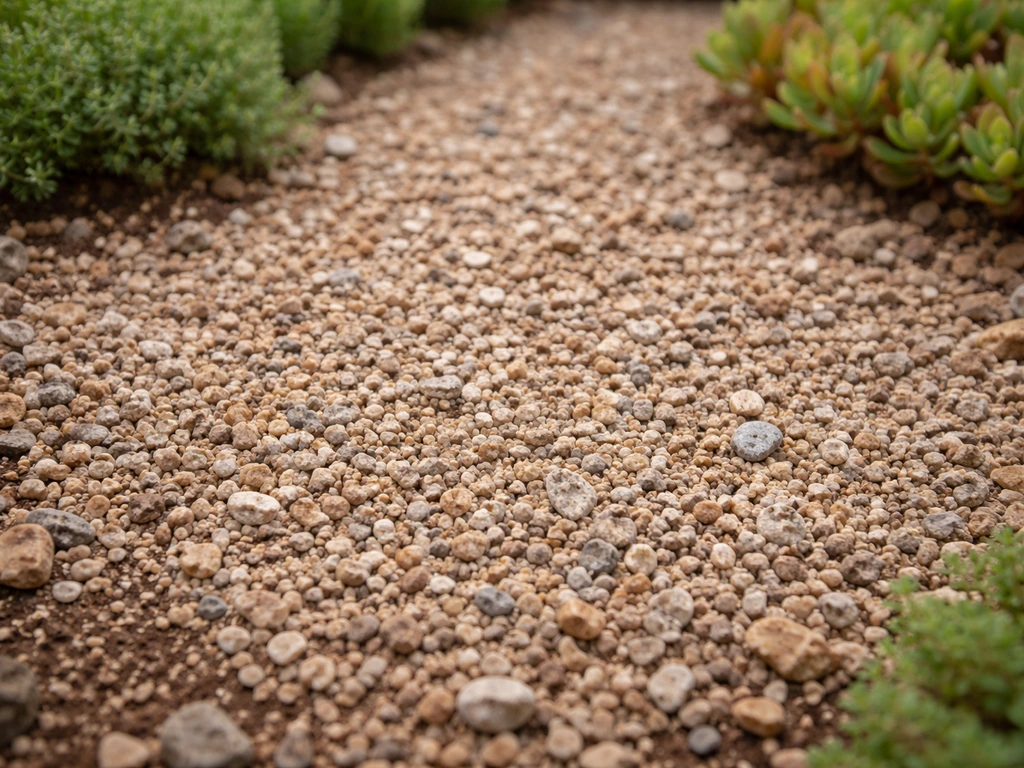
Exposed soil between plants on rocky ground dries fast and invites weeds that outcompete your plants. Use a rock mulch or fine grit layer (3/8 inch crushed granite or pea gravel) rather than organic bark mulch. Organic mulch holds too much moisture against the crowns of drought-adapted plants and can cause rot. A grit layer reflects heat upward slightly (which rock plants tolerate), suppresses weeds, and still lets rain percolate through. Keep the grit layer about 1 to 2 inches thick and pull it back from the crown of each plant so the stem base stays dry.
Matching your plants to your region and season
Rocky-ground planting advice only works if it's calibrated to your actual climate. A sedum that sails through a Montana winter in zone 4 may burn out in a Florida zone 9 summer. Here's how to adapt these recommendations:
- Cold climates (zones 3 to 5): Focus on true alpine plants (saxifrage, lewisia, sempervivum, compact sedum species) and native prairie drought-tolerants like purple poppy mallow. Plant in spring after last frost, around late April to May depending on location. These plants need the full growing season to root down before their first winter. Avoid Mediterranean herbs like lavender in zone 4 and colder without very sheltered microclimates.
- Temperate climates (zones 5 to 7): The widest plant range applies here. Lavender, thyme, sedum, dianthus, alpine phlox, and ornamental grasses all work in well-drained rocky beds. Plant from mid-spring through early summer, or in early fall (6 weeks before first frost) to give roots time to anchor before winter.
- Warm/dry climates (zones 8 to 10): Lean toward native drought-tolerant perennials and Mediterranean herbs rather than true alpine plants, which struggle with hot summers. Cistus, creeping rosemary, ice plant (Delosperma in dry inland areas), and drought-hardy sedums work well. Plant in fall in these zones, letting plants establish over the cool season before summer heat arrives.
- Humid warm climates (zones 8 to 10 Southeast): Rocky ground planting is trickiest here because the combination of heat and humidity rots many traditional rock-garden plants. Focus on native species naturally adapted to rocky outcrops in your region, such as native Sedum ternatum for shaded rocky spots, or native Talinum and Portulaca species for sunny rocky ground.
- Seasonal timing: In all zones, avoid planting in the peak heat of summer into rocky ground. The combination of heat, fast drainage, and establishment stress is hard to overcome. Spring and early fall are the reliable windows.
It's also worth noting that rocky sites in different regions carry different native plant communities. A limestone glade in Missouri supports plants like moss phlox, prairie dropseed, and little bluestem grass that are completely different from what colonizes a Pacific Northwest basalt outcrop (where native stonecrop and red fescue dominate) or a New England granite surface (where bearberry and native sedges appear). Working with locally native species for your rocky zone type reduces irrigation and maintenance dramatically compared to transplanting exotic rock-garden plants into an unfamiliar climate.
Your next steps: a simple selection and planting plan
If you're standing in front of a rocky area right now trying to figure out what to do, here's a practical sequence that gets you to the right plants and a working setup.
- Assess your site in three minutes: count the daily sun hours, push a trowel down to find effective soil depth, and note whether any pockets collect water or drain fast. That gives you sun level, root depth ceiling, and moisture type.
- Pick your plant category: full sun and dry = sedum/thyme/lavender/dianthus; full sun and very shallow crevice = sempervivum/lewisia/saxifrage; part shade with some moisture = ferns/saxifrage/ajuga; deep gravel bed = almost any xeric perennial or herb.
- Buy plants with fibrous or tap-rooted, compact root systems: avoid plants in large nursery pots with circling roots, which signal they've been trained to wide, moist soil. Look for plants labeled drought tolerant, alpine, xeric, or rock garden on the tag.
- Prepare planting pockets: excavate to 8 to 10 inches where rock allows, backfill with a 1:1:1 mix of soil, compost, and grit, and set the plant crown at or just above the surrounding rock surface so the crown never pools water.
- Water on a tapering schedule: water thoroughly at planting, then every 3 to 4 days for two weeks, then once a week for a month, then stop routine watering and let the plant tell you what it needs. True rock-garden plants establish fastest when weaned off supplemental water.
- Surface with grit: apply 1 to 2 inches of fine gravel or crushed stone around each plant, keeping it off the crown, to suppress weeds and keep surface moisture consistent.
- Revisit in 6 weeks: healthy rock-garden plants will have minimal top growth but will have anchored roots. They won't look lush early. If a plant is dying, check for overwatering or crown rot first, not underwatering.
Rocky ground is genuinely one of the lower-maintenance garden situations once the right plants are in. The work is mostly upfront in the site assessment and planting-pocket preparation. If you're dealing with a specific variant like a river rock mulch layer, a dry stone wall face, or standing water over rock in wet weather, those situations each bring their own slightly different plant communities and setup needs. Some plants that can grow in rocks and water are adapted to shifting moisture, so they can handle wet weather pockets better than typical drought lovers. If you are figuring out what plants grow in stone walls, focus on the wall's sun exposure, drainage, and the depth of pockets where roots can reach dry stone wall. If you are using river rock mulch or building with river rock, focus on plants that tolerate fast drainage and the temperature swings common in stony beds. The principles are the same: read the drainage, check the depth, match the climate, and choose plants that evolved to do exactly what your stones demand.
FAQ
What plants grow well in stones if my site stays wet after rain?
If water lingers, prioritize plants adapted to intermittent moisture in rocky pockets, such as certain ferns or mosses in shaded crevices. Avoid sedums in the exact low spot that stays damp, because consistent wet conditions are a common cause of rot even when the rest of the bed drains.
Can I use regular potting soil in rocky areas, or do I need a special mix?
Use a lean, gritty mix for pocketing, not standard potting soil. Potting soil holds more water and organics than these plants tolerate, which increases the risk of crown rot and weak, leggy growth, especially in crevices and thin-soil pockets.
How do I know whether my rocky area is true scree versus just gravel with soil under it?
Scree typically shifts and offers very little stable rooted depth. If roots hit rock or packed gravel at roughly 4 to 5 inches (or less) and the surface moves, treat it like scree and choose taproot-capable plants with small soil demands. If you can add or excavate deeper without hitting a barrier, you likely have gravel-bed or pocket conditions instead.
What spacing should I use if I want groundcover that won’t fail in stony soil?
On stony ground with limited root volume, start with wider spacing than you would in normal beds, because early competition can stress plants before they establish. For lavender, use 18 to 24 inches as a baseline, for thyme and sedum expect to space for initial establishment then fill in over time rather than crowding at planting.
How much water is “right” during establishment on stony sites?
Water regularly for about 4 to 6 weeks after planting, then taper quickly. The goal is to help roots find moisture, not to keep the crown wet. If your stone area dries within a day or two, water can be shorter and more frequent initially, but stop once plants show stable new growth.
Why are my sedums getting leggy or falling apart in a rock bed?
Leggy growth often points to too much water and staying wet too long, or inadequate sun. Root rot is the key risk in low pockets that hold moisture, even if drainage looks fine from above. Improve that microspot with a deeper pocket, leaner mix, or switch plants away from sedum.
What mulch should I use on stony ground, bark or grit?
Prefer mineral mulch like 3/8 inch crushed granite or pea gravel as a grit layer. Keep it around 1 to 2 inches thick and pull it back from plant crowns. Bark mulch tends to hold moisture against drought-adapted crowns, which can cause rot in these conditions.
Will gypsum help if the problem is clay under the stones?
Yes, if clay under the rock restricts drainage into the pocket, gypsum can help break up compaction so water moves more effectively. It is most useful when you also correct the planting zone with pocket excavation and a gritty mix, not as a substitute for lean soil.
Do I need to weed rocky ground aggressively, or can I skip it once plants are in?
Weeding early is critical. Exposed soil dries fast, which favors weeds that can outcompete young roots in limited soil volume. After plants fill in and establish, maintenance drops, but plan on more attention for the first season.
What plants grow well in stone walls specifically, if roots only have pockets of soil?
Match plant choice to pocket depth and wall exposure. For narrow, shallow pockets, use crevice-style plants that tolerate tiny soil volumes, like saxifrage or lewisia, and keep crowns protected from constant damp. For warmer or sunnier faces with better drainage pockets, add drought-tolerant companions such as sedum or thyme.
Can dwarf conifers survive in rocky pockets?
They can, but only if you can provide enough rooted depth and avoid moisture-retentive mixes. At planting, excavate improved soil deeper than you would for low groundcovers (at least about 10 inches in pocket situations) and use a gritty medium so roots do not sit in damp, poorly drained material.
How do I choose plants for a limestone glade versus basalt or granite outcrops?
Use local context, even within the same “stony” category. Limestone areas often differ in pH and native species compared with basalt or granite surfaces, so look for plants that match your region’s native rocky communities to reduce irrigation and winter failure risk.