Red soil grows a surprisingly wide range of plants, including red maple, azaleas, blueberries, sweet potato, sorghum, groundnuts, cassava, and many native grasses and legumes. What actually matters is understanding what your specific red soil is doing chemically and physically: most red soils are iron-rich and moderately well-drained, often trending acidic, which makes them genuinely great for acid-loving plants but a challenge for anything that needs neutral or alkaline conditions. When you have ericaceous soil, the best approach is to choose plants that naturally prefer strongly acidic conditions. Once you know your soil's pH and drainage behavior, the plant list gets a lot more concrete.
Which Plants Can Grow in Red Soil: Best Picks and How to Verify
Dr. Marcus Weatherby
19 May 2026
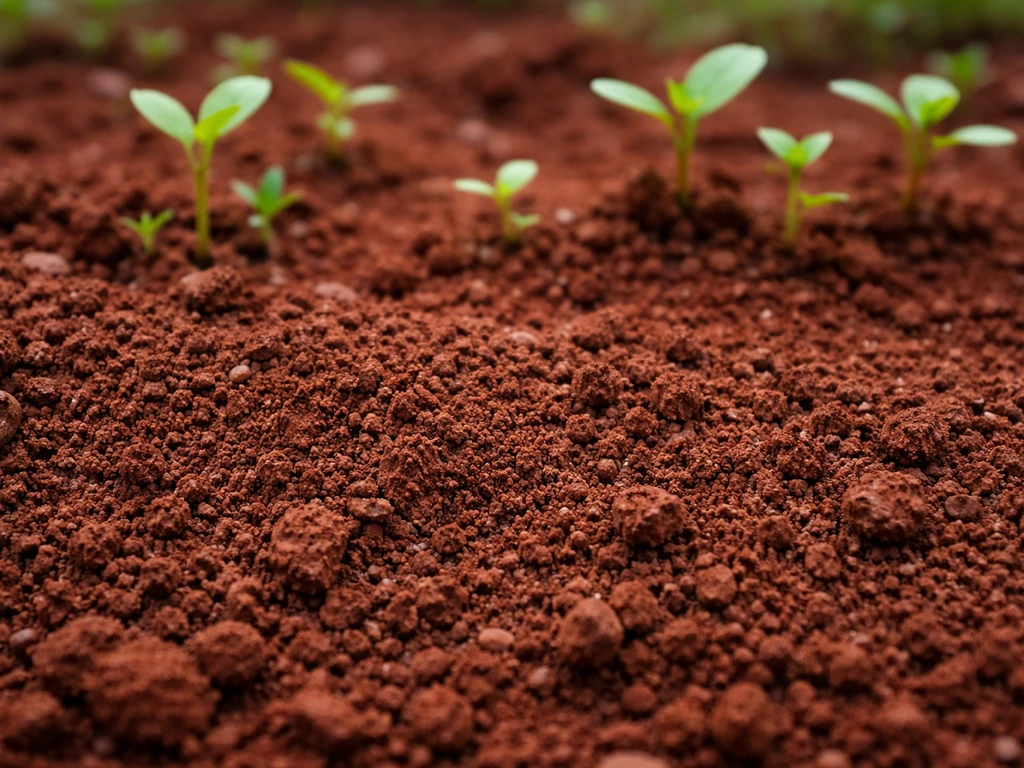
What red soil actually tells you
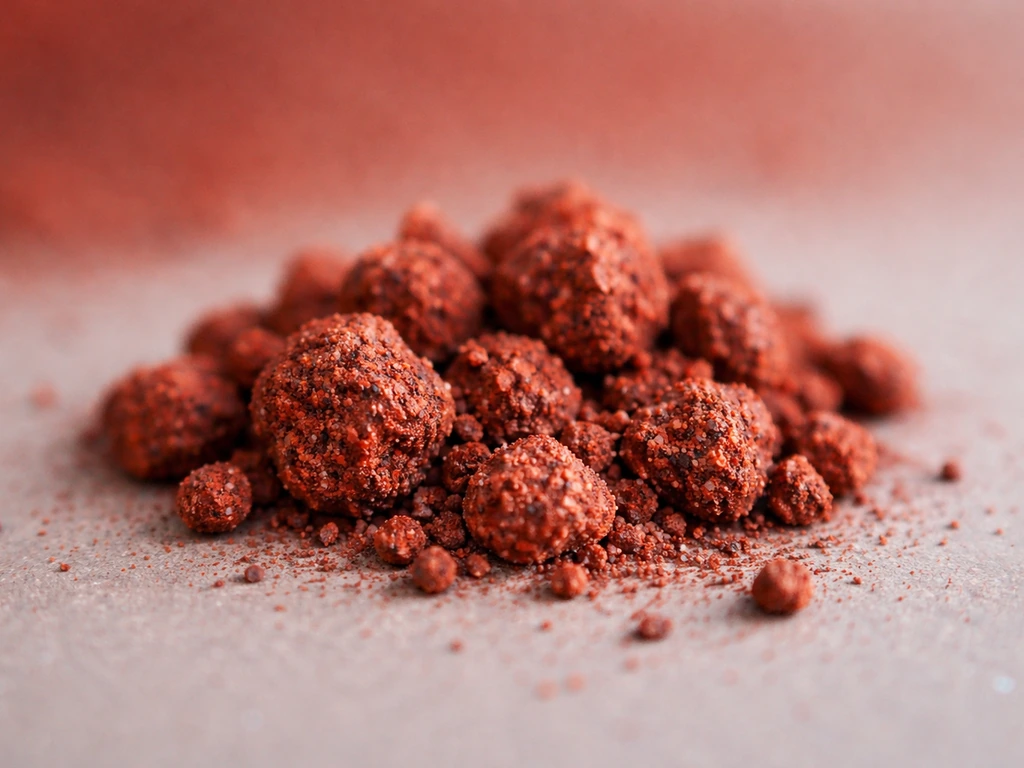
The red color comes from iron oxides, specifically minerals like hematite that coat soil particles and give that distinctive rusty or brick-red appearance. More red typically means more iron oxide has accumulated, which happens over long weathering periods in warm, well-drained landscapes. You'll find classic red soils across large parts of sub-Saharan Africa, Southeast Asia, the southeastern United States, parts of India, and northern Australia.
Knowing it's red tells you a few things upfront. First, iron is probably present in meaningful quantities. Second, the soil has likely been well-drained for a long time, which usually means lower organic matter unless you're in a forested area. Third, pH tends to run acidic to slightly acidic, though this varies. If your soil is alkaline, the plant choices change because many iron and nutrient availability patterns shift above neutral pH alkaline soil. The tricky part is that soil color alone doesn't nail down the pH or nutrient profile precisely enough to skip testing. Red clay soil in Georgia behaves quite differently from red loam in Uganda, even if they look similar in a handful.
One thing to watch for: if your red soil is also compacted or heavy in clay, waterlogging becomes a real risk. UMD Extension notes that heavy clay, compaction, and poor drainage can lead to waterlogged soil, which may cause oxygen deprivation and root death. Poor drainage in iron-rich soil can cause iron toxicity, where iron becomes so soluble in anaerobic, acidic conditions that it reaches levels harmful to roots. That's why drainage assessment is just as important as pH when you're planning what to plant.
Plants that genuinely tolerate red, iron-rich soil
The species that do best in red soil are generally ones that have evolved in iron-rich, moderately acidic, or well-drained environments. These plants either tolerate higher iron bioavailability, prefer lower pH, or have root systems that handle variable moisture well. Here's a practical breakdown by type.
Trees
Red maple (Acer rubrum) is one of the most soil-adaptable trees you can plant. It handles pH anywhere from 3.7 to 7.0, tolerates clay and sandy soils equally well, and grows across USDA hardiness zones 3 to 9. I've seen it thriving in red clay hillsides in Virginia where other species gave up. If you're in the eastern US with red soil, red maple is almost always a safe anchor tree. In tropical and subtropical regions, teak (Tectona grandis) has a long history on red laterite soils in South and Southeast Asia. Eucalyptus species are widely established on red soils in Australia and parts of Africa, where they handle the iron-rich, low-phosphorus conditions that trip up many exotic species.
Shrubs
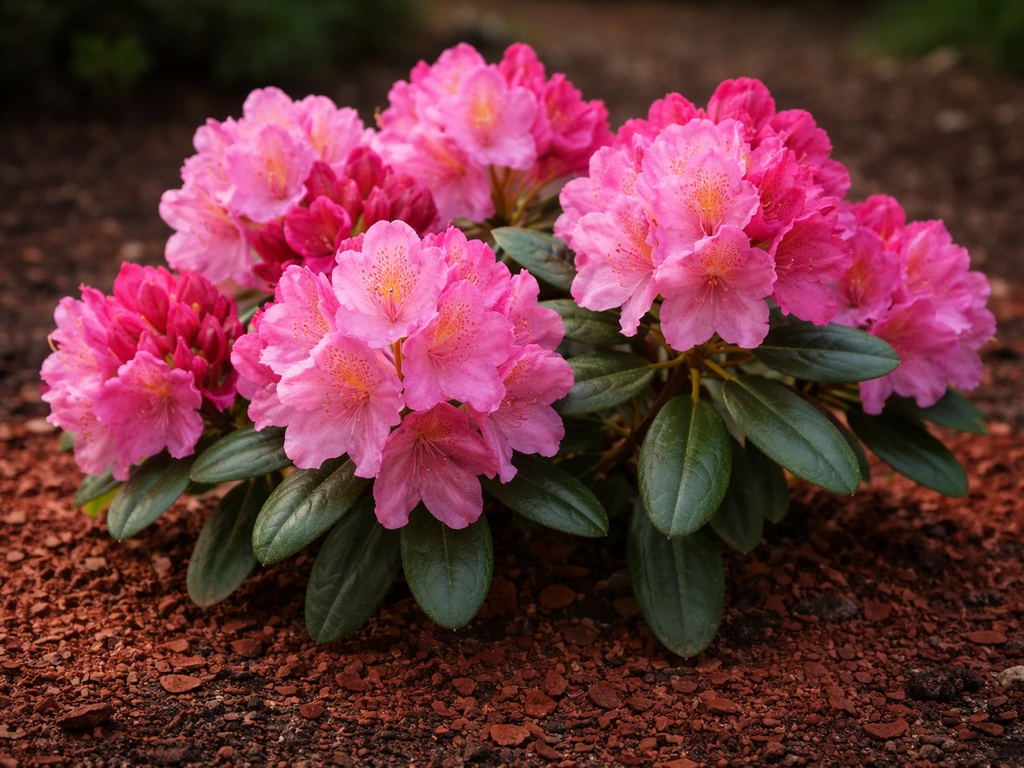
Azaleas and rhododendrons are classic red-soil performers, specifically in regions where that soil runs acidic (pH 4. 5 to 6. 0). They're hardy across USDA zones 5 to 9 and are genuinely suited to the kind of moderately acidic, well-drained conditions that red soil in forested or humid areas provides.
Baker’s azalea (Rhododendron x bakeri) prefers moist, well-drained, acidic, humus-rich soil.
The catch is they don't tolerate dense, compacted clay, so if your red soil is heavy, you'll need to amend before planting. Blueberries (Vaccinium spp. ) want pH 4. 0 to 5.
0 with loose, well-drained, organic-rich soil, making them an excellent choice where red soil is on the more acidic end. Lantana and natal plum handle the drier, well-drained red soils common in tropical regions.
Food crops and vegetables
Sweet potato (Ipomoea batatas) is practically made for well-drained, loose red soil, performing exceptionally well across tropical Africa, India, and the American South. Groundnut (peanut) thrives in loose red sandy loam where pods can develop without compaction resistance. Cassava tolerates low-fertility, acidic red soils better than almost any other staple crop, which is why it's a backbone crop across tropical red-soil regions. Sorghum and millet handle iron-rich soils with lower organic matter better than maize, making them smarter options where red soils are nutrient-poor.
Grasses and ground covers
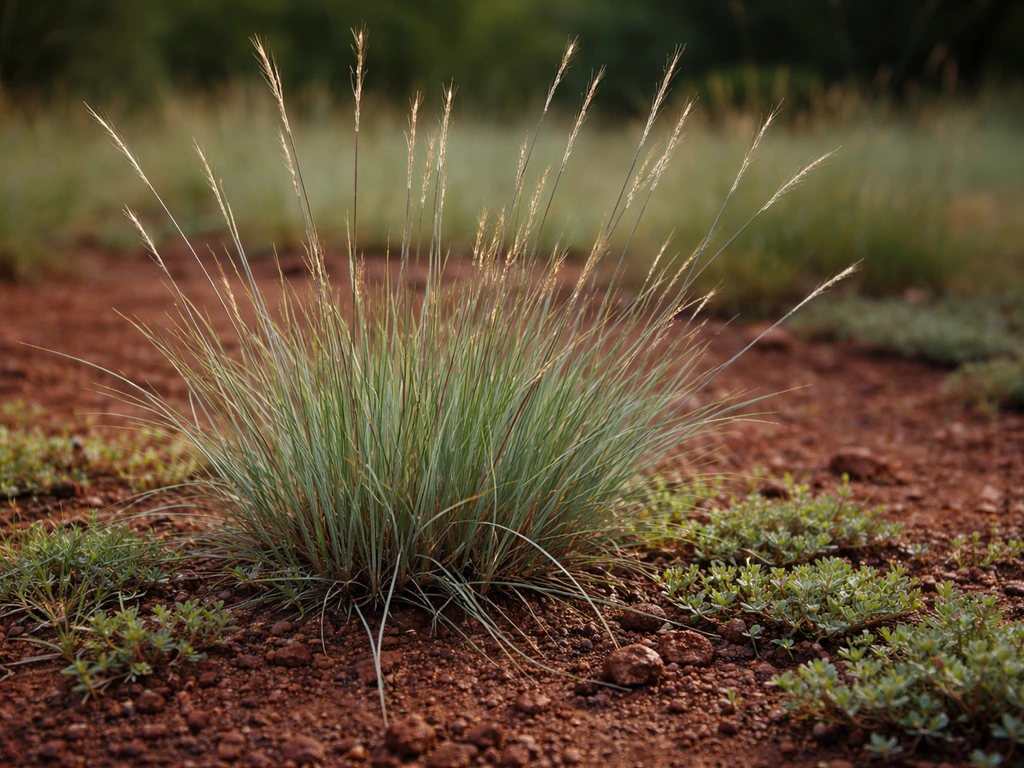
Native warm-season grasses like little bluestem (Schizachyrium scoparium) and Indian grass (Sorghastrum nutans) are adapted to acidic, iron-rich soils across the central and eastern US. They establish well where more demanding plants struggle. Bahia grass and Bermuda grass both perform reliably on red soils in warm climates. For ground cover in shaded red-soil areas, native ferns (especially species like cinnamon fern and royal fern) handle acidic, moderately moist red soils very well.
What grows where: climate, region, and season
Red soils show up across many climate zones, and what you can grow shifts dramatically based on where you are. The same iron-rich soil that supports blueberries in North Carolina won't behave the same way in a dry savanna in Kenya or a monsoon zone in India. Even so, when you’re specifically asking what plants grow in high pH soil, you’ll want to focus on alkaline-tolerant varieties instead of the acid-loving options typical of red soils.
| Region / Climate | Typical Red Soil Type | Best-Suited Plants | Season Notes |
|---|---|---|---|
| Humid Subtropical (SE USA, Zone 7-9) | Red clay, moderately acidic | Red maple, azalea, blueberry, sweet potato, bahia grass | Spring planting best; avoid waterlogging in summer rains |
| Temperate (NE/Mid-Atlantic USA, Zone 5-7) | Red-brown clay loam, acidic | Red maple, rhododendron, blueberry, little bluestem | Plant shrubs in early fall or spring; winter cold helps root hardening |
| Tropical Savanna (Sub-Saharan Africa, South Asia) | Laterite / red laterite | Cassava, sorghum, groundnut, teak, lantana | Plant at rainy season onset; dry season stress is key risk |
| Tropical Wet (SE Asia, parts of Central Africa) | Deep red oxisol/ultisol | Teak, cassava, sweet potato, banana (with amendment) | Year-round growing possible; manage waterlogging in heavy rains |
| Mediterranean / Semi-Arid (S. Australia, parts of SW USA) | Red sandy loam, well-drained | Eucalyptus, native grasses, drought-tolerant shrubs | Fall/winter planting to use natural rainfall; summer drought is limiting |
| Tropical Highlands (E. Africa, parts of India) | Red volcanic soil, varying pH | Tea, coffee, sweet potato, Eucalyptus | Cooler temps moderate moisture stress; watch for leaching on slopes |
Season timing matters a lot in red-soil regions. In areas with distinct wet-dry seasons, like tropical savannas, planting at the start of the rainy season gives roots time to establish before heat and dry stress arrive. In temperate zones, early fall planting for trees and shrubs lets roots settle before winter without the heat stress of midsummer. Spring planting works well too, but you'll need more attentive watering in the first season since red clay soils can shift quickly between waterlogged and bone-dry.
How to improve red soil before you plant
Red soil doesn't usually need a complete overhaul, but targeted prep makes a real difference, especially if yours is clay-heavy or low in organic matter. The goal is to improve structure, nudge pH into a useful range for your chosen plants, and ensure water moves through without pooling.
- Add compost or organic matter generously: 3 to 4 inches of compost worked into the top 12 inches of soil improves water retention, feeds soil biology, and softens clay structure. Organic matter is the single best investment in red soil.
- For heavy red clay, use a planting mix amendment: a practical blend is 50% ground pine bark or leaf mold, 25% coarse sand, and 25% native topsoil mixed into planting beds. This opens pore space so roots can move and water drains without pooling.
- Test and adjust pH before planting acid-lovers: if you want blueberries or rhododendrons and your pH is above 5.5, apply elemental sulfur or iron sulfate to lower it. This takes weeks to months to shift, so amend early. If pH is already at 4.5 to 5.5, you may not need to do anything.
- For neutral-pH crops (like many vegetables), check whether pH is too low: if it's below 6.0 and you're growing tomatoes, beans, or corn, apply agricultural lime to bring pH up. Ground limestone raises pH slowly; work it in before planting.
- Mulch the surface: 2 to 3 inches of wood chip or straw mulch reduces moisture loss in dry periods and prevents the surface crusting that's common in red clay soils after rain.
- Address drainage first if the soil stays wet: raised beds or mounded planting rows can lift roots above chronic waterlogging. Do not simply add organic matter to a waterlogged site and expect improvement without fixing the water movement first.
- Avoid compaction during soil prep: walking on wet red clay destroys pore structure. Work from boards or paths, and prep beds when soil is moist but not saturated.
One thing worth knowing about iron chlorosis: it can appear in red soil for two opposite reasons. If pH is above 6.5, iron in the soil gets locked up by calcium carbonate and becomes unavailable even though there's plenty of it present. If pH is very low and soil is waterlogged, iron can become too available, causing toxicity. That's why getting the pH right matters more than just adding iron supplements.
Test your soil first, then choose your plants
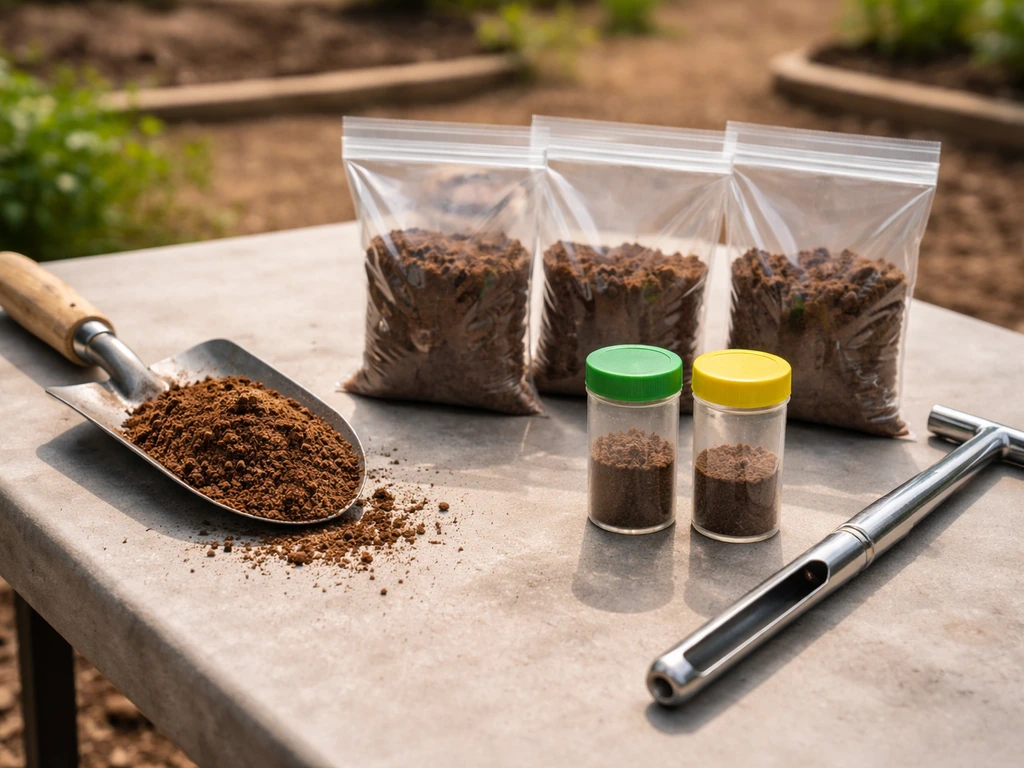
The fastest way to waste effort in red soil is to pick plants before you know what you're working with. If you’re wondering what plants grow in soil like yours, the fastest path is testing pH and drainage first, then matching those results to plant types that tolerate acidic, iron-rich conditions. A basic soil test takes about two weeks and costs under $20 through most university cooperative extensions. Here's the workflow I'd recommend.
- Collect soil samples from 6 to 8 inches deep in several spots across your planting area. Mix them together in a clean bucket. This composite sample gives you a more representative reading than a single scoop.
- Send the sample to your state's cooperative extension lab or a certified private lab. Ask for pH, phosphorus, potassium, organic matter, and magnesium at minimum. If you're in an area with known salinity issues, add an EC (electrical conductivity) test.
- Read your results starting with pH. This single number determines which nutrients are accessible and which aren't. pH 4.5 to 5.5 is your green zone for acid-loving plants (blueberries, azaleas, rhododendrons). pH 6.0 to 6.8 suits most vegetables, grasses, and general-purpose plantings. Outside those ranges, amend before planting.
- Check organic matter percentage. Below 2% means the soil is low and will benefit significantly from compost addition. Above 4% is healthy and may need less amendment.
- Check phosphorus and potassium levels. Red soils that have been farmed or disturbed often test low in phosphorus. Follow the lab's fertilizer recommendation rather than guessing.
- Assess drainage independently from the test: dig a hole 12 inches deep and fill it with water. If it drains within an hour, you have good drainage. If water is still there after 3 to 4 hours, you have a drainage problem to address before choosing plants.
- Match plants to your confirmed pH and drainage: use the table above and the plant lists below as your starting short-list, then cross-reference hardiness zone for your region.
Watering, maintenance, and what actually kills red-soil plantings
Once you're in the ground, most red-soil failures come down to watering mistakes in the first season, not soil chemistry. Newly transplanted trees and shrubs need roughly 1 inch of water per week during the growing season, applied 1 to 3 times per week depending on how fast your soil drains. Red clay holds water longer than sandy loam, so it's easy to overwater. For newly planted shrubs from containers, apply a volume of water equal to about one-quarter to one-third of the container volume at each watering, and let the soil tell you when to water again rather than sticking to a rigid schedule.
For established plants, deep watering beats frequent shallow watering every time. Aim to wet the top 6 to 9 inches of soil rather than just the surface. With only about 3 inches of soil, prioritize shallow-rooted options and consider adding raised beds or topsoil to give plants enough rooting depth. In red clay soils, water too fast and it runs off the surface before penetrating; water slowly with a soaker hose or drip line instead.
In red sandy loam, water moves through quickly, so you may need to water more often but in smaller amounts. You can also look for plants that can grow in shallow soil, since limited rooting depth is common in hard, compacted, or erosion-prone areas.
Common failure points
- Overwatering in clay-heavy red soil: roots suffocate from oxygen deprivation before you notice any visible problem. If leaves yellow and drop on a newly planted shrub in a wet season, check drainage before adding more water.
- Iron chlorosis from pH mismatch: yellowing between leaf veins (while veins stay green) is the classic sign. In red soil, this usually means pH is too high for the plant, not that iron is absent. Acidify the soil, don't just spray iron fertilizer.
- Planting without amending clay first: azaleas and blueberries planted directly into dense, unamended red clay rarely establish well. The roots can't penetrate, and drainage is poor even if surface conditions look fine.
- Skipping the soil test and guessing amendments: adding lime to already acidic red soil is a fast way to lock out iron, manganese, and phosphorus for acid-loving plants. Always test first.
- Ignoring compaction: foot traffic on wet red clay during planting destroys soil structure. Compacted red clay drains poorly, warms slowly, and physically resists root growth.
- Transplanting too deep: burying the root flare in red clay means the crown stays wet and often rots. Plant at the same depth as the nursery container, or slightly higher in wet sites.
- Using fertilizer before establishment: high nitrogen applications to newly transplanted material in red soil can burn roots and accelerate water stress. Wait until the plant shows new growth before feeding.
Quick plant lists for beginners
If you want a starting point while you wait for your soil test results, here are practical short-lists organized by growing condition. These are all species with documented tolerance for the iron-rich, moderately acidic conditions common in red soils. Most land plants cannot survive long under full-time submersion, but a few species can tolerate flooded or periodically submerged conditions. Nitrogen-deficient soil can also limit leafy growth, so prioritize plants that tolerate low nitrogen and then build fertility with compost or targeted feedings which plants grow in nitrogen deficient soil. Adjust based on your confirmed pH and climate zone.
Full-sun options (low maintenance)
- Sweet potato: warm climates, loose red soil, drought-tolerant once established
- Sorghum: hot climates, tolerates low fertility and iron-rich soils
- Little bluestem grass: zones 3-9, native to acidic soils, minimal care once established
- Bahia grass: warm climates, low-fertility red soils, good erosion control
- Groundnut (peanut): tropical to warm-temperate, loose sandy red loam
- Lantana: tropical and subtropical, thrives in well-drained red soil, drought-tolerant
Medium-effort options with higher reward
- Blueberry: pH 4.0-5.0, well-drained, organic-rich red soil; zones 3-7 depending on species
- Red maple: zones 3-9, clay to sandy red soils, pH 3.7-7.0; very adaptable
- Azalea: zones 5-9, acidic to slightly acidic red soil amended with organic matter
- Cassava: tropical, tolerates low-fertility and acidic red soils; needs frost-free climate
- Indian grass: zones 4-9, native to iron-rich soils; pairs well with little bluestem
Shade-tolerant options for red soil under canopy
- Rhododendron: pH 4.5-6.0, partial to full shade, needs amended red clay; zones 4-9 depending on species
- Cinnamon fern (Osmundastrum cinnamomeum): moist acidic red soil, zones 3-10
- Royal fern (Osmunda regalis): tolerates wet acidic conditions in red soil near streams
- Wild ginger (Asarum canadense): shade groundcover, acidic soils, eastern North America zones 3-8
- Native trilliums: acidic, humus-rich red-brown forest soils, zones 4-9
Red soil is genuinely workable once you understand what it's doing. The species that fail there usually fail because of a pH mismatch, poor drainage, or compaction, not because the iron itself is a problem. Get your soil test, sort out drainage if needed, add compost, and then choose from the appropriate list above for your climate zone. That sequence works almost every time.
FAQ
How can I tell whether my red soil problem is pH or drainage?
Most plants listed for red soil assume at least moderately good drainage. If water stays on the surface or you can feel a dense, wet layer after rain, treat it as a drainage issue first, because iron can become overly available in oxygen-poor conditions and damage roots. A simple check is to dig a small hole (about 30 to 40 cm deep), fill it with water, and see how quickly it drains overnight.
Why do my plants show yellowing even though red soil is iron-rich?
Yes, iron-rich red soil can cause two different problems that look similar in leaves. If pH is higher (around neutral to above about 6.5), iron may be present but unavailable, leading to yellowing between veins (iron chlorosis). If soil stays waterlogged in very acidic conditions, iron can become too available, and symptoms often worsen after heavy rains or overwatering.
Can I grow acid-loving plants in red clay, or will compaction ruin the results?
When red soil is also compacted (common in clay red subsoils), root penetration is the limiting factor for many “good for red soil” plants. If you see slow drainage, crusting, or roots staying near the surface, loosen planting areas (deep, targeted tillage or augering), add organic matter to improve structure, and consider raised beds for shrubs and vegetables.
What changes if my red soil is sandy rather than clay?
If your red soil is sandy and drains quickly, the best strategy is not just choosing tolerant plants, but feeding and watering carefully in the first season. Sandy red soils often lack moisture-holding capacity and nutrients, so plants like blueberries may need more frequent irrigation and a more consistent organic mulch layer to keep the root zone evenly moist.
Do azaleas and blueberries require the same soil acidity?
Use the crop, not the leaf color, to decide. Blueberries and many ericaceous plants require strongly acidic conditions and will struggle if pH drifts toward neutral. If you want to grow them, amend for pH (not just add sulfur without testing), and confirm with a soil test that includes pH and ideally exchangeable acidity or nutrients relevant to your local lab.
What should I plant while waiting for my soil test results?
If you want to plant before you get results, use the soil “range” approach: pick acid-tolerant, well-drained plants for the typical acidic end of red soils, and avoid alkalinity-demanding species until you confirm pH. Even then, postpone risky choices (like many vegetables that prefer near-neutral pH) until your test tells you whether you are below or above about pH 6.5.
Will compost fix red soil enough for any plant?
Yes, you can still amend red soil effectively, but amendments have limits. Compost helps structure and nutrient buffering, but it will not reliably fix extreme pH issues on its own. For pH adjustment, choose amendments based on your test result, then re-test after allowing time for changes to stabilize, especially for long-lived trees and shrubs.
Is red color a reliable way to choose plants without testing?
A common mistake is over-relying on soil color. Two red soils can differ a lot in pH and drainage, and iron availability responds to those factors. Treat red color as a clue, then confirm with measurements, because the “right” plant list changes if your red soil is closer to neutral or if it is seasonally waterlogged.
Can I grow red-soil plants in containers if my yard soil is unsuitable?
For container plants, drainage can be the make-or-break factor because pots can either dry out too fast or stay constantly wet. Use a potting mix suited to the plant’s pH needs (for example, an acidic mix for blueberries), ensure plenty of drainage holes, and avoid letting containers sit in runoff water, which can increase iron-related stress.
What’s the safest planting timing and watering plan for red soil with heavy rains?
In many red-soil regions with wet-dry seasons, planting at the start of the rainy period works well because roots establish before the dry heat. After planting, water deeply but avoid constant saturation. If you get a heavy rain soon after planting and the area puddles for hours, pause watering and monitor, since waterlogging can trigger iron availability problems.