
No seed grows everywhere, but a handful of seed types come remarkably close. Hardy native wildflower mixes, fast-germinating cool-season grains like barley, and tough nitrogen-fixing legumes such as white clover and hairy vetch perform across the widest range of climates, soils, and seasons of anything you can buy. The catch is that "wide range" still means matching your hardiness zone, your seasonal window, and at least the basics of your soil chemistry. Get those three things roughly right and your odds of success jump dramatically, even in difficult spots.
Seeds That Will Grow Anywhere: What Actually Works
Dr. Marcus Weatherby
23 May 2026
What "grow anywhere" actually means
When people search for seeds that will grow anywhere, they usually mean one of two things: seeds that tolerate neglect, or seeds that succeed across a very wide range of conditions. Neither is quite the same as literally growing everywhere. Understanding the four variables that control germination and establishment will save you a lot of frustration.
- Climate and temperature: Every seed has a minimum soil temperature for germination and a hardiness threshold for the plant that follows. Barley can germinate in soil as cold as 34 to 36°F. Warm-season grasses like switchgrass need soil well above 50°F. Your USDA hardiness zone (based on average annual extreme minimum winter temperature over a 30-year period) is the fastest way to screen out seeds that simply won't survive your winters.
- Soil chemistry: Soil pH controls whether nutrients are actually available to roots. A pH below 7 is acidic, above 7 is alkaline. Most broadleaf seeds and legumes do best in the 6.0 to 7.5 range. When pH is off, plants starve even in fertile soil. A basic soil test from your cooperative extension lab costs a few dollars and tells you exactly where you stand.
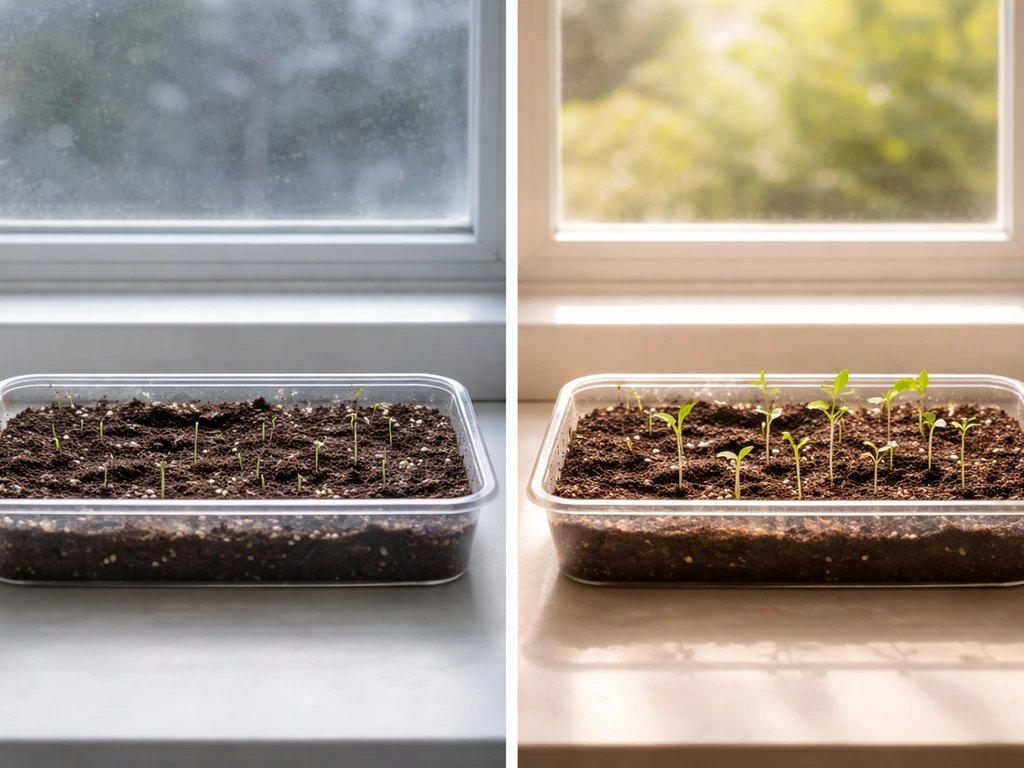
- Light: Some seeds need light to trigger germination and should be pressed onto the surface with little or no soil cover. Others germinate best in the dark and need to be buried. Seed packets and extension catalogs specify this, and ignoring it is one of the most common reasons seeds fail despite perfect conditions.
- Water consistency: Irregular wetting and drying during germination is a primary cause of poor emergence. Seeds that absorb water and begin the germination process, then dry out, typically die. Uniform moisture from sowing through first emergence is non-negotiable.
If you are also curious about which plants (not just seeds) perform across the broadest conditions, that overlaps with what this site covers on plants that can grow in any condition and plants that can grow in any climate. The seed question is really the upstream version of those topics: you need to match seeds to conditions before you can benefit from a plant's inherent toughness.
Seed types with the broadest real-world tolerance
These are the categories that show up consistently across habitats, climates, and soil types in field observations and NRCS planting guides. They are not magic, but they are genuinely forgiving compared to most ornamentals or specialty crops.
Hardy native wildflower and prairie grass mixes
Regional native wildflower mixes are the closest thing to seeds that grow anywhere within a given climate zone. Species like little bluestem, one of the most widely distributed native grasses in North America, establish on thin, gravelly, or sandy soils where almost nothing else takes hold. Big bluestem and switchgrass extend that range into drier upland sites with good drainage.
The key word is regional: a mix labeled "native wildflowers" is not guaranteed to be native to your specific region. Always confirm the mix is sourced from plants native to your area, not just to the continent. Using a one-size-fits-all mix often introduces plants poorly adapted to your local soil moisture and light conditions, and occasionally introduces weedy or invasive species.
Cool-season grains
Spring barley germinates at soil temperatures as low as 34 to 36°F, making it one of the earliest seeds you can put in the ground across northern temperate zones. Oats, winter wheat, and winter rye are similarly cold-tolerant and establish quickly on a wide range of soil textures from sandy loam to heavier clay, provided drainage is adequate. These grains are often used in restoration and cover-crop contexts precisely because they germinate fast, suppress weeds during establishment, and tolerate marginal fertility.
Legumes
White clover, hairy vetch, crimson clover, and alfalfa are among the most adaptable seeded plants across temperate zones. They fix atmospheric nitrogen through root-zone bacteria (rhizobia), which means they can establish on low-fertility soils where other plants struggle. Most legumes do best in a pH range of 6.5 to 7.5 in a deep sandy to loamy soil, but their self-fertilizing biology gives them a real edge on poor ground. The main enemy is wet, poorly drained soil: legumes are prone to root rot in waterlogged conditions, and the number one cause of poor alfalfa stand establishment is planting too deep. Shallow seeding (often just 0.25 to 0.5 inches) is critical.
Comparison: which seed type fits which situation
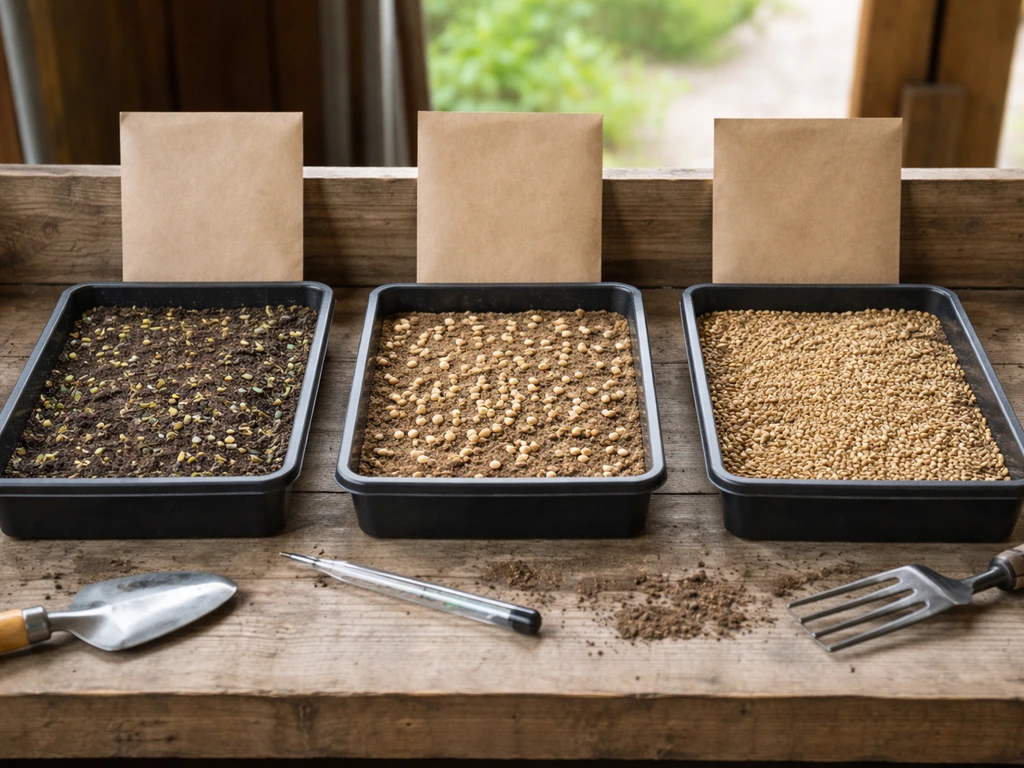
| Seed type | Best soil | Minimum soil temp | Key strength | Main risk |
|---|---|---|---|---|
| Native wildflower/grass mix | Variable, matched to region | Species-dependent (many 50°F+) | Wide habitat range within zone | Wrong regional provenance |
| Spring barley / winter rye | Sandy loam to clay loam | 34–36°F (barley) | Germinates in cold, fast cover | Shallow topsoil, severe drought |
| White clover / hairy vetch | Sandy loam, pH 6.5–7.5 | 40–45°F typical | Fixes nitrogen, low fertility OK | Waterlogged or compacted soil |
| Switchgrass / little bluestem | Thin, gravelly, sandy, dry | 55–65°F soil | Extreme drought tolerance | Slow establishment, weed competition |
How to match seeds to your exact zone and season
The USDA Plant Hardiness Zone Map divides North America into zones based on the average annual extreme minimum winter temperature, calculated over a 30-year period and displayed in 10°F zones and 5°F half-zones. Your zone number tells you which plants can survive your winters. Your last and first frost dates tell you your planting window. A frost date, as Delaware Extension defines it, is a day reaching 35°F or lower. Knowing your last spring frost date and first fall frost date gives you the total growing season length, which then tells you whether you have enough heat accumulation (growing degree days) for a given seed to mature.
- Look up your USDA hardiness zone at planthardiness.ars.usda.gov using your zip code.
- Find your average last spring frost date and first fall frost date from your local cooperative extension service.
- For warm-season seeds (native warm-season grasses, warm-season wildflowers), wait until soil temperature at seeding depth reaches the species minimum, usually 50 to 65°F.
- For cool-season seeds (grains, clovers, cool-season wildflowers), you can seed as soon as soil is workable and temperatures are consistently above the germination minimum.
- In northern zones (3 to 5), dormant seeding of native grasses in late fall lets cold stratification do the work over winter; germination happens naturally the following spring.
- In southern zones (7 to 10), cool-season seeding windows shift to fall and early winter rather than spring.
Photoperiod (day length) matters more than most gardeners realize. Some species bolt or go to seed when day length changes, regardless of temperature. This is why seeding timing is not just about frost: a cool-season annual planted too late in spring will rush to seed without establishing properly because lengthening days trigger that response.
Site prep that actually makes seeds take hold
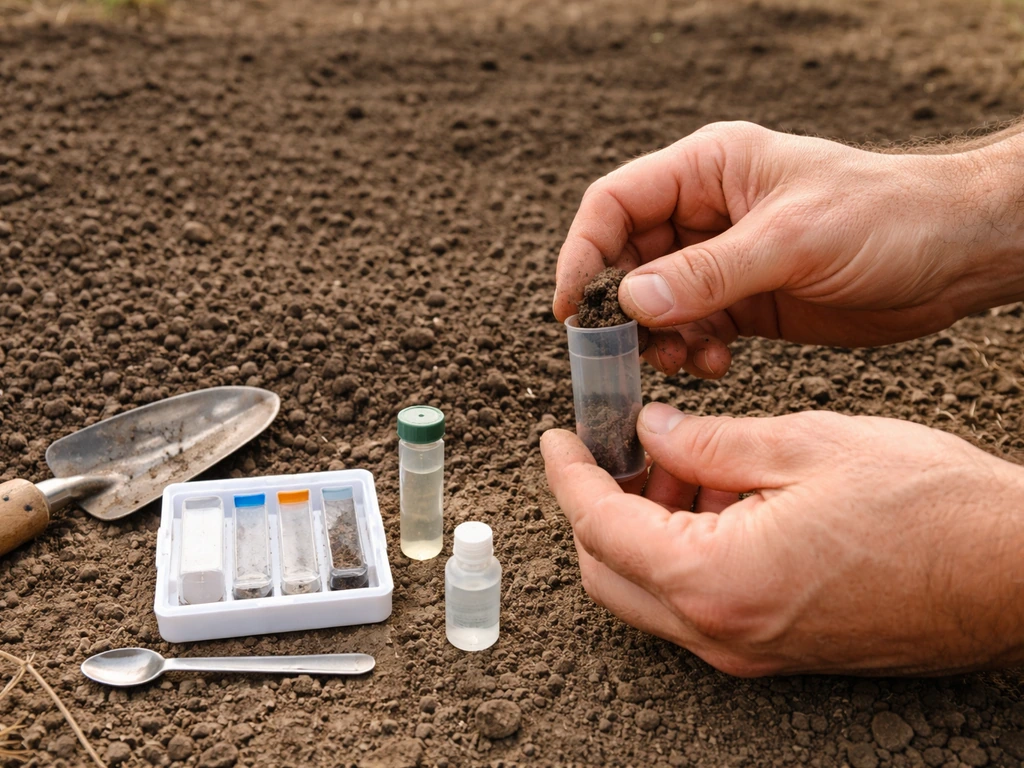
Seed quality is only half the equation. The most common reason seeds fail in otherwise suitable climates is that the seedbed is not ready. Here is what matters most.
Get a soil test first
A soil test from a university extension lab tells you pH, buffer index (which guides how much lime to add to shift pH), and available nutrients. NC State Extension recommends targeting a pH in the 6.0 to 6.5 range for most broadleaf species and grasses, though legumes prefer the upper end closer to 7.0. If your pH is far off, lime or sulfur applications take weeks to months to change soil chemistry, so testing before you seed (not after things fail) is the practical move.
Drainage and soil texture
Poor drainage kills more seeds than poor soil fertility. Legumes in particular are extremely susceptible to root rot in wet, poorly drained soils. If your site holds water, raised beds or grade correction improves drainage without changing the underlying soil. Soil texture (the ratio of sand, silt, and clay) affects how fast the seedbed dries out and how well seeds make contact with soil particles. Loamy soils are the sweet spot: they hold moisture but drain well. Sandy soils dry fast and need more irrigation attention early on. Heavier clay soils need to be worked when moist, not wet, to avoid compaction that physically blocks root growth.
Compost and organic matter
Adding 1 to 2 inches of finished compost worked into the top 4 to 6 inches improves soil structure, adds microbial life, and buffers both pH and moisture extremes. For legumes establishing without applied fertilizer, a starter application of compost ensures some residual nutrients are available early before rhizobial nitrogen fixation kicks in. OSU Extension is direct about this: a soil test tells you what amendments to add, and guessing wastes money and risks over- or under-applying.
Firm the seedbed
Rolling or firming the seedbed after sowing dramatically improves seed-to-soil contact, which speeds water uptake and germination. Clemson Extension recommends rolling for lawn establishment, and the same logic applies to any broadcast seeding. Loose, fluffy seedbeds leave seeds suspended above the moisture zone. For small areas, tamping with the back of a rake or even foot pressure works fine.
Planting methods that raise germination and survival
Seeding depth
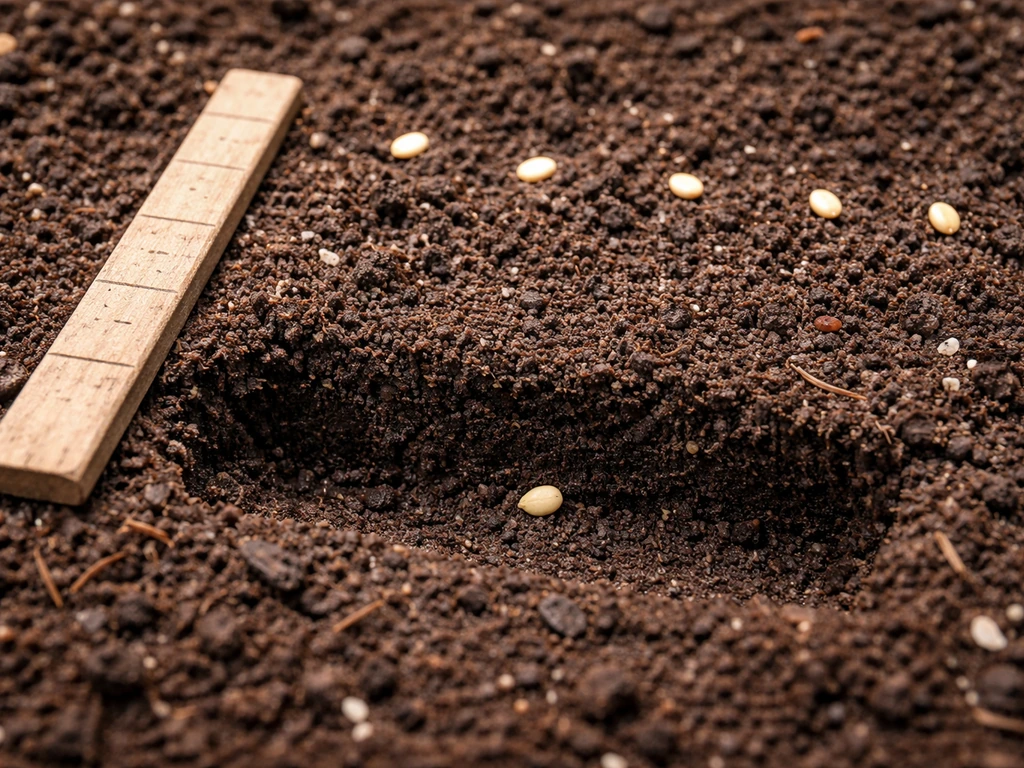
Seeding depth is where many plantings fail quietly. Too deep and seedlings exhaust their energy reserves before breaking the surface. Too shallow and seeds dry out or are displaced by rain. UMN Extension identifies improper seeding depth as the number one cause of poor alfalfa stand establishment, and the same pattern holds across legumes and small-seeded wildflowers.
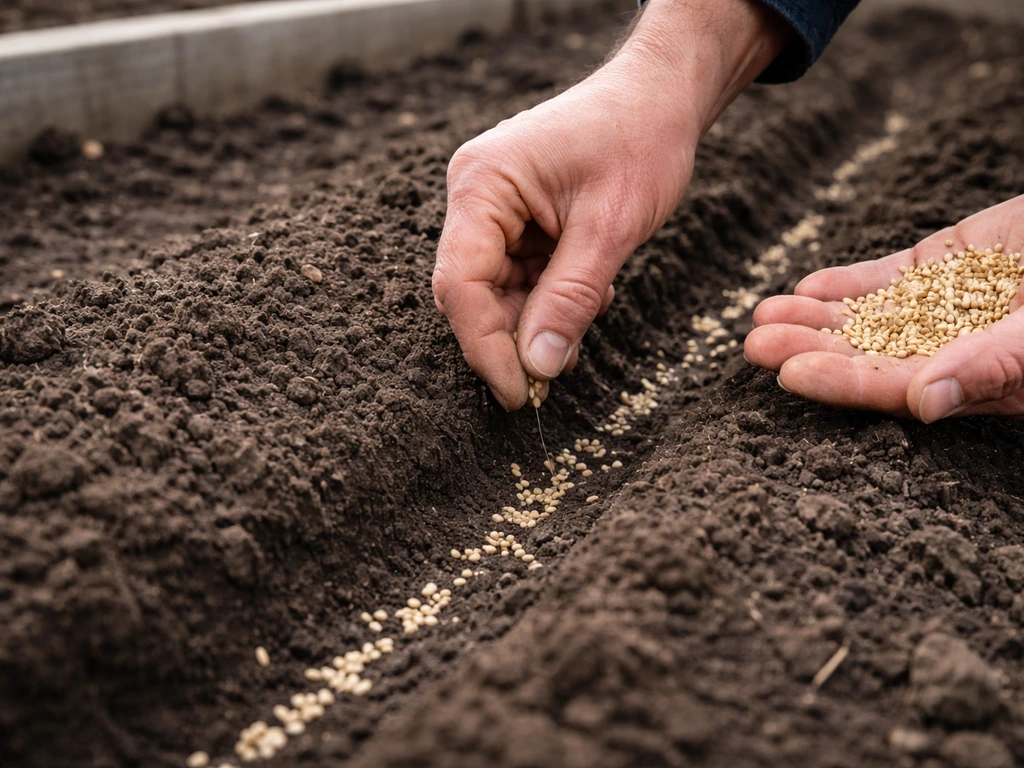
General rules: small seeds (clover, most wildflowers) go in at 0. 25 inches or less, pressed to the surface for light-requiring species. Medium seeds (grains, grasses) go in at 0. 5 to 1 inch.
Larger seeds (beans, vetch) can handle 1 to 2 inches. If light is required for germination, cover barely at all and firm the seed into the soil surface rather than burying it.
Direct sow vs. starting indoors
Most of the seed types that genuinely work across broad conditions (grains, native grasses, clovers, wildflowers) are direct-sown. Starting them indoors adds unnecessary transplant stress and labor. Direct sowing works best when you can match your seeding date to the appropriate soil temperature and when you can maintain consistent surface moisture for the first two to four weeks.
Starting indoors makes sense for slow-establishing species in short-season climates where outdoor soil temperatures stay too cold for too long, or for species prone to weed competition during the vulnerable seedling stage. If you do start indoors, use a commercial peat and vermiculite seed-starting mix, not garden soil. Garden soil introduces pathogens that cause damping-off in the warm, humid conditions of a seed tray.
Timing your sow
Cool-season species (grains, clovers, cool-season wildflowers) can go in as soon as the soil is workable in spring, or in late summer to early fall for fall establishment before winter dormancy. Illinois Extension specifically recommends late summer to early fall as the ideal window for seeding cool-season grasses and legumes because the soil is warm enough for quick germination but the coming cool weather suppresses competing warm-season weeds. Warm-season native grasses should be seeded after the last frost when soil temperatures are stable above 55°F, or as dormant seed in late fall.
Watering, mulch, and first-year establishment
The first four to six weeks after seeding are the most vulnerable. Roots are shallow and surface moisture is the only source of water available to germinating seeds. Here is the practical watering strategy that works across most seed types and climates.
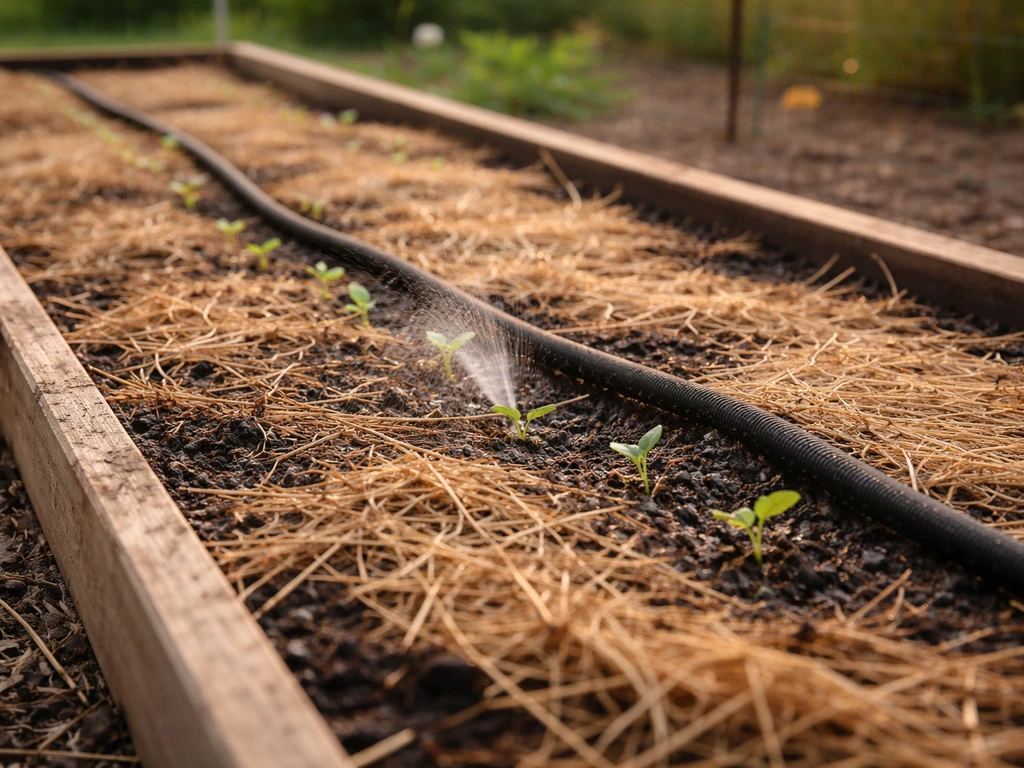
- Keep the soil surface consistently moist with short, frequent irrigations (two to three times per day if conditions are hot and dry) from seeding until emergence.
- Once seedlings are 0.5 to 1 inch tall, roots can reach slightly deeper moisture. You can reduce watering frequency and allow the surface to dry between irrigations without killing seedlings.
- For newly seeded meadows, target 0.5 to 2 inches of water in the first month. After species begin establishing, supplemental irrigation is only needed during extended dry spells (more than two weeks without measurable rainfall).
- Transition to deeper, less frequent watering after establishment to encourage deep root growth.
Mulch is not optional on newly seeded ground. A light straw mulch, roughly 1 bale per 1,000 square feet, slows surface evaporation, moderates soil temperature, and reduces erosion from rain splash. Illinois Extension notes it also keeps soil in place until grasses establish. The mulch layer should be thin enough that seedlings push through easily: matted straw creates its own germination barrier if applied too heavily. For broadcast wildflower seedings, some practitioners skip mulch and instead rely on a single light raking to incorporate seeds, then firm the surface.
Troubleshooting when things go wrong
No germination
If nothing has come up two to three weeks after seeding, run through this checklist before re-sowing: Was soil temperature at or above the species minimum at seeding depth? Was the seedbed kept consistently moist (not just wet at sowing)? Was seeding depth correct for the seed size and light requirements? Were seeds from a current season lot with a valid germination test date? Old seed, cold soil, and inconsistent moisture account for the majority of zero-germination outcomes.
Damping-off
Damping-off is the sudden collapse of seedlings at or just below the soil surface, caused by soilborne fungal and water mold pathogens. It is most severe when soil is too cool for the species being grown (slow growth means longer pathogen exposure), when drainage is poor, and when seeds are planted too deep. Pythium and Phytophthora are most active in cool, wet conditions.
UMN advises using sterile seed-starting media for indoor starts (never garden soil), and UW Extension emphasizes prevention through correct seeding depth and appropriate germination temperatures rather than fungicide treatment. Damping-off organisms are more active in wet soils, so prevention includes not planting seeds too deep and germinating at appropriate temperatures [UMN advises using sterile seed-starting media for indoor starts (never garden soil), and UW Extension emphasizes prevention through correct seeding depth and appropriate germination temperatures rather than fungicide treatment. ](https://pddc.
wisc. edu/wp-content/blogs. dir/39/files/FactSheets/FCPDF/Damping_Off. pdf).
Outdoors, improving drainage and avoiding overwatering are the primary controls.
Weed competition and takeover
Weed competition is the most consistent threat to slow-establishing species like native warm-season grasses. Big bluestem establishes most reliably when seeded into weed-controlled crop ground (as the Tallgrass Prairie Center recommends), not into an active weed seedbank. Fast-germinating cover species like winter rye or white clover are often used to outcompete weeds during early establishment while slower species catch up. Hand weeding or mowing weeds just above the seedling height (without cutting the target seedlings) can shift the competitive balance.
Pests and poor emergence
Soil insects (cutworms, wireworms, slugs) feed on germinating seeds and young roots, especially in soils with high organic matter or previous sod. Seed coatings and inoculants (for legumes) help. Bird predation on broadcast seeds is common; light raking to cover seed immediately after broadcast sowing reduces exposure. For tips on what plants you can grow from bird seed mixes, check the specific seed types and their germination needs Bird predation on broadcast seeds is common. Poor emergence from correct seed and correct conditions often comes down to seeding too deep: cooler soil at seeding depth slows emergence time, and there is a direct relationship between depth and the proportion of seeds that fail to reach the surface.
When to re-sow
Re-sow if stand establishment is below 50% of target density and the seasonal window still allows adequate growing time before first frost or summer heat stress. For cool-season species, a failed spring seeding can often be re-sown in late summer. For warm-season native grasses, a failed spring seeding can be attempted again the following spring or as a dormant seeding in late fall. Do not re-sow into the same conditions that caused the failure: fix drainage, adjust pH, or correct seeding depth before putting more seed in the ground.
When nothing works: matching seeds to habitat reality
Sometimes a site is genuinely difficult: persistent shade, seasonally saturated soil, extreme pH, or intense weed pressure. In these cases, the answer is not a more resilient seed. It is a more accurate habitat diagnosis. Here is how to shift your approach.
- Wet or seasonally saturated sites: Switch to wetland-adapted species mixes (sedges, rushes, native wet-meadow forbs). These are not "grow anywhere" seeds, but they are exactly matched to conditions that defeat upland species.
- Deep shade: Very few seeded species thrive under heavy canopy. Native shade-tolerant groundcovers (wild ginger, wood sedge) or ferns established from plugs rather than seed are more realistic.
- Severely compacted or degraded soil: Pioneer species like annual ryegrass, buckwheat, or daikon radish break up compaction and add organic matter over one to two seasons before you re-seed with target species.
- Container or indoor fallback: For urban situations or where outdoor establishment is genuinely not viable, starting seeds in containers in sterile seed-starting mix gives you control over every germination variable and lets you harden off plants before moving them outside.
- Hardiness trials: If you are genuinely unsure whether a species will survive your winter, plant a small trial plot the season before committing to a full seeding. NRCS plant materials centers conduct formal establishment trials for exactly this reason, and their regional planting guides reflect what actually survived.
The broader logic here connects to what this site covers across related topics: plants that can grow in any soil, ground covers that work across conditions, and shrubs that tolerate broad climates all follow the same principle. There is no single seed or plant for every place, but there is almost always a seed or plant for every place, if you match it to the actual conditions on the ground. If you are looking for plants that will grow anywhere, focus on regional native mixes and broad-tolerance seed categories that match your zone, drainage, and light.
Your next steps
Start with your zone and your soil. For example, you can list plants that can grow on each type of soil by matching species to drainage and soil texture (sandy, loamy, or clay) using your soil test and local guidance. Look up your USDA hardiness zone and your average frost dates, then get a soil test. Those two pieces of information will immediately narrow your seed options from hundreds down to a manageable shortlist.
From that list, prioritize regionally native species or well-documented adapted species in the broad-tolerance categories above (native wildflowers, cool-season grains, legumes). Prepare your seedbed for drainage and firm seed contact, match your seeding depth to the seed size and light requirements, keep the surface consistently moist through emergence, and mulch lightly to stabilize the surface. If things fail, diagnose before re-sowing.
And if the site is genuinely hostile, work with the habitat conditions rather than against them: the right seed for a difficult site almost always exists, it just requires a more precise match than "anywhere. Many gardeners still ask for plants that can grow in any soil, but the practical goal is broad tolerance anywhere. "
FAQ
How do I choose “seeds that will grow anywhere” if my site is both hot in summer and cold in winter?
Treat it as two overlapping problems: winter survival and summer establishment. Pick species that match your USDA hardiness zone for survival, then separate your seeding window so plants germinate during a season that fits their temperature needs (cool-season species in spring or late summer, warm-season grasses after soil stays above about 55°F). If you need a single planting date, favor species with a wider seasonal window in your area and accept that you may get partial success the first year.
What if I do not know my frost dates yet?
Use your zip code or local weather station to estimate last spring and first fall frost dates, then back-calculate a planting window. If you cannot get reliable dates, use soil temperature and growing degree days instead of calendar timing, especially for grains and grasses. Your goal is not just germination, it is enough time before stress (heat for cool-season species, cold for warm-season species).
Does soil pH matter if the seeds are “hardy” like clover or vetch?
Yes, hardy legumes still perform better when pH is in range because rhizobia efficiency and nutrient availability depend on it. If pH is far off, the delay in amendment chemistry can be long, so test before seeding and plan any lime or sulfur changes for the timeline you actually have. For marginal pH, prioritize soil test guidance over general “target pH” rules.
Do I need to inoculate legume seeds even if there is already clover or vetch nearby?
In many cases you still should check whether compatible rhizobia are present in your specific soil, because “nearby” does not guarantee the right strain. If your soil has not had the same legume group planted for a long time, inoculation can meaningfully improve early nitrogen-fixing establishment. Use the inoculant label that matches the legume species, and sow at the recommended time so bacteria are not exposed to drying or heat.
How deep should I sow if my soil is heavy clay or very dry sand?
Depth stays tied to seed size and light requirements, but conditions change how aggressively you must protect moisture. In heavy clay, sow at the correct shallow depth for small seeds but ensure the seedbed is not clodded and stays breathable to prevent crusting and poor emergence. In sandy soil, seeds at the same depth can dry out faster, so you often need tighter surface moisture management for the first 2 to 4 weeks (or a mulch layer that is light enough to let seedlings emerge).
What is the safest mulch choice for wildflower or clover seedings so I do not block emergence?
Use a light straw mulch and apply it loosely so seedlings can push through. A thick, matted layer can act like a physical barrier, especially for small-seeded species. If you are seeing weak or delayed emergence, reduce mulch thickness next time and consider a light rake-in approach instead of heavy covering, particularly for broadcast wildflower seedings.
My seeds germinated poorly. How can I tell whether it was seed quality, temperature, or watering?
Run a targeted checklist. If soil temperature at seeding depth was below the species minimum, germination will stall even with good moisture. If it germinated in spots but then collapsed or stopped, look for inconsistent surface moisture (dry periods after sowing). If nothing appeared, confirm seed age using a germination test date, verify seeding depth and light needs, then check whether the seedbed stayed consistently moist for the first couple of weeks rather than only wet at sowing.
Should I roll or firm the seedbed if I have a small area or am using wildflower broadcast seed?
For most direct-sown seedings, firming improves seed-to-soil contact and speeds water uptake. For small areas, you can tamp lightly with the back of a rake or foot pressure without pulverizing the surface. After broadcast sowing, a single light raking to incorporate and then firm can reduce bird exposure and improve the chance that seeds sit inside the moisture zone.
Can I start these “broad tolerance” seeds indoors to guarantee success?
Direct sowing is usually the simplest and often more reliable for the types discussed (grasses, clovers, many wildflowers). Starting indoors can work only when you have a clear reason, such as a short season where outdoor soil stays too cold long enough. If you do start indoors, use sterile seed-starting media and keep temperature and moisture consistent to avoid damping-off and delayed establishment.
When is it worth re-sowing, and when is it better to diagnose first?
Re-sow only if you are still within the seasonal window for that species to mature and you expect enough remaining time for establishment. Before re-sowing, fix the most likely limiting factor, such as drainage, pH, or seeding depth, because repeating the same conditions often reproduces the same failure. A practical trigger is low stand density (for example, below about half your target) plus evidence that conditions were correct for germination but emergence still failed.
What should I do if my site stays wet seasonally, but I want a “grow anywhere” mix?
Do not rely on generic hardy mixes to solve waterlogging. For wet periods, prioritize drainage improvements such as grade correction or raised beds so seeds are not sitting in saturated soil during germination. If drainage cannot be improved, shift expectations toward species that tolerate your actual wetness duration and avoid legumes that are prone to root rot under persistent saturation.
How do I reduce birds and insects attacking broadcast seeds?
Bird predation often drops when you incorporate seeds quickly after broadcast sowing with a light rake and gentle firming. For insects like cutworms, wireworms, and slugs, look at site history (previous sod, high organic matter) and consider seed coatings, plus early weed control so the seedling stage is not extended. The most common “hidden” protection is getting seeds into the correct depth and keeping emergence quick, because slow, exposed seedlings attract more feeding and predation.