Quick answer: which marshmallow plant are we talking about?
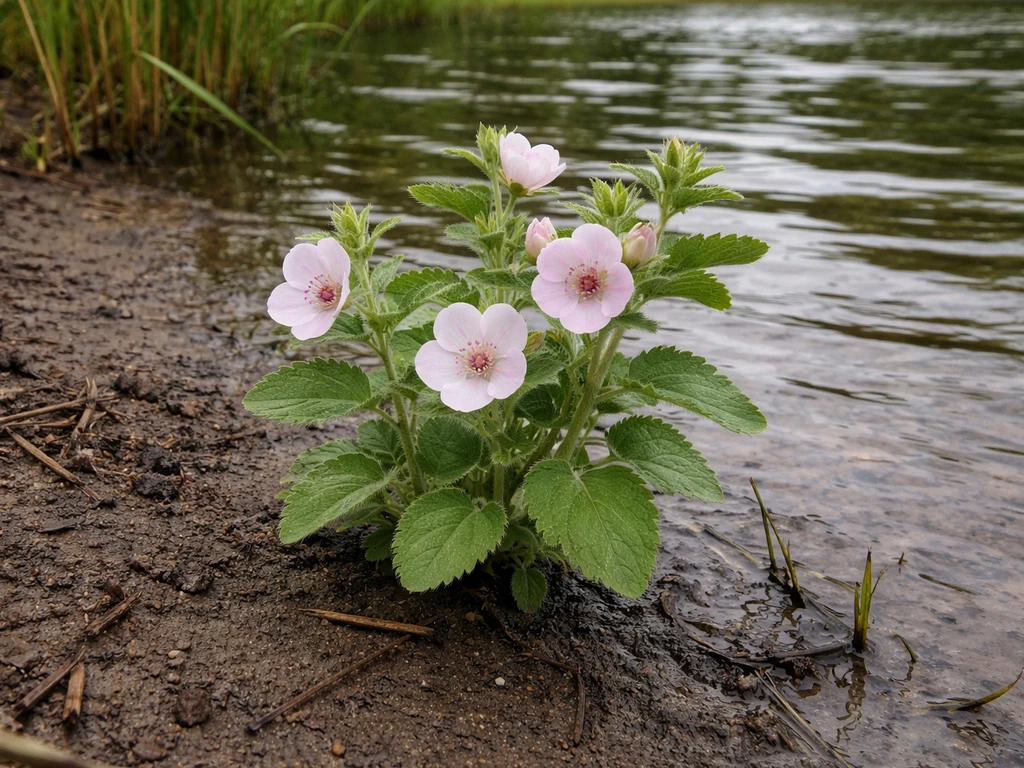
The marshmallow plant grows naturally in wetlands, marsh edges, riverbanks, and coastal brackish habitats across Europe, Western Asia, Central Siberia, and North Africa. But before we go further, let's make sure we're talking about the same plant. 'Marshmallow plant' almost always refers to Althaea officinalis, the true marsh mallow. It's a tall, softly hairy perennial that was historically harvested for its mucilaginous root (yes, that's where the candy originally came from). It's not a shrub, not a tropical vine, and not a decorative garden mallow, though those are close relatives. If you searched for where the marshmallow plant grows, Althaea officinalis is almost certainly what you're after, and the rest of this article covers exactly where it lives in the wild and what conditions it needs.
Its natural home: marsh edges, wet ditches, and brackish zones
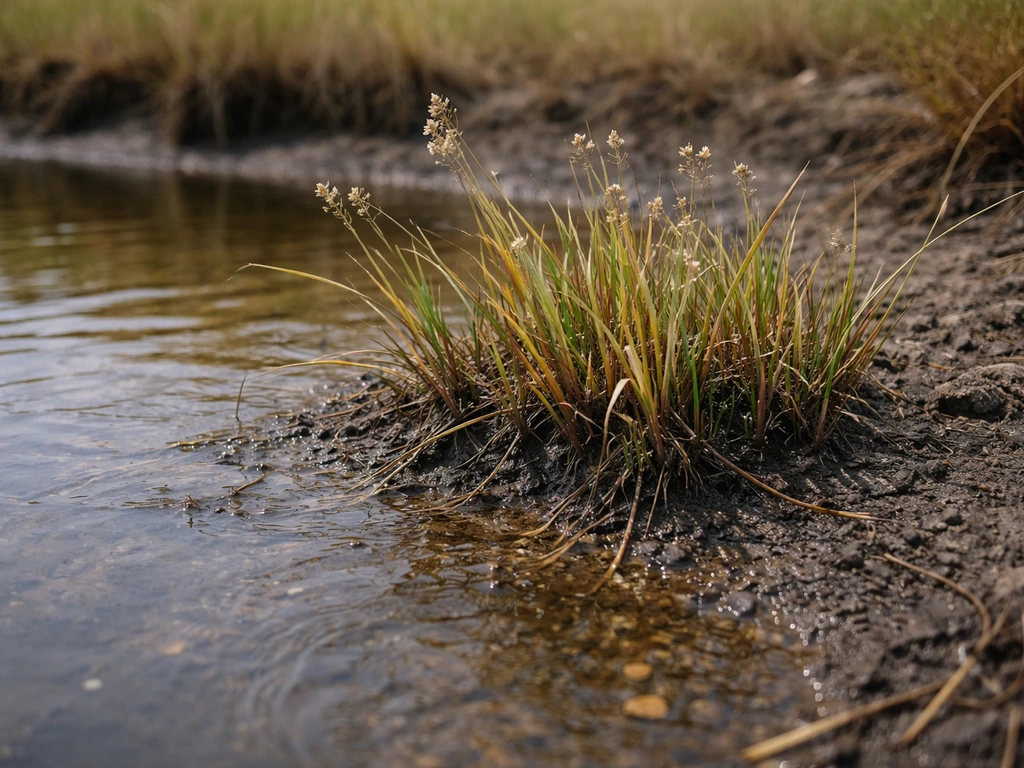
Althaea officinalis is a wetland edge plant, not a deep-water plant. You won't find it submerged or even standing in permanent open water. Instead, it occupies the transition zones, the messy, ecologically rich borders between dry land and wet habitat. Think of the upper edges of saltmarshes, the banks of ditches filled with brackish water, wet coastal meadows, and the fringes of riverbanks where the soil stays reliably damp. In European habitats, it's classified under 'marsh mallow screens,' specifically forming stands on river banks and marsh edges, often on somewhat saline soils. That tolerance for mild salinity is actually one of its defining ecological traits, which is why it shows up so often in coastal rather than purely inland wetlands.
Brackish pastures and the transition zone between upper saltmarsh and freshwater habitats are classic marsh mallow territory. In Britain, for example, it has historically been found along coastal ditches and grazing marsh edges in places like Essex, Kent, and the Somerset Levels. It also appears in water-fringing beds of tall helophytes (those are emergent wetland plants like reeds and sedges) and in saline or brackish reed, rush, and sedge beds. If you're familiar with what grows in marshy areas more broadly, marsh mallow is part of that tall-herb wetland community, growing alongside reeds, rushes, and coarse grasses but always preferring the sunnier, drier edges rather than the saturated core.
Where in the world it actually grows: the native range
Althaea officinalis is native from Europe east through Western Asia and into Central Siberia, with a separate presence in North Africa. That's a wide swath of temperate to semi-arid continental territory, which tells you something important about its climate tolerance. It handles cold winters just fine as a perennial, dying back to its root each year and re-emerging in spring. It also manages drier summers than you might expect for a marsh plant, partly because its deep, fleshy taproot can access moisture below the surface even when the top of the soil dries out.
In Europe, it's most consistently found in Western, Central, and Southern Europe, especially in coastal areas of France, the Netherlands, Germany, Britain (mainly southern England), and around the Mediterranean basin. In Western Asia it appears across Turkey, the Caucasus region, and into Iran. The North Africa populations cluster around northern coastal areas where Mediterranean climate conditions apply. It has also been introduced and naturalized in parts of eastern North America, where it occasionally escapes cultivation into wet roadside ditches and marsh edges, particularly in the northeastern United States.
Growing conditions at a glance
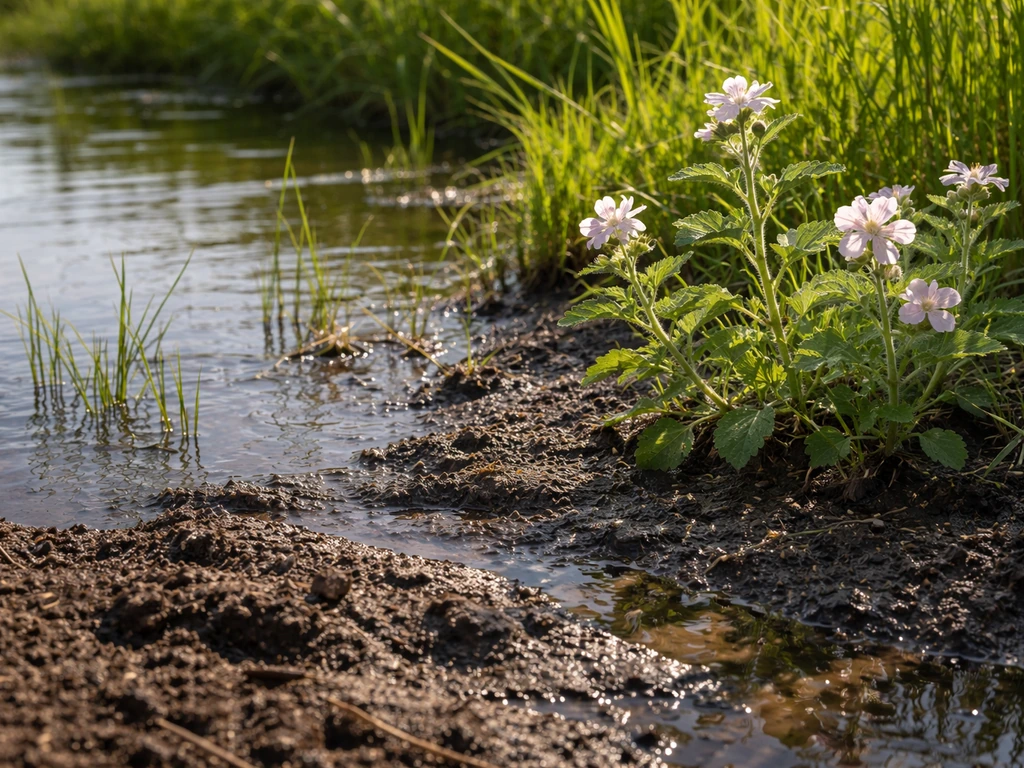
If you want to predict whether marsh mallow could grow somewhere, check these conditions. They reflect what the plant actually needs in the wild, not just in cultivation.
| Condition | What marsh mallow needs | Notes |
|---|
| Moisture | Damp to very wet soil | Tolerates temporarily flooded soils; dislikes prolonged drought |
| Soil type | Nutrient-rich clay or peat, often brackish | Prefers fertile soils; tolerates mild salinity well |
| Sun | Full sun | Thrives in open, unshaded sites; struggles under tree canopy |
| Drainage | Moist but with some drainage | Needs wetness but not permanent waterlogging at the root |
| Salinity | Neutral to mildly brackish | Often found at freshwater/saltmarsh transition zones |
| Climate | Temperate, tolerates cold winters | Hardy perennial; native range spans continental and oceanic climates |
The combination of full sun and reliably moist but not stagnant soil is the defining requirement. It's not a shade plant and it won't establish well in waterlogged clay with no drainage movement. The ideal is a site where water moves through, like a ditch bank or a floodplain margin, rather than a still pond edge where anaerobic conditions dominate. That's a key distinction from plants that grow directly in lakes and ponds, which are a different ecological category altogether. Plants which grow in lakes and ponds are called aquatic plants, and their needs differ from wetland-edge species like marsh mallow. Plants that grow in wet areas are called plants that grow in wet areas are called plants that grow in lakes and ponds are called. Trees that grow in marshy areas are called trees that grow in marshy areas are called trees that grow in marshy areas are called trees that grow in marshy areas are called. Plants that grow in lakes and ponds are called aquatic plants. In rainforest habitats, climbers that grow up trees are often called lianas climbers that grow in rainforest are called. Plants which grow in lakes and ponds are called a different ecological category, and that distinction matters for identifying the right habitat.
How to tell if it grows near you today
The fastest way to figure out whether marsh mallow could be growing in your local area is to look for the right habitat first, then look for the plant. Don't start by searching field by field. Start by identifying whether your region has any of these features:
- Coastal grazing marshes or wet meadows with brackish ditch systems
- Tidal river margins and upper saltmarsh edges
- Riverbanks with nutrient-rich clay soils and open sun exposure
- Roadside ditches in low-lying coastal areas (especially in southern England, Atlantic France, or the Netherlands)
- Floodplain grasslands with tall-herb communities (look for reeds, meadowsweet, and purple loosestrife as companion indicators)
If you're in Britain, the plant's stronghold is southern coastal counties, especially those with grazing marsh systems. In continental Europe, look along the major river floodplains of France, Germany, and the Low Countries. In North America, it's not a reliable wild find but does occasionally naturalize in the northeast. Smithsonian NMEMESIS (NMEMESIS) records Althaea officinalis as introduced to North America (first record given as 1875) and reports it as naturalized in saltmarshes in New York and New England blank" rel="noopener noreferrer">naturalize in the northeast. One useful field trick: if you spot a tall, grey-green, velvety-leaved plant around 1 to 2 meters tall growing in a sunny ditch or marsh edge in late summer, with pale pink five-petaled flowers, that's a very strong match. The leaves and stems are distinctly soft and feltlike because of dense star-shaped hairs, which is a tactile feature you won't forget once you've felt it.
It's also worth checking whether your region has experienced drainage and development pressure on coastal wetlands, because this has caused genuine decline in marsh mallow populations in places like southern Britain. In areas where wet ditches have been filled, opened up, or converted, the plant often disappears entirely since it depends on that wet ditch and marsh continuity.
Want to grow it? Match the habitat, avoid the pitfalls
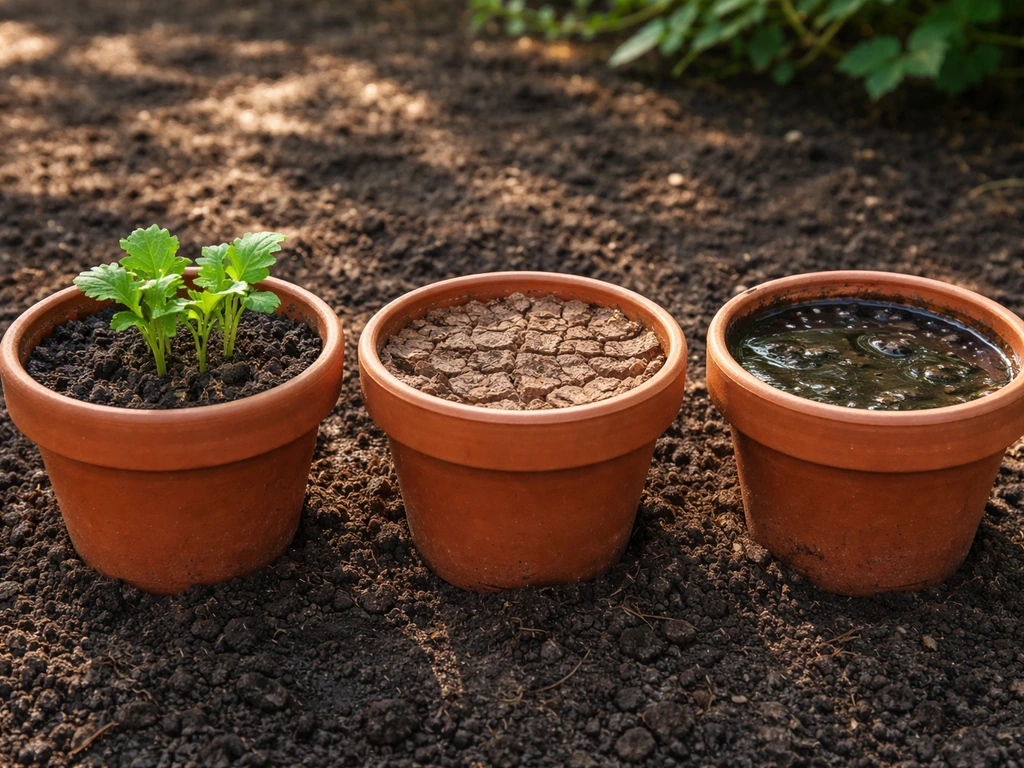
If you want to grow Althaea officinalis yourself, the single most important thing is replicating the moisture and sun combination. It wants fertile, moist but well-drained soil in a fully open, sunny position. A rain garden, a pond-side border with good drainage, or a low spot in a sunny garden that stays reliably damp through summer are all good candidates. Heavy, nutrient-rich clay that doesn't dry out completely in summer suits it very well, which is why it does so naturally on silty riverbank soils.
The common pitfalls come down to two scenarios. First, people plant it in shade or partial shade because it looks like a 'bog plant' and they assume it won't mind. It minds. Without full sun it gets leggy, produces fewer flowers, and becomes more susceptible to root problems. Second, people overwater it in heavy clay without any drainage movement, which leads to root rot, something flagged specifically in cultivation guidance as a risk. The plant tolerates wetness in the wild because water moves through ditches and floodplains rather than sitting stagnant. Replicate flow or at least soil movement and you'll largely avoid that issue.
In terms of climate, it's a hardy perennial across most of temperate Europe and similar climates. It will die back to the ground in winter and re-emerge reliably in spring, so don't panic if it disappears entirely after the first frost. The fleshy root is the plant's real survival organ, and it stores energy underground through winter. In areas with very mild winters (much of the southern and western UK, Atlantic France, the Mediterranean coast), it may hold some basal foliage year-round.
What to expect through the seasons
Marsh mallow follows a fairly predictable seasonal rhythm that reflects its wetland heritage. Understanding this rhythm helps you both find it in the wild and manage it in the garden.
- Spring (March to May): New shoots emerge from the base as soil temperatures rise. Growth is slow at first, and the young plant looks like a compact rosette of soft, grey-green leaves. This is the point where soil moisture matters most for establishment.
- Early summer (June): Stems extend rapidly, reaching 1 to 2 meters in good conditions. The plant starts to look impressively tall and robust at marsh edges.
- Late summer (July to September): Flowering peak. Pale pink to white flowers appear in the leaf axils, attractive to bumblebees and other pollinators. This is the best time to identify the plant in the wild.
- Autumn (October to November): Seed set and dispersal. The stems and leaves yellow and die back after the first frosts. In wild habitats, the standing dead stems help anchor the plant's position in wet, shifting soils.
- Winter (December to February): Fully dormant above ground. The perennial root survives in the soil. In waterlogged conditions, good drainage at the root zone is what prevents winter losses.
This seasonal pattern is very typical of tall herbaceous wetland plants, and marsh mallow sits comfortably alongside other species characteristic of marshy and wet-meadow habitats in that ecological guild. If you're exploring wetland plant communities more broadly, understanding how seasonal timing and water level fluctuations drive plant distribution will help you interpret not just where marsh mallow grows, but why any given wet habitat supports the mix of plants it does. The plants that share space with marsh mallow, things like reeds, sedges, and loosestrife, are all responding to the same seasonal flood and drought pulses that shape these habitats.
The bottom line: find the right wet edge and you'll find the plant
Marsh mallow (Althaea officinalis) is not a mysterious or difficult plant to locate if you understand its habitat logic. It's a sun-loving, moisture-demanding perennial of temperate wetland edges, specifically the transition zones between open water and dry land where soils are fertile, often slightly brackish, and reliably damp but not stagnant. Its native range spans Europe, Western Asia, and North Africa, with strongholds in coastal marshes and floodplain systems wherever that habitat persists. If you want to find it today, follow the wet ditches, marsh edges, and sunny riverbanks in those regions. If you want to grow it, give it full sun, fertile moist soil with some drainage movement, and the patience to let it establish its deep root before expecting much above ground. It's a plant that rewards understanding its ecology far more than simply following a care label.