
Plants that naturally stay short include groundcovers, low-growing herbs, rosette-forming perennials, dwarf or compact cultivars, and many succulents. In practical terms, "not very tall" usually means staying under 12 inches at maturity, though some people mean under 6 inches for a true groundcover effect, or under 24 inches for a compact border plant. The key is matching your height target to the right plant category and the right growing conditions, because the same plant can stay tight and low in one environment and stretch noticeably in another.
What Type of Plant Does Not Grow Very Tall? Short Options

Dr. Marcus Weatherby
4 Jun 2026
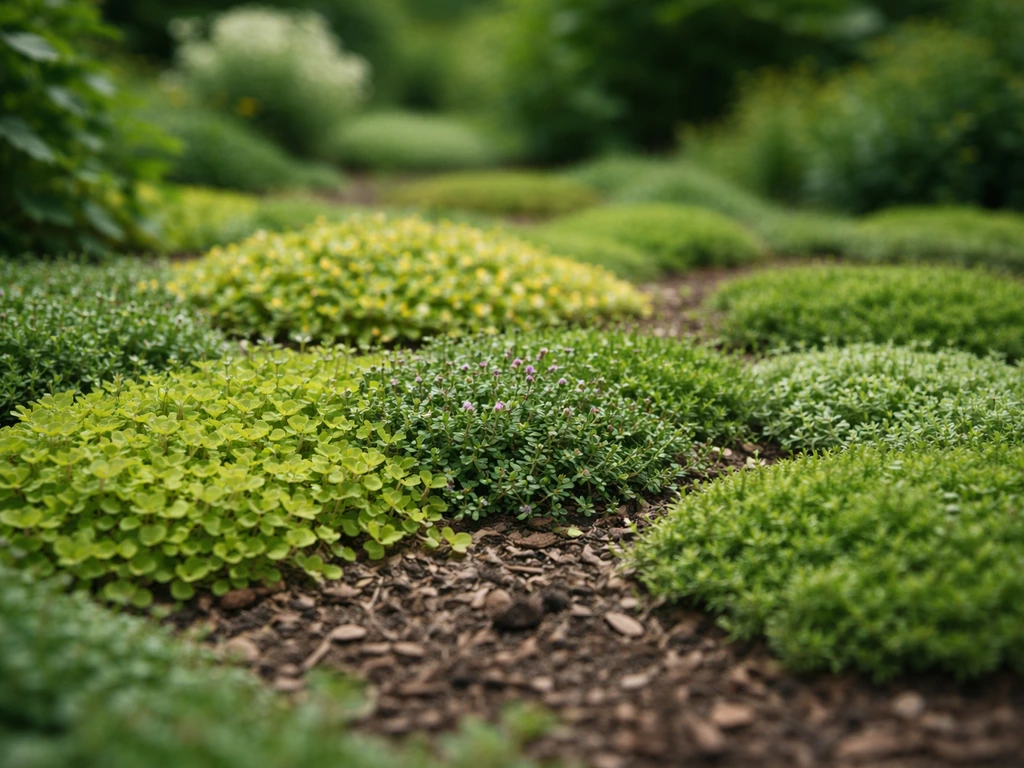
What "doesn't grow very tall" actually means in height
Before picking any plant, it helps to put a number on your goal. Vague language like "short" or "low" can mean anything from a 2-inch mat of creeping thyme to a 2-foot compact shrub. Here are the three tiers most gardeners and plant enthusiasts work with:
| Height tier | Mature height range | Typical use |
|---|---|---|
| True groundcover | 1–6 inches | Lawn alternative, slope stabilizer, fill between stepping stones |
| Low edging or border plant | 6–18 inches | Bed edging, container filler, low mass planting |
| Compact or dwarf plant | 18–36 inches | Mixed border, foundation planting, indoor specimen |
If you are searching for something that genuinely carpets the ground and never needs trimming to stay low, aim for the 1–6 inch tier. Ajuga reptans 'Chocolate Chip', for example, maxes out at roughly 2–3 inches of foliage height. Creeping thyme tops out at 3–6 inches. These are not plants that require management to stay short; that is simply how tall they grow. Everything above 6 inches starts requiring at least occasional oversight to stay within your target.
Plant types that naturally stay short
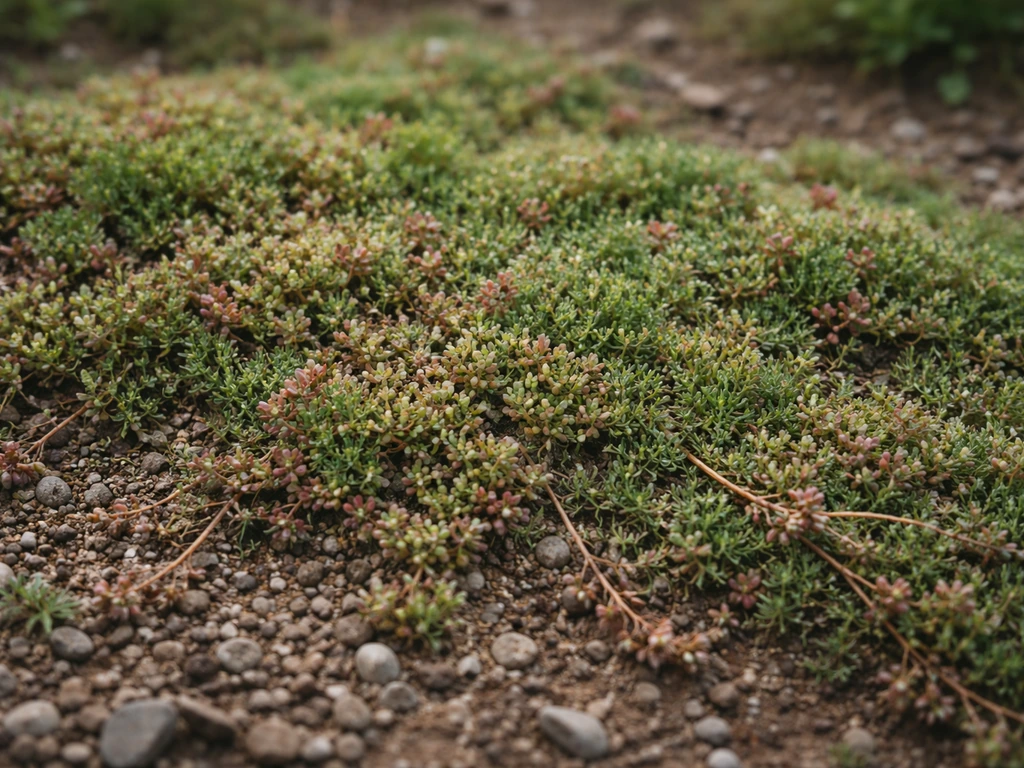
Several distinct plant categories are built for low growth. They are not pruned into submission; they are just architecturally short by nature.
Groundcovers
Groundcovers grow horizontally far more aggressively than they grow vertically. They spread via stolons, rhizomes, or trailing stems that root as they go, and their upright growth is minimal by design. Ajuga reptans stays at 2–3 inches of foliage height while spreading a foot or more in each direction. Creeping thyme (Thymus serpyllum and related species) rarely exceeds 3–6 inches. These plants evolved to fill gaps in the canopy understory or open rocky ground, so height is simply not their growth strategy. Beyond covering soil, they suppress weeds and reduce erosion, which is why they are so useful in real-world plantings.
Low-growing herbs
Many culinary and medicinal herbs stay naturally compact, especially those from Mediterranean or semi-arid environments where dry, lean soils keep growth tight. Creeping thyme, prostrate rosemary cultivars, and low-growing oregano varieties all fit in the 4–12 inch range. These herbs evolved in poor, well-drained soils with full sun, and that background matters: put them in rich, moist soil and they push upward. Keep them in lean, gritty conditions and they stay right where you want them.
Rosette-forming plants
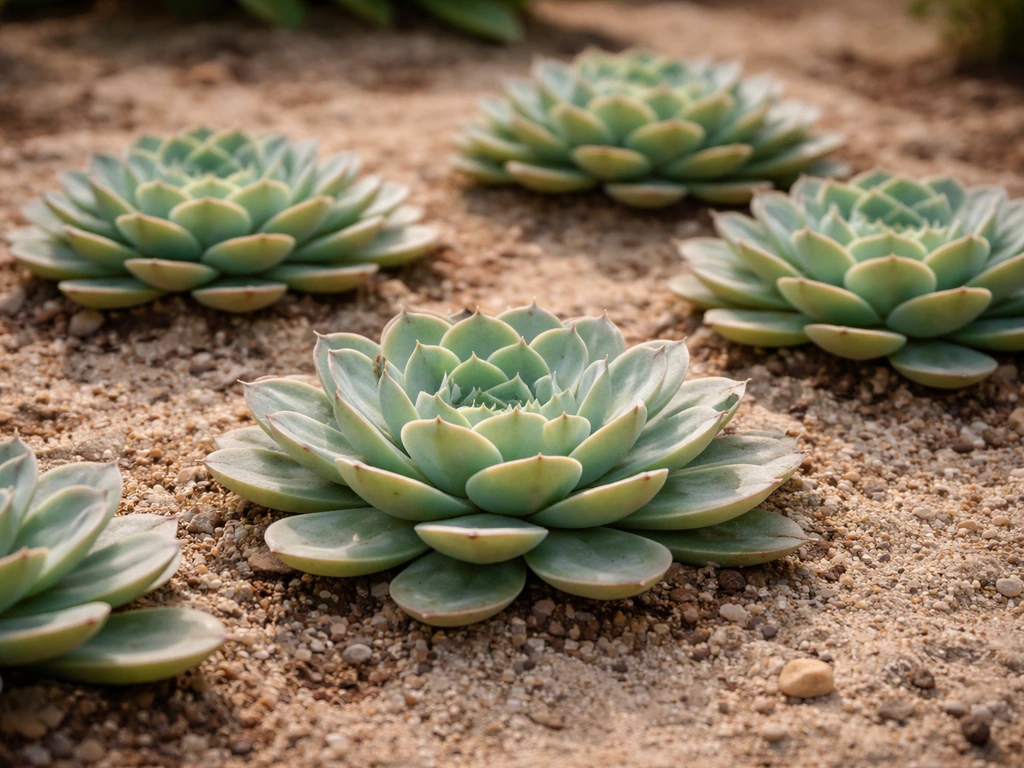
Rosette plants organize their leaves outward from a central growing point, which means vertical growth is structurally limited. Hens-and-chicks (Sempervivum), many sedums, and low-growing saxifrages stay flat to the ground for most of their lives. The rosette form is also common in alpine and tundra environments where growing tall would mean exposure to wind and cold damage, so these plants are ecologically tuned to stay short.
Dwarf and compact cultivars
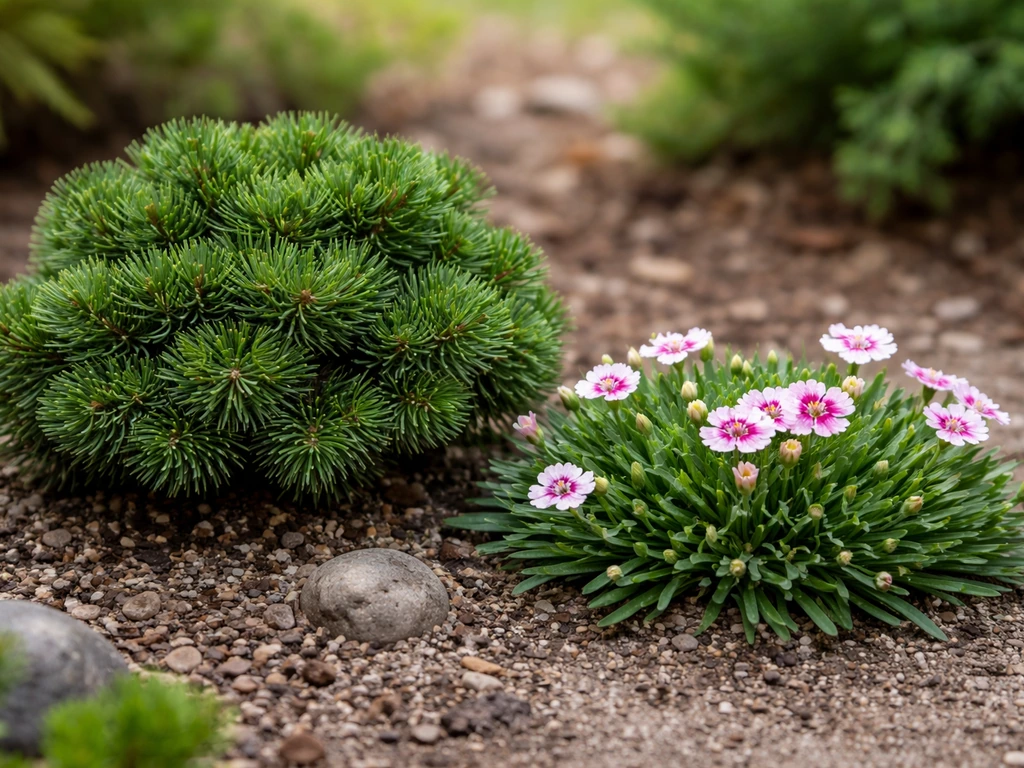
Plant breeders have selected compact forms of many species that would otherwise grow much taller. Dwarf conifers, compact ornamental grasses, and dwarf versions of flowering perennials like compact coneflowers and miniature daylilies are all examples. The word "dwarf" on a plant tag is meaningful, but only if you verify the expected mature height, because "dwarf" is relative to the parent species, and a dwarf mugo pine is still 3–5 feet tall.
Succulents and cacti
Most small succulents are genuinely short-statured plants. Peperomia, for example, is a compact houseplant with excellent tolerance for lower light conditions, and it stays small by its natural growth habit rather than because of pruning. Many aloe, echeveria, and haworthia species stay well under 12 inches. The caveat is light: succulents that do not get enough light (at least 6–8 hours) will stretch toward the source, a process called etiolation, and a compact echeveria that belongs at 4 inches can become a leggy, misshapen plant in a dark corner.
Low-height options matched to your actual growing conditions
Height is only part of the equation. A plant that stays short in one environment may grow noticeably taller in another. Here is how to think about it by condition.
Full sun and dry or well-drained soil
Lean, dry, sunny conditions are the natural home of many of the best low plants. Creeping thyme, Sempervivum, sedum, and prostrate juniper cultivars all thrive here and hold their compact form naturally. These are plants that evolved in rocky outcrops, dry meadows, and alpine environments. Rich, moist soil in this same sunny spot would push them taller and looser. If you want tight, low growth, do not amend the soil heavily.
Partial shade and moderate moisture
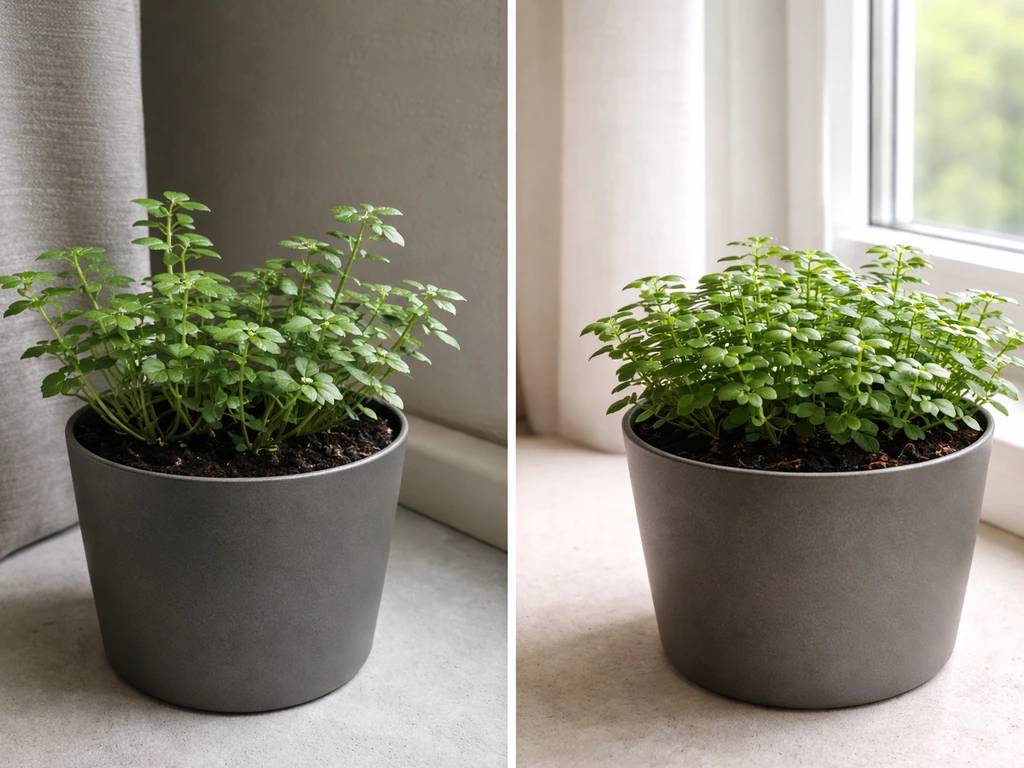
Ajuga reptans is the classic choice here. It handles part shade well, stays at 2–3 inches of foliage height, and prefers average moisture with decent drainage. Sweet woodruff (Galium odoratum) works similarly in light shade with consistent moisture. Avoid deep, dry shade for groundcovers; they will stretch or thin out. You want dappled light, not true darkness.
Moist soil or rain-heavy climates
In consistently moist conditions, choose plants from naturally wet habitats that are architecturally low rather than just compact. Moss is a legitimate option in wet, shaded settings and genuinely stays flat. Creeping Jenny (Lysimachia nummularia) handles moisture well and stays low, though it spreads vigorously. Be cautious about bringing typically dry-habitat plants like thyme into wet conditions; they will often push taller and looser there, or rot outright.
Indoor or low-light environments
Indoors, your biggest enemy for keeping plants short is insufficient light. Low light causes internode elongation, meaning stems stretch between leaves to reach more light, and a plant that should be a tight 6-inch mound becomes a floppy, pale 18-inch mess. In low-light conditions, etiolation is described as spindly, elongated growth with pale leaves low-light causes spindly, elongated growth called etiolation. Choose plants that are genuinely adapted to lower light: Peperomia, Haworthia, and certain small ferns stay compact in indirect indoor light. Succulents, despite being popular houseplants, actually need bright light (6–8 hours) to stay compact and should be placed in the sunniest window available.
Matching short plants to your climate and season
Your local climate determines which short plants will actually survive long enough to stay at their intended height. A compact perennial rated for USDA Hardiness Zone 7 will not return in Zone 4 winters; you will either be replanting it annually or watching it die. USDA hardiness zones are based on average yearly minimum temperatures, so checking a plant's zone rating against your own is the starting point for any permanent low planting. That said, hardiness zones do not tell you everything. Heat tolerance, humidity, and seasonal drought patterns also shape how a plant grows.
In climates with hot summers, choose low plants that are native or adapted to heat stress. During extreme heat events (above roughly 104°F), even well-placed plants can show stress responses, and heavily shaded plants may stretch toward available light over extended periods. In cooler northern climates, many groundcovers go dormant in winter, which is fine, but make sure your chosen species returns reliably rather than leaving bare ground. In mild, wet winter climates, some groundcovers stay evergreen and fill in faster, giving you year-round coverage at their low height.
Seasonally, it also helps to know whether a short plant is a cool-season or warm-season grower. Ajuga, for instance, does most of its spreading in cool, moist spring and fall conditions. Creeping thyme fills in more actively in the warmth of late spring and early summer. Matching your planting season to the plant's active growth window helps establish it before competing weeds take hold.
How to actually keep a plant from getting taller than you want
Even the right plant can outgrow your target under the wrong conditions. These are the main levers you have.
Choose the right cultivar from the start
This is the single most important factor. A generic species label like "salvia" or "ornamental grass" tells you almost nothing about mature height. The cultivar name is where the height information lives. Always check the expected mature height for the specific cultivar you are buying, not just the genus or common name. A standard Russian sage can reach 4 feet; 'Little Spire' stays closer to 18–24 inches. The work of staying short starts at the plant label, not in your garden.
Use containers and raised beds
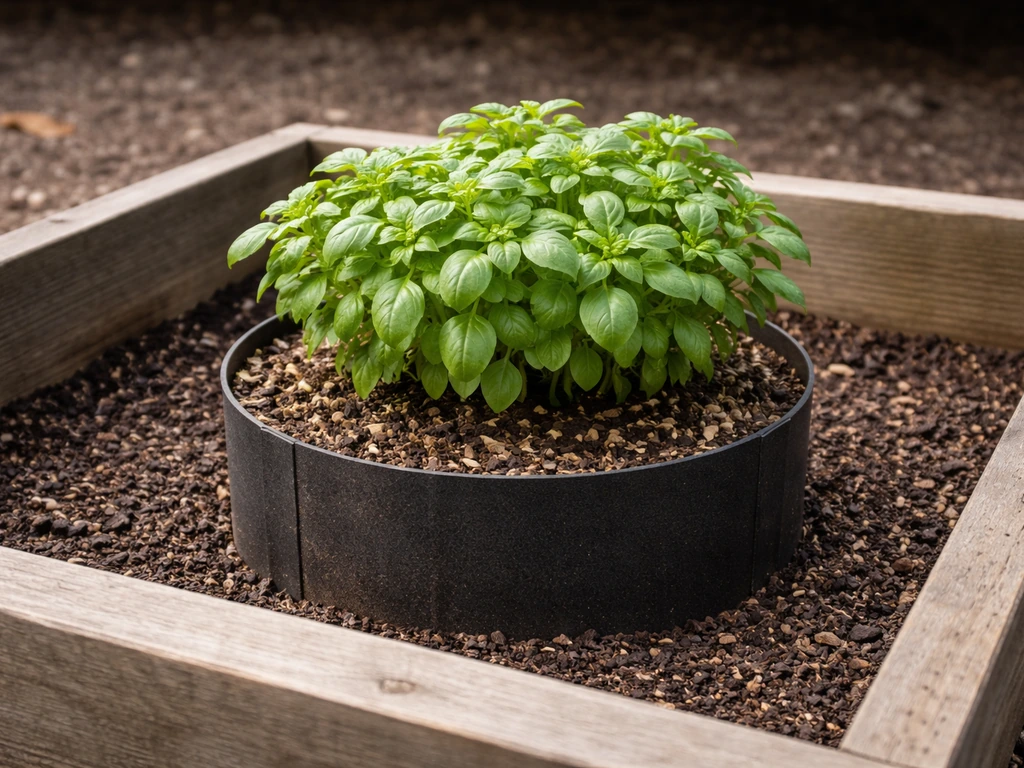
Root restriction genuinely limits shoot growth. When roots are constrained by a container, they send fewer signals for upward shoot expansion, and overall plant size decreases. This is why many plants grown in pots stay noticeably smaller than their in-ground counterparts. Containers also let you control soil quality precisely, keeping fertility low enough to prevent the excess leafy growth that rich soil promotes.
Prune and cut back at the right times
Heading back perennial plants (cutting the tips of stems) stimulates denser, more compact branching rather than tall, leggy growth. For herbaceous plants, doing this in late spring or early summer before they set flower buds keeps clumps tight. Deadheading spent flowers, beyond improving the look of a plant, can redirect energy away from seed production and encourage another round of compact growth rather than letting the plant put all its energy into setting seed on tall stalks. For groundcovers, heavy pruning is usually not needed; focus on removing straggling or unhealthy stems that are pushing outside the intended footprint.
Mow low-growing groundcovers when needed
Some groundcovers, including certain thyme varieties and ajuga, can be mowed after flowering to tidy them up and encourage fresh, compact regrowth. Creeping thyme and similar groundcovers are often chosen specifically because they do not grow flowers the way taller flowering plants do plants that do not grow flowers. Set the mower blade high enough to avoid cutting into the crown of the plant. This is not something you need to do every few weeks; once or twice a season after bloom is typically enough.
Watch your spacing
Spacing affects competition and growth response. Groundcovers planted too close together can push upward as they compete for light rather than spreading outward. Follow species-specific spacing recommendations and allow plants room to spread at their natural habit. Crowded plants also establish more slowly and leave gaps where weeds can move in, which then forces you to weed aggressively and potentially disturb young plants.
Keep soil fertility in check
Excess nitrogen is one of the most common reasons compact plants stop being compact. Nitrogen drives leafy, vegetative growth, and too much of it produces fast, succulent, overly tall shoots. Most landscape plants do not need regular nitrogen fertilization to perform well. If you are trying to keep plants short and tidy, lean soil is your friend. Skip the high-nitrogen fertilizer and only amend based on actual soil test results.
Why your "short" plant ended up tall
If a plant you expected to stay low is pushing upward, one of a handful of causes is almost always responsible.
- Not enough light: Low light is the most common trigger for etiolation, where stems elongate rapidly between leaf nodes, producing pale, spindly, stretched growth. This is especially common with succulents and compact houseplants moved to dim spots. The plant is not growing; it is reaching.
- Too much nitrogen: Rich soil or heavy fertilization drives fast, tall, floppy growth. Excess nitrogen produces overly succulent shoots that look lush briefly but flop over and lose their compact form quickly.
- Wrong cultivar: If you bought a plant by its common name only, you may have the species rather than the compact cultivar. A standard catmint versus 'Walker's Low' versus 'Junior Walker' can differ by 12–18 inches in mature height. Check the cultivar label.
- Crowding or stress: Plants competing for light, water, or nutrients will often push upward. A groundcover planted too densely, or surrounded by taller neighbors shading it, will etiolate toward available light.
- Natural seasonal variation: Some plants that are compact in spring put up taller flowering stems in summer. This is normal and not a failure of the plant; if you want it compact year-round, cutting back the flower stalks after bloom solves the problem.
- Heat and drought stress: Extended heat waves and dry periods can push some plants into unusual growth patterns. In some cases, heavily shaded plants stretch toward better light during or after heat stress events.
Quick plant picks by setting
Here are practical short-plant examples grouped by the most common real-world situations. These are starting points, not an exhaustive list, but each one is reliably short in the conditions listed.
| Setting | Short plant options | Typical mature height |
|---|---|---|
| Full sun, dry or well-drained outdoor soil | Creeping thyme, Sempervivum (hens-and-chicks), sedum (low species) | 3–6 inches |
| Part shade, average moisture outdoor | Ajuga reptans 'Chocolate Chip', sweet woodruff | 2–4 inches |
| Moist outdoor soil, part shade | Creeping Jenny, moss (in wet/shaded spots) | 2–4 inches |
| Bright indoor window (6+ hours of light) | Echeveria, Haworthia, small aloe cultivars | 4–10 inches |
| Indirect indoor light (lower light) | Peperomia, Haworthia, small ferns | 6–12 inches |
| Dry climate, full sun groundcover | Creeping thyme, prostrate juniper cultivars, low sedum | 3–12 inches |
| Temperate climate, mixed border edging | Compact coneflower cultivars, 'Walker's Low' catmint (shorter than standard) | 12–18 inches |
If you are also thinking about the opposite end of the scale, comparing short plants to those that grow tall and fast or stay compact versus spread rapidly is a useful exercise for planning a layered planting. If you also wonder what are plants that grow fast, those rapid-growers are usually the ones most likely to require extra trimming to stay under a height target. If you are specifically looking for plants that grow tall and narrow, focus on columnar shapes and upright growth habits. If you want the opposite, look for what plants grow tall and fast that also fit your sun and soil conditions. Plants that grow slowly are often naturally short simply because their entire growth pace is reduced, while plants that grow quickly but stay low (like some groundcovers) achieve coverage through lateral spread rather than height. If you want to fill space fast, look for plants that grow quickly and spread laterally rather than pushing upward. Understanding those patterns helps you fill space at the right height without constant management.
The bottom line is that the plants most likely to stay genuinely short are those evolved for environments where being tall is a disadvantage: rocky slopes, alpine zones, dry open ground, and shaded forest floors. Choosing plants that do not grow tall also starts with matching them to their natural habitat, such as dry open ground or shaded forest floors. When you put those plants in conditions that match their natural habitat, they stay short without much help from you. When you put them in rich, warm, well-watered, low-light conditions, you are fighting their growth response every season.
FAQ
How can I tell if a short plant will actually stay short without constant trimming?
Most plants can be pushed taller by poor light, rich fertilizer, and overcrowding. If you want a plant that stays low with minimal effort, prioritize species with a naturally low architecture (groundcovers, rosette plants, and compact cultivars), then confirm the expected mature height and look for tags that specify “dwarf” plus the exact cultivar, not just the genus.
Can I mow groundcovers to keep them under a certain height?
Yes. Many “groundcover” plants can tolerate mowing, but the right timing matters. For thyme and ajuga-style groundcovers, mow once after the main flowering period, and keep the blade high enough to avoid cutting into the crown, because aggressive cuts can slow regrowth or thin the patch.
What should I check first if my plant is getting tall and leggy?
A plant can appear tall even when it is “short” by measurement. If it stretches between leaves (leggy growth) it is usually a light problem, not a height ceiling issue. The quickest check is where the plant is kept or planted, then verify it is getting the minimum light the plant needs (many succulents need 6 to 8 hours).
Do short plants stay short in all climates, including cold winters?
Overwintering is a common surprise. A compact perennial that is hardy in one USDA zone may not survive another, so it will look like it “grew taller” one year because it barely returns or dies back unevenly later. Always compare the cultivar’s hardiness rating to your zone, then also account for winter wet and summer heat, which can cause failure even when the zone looks acceptable.
Will a short outdoor plant stay short if I grow it indoors?
Not necessarily. Plants that stay short outdoors can stretch indoors due to window angle and seasonal light changes. If your goal is a tight mound, choose plants known to handle indirect light (some Peperomia and certain small ferns), rotate pots regularly, and expect that even sun-tolerant succulents may need the sunniest window available to stay compact.
Does keeping plants in small pots guarantee they won’t grow tall?
Container-grown plants often stay smaller because root growth is limited, but “smaller” is not the same as “short forever.” A plant that is usually tight in a small pot can eventually outgrow it as roots fill the container. Re-pot only when needed, refresh soil without over-fertilizing, and use a pot size that matches the plant’s mature habit if you are trying to keep it low.
How does spacing change whether a groundcover stays low?
Spacing affects height indirectly through competition. If groundcovers are planted too close, they may compete for light and respond by stretching upward. Follow the species-specific spacing guidance at planting time, and remember that faster-spreading groundcovers still need room to spread outward, not to grow vertically.
What fertilizer mistakes make low plants grow taller?
Look for signs of nutrient imbalance. Excess nitrogen is a frequent cause of “compact plants that stop being compact,” leading to soft, leafy, and sometimes taller growth. If you are not using a soil test, skip nitrogen-heavy feeding, and amend only based on measured needs.
Can “shade-tolerant” plants still stretch upward in my yard?
Part shade and dappled shade can be ideal for some low plants, but deep shade is different. For groundcovers like ajuga and sweet woodruff, the goal is not darkness, it is consistent enough light to prevent stretching. If your patch is getting too little light, you may need to switch plants or improve light exposure rather than trying to prune your way out.
Why does my low plant look fine at first, then grows out of bounds later?
Yes, and it is often about seasonal growth patterns. Some low plants spread mainly during cool, moist seasons, while others fill in during warmer months. If you plant at the wrong time, they may look sparse or uneven, then grow vigorously later, which can make it seem like height is “unexpected.” Plan planting to match each plant’s active growth window for faster, steadier groundcover coverage.