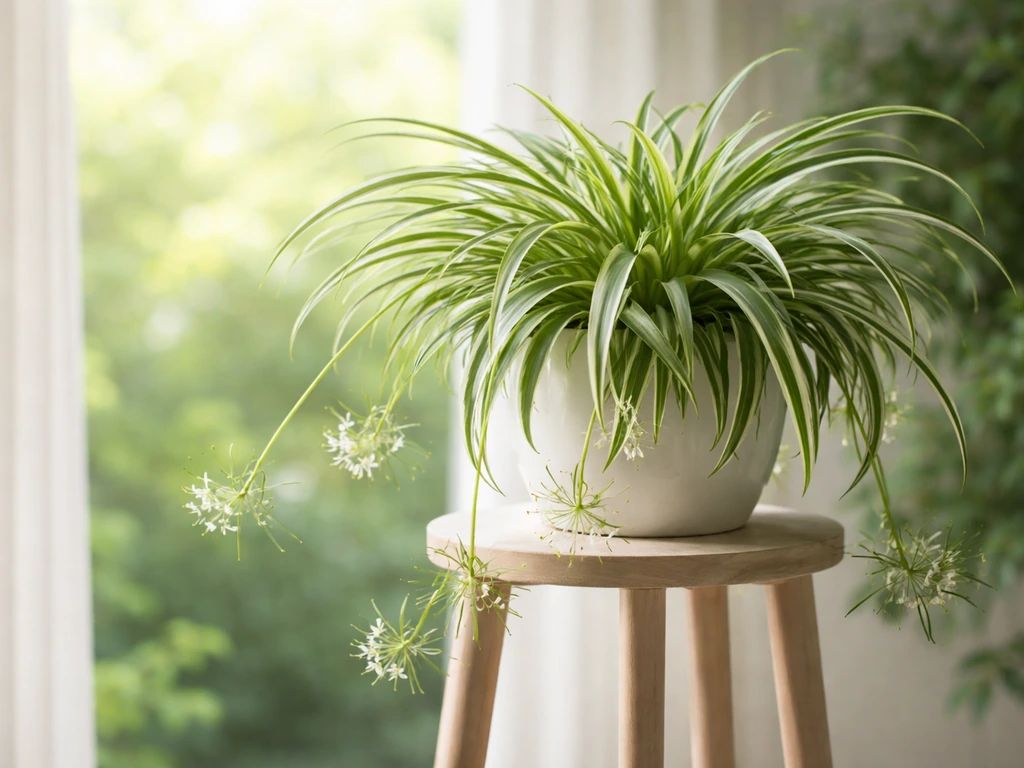
Spider plants (Chlorophytum comosum) grow naturally in Africa, specifically across tropical and southern Africa, where they colonize the shaded, moist understories of forested river valleys. Wikipedia synthesizing compiled biogeographic data reports that Chlorophytum comosum has a blank" rel="noopener noreferrer">widespread native distribution in Africa and is native to six of the ten World Geographical Scheme for Recording Plant Distributions regions. That's the short answer. If you want to know where they grow best in your yard or home, the key is to think less about sunshine and more about filtered light, consistent moisture, and warm, frost-free temperatures. Everything about how this plant behaves indoors makes a lot more sense once you know what its native habitat actually looks like.
Where Do Spider Plants Grow Naturally and Best
The spider plant's native range and natural habitat
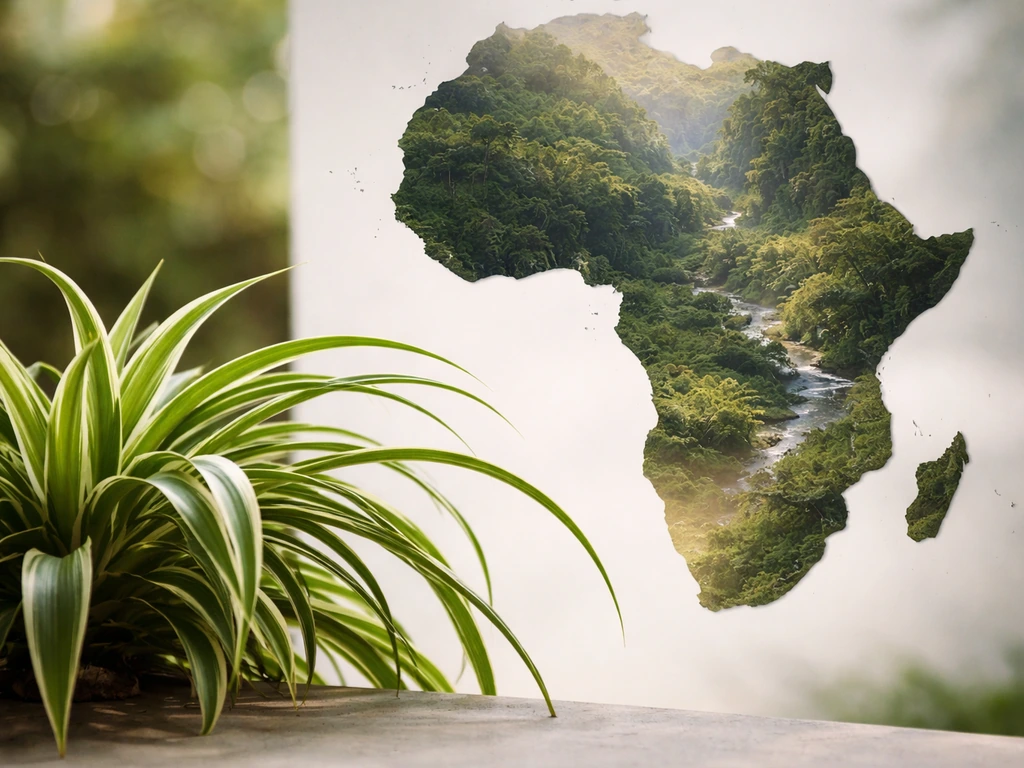
Chlorophytum comosum is native to Africa, with its core distribution across southern and tropical East Africa. Kew Science’s Plants of the World Online lists Chlorophytum comosum and provides its accepted taxonomy and native range based on distribution data Kew's Plants of the World Online confirms it as a native African species. South Africa is considered the primary region of origin, but the species has also been documented in the wild in places like western Ethiopia, where it turns up in rain-forest shade and along riverine corridors. Kew's Plants of the World Online confirms it as a native African species, and SANBI's PlantZAfrica database gives one of the clearest ecological descriptions: it often forms dominant stands in forested, moist river valleys.
That last detail matters a lot. This isn't a plant that evolved in open savannahs, dry scrubland, or full-sun grasslands. It's a plant that found its niche in the cool, damp, shaded margins of forests, especially near water. Think of a tree-canopied river valley where the soil stays consistently moist, light filters down through a leaf canopy, and temperatures stay warm year-round without much frost. That's the baseline environment spider plants are tuned to. Ghost plants are extremely rare, but the phrase is often used to describe plants that grow only in specific, protected conditions that closely resemble their natural habitat.
Where spider plants grow in the wild, by region
Within Africa, the natural distribution of spider plants follows the availability of their preferred microhabitat, which is moist, shaded forest understory and riverine zones, rather than any single country or climate band. Here's a breakdown of where they're documented growing wild:
- Southern Africa (South Africa in particular): forested moist river valleys, often forming dense ground-cover stands in the shade of the forest canopy
- Tropical East Africa: documented in the broader regional flora literature in forested African contexts, consistent with the southern African habitat type
- Western Ethiopia: recorded in rain-forest shade and riverine habitats, reinforcing the pattern of filtered light and reliable moisture as the ecological signature of this species
- Across suitable moist habitats in sub-Saharan Africa: SANBI notes the species is widespread wherever the right combination of shade, moisture, and warm temperatures exists
What ties all of these locations together isn't a single country or continent-wide climate but a specific microhabitat type: shaded forest floor or forest edge near water, with consistently warm temperatures and no hard frost. That's the ecological fingerprint you're trying to match when you place a spider plant.
What that habitat actually means in terms of growing conditions
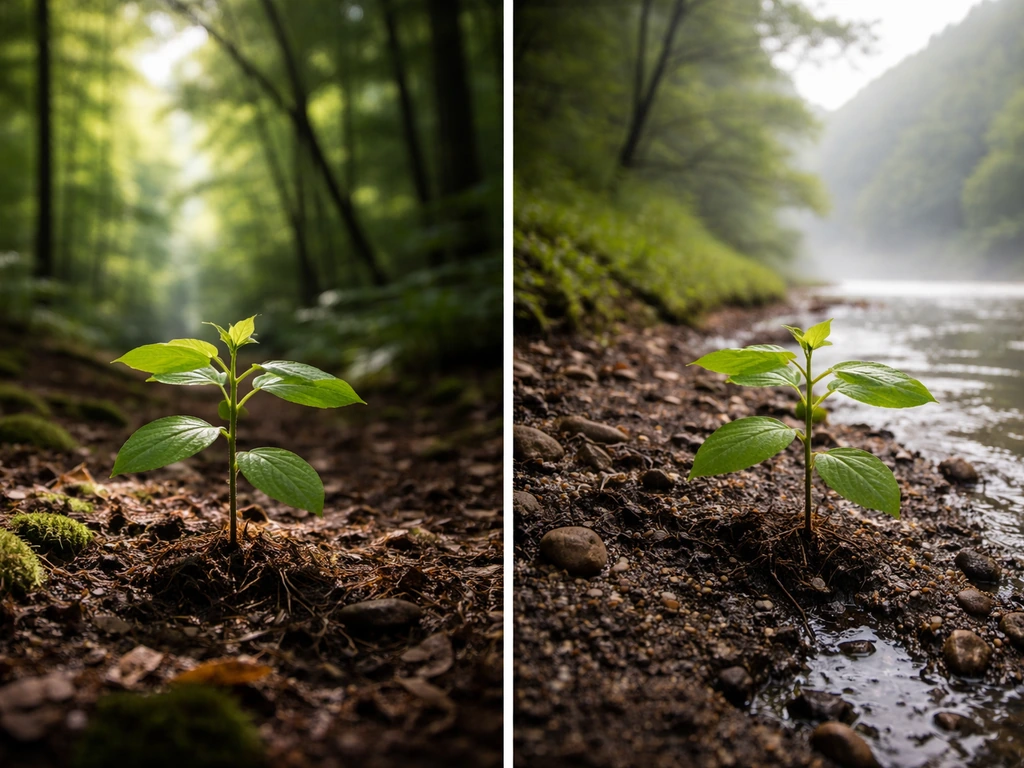
Once you know the native habitat, the growing conditions almost write themselves. Here's what the forested river-valley environment translates to in practical terms:
Light
Under a forest canopy near a river valley, light is filtered and indirect. It's bright in the sense that it's not a dark cave, but it's never the direct overhead intensity of an open field. Clemson University's horticulture guidance recommends bright, indirect light and specifically says to avoid midday sun. NC State's plant toolbox goes further, noting the species prefers medium light levels but can tolerate deep shade. Both of those positions are consistent with a forest-understory origin.
Temperature
The native climate of southern and tropical East Africa is warm year-round, with very little frost at low to mid elevations. Oklahoma State University Extension classifies spider plant as a USDA Zone 9 plant, meaning it needs frost-free conditions to survive outdoors long-term. Zone 9 corresponds to minimum winter temperatures around 20 to 25 degrees Fahrenheit (roughly -4 to -7 degrees Celsius), and in practice the plant performs best when it never sees frost at all. Anything below about 10 degrees Celsius (50 Fahrenheit) for extended periods will stress it.
Moisture and humidity
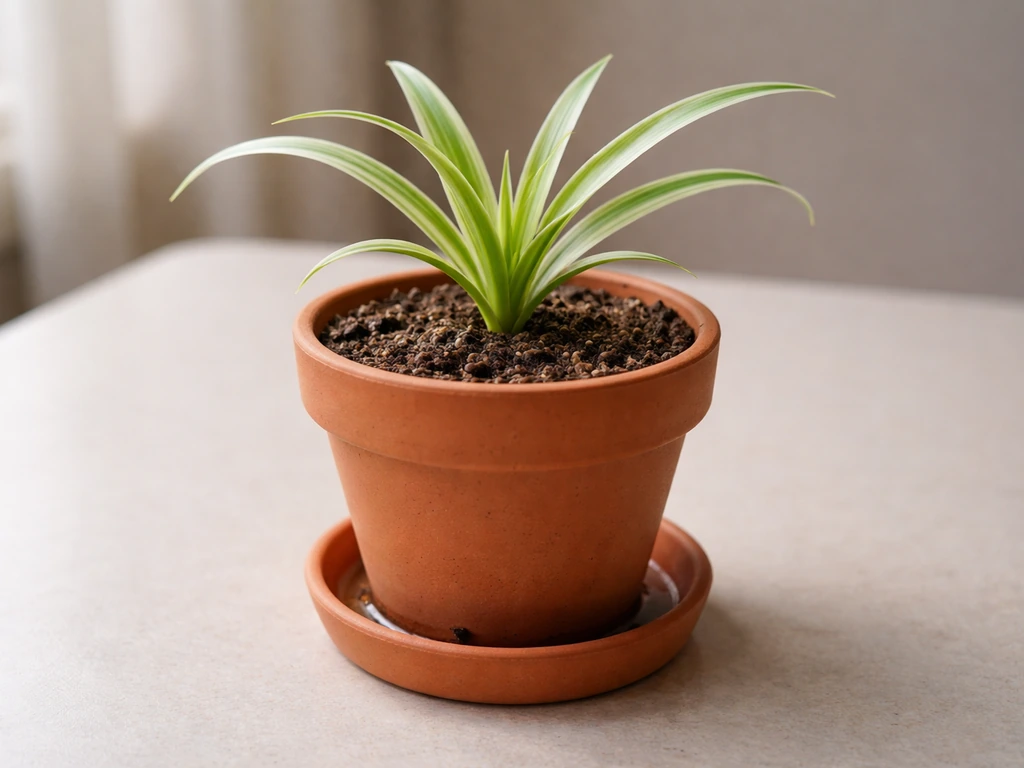
A forested river valley is consistently moist, not bone-dry and not swamped. The soil near trees and waterways drains well enough to avoid prolonged waterlogging, but it doesn't dry out the way exposed, sandy, open-ground soil does. University of Wisconsin Extension flags excessively dry soil as a driver of brown leaf tips in spider plants, which directly reflects what happens when you remove a plant from its naturally stable moisture environment and let it sit in dry air or parched potting mix. Low humidity is another stressor called out by Wisconsin extension. The right moisture model is evenly moist, well-drained soil with ambient humidity rather than arid conditions.
Soil
SANBI's PlantZAfrica notes that spider plants do best sown in a sandy, slightly acidic soil, which mirrors the naturally free-draining forest-floor soils found in their native river-valley habitats. These soils hold moisture without becoming anaerobic. The practical takeaway is that drainage is more important than fertility. A chunky, slightly acidic, well-drained mix outperforms heavy clay or a poorly draining container by a wide margin.
Native habitat vs. where they actually grow best for you
There's an important distinction between where a plant evolved and where it grows best under cultivation. Spider plants have been spread across the world as houseplants and ornamentals, and they've adapted well to indoor environments. But the native habitat is still the reference point for what 'best' really means.
| Condition | In the wild (native habitat) | Best match for gardens/indoors |
|---|---|---|
| Light | Filtered, indirect light under forest canopy | Bright indirect light; medium light tolerated; avoid direct midday sun |
| Temperature | Warm, frost-free year-round (Zone 9+) | Above 50°F (10°C) minimum; bring indoors before first frost |
| Moisture | Consistently moist river-valley soils | Evenly moist, well-drained mix; never let it fully dry out or sit in water |
| Humidity | High ambient humidity in forested valleys | Moderate humidity; avoid heating vents and arid indoor air |
| Soil type | Free-draining forest floor, slightly acidic | Sandy, slightly acidic, well-drained potting mix or garden bed |
| Sun exposure | Shaded understory, not open full sun | No prolonged direct sun; north/east window or a few feet from south/west window |
One of the most common mistakes people make with spider plants is giving them too much sun, assuming more light means better growth. In their native habitat, these plants never evolved under full tropical sun. The canopy takes care of that. Indoors, putting a spider plant in a south-facing window with hours of direct afternoon sun will scorch the leaves and stress the roots. Similarly, some growers treat them like succulents and let the soil go completely dry between waterings. That conflicts with the moist river-valley origin. The plant has fleshy roots that store some water, but it's not a drought-adapted species.
Using habitat knowledge to pick the right spot, outdoors or indoors
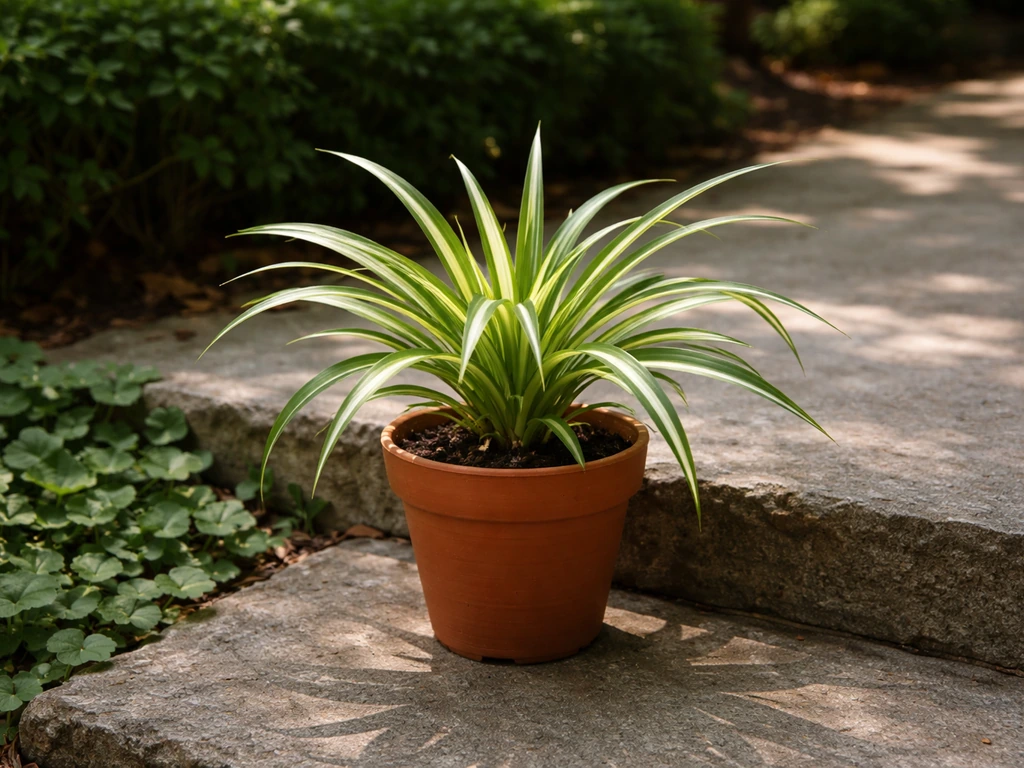
The clearest way to apply all of this is to ask a simple question before you place a spider plant anywhere: does this spot resemble a shaded, moist African forest valley, or does it look more like an open sun-baked field? You're obviously not trying to recreate a rainforest, but the direction matters.
For outdoor placement
If you're in USDA Zone 9 or warmer (think coastal California, Gulf Coast states, Florida, or similar frost-light climates), spider plants can grow outdoors year-round. The ideal outdoor spot mimics their native microhabitat: partial to full shade, consistent soil moisture, and protection from the harshest afternoon sun. In the wild, pitcher plants grow in wet, nutrient-poor habitats where sunlight and moisture help their traps function where do pitcher plants grow. A spot under a tree canopy near a water feature, a north or east-facing bed that gets morning light only, or a sheltered garden edge all work well. If you're in a colder zone and want to use spider plants as seasonal outdoor plants in summer, choose a shaded or dappled-light patio spot and bring them back inside before temperatures drop below about 50°F.
For indoor placement
Indoors, you're essentially recreating the light levels of a forest edge. Clemson's guidance recommends placing spider plants in bright, indirect light, and protecting them from midday direct sun. NC State notes that medium light is preferred but deep shade is tolerated, which means a north or east-facing window works well, and a spot a few feet back from a south or west window is also fine. The key is to avoid the hottest, most direct sun exposure while keeping enough ambient brightness that the plant doesn't go fully dormant. For humidity, keep the plant away from heating and air conditioning vents, which create the dry air conditions most unlike its native forest-valley microclimate.
How to assess your local situation right now
- Check your USDA hardiness zone. Zone 9 and above means outdoor year-round is possible. Zone 8 and below means treat it as a seasonal outdoor plant or permanent houseplant.
- Evaluate your light source. Is the proposed spot in direct sun for more than 2 to 3 hours a day, especially midday? If yes, move the plant back or choose a different spot. Bright shade is the target.
- Test the soil or potting mix. Does it drain within a few minutes of watering, or does it sit soggy? Spider plants need the first scenario. Add perlite or coarse sand to heavy mixes.
- Consider humidity. If your indoor air is very dry (common in winter with central heating), group plants together, use a pebble tray with water, or run a humidifier nearby.
- Think about temperature stability. Avoid spots near drafty windows in winter or directly above heating vents. Stable warmth, not fluctuating extremes, mirrors the river-valley origin.
If you've been exploring related plants in similar ecological niches, it's worth knowing that spider plants sit in an interesting middle ground. Unlike air plants, which anchor in exposed canopy positions with almost no soil contact, spider plants are genuine ground-layer plants that depend on soil moisture. Air plants also have preferred spots for growth, typically in exposed places where their roots can anchor to bark or rocks while they receive the right moisture and airflow where to grow air plants. If you're wondering about where do aerial plants grow, the key is that they anchor in exposed canopy areas and rely on airflow and mist more than soil moisture. If you're looking for examples of plants that can grow in air, start with air plants, which anchor to bark and rocks instead of soil plants that grow in air. If you're looking for alternatives to soil-based houseplants, you can also explore plants that grow in air. Unlike air plants that anchor in exposed canopy positions with almost no soil contact, spider plants are genuine ground-layer plants that depend on soil moisture where do air plants grow naturally. And unlike some understory tropical specialists, they're remarkably flexible, which is exactly why they've become such common houseplants worldwide. But that flexibility has a floor: they will always do better when you match their light and moisture conditions to what a shaded African river valley provides.
The practical bottom line: put your spider plant somewhere bright but shaded, keep the soil consistently moist but never waterlogged, use a free-draining slightly acidic mix, and keep it warm year-round. That's not a list of arbitrary care rules. That's just the description of the forested moist river valley in southern Africa where this plant spent millions of years figuring out how to thrive.
FAQ
Can spider plants grow outdoors in my area if I never get frost, even if it is hot and sunny?
Yes, but you still need protection that mimics forest shade. In warm climates without frost, heat and direct midday sun can scorch leaves, even when temperatures stay suitable. Place the plant where it gets morning light or dappled shade and keep soil evenly moist, not drying out between waterings.
What is the best window direction indoors to copy their natural habitat?
For most homes, an east or north-facing window is the safest match because it typically avoids harsh afternoon sun. If you only have south or west windows, keep the plant a few feet back or use a sheer curtain, and rotate it occasionally so growth stays even.
My spider plant tips are brown. Is that usually a watering problem or a humidity problem?
It can be both, but brown leaf tips commonly show up when the mix dries too much or the air is very dry. Check whether the potting mix is drying out quickly, then adjust toward consistently lightly moist soil. Also keep it away from heating vents and strong airflow from AC.
How wet is “moist” for spider plants, and how can I tell if I’m overwatering?
Aim for soil that stays evenly damp but drains freely. Overwatering signs include yellowing leaves, a persistently soggy pot, and a sour smell from the soil. Use a well-draining mix and a pot with drainage holes, and let the top inch dry slightly before watering again.
Do spider plants tolerate deep shade, or will they weaken if they get too little light?
They can tolerate deep shade, but growth often slows and the plant may produce fewer pups (baby plants). If you notice long, thin leaves or less frequent new growth, increase light gradually toward bright indirect conditions, and avoid sudden shifts to direct sun.
Why do spider plants get leggy or stop looking full in winter even if I water correctly?
In colder months, light levels drop, and the plant may respond with slower growth. Even with correct moisture, low winter light can cause thinner, leggier growth. Move it closer to the brightest safe spot indoors during winter rather than increasing fertilizer or watering more.
Is it better to use potting mix that’s sandy or heavy, and do spider plants need fertilizer?
Slightly acidic, free-draining, more sandy mixes usually perform better than heavy clay-like mixes because they prevent anaerobic soggy roots. Fertilizer is optional, especially when light is moderate to bright, but if you feed, use a light dose during active growth and avoid frequent feeding in low-light seasons.
Can spider plants be kept in water or hydroponically, like some cuttings?
They can root in water from offsets, but long-term water culture still requires oxygenation and clean conditions. For typical indoor growing, soil is easier to manage because it naturally maintains stable moisture with drainage. If you try water rooting, change water regularly and keep it bright but indirect.
What temperature range is safest for spider plants indoors and outdoors?
Indoors, keep them in a warm, stable range and avoid cold drafts near doors or windows in winter. Outdoors, treat anything near freezing as risky, and plan to bring them in before temperatures fall to about 50°F for extended periods, since frost-free is their long-term comfort zone.
Should I remove spider plant offsets (pups) immediately, or let them grow attached first?
You can let pups stay attached until the parent plant looks crowded, but separating them sooner can help manage size and encourage fuller growth. When you remove pups, use a fresh mix and keep light bright indirect, then water normally. Expect slower establishment if you separate during low-light winter conditions.