
Wolvendom is not a real-world place, so there are no plants that "grow in Wolvendom" in a literal sense. Some plants can be grown in test tubes as part of sterile tissue culture, but the right species and sterile technique matter plants that can grow in test tubes.
What Plant Can Grow in Wolvendom? Best Options by Conditions

Dr. Marcus Weatherby
29 May 2026
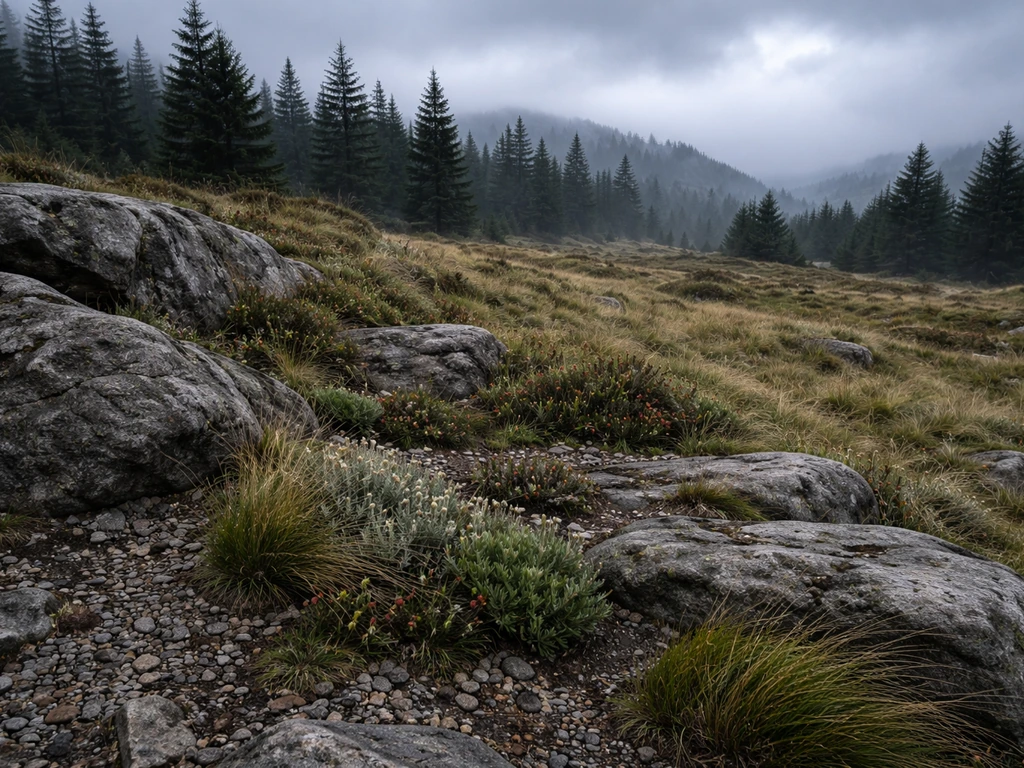
It is a fictional subregion in the video game Genshin Impact, set within Windwail Highland in the region of Mondstadt, and is best known as the territory of Andrius, the Wolf of the North. If you landed here looking for planting advice, you need to translate the fictional setting into real-world growing conditions before you can pick a single species.
The good news: Wolvendom's visual design and lore give you a clear environmental template to work from, and matching that template to your actual location is straightforward once you know what to look for.
What "Wolvendom" actually means for plant selection
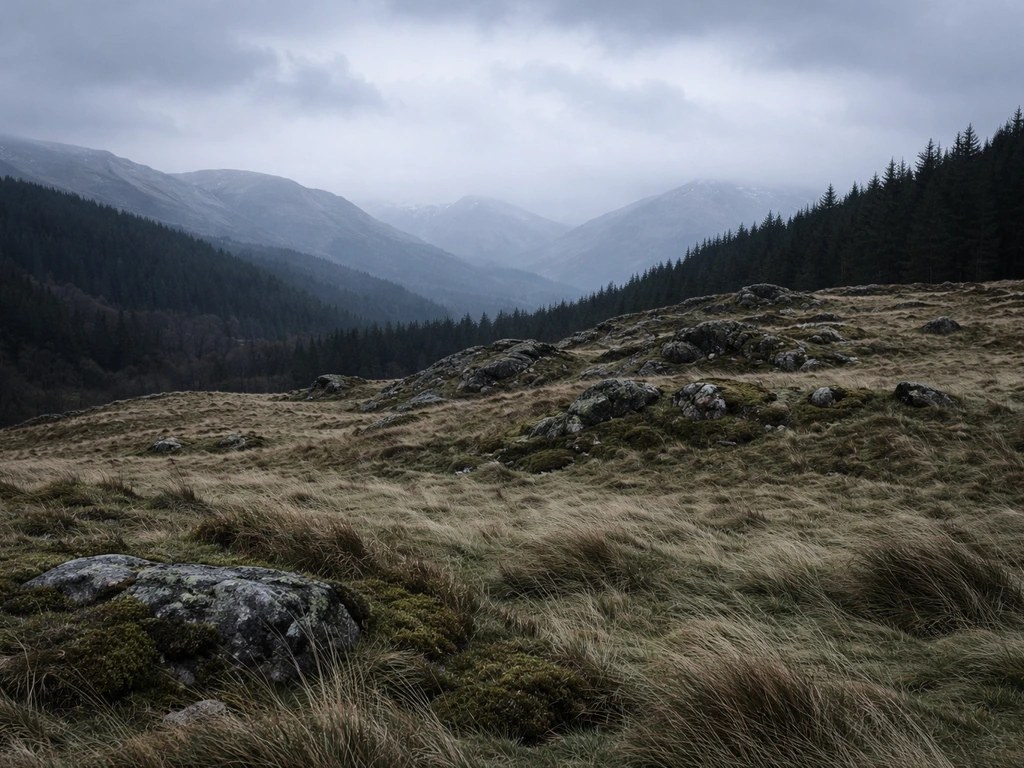
Wolvendom is depicted in Genshin Impact as a cold, windswept highland wilderness dominated by open meadows, rocky outcrops, conifer-edged ridgelines, and a harsh northern atmosphere. The lore frames it as a place of raw natural power, perpetually associated with cold wind and wolf territory. Think less "garden" and more "montane wildland at elevation." If you are a gardener, student, or plant enthusiast drawn to that aesthetic or ecological niche, the real-world analogue is a cool-temperate to subarctic highland environment: think Scottish moorlands, Scandinavian uplands, the Rocky Mountain foothills, or the high grasslands of Central Asia. Those are the conditions you need to match plants to.
The bottom line: "Wolvendom" as a planting context means cold winters, strong prevailing winds, open or partially shaded ground, well-drained rocky or loamy soils, and a short-to-moderate growing season. Every plant recommendation in this article is built around that template.
The growing conditions you need to match
Before choosing any plant, you need to understand the five core variables that define whether something will survive in a Wolvendom-type environment. Get these right and most of your selection work is already done.
Climate and temperature

A highland cold-temperate environment like Wolvendom evokes USDA Hardiness Zones 3 to 5, where average annual extreme minimum temperatures range from roughly -40°F (-40°C) down to about -10°F (-23°C). Plants you choose must survive hard freezes, late spring frosts, and potentially early autumn cold snaps. In real-world equivalents, you're looking at roughly 90 to 150 frost-free days per year. Annual precipitation in comparable real environments ranges from about 20 to 40 inches (500 to 1,000 mm), often with significant snowfall in winter.
Sun exposure
Highland meadows and open ridgelines get intense, unfiltered sunlight during the growing season because there is minimal tree canopy to diffuse it. Expect full sun for most of the day (6 or more hours of direct light), with occasional cloud cover and fog at elevation. South and west-facing slopes receive the most heat; north-facing slopes stay cooler and can hold moisture longer. Knowing your slope aspect at your actual site matters more than most people realize.
Soil type, pH, and drainage
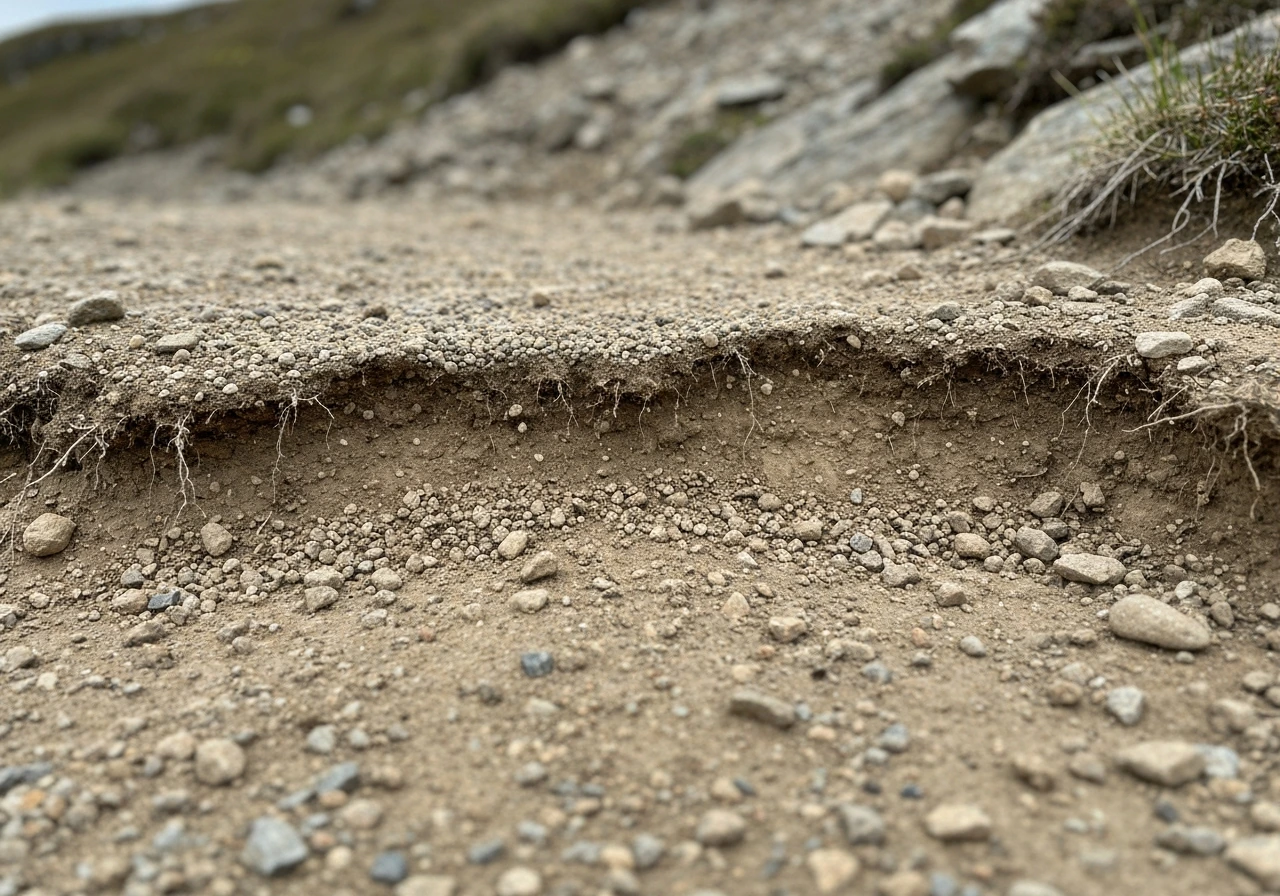
Rocky highland soils tend to be shallow, low in organic matter, and slightly acidic to neutral (pH 5.5 to 7.0). Drainage is usually fast because the substrate is rocky or gravelly rather than clay-heavy. That said, frost heave is a real problem: repeated freeze-thaw cycles in shallow soils physically dislodge plant roots, especially in the first season. Plants that establish deep root systems or tolerate loose, stony substrate have a strong advantage here.
Wind
Wind is one of the defining features of a Wolvendom-style environment. Open highlands funnel and accelerate wind, which increases plant transpiration, causes physical stem damage, and desiccates soil faster than rainfall can replenish it. Low-growing, mat-forming, or deeply rooted plants handle this better than tall, upright, or large-leaved species. Wind hardiness is a non-negotiable filter for this environment.
Best hardy plants to try: a quick shortlist by difficulty
Here is a shortlist organized from easiest to most demanding. Some of the hardiest options also include plants that can grow on driftwood when you give them strong drainage and steady exposure shortlist organized from easiest to most demanding. The easy picks are forgiving of imperfect soil prep and minor site variations. The tougher ones reward attention to drainage and planting timing.
| Plant | Difficulty | Key Strength | Hardiness Zone |
|---|---|---|---|
| Creeping Thyme (Thymus serpyllum) | Easy | Low mat, drought and wind tolerant | Zones 4–9 |
| Yarrow (Achillea millefolium) | Easy | Deep roots, thrives in poor rocky soil | Zones 3–9 |
| Blue Fescue (Festuca glauca) | Easy | Ornamental grass, handles cold and wind | Zones 4–8 |
| Common Juniper (Juniperus communis) | Easy | Evergreen, extremely cold and wind hardy | Zones 2–6 |
| Heather (Calluna vulgaris) | Moderate | Acidic soil specialist, moorland native | Zones 4–6 |
| Alpine Aster (Aster alpinus) | Moderate | True alpine, handles frost and thin soil | Zones 4–7 |
| Bearberry (Arctostaphylos uva-ursi) | Moderate | Groundcover, fixes poor rocky slopes | Zones 2–6 |
| Scots Pine (Pinus sylvestris) | Moderate | Hardy conifer, establishes on thin soil | Zones 2–7 |
| Mountain Avens (Dryas octopetala) | Challenging | True arctic-alpine, fixes nitrogen in thin soil | Zones 1–5 |
| Purple Saxifrage (Saxifraga oppositifolia) | Challenging | Extreme cold tolerance, rocky crevice specialist | Zones 1–5 |
Plant-specific requirements and how to get them established
Creeping Thyme and Yarrow: your starting points
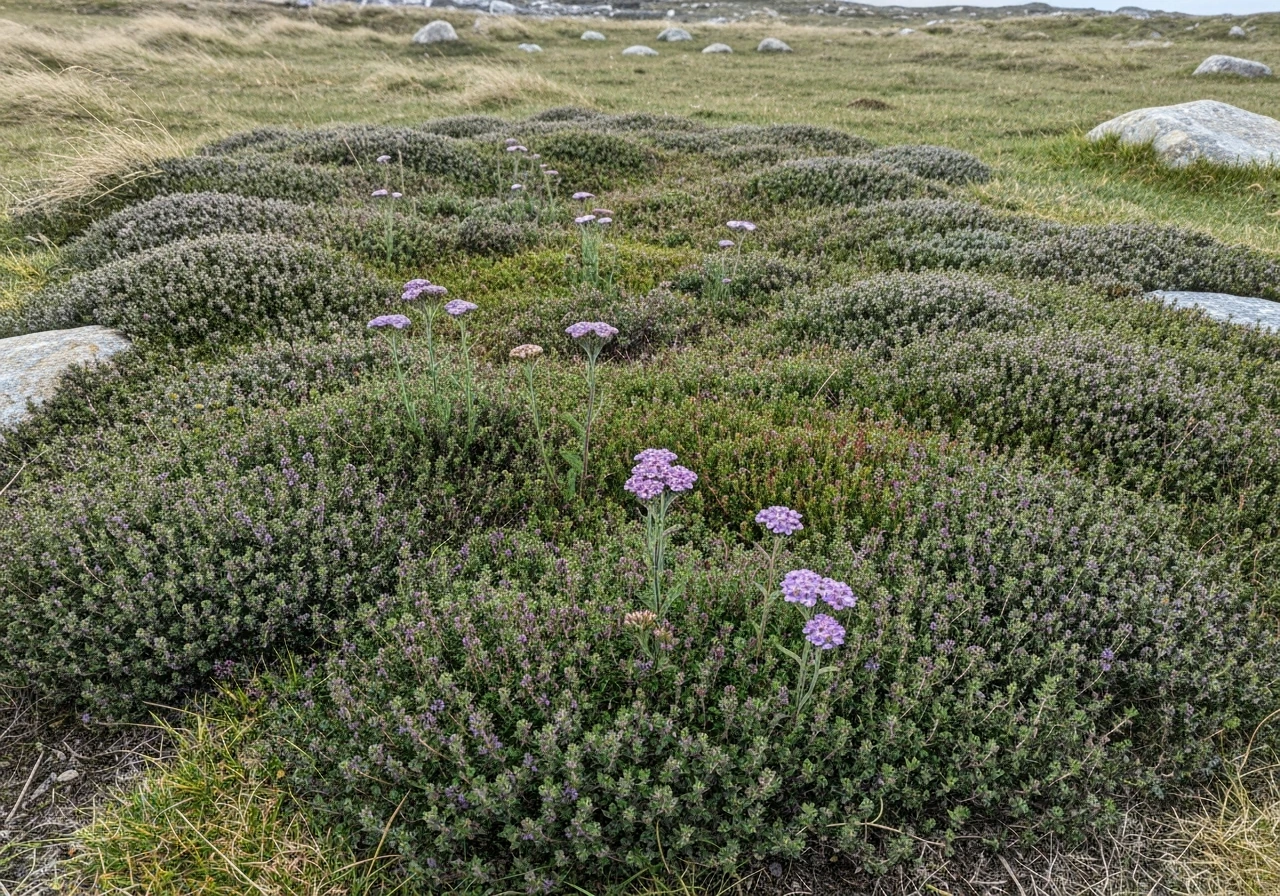
Creeping Thyme spreads as a low mat, rarely topping 3 inches (7 cm), which keeps it below the worst wind shear. Plant plugs or divisions in spring after the last hard frost, spacing them 6 to 12 inches apart in well-drained, gritty soil with a pH of 6. 0 to 7. 5.
It needs almost no supplemental water once established (usually within one growing season) and handles foot traffic well. Yarrow is similarly tough: its feathery, finely divided leaves reduce wind resistance, and its deep rhizomatous roots anchor it against frost heave. Direct-sow seed in early spring on disturbed, open ground, or transplant divisions. Both species naturalize readily on slopes and open meadow edges, which is exactly the Wolvendom archetype.
If you are trying to recreate a more unusual look, you can also look for plants that can grow in bark.
Blue Fescue and Common Juniper: structure on open ground
Blue Fescue forms dense, 8 to 12 inch (20 to 30 cm) clumps of silver-blue foliage and tolerates the kind of dry, exposed, full-sun sites that kill most ornamentals. Plant in spring or early autumn in sandy or gravelly soil, avoiding heavy clay. Divide clumps every 2 to 3 years when the center dies out.
Common Juniper is one of the most wind-hardy woody plants on Earth: it grows natively from sea level to above the treeline across the Northern Hemisphere, making it the closest real-world analog to a Wolvendom native. If you want more context beyond junipers, see what are woody plants grow for broader options that also handle cold, wind, and well-drained soils. Plant containerized specimens in early spring, water weekly for the first summer, and leave it alone after that.
It tolerates pH from 4. 5 to 7. 5 and grows on everything from pure limestone gravel to sandy peat.
Heather and Alpine Aster: the moorland specialists
Heather is the defining plant of cold, windswept European moorlands, so if your aesthetic target is Wolvendom's highland wildness, heather delivers it authentically. The catch: it demands acidic soil (pH 4.5 to 5.5). If your soil is above 6.0, amend with sulfur or plant in a raised bed with an ericaceous compost mix before putting heather in the ground. Plant in spring, in full sun, with sharp drainage. Alpine Aster is more forgiving of near-neutral pH (6.0 to 7.0) and flowers reliably even in thin, rocky soil. Set out plants in spring with 12 to 18 inch spacing, and top-dress around the root zone with fine gravel to suppress weeds and reflect heat.
Scots Pine and Bearberry: the longer game
Scots Pine is the tree most associated with cold northern wilderness in the real world, from the Scottish Highlands to Siberia. It grows slowly on thin soils and takes 5 to 10 years to establish canopy presence, but it is almost indestructible once it is past the seedling stage. Plant bare-root or containerized seedlings in early spring, 10 to 15 feet apart minimum, in well-drained soil. Bearberry is a low, trailing evergreen groundcover that thrives on sandy or rocky, acidic slopes (pH 4.5 to 5.5) in exposed positions. It spreads by layering its stems over the soil surface, making it excellent for stabilizing open, wind-scoured ground.
Mountain Avens and Purple Saxifrage: true arctic-alpine plants
These two are for the most committed and the coldest sites. Mountain Avens (Dryas octopetala) is a nitrogen-fixing mat-forming shrub native to arctic and alpine limestone screes across Europe and North America. It tolerates Zones 1 through 5 and handles freeze-thaw cycles that destroy almost everything else. Purple Saxifrage blooms right through late snowpack and grows in rocky crevices with almost no soil at all. Both need excellent drainage above everything else: standing water in winter is the one thing that kills them reliably. They are slow to establish but essentially permanent once they have their roots in.
Why plants fail in this kind of environment and how to fix it
Most failures in cold, windswept environments come down to a short list of predictable mistakes. Knowing them in advance saves a lot of frustration.
- Poor drainage: waterlogged soil in winter kills cold-hardy plants faster than low temperatures. If water sits on the surface for more than an hour after heavy rain, raise your beds by 4 to 6 inches or add 30 to 40 percent coarse grit to your soil mix before planting.
- Wrong pH: acid-lovers like heather and bearberry planted in alkaline soil will yellow and stall within one season. Test your soil pH with an inexpensive kit before planting (not after), and amend accordingly.
- Planting too late in autumn: plants set out in late autumn in cold climates often do not root in before the ground freezes, leaving them to desiccate over winter. Aim to plant cold-hardy species at least 6 weeks before your expected first hard frost.
- Frost heave in the first winter: small, shallow-rooted plants are physically pushed out of the ground by freeze-thaw cycles. Mulch around new plantings with gravel or coarse bark to moderate soil temperature fluctuation, and check root contact in early spring, firming plants back in if needed.
- Wind desiccation: plants lose moisture through their leaves much faster in wind than in still air. Water new plantings more frequently in the first season during windy dry spells, and consider a temporary windbreak (burlap, woven fencing) on the windward side for the first winter.
- Choosing wrong sun tolerance: shade-adapted plants placed on an open, south-facing highland slope will scorch and wilt. Confirm your site's actual daily sun hours before choosing species.
How to check your real site today and pick the right plant
The fastest and most important thing you can do right now is blank" rel="noopener noreferrer">look up your USDA Plant Hardiness Zone using your ZIP code at the USDA Plant Hardiness Zone Map website (planthardiness.ars.usda.gov). blank" rel="noopener noreferrer">Enter your ZIP and you will get your zone in under a minute. That single number tells you the average annual extreme minimum temperature your site experiences, which is the primary filter for every plant on the shortlist above. If you are outside the US, use an equivalent national hardiness zone map or search your region's average annual minimum temperature.
- Look up your hardiness zone by ZIP code at the USDA Plant Hardiness Zone Map. Cross-reference your zone against the shortlist table above and eliminate anything outside your zone range immediately.
- Test your soil pH with an inexpensive probe or test kit from any garden center. Results take about 5 minutes. If your pH is above 6.0, rule out heather and bearberry unless you are willing to amend heavily.
- Do a drainage check: dig a hole about 12 inches (30 cm) deep, fill it with water, and watch how long it takes to drain. If it takes longer than 4 hours, you have slow drainage and need to amend with grit, build raised beds, or choose only species specifically noted as tolerating wet soil.
- Count your sun hours on a clear day. If you get 6 or more hours of direct sun, you are in full-sun territory and all the species listed here will work in terms of light. Under 4 hours, shift toward shade-tolerant alternatives not covered here.
- Note your wind exposure. If you are on an exposed ridge, slope, or open field with consistent wind, prioritize the low-growing and mat-forming species (creeping thyme, bearberry, mountain avens, blue fescue) over upright shrubs or conifers in the first planting year.
- For species you are unsure about, contact your nearest Cooperative Extension Service office (in the US) or local horticultural society. They can confirm what performs well in your specific microclimate and often have locally grown plant sources.
If your real garden site is Zone 4 or colder, open, and well-drained, you have a genuinely Wolvendom-like canvas to work with. Creeping thyme, common juniper, and yarrow are your zero-risk starting trio. Add heather once you have confirmed your pH and drainage, then work up to the alpine specialists once you have a season or two of observation under your belt. If you want something even easier to manage than an in-ground Wolvendom planting plan, consider plants that can grow in cups as a practical container alternative.
The plants that thrive in harsh, windswept highland environments are some of the most resilient on earth, and they reward patience and correct site-matching far more than intensive care. Some plants can also take hold on wood, such as certain lichens and hardy fungi that live on bark or dead timber plants that can grow on wood.
If you want the same idea for a smaller space, you can even use suitable hardy plants for setups like plants that can grow in wine bottles. If you are trying to grow plants in cups, choose compact, well-draining container setups that match these same cold, wind, and light conditions.
FAQ
Why do some of these Wolvendom-style plants die even when my hardiness zone matches?
Test soil pH and drainage before you buy. In a Wolvendom-type site, you can be cold and windy but still fail if the ground stays wet in winter. For heather specifically, aim for pH 4.5 to 5.5 and plan on a raised bed with ericaceous compost if your native soil runs near neutral.
How should I water in a very windy, cold highland environment without causing rot?
Wind damage is often a watering problem in disguise. After planting, water early in the day and only until roots establish, then reduce frequency, not to help the plant, but to prevent winter wetness. A windbreak works better than constant watering, especially in the first season.
What timing mistakes cause the most failures in Wolvendom-like climates?
Don’t transplant too late. Use spring planting after the last hard frost, and for early autumn only if your site reliably has a mild fall, because establishment needs time before freeze-thaw stress ramps up. If you have short summers, prioritize plants that are started from plugs or divisions rather than seed.
Does slope direction or aspect matter more than soil type for Wolvendom plant choices?
You can use one-sided exposure as a planning tool. If your site has a clear north, south, east, or west face, test a small area on the most challenging side first (usually north-facing and windward) because it will reveal whether your drainage and wind exposure are truly Wolvendom-like.
Is mulching helpful or harmful in these cold, windy, rocky sites?
Yes, but do it selectively. Stone or gravel mulch helps suppress weeds and improves surface drainage, but thick organic mulch can keep the root zone wet through winter. Keep mulch light over crowns and focus on coarse gravel top-dressing around the plants rather than covering the whole area deeply.
How does plant spacing affect survival in a Wolvendom environment?
Space can be as important as cold tolerance. Crowded clumps trap moisture and increase dieback, especially for fescue and thyme. As a rule, follow the article spacing guidance, then leave extra clearance on the windiest edges because airflow dries foliage faster.
What should I plant first if I want results in 1 season but also want long-lived shrubs or trees?
For short-to-moderate growing seasons, go for fast-to-root options first, and treat “slow establishment” species as long-game projects. Juniper, Scots pine, Dryas, and saxifrage can take years to look established, so plan visual coverage with faster groundcovers like thyme or yarrow while the others establish.
How can I tell if my wind exposure is too much for my chosen plants?
Measure wind at planting time, not just during summer. Many highland sites dry out quickly in late fall and winter winds when the ground is frozen, which reduces available moisture. Plant low-growing mats and deep-rooted species on the most exposed ridgelines to reduce stem and crown exposure.