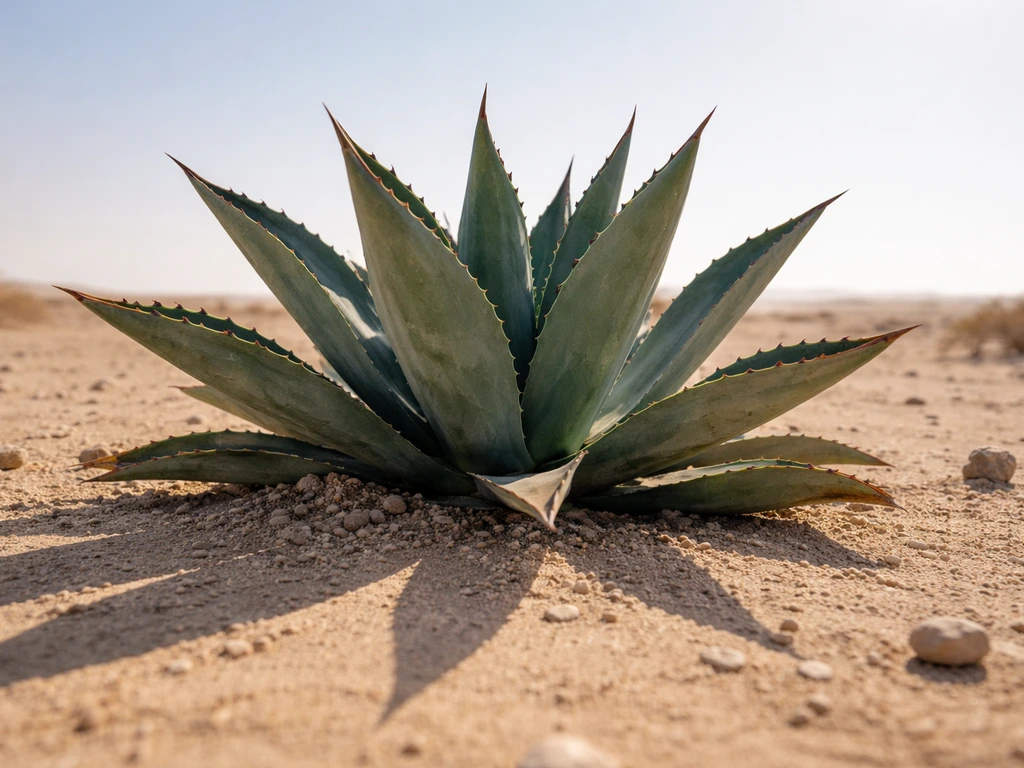
Century plants grow naturally in arid to semi-arid regions of Mexico and the southwestern United States, particularly in sandy desert scrub, rocky slopes, and open grasslands at lower elevations. Agave americana, the species most people mean when they say 'century plant,' is native to the south Texas region and Mexico, but has naturalized across dry climates on nearly every continent. In practical terms, if you live somewhere hot, sunny, and dry with well-drained soil and mild winters (USDA zones 8 to 10), there's a good chance a century plant will thrive in the ground for you. If you don't, containers and a little winter management can still make it work.
Where Do Century Plants Grow Best By Climate and Soil

Dr. Marcus Weatherby
30 May 2026
What people usually mean by 'century plant'
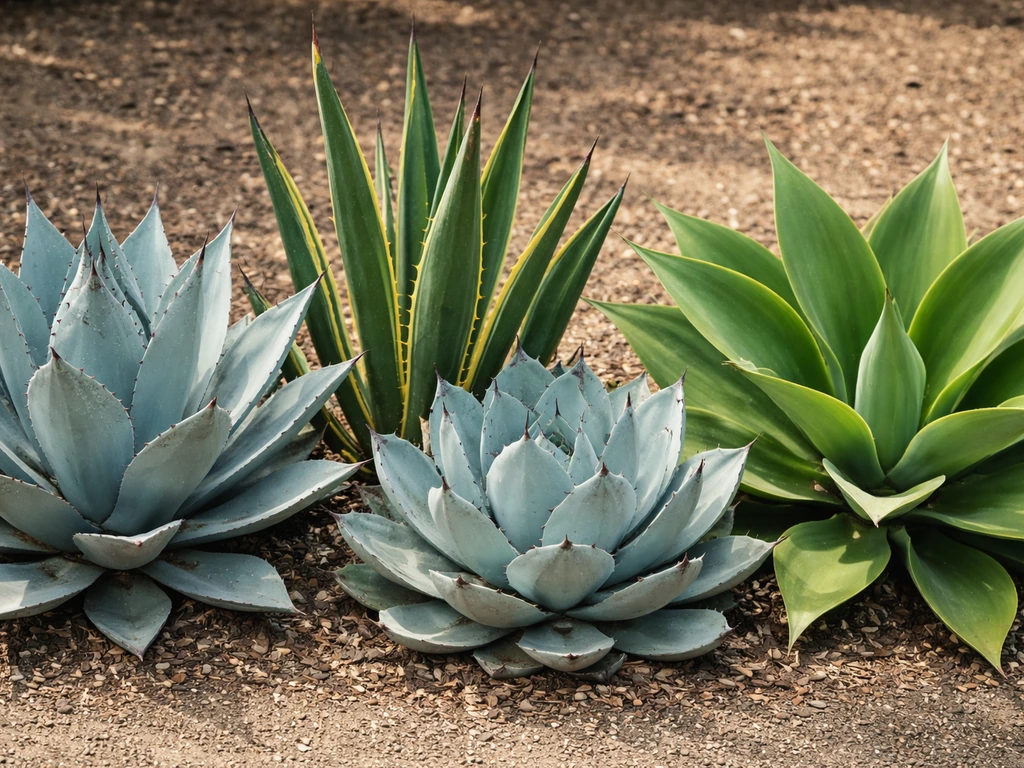
The name 'century plant' gets applied to several agave species, which causes a lot of confusion when you're trying to figure out where one will actually grow. Most of the time, people mean Agave americana, also called the American century plant or Mexican soap plant. It's the large, blue-gray rosette you see in desert gardens, along roadsides in dry climates, and occasionally in pots on sunny patios. Agave parryi, Parry's agave, also goes by 'century plant' in the American Southwest, and it's actually more cold-tolerant than A. americana. The University of Arizona Extension and the USDA Forest Service both use 'century plant' as a catch-all for several agave species, so the first thing worth confirming is which species you actually have or are buying, because that changes your cold-hardiness baseline significantly.
The 'century' in the name is a bit of an exaggeration. These plants don't actually live 100 years before flowering, but they do live a long time, often 10 to 30 years, bloom once in a spectacular towering spike, and then die. They leave behind clonal offsets called pups, so the colony persists. That lifecycle matters for location decisions: you're planting something that will occupy its spot for decades.
Native habitat and natural geographic range
In its native range, Agave americana grows in sandy desert scrub, typically at relatively low elevations around 200 meters. The Missouri Botanical Garden and Chicago Botanic Garden both describe the native range as the southwestern United States and Mexico, though Flora of North America narrows the truly native US footprint to the south Texas area. From there it has naturalized almost everywhere with a dry, warm climate: Mediterranean Europe, parts of Africa, South Africa (where it's considered an invasive weed), India, and Australia. That naturalizing success tells you a lot about what the plant actually needs. It moves in wherever the winters are mild, the summers are hot, and the drainage is good.
In Mexico, the heartland of agave diversity, you'll find century plants in open rocky terrain, hillside scrub, and grassland edges, often in thin, fast-draining soils that barely qualify as soil by most gardeners' standards. That's not an accident. The roots need oxygen as much as they need water, and compacted or waterlogged ground is essentially hostile territory for these plants.
Temperature, frost tolerance, and heat
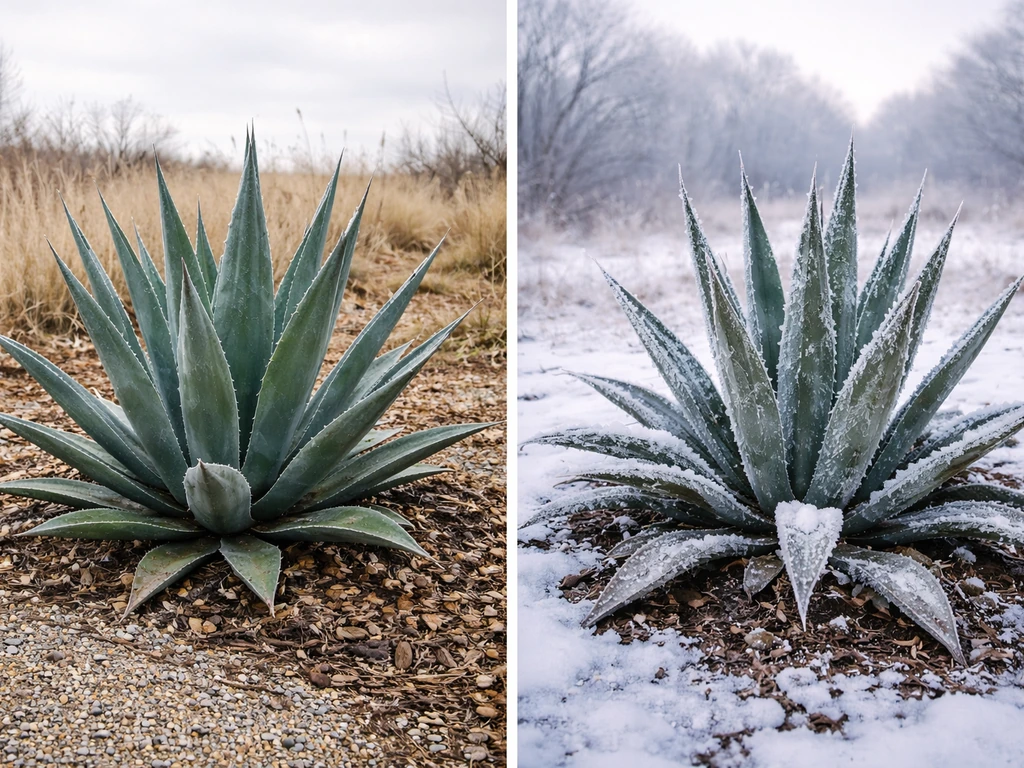
Agave americana is reliably winter hardy in USDA zones 8 through 10, which covers much of the American South and Southwest: coastal Texas, Louisiana, the Gulf Coast, New Mexico, Arizona, California, and Florida. You can push it into zone 7b with some protection, but you're gambling. Reports from Central Texas gardeners suggest A. americana can blank" rel="noopener noreferrer">tolerate temperatures down to around 15°F before serious damage sets in, though you may start seeing freeze damage at around 23°F without any protection. That's a meaningful window: it's not a tropical plant, but it's not frost-hardy in the way a sedum or ornamental grass is.
On the other end of the scale, century plants genuinely love heat. Temperatures well above 100°F are no problem at all, as long as the roots are dry. In Phoenix, Tucson, and similar desert cities, they perform beautifully year-round with essentially no supplemental care. The heat tolerance is essentially unlimited from a practical standpoint. It's the cold and the wet that kill them, not the heat.
If you're considering Agave parryi instead of A. americana, the cold tolerance picture changes substantially. Parry's agave can handle temperatures well below 0°F in some cases, making it usable in zones 5 and 6 where A. americana simply won't survive outdoors year-round. If you're at the colder edge of agave territory, it's worth looking at species hardiness specifically rather than assuming all 'century plants' perform the same.
Sunlight, spacing, and water
Full sun is non-negotiable. Every major extension service and botanical garden resource, from the BBC Gardeners World advice to Texas Master Gardeners to University of Arizona Extension, specifies full sun as the baseline requirement. Century plants in shaded positions grow slowly, produce weak, elongated leaves, and are far more susceptible to rot. In their native desert scrub habitat, they're sitting in unfiltered sun for eight to ten hours a day. Aim to replicate that.
Spacing matters more than most people expect. A mature Agave americana can reach 6 to 10 feet in height and spread, and the leaf tips are sharp enough to draw blood. Plant it at least 6 feet from foot traffic areas, structures, and other plants. This isn't just a practical safety note: overcrowding reduces airflow, which raises humidity around the base and increases rot risk.
Water requirements for established plants are very low. During active growing months (spring and summer), occasional deep watering is fine. In fall and especially winter, back off almost entirely. The North Carolina Extension notes A. americana as drought-appropriate and suitable for arid landscaping, and that framing is accurate: once established, it should be getting by largely on rainfall in a suitable climate. Overwatering is one of the most common ways century plants fail in cultivation.
What 'good ground' actually means for century plants
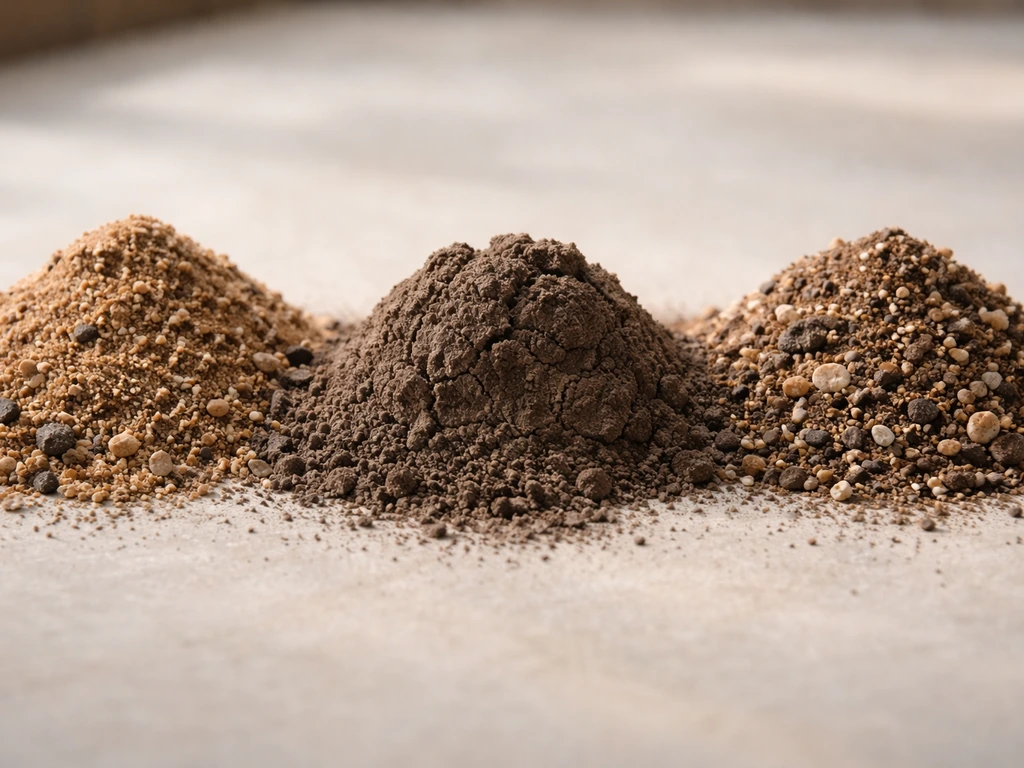
Flora of North America describes the native habitat as 'sandy places in desert scrub,' and that single phrase tells you almost everything about soil requirements. Coarse, porous, fast-draining substrate is the goal. The soil doesn't need to be rich. It doesn't need to hold moisture. It needs to drain quickly and allow air to reach the roots.
If you have heavy clay, you need to do one of two things: either amend heavily with coarse grit and perlite to open up the structure, or plant on a raised mound so water physically runs away from the root zone. Texas Tree Farms specifically warns that clay soils require significant grit amendment and mound planting to prevent water from pooling around the base. This is not optional advice. A century plant sitting in clay that holds water through a wet winter is essentially sitting in conditions that will cause crown rot.
Crown rot, caused by excess moisture at the base and around the crown, is the primary disease risk for agaves. Gardening Know How and Texas Master Gardener resources both flag excess moisture and humidity, especially in cooler climates, as the main rot trigger. Good drainage is your first and most effective defense against it.
| Soil type | Suitability | What to do |
|---|---|---|
| Coarse sand or decomposed granite | Ideal | Plant directly, no amendment needed |
| Sandy loam | Good | Plant directly with minor grit addition if desired |
| Loam or average garden soil | Acceptable | Add 30-40% coarse grit or perlite, improve drainage |
| Heavy clay | Poor without modification | Amend heavily with grit or plant on a raised mound |
| Waterlogged or poorly drained soil | Unsuitable | Use containers with fast-draining cactus mix instead |
Where they grow in the wild vs where you can grow them
In the wild, century plants occupy arid and semi-arid zones in Mexico, south Texas, and, through naturalization, dry-climate regions around the world including the Mediterranean basin, parts of South Africa, and southern Australia. Insectivorous plants also tend to thrive in warm, sunny places with nutrient-poor soil and strong drainage, which is why habitat conditions matter when you ask where insectivorous plants grow. They don't grow in rainforests or humid subtropical climates by choice; in those environments they show up only where drainage is exceptional and air circulation is good. This same characteristic of surviving through vegetative reproduction is something you'll notice in other drought-adapted plants, including many species covered in related ecological topics like where tropical plants grow or where flowering plants grow in seasonally dry environments. Where do C4 plants grow? Generally, C4 plants thrive in hot, sunny conditions with sufficient water availability during the growing season, often in grasslands and open habitats. Endemic plants are those which grow in only a specific region, which is why understanding natural range matters before you try to grow a new species.
In the United States, the practical growing range for Agave americana in the ground without special protection runs roughly through USDA zones 8 to 10. That includes most of Texas south of Dallas, New Mexico, Arizona, southern California, Nevada's warmer valleys, Florida, and the Gulf Coast. In zone 7 (parts of the Mid-Atlantic, lower Midwest, Pacific Northwest), you can try it with winter protection, but the limiting factor is often wet cold soil as much as air temperature. In zones 6 and below, ground planting without serious infrastructure is not realistic for A. americana.
Internationally, century plants have naturalized across Mediterranean Europe, the Canary Islands, North Africa, India, South Africa, and parts of Australia, all regions that share the critical characteristics: warm to hot summers, mild or dry winters, and reliably well-drained terrain. In South Africa, A. americana is actually classified as a serious environmental weed because of how aggressively it spreads in suitable conditions. That invasive track record in warm, dry climates is one more data point confirming exactly what 'suitable' looks like for this plant.
Growing century plants where you're too cold or too wet
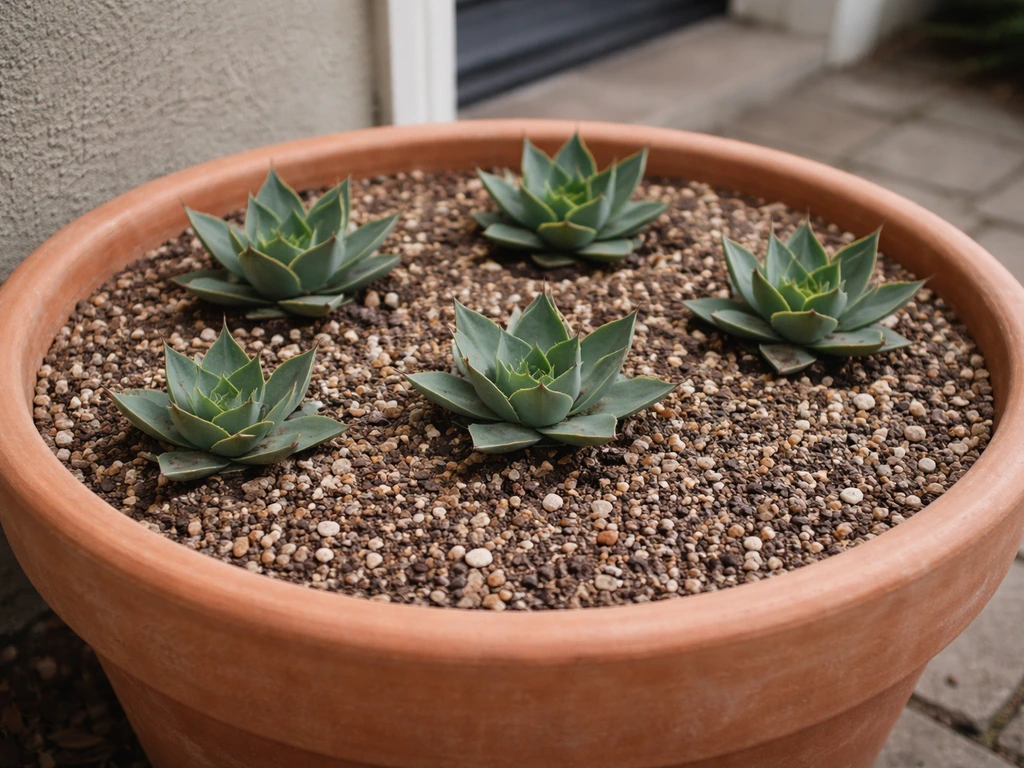
Containers are the most practical solution for gardeners outside zones 8 to 10. A large pot filled with a gritty cactus-type potting mix, as Texas Master Gardeners recommend, mimics the fast-draining substrate these plants evolved in. The key is using a mix that doesn't retain moisture: standard potting soil is too dense and too water-retentive. Look for mixes marketed for cacti and succulents, or blend your own with roughly equal parts potting soil, coarse perlite, and coarse grit.
The advantage of containers is that you control winter conditions. Horticulture Magazine's guidance on agaves in containers makes this point clearly: you can move the plant to a sheltered spot, stop watering almost entirely through winter, and keep it dry. In containers, it helps to keep agaves dry through winter and use a gritty, well-draining potting mix so excess moisture does not cause rot stop watering almost entirely through winter, and keep it dry. Penn State Extension and WSU Extension both note that container roots are far more vulnerable to temperature swings than in-ground roots, so when you move a potted century plant for winter, you're protecting both from cold and from root freeze. A frost-free garage, greenhouse, or even a bright, cool indoor spot works well.
If you're trying to keep one in the ground in zone 7 or a marginal zone 8, the two things to manage are cold air and wet soil. Covering the plant with a frost cloth during hard freezes helps with air temperature, but it's the soil moisture that's often the real killer. Improving drainage before planting, mulching lightly around the base (not over it), and avoiding any irrigation from late fall through winter can meaningfully extend survival.
- Confirm your species: find out whether you have Agave americana or a hardier species like Agave parryi, since cold tolerance varies significantly between them.
- Check your USDA zone: zone 8-10 means in-ground planting is realistic; zone 7 and below means containers or committed winter protection.
- Assess your drainage: pour water on your planting spot and watch how fast it soaks in. If it pools for more than a few minutes, amend with grit or plan to plant on a mound.
- Count your sun hours: make sure the site gets at least 6 to 8 hours of direct, unfiltered sun daily.
- Plan your winter water strategy: if you're in a wet-winter climate, either move a container indoors or stop irrigating ground-planted specimens entirely from October through March.
One thing worth keeping in mind: century plants spread through offsets. When the mother plant eventually dies after flowering, the pups it has produced keep the colony going. That means a container plant can be propagated from offsets and kept going indefinitely, even in climates where the plant could never survive a winter outdoors. It's a different relationship with the plant than most gardeners are used to, but it works well once you understand the lifecycle. This same characteristic of surviving through vegetative reproduction is something you'll notice in other drought-adapted plants, including many species covered in related ecological topics like where tropical plants grow or where flowering plants grow in seasonally dry environments. Where flowering plants grow varies by species, but most need the same basics: suitable climate, enough light, and well-matched growing conditions. Tropical plants grow in warm, humid regions with enough rainfall or moisture to support active growth year-round where tropical plants grow.
FAQ
Can I grow a century plant outdoors if my summers are hot but my winters are wet?
You can often only succeed if you can keep the crown zone dry all winter. Use a raised mound or a container so runoff and low temperatures do not soak the base, and stop irrigation well before fall. If your winter rain lands on flat ground and puddles, rot risk becomes the limiting factor even when air temperatures are within range.
What’s the best way to identify which “century plant” I’m buying?
Check the botanical name on the tag or invoice. “Century plant” is used for multiple agave species, and cold tolerance can vary a lot. If the tag only says “century plant” with no species, ask the seller for the scientific name before planting.
How much direct sun do century plants actually need?
Aim for full sun for most of the day, ideally around 8 or more hours. Bright light that still includes long shade periods can slow growth and increases rot risk because soil dries more slowly in cooler, shaded spots.
How can I tell if my century plant is getting too much water?
Look for softening at the base or a crown that turns dark and mushy, often before the leaves collapse. Slower warning signs include leaves that look waterlogged or unusually transparent. In most cases, the fix is to stop watering and improve drainage immediately rather than “feeding” or waiting.
Is it safe to mulch around a century plant?
Light mulch is okay, but keep it away from the crown so moisture does not sit against the plant. In wet climates, bare mineral soil or gravel around the base is safer than organic mulch, which can trap moisture and raise humidity right where rot starts.
What should I do if my century plant gets frost damage?
Wait for new growth before cutting anything back. Remove only clearly dead, mushy tissue because cutting into live tissue can increase rot entry points. In the next cold season, focus more on keeping the root zone dry and protected than on blanket coverage alone.
Can I grow it in a container year-round in cool climates?
Often no, because container roots are more exposed to temperature swings and freeze-thaw cycles. You can keep it in a sheltered spot where it stays dry in winter, such as a frost-free garage or bright cool greenhouse, and reduce watering to near zero for the dormant period.
How big should a pot be for a century plant?
Choose a large pot that gives stable spacing and reduces how quickly it dries out, but still drains freely. A cactus-style mix helps, yet the most important factor is drainage holes and the ability to keep the crown dry in winter. If water collects in the saucer, empty it promptly.
Do century plants need fertilizer?
Usually no, especially if your soil is not extremely poor. Over-fertilizing can push soft growth that is more prone to damage and can also encourage unwanted moisture retention. If you do fertilize, do it lightly during active growth and avoid feeding late in the season.
How far apart should I plant multiple century plants?
Space them widely, at least about their mature spread, since colonies grow into large rosettes and airflow matters to prevent rot. For safety and maintenance, plan for mature leaf height plus extra clearance from paths, walls, and other plants, since overcrowding keeps the base wetter longer.
Will a century plant actually live indefinitely in the same spot?
The mother plant typically blooms once and then dies, but the plant persists through offsets (pups). That means the area can stay occupied for decades, yet you should expect a “replacement cycle” when flowering ends and pups take over.