Almost every plant grows in soil, but the real question is which plants will grow in YOUR soil. Once you know your red-soil conditions, you can narrow down the plant list to species that tolerate the pH, drainage, and nutrient profile you have which plants can grow in red soil. The answer depends on four things you can measure or observe today: pH, texture, drainage, and fertility. Get those four numbers roughly right, and you can match your ground to dozens of plants with confidence. Get them wrong, and even the toughest species will struggle.
What Plants Grow in Soil: Match Plants to Soil Type

Dr. Marcus Weatherby
28 May 2026
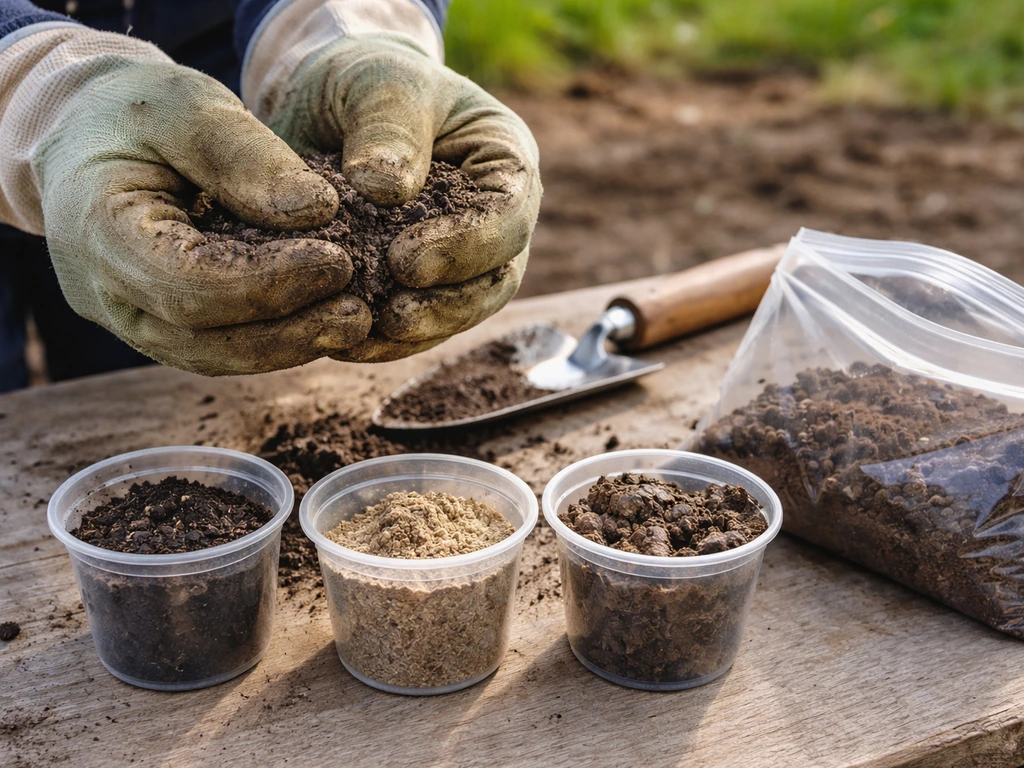
How to tell what will grow in your soil
Before you pick a single plant, spend fifteen minutes reading your soil. The four factors that matter most are pH, texture, drainage, and nutrient levels. Each one filters out certain plants and opens the door to others.
pH: the single biggest filter
Soil pH runs from 0 to 14. Most garden plants thrive between 6. 0 and 7. 0 (slightly acidic to neutral).
Below 5. 5, nutrients like phosphorus and potassium lock up in the soil and become unavailable even if they're technically present. Above 7. For what plants grow in high pH soil, look for alkaline-tolerant species like lavender, lilacs, and many native wildflowers.
5, iron and manganese become scarce. University soil testing labs typically report pH alongside phosphorus (P), potassium (K), and [organic matter](https://soiltest. cfans. umn.
edu/interpretation-soil-test-results-horticultural-crops) (OM) as the core package because these numbers together tell you what nutrients your plants can actually access, not just what's sitting in the ground. A low pH paired with low organic matter means even fertilizer you add won't do much good until you correct the base conditions.
Texture: sand, silt, and clay
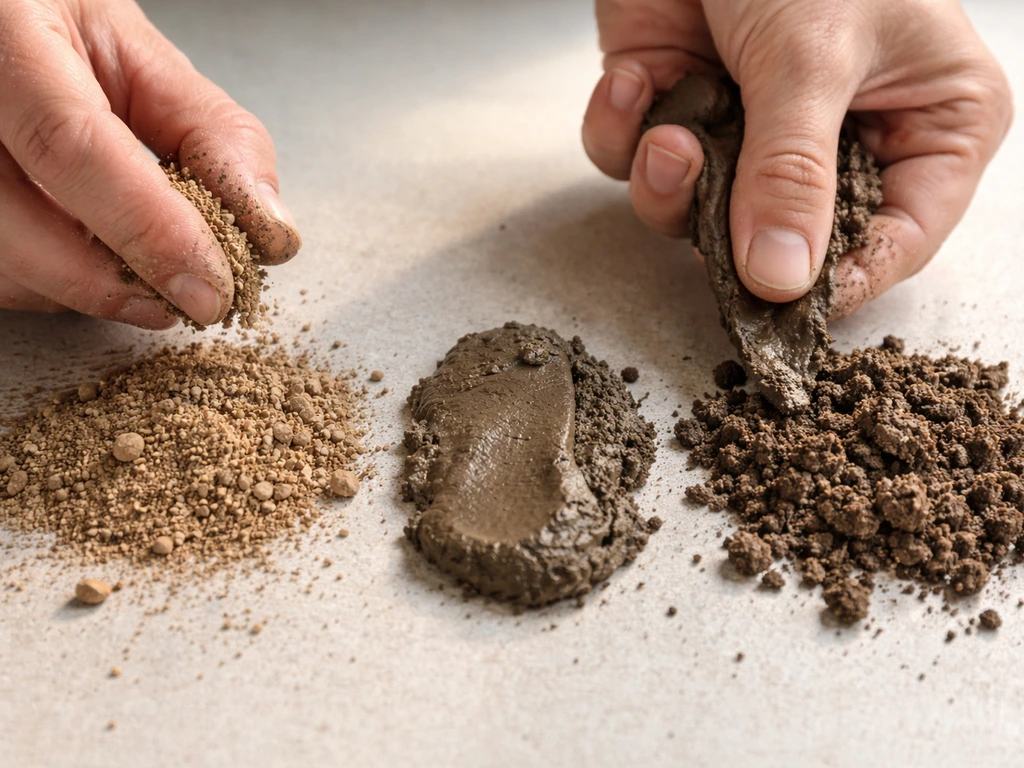
Texture tells you how quickly water moves through and how well roots can anchor. Rub a moist handful between your fingers. Sandy soil feels gritty and falls apart immediately. Clay soil feels sticky and plastic-like and holds its shape. Loam feels smooth and crumbles when you open your fist. This matters because sandy soils drain fast and dry out quickly, clay soils hold water and can suffocate roots, and loam sits in the sweet spot. Most food crops, perennials, and grasses prefer loam, but plenty of plants are specialists adapted to the extremes.
Drainage and oxygen
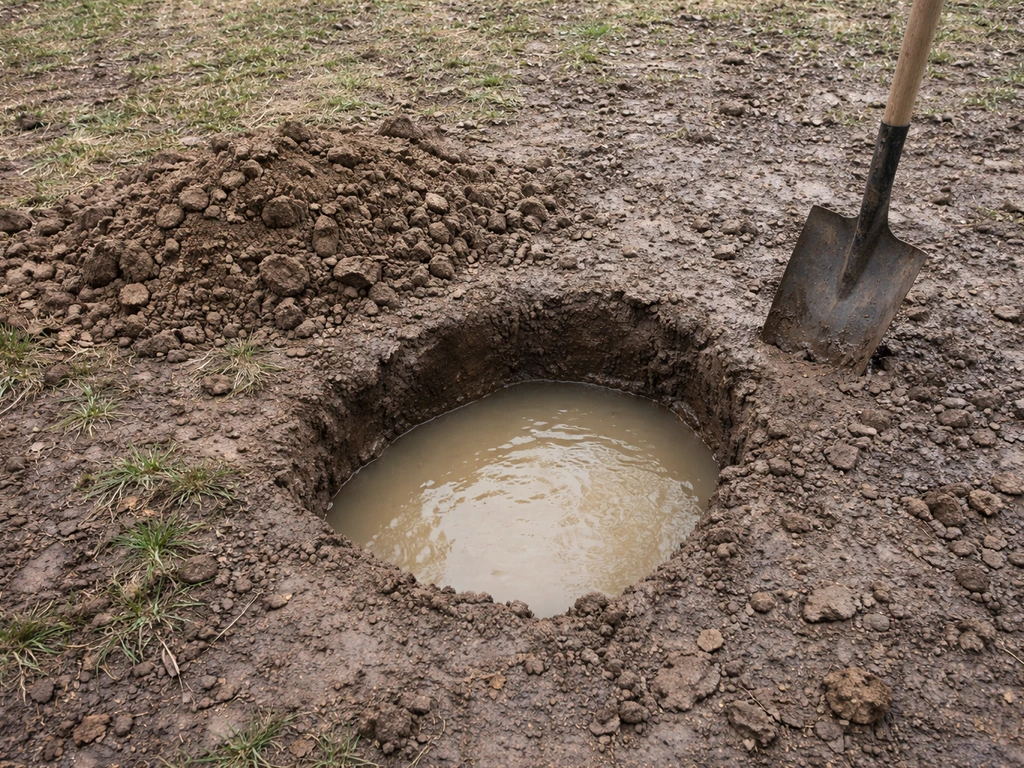
Dig a hole about 12 inches deep and fill it with water. If it drains in under an hour, you have fast drainage. If water is still sitting there after 4 hours, you have a drainage problem. Waterlogged soil suffocates most plant roots because oxygen gets pushed out. Only specialized wetland and bog plants handle that long-term. Compacted soil (hard to dig, no earthworms) is a related problem: it drains poorly and makes root penetration difficult, which limits you to shallow-rooted or tap-rooted species. If you are dealing with shallow soil, focus on plants with compact root systems that can still anchor and access nutrients near the surface.
Nutrients and salinity
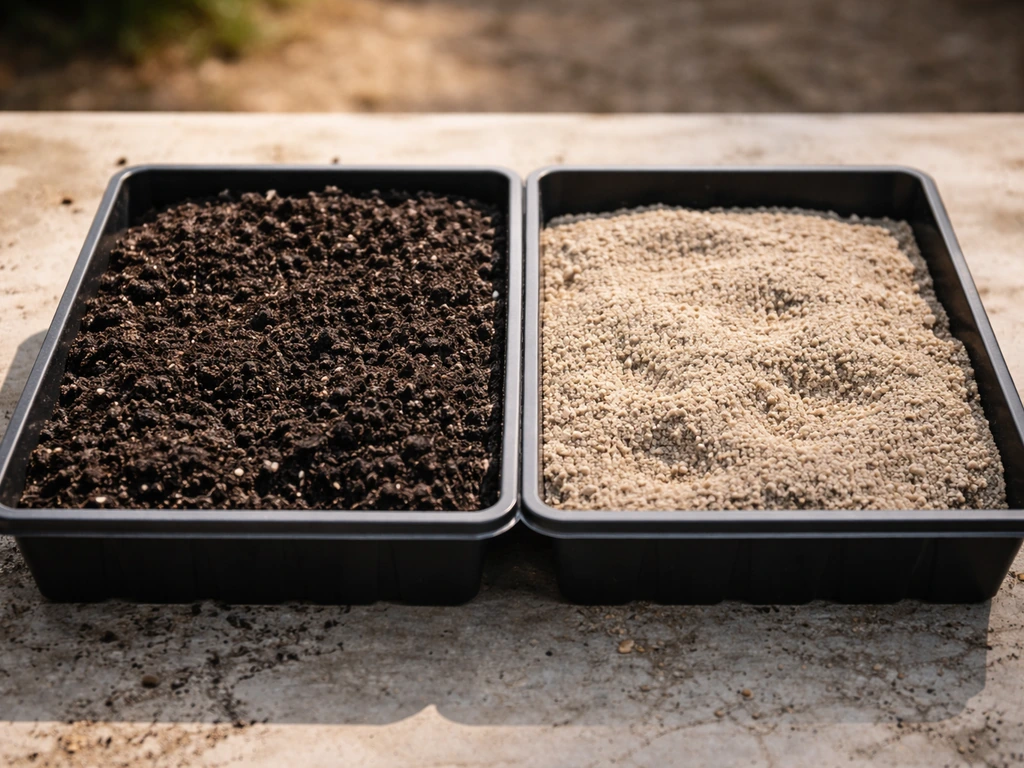
Organic matter percentage tells you how biologically active your soil is. Rich, dark soil with high organic matter supports the widest range of plants. Pale, thin soil with low organic matter is a limiting factor even if pH is fine. In coastal or roadside areas, salinity is an added challenge. Electrical conductivity (EC), measured in dS/m or mmhos/cm, is the standard way labs assess salt load. Most common vegetable crops start showing stress above 2 dS/m, while salt-tolerant species can handle 4 dS/m or more. If you're near a coast or in a region with naturally saline soils, knowing your EC number before choosing plants saves a lot of disappointment.
Common plants matched to soil type
Here's a practical breakdown of which plants naturally thrive in each major soil type. These aren't just tolerant plants, they're species that actually perform well in these conditions in the field.
| Soil Type | Key Characteristics | Plants That Grow Well |
|---|---|---|
| Sandy | Fast draining, low nutrients, pH often 5.5–6.5 | Lavender, rosemary, thyme, black-eyed Susan, lupine, pine trees, beach grass, carrots, radishes |
| Loamy | Well-drained, nutrient-rich, pH 6.0–7.0 | Tomatoes, roses, beans, sunflowers, maples, most vegetables, most grasses |
| Clay | Slow draining, compacts when dry, pH 6.0–7.5 | Asters, daylilies, hostas, willows, red clover, ornamental grasses, dogwood |
| Rocky/Compact | Thin topsoil, low nutrients, variable pH | Sedums, yarrow, creeping thyme, juniper, wild bergamot, prairie dropseed |
| Peat-like/Boggy | High organic matter, acidic (pH 4.0–5.5), wet | Blueberries, cranberries, pitcher plants, sphagnum moss, bog rosemary, sundew |
Notice that loamy soil wins for diversity, which is why most gardening advice pushes you toward building loam. Rocky and peat-like soils have the narrowest plant lists but also host some genuinely specialized species you won't see anywhere else. If your soil leans toward ericaceous (very acidic, high in organic matter), acid-lovers like blueberries and heathers are your best friends, and there's a whole world of plants specifically adapted to those conditions.
Plants that handle tough conditions
Ideal soil is a luxury. Plenty of sites come with constraints: deep shade, summer drought, standing water, or high salt. Some land plants can even grow underwater if their species is adapted to long periods of inundation standing water. Here are reliable choices for each of those challenging situations.
Low light and shade
- Ferns (particularly lady fern and wood fern): thrive in moist, shaded woodland soils with moderate acidity
- Hostas: prefer moist, slightly acidic loam under tree canopy
- Wild ginger (Asarum canadense): spreads in shaded, humus-rich forest floors
- Bleeding heart (Lamprocapnos spectabilis): does well in cool, shaded sites with good moisture retention
- Lily of the valley: naturalizes in shaded areas with neutral to slightly acidic soil
Drought and dry soil
- Yarrow (Achillea millefolium): survives in poor, dry, well-drained soils across a huge range of climates
- Russian sage (Perovskia atriplicifolia): thrives in alkaline, dry, rocky ground
- Coneflower (Echinacea purpurea): tolerates drought once established in well-drained loam or sandy loam
- Juniper (various species): widely adapted to dry, poor, rocky soils
- Buffalo grass (Bouteloua dactyloides): native to Great Plains, handles both drought and cold winters
Wet, waterlogged, or poor-draining soil
- Cattails (Typha spp.): colonize shallow standing water and saturated margins
- Joe-Pye weed (Eutrochium purpureum): thrives in consistently moist, rich soils
- Blue flag iris (Iris versicolor): grows in wet meadows and pond edges
- Swamp milkweed (Asclepias incarnata): specifically adapted to poorly drained, wet soils
- Willows (Salix spp.): among the most water-tolerant trees, actively seek out wet ground
Salty soils
- Sea lavender (Limonium sinuatum): native to coastal salt marshes
- Saltgrass (Distichlis spicata): one of the most salt-tolerant grasses in North America
- Rugosa rose (Rosa rugosa): naturally adapted to coastal sandy and saline conditions
- Beach plum (Prunus maritima): grows in sandy, salt-exposed shoreline soils
- Glasswort (Salicornia spp.): one of the few plants that colonizes actual salt flats
If you're dealing with nitrogen-deficient soil specifically, that's a different constraint from general fertility. Some plants (legumes especially) actually fix their own nitrogen and can pioneer poor ground. Shallow soils present their own plant selection challenge, with the depth of available rooting zone controlling everything from tree choice to perennial survival. If you only have about 3 inches of soil depth, focus on compact rooters and drought-tolerant options that can thrive in a limited rooting zone Shallow soils present their own plant selection challenge. Look for plants that can grow in shallow soil, since the available rooting depth limits what species will thrive.
Seasonal and climate-based plant picks
Soil type alone doesn't determine what you can grow. The season you're planting in and the climate you're in both shrink or expand your options significantly.
Cool-season plants (spring and fall, or year-round in temperate climates)
Cool-season plants germinate and grow best when soil temperatures are between 40°F and 65°F (roughly 4°C to 18°C). In late May like right now, much of the northern US and Canada is still in the cool-season window, while southern states have already moved past it. Cool-season performers include spinach, kale, peas, lettuce, arugula, and brassicas in the vegetable category. For perennials and natives, think wild columbine, shooting stars, and prairie phlox, all of which push roots deep in spring before summer heat arrives. These plants pair well with the wetter, sometimes still-cold soils of early spring.
Warm-season plants (late spring through summer)
Warm-season plants want soil temperatures above 60°F, and many (like sweet corn and peppers) prefer above 70°F. These are your tomatoes, squash, basil, beans, zinnias, and most tropical-origin ornamentals. In warm climates (USDA zones 8–11), warm-season planting runs from March through September. In zones 5–7, late May is typically the earliest safe window after last frost. Sandy and well-drained loamy soils warm up faster in spring, giving warm-season crops a head start over heavy clay soils that stay cold and wet longer.
Regional soil and climate intersections
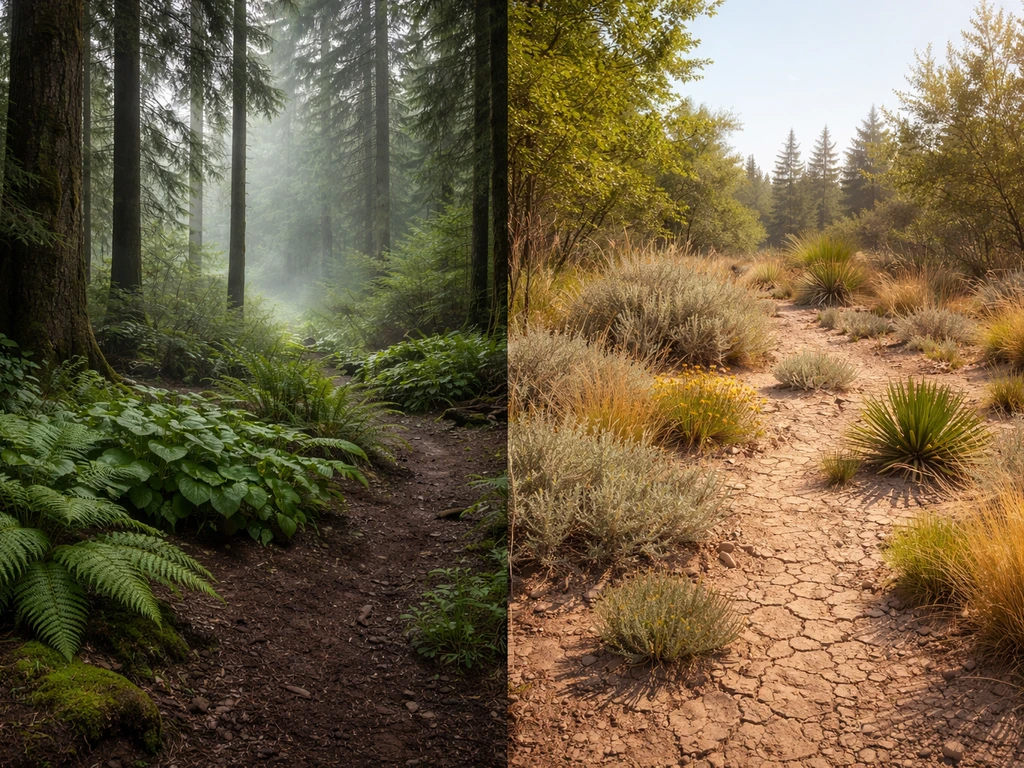
In the Pacific Northwest, soils tend to be cool, acidic, and moisture-retentive, which is perfect for rhododendrons, salal, sword ferns, and most conifers. In the arid Southwest, alkaline desert soils with very low organic matter favor cacti, agave, brittlebush, and desert willow. In the humid Southeast, clay-heavy soils with warm temperatures and high rainfall support muscadine grapes, Southern magnolia, and longleaf pine. In the upper Midwest, the freeze-thaw cycle and glacially derived loam soils favor native tallgrass prairie species like big bluestem, Indian grass, and prairie clovers. Climate zone and soil type together create the real plant selection filter.
How to prepare your soil so more plants will grow
You don't have to accept your soil as-is. Most common limitations can be improved meaningfully with the right amendment applied before planting.
Improving pH
If your pH is too low (acidic), add ground limestone at rates your soil test recommends, typically 5 to 10 pounds per 100 square feet for a moderate correction. If pH is too high (alkaline), elemental sulfur lowers it gradually, usually at 1 to 2 pounds per 100 square feet per year. Both changes take weeks to months to fully register, so amend in fall for spring planting if you can. Organic matter also buffers pH over time, making it easier to hold a target range.
Adding organic matter and compost
Compost is the closest thing to a universal soil fix. A 2–3 inch layer worked into the top 6–8 inches of soil improves drainage in clay, increases water retention in sand, feeds soil biology, and boosts organic matter percentage. Aim for at least 3–5% organic matter in most garden soils. Raw garden beds often come in under 1–2%, which explains why plants establish poorly even when pH looks fine. Apply compost annually if you're gardening intensively.
Fixing texture and drainage
For compacted or heavy clay soil, core aeration (pulling plugs out of the ground) opens channels for air and water. Mixing in coarse sand (not fine play sand) alongside compost can loosen structure, but you need significant volume, at least 30% of total soil by volume, to make a real difference. Small amounts of sand in clay can actually make things worse by creating a concrete-like texture. For sandy soils, organic matter is the primary fix. Biochar at 5–10% by volume is increasingly used in both situations for long-term structure improvement.
Mulching
A 2–4 inch layer of wood chip or straw mulch on top of bare soil does several things at once: it reduces moisture loss, moderates soil temperature swings, suppresses weeds, and slowly breaks down to feed soil biology. In spring like right now, mulching before summer heat arrives is one of the highest-impact things you can do for plant establishment. Keep mulch an inch or two away from plant stems to prevent rot.
How to test your soil and choose plants today
You don't need to wait weeks for a lab result to get started. Here's a fast-track approach that combines simple at-home observations with a professional test for the important numbers.
At-home tests you can do right now
- Texture test: Take a moist handful of soil and squeeze it. Gritty and falls apart = sandy. Smooth and holds a ribbon when pressed between thumb and finger = clay. Crumbles moderately after squeezing = loam.
- Drainage test: Dig a 12-inch hole, fill with water, and time it. Drains in under 1 hour = fast. 1–3 hours = moderate. Still sitting after 4+ hours = poor drainage.
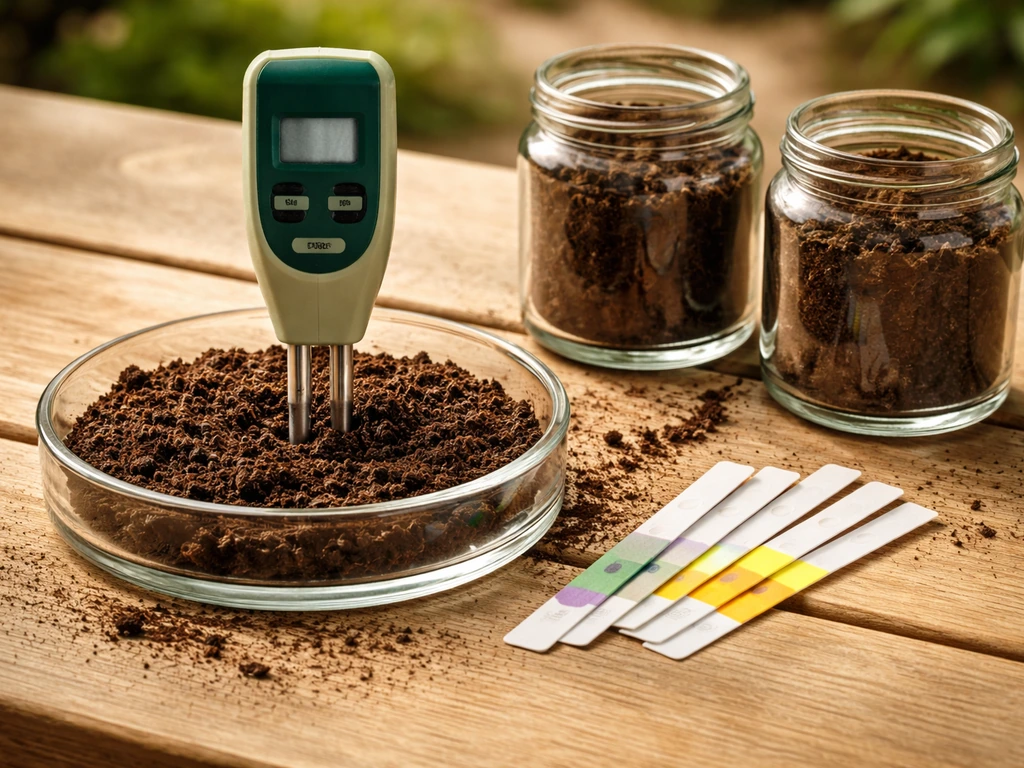
- pH estimate: Inexpensive pH test strips or a simple probe meter (available at any garden center for under $20) give you a ballpark reading within 0.5 pH units. That's good enough to decide whether to add lime or sulfur.
- Earthworm count: Dig a 12-inch square hole to 12 inches deep and count worms. More than 10 means good biological activity and reasonable organic matter. Fewer than 5 suggests low fertility or compaction.
- Vinegar/baking soda test: Highly alkaline soils fizz when a teaspoon of white vinegar is drizzled on them. Highly acidic soils fizz when moistened and sprinkled with baking soda. Neither reaction = neutral range.
Getting a lab test
For a complete picture, send a sample to your state's cooperative extension soil lab or a private lab. A standard test covering pH, phosphorus, potassium, and organic matter costs between $15 and $30 and takes about one to two weeks. The report will tell you exactly which nutrients are deficient and give you lime or fertilizer recommendations tailored to your crop or plant type. If you're gardening in a coastal area or near road salt, ask for electrical conductivity (EC) to be included so you can assess salinity risk before choosing plants.
Your next steps in order
- Do the at-home texture and drainage tests today to narrow your soil type.
- Get a pH reading with a cheap probe or test strip so you know your starting point.
- If you want precise numbers, send a soil sample to your extension lab this week.
- Match your soil type and pH to the plant lists above to build a shortlist of candidates.
- Cross-check your plant list against your current season and climate zone.
- Apply compost now if your soil is low in organic matter, regardless of your other results.
- Adjust pH, drainage, or salinity issues before or alongside planting, not after.
The point isn't to achieve perfect soil before you plant anything. It's to know what you're working with well enough to pick the right plants for real conditions. A sandy, acidic soil with low organic matter isn't a failure, it's an invitation for lavender, blueberries, and beach grass. A heavy clay site with slow drainage is exactly where willows, swamp milkweed, and Joe-Pye weed belong. Start with what your soil actually is, and the plant list gets a lot easier to build.
FAQ
If I do not know my soil texture, can I still pick what plants grow in soil successfully?
Yes. You can start with drainage and a quick “ball test” (does a handful of moist soil form a ribbon?). If it drains fast and crumbles, prioritize drought-tolerant or moisture-sparing plants. If it stays wet, assume clay-like behavior and select wet-tolerant species until you improve drainage with compost and aeration.
What should I do if my soil test pH is in the right range, but my plants still look unhealthy?
Treat it as a nutrition or oxygen problem, not a pH-only problem. Check whether organic matter is low, then look at phosphorus and potassium levels, and consider drainage and compaction. Even “correct” pH plants can fail when roots cannot access oxygen or when one nutrient is limiting.
How much soil improvement is realistic before planting if I have limited time?
Make fast changes to the planting zone, not the entire yard. Incorporate compost into the top 6 to 8 inches where roots will grow, mulch promptly, and aerate if soil is compacted. For pH changes (lime or sulfur), plan earlier because they take weeks to months to fully register.
Can I use fertilizer without fixing low nutrients or low organic matter?
Sometimes, but expect limited results when organic matter is very low or nutrients are locked by pH. If pH is outside the 5.5 to 7 range, fertilizer may not work as expected. First correct the base condition (pH and drainage), then feed based on the soil test to avoid wasting money.
How do I tell whether my poor plant growth is caused by waterlogged soil versus compacted soil?
Waterlogged soil shows persistent standing water after watering or rain, it drains too slowly. Compaction feels hard to dig, lacks earthworms, and often forms crusts, even if it drains “eventually.” The fix differs: standing-water problems need drainage redesign and wetland-tolerant plant choices, while compaction often responds to core aeration plus compost.
What plants grow in soil when it is salty, and how do I avoid planting the wrong ones?
Ask your lab to include electrical conductivity (EC) and use that number to set your plant expectations. If EC is high, choose salt-tolerant ornamentals or groundcovers, and avoid sensitive vegetables until you improve soil through leaching (where feasible), mulching to reduce salt uptake, and selecting tolerant species.
If my soil is shallow, can I still grow trees or only smaller plants?
Trees are limited by available rooting depth, and shallow soil often favors shrubs, dwarf forms, and deep-rooted-perennial substitutes that fit the depth constraint. In many cases you can sometimes build a raised, amended planting area to increase rooting volume, but you must still respect drainage and prevent roots from hitting rock or hardpan too soon.
Does season or soil temperature change what plants grow in soil?
Yes. Many failures happen because cool-season crops are planted too late, or warm-season crops are planted too early. Soil temperature, not air temperature, drives germination and root activity, so use soil temperature guidance (about 40°F to 65°F for cool-season growth, above 60°F to 70°F for many warm-season crops) when timing is tight.
What’s the safest way to amend clay or sandy soil without making it worse?
For clay, rely on compost and core aeration first, keep sand modest, and only add larger sand volumes if you can do it thoroughly. For sandy soils, prioritize organic matter additions (compost, biochar) because they improve water holding. In both cases, keep mulch away from stems to prevent rot, and recheck drainage after the first season.
Should I plant immediately after composting, or wait for things to “settle”?
In most garden cases, you can plant soon after incorporating compost because compost is stable enough for many uses. However, if you added fresh amendments in large amounts, water in thoroughly and give a brief adjustment period. Watch for overly wet conditions in heavy clay, and delay warm-season planting if the soil is still cold and saturated.
How do I choose between native plants and common garden plants for my soil?
Start with natives if you want high success under your local soil constraints, because they typically evolved with the local pH, drainage, and moisture patterns. Use common garden plants when you’re willing to modify soil conditions, especially for extremes like bog-like drainage problems or very salty sites.
Is there a quick at-home test for fertility beyond “how dark it looks”?
A faster substitute is to observe how quickly water penetrates and how well plants hold vigor once established, but it is not as reliable as numbers. If you need a decision aid before planting, send a soil sample for pH plus nutrients (P, K) and organic matter, then match plants to the limiting factor rather than guessing.