No plant grows in every climate on Earth without limits. But a handful of species come remarkably close, and more importantly, there is a clear, repeatable process for finding plants that will genuinely thrive in your specific conditions rather than just barely survive. If you want plants that can grow in any condition, treat hardiness and heat tolerance as two separate filters before you even compare species. The real goal is matching a plant's actual cold, heat, drought, and soil tolerances to your local environment, then using microclimate tricks to push the boundaries a little further. That is what this guide is for.
Plants That Can Grow in Any Climate: How to Choose Wisely
Dr. Marcus Weatherby
31 May 2026
What 'any climate' really means (hardiness vs survivability)
When people search for plants that can grow in any climate, they usually mean one of two things: plants that are hard to kill, or plants they can move with them from one region to another without starting over. Both are reasonable goals, but they require understanding a distinction that gardening labels often blur: hardiness is not the same as survivability.
The USDA Plant Hardiness Zone Map is the standard reference for cold hardiness in North America. It divides the continent into zones based on the average annual extreme minimum winter temperature over a 30-year period, split into 10°F zones with 5°F half-zone subdivisions. A plant rated for Zone 5 can be expected to survive down to roughly -20°F to -10°F on average. That is a useful starting point, but it is only one axis of a much bigger picture.
The USDA explicitly states that its map does not account for summer heat accumulation, length of the growing season, snow depth, wind exposure, soil drainage, soil fertility, or the quality of the plant itself. It also does not capture how many times temperatures dropped to those minimums, how long the extreme cold lasted, or whether the cold hit during deep dormancy or during an early warm spell. All of those details change whether a plant lives or dies. The RHS hardiness ratings used in the UK approach the question differently, assigning absolute minimum winter temperatures in Celsius rather than the USDA's long-term average approach, which is another reminder that 'hardiness' is a framework, not a guarantee.
The American Horticultural Society adds a complementary tool: the Heat Zone Map, which counts the number of days per year with temperatures above 86°F (30°C). A plant that survives a cold Zone 5 winter may still fail in Zone 5 if it gets 60 heat days in summer and cannot handle that stress. True broad adaptability means a plant tolerates both cold minimums and heat accumulation, plus variable moisture and soil conditions. That combination is rare, which is why the list of genuinely climate-tough plants is shorter than most gardening articles suggest.
Plant types that are broadly adaptable
Across climate categories, the species that consistently show up in cold tundra edges, semi-arid steppes, temperate forests, and humid coastal zones share a few traits: they handle a wide swing in temperature, they are not picky about soil chemistry, and they have mechanisms for surviving water stress in both directions (too much or too little). Here are the best categories to work from.
Trees
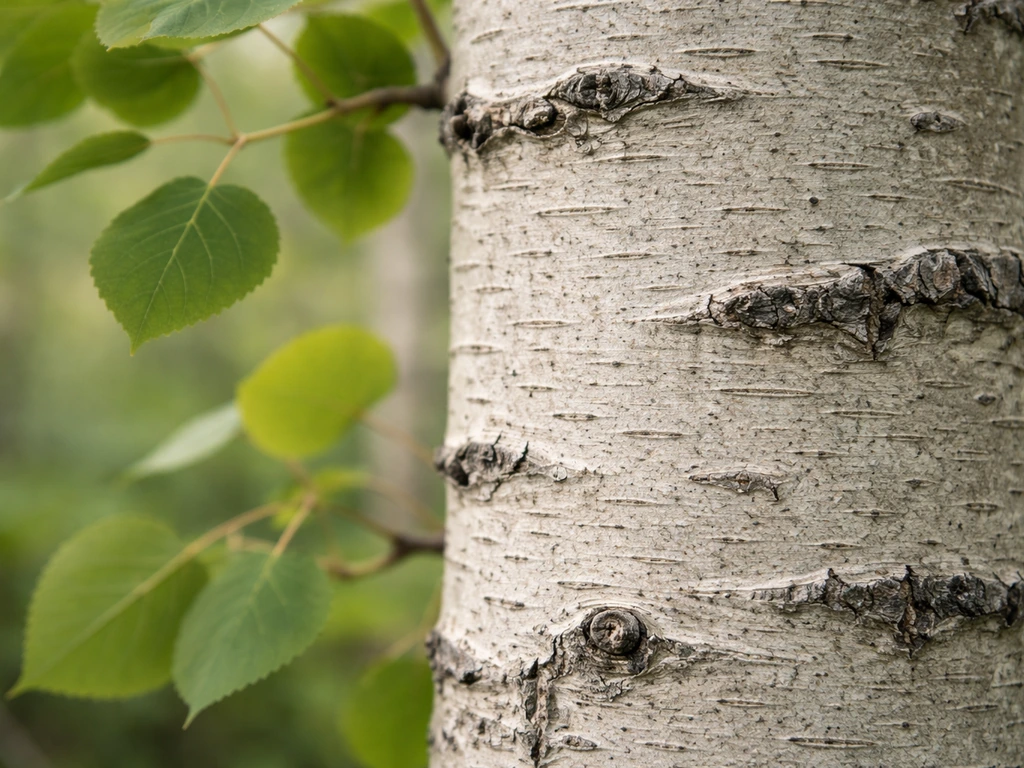
Quaking aspen (Populus tremuloides) has one of the widest natural ranges of any tree in North America, growing from Alaska to northern Mexico across USDA Zones 1 through 7. It handles dry mountain slopes, moist valley edges, and everything in between. White birch (Betula papyrifera), black locust (Robinia pseudoacacia), and bur oak (Quercus macrocarpa) are similarly wide-ranging, each tolerating cold extremes, periodic drought, and variable soils. For warmer climates, the honey mesquite (Prosopis glandulosa) survives heat, alkaline soils, and extended drought in ways that most trees cannot.
Shrubs
Shrubs with broad climate tolerance tend to be either native to disturbed or edge habitats or have evolved in continental climates with wild temperature swings. Staghorn sumac (Rhus typhina) grows across Zones 3 to 8, handles poor rocky soil, and spreads in both dry uplands and moist woodland edges. Elderberry (Sambucus canadensis) is similarly flexible from Zone 3 upward. For arid climates, Apache plume (Fallugia paradoxa) and four-wing saltbush (Atriplex canescens) are genuinely tough. If you are exploring shrubs that will grow anywhere in more depth, soil type and drainage usually end up being the real limiting factors rather than temperature alone.
Perennials
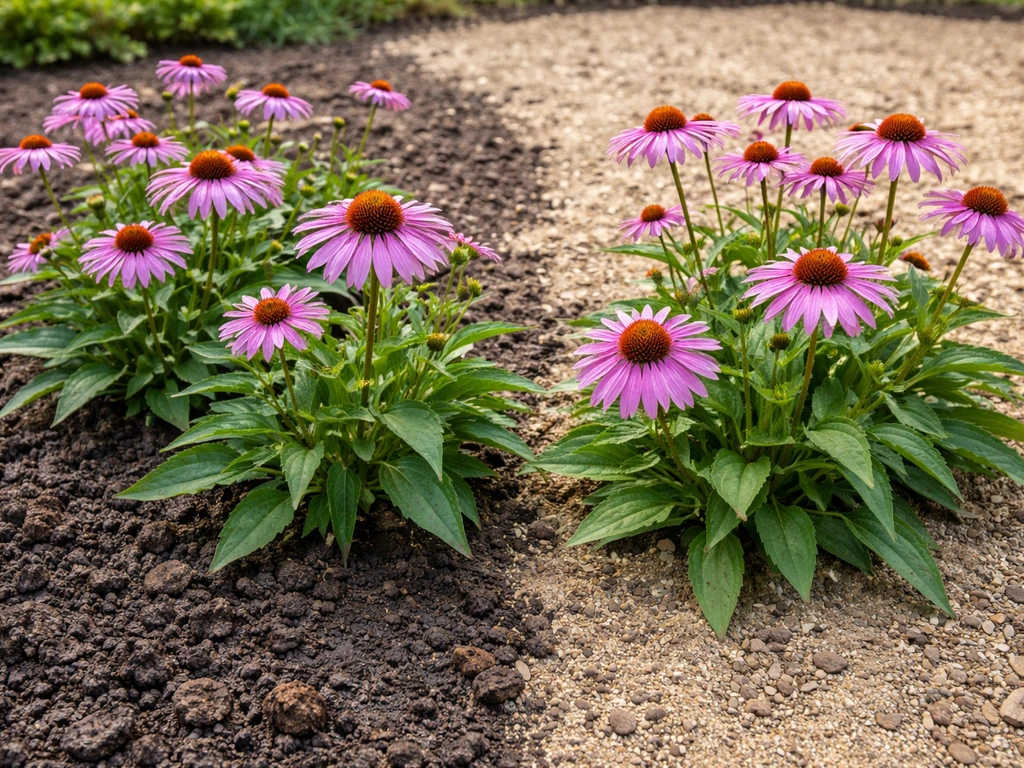
Coneflower (Echinacea purpurea) survives Zones 3 through 9, tolerates clay or sandy soils, and handles both humid summers and dry mid-continent conditions. Black-eyed Susan (Rudbeckia hirta) has a similar profile. Yarrow (Achillea millefolium) might be the single most adaptable perennial in temperate climates, growing in dry roadsides, mountain meadows, and coastal prairies across an enormous hardiness range. Prairie dropseed (Sporobolus heterolepis) and common blue violet (Viola sororia) fill similar roles in their respective niches.
Grasses
Grasses are often the most genuinely adaptable plant group because many evolved specifically to handle climate extremes. Big bluestem (Andropogon gerardii) grows across the Great Plains from Canada to Texas, tolerating drought, cold, and periodic flooding. Switchgrass (Panicum virgatum) is equally adaptable, found naturally from Zone 2 through Zone 9. Buffalograss (Bouteloua dactyloides) is the go-to for arid, alkaline conditions where almost nothing else establishes well. Outside North America, common reed (Phragmites australis) demonstrates how grasses colonize nearly every climate from subarctic marshes to Mediterranean wetlands.
Herbs
Among culinary and medicinal herbs, common thyme (Thymus vulgaris) survives Zones 4 through 9 in well-drained soil. Mint (Mentha spp.) is notoriously adaptive and spreads aggressively in moist conditions across a wide range of zones. Lemon balm (Melissa officinalis) handles shade, clay, and cold down to Zone 4. In drier climates, lavender (Lavandula angustifolia) and oregano (Origanum vulgare) are far more resilient than most herbs, tolerating alkaline, rocky, low-fertility soils that would kill most plants.
How to choose climate-proof plants using hardiness zones and temperature ranges
Start by finding your USDA hardiness zone using the 2023 map, which uses GIS methods and long-term gridded climate data that accounts for elevation, topography, and coastal temperature effects. That gives you your cold floor. Then cross-reference with the AHS Heat Zone Map to find how many days above 86°F you typically experience. A plant needs to tolerate both ends of your temperature range, not just one.
From there, look at the plant's listed hardiness zone range and note whether your zone sits in the middle of that range or at one of its edges. A plant rated Zones 3 to 8 planted in Zone 5 is living comfortably within its range. The same plant in Zone 8 is at its heat limit and will need extra care in summer. Edge-of-range planting is where most 'climate-proof' plants fail, and it is almost always avoidable.
Also factor in the timing and nature of cold events in your area. The USDA zone system is based on averages over 30 years, not the coldest winter ever recorded. A late-spring freeze or an early-fall cold snap during a plant's active growth period is far more dangerous than deep mid-winter cold hitting a fully dormant plant. This is especially relevant in transition zones between climates, where freeze-thaw cycles are unpredictable.
Soil and water requirements that make 'works anywhere' possible
The plants on the broadly adaptable list above tend to share specific soil and water traits, and understanding those traits is more useful than memorizing species names. If you can match these conditions in your site, you dramatically expand what you can grow. If you are starting from seed, aim for species with broad climate tolerance and reliable germination so you are closer to getting those seeds that will grow anywhere.
| Factor | Adaptable range | Why it matters |
|---|---|---|
| Soil pH | 5.5 to 7.5 | Most broadly adaptable plants tolerate mild acidity to mild alkalinity; extreme pH locks out nutrients |
| Drainage | Well-drained to moderately moist | Waterlogged roots kill more climate-tough plants than cold or heat does |
| Drought tolerance | Moderate to high | Once established, broadly adaptable species survive 2 to 4 weeks without rain |
| Soil fertility | Low to moderate | Many wide-range species evolved in poor soils; over-fertilizing causes lush, cold-sensitive growth |
| Soil texture | Sandy loam to clay loam | Extremes (pure sand or heavy clay) limit options; amending toward loam opens up more species |
Drainage is the single most overlooked factor when people pick 'tough' plants and then watch them die. Yarrow, lavender, and most prairie grasses will fail in waterlogged clay within one or two seasons regardless of how cold-hardy they are. Raised planting beds or slight slope placement solves this more reliably than any soil amendment.
If you are also thinking about plants that can grow in any soil, drainage and pH are the two levers that matter most, and they interact with climate stress in ways that make poor drainage even more damaging in cold or very hot conditions. Drainage and pH are also the key to growing plants that can grow in any soil.
You can also list plants by soil type, such as those that tolerate clay, sand, loam, or rocky soils.
For water, the goal is not picking plants that never need water but picking plants that can survive your climate's natural precipitation patterns without regular intervention once established. In arid climates (under 12 inches of annual precipitation), that means native or regionally adapted xeric species. In humid climates, it means avoiding plants that need dry summers, like Mediterranean herbs planted in the southeastern United States where summer humidity causes root rot.
Light and microclimates: how to grow the same plant in different places
The USDA zone map is drawn at a regional scale, but your yard operates at a microclimate scale, and the two can differ by a full hardiness zone or more. The USDA explicitly flags this in its own guidance: frost pockets in low-lying areas, heat islands created by blacktop or concrete walls, and sheltered south-facing slopes all create conditions that diverge meaningfully from the zone map value for your address.
A south-facing wall in Zone 6 can create a Zone 7 or Zone 8 microclimate in winter by absorbing and radiating heat. A low spot in the same garden where cold air pools on still nights might behave like Zone 5. Identifying these pockets before you plant is one of the most practical things you can do, and it costs nothing. Walk the site on a clear cold morning and note where frost lingers longest. That is your coldest microclimate.
Light interacts with climate in ways that are easy to underestimate. In hot arid climates, full-sun plants often perform better with light afternoon shade, which reduces heat stress and soil moisture loss without cutting total light enough to harm growth. In cold climates, the same species planted in full sun warms and breaks dormancy faster in spring, which can actually increase frost damage risk if a late freeze follows. Adjusting light exposure by choosing planting spots on the east versus west side of a structure is a simple way to tune a plant's seasonal timing to your local frost dates.
A practical planting plan for different climates
The framework below assumes you have identified your hardiness zone and heat zone, assessed your soil drainage and pH, and chosen a candidate species that fits within (not at the edge of) its rated range for your conditions. Right now, in late spring 2026, most of the Northern Hemisphere is in active planting season, which is the right window to establish perennials, grasses, and shrubs before summer heat stress sets in.
Cold climates (Zones 1 to 4)
Plant as soon as the last frost date passes and soil is workable, typically late May through June. Prioritize species with at least a one-zone buffer below your minimum (a Zone 3 climate should use Zone 2-rated plants when possible). Mulch heavily (3 to 4 inches of wood chip or straw) immediately after planting to moderate soil temperature swings. Source locally grown stock whenever possible: plants grown in your region have already adapted to your specific photoperiod and freeze timing, which makes a measurable difference in first-year survival. Native plant nurseries and university extension plant sales are the best sourcing options.
Arid climates (Zones 5 to 10, low precipitation)
Plant in early spring or fall to avoid establishing in peak heat. Water deeply and infrequently during the first season (once or twice a week for 45 to 60 minutes via drip if rainfall is absent) to drive roots deep rather than encouraging shallow surface roots. After the first full growing season, most xeric-adapted species should be able to rely primarily on natural precipitation. Use a 3- to 4-inch gravel or decomposed granite mulch rather than wood chips, which can hold too much moisture and cause crown rot in dry-climate plants.
Humid temperate climates (Zones 5 to 8, regular rainfall)
This is the easiest climate for broad plant adaptability. Plant in spring after last frost or in early fall (at least 6 weeks before first frost) to allow root establishment. Focus soil preparation on drainage: raised beds or 4 to 6 inches of compost worked into clay soils makes more difference than fertilizer. Avoid planting drought-adapted Mediterranean species in heavy clay with humid summers; they will fail consistently regardless of hardiness zone.
Tropical and subtropical climates (Zones 9 to 13)
The limiting factor here is not cold but heat and humidity stress, plus seasonal drought in some subtropical regions. Plant at the beginning of the dry season where rainfall is seasonal, so plants establish roots before the wet season arrives. Choose species rated for high heat-zone values (AHS Heat Zones 9 to 12) and prioritize airflow around plantings to reduce humidity-driven fungal pressure. Many temperate perennials grown as annuals in cold climates can be grown as perennials here, but their performance varies by season rather than year.
Maintenance, protection, and common failure points across climates
Most climate-related plant failures happen in the first year, before root systems are established enough to buffer against weather extremes. The interventions that matter most are front-loaded into that establishment window.
- Mulch immediately after planting: 3 to 4 inches of organic mulch keeps soil temperature stable, reduces moisture loss, and prevents frost heave in cold climates. This single step prevents more first-year deaths than any other.
- Water to establish, not to maintain: deep, infrequent watering during the first 4 to 8 weeks drives roots downward. Frequent shallow watering creates surface-dependent root systems that collapse in drought or freeze.
- Protect from wind in exposed sites: wind desiccation kills more newly planted shrubs and perennials in cold and arid climates than temperature alone. A temporary burlap screen or placement near a windbreak structure during the first winter is often enough.
- Delay fertilizing until the second season: high-nitrogen fertilizer in the first growing season pushes lush, cold-sensitive growth. Let roots establish first.
- Watch for late frost after a warm spell: in Zones 4 through 7, a warm stretch in March or April that breaks plant dormancy followed by a hard freeze is the most common cause of spring plant loss. Keep frost cloth accessible until your last frost date is well past.
- Check drainage after the first heavy rain: if water pools around the planting site for more than 24 hours, you need to address drainage before the plant's second season or plan to replace it with a species that tolerates wet feet.
The most common long-term failure point is picking a plant at the very edge of its rated hardiness and then experiencing an outlier winter. Remember that the USDA zone is based on a 30-year average of extreme minimums, not the coldest winter ever recorded. An unusual cold event can push temperatures well below what the zone map implies. The practical fix is always to choose plants rated one zone colder than your actual zone when you are trying something new or establishing something you cannot easily replace.
If your first-choice plant fails, the backup strategy is not to try the same plant again with different care. It is to observe what survived the failure condition (cold snap, drought, waterlogging) and use that as a filter for your next selection. Plants that will grow anywhere are really plants that have already proven themselves in conditions like yours, and your own site is the best data source you have.
As you refine your plant list, it is worth expanding the search into related categories: ground covers that work across climate types, seeds that establish in variable conditions, and shrubs with broad climate tolerance all follow the same hardiness-plus-soil-plus-microclimate logic. If you are wondering what plants grow from bird seed, treat it the same way: match the seed-origin plants to your zone, heat days, and soil drainage before planting seeds that establish in variable conditions. The principles do not change by plant category, only the specific tolerances and establishment timelines do.
FAQ
Can I find “plants that can grow in any climate” just by looking at their hardiness zone rating?
Not reliably. Hardiness zones cover cold extremes, but you also need heat days, moisture pattern, and soil drainage. A plant can be zone-correct and still fail if summer humidity, irrigation timing, or waterlogged soil triggers root or crown rot.
What does it mean when a plant’s hardiness range includes my zone in the middle versus on the edge?
If your zone sits near the middle of the listed range, the plant usually has buffer for both cold and heat swings. If you are near the edge, small outliers (a late frost, an unusually hot spell, or a wet winter) can tip stress past the plant’s tolerance, so plan extra protection or choose a one-zone-colder alternative.
Why do some plants die even though they survived the winter in my area?
Many climate failures happen after winter, during establishment. Common causes are poor drainage (especially in clay), crown rot from consistently wet soil, and freeze-thaw damage when plants break dormancy early from reflective heat or full sun.
How do I account for late freezes or early cold snaps if zones are based on averages?
Use your local frost dates as a timing guide, then reduce risk by establishing in the right window (after the last frost for spring planting, or at least 6 weeks before first frost for fall). Also consider choosing sites with less frost pooling, like slightly raised or sloped areas, to avoid repeated freeze exposure.
Do microclimates matter more for cold or heat?
Both, but they matter differently. Cold microclimates are often driven by frost pockets (low spots) and wind exposure, while heat microclimates come from heat islands (blacktop, walls) and reflected sun. The practical step is to walk your site on a clear cold morning to find the longest frost linger, and test sun exposure during peak summer.
What should I do if my soil is “too heavy” (clay) for the tough plants I’m trying?
Upgrade drainage first, then worry about pH. Raised beds, a mild slope, or digging for a more freely draining planting layer usually outperform fertilizer or amendments. If you cannot change drainage, treat drought-tolerant plants as a poor match because they often rot in consistently wet clay.
Is pH really a big deal compared with temperature?
Yes, especially when you are chasing broad adaptability. In many cases, drainage limitations are the primary killer, but pH can compound stress. If you only improve one thing, improve drainage, then confirm pH so you do not select a plant that technically tolerates your climate but not your soil chemistry.
How much should I water “tough” plants during the first year?
The goal is deep root development, not constant moisture. Water deeply and infrequently during dry stretches (for example, once or twice per week in the first season if rainfall is absent, using drip). Overwatering is a bigger risk than underwatering for plants that struggle with crown rot in humid or clay-heavy areas.
Which is more important for adapting plants across regions, seed source or the species itself?
Seed source and plant origin matter a lot because local stock is already selected by photoperiod and frost timing. If possible, buy locally grown or from a native plant nursery or university extension sale, and avoid importing plants grown under very different seasonal triggers.
What’s the best way to “test” a climate-tough plant if I’m not sure it will work long term?
Plant a small trial in the most representative microclimate area you can manage, and avoid the worst edge conditions. Then observe the failure mode if it happens (dry stress, waterlogging, fungal leaf issues, or winter dieback). Use what survived as your filter, not just whether the plant lived.
Should I replace a failed plant immediately with the same species?
Usually no. If a plant fails, the cause is often the stress type you did not filter for (heat accumulation, waterlogging, or timing of cold during active growth). Adjust the next selection based on the specific failure condition and your soil and drainage data.
Are ornamental perennials from temperate areas reliably “tough” in humid subtropical climates?
Not automatically. Even if a plant is cold-hardy, humidity and summer heat can cause disease pressure and root problems. Choose species rated for high heat and airflow-friendly spacing, and do not assume that “survives winter” means “handles summer humidity.”
How do I prevent aggressive spread for hardy plants like mint or some groundcovers?
Treat them as containment projects. Use physical barriers or containers for spreading herbs, and mow or trim before seed set if you do not want volunteer growth. This is especially important when you are planting species chosen for broad adaptability, since they often also have broad survival and propagation ability.