No plant grows in every condition on earth, but plenty of plants grow in almost any condition you're likely to throw at them. What most people mean when they search for this is: 'I have a difficult spot, and I want something that won't die on me. ' That's a completely solvable problem. The key is matching the right tough plant to your specific stress: drought, cold, shade, wet soil, wind, poor soil, or container life.
Plants That Can Grow in Any Condition: What Works Best
Dr. Marcus Weatherby
1 Jun 2026
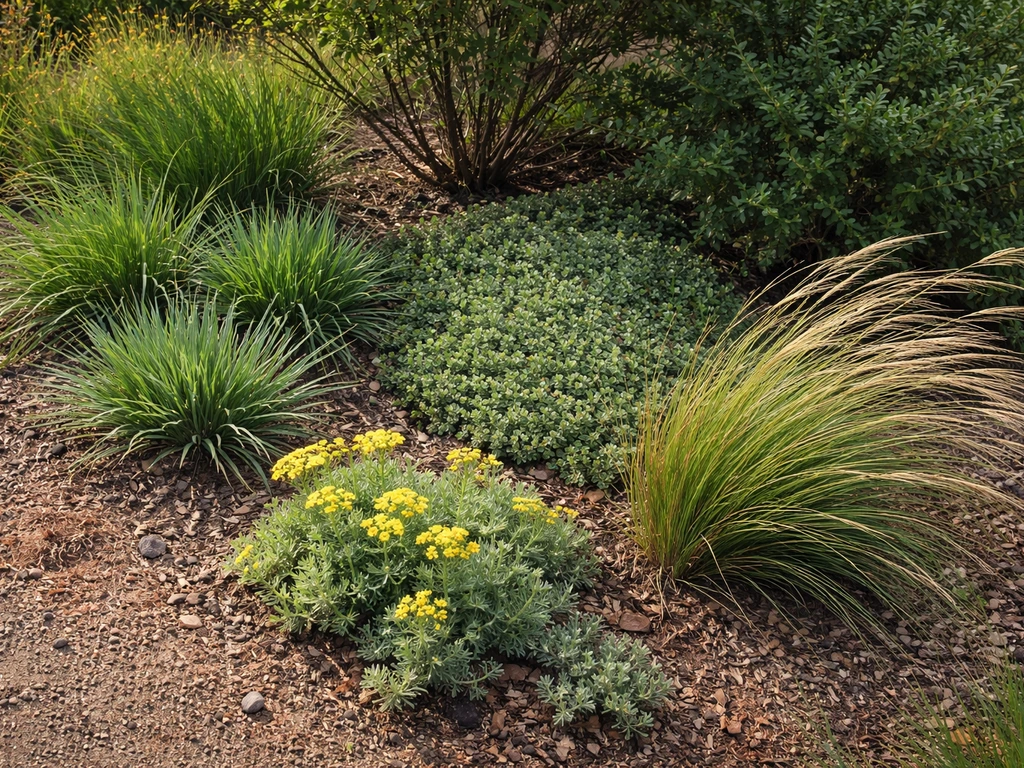
Shrubs that will grow anywhere are really shrubs that tolerate multiple stresses, so focus on your site conditions and choose species with proven resilience tough plant. This guide will help you identify exactly what you're dealing with, pick from a solid shortlist of genuinely resilient species, and give them the best possible start. If you want a simpler starting point, look for seeds that will grow anywhere by tolerating a wide range of stresses.
What 'any condition' really means (and why no plant is truly universal)
The phrase 'grows in any condition' is shorthand for 'tolerates a wide range of stresses without dying.' But tolerance is always conditional. A plant that's drought-tolerant in light shade will not perform the same way in full sun, as Nebraska Extension makes clear: drought-tolerant shade plants planted in sunny spots simply won't behave as expected. The stress combinations matter as much as individual tolerances.
Extension services across the US use the terms 'hardy,' 'half-hardy,' and 'tender' to categorize cold tolerance. Hardy plants survive frost and cold soil; tender ones don't. But 'hardy' doesn't mean universally adaptable. A plant can be cold-hardy but still need good drainage, or it can tolerate drought but only once its root system is established. These distinctions aren't academic: they're the reason a plant thrives in one tough spot and collapses in another that looks almost identical.
USDA hardiness zones are a useful starting point, built from long-term average annual extreme minimum temperatures, but they don't capture moisture, soil type, or microclimate. A zone 5 rooftop in Chicago and a zone 5 sheltered garden in Vermont are very different environments. The most adaptable plants don't just survive one stressor: they combine multiple tolerance traits at once. That's what you're actually looking for.
Hardy plant traits: drought, shade, cold, heat, poor soil, wet feet
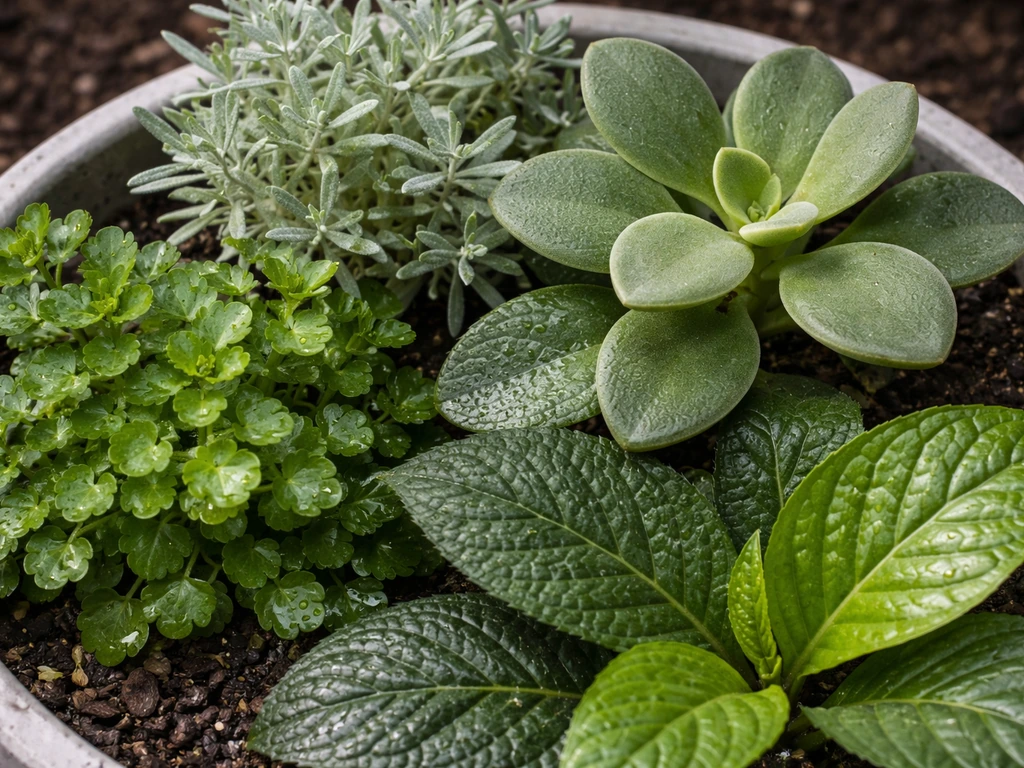
The plants that survive the widest range of conditions tend to share recognizable physical and physiological traits. Understanding these helps you read a plant before you buy it, and predict how it'll perform in your specific situation.
Drought tolerance
Drought-tolerant plants typically have deep root systems that tap lower soil moisture, gray or silver leaf color (which reflects sunlight and reduces heat load), and small, succulent, hairy, or waxy leaves. The waxy coating reduces uncontrolled water loss through the leaf surface, a well-documented adaptation. Many go partially dormant during dry periods rather than dying. One critical caveat: a drought-tolerant plant is only drought-tolerant after it's established. Penn State Extension notes that even tough perennials need roughly one inch of water per week during that first establishment window. Skip that, and you'll lose plants that should have been bulletproof.
Shade tolerance
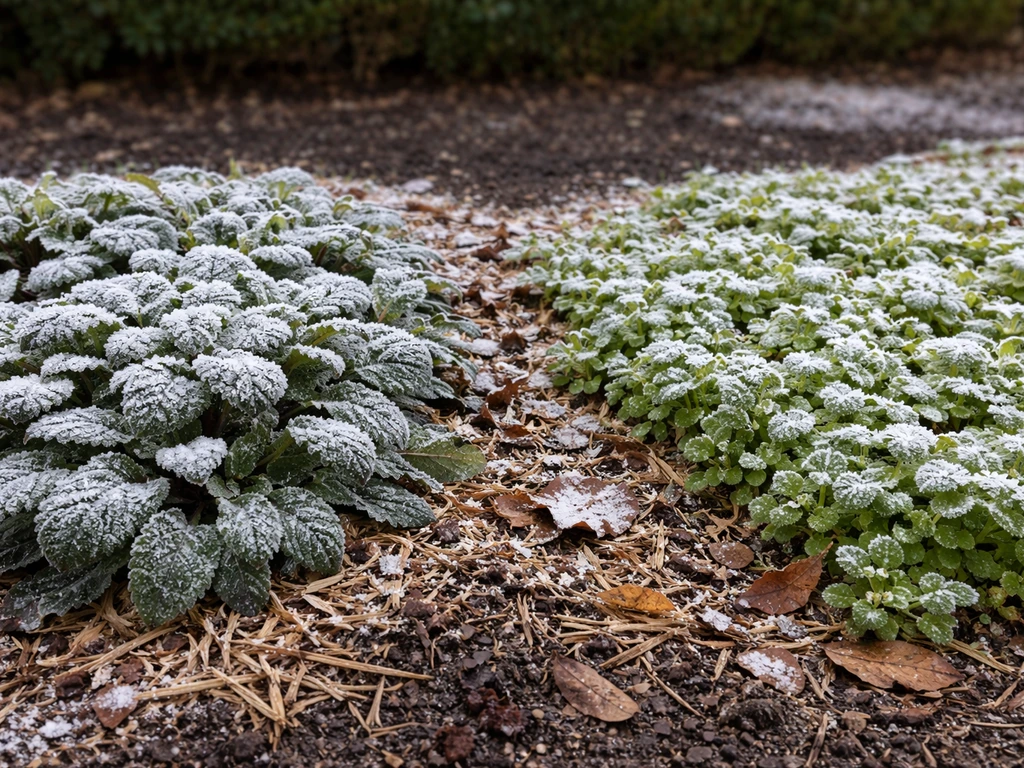
Shade-tolerant plants are adapted to low light intensities, typically below the full-sun threshold of six or more hours of direct sun per day. They usually have larger, thinner leaves to capture more diffuse light. The challenge with shade is that it often combines with moisture: a shaded spot under a tree canopy might be dry and root-competitive, while a north-facing bed might stay constantly moist. Knowing which shade type you have changes everything about what will work there.
Cold hardiness
Cold-hardy plants can survive temperature extremes through adaptations including the production of protective proteins (similar to dehydrins) that stabilize cell membranes during freeze-thaw cycles. Illinois Extension's classification of 'hardy annuals' as those tolerating cold soil and light frosts is a practical test: if a plant can germinate in cold soil and shrug off a frost, it has meaningful cold tolerance. Cold hardiness and drought tolerance sometimes overlap because both stresses cause cellular dehydration.
Wet-soil tolerance
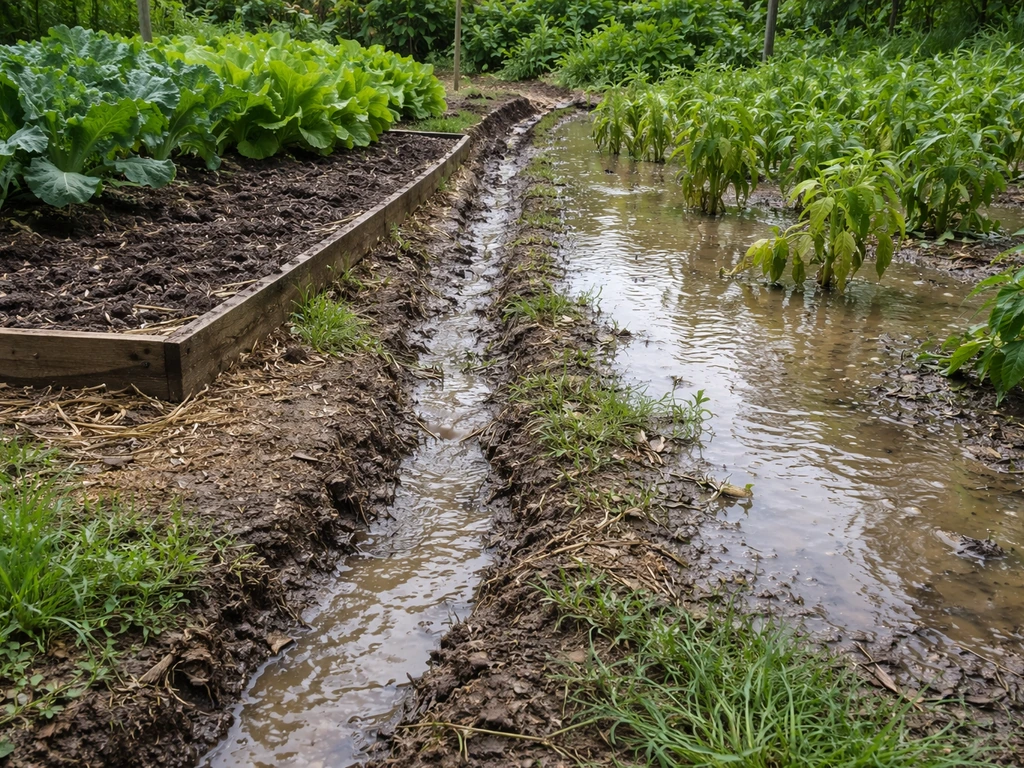
This is one of the most misunderstood tolerances. The problem with waterlogged soil isn't the water itself: it's the absence of oxygen. Roots need oxygen to function, and when soil is fully saturated, there's no air space left. UC IPM describes this as root asphyxiation, and Penn State Extension is direct that very few plants survive constant saturation. Wet-soil tolerant plants have specialized root anatomy that allows oxygen transport into the root zone even when the surrounding soil is flooded. 'Wet-tolerant' still means periodic or seasonal wet, not permanent standing water for most species.
Poor-soil and salt tolerance
Plants that grow in nutrient-poor or saline soils use strategies like deep rooting (to find nutrients across a larger volume), efficient nutrient cycling, and in halophytes, specific biochemical mechanisms including ion exclusion and osmotic adjustment to manage salt stress. These plants don't need rich soil: in fact, many perform worse in amended, fertile soil, which encourages lush, vulnerable growth over tough, compact structure.
Plants for extreme or low-input scenarios
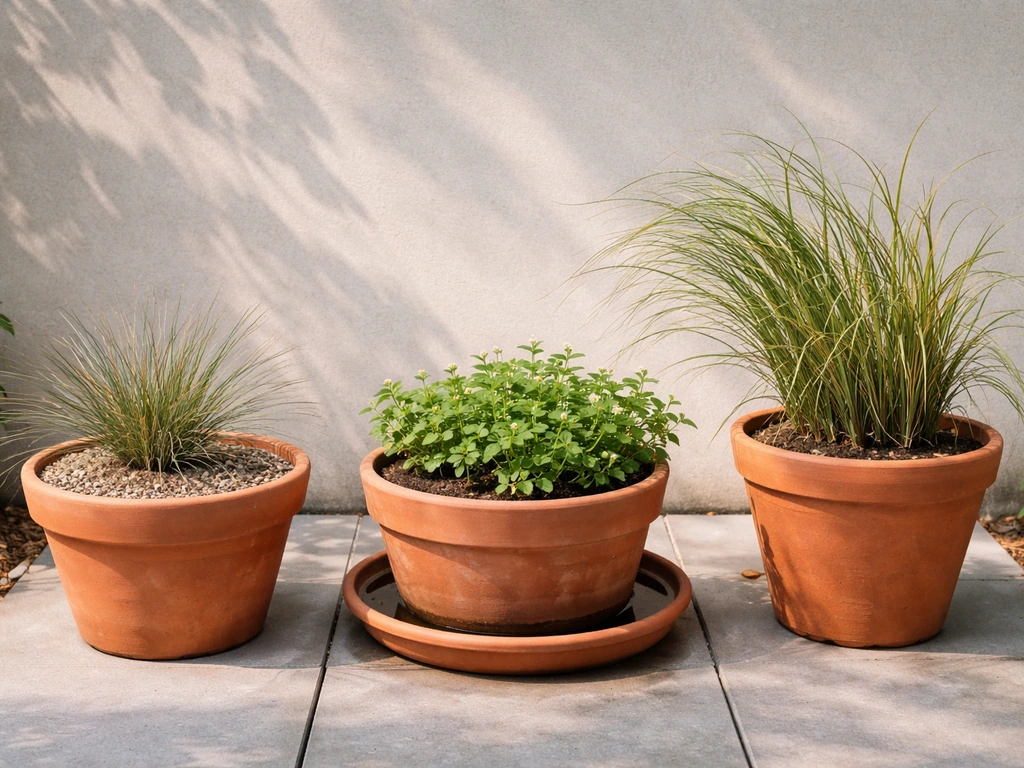
Here's where the practical shortlist starts. These are species and groups with well-documented multi-stress tolerance, organized by the environment type they're best suited for. If you are starting with bird seed, look for plants that sprout from it and match those same tough conditions like sun, moisture, and soil type multi-stress tolerance.
Desert-dry and drought-prone sites
- Blue grama grass (Bouteloua gracilis): native to North American shortgrass prairie, survives extreme drought and heat, goes dormant rather than dying, low nutrient needs
- Agave (Agave spp.): stores water in thick leaves, thrives in poor rocky soil, tolerates high heat and alkaline pH, zones 5–11 depending on species
- Yarrow (Achillea millefolium): deep-rooted perennial, tolerates dry sandy or rocky soil, spreads readily, zones 3–9
- Creeping thyme (Thymus serpyllum): low-growing, wiry stems, hairy leaves, handles drought, heat, and poor soil, also tolerates light foot traffic
- Prickly pear cactus (Opuntia spp.): cold-hardy to zone 3 in some species, survives drought on minimal rainfall, grows in rocky or sandy soil with zero care once established
Arctic-cold, tundra, and short-season climates
- Arctic willow (Salix arctica): one of the most cold-tolerant woody plants on earth, grows in tundra conditions, survives freeze-thaw cycles and poor soil
- Crowberry (Empetrum nigrum): evergreen, grows on exposed moorland and tundra, tolerates acidic peaty soil, zones 1–5
- Siberian iris (Iris sibirica): zones 3–9, tolerates cold wet springs and summer drought once established, extremely low maintenance
- Hardy kiwi (Actinidia kolomikta): survives to zone 3, handles cold better than fruiting kiwis, grows in part shade and average soil
- Creeping phlox (Phlox subulata): zones 3–9, tolerates cold, poor rocky soil, and short growing seasons, provides dense ground cover
Wet, boggy, and frequently flooded sites
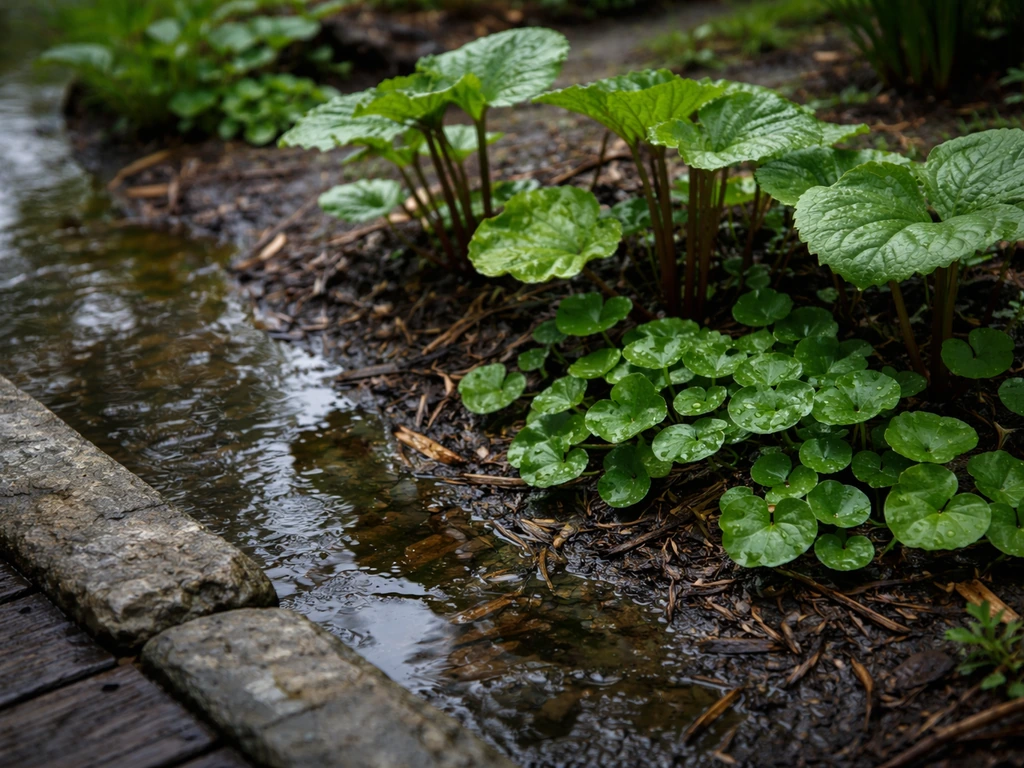
- Ligularia dentata (leopard plant): zones 3–8, thrives in heavy shade and wet to moist soil, one of the most reliable wet-shade plants available
- Swamp white oak (Quercus bicolor): tolerates periodic flooding and heavy clay soils, zones 3–8, grows in bottomland habitats naturally
- Cardinal flower (Lobelia cardinalis): native wetland plant, grows in seasonally flooded soil, tolerates both wet conditions and part shade, zones 3–9
- Ostrich fern (Matteuccia struthiopteris): native to moist woodland and stream banks, tolerates wet clay, spreads aggressively in favorable sites, zones 3–7
- Joe Pye weed (Eutrochium purpureum): native meadow and streamside plant, handles wet soil and part shade, zones 4–9
Deep shade and root-competitive sites
- Wild ginger (Asarum canadense): grows under dense tree canopy, tolerates dry shade once established, spreads slowly into a weed-suppressing mat, zones 3–7
- Epimedium (Epimedium spp.): extremely shade and drought tolerant once established, grows under competing tree roots, zones 4–9 depending on species
- Hostas (Hosta spp.): broad shade tolerance, handles moist to moderately dry soil, some varieties are zone 3 hardy
- Pachysandra terminalis: tolerates deep dry shade under conifers, evergreen ground cover, zones 4–9
- Solomon's seal (Polygonatum spp.): grows in dry to moist shade, adapts to rocky or clay soil, zones 3–8
Windy, exposed, and urban microclimates
- Sea buckthorn (Hippophae rhamnoides): extremely wind-resistant, tolerates poor and saline soil, fixes nitrogen, zones 3–7
- Shore juniper (Juniperus conferta): low, spreading, tolerates salt spray, wind, sandy soil, and drought, zones 5–9
- Purple coneflower (Echinacea purpurea): deep-rooted prairie native, handles wind exposure, drought, heat, and clay or sandy soil, zones 3–9
- Russian sage (Perovskia atriplicifolia): wiry structure handles wind well, drought tolerant, thrives in poor alkaline soil, zones 4–9
- Switchgrass (Panicum virgatum): native to open prairies, tolerates wind, dry to wet soil, and urban pollution, zones 3–9
Best choices by common garden constraints
The plants above are organized by habitat, but most readers are working with specific physical constraints: a container on a balcony, a dim indoor corner, a shaded patio, or a lawn that won't grow under a tree. Here's how to narrow the list.
| Constraint | Best plant options | Key requirement to get right |
|---|---|---|
| Indoor low-light | Pothos, ZZ plant, cast iron plant (Aspidistra), peace lily | Minimum light threshold: leggy growth signals too little light |
| Balcony/patio containers (sunny) | Creeping thyme, sedum, dwarf agave, trailing rosemary | Drainage holes in container; at least 6–8 hours of direct sun |
| Balcony/patio containers (shaded) | Hosta, ferns, impatiens, epimedium | Moist but not waterlogged mix; check drainage regularly |
| Shaded lawn or turf area | Fine fescues (drier shade), rough bluegrass (moist shade) | Match grass type to shade moisture: fescues for dry, rough bluegrass for damp |
| Constantly wet garden bed | Cardinal flower, ostrich fern, swamp white oak, ligularia | Seasonal vs. permanent saturation matters; no plant survives constant waterlogging |
| Poor, rocky, or sandy soil | Yarrow, sedum, blue grama, prickly pear, sea buckthorn | Skip heavy fertilizing; rich soil causes lush weak growth in tough-soil species |
| Windy exposed site | Switchgrass, shore juniper, purple coneflower, sea buckthorn | Low-profile or flexible-stemmed plants handle wind better than stiff upright ones |
Container gardening deserves a specific note. Containers are not a magic workaround for tough conditions. University of New Hampshire Extension is clear that container plants are not a 'set it and forget it' situation: they depend on adequate water and light and dry out faster than in-ground plants.
UNH Extension also notes that containerized plants can be outdoors on a patio or balcony where they receive at least 6, 8 hours of direct sunlight at least 6–8 hours of direct sunlight. The biggest container failure is blocked or absent drainage holes, which creates the root-oxygen problem described earlier.
Illinois Extension recommends small holes at the pot base so water drains freely. If your container has no drainage, you're essentially creating a bog, and only bog plants will survive it.
For indoor growing, light is the constraint that most people underestimate. Illinois Extension and UMN Extension both point out that plants vary dramatically in their minimum light needs, and that insufficient light produces leggy, pale, structurally weak growth. If a plant is stretching toward the window and leaning, it's not adapting: it's struggling. Low-light tolerant houseplants like ZZ plants or cast iron plants are genuinely low-light adapted, not just tolerant of neglect.
How to match plants to your exact conditions: quick self-audit
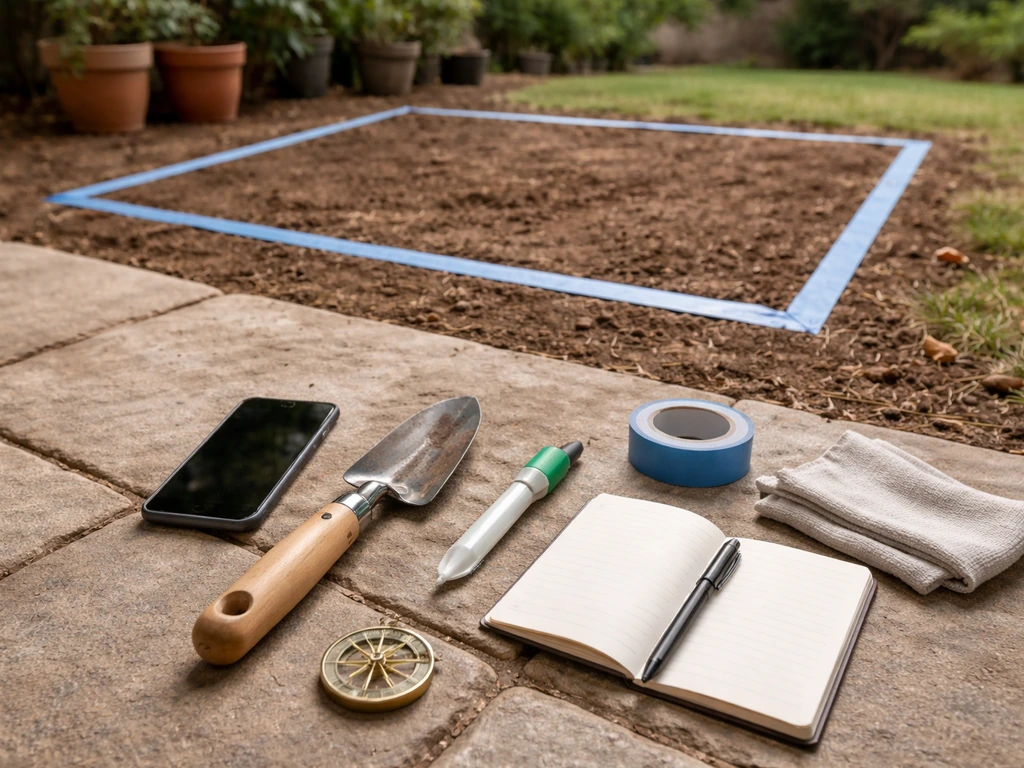
Before you buy anything, spend 20 minutes doing this site audit. No plant truly grows in any climate, but choosing species bred for multiple stress types can get you close plants that can grow in any climate. It sounds basic, but most planting failures come from skipping this step and assuming conditions are 'normal.' Almost nowhere is normal.
- Count your sunlight hours: Stand at the planting site at different times of day and count how many hours of direct (not reflected) sun it receives. Under 3 hours is deep shade. 3 to 6 hours is part shade. 6 or more hours is full sun per Penn State Extension's definition. Do this on a clear day.
- Test your drainage: Dig a hole about 12 inches deep and 12 inches wide. Fill it with water and let it drain completely. Fill it again and time how long it takes to empty. If it drains in under an hour, you have fast-draining soil. If it takes more than 4 hours, you have a drainage problem. OSU Extension's infiltration testing protocol uses this same basic approach to evaluate drainage rate.
- Check your soil texture: Take a handful of moist (not wet) soil and squeeze it. Sandy soil falls apart immediately. Clay soil holds a firm ribbon when pressed between fingers. Loam is somewhere between. This matters because clay holds moisture and compacts; sand drains fast and holds few nutrients.
- Identify your temperature extremes: Look up your USDA hardiness zone for the average annual minimum temperature. Then think about local microclimates: a south-facing wall adds warmth; a low-lying frost pocket can be a full zone colder than your official zone.
- Note your seasonality: When does your last frost typically fall? When does drought pressure usually hit? Does your site flood seasonally or stay dry? Match this to plants that naturally experience the same seasonal pattern in the wild.
- Identify your specific stress: Name your primary constraint. Is it dry? Wet? Shaded? Compacted soil? Wind? Picking one primary stress and two secondary stresses gives you a profile to match against plant tolerances.
Planting and care basics to help tough plants actually succeed
Even the toughest plants have an Achilles heel during establishment. The goal of early care isn't to pamper them: it's to keep them alive long enough for their root systems to develop the access to water, oxygen, and nutrients they need to be self-sufficient.
Watering strategy
Penn State Extension's rule of thumb of about one inch of water per week applies broadly to newly planted stock. For drought-tolerant species, the goal is to taper irrigation gradually after the first growing season, not to withhold water immediately. Deep, infrequent watering encourages deep root development, which is exactly the trait that makes drought-tolerant plants work. Shallow frequent watering keeps roots near the surface and makes plants permanently dependent on supplemental irrigation.
Mulch
Mulch is one of the highest-return investments for any tough-site planting. Iowa State Extension recommends 2 to 3 inches of shredded bark or similar material, applied away from the plant's crown. The mulch moderates soil temperature, retains moisture, suppresses weeds, and slowly improves soil structure as it breaks down. The one mistake to avoid is the 'mulch volcano': piling mulch against the stem or trunk traps moisture against the bark, invites rot and disease, and can kill otherwise healthy plants. Keep mulch a few inches away from the base.
Drainage fixes
If your drainage test showed slow percolation, you have a few realistic options. Raised beds raise the root zone above the problem. Adding organic matter (compost) to clay soil over multiple seasons improves structure and drainage. For container situations, always use a mix designed for containers (not garden soil, which compacts and blocks drainage in pots) and confirm drain holes are clear before every season. If the site floods seasonally but drains within 24 to 48 hours, many of the wet-tolerant plants listed above will handle it fine. If water sits for a week or more, you need to address the drainage problem or choose true bog plants.
Soil amendments by condition
Match your amendment to your problem. If you need ideas by soil category, use a list of plants for each soil type to match the right traits to your site. For truly flexible options, focus on plants that can grow in any soil by being tolerant of poor drainage and low fertility. For dry, sandy soil: add compost to improve water retention.
For heavy clay: add coarse grit or sand plus compost to open up structure. For poor, nutrient-depleted soil: a modest amount of slow-release fertilizer or compost is fine for most species, but go easy on nitrogen-hungry amendments for plants adapted to lean soils (like agave, cactus, or sedum): excess nutrition causes the soft lush growth these plants aren't built to sustain. For alkaline or high-pH soil: be aware that iron chlorosis (yellowing between veins) becomes a problem above pH 6.
5 to 6. 7 as iron becomes less soluble, per Illinois Extension. Sulfur applications can lower pH, or you can choose plants naturally adapted to alkaline conditions like Russian sage or blue grama.
Hardening off transplants
If you're moving plants from indoors, a greenhouse, or a nursery to a difficult outdoor site, don't skip the hardening-off process. Penn State Extension defines it as transitioning plants gradually from protected conditions to outdoor wind, temperature swings, and full sun over a period of 7 to 14 days. Even tough species can suffer leaf scorch, wilting, or transplant shock when moved too abruptly from comfortable conditions to a harsh site. Set them outside for a few hours at a time, in a sheltered spot, and increase exposure progressively.
How to confirm success and troubleshoot failures
A plant that's truly suited to your site will show steady (if slow) root and shoot development during the growing season, maintain normal leaf color and size, and recover from stress events (a heat wave, a late frost, a dry spell) without collapsing. Here's how to read the signs when things go wrong.
Yellowing leaves
Yellow leaves between green veins (interveinal chlorosis) usually indicates iron deficiency caused by high soil pH, per Illinois Extension. Yellow leaves overall, combined with wilting and soft stems, more often signal waterlogging and root oxygen deprivation. These look similar but have opposite fixes: chlorosis needs pH adjustment, waterlogging needs drainage improvement. Checking both soil pH and drainage before adding fertilizer or iron supplements will save you from treating the wrong problem.
Leaf scorch and browning edges
Colorado State Extension notes that leaf scorch can be caused by dehydration (not enough water at the root zone) or by fertilizer salt injury, where excess fertilizer burns the root system's ability to take up water. If you over-fertilized, flush the soil with deep watering. If the site is genuinely dry and the plant is otherwise drought-tolerant, the problem may be that it hasn't established its root system yet: keep watering through the first season.
Flooding and wet-site failure symptoms
Wisconsin Horticulture Extension lists yellowing or browning leaves, wilting, leaf drop, reduced new leaf size, dieback, and overall decline as the sequence of flooding stress symptoms. These symptoms develop over days to weeks and are directly linked to root oxygen deprivation. If you see this pattern after a wet period and your plant was not chosen for wet-site tolerance, relocation or drainage improvement is the only real fix. No amount of fertilizing or pruning will compensate for drowned roots.
Leggy or stretched growth
This is the signature of insufficient light. UMN Extension identifies leggy, elongated growth as the primary symptom of too little light for indoor plants, but the same applies outdoors in deep shade. If a sun-loving or part-sun plant placed in shade starts stretching toward the light source with long internodes and pale leaves, it's telling you the site is too dark. Move it to more light, or replace it with a genuinely shade-adapted species.
Seasonal adjustments
Many tough plants go through periods that look alarming but are completely normal. Drought-tolerant prairie plants often look dead or dormant by late summer in dry years: they've pulled resources back to the root system and will re-emerge. Hardy bulbs and perennials die back completely in winter. Wet-site plants may yellow at the end of the season even without stress. Before concluding a plant has failed, check whether the timing matches a normal dormancy or seasonal pattern for that species in your climate zone. Scratch a stem near the base: green tissue under the bark means it's alive, even if the top growth looks dire.
If you want to extend your plant choices beyond a single stress type, it helps to explore more specific guides. Plants that succeed across a wide range of soils, ground cover options that handle difficult sites, and shrubs engineered by evolution for tough conditions all offer deeper lists within the categories covered here. The underlying principle across all of them is the same: understand the primary stress at your site, find the plants that evolved in that stress, and get them through establishment. After that, they largely take care of themselves.
FAQ
Can I buy one “tough plant” and expect it to handle any problem immediately?
Usually not. A plant can be “tough” and still fail if the stress is too strong during establishment. Even drought-tolerant species typically require a steady start (often about the first growing season) so roots can reach deeper moisture and recover from transplant shock.
My plant is struggling, how do I tell whether it’s a pH issue, drainage issue, or something else?
Look for signs that match the specific stress cycle, not just overall decline. Interveinal yellowing (between veins) points toward pH and iron availability, while wilting plus soft stems after a wet stretch points toward oxygen deprivation. Fertilizer or iron will not fix waterlogged roots.
What’s the best way to troubleshoot a tough site without making things worse?
Change one factor at a time so you can learn what actually works. For example, if your site drains slowly, first correct drainage or relocate to a raised bed, then adjust irrigation. If you fix watering without addressing oxygen, wet symptoms often persist.
How do I make container plants reliably “tough,” and what do people get wrong most often?
For containers, treat the roots like a different environment than the ground. Use a container mix designed to drain quickly, confirm drainage holes are open, and avoid oversized pots that stay wet too long. Also remember that frequent drying is normal, so plan a realistic watering schedule.
If a plant says it tolerates shade, how do I know whether “shade” at my place is still too sunny or too dark?
Yes, through selection and placement, but not by assuming the label guarantees performance. “Full sun” plant species can struggle in “bright shade” if they get fewer hours than they need. Use your site audit to count actual direct-sun hours, then choose plants whose sun requirement matches that pattern.
When should I reduce watering for drought-tolerant plants?
Water the root zone deeply but less often, and taper after the establishment phase instead of stopping abruptly. If you switch to long dry periods immediately after planting, even drought-adapted plants may die back because their roots are not yet deep enough.
How long can a plant stay in wet soil before it’s no longer “wet-tolerant”?
Yes. Many plants handle wet feet only if water leaves within a day or two, and most are not designed for week-long standing water. If water remains for extended periods, choose true bog specialists or you must change the site (raised bed, improved drainage, or relocation).
Should I always amend poor soil with compost or fertilizer when choosing plants for tough conditions?
Additions like compost and slow-release fertilizer help only if the plant is adapted to the site’s nutrient reality. For plants adapted to lean soils (such as many succulents), heavy feeding can cause soft growth that breaks down under heat, drought, or cold.
Are USDA hardiness zones reliable enough to choose plants for difficult microclimates?
Yes, hardiness zones are not enough. Microclimates (wind exposure, reflected heat from walls, slope, and sheltered vs open areas) can shift performance significantly. Place the plant where it gets the specific conditions it tolerates, for example, sheltered from winter wind or protected from afternoon sun.
Can a plant be cold-hardy but still die in winter at my site?
No. Even if a plant survives cold, freeze-thaw cycles can still damage roots if drainage is poor or the soil stays saturated. For cold-prone and wet-prone sites together, choose species that tolerate both cold and periodic moisture, and prioritize drainage improvements.
What should I do if I moved a plant outdoors and it immediately gets scorchy or droopy?
If the plant is actively growing but suddenly fails after a change in exposure, the fix is gradual transition. Hardening off, plus temporary shelter during the first days, reduces leaf scorch and transplant shock. Rapid moves from indoor or greenhouse conditions often cause problems even with otherwise tough species.
How do I choose plants when I have multiple stresses at once (like shade plus wet soil)?
Many “plants that handle anything” are actually tolerant of one dominant stress, not every combination. If you have multiple constraints (for example, shade plus persistent moisture, or drought plus salt spray), narrow the choice to species known for that combination, then verify with your site audit measurements.
How can I tell if my tough plant is dead or just dormant after stress?
A simple method is to scratch near the base after a suspected failure. Green tissue under the bark usually means the plant is alive and may regrow if conditions recover. Also check whether symptoms match dormancy timing for that species in your climate.